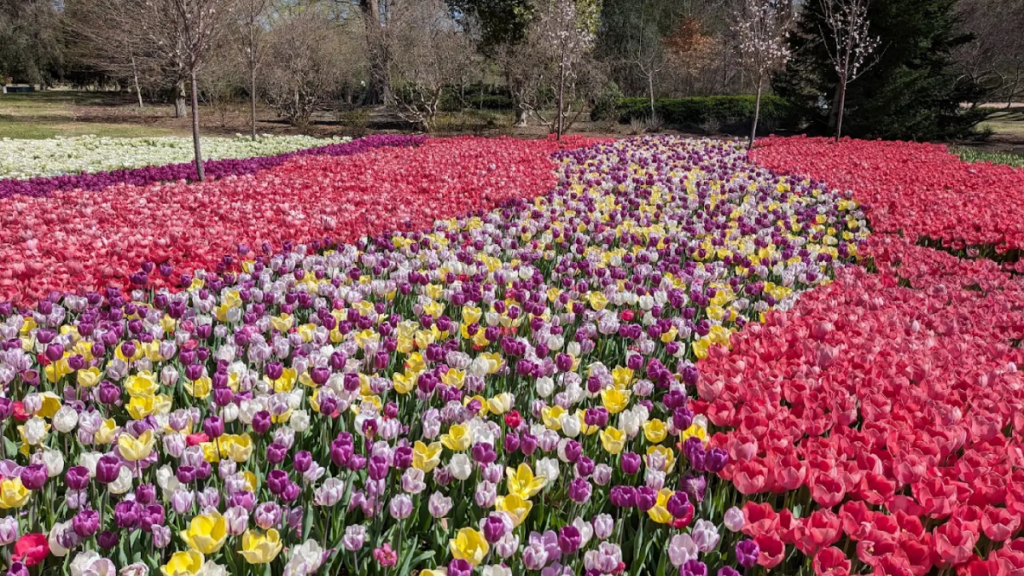
Spring transforms Tennessee into a kaleidoscope of color, from manicured estate gardens overflowing with tulips to mountain trails lined with delicate wildflowers. Whether you’re chasing acres of blooming rhododendrons or hunting for rare native species in cedar glades, the state offers flower experiences for every kind of nature lover.
These 13 spots showcase the best of Tennessee’s spring bloom season, mixing formal gardens with wild landscapes where flowers steal the show.
1. Cheekwood Estate & Gardens — Nashville
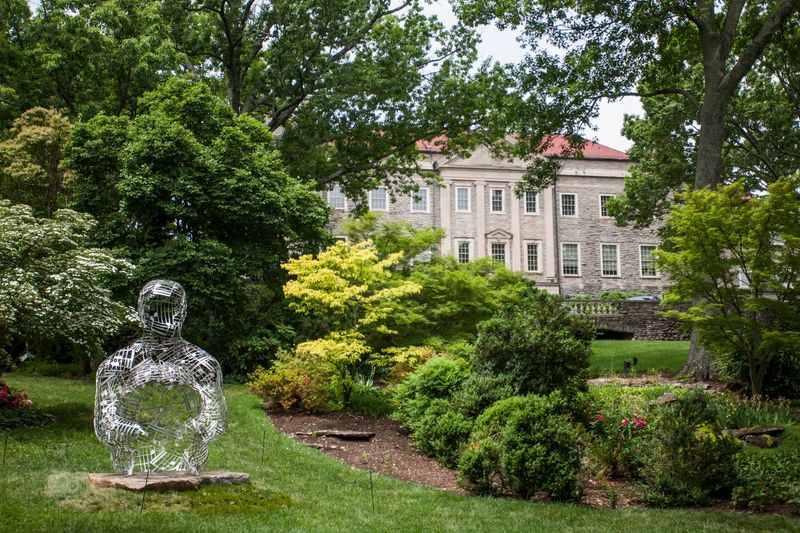
When more than 150,000 flowers wake up at once, you know spring has officially arrived in Nashville. Cheekwood in Bloom is the kind of event that makes even non-gardeners grab their cameras and wander the grounds for hours.
The estate spreads color across every corner, from tulip beds that look like paint palettes to drifts of daffodils nodding in the breeze. Hyacinths add fragrance, crocuses pop up in unexpected spots, and the magnolias and dogwoods frame everything with soft pastels overhead. It’s not just one garden—it’s a whole landscape designed to surprise you around every turn.
Families love the wide pathways and open lawns where kids can run between flower displays. Photographers camp out near the reflecting pools and sculpture gardens, waiting for perfect light. Even if you’re just passing through Nashville, Cheekwood during bloom season is worth rerouting your day.
The estate’s historic mansion adds a touch of elegance, but the real star is always the flowers. Plan to spend at least a couple of hours here—there’s too much color to rush through. Weekday mornings tend to be quieter if you want the gardens mostly to yourself.
2. Dixon Gallery & Gardens — Memphis
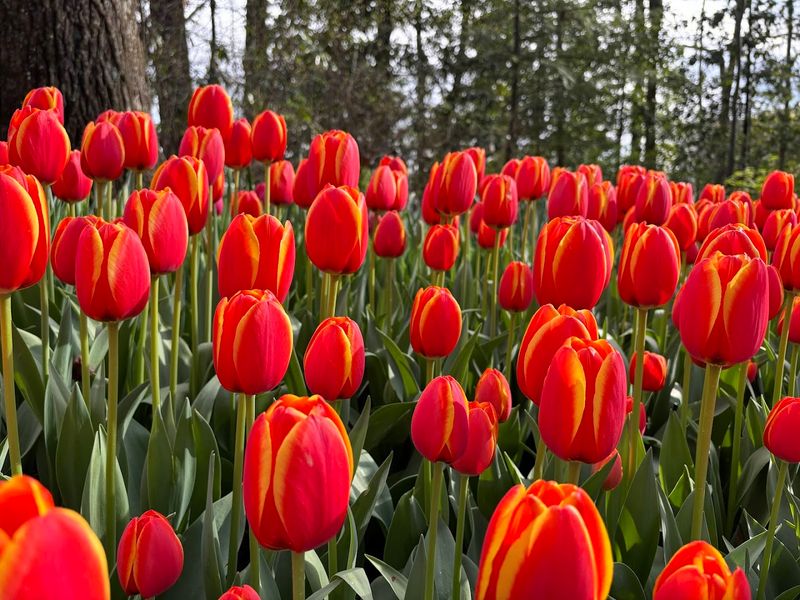
Memphis doesn’t mess around when it comes to tulips. Dixon Gallery & Gardens plants them by the hundreds of thousands, creating one of the South’s most impressive bulb displays every spring.
The 50th anniversary celebration pushed things to a whole new level—more than 650,000 bulbs across the grounds. That’s not a typo. Walking through Dixon during peak tulip season feels like stepping into a living painting where every color imaginable competes for attention.
The gardens mix formal beds with naturalized plantings, so you get both the structured beauty of rows in full bloom and the wild charm of tulips scattered under trees. It’s a combination that keeps the scenery interesting no matter how many laps you take around the property.
Dixon also brings in art exhibits and cultural programming, so you can pair your flower fix with a gallery visit. But honestly, during tulip season, most visitors spend their time outside. The flowers are the main event, and they deliver big time.
Families, couples, and solo wanderers all find their groove here. The paths are easy to navigate, and there are plenty of benches where you can sit and soak in the view. Bring a camera—you’ll want proof that this many tulips actually exist in one place.
3. UT Gardens — Knoxville
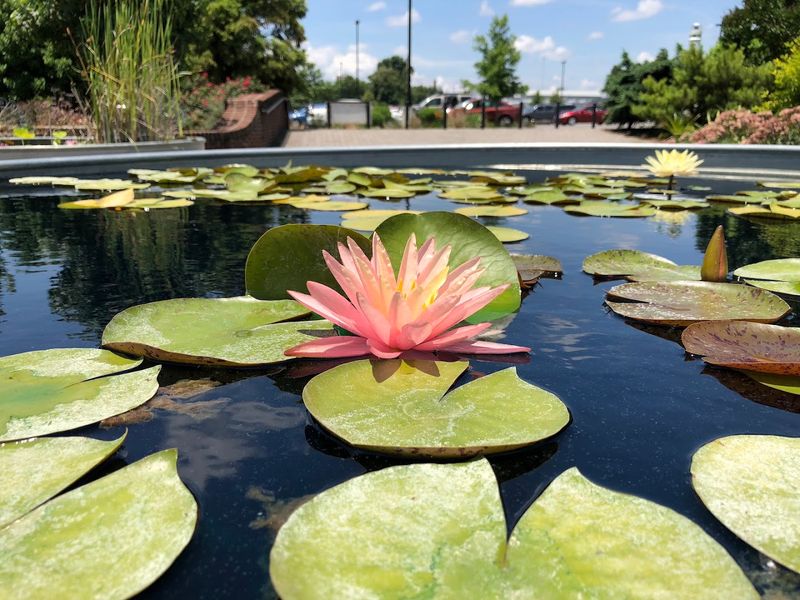
Tucked into Knoxville, UT Gardens offers a quieter, more educational spin on spring blooms. This is where horticulture students learn their craft, and visitors get to enjoy the results—a constantly evolving collection of plants that change with the seasons.
Spring brings waves of color through different garden sections. Perennial beds wake up first, followed by bulbs and flowering shrubs. The layout encourages exploration, with themed areas that showcase everything from native plants to exotic species that thrive in East Tennessee’s climate.
Because it’s a teaching garden, you’ll find more variety here than in some flashier destinations. Labels identify plants, so you can learn while you wander. It’s perfect for anyone who wants to understand what’s blooming, not just snap photos and leave.
The atmosphere is relaxed and low-key. You won’t fight crowds, and parking is straightforward. Families appreciate the open spaces, while gardeners love picking up ideas for their own yards.
The gardens also host events and workshops, especially during peak bloom times.
UT Gardens doesn’t shout for attention like some of Tennessee’s bigger flower destinations, but that’s part of its charm. It’s a place where you can slow down, notice details, and appreciate the science and artistry behind creating a beautiful garden.
4. Memphis Botanic Garden — Memphis
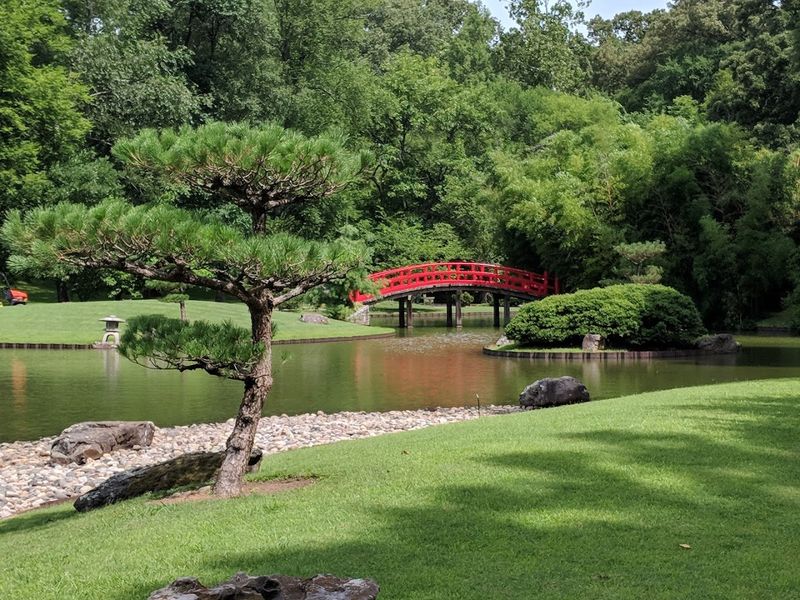
Memphis Botanic Garden is the kind of place where time disappears. You walk in planning to spend an hour and suddenly realize three have passed while you’ve been wandering from one blooming section to another.
Spring transforms the garden into a multi-layered experience. Early bulbs give way to flowering trees, then perennials take over, creating a succession of color that lasts for months. The Japanese Garden becomes especially magical when cherry blossoms and azaleas bloom, adding soft pinks and vibrant magentas to the landscape.
The garden’s size works in its favor—it’s big enough to feel like an escape without being so sprawling that you get exhausted. Paths loop through different themed areas, each with its own personality. Some sections feel formal and manicured, while others embrace a wilder, more naturalistic style.
Families love the butterfly garden and the children’s areas, but the whole property welcomes all ages. Benches appear at perfect intervals for resting and people-watching. Photographers find endless subjects, from close-ups of individual blooms to wide shots of entire garden rooms.
West Tennessee doesn’t get enough credit for its flower destinations, but Memphis Botanic Garden proves the region can hold its own.
5. Great Smoky Mountains National Park — Gatlinburg/Townsend area
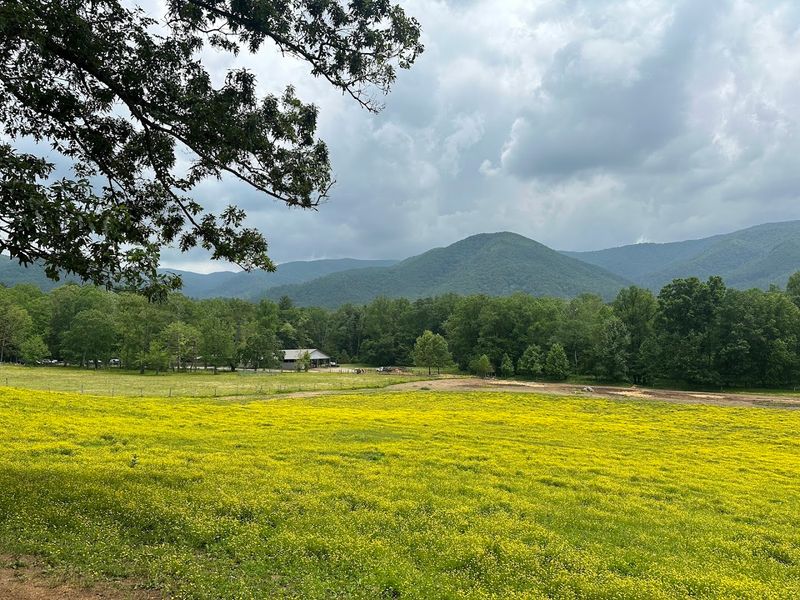
Forget formal gardens—the Smokies deliver wildflower displays that feel like nature showing off. Spring brings an explosion of color along forest trails, from tiny trilliums to bold flame azaleas that light up the understory.
The park’s elevation changes create a bloom calendar that stretches for months. Lower trails start blooming in early April, while higher elevations peak in late May or even June. That means you can chase wildflowers all season long, discovering new species with every hike.
Trails like Porters Creek and Grotto Falls become pilgrimages for wildflower enthusiasts who want to see rare species in their native habitat.
What makes the Smokies special is the diversity. You’ll find hundreds of wildflower species here, including plants that exist nowhere else. Lady slippers, hepatica, bloodroot, jack-in-the-pulpit—the list goes on.
Each hike reveals something different, depending on timing and location.
Bring a field guide or download a plant identification app. Part of the fun is learning what you’re looking at and understanding the ecosystems that support these blooms. Rangers also lead wildflower walks during peak season, sharing knowledge that deepens the experience.
6. Roan Mountain Rhododendron Gardens — Roan Mountain
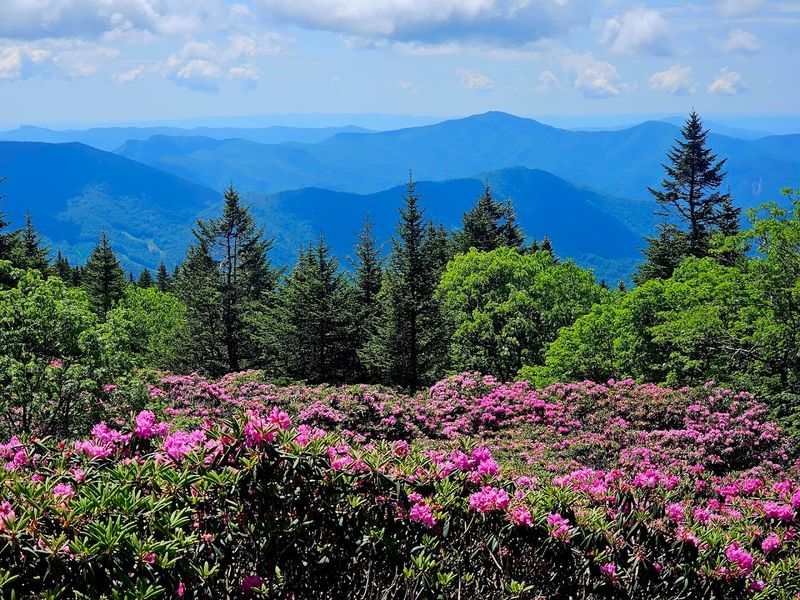
Timing is everything at Roan Mountain, and if you hit it right, you’ll witness one of the Southeast’s most spectacular natural flower displays. The rhododendron gardens peak in late June, when hundreds of bushes spread vivid color across the mountainside.
This isn’t a quick roadside stop—it’s a destination that draws crowds from across the region. People plan their vacations around bloom time, hoping to catch the catawba rhododendrons at their absolute best. When conditions align, the entire landscape turns shades of purple and pink that almost don’t look real.
The high elevation keeps temperatures cool even in summer, making the hike to the gardens comfortable. Trails wind through the rhododendron thickets, offering close-up views of the blooms and panoramic vistas of the surrounding mountains. It’s a photographer’s dream and a nature lover’s paradise rolled into one.
Roan Mountain State Park manages the area well, with clear trails and facilities that handle the bloom-season crowds. Still, expect company during peak weekends—word has gotten out about this place. Weekdays or early mornings offer more solitude if you prefer a quieter experience.
The rhododendrons bloom later than most spring flowers, but they absolutely belong on a Tennessee flower list. Few places in the state can match the sheer scale and beauty of Roan Mountain when those bushes decide to put on a show.
7. Rock Island State Park — Rock Island
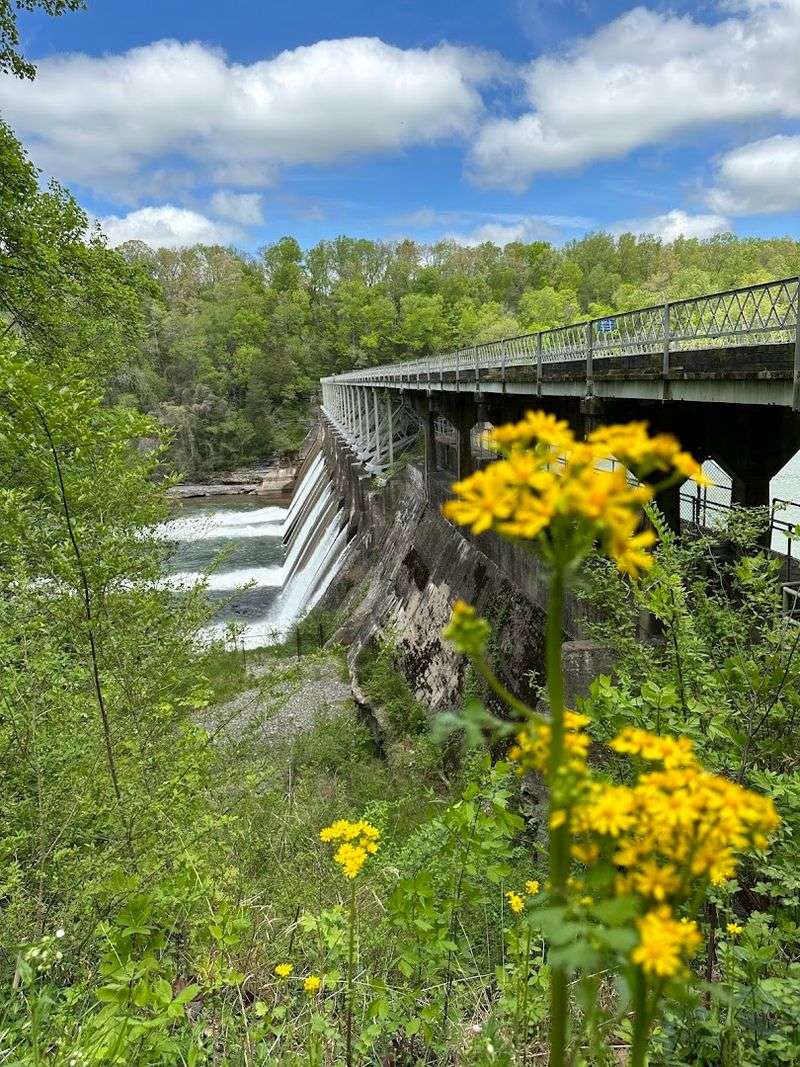
Rock Island proves that waterfalls and wildflowers make an unbeatable combination. Spring hikes here deliver both, with trails that wind past cascades and through forests carpeted in blooming plants.
The park’s rugged scenery provides a dramatic backdrop for delicate flowers. Trilliums push up through leaf litter, violets cluster near water, and trees overhead add their own blooms to the mix. It’s the kind of place where you stop constantly to look down at flowers, then look up at waterfalls, then wonder how one spot got so lucky.
Great Falls, the park’s centerpiece, adds drama to any visit. But the smaller cascades and creek-side trails often reveal the best wildflower displays. Water creates microclimates where moisture-loving plants thrive, so areas near streams become wildflower hotspots.
Bring sturdy shoes—trails can be rocky and occasionally slippery. Also, bring a camera and maybe a wildflower guide. The diversity here surprises first-time visitors who expect just waterfalls and get a full spring ecosystem instead.
Rock Island doesn’t get as much attention as some of Tennessee’s bigger parks, which means you can often enjoy the flowers and falls without battling crowds. That alone makes it worth the trip.
8. Burgess Falls State Park — Sparta
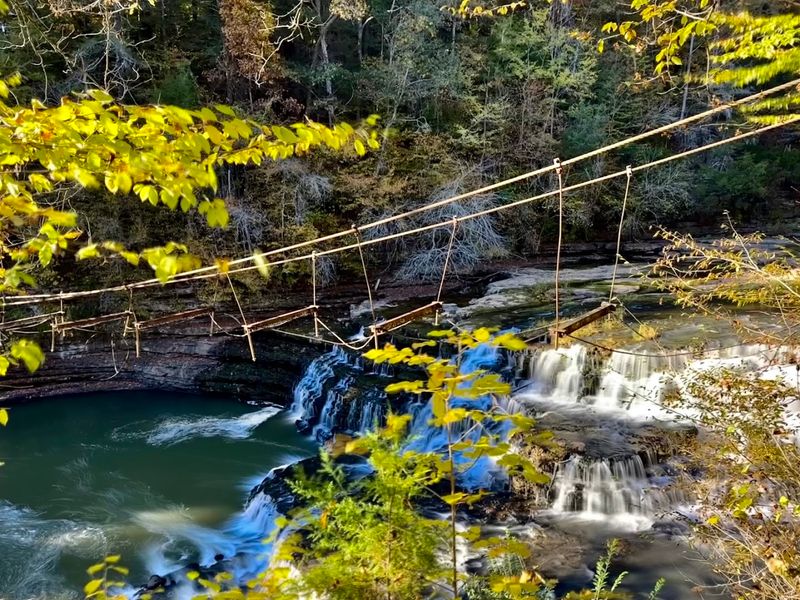
Burgess Falls offers more than just waterfall views—it’s also a fantastic spot for beginner wildflower identification. The park even hosts a spring wildflower hike designed specifically for people who want to learn what they’re seeing.
The trail to the main falls passes through diverse habitats where different wildflowers thrive. Wooded sections shelter shade-loving species, while sunnier spots near the gorge support plants that prefer more light. This variety makes each section of the hike feel like a new discovery.
Rangers and volunteers lead walks during peak bloom times, helping visitors identify species and understand the ecology that supports them. It’s hands-on learning that sticks with you long after the hike ends.
The waterfall itself is stunning, especially with spring runoff boosting water flow. But the flowers add an extra layer of beauty that transforms a scenic hike into something more memorable. You’re not just walking to a viewpoint—you’re moving through a living garden that changes week by week.
Families appreciate the relatively easy trail and the chance to teach kids about native plants. Photographers love the combination of water, rock, and blooms. Even casual hikers find themselves stopping more often than expected to admire flowers they might otherwise walk past.
Burgess Falls proves that wildflower hikes don’t have to be intimidating. Start here, and you’ll leave knowing more about Tennessee’s native blooms than when you arrived.
9. Cedars of Lebanon State Park — Lebanon
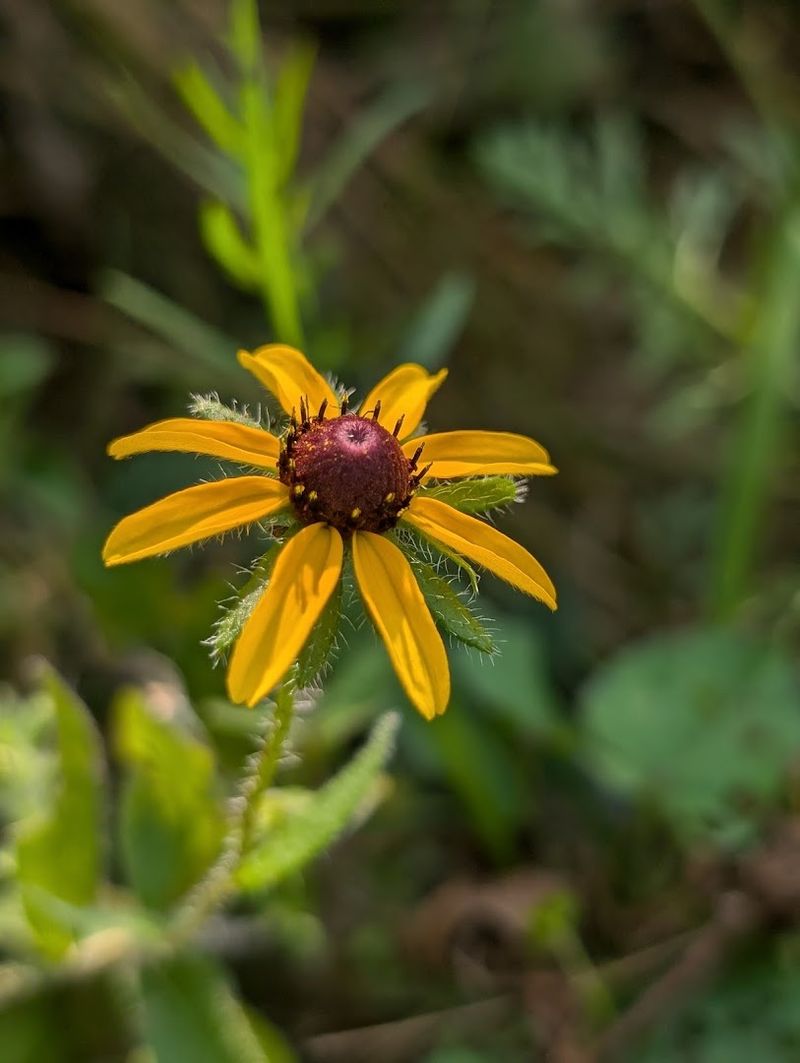
Cedars of Lebanon stands out because of its cedar glade habitat—a rare limestone ecosystem that supports wildflowers found almost nowhere else. Spring here looks different from other Tennessee parks, with unusual species adapted to thin soils and rocky conditions.
The glades create harsh growing conditions that favor specialized plants. You’ll see species that have evolved to handle extreme heat, drought, and nutrient-poor soil. When these tough little plants bloom in spring, they create a display that’s subtle but fascinating for anyone interested in native flora.
Trails wind through both forest and glade areas, offering contrast between typical woodland wildflowers and the glade specialists. The educational signs help visitors understand what makes this habitat unique. It’s not just about pretty flowers—it’s about ecosystems that exist in only a handful of places worldwide.
The park’s location near Nashville makes it an easy day trip, but it feels worlds away from the city. Quiet trails and unusual landscapes create a sense of discovery that’s rare in more heavily visited parks. Birders also love this spot, adding another layer of wildlife watching to the wildflower experience.
Cedar glades won’t appeal to everyone—they’re not showy like tulip gardens or rhododendron displays. But for anyone curious about rare ecosystems and the plants that thrive in extreme conditions, Cedars of Lebanon offers a spring bloom experience unlike anywhere else in Tennessee.
10. Fall Creek Falls State Park — Spencer
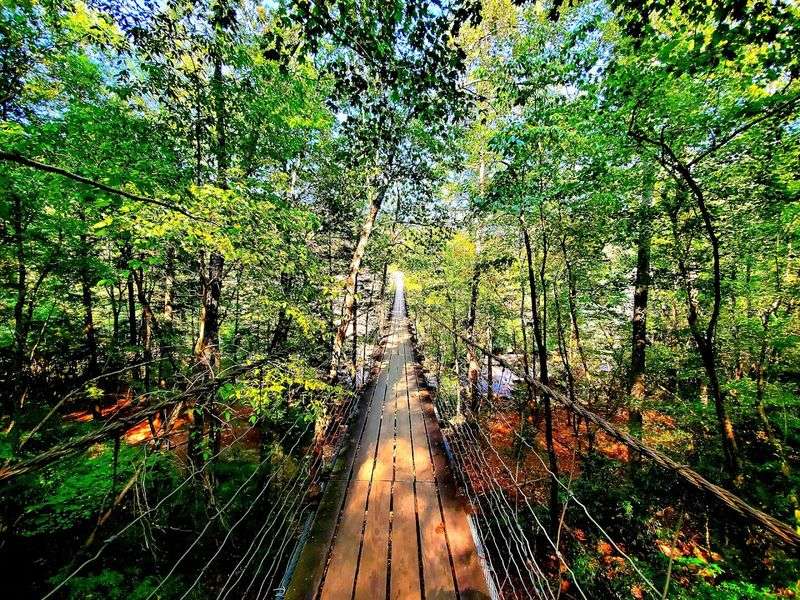
Fall Creek Falls built its reputation on waterfalls, but spring brings fresh greenery and wildflower-covered trails that deserve equal attention. The park’s diverse terrain creates habitats for dozens of wildflower species, from common favorites to harder-to-find natives.
Trails range from easy strolls to challenging hikes, all passing through forests where spring blooms add color to the understory.
The waterfall overlooks become even more photogenic when framed by blooming dogwoods and redbuds. Lower trails near creeks support moisture-loving wildflowers that create dense carpets of color. Higher ridges offer different species adapted to drier conditions, giving hikers variety no matter which route they choose.
The park’s size means you can visit multiple times in one season and see different flowers each trip. Early spring brings one wave of blooms, late spring brings another. The changing display keeps things interesting for repeat visitors and locals who make this a regular spring destination.
Families appreciate the well-maintained trails and facilities. The park offers camping, cabins, and a lodge, so you can base yourself here for a full wildflower weekend. Sunrise and sunset hikes reveal flowers in different light, and early mornings often mean fewer people on the trails.
Fall Creek Falls proves it’s more than just waterfalls. Spring turns this park into a wildflower destination that rivals any other in the state.
11. Big South Fork National River & Recreation Area — Oneida
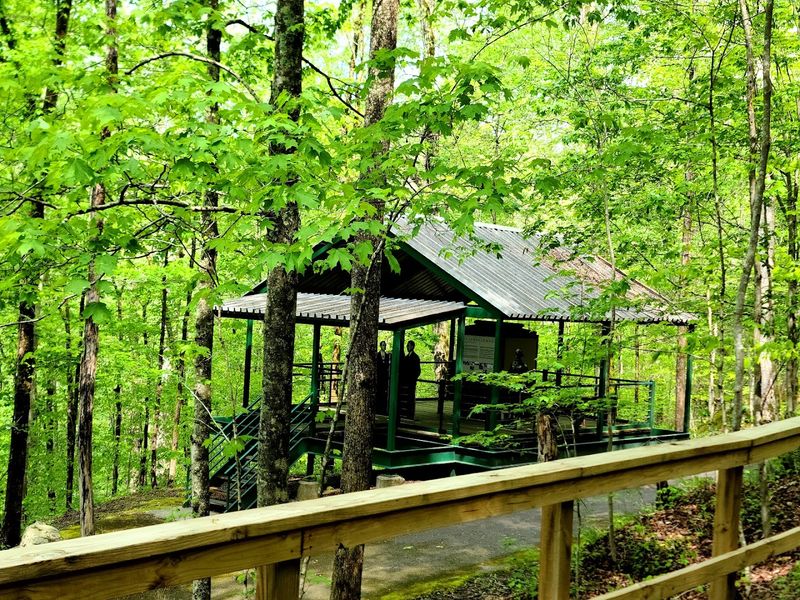
Big South Fork offers a less manicured, more adventurous wildflower experience. The region’s trails, bluffs, forests, and river scenery make the wildflowers feel like hidden discoveries rather than planned displays.
Spring hikes here take you through diverse ecosystems where wildflowers appear around every bend. Riverside trails pass plants that thrive near water, while upland paths showcase species adapted to rockier, drier conditions. The variety keeps your eyes scanning the ground, searching for the next bloom.
Natural rock formations add drama to the wildflower hunting. Arches, overhangs, and bluff edges create microclimates where unusual species find footholds. Photographers love the combination of geological features and delicate flowers—it’s a contrast that produces memorable images.
The recreation area’s size means you can hike for days without repeating trails. Each section has its own character, and wildflower displays vary depending on elevation, exposure, and soil type. Serious wildflower enthusiasts can spend entire weekends exploring different areas and documenting species.
Big South Fork doesn’t hand you the wildflowers on a platter—you have to work for them a bit. Trails can be rugged, and some of the best blooms appear in less-traveled areas. But that effort pays off with a sense of discovery that formal gardens can’t match.
For anyone who prefers their wildflowers with a side of adventure, Big South Fork delivers. This is Tennessee spring blooms at their wildest and most rewarding.
12. Lucky Ladd Farms — Eagleville
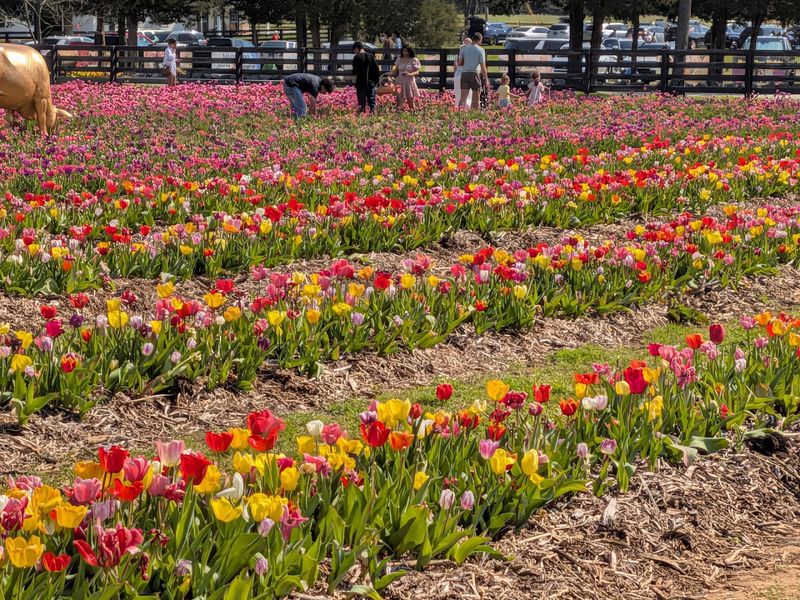
Lucky Ladd Farms brings a completely different energy to Tennessee’s spring flower scene. This is where families come for tulips plus fun, combining flower viewing with farm activities that keep kids entertained for hours.
Fields of blooms create photo-ready backdrops, while farm attractions add entertainment beyond just flower gazing.
The tulip displays here feel more casual and accessible than formal gardens. You can walk through the fields, kids can run around without worrying about disturbing carefully maintained beds, and the whole experience is designed for families who want beauty without stuffiness.
Farm animals, play areas, and seasonal activities make Lucky Ladd a full-day destination. Parents appreciate that they can enjoy the tulips while kids burn energy on swings, slides, and farm-themed attractions. It’s a combination that works for multiple generations visiting together.
The farm’s location near Eagleville puts it within easy reach of Nashville but far enough out to feel like a countryside escape. Spring weekends draw crowds, but the property handles them well with plenty of space and organized flow.
Lucky Ladd proves that flower destinations don’t have to be quiet and contemplative. Sometimes the best spring blooms come with laughter, farm animals, and kids covered in dirt—and that’s exactly what makes this spot special.
13. Short Springs State Natural Area — Tullahoma
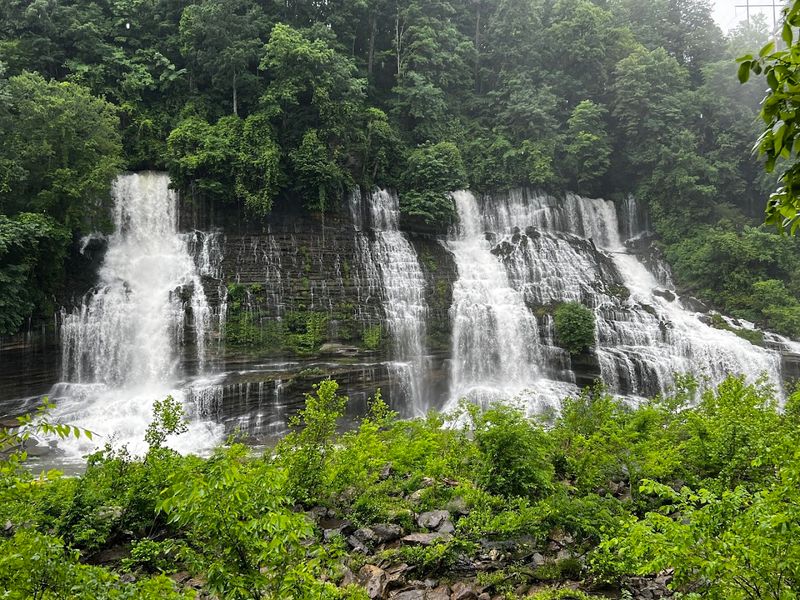
Short Springs keeps things simple and natural—trails, waterfalls, and wildflowers without crowds or commercial development. This state natural area preserves a piece of Middle Tennessee where spring blooms happen on their own schedule, undisturbed by human intervention.
The trails wind through diverse habitats where different wildflowers thrive. Creek-side paths support moisture-loving species, while upland sections showcase plants adapted to drier conditions. The variety means every hike reveals something new, especially if you visit multiple times throughout the spring.
Waterfalls add scenic appeal, but the wildflowers often steal the show. Machine Falls and the other cascades create misty microclimates where ferns and delicate blooms flourish. The combination of water, rock, and flowers produces scenes that feel almost too perfect to be natural.
Short Springs doesn’t get the attention of bigger parks, which works in visitors’ favor. You can often hike here without seeing many other people, creating a peaceful wildflower experience that feels personal and unhurried. The trails are well-maintained but not overly developed, preserving the natural character that makes the area special.
Bring a camera and maybe a wildflower guide—the diversity here rewards attention to detail. Also, bring water and snacks, since facilities are minimal. This is a natural area designed for people who want nature without extras.
For anyone seeking a quiet spring wildflower hike away from crowds, Short Springs delivers exactly that. It’s Tennessee blooms at their most peaceful and unspoiled.