Tennessee has some seriously beautiful bridges that aren’t just for getting from one side to the other. Whether you’re crossing the Cumberland River in Nashville, walking high above the Mississippi in Memphis, or exploring historic covered bridges in the mountains, these walkable bridges offer incredible views and memorable moments.
From downtown skyline backdrops to peaceful nature trails, each bridge gives you a different way to experience Tennessee’s rivers, parks, and scenery without ever getting in a car.
1. John Seigenthaler Pedestrian Bridge — Nashville
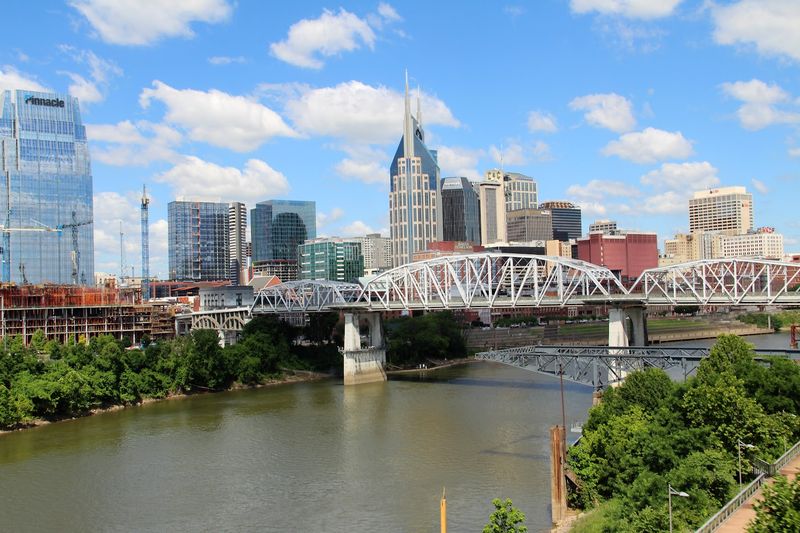
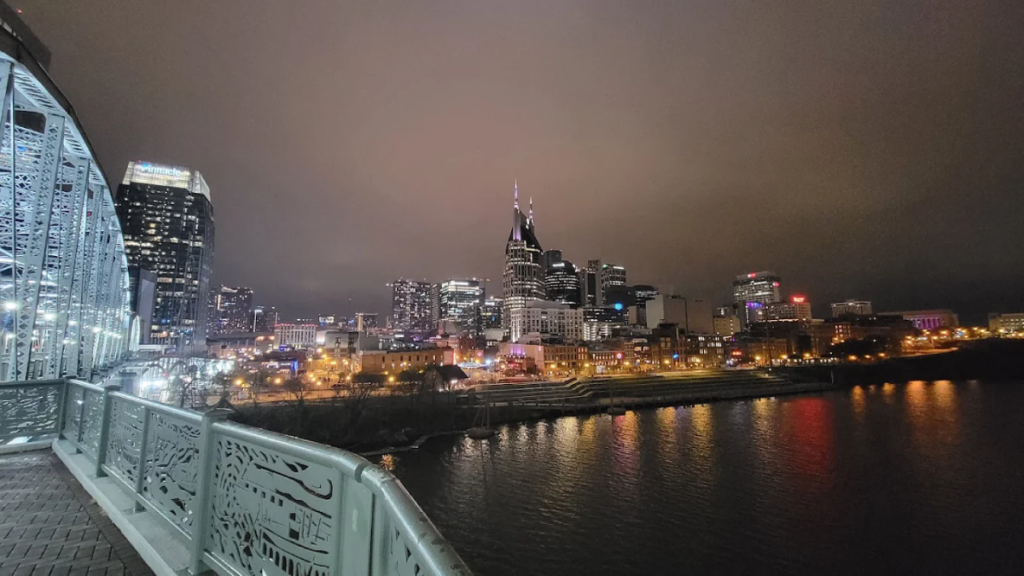
Walking across the Cumberland River with Nashville’s skyline rising up around you feels different than looking at it from street level. This pedestrian-only bridge stretches nearly half a mile and puts you right in the middle of one of the best views in the city. You’ll see Nissan Stadium on one side, downtown towers on the other, and the river flowing beneath your feet.
Sunset is when things get really good. The light hits the buildings just right, and if you stick around after dark, the whole bridge lights up in changing colors. It’s a popular spot, so expect company, especially on weekends and warm evenings.
Joggers, tourists, couples, and photographers all share the space pretty peacefully.
Because it’s designed just for people and bikes, you don’t have to worry about dodging cars or dealing with traffic noise. That makes it feel more relaxed, even when it’s busy. Metro Nashville keeps it open year-round for pedestrian and recreational bicycle use, so you can walk it anytime.
The bridge connects downtown to the east bank, so it’s easy to build into a longer walk or run if you want. Parking is available on either end, and there are restaurants and parks nearby if you want to make an afternoon of it.
It’s one of those places that reminds you why Nashville’s riverfront is worth paying attention to.
2. Big River Crossing — Memphis
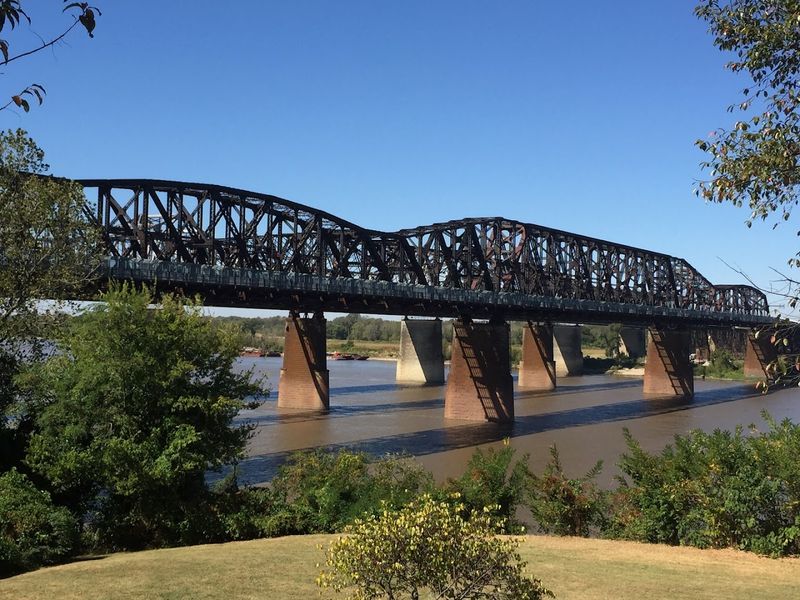
Crossing the Mississippi River on foot is not something you get to do every day. Big River Crossing makes it possible with a dedicated pedestrian path that stretches over 5,000 feet from downtown Memphis all the way toward Arkansas. It’s the longest public pedestrian bridge across the Mississippi River, and once you’re out there, you understand why that matters.
The views are massive. You’re walking above one of America’s most iconic rivers, with barges drifting below and the Memphis skyline shrinking behind you. On clear days, you can see for miles in every direction.
The bridge is free to use and open to walkers and cyclists, so it’s a great way to get some exercise while soaking in serious scenery.
Sunset is the time to go if you want drama. The sky lights up in orange and pink, and the river turns into a glowing ribbon beneath you. Even on overcast days, the scale of the experience is impressive.
You’re literally walking between two states, which feels cooler than it sounds.
The path is well-maintained and wide enough that you’re not bumping elbows with other people. There are spots to stop and take photos or just lean on the railing and watch the water. If you’re visiting Memphis and want something different from Beale Street or barbecue joints, this is your move.
3. Cumberland River Pedestrian Bridge — Nashville
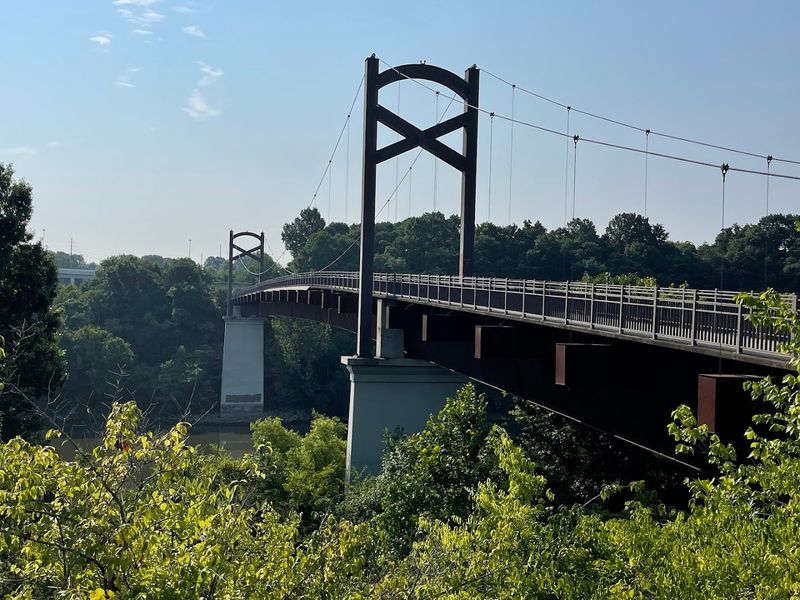
If you want river views without the downtown crowds, this bridge is your answer. It connects Shelby Bottoms Greenway to Two Rivers Park, creating a quiet crossing over the Cumberland River that feels more like a nature escape than a city walk.
The scenery here is softer and greener than what you’ll find on the downtown bridges. Trees line both sides of the river, and you’ll often see kayakers or paddleboarders drifting by below. Birds are everywhere, especially in the mornings, and the whole vibe is calm and unhurried.
Because it’s part of the greenway system, the bridge is popular with joggers, dog walkers, and families out for a bike ride. But it never feels overcrowded, even on weekends. The path is paved and smooth, so it’s easy for strollers, wheelchairs, and anyone who prefers a flat surface.
Both parks offer trails, picnic spots, and open fields, so you can turn a simple bridge walk into a longer outdoor adventure if you’re in the mood. Parking is available at either end, and the whole area is free to use.
4. Cane Creek Suspension Bridge — Fall Creek Falls State Park
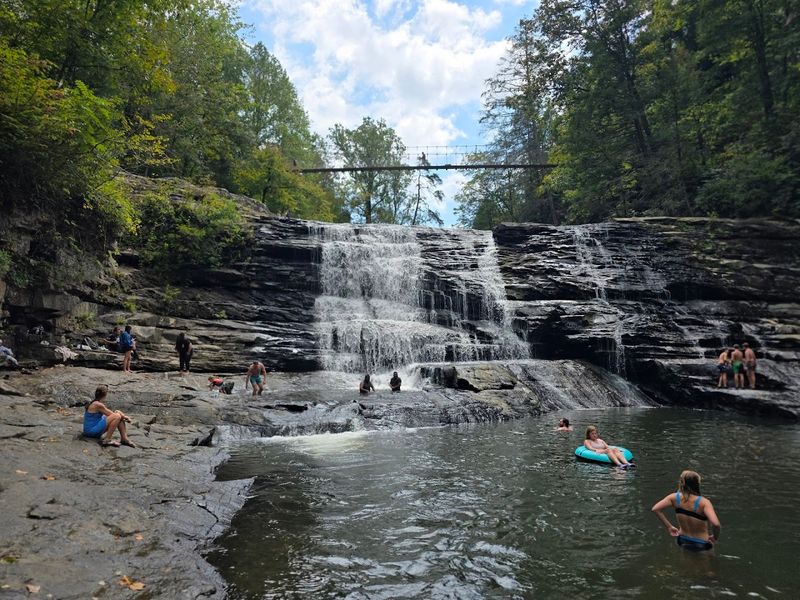
Suspension bridges always add a little thrill to a hike, and this one at Fall Creek Falls State Park doesn’t disappoint. The bridge sways gently as you walk across, giving you a bird’s-eye view of Cane Creek below and the surrounding gorge walls rising up on both sides. Visitors can start at the suspension bridge and see Fall Creek Falls from the overlook, making it a must-stop on any park visit.
The setting is dramatic. Thick forest surrounds you, the creek rushes below, and the whole scene feels wild and untouched. If you’re visiting during spring or after heavy rain, the water flow is especially impressive, and the sound of the creek echoes off the canyon walls.
This isn’t a long bridge, but it’s memorable. The slight bounce underfoot reminds you that you’re suspended over a gorge, which is part of the fun. Kids love it, and photographers will find plenty of angles to work with, especially if you catch the light filtering through the trees.
The bridge is part of a larger trail system, so you can easily combine it with a hike to the base of Fall Creek Falls or explore other overlooks in the park. The trails range from easy to moderate, so there’s something for most fitness levels. If you’re camping or spending the day at the park, make sure this bridge is on your list.
It’s one of those spots that feels bigger and more adventurous than the short walk it takes to get there.
5. Elizabethton Covered Bridge — Elizabethton
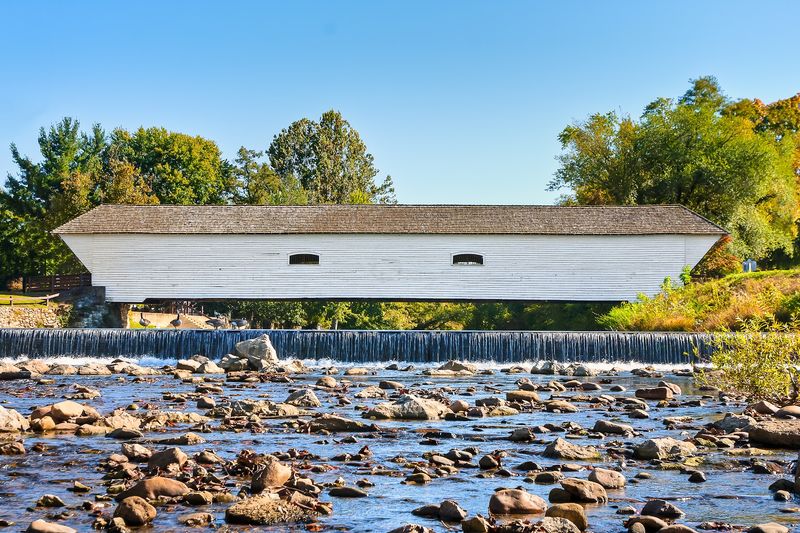
Step inside this covered bridge and you’re walking through a piece of Tennessee history. Built in 1882, the Elizabethton Covered Bridge crosses the Doe River and still looks like something out of an old photograph. You can walk through the bridge near Covered Bridge Park and downtown Elizabethton, making it an easy stop if you’re exploring the area.
The wooden beams, weathered planks, and dim interior give the bridge a timeless feel. It’s cool and shaded inside, even on hot days, and the sound of the river below adds to the charm. You can walk through slowly and imagine what it was like when this was the main way to cross the river over a century ago.
Outside, the setting is just as pretty. The river flows gently, and the park around the bridge has picnic tables, benches, and open green space. Families come here to relax, take photos, and let kids run around.
It’s a peaceful spot that doesn’t feel rushed or touristy, even though it’s a local landmark.
The bridge is still sturdy and safe to walk across, and it’s free to visit anytime. If you’re passing through Elizabethton or exploring Northeast Tennessee, this is a quick, charming detour that gives you a taste of the region’s past.
6. Tennessee Riverwalk Bridges — Chattanooga
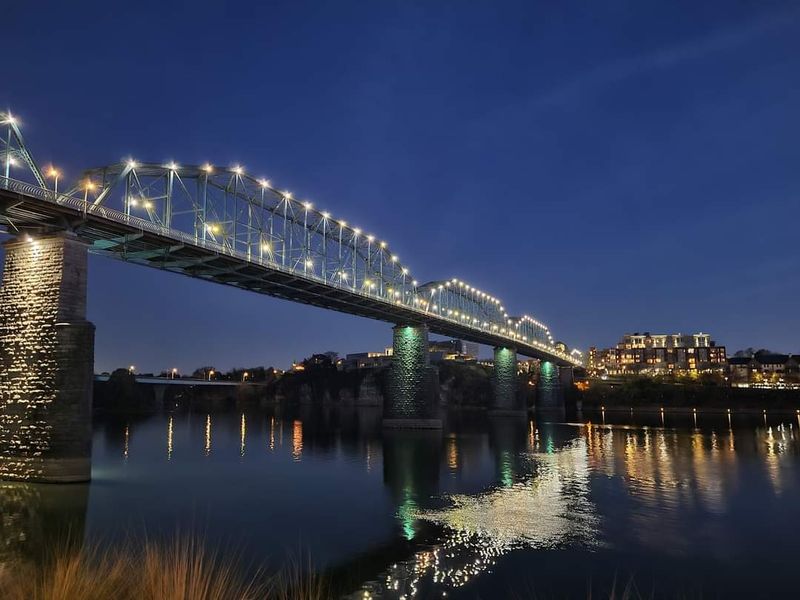
Chattanooga’s Tennessee Riverwalk isn’t just one bridge—it’s a whole network of paved paths, boardwalks, and bridge crossings that follow the Tennessee River for miles. You can start downtown and walk all the way toward Chickamauga Dam or head in the other direction toward St. Elmo, passing parks, marinas, and riverfront attractions along the way.
The bridges along the Riverwalk give you different perspectives on the river and the surrounding scenery. Some are short and functional, while others stretch over inlets or wetlands, offering wider views and quieter moments. The whole route is flat and easy, making it perfect for walkers, runners, and cyclists of all ages.
What makes this walk special is the variety. You’ll pass historic sites, modern parks, public art, and plenty of spots to sit and watch the water. The Riverwalk connects to other trails and greenways, so you can customize your route based on how far you want to go and what you want to see.
Parking is available at multiple access points, and the trail is free to use year-round. Whether you’re visiting Chattanooga for the first time or you live nearby, the Riverwalk bridges offer a relaxing way to experience the riverfront without dealing with crowds or traffic. Bring water, wear comfortable shoes, and plan to spend a couple of hours exploring.
It’s one of those walks that feels better the longer you stay on it.
7. Wolf River Greenway Bridges — Memphis
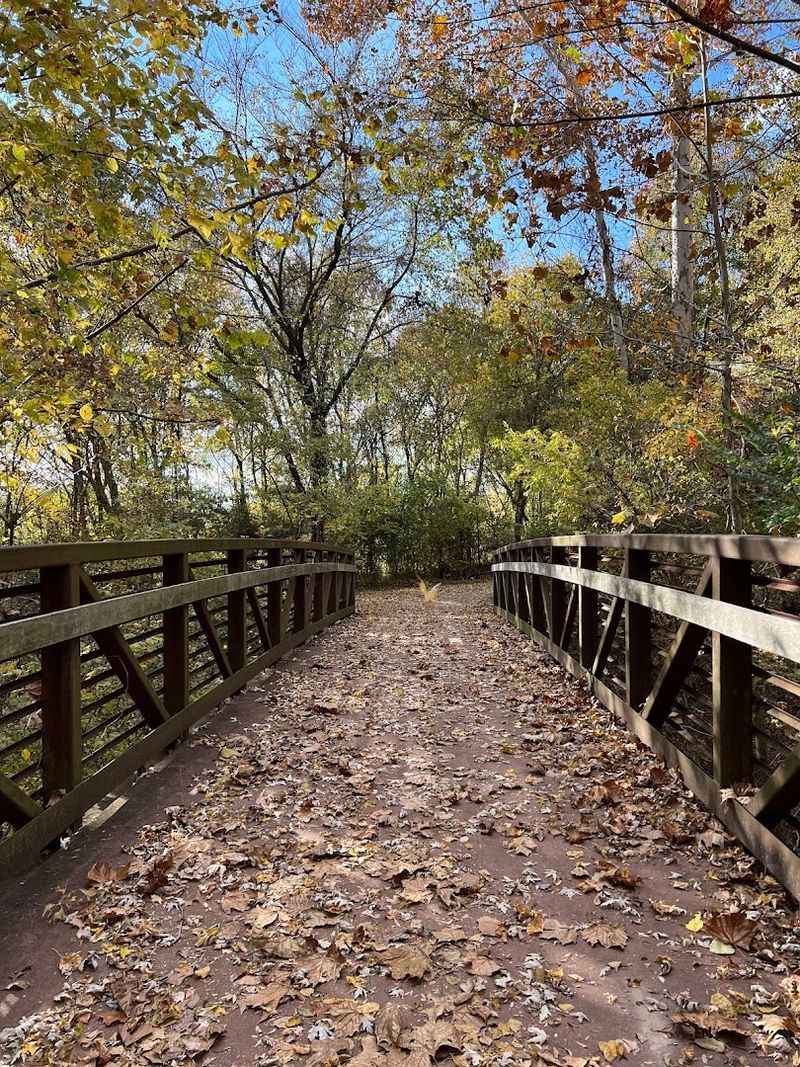
Memphis has more to offer than downtown and Graceland, and the Wolf River Greenway proves it. This 26-mile paved pathway follows the meanders of the Wolf River through wetlands, forests, and quiet neighborhoods, and the bridges along the way are some of the prettiest parts of the route. The Wolf River Conservancy describes it as a peaceful pedestrian pathway that showcases the natural side of the city.
The bridges here are mostly low and wooden, crossing over creeks, marshes, and sections of the river itself. They’re surrounded by trees and wildlife, so it feels more like a nature preserve than an urban trail. You’ll see turtles sunning themselves, herons wading in the shallows, and ducks paddling through the calm water.
Because the greenway is long, you can choose how much of it you want to explore. Some people walk a short loop near one of the trailheads, while others bike the entire length over a few hours.
The trail is well-maintained and clearly marked, with benches and rest areas scattered along the way. It’s free to use, and there are several parking areas at different access points. If you’re looking for a quieter, greener side of Memphis, this greenway delivers.
The bridges aren’t flashy or famous, but they’re peaceful, scenic, and worth the walk.
8. Murfreesboro Greenway Bridges — Murfreesboro
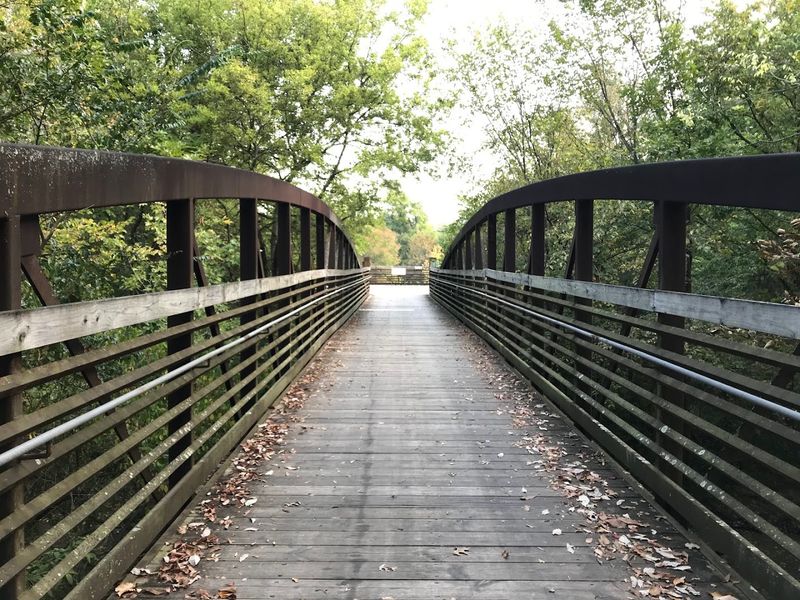
Murfreesboro’s greenway system is one of Middle Tennessee’s best-kept secrets. With more than 17 miles of paved trails, bridges, and boardwalks, it’s a great option for easy walking with plenty of river and woodland scenery. The City of Murfreesboro maintains the greenway year-round, and the bridges are some of the most photogenic spots along the route.
The boardwalk-style sections feel especially peaceful. They stretch over wetlands and creeks, giving you a front-row view of the water and the wildlife that call it home. You’ll see frogs, dragonflies, and birds, and the whole atmosphere is calm and unhurried.
The greenway connects neighborhoods, parks, and schools, so it’s popular with locals out for a morning jog or an afternoon bike ride. But it never feels crowded, even on weekends. The bridges are wide and sturdy, and the trail surface is smooth enough for strollers, wheelchairs, and anyone who prefers a flat path.
There are multiple access points with free parking, so you can start wherever is most convenient. Some sections follow the river closely, while others wind through wooded areas or open fields. If you’re visiting Murfreesboro or just passing through on the way to Nashville, the greenway is a relaxing way to stretch your legs and see a different side of the city.
The bridges add charm and variety, and the whole experience feels low-key and welcoming.
9. Cumberland Riverwalk Pedestrian Bridge — Clarksville
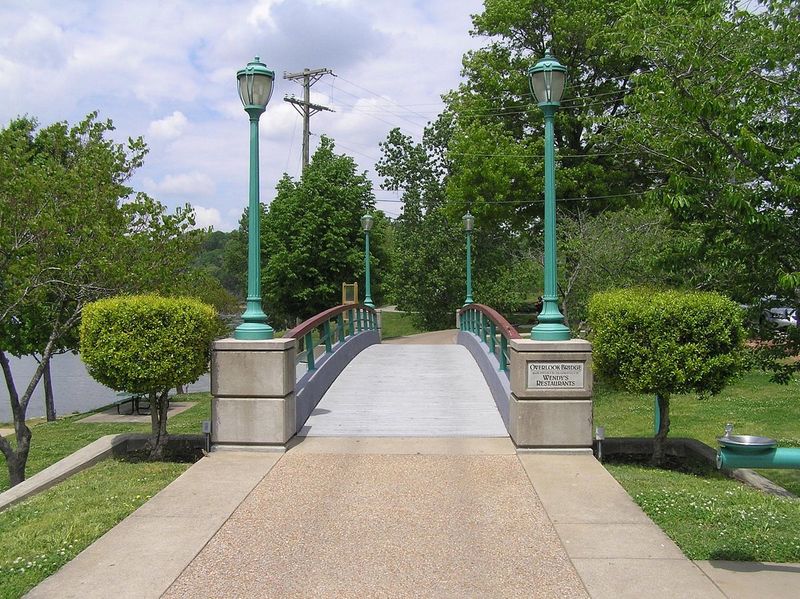
Clarksville’s riverfront has gotten a lot prettier in recent years, and the Cumberland Riverwalk Pedestrian Bridge is a big part of that. Visit Clarksville notes that the Riverwalk connects to the city’s Upland Trail and historic downtown via this pedestrian bridge over Riverside Drive, making it easy to explore the waterfront and the city center in one trip.
The bridge itself is modern and functional, with wide pathways and great views of the Cumberland River. It’s designed for walkers and cyclists, so you don’t have to worry about cars or traffic noise. From the bridge, you can see boats on the river, parks along the shoreline, and the downtown skyline in the distance.
What makes this bridge special is how well it connects different parts of the city. You can start at the Riverwalk, cross the bridge, and end up in the heart of downtown without ever getting in a car. That makes it perfect for anyone who wants to explore Clarksville on foot or bike.
The Riverwalk itself is paved and easy, with benches, picnic areas, and public art along the way. The bridge adds to the experience by giving you an elevated view of the river and the surrounding landscape. It’s free to use, and there’s parking nearby if you’re driving in.
Whether you’re a local or just visiting, this bridge is a simple, scenic way to enjoy Clarksville’s riverfront without much effort.
10. Chief John Ross Bridge — Chattanooga
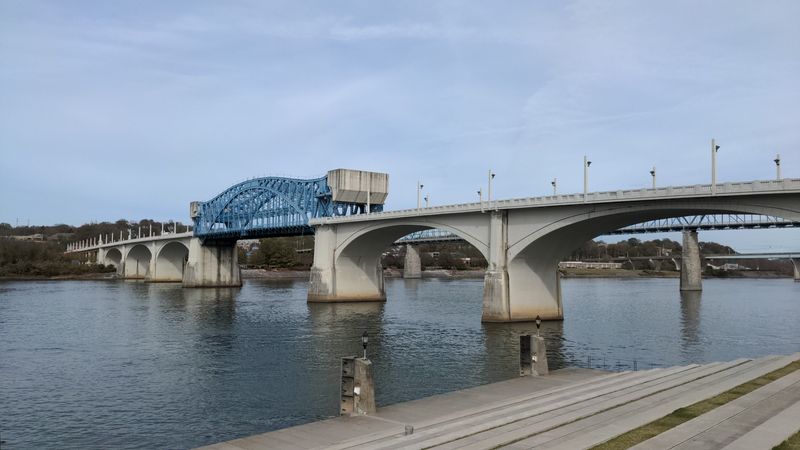
Named after a Cherokee leader, the Chief John Ross Bridge is one of Chattanooga’s most recognizable river crossings. While it’s primarily a vehicle bridge, it includes pedestrian walkways that give you a safe and scenic way to cross the Tennessee River on foot. The views from up here are some of the best in the city, especially if you’re looking at the riverfront, downtown skyline, or the mountains in the distance.
Walking across feels a little different than the quieter greenway bridges. You’ll hear traffic, but the walkway is separated and wide enough that you’re not right next to the cars. The elevation gives you a commanding view of the river below, and you can see boats, parks, and bridges stretching in both directions.
The bridge connects to several riverfront attractions and trails, so it’s easy to build into a longer walk or bike ride. You can start downtown, cross the bridge, and explore the trails on the other side, or use it as a shortcut between neighborhoods. Either way, it’s a functional and scenic part of Chattanooga’s pedestrian infrastructure.
Because it’s a major crossing, the bridge is well-lit and open year-round. It’s free to use, and there’s parking nearby if you’re driving in. If you’re exploring Chattanooga’s riverfront and want a different vantage point on the Tennessee River, this bridge delivers.
11. Korean Veterans Memorial Bridge — Nashville
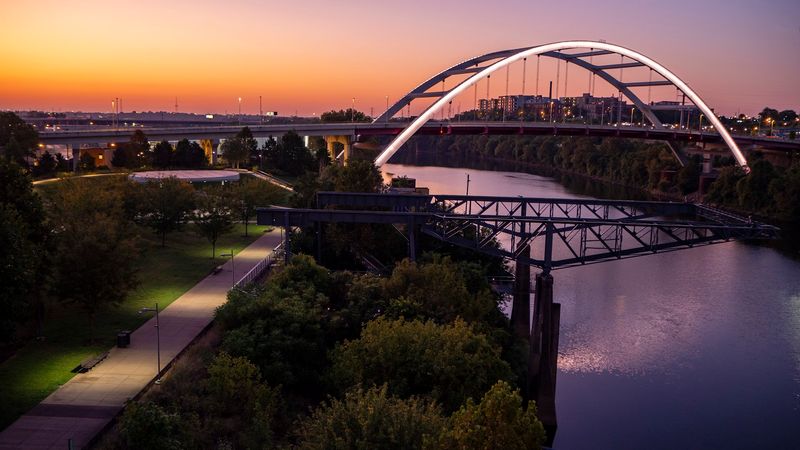
This bridge honors the men and women who served in the Korean War, and it does so in a way that’s both functional and meaningful. The Korean Veterans Memorial Bridge crosses the Cumberland River and includes pedestrian access, making it possible to walk across while taking in views of the river, the surrounding neighborhoods, and the downtown skyline in the distance.
The bridge itself is modern and well-maintained, with wide sidewalks and clear signage. As you walk, you’ll notice memorial plaques and design elements that pay tribute to the bridge’s namesake. It’s a thoughtful way to remember history while enjoying the present-day beauty of Nashville’s riverfront.
The views from the bridge are impressive. You’re high enough to see far up and down the river, and the surrounding landscape includes parks, trails, and residential areas that give you a sense of how the city spreads out beyond downtown. On clear days, the light on the water is especially pretty.
Because it’s a major crossing, the bridge sees a mix of vehicles and pedestrians, but the walkway is separated and safe. It’s free to use, and there’s parking nearby if you want to start your walk from one end or the other. Whether you’re a local looking for a new route or a visitor wanting to explore a different part of Nashville, this bridge offers a meaningful and scenic way to cross the Cumberland River on foot.