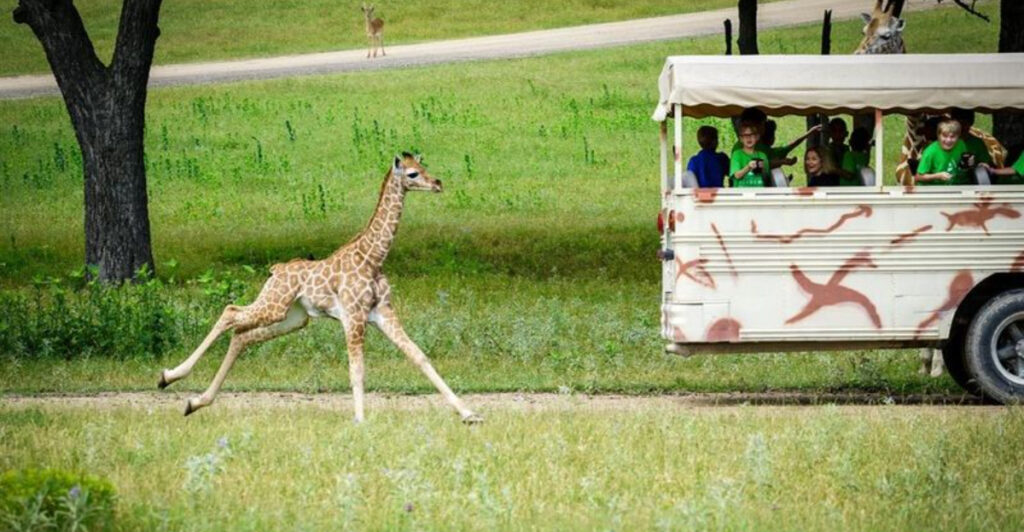
Texas is home to some of the most remarkable animal sanctuaries in the country, where you can get up close with creatures ranging from majestic elephants to powerful big cats. These rescues do more than just offer unforgettable encounters—they provide safe havens for animals that have been neglected, abused, or retired from difficult situations. Visiting these sanctuaries means you’re directly supporting their mission to protect and care for animals who need it most, all while creating memories that’ll last a lifetime.
1. Cleveland Amory Black Beauty Ranch (Murchison)
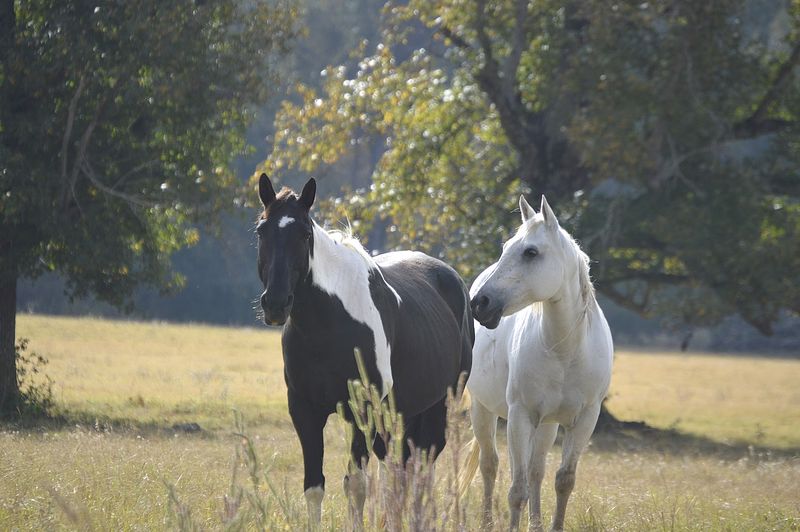
Sprawled across 1,400 acres of East Texas countryside, this sanctuary represents one of the most ambitious animal rescue operations in the United States. Named after the famous animal advocate and author, Black Beauty Ranch has been giving second chances to animals since 1979. The variety of residents here is staggering—you’ll find everything from formerly abused circus elephants to rescued laboratory chimpanzees living out their days in peace.
Walking through the ranch feels like stepping into a different world where animals finally get to be animals. The tigers lounge in shaded areas, bears splash in custom-built pools, and horses graze freely across rolling pastures. Each resident has a story, often heartbreaking, but always ending with hope.
The sanctuary doesn’t operate like a traditional zoo; instead, they prioritize the animals’ wellbeing over entertainment value.
Public tours are limited to protect the animals from stress, which makes visiting feel even more special. When you do get the chance to visit, knowledgeable guides share the individual stories behind each rescue. You’ll learn about primates saved from roadside attractions and horses pulled from horrific neglect situations.
The ranch operates under the Humane Society of the United States, ensuring professional care and ethical standards. Your visit or donation directly funds veterinary care, habitat improvements, and ongoing rescue operations. It’s not just about seeing exotic animals—it’s about witnessing redemption and supporting a place where broken lives get mended, one creature at a time.
2. The Elephant Sanctuary at Endangered Ark Foundation (Hugo, near Texas border)
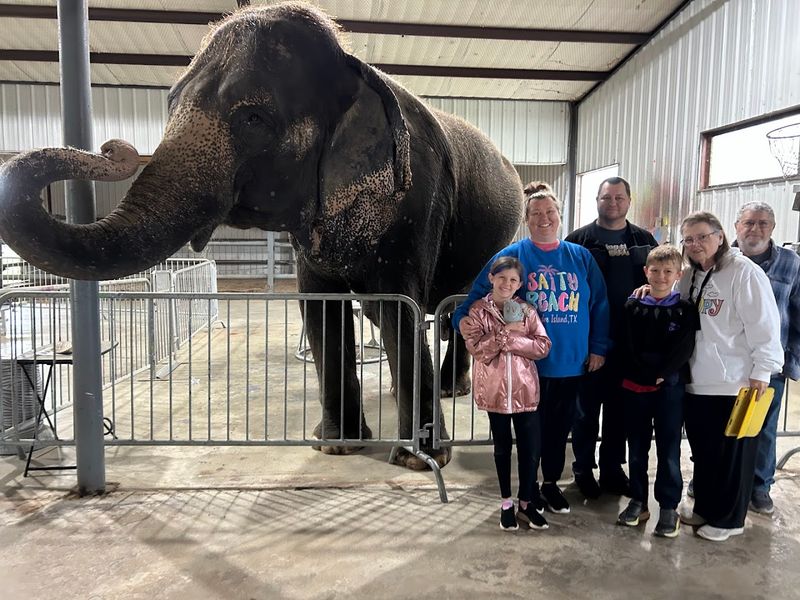
Just across the Red River from Texas, this sanctuary offers something you won’t find anywhere else in the region: intimate, educational encounters with rescued elephants. The Endangered Ark Foundation focuses specifically on Asian elephants who’ve been retired from circuses, zoos, or private ownership. These gentle giants finally have room to roam, socialize, and simply exist without performing tricks or living in cramped quarters.
What makes this place extraordinary is the hands-on educational programming they offer. You can actually interact with elephants during scheduled encounters, learning about their intelligence, social structures, and individual personalities. Feeling an elephant’s trunk wrap gently around your arm or watching them paint with remarkable precision creates connections that photos simply can’t capture.
The sanctuary maintains strict protocols to ensure both visitor safety and elephant welfare. Staff members are deeply knowledgeable, having spent years studying elephant behavior and care. They’ll explain how each elephant arrived at the sanctuary and what their daily routine looks like now compared to their previous lives.
Beyond the elephant experiences, the foundation runs extensive conservation education programs. They teach visitors about the threats facing wild elephant populations and what everyday people can do to help. The facility also houses other rescued exotic animals, creating a comprehensive conservation center.
Booking in advance is essential since they limit visitor numbers to prevent overwhelming the animals. Every dollar spent on tours or donations goes directly toward elephant care, habitat maintenance, and rescue operations. It’s a rare opportunity to support conservation while experiencing these magnificent animals in a respectful, educational environment.
3. Austin Wildlife Rescue (Austin)
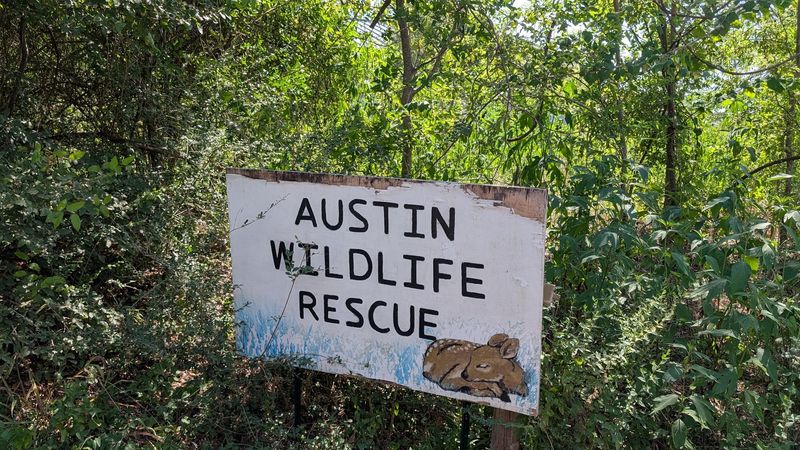
Right in the heart of Texas’s capital city, this rehabilitation center works tirelessly to save injured, orphaned, and sick native wildlife. Unlike exotic animal sanctuaries, Austin Wildlife Rescue focuses exclusively on the creatures that naturally call Texas home. We’re talking about baby squirrels who fell from nests, hawks hit by cars, owls tangled in fencing, and countless other animals caught in unfortunate situations.
The center operates year-round, responding to emergency calls from concerned citizens who find animals in distress. Their team of trained rehabilitators provides medical treatment, proper nutrition, and safe housing while animals recover. The ultimate goal is always release back into the wild, which happens thousands of times each year.
Visiting opportunities here look different than at permanent sanctuaries. Austin Wildlife Rescue offers educational programs where you can see non-releasable animal ambassadors—creatures with permanent injuries that prevent them from surviving in nature. These animals become teachers, helping people understand local ecosystems and why wildlife protection matters.
Volunteer programs attract nature lovers who want hands-on experience with wildlife rehabilitation. You might find yourself preparing specialized diets for baby birds or cleaning enclosures for recovering raccoons. The work isn’t glamorous, but it’s deeply rewarding when you see an animal you’ve helped care for return to freedom.
The rescue operates primarily on donations and volunteer support, making every contribution crucial. They also provide valuable community education about coexisting with urban wildlife—like what to do if you find an injured animal or how to make your yard more wildlife-friendly. Supporting this organization means protecting the incredible biodiversity that makes Texas special.
4. In-Sync Exotics Wildlife Rescue & Educational Center (Wylie)
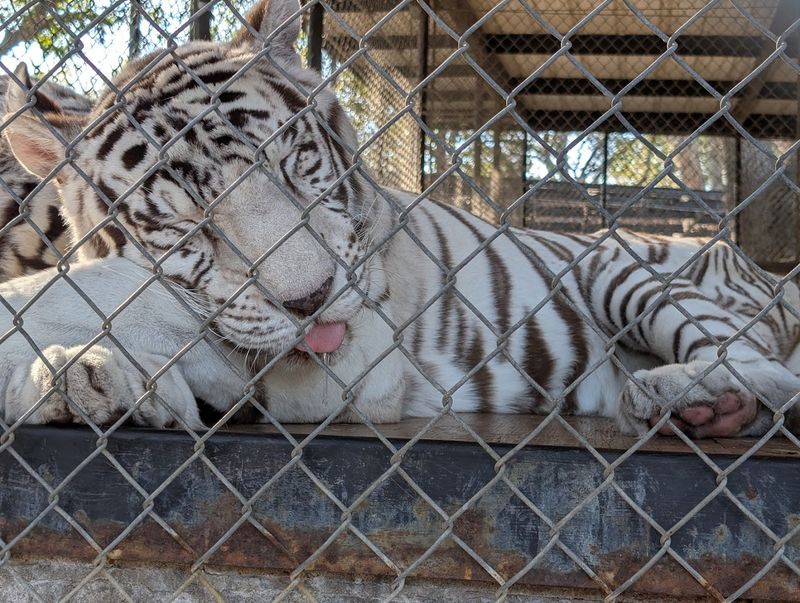
Picture standing just feet away from a 400-pound tiger, watching it play with enrichment toys while a knowledgeable guide explains how this magnificent animal ended up needing rescue. That’s the reality at In-Sync Exotics, a sanctuary dedicated exclusively to big cats and other exotic animals saved from terrible situations. Located in the Dallas suburbs, this facility has become a haven for creatures who were once privately owned, used in entertainment, or abandoned when their owners couldn’t handle them.
The sanctuary houses lions, tigers, cougars, leopards, bobcats, and other wild felines—each with a unique backstory. Some were purchased as cute cubs by people who had no business owning wild animals. Others performed in roadside shows or lived in deplorable roadside zoos.
Now they have proper enclosures with climbing structures, pools, and room to exhibit natural behaviors.
Public tours happen on weekends, giving visitors rare access to these incredible predators in a safe, educational setting. You’ll learn about the exotic pet trade crisis and why keeping wild animals as pets creates suffering. The guides don’t sugarcoat the realities—they’ll tell you about cats found living in basement cages or backyard pens without proper food or veterinary care.
In-Sync also runs robust educational programs for schools and community groups. Their message is clear: wild animals belong in the wild, not in living rooms or circus rings. The facility maintains high standards of care, with specialized diets, environmental enrichment, and veterinary attention for each resident.
Your admission fees and donations directly fund food, medical care, and facility improvements. You can even sponsor individual animals, receiving updates about your chosen cat throughout the year.
5. Exotic Resort Zoo (Johnson City)
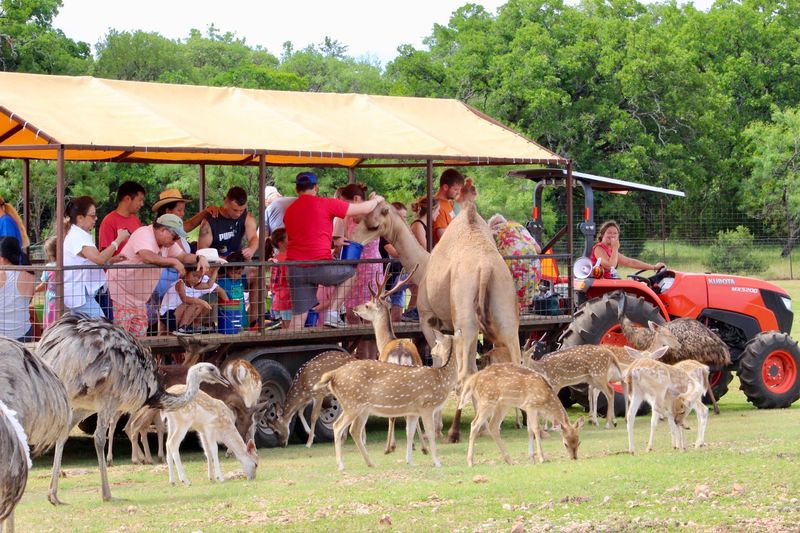
Nestled in the stunning Hill Country landscape, this unique facility blends conservation, rescue, and family-friendly animal experiences into one memorable destination. Unlike traditional zoos, Exotic Resort Zoo operates with a rescue-first mentality, taking in animals from failed facilities, private owners who can’t care for them, and breeding programs focused on endangered species. The result is an eclectic collection of creatures from around the world living in a beautiful Texas setting.
What sets this place apart is the hands-on approach to animal encounters. You can feed giraffes from elevated platforms, watch kangaroos hop around spacious enclosures, and observe exotic birds in walk-through aviaries. The interactive experiences are designed to create connections between visitors and animals, fostering appreciation for wildlife conservation.
The staff includes experienced animal care professionals who genuinely love their work. They’ll share fascinating details about animal behavior, diet, and conservation status while you’re interacting with residents. Many animals here are ambassadors for their species, helping educate the public about threats facing wildlife globally.
Families particularly love this sanctuary because it’s accessible for all ages. Young children can safely interact with gentle animals while learning about different ecosystems and habitats. The layout encourages exploration, with winding paths revealing new animal exhibits around every corner.
Beyond the visitor experience, Exotic Resort Zoo participates in breeding programs for threatened species and provides permanent homes for animals with nowhere else to go. Some residents arrived from circuses, others from private collections, and many from situations where they were being neglected or improperly cared for. Your visit supports all these efforts while creating lasting memories and teaching the next generation about wildlife protection.
6. Primarily Primates (San Antonio)
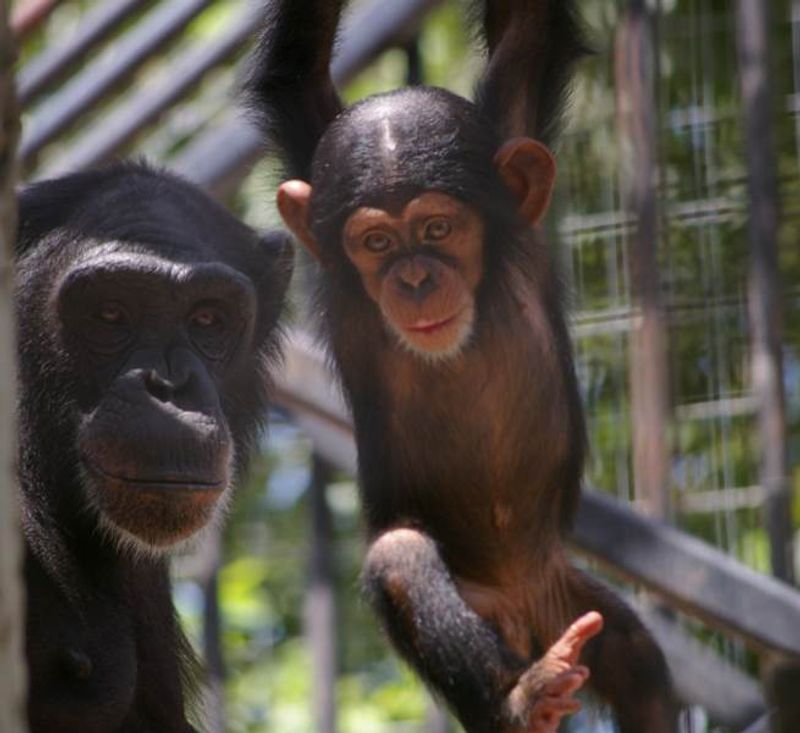
For over four decades, this San Antonio sanctuary has been giving primates and other exotic animals a place to heal from traumatic pasts. Many residents here are survivors of research laboratories, entertainment industries, or private ownership situations that left them physically or psychologically damaged. Walking through Primarily Primates, you’ll encounter chimpanzees who once performed in commercials, monkeys retired from medical research, and primates confiscated from illegal pet trade operations.
The sanctuary houses hundreds of animals across 78 acres, making it one of the largest primate sanctuaries in the country. Beyond primates, they also care for birds, farm animals, and other exotic species who needed rescue. Each animal receives specialized care tailored to their species and individual history, with enrichment programs designed to encourage natural behaviors and social interaction.
Visiting opportunities are somewhat limited to protect the animals from stress, but the sanctuary offers educational programs and special event days when the public can tour the facility. These visits are profoundly moving—seeing a chimpanzee finally able to live in a social group after years of isolation, or watching capuchin monkeys play freely after being confined to small cages, puts the importance of this work into perspective.
The organization has faced challenges over the years, including financial struggles and facility improvements needed to meet modern standards. Despite these obstacles, they’ve remained committed to their mission of providing lifetime sanctuary for animals who have suffered exploitation. The current team works tirelessly to ensure every resident receives quality care.
Your support helps fund food, veterinary care, habitat improvements, and ongoing rescue operations. Primarily Primates also advocates for stronger laws protecting primates from exploitation, making them both a rescue facility and a voice for animals who can’t speak for themselves.
7. Fossil Rim Wildlife Center (Glen Rose)
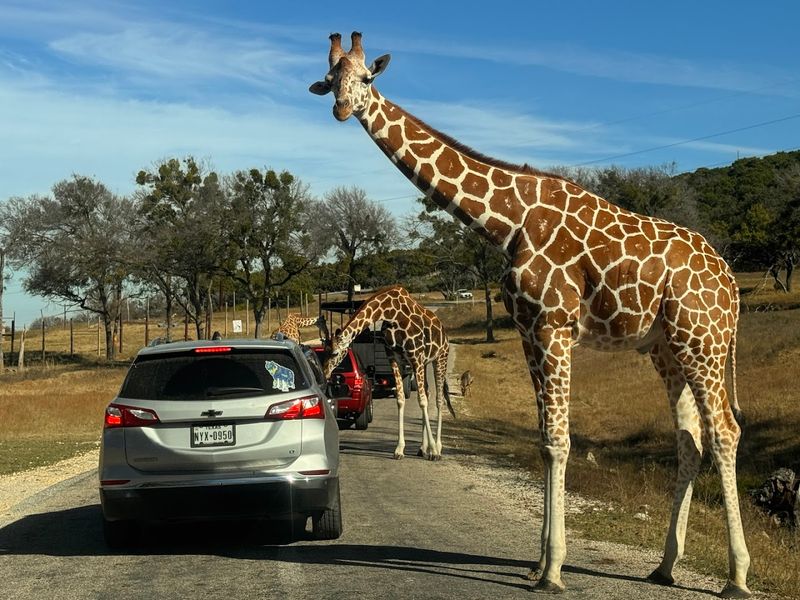
Driving through 1,800 acres of Texas countryside while giraffes poke their heads through your car window isn’t something you’d expect to experience outside of Africa, but that’s exactly what happens at Fossil Rim. This conservation center has been protecting endangered species since 1984, combining captive breeding programs with public education and wildlife research. Unlike typical rescues, Fossil Rim focuses on species-level conservation, working to prevent extinction through carefully managed breeding programs.
The center houses over 1,000 animals representing more than 50 species, many of which are critically endangered in the wild. You’ll see cheetahs, rhinos, giraffes, zebras, antelope species, and numerous birds—all living in expansive habitats that mimic their natural environments. The drive-through experience allows you to observe animals at your own pace, with many species approaching vehicles out of curiosity.
What makes Fossil Rim special is the serious conservation work happening behind the scenes. They’ve successfully bred and reintroduced endangered species back into their native habitats, contributing to global efforts to save animals from extinction. The staff includes wildlife biologists, veterinarians, and animal care specialists who monitor genetics, health, and behavior to ensure breeding program success.
Educational programs run year-round, teaching visitors about biodiversity loss, habitat destruction, and climate change impacts on wildlife. You can participate in behind-the-scenes tours, overnight lodging experiences, or special encounters with specific animals. These programs create awareness while generating funds for conservation work.
Admission fees and donations support both the animals living at Fossil Rim and conservation projects worldwide. You’re not just visiting a cool animal park—you’re participating in efforts to preserve species for future generations. It’s conservation you can see, touch, and support directly.