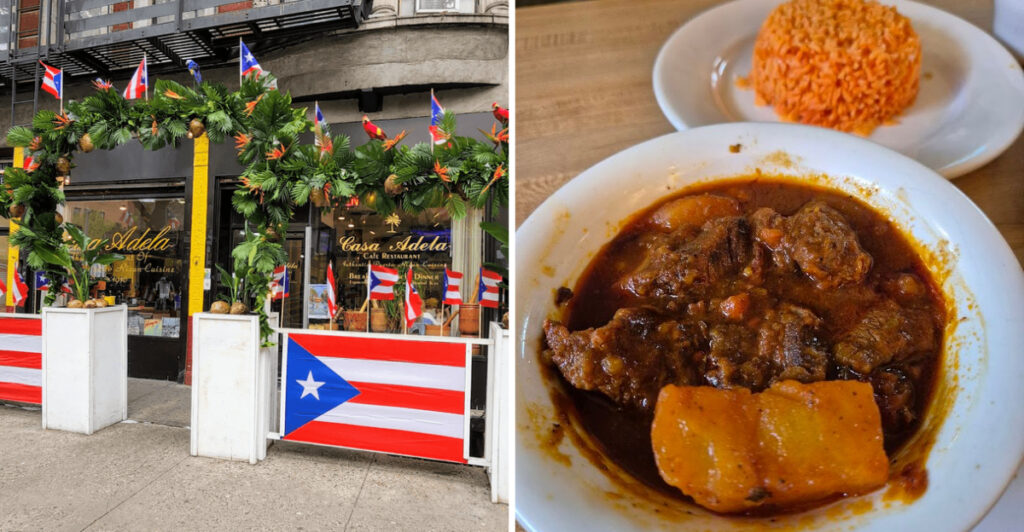
Casa Adela on New York’s Lower East Side has earned decades of loyalty by focusing on something trendier restaurants often miss completely: deeply comforting food that feels personal from the first bite. Tucked into Loisaida, this tiny Puerto Rican spot draws steady lines for plates of arroz, beans, plantains, and especially the rich, slow-cooked carne guisada people keep craving long afterward.
The dining room stays simple, busy, and wonderfully lived-in, which only adds to the experience. Regulars arrive knowing exactly what they want, while first-timers quickly understand why cash-only meals here feel almost ritualistic. If you want classic Puerto Rican comfort food with real neighborhood soul, Casa Adela absolutely delivers.
A Loisaida Dining Room That Runs on Momentum
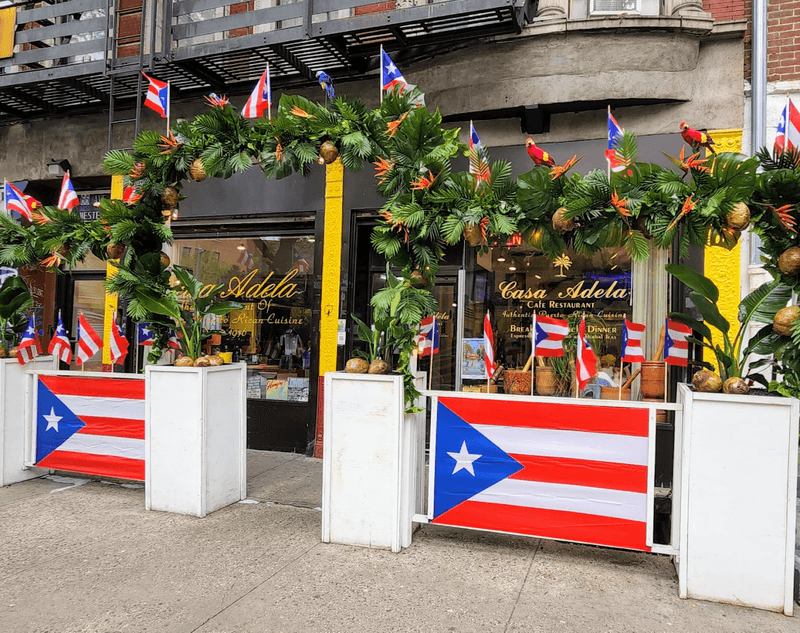
Casa Adela does not announce itself with polished design tricks or oversized signage. The draw starts on Loisaida Avenue, where the storefront blends into the block and the traffic outside gives way to a tighter, more personal rhythm inside.
Once you step in, the room reads as compact, lived-in, and fully committed to feeding people rather than impressing them with staging.
That small scale matters because it shapes the entire experience. Tables sit close, servers move with purpose, and conversations overlap with the clink of plates and the sound of orders being called toward a busy kitchen.
Instead of creating distance, the limited space compresses everything into one vivid frame, so you notice the meals landing, the regulars settling in, and the quick decisions being made at nearly every table.
The place has been open since 1973, and that longevity comes through in details that feel earned rather than curated. Casa Adela looks like a restaurant built by repetition, memory, and long habit, not by trend forecasting.
That history gives the room weight, especially in a neighborhood where old-school spots can disappear quickly if they lose their footing.
Timing affects the mood. At lunch and early dinner, the pace can turn brisk, with people waiting, seats shifting, and takeout orders adding pressure to the flow.
Even then, the restaurant’s center of gravity stays clear: get the food out hot, keep the room moving, and make sure every plate carries enough substance to justify the wait.
For a first visit, that energy is part of the appeal. Casa Adela feels active, specific, and unmistakably local, the kind of place where the room itself tells you that the kitchen matters.
Before the carne guisada even reaches the table, the setting has already explained why this address keeps pulling people back.
The Carne Guisada That Sets the Standard
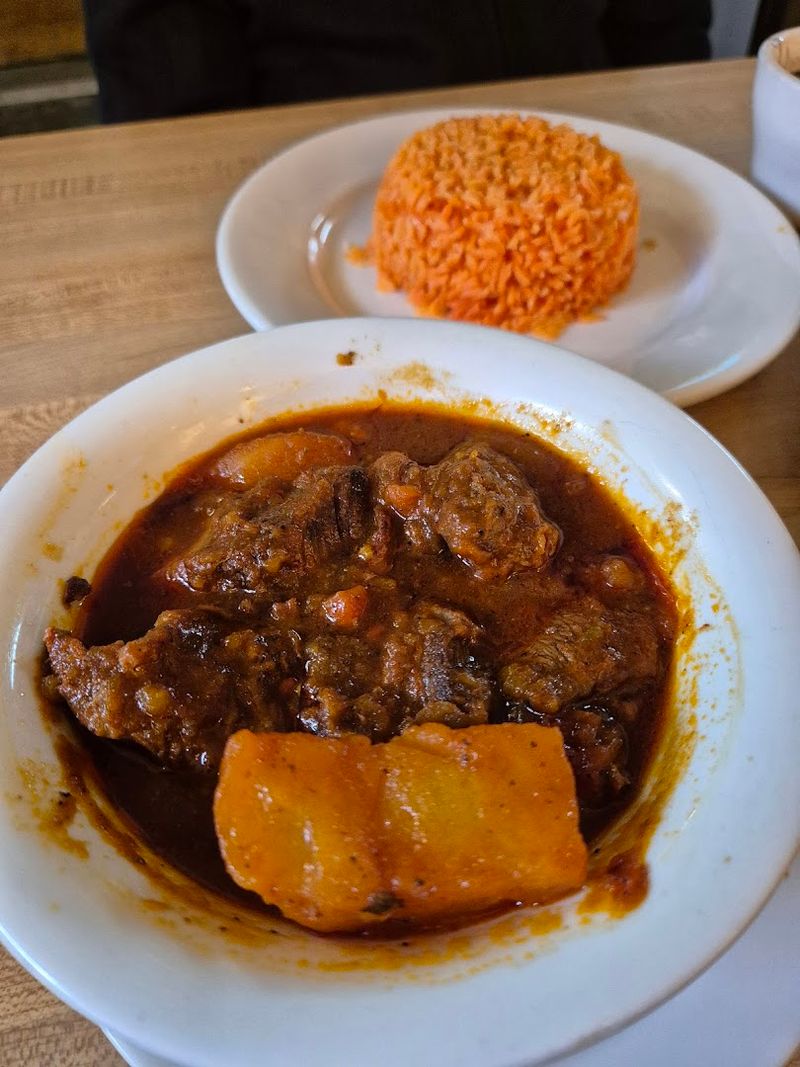
The dish that sends people into full recommendation mode is the carne guisada, and one look explains why. This is not a decorative, overworked plate with tiny portions and dramatic garnish.
It arrives with the straightforward confidence of a meal meant to satisfy, with tender beef, savory gravy, and the kind of depth that only works when the seasoning has been handled with restraint and patience.
Carne guisada can miss the mark if the meat turns stringy or the sauce leans too salty. At Casa Adela, the appeal is balance.
The beef reads as soft rather than shredded into oblivion, the onions contribute sweetness and body, and the sauce coats the plate without becoming heavy sludge.
What makes it memorable is how naturally it fits with everything around it. Spoon some over rice and the grains catch the broth instead of fighting it.
Pair it with beans and each bite picks up more earthiness, more softness, and more contrast than a stew can manage on its own.
This is also a dish that suits the restaurant’s style. Casa Adela thrives on food that looks familiar but lands with more force than expected, and the carne guisada embodies that approach perfectly.
It is practical comfort food with real structure, rich enough to stand out, calm enough to keep eating without palate fatigue.
If you are deciding what to order on a first visit, this is the smartest move. It tells you almost everything about the kitchen in one plate: flavor before flash, generosity before fuss, and technique that serves comfort rather than showing off.
Plenty of restaurants can make stew. Very few make it memorable enough to become the meal people build their return trips around.
Rice, Beans, Plantains, and the Supporting Cast
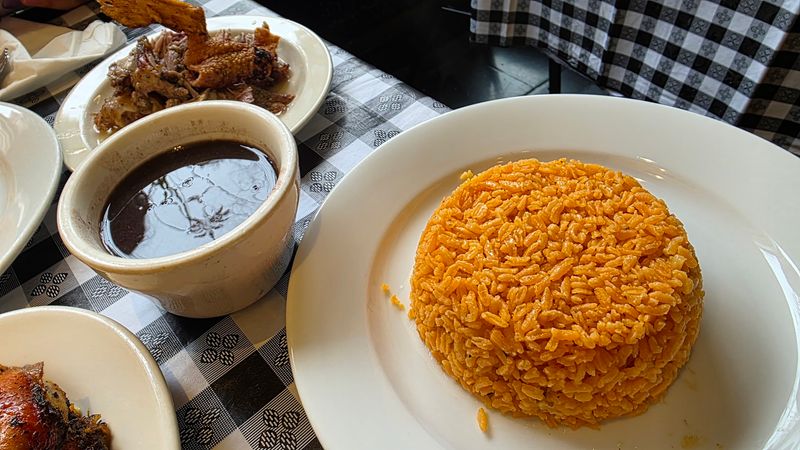
A plate at Casa Adela rarely works alone. The supporting cast matters, and in many cases it is the supporting cast that turns a strong entree into the meal you keep replaying later.
Rice, beans, plantains, and starchy sides are not filler here. They are part of the architecture, giving the richer dishes places to land and adding rhythm to every forkful.
The rice and beans deserve attention because they change the texture and shape of the meal without stealing focus. Pink beans bring extra depth and moisture, while rice acts as a grounding layer that absorbs sauces and softens bolder bites.
When the carne guisada spills into that territory, everything starts working together in a way that reads complete rather than crowded.
Then there are the plantains, which give Casa Adela another advantage. Sweet maduros can bring caramelized softness next to savory meat, while tostones offer crunch and salt, especially useful if you want more structure with stew or roasted meats.
Yuca with onions adds yet another register, leaning dense, hearty, and pleasantly plain in the best possible way. Other favorites are mofongo, bacalao, fried chicken, and rotisserie chicken, which tells you the menu has range beyond one signature plate.
That range matters because it lets tables mix textures instead of ordering duplicates. A stew, a roast, a fried side, and something starchy can create a better spread than seven versions of the same rich dish.
The smartest order at Casa Adela often comes from thinking in combinations, not single stars. Start with the carne guisada if that is your target, then add sides that broaden the meal rather than echo it.
When the table includes sweet, savory, soft, crisp, and saucy in equal measure, the restaurant’s full appeal becomes much easier to understand.
Why This Tiny New York Spot Feeds More Than a Table
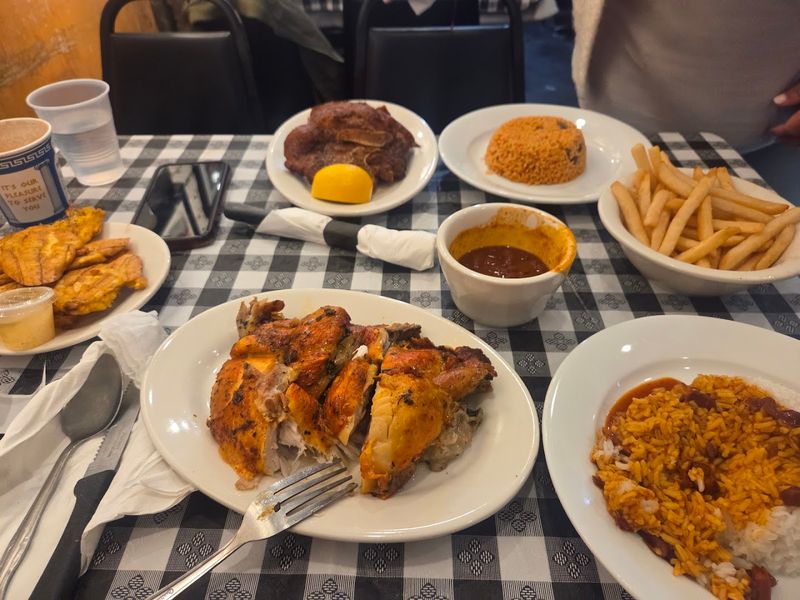
Casa Adela’s appeal has never depended on size or polish. The dining room is famously compact, and during busy hours the whole place runs with the momentum of a neighborhood institution that people rely on daily.
Tables turn quickly, takeout orders stack up, and servers move through the room with the efficiency of people who know exactly how much demand the kitchen handles every afternoon. That pressure shapes the experience in a way that actually works to the restaurant’s advantage.
You may wait for a seat, sit close to other diners, or hear the steady soundtrack of conversations and plates moving through the room, but none of it feels performative or chaotic. It feels like a place that has earned real trust over decades of serving the neighborhood consistently.
There is also an intimacy to the rhythm here that larger restaurants often lose. Regulars already know their order, first-timers quickly realize the kitchen rewards decisiveness, and the focus stays exactly where it should: on getting good food to the table while it is still hot.
In a city full of restaurants competing for attention through design or spectacle, Casa Adela strips the experience back to its essentials. That grounded energy matters even more in Loisaida, where restaurants still carry strong neighborhood identity instead of floating above the block as detached concepts.
Casa Adela feels tied directly to the street around it, and you can sense that connection in the pace of the room, the familiarity between customers and staff, and the steady flow of people coming through the door. If the dining room feels crowded, that is less a drawback than proof of relevance.
Places like this survive in New York because people keep returning, not because they chase trends or aesthetic reinventions. Casa Adela feeds more than a table because it still functions as part of the neighborhood’s everyday rhythm, and that kind of authenticity is much harder to manufacture than stylish décor ever will be.
The Human Story Behind the Name on the Door
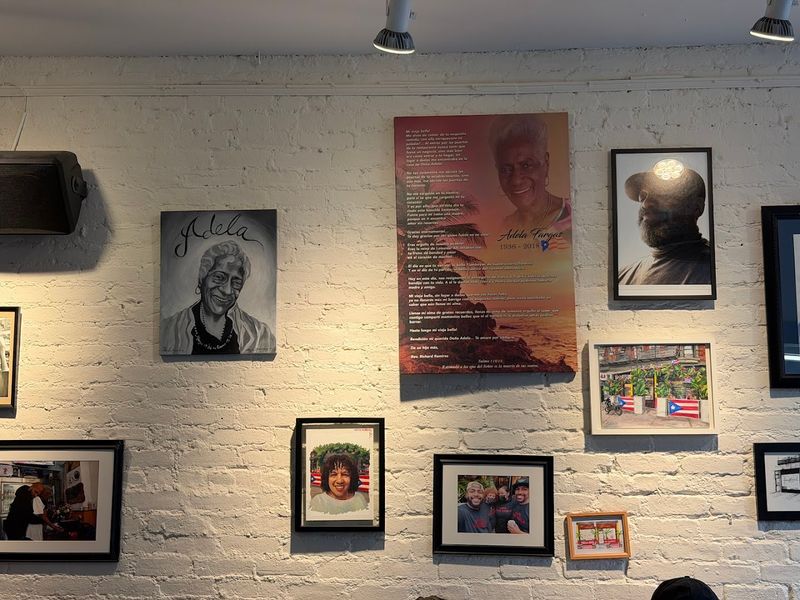
Casa Adela feels personal in a way many long-running restaurants no longer do, and a big part of that comes from the name itself. The restaurant is tied directly to Adela Fargas, which gives the place a stronger sense of identity than a concept built purely around branding or trend appeal.
From the moment you walk inside, the atmosphere feels connected to family history, neighborhood routine, and decades of daily use rather than carefully packaged nostalgia. That history carries real weight in Manhattan, especially in a neighborhood like Loisaida where independent restaurants have faced constant pressure from changing rents, development, and shifting dining habits.
Casa Adela has been operating since 1973, and surviving that long says more than any marketing campaign could. Places do not remain part of New York life for half a century unless they continue giving people a reason to come back repeatedly.
What makes the restaurant especially compelling is that it never turns its longevity into performance. The room does not feel staged to remind you how historic it is.
Instead, the age of the place shows up naturally through repetition, familiarity, and the confidence of a restaurant that already knows exactly what it wants to be. The straightforward setup, quick-moving service, and comforting food all reinforce that feeling.
Carne guisada, rice, beans, and plantains already carry emotional pull on their own, but they land differently in a dining room tied to decades of Puerto Rican community presence on the Lower East Side. The experience feels rooted instead of manufactured, which gives even the simplest plate more resonance.
That is ultimately why Casa Adela stands apart from restaurants trying to imitate old-school charm. The history here is not decorative.
It is lived-in, still functioning, and still feeding the neighborhood after all these years. In New York, that kind of endurance gives the restaurant a depth that newer places simply cannot replicate overnight.
How to Order Smart When the Room Gets Busy
Casa Adela rewards a little planning. Because the restaurant is small, popular, and open daily from 11 AM to 9 PM, peak lunch and dinner windows can turn into a wait, especially if you show up with a group and expect lots of breathing room.
If your main goal is a relaxed first visit, earlier or off-peak timing gives you a better shot at settling in before the room tightens. Bring cash. That point matters enough to treat as part of the ordering strategy, not a footnote.
Nothing interrupts the mood faster than reaching the end of a satisfying meal and realizing the restaurant does not operate like the card-forward spots that dominate so much of the city.
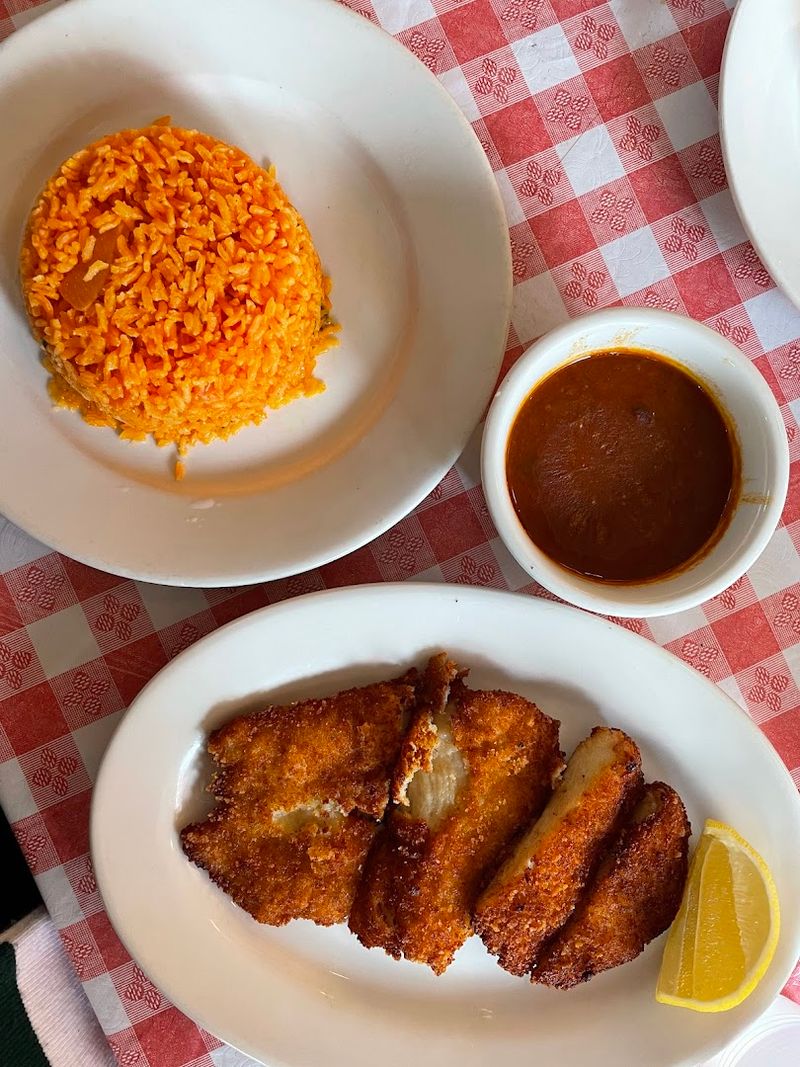
Once seated, order decisively and think in combinations. A smart table starts with the carne guisada, then rounds it out with rice, beans, and one or two sides that change the texture, like sweet plantains, tostones, or yuca.
If you are splitting dishes, choose contrast over repetition so you can sample more of the kitchen’s range without drowning the table in similar starches.
It also helps to respect the pace of the room. Staff are often balancing close quarters, dine-in guests, and pickup demand at the same time, so concise orders go a long way.
This is not the place for a slow seminar over every menu line. It is a place where a little confidence makes the experience smoother for everyone.
Save space if you can. Regulars often recommend the flan and the coffee, and that pairing makes sense after a rich savory meal.
By the time dessert arrives, the logic of Casa Adela becomes pretty clear: come prepared, order with purpose, and let the food do the persuasive work rather than expecting the restaurant to choreograph every second around you.
Why the Cult Following Makes Sense
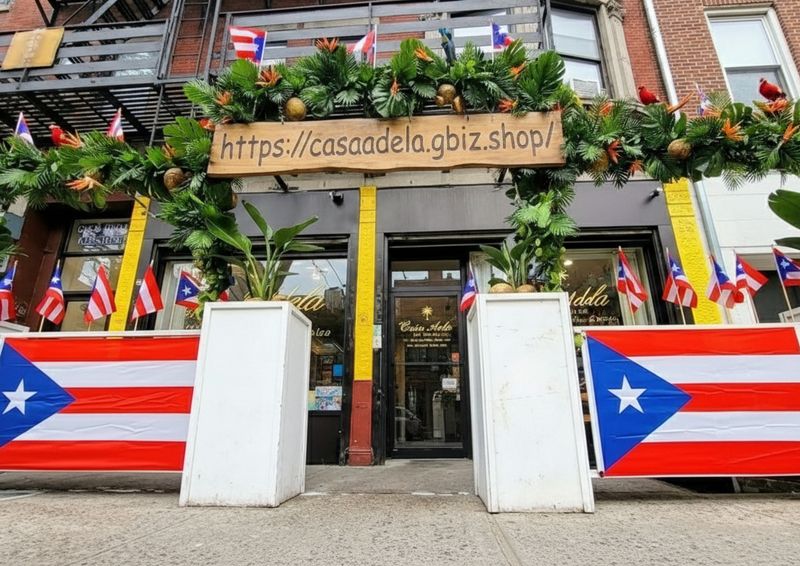
The phrase cult following gets overused, but Casa Adela earns it the old-fashioned way: through repetition, consistency, and the kind of meal people start craving almost immediately after finishing it. The restaurant is not built around trends, reinvention, or novelty for novelty’s sake.
Instead, it creates loyalty by serving deeply comforting Puerto Rican food in a setting that feels steady, familiar, and completely tied to its Lower East Side neighborhood. The carne guisada sits at the center of that attachment because it delivers exactly the kind of satisfaction that inspires return visits.
The stew is rich without becoming overwhelming, comforting without turning dull, and substantial enough to dominate your memory of the meal afterward. It is easy to picture people craving it on cold afternoons, after long downtown walks, or during those moments when New York starts feeling more exhausting than exciting.
Some dishes simply settle into your routine mentally after one especially good plate, and this is clearly one of them. But the deeper reason Casa Adela stays memorable is how cohesive the entire experience feels.
The compact dining room, the quick-moving service, the cash-only setup, the rice and beans beside the stew, and the decades-old Loisaida address all reinforce one another naturally. Nothing feels engineered to distract from the food or packaged to manufacture nostalgia.
The restaurant simply knows what it does well and keeps doing it with confidence. That kind of clarity has become surprisingly rare in New York dining.
Plenty of restaurants are larger, sleeker, or easier to navigate, but fewer leave you with such a clean memory of why you want to return.
At Casa Adela, the reasons are concrete: the carne guisada, the sides, the atmosphere, and the feeling that this place still serves its neighborhood on its own terms. By the end of the meal, the cult following makes complete sense.