Illinois holds some of the Underground Railroad’s most important stories in places many travelers pass without realizing their significance. Across the state, historic churches, homes, schools, and museums preserve the legacy of courage, resistance, and quiet defiance that helped freedom seekers move north toward safety.
Standing inside these spaces adds a weight and immediacy that history books alone rarely capture. Some locations are deeply solemn, others surprisingly ordinary from the outside, but each one reveals part of a network that changed countless lives. If you want a road trip with real historical depth and emotional impact, these 12 Illinois sites offer a powerful journey through the state’s Underground Railroad history.
1. Graue Mill and Museum (Oak Brook)
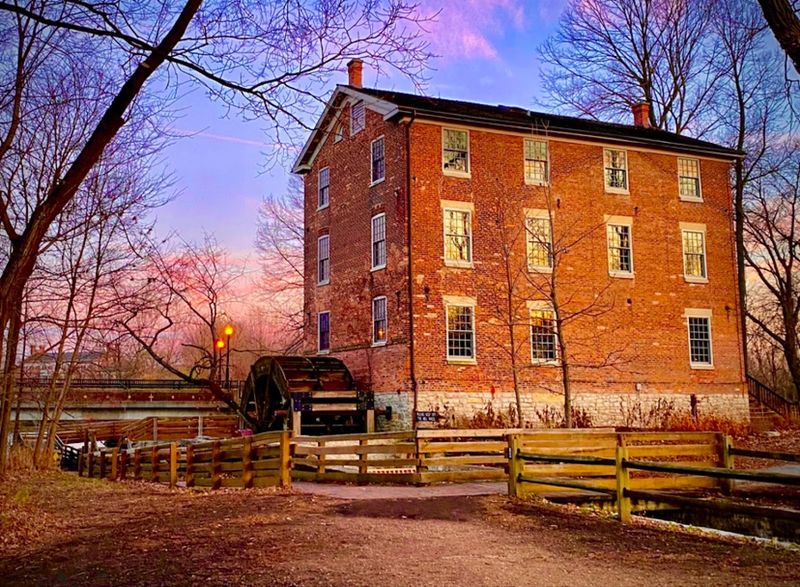
Start with the spot that feels almost cinematic. Graue Mill and Museum sits inside Fullersburg Woods, where the trees, water, and weathered structure create the kind of setting that makes history feel close instead of distant.
Even before you step inside, the old grist mill gives off that rare sense of place where everyday work and extraordinary bravery may have crossed paths.
This restored 1852 mill is widely associated with Underground Railroad activity in Illinois, and local tradition connects Frederick Graue with sheltering freedom seekers traveling north toward Chicago and eventually Canada. That context matters, but so does the setting itself.
A mill was a practical place, full of movement, noise, supplies, and reasons for people to come and go without drawing much attention.
Today, the site works beautifully for visitors because it is more than a single building with a plaque. The museum adds exhibits and demonstrations that help explain how a nineteenth century mill functioned, while the surrounding preserve gives you room to walk, slow down, and absorb the landscape.
That mix keeps the experience grounded instead of overly polished.
There is also something especially powerful about visiting a place tied to hidden acts of protection while hearing the creek nearby and watching the woods stretch out around you. The physical environment helps the story land.
You are not just reading about a route north – you are standing in terrain that makes secrecy, movement, and risk easier to imagine.
If you want one Illinois stop that combines a recognizable Underground Railroad connection with a genuinely pleasant visit, this is an easy pick. It is historic, scenic, and quietly intense in exactly the right way.
2. Sheldon Peck Homestead (Lombard)
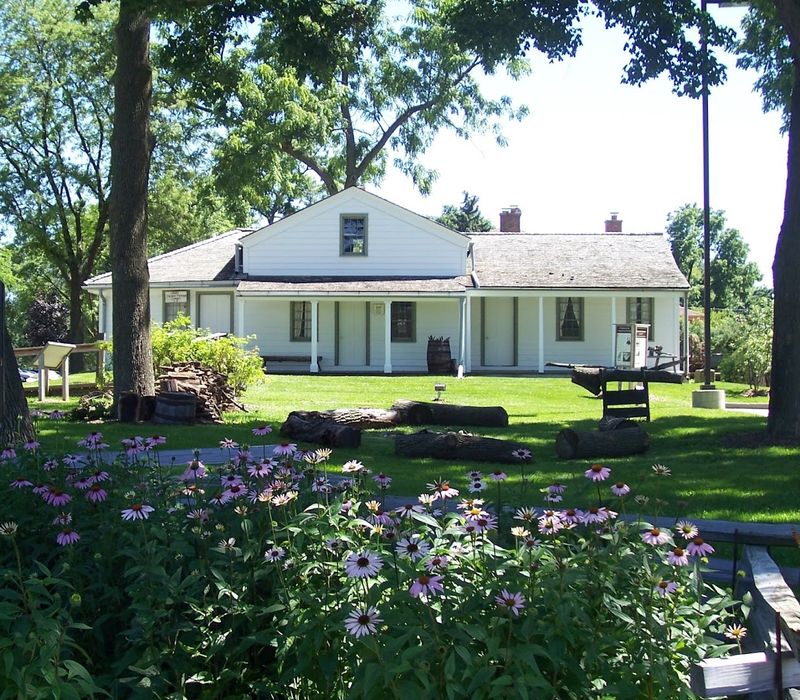
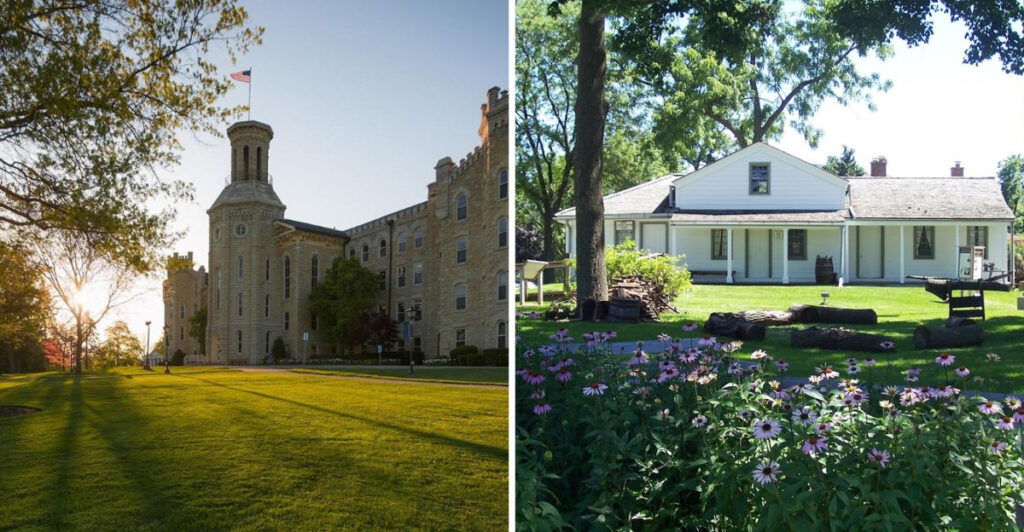
Not every Underground Railroad site announces itself with drama, and that is part of what makes the Sheldon Peck Homestead so interesting. From the outside, it looks like the kind of historic home you might pass without realizing how much conviction once lived there. Step closer, though, and the story sharpens fast.
Built by abolitionist artist Sheldon Peck, the house became a safe haven for people escaping slavery during the 1850s. Peck is compelling because he was not only a homeowner with a cause, but also a painter whose public life and private actions reflected deep anti-slavery beliefs.
That overlap gives the homestead a layered personality that feels richer than a standard period house tour. As a museum, the site has a lot to work with. You can connect the domestic setting to activism, and you can also see how art, conscience, and local history intersected in one place.
Instead of presenting the Underground Railroad as something abstract, the homestead brings it down to human scale: doors, rooms, routines, and the risks hidden inside ordinary spaces.
Lombard is not always the first town people mention when they think about major freedom routes, which makes this stop feel like a smart insider choice. It broadens the map and reminds you that anti-slavery networks depended on communities beyond the biggest cities. That wider view is one of the strongest reasons to go.
For travelers who like historic homes with actual tension beneath the wallpaper, this one delivers. It is thoughtful without being stiff, local without feeling minor, and memorable because it shows how courage can exist inside a house that still feels surprisingly intimate today.
3. Ten Mile Freedom House Marker (Maywood)
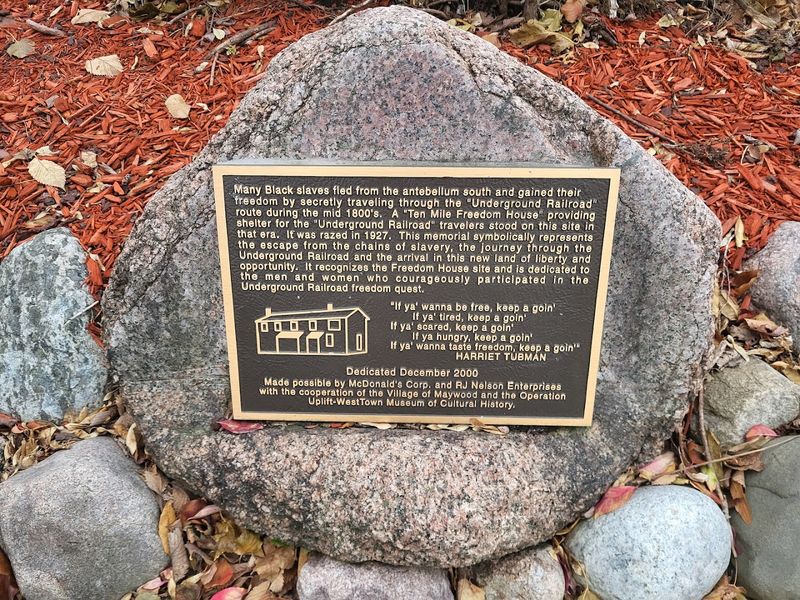
Some historic stops are all about the building. This one is about memory, route, and recognition. The Ten Mile Freedom House Marker in Maywood may not overwhelm you with architecture, but it absolutely earns a place on this list because it preserves a story that could easily have faded from the landscape.
The marker honors one of the Chicago area’s Underground Railroad routes and recognizes abolitionists who secretly assisted freedom seekers moving north through Illinois. That means the site works differently from a house museum.
Instead of focusing on one preserved interior, it invites you to think about networks, movement, and the bravery required from both those escaping and those helping.
There is something powerful about standing before a marker and realizing the ground around you was part of a larger chain of decisions, dangers, and acts of trust. Maywood’s anti-slavery history often gets less attention than bigger-name destinations, yet this stop helps fill in the regional picture.
It shows that the story of freedom seeking was not confined to a few famous addresses. Because it is a marker, this is also an easy addition to a broader day of exploring west of Chicago. You can stop, read, reflect, and then keep tracing nearby sites with a stronger sense of how the route unfolded.
Short visits count when the interpretation is focused, and this one gives you enough to imagine the hidden traffic that once moved through the area.
If you appreciate places that make public history visible without overcomplicating it, this stop lands well. It is modest, direct, and worth seeking out precisely because it reminds you that sometimes the most important preservation work begins with simply refusing to let a story disappear.
4. Blanchard Hall at Wheaton College (Wheaton)
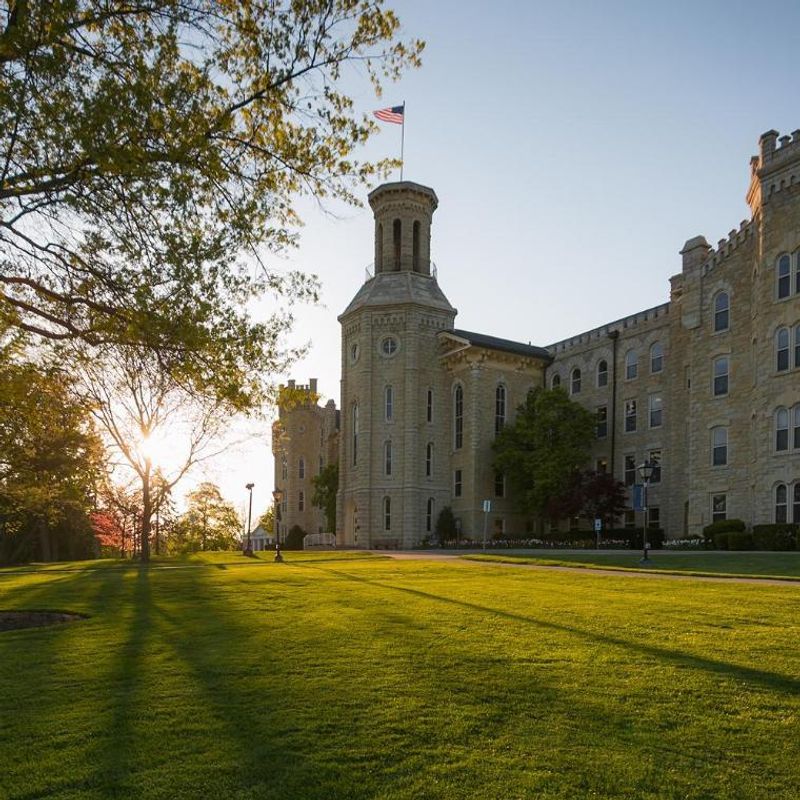
College campuses can hide serious history behind beautiful facades, and Blanchard Hall is a perfect example. At first glance, it reads as classic collegiate architecture.
Then you remember Wheaton College’s strong abolitionist roots, and the building starts to feel less like scenery and more like a symbol of conviction.
Wheaton supported anti-slavery causes before the Civil War, and Blanchard Hall is closely tied to that legacy. The site represents a culture that linked education with moral action, which gives it a slightly different energy from homes or churches on this list.
Here, the Underground Railroad story intersects with ideas, debate, and the kind of community willing to take a stand.
That broader frame matters because abolition was not only about secret routes and hidden rooms. It was also about teaching, persuading, organizing, and creating institutions that pushed back against slavery in public ways.
Blanchard Hall helps you picture that side of the movement, especially in northern Illinois, where schools could become centers of reform as well as refuge.
Visiting today, you get the appeal of a walkable campus plus the deeper satisfaction of seeing how place and principle can reinforce each other. Even if specific acts of sheltering are discussed carefully, the hall still carries the weight of a college community that aligned itself with anti-slavery work.
That makes the stop feel intellectually interesting as well as historically moving. This is a strong pick for travelers who like their history with context. You are not just visiting an old building.
You are stepping into a setting where education, activism, and the Underground Railroad tradition meet in a way that feels quietly forceful long after you leave the lawn behind.
5. Owen Lovejoy House (Princeton)
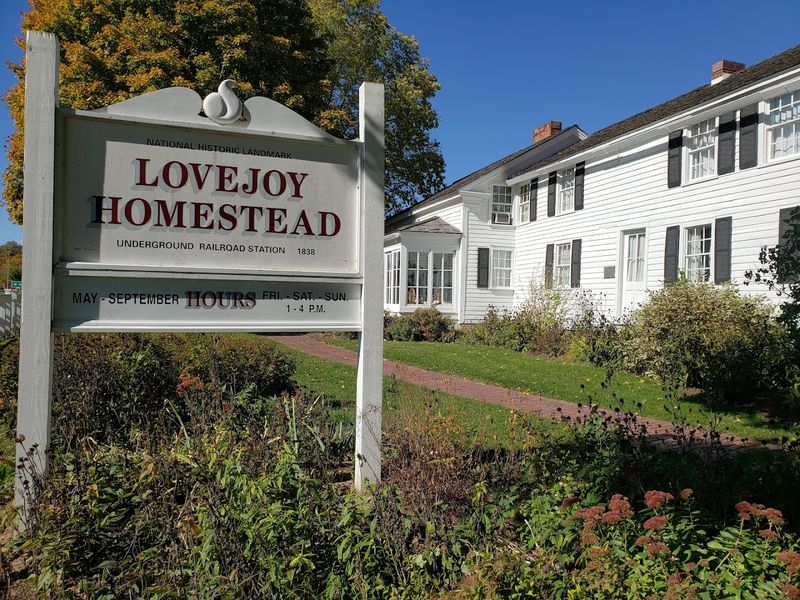
If one stop on this list feels absolutely essential, it is the Owen Lovejoy House in Princeton. Lovejoy is one of the most recognizable abolitionist figures connected to Illinois, and the house carries that reputation with real weight. You do not need much imagination to understand why this place matters.
Lovejoy openly sheltered escaped enslaved people despite the dangers created by the Fugitive Slave Act, and that direct defiance gives the house unusual force. This was not vague sympathy or quiet approval from a safe distance.
The story tied to the site is about action, risk, and a willingness to challenge a brutal system even when the law threatened punishment.
Because the home is preserved as a major landmark, it has the kind of presence visitors often hope for when seeking Underground Railroad history. You are standing in a place associated with a person whose anti-slavery commitments were public, uncompromising, and costly.
That clarity can make the visit feel especially immediate. Princeton also adds to the experience. A smaller city setting can sharpen your attention, because the house does not get swallowed by a massive urban landscape.
Instead, it stands out as a reminder that the struggle over slavery was not only national or abstract – it played out in neighborhoods, homes, and local communities across Illinois.
For anyone mapping a serious Underground Railroad itinerary, this stop belongs near the top. It combines a well-known abolitionist name, a preserved historic home, and a story that speaks plainly about moral courage. Some places whisper their importance. This one does not have to.
6. John Hossack House (Ottawa)
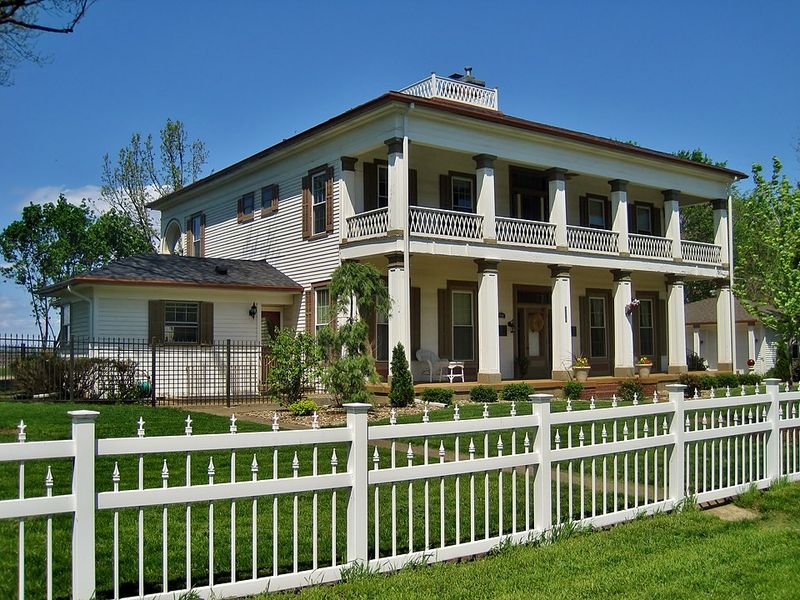
Then there is the John Hossack House, which brings the Underground Railroad story into a more rural register. That shift matters.
A farmhouse connected to anti-slavery resistance can tell you something different from mills, campuses, or urban churches, especially when you start thinking about roads, distance, and the practical realities of moving through northern Illinois.
John Hossack, a Scottish immigrant and outspoken abolitionist, reportedly used his farm as a refuge for freedom seekers. Even that simple description says a lot.
Farms offered space, outbuildings, routine traffic, and a landscape where help could remain less visible than it might in busier town centers.
The house stands today as a reminder that resistance to slavery in the Midwest was not limited to famous political speeches or courtroom battles. It also depended on people willing to use their own property in dangerous, deeply personal ways.
That choice gives the site a plainspoken kind of power. Visiting Ottawa adds another layer because the area helps you picture the geography of travel. Northern Illinois was part of a larger network, and a farm stop makes the route feel tangible in a way that maps alone cannot.
You start noticing distances, open land, and the importance of trusted local contacts. This is a stop for travelers who appreciate places that feel sturdy rather than theatrical. The John Hossack House does not need flashy interpretation to be compelling.
Its strength comes from the idea that an ordinary home and farm could become part of something morally extraordinary, leaving behind a legacy that still asks visitors to think hard about what courage looks like when it arrives at your own door.
7. Dr. Hiram Rutherford House (Oakland)
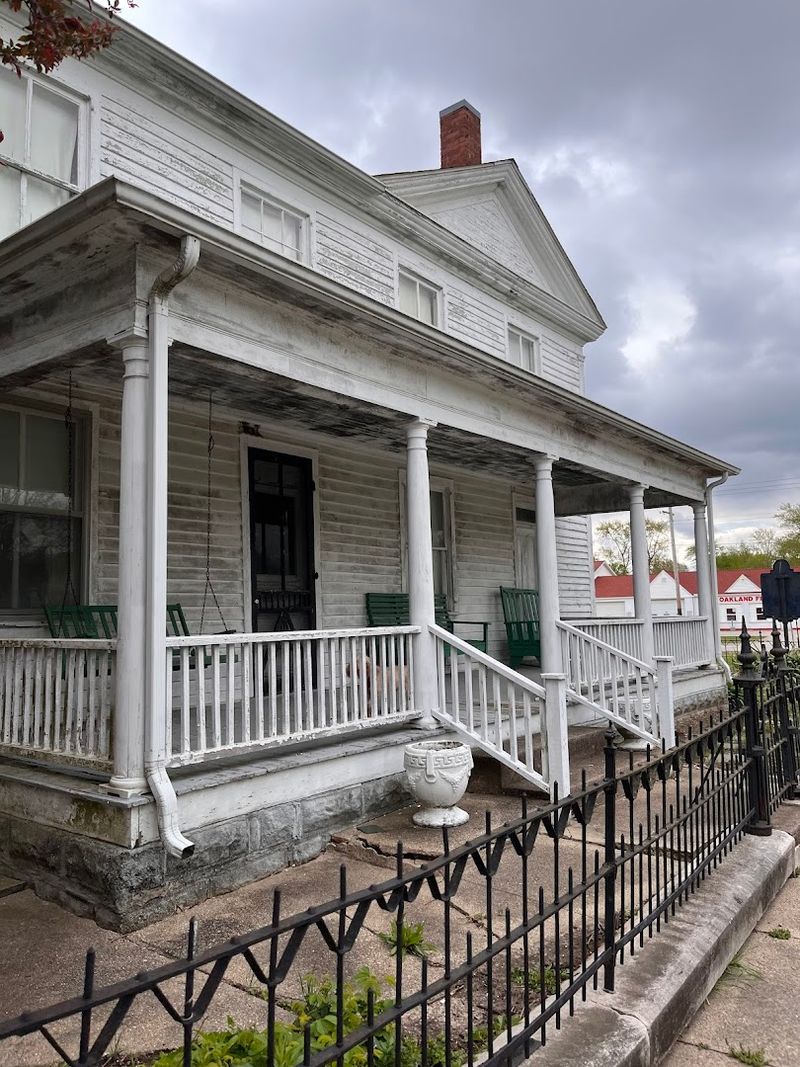
History gets especially sharp at the Dr. Hiram Rutherford House because the story here is not only about shelter. It is also about law, argument, and the people who pushed back when the legal system tried to reinforce slavery. That gives this eastern Illinois stop a distinctive edge.
Rutherford was a physician and abolitionist who defended freedom seekers and challenged pro-slavery laws in court. Right away, the house and office become more than preserved rooms.
They represent a life lived at the intersection of medical work, public controversy, and active resistance to injustice.
That legal dimension makes the site stand out on this list. The Underground Railroad is often imagined in terms of hidden movement alone, but the battle also unfolded through trials, testimony, and efforts to confront oppressive statutes directly.
A place tied to that kind of activism expands the story in a useful way. Because the home and office are preserved to interpret his work, visitors can connect private life with public action in one compact setting. That combination is compelling.
You can picture conversations, strategy, risk, and the daily steadiness required to keep helping when the surrounding system was hostile.
Oakland is not a name that instantly pops for every history traveler, and that is part of the appeal. It feels like the kind of site you discover, then immediately want to recommend because it adds depth to the statewide map.
Instead of repeating the most familiar Illinois narratives, it highlights eastern Illinois and the role individuals played beyond major metropolitan centers.
If you want a stop that shows the Underground Railroad was also contested in courtrooms and offices, not just on back roads and in basements, this one is worth your time. It is thoughtful, specific, and grounded in a form of resistance that still feels bracingly bold.
8. Beecher Hall at Illinois College (Jacksonville)
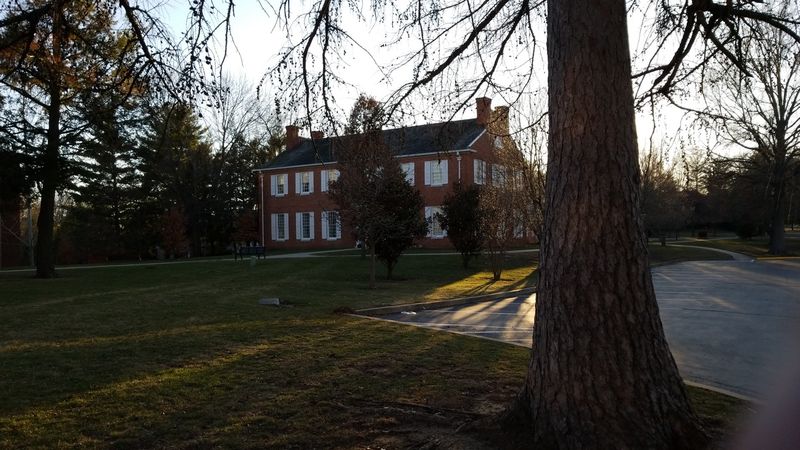
Jacksonville has a strong claim on Illinois history, and Beecher Hall helps prove it. Sitting at Illinois College, the building connects visitors to a city that became an important hub of abolitionist thought and Underground Railroad activity before the Civil War.
That combination gives the stop both intellectual weight and regional significance. The college’s anti-slavery reputation developed under President Edward Beecher, brother of Harriet Beecher Stowe, and Beecher Hall reflects that reform-minded environment.
It is a place where ideas mattered, where moral debate had institutional backing, and where anti-slavery commitments helped shape the identity of the campus. That context turns a historic academic building into something much more interesting.
What makes this stop especially rewarding is how it broadens your understanding of Underground Railroad history. Not every contribution happened in secrecy alone.
Colleges could nurture abolitionist conviction, educate future leaders, and reinforce networks of support that extended well beyond campus grounds.
Jacksonville itself deepens the visit because the city appears more than once on any serious Illinois freedom trail. When you walk near Beecher Hall, you are not just checking off a single building. You are stepping into a community whose wider landscape carries repeated connections to anti-slavery activism.
The hall is ideal for travelers who like a side of context with their historic sites. It rewards curiosity about how institutions shape movements and how education can become part of direct moral struggle.
That story feels especially resonant here, where architecture, campus setting, and local legacy work together to make the past feel organized, purposeful, and alive.
Put simply, Beecher Hall is not just old and impressive. It is one of those places that helps the bigger Illinois story make sense.
9. Dr. Richard Eells House (Quincy)
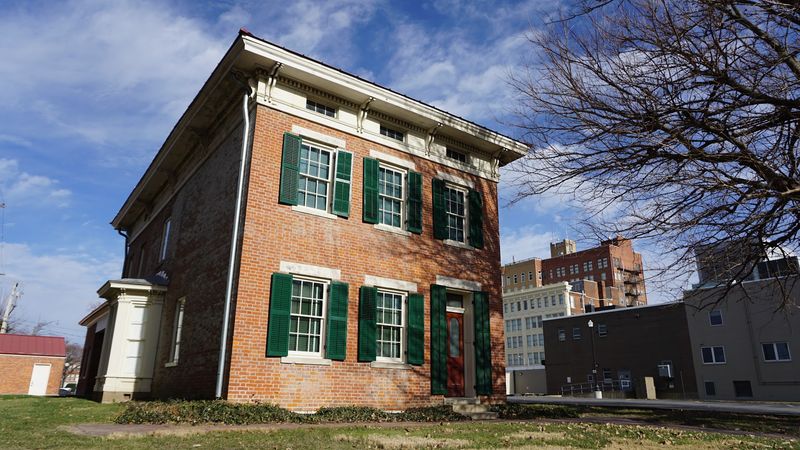
Quincy brings river history into the Underground Railroad story, and the Dr. Richard Eells House is the place to feel that connection most clearly. Set in a city shaped by the Mississippi, the house points to the high-stakes crossings and decisions that could define a freedom seeker’s next chance. The location alone gives the story tension.
Dr. Richard Eells was arrested for helping an escaped enslaved man cross the river into Illinois, and that event became part of one of the state’s most famous Underground Railroad legal cases. Few sites make the risks of assistance so concrete so quickly. Here, the consequences were not hypothetical.
The restored home offers an especially useful lens on how border geography shaped anti-slavery activity. Rivers can look serene when you visit them now, but historically they could mark a threshold between danger and possibility.
Standing in Quincy helps you appreciate that movement into Illinois was not simply directional on a map – it was physical, urgent, and exposed.
There is also value in the legal story attached to Eells. Like the Rutherford House, this site reminds visitors that the contest over slavery involved courtrooms as well as covert aid.
Yet the river setting gives it a distinct mood, one defined by crossings, pursuit, and the unstable line between refuge and capture.
Quincy is a smart stop for travelers building a more complete statewide itinerary, especially if you want to include western Illinois. The house adds both geographic range and narrative depth. It is compelling without needing embellishment.
Among Illinois landmarks tied to the Underground Railroad, this one stands out for clarity: a doctor, a crossing, an arrest, and a home that now helps tell the story. That is more than enough to make the visit stick with you.
10. Union Baptist Church (Alton)
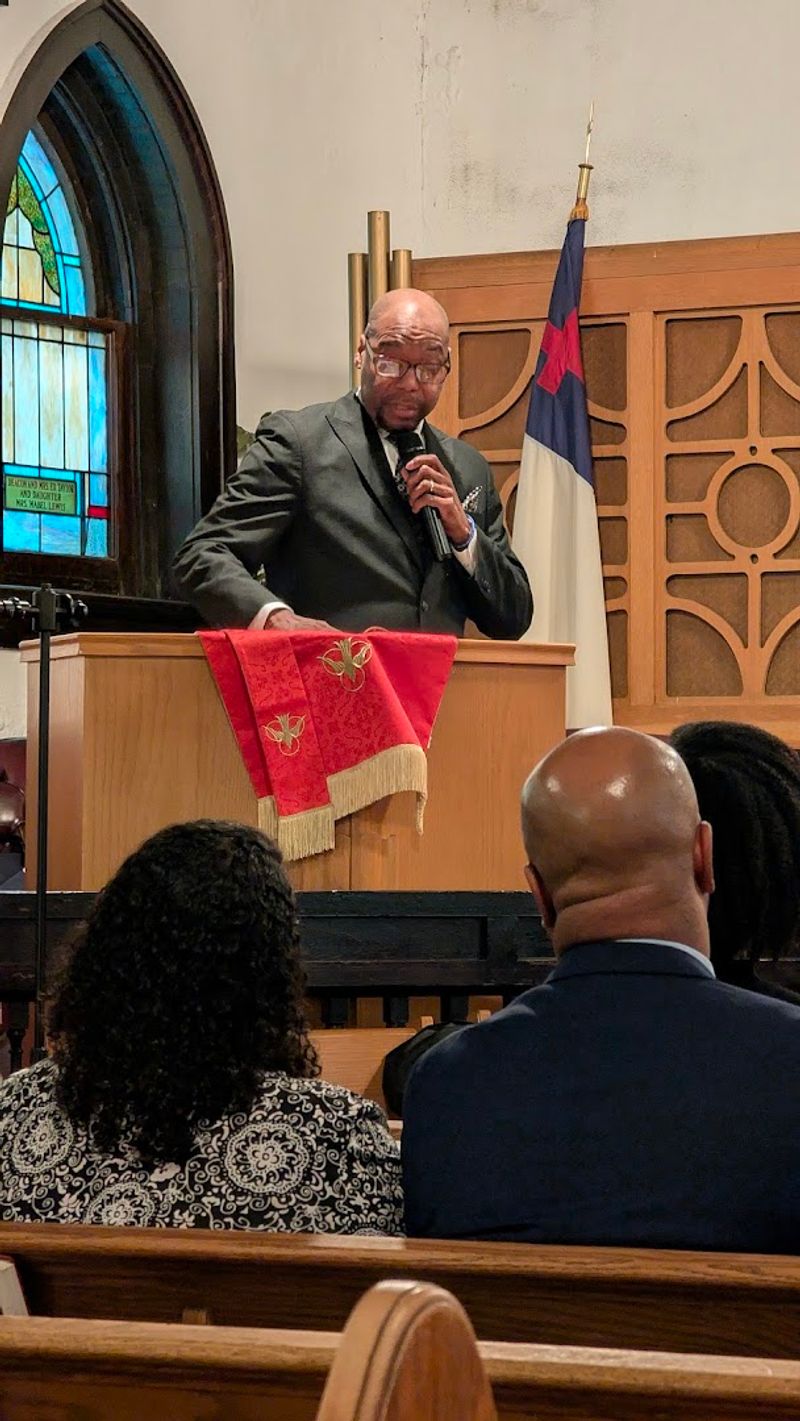
Churches often hold the emotional center of a community, and Union Baptist Church carries that kind of presence. In Alton, a city already rich with anti-slavery history, this congregation stands out as an enduring symbol of Black resistance, organizing, and faith.
It belongs on this list for that reason alone, and the deeper history only strengthens the case. Founded by African American abolitionists, the church became an important gathering place for anti-slavery activism and community organization. That matters because the Underground Railroad story is not only about where people hid.
It is also about where people gathered, planned, supported one another, and built institutions that could outlast a single crisis.
A church setting changes the feel of the history in a powerful way. Instead of centering one household, Union Baptist points toward collective strength.
The site reflects the role Black communities played in shaping freedom efforts and sustaining activism through networks of worship, mutual aid, and public leadership.
Alton is an excellent place to think about these themes because the city has long been linked to fierce conflict over slavery and free expression. Visiting Union Baptist within that broader context gives the stop added depth.
You start to see the church not as an isolated landmark, but as part of a larger landscape of resistance in southwestern Illinois.
For travelers, this is the kind of site that can recalibrate an itinerary in the best possible way. It brings Black history to the center where it belongs and reminds you that institutions created by African American communities were essential to the anti-slavery struggle.
That perspective is not optional – it is foundational. Union Baptist Church feels rooted, resilient, and deeply important. Some places preserve history. Others continue to embody it, and this one clearly does.
11. Quinn Chapel A.M.E. Church (Chicago)
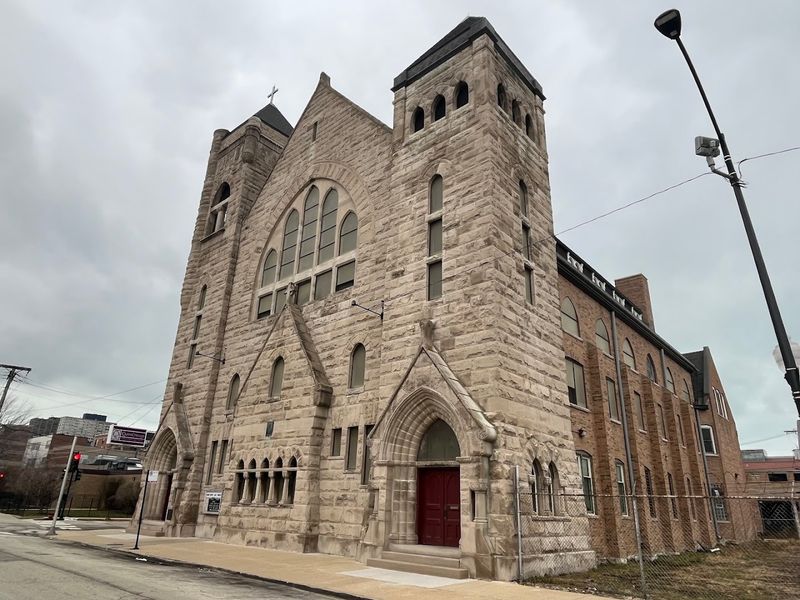
Chicago’s Underground Railroad story would feel incomplete without Quinn Chapel A.M.E. Church. Established in the 1840s, it is the city’s oldest African Methodist Episcopal church, and that alone gives it major historical gravity. Add its role in assisting freedom seekers and it becomes one of the most important stops in the state.
What makes Quinn Chapel especially compelling is how many strands of history meet there. The church is tied to abolitionist organizing, aid to those arriving in Chicago, and later civil rights work, so the site does not sit frozen in one era. It shows continuity – how one institution can keep serving the cause of justice across generations.
In a big city full of landmarks competing for your attention, Quinn Chapel has a way of cutting through the noise. It represents the urban side of the freedom story, where arriving in Chicago did not automatically end danger but could open access to networks of protection, information, and support.
That urban framework makes the stop distinct from rural homes and small-town sites elsewhere in Illinois. There is also no way around the importance of Black leadership here. Quinn Chapel reminds visitors that churches were not peripheral to this history.
They were central spaces for strategy, sanctuary, communication, and political action. That perspective gives the visit both moral and historical force.
As a place to visit today, it offers something rare: a direct line from the Underground Railroad era to broader struggles for equality that continued long afterward. The building is not just linked to one dramatic chapter. It is part of a much longer civic story.
If you are building an Illinois itinerary with range, depth, and real significance, Quinn Chapel is a must. It is foundational, moving, and unmistakably alive with meaning.
12. Woodlawn Farm (Jacksonville)
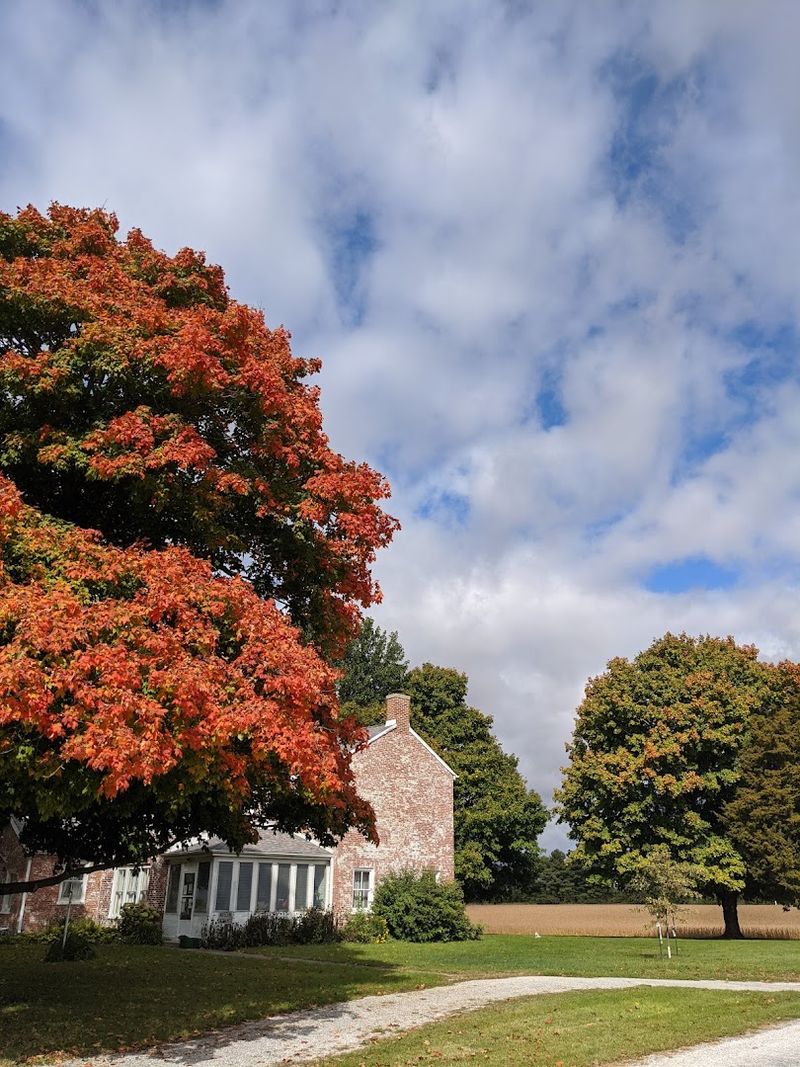
Finish in Jacksonville with a site that adds texture, landscape, and a living history feel to the journey. Woodlawn Farm, established in 1824 by Michael Huffaker, is strongly connected to the city’s Underground Railroad network.
It is the kind of place where the wider story suddenly becomes physical and domestic at the same time. Local accounts describe the family sheltering freedom seekers in the farmhouse, and that connection gives the property emotional pull without requiring flashy presentation. A farmstead can communicate practical history beautifully.
You see where people lived, worked, stored supplies, and managed the routines that could either conceal or reveal extraordinary acts of help.
Because the property operates as a living history museum with seasonal tours and educational programs, visitors get more than a static look at an old house. The site has the potential to make nineteenth century daily life tangible, which is exactly what Underground Railroad interpretation often needs. Context sharpens empathy.
Woodlawn Farm also benefits from Jacksonville’s broader abolitionist landscape. By the time you get here, especially if you have also seen Beecher Hall, the city starts to feel less like a single stop and more like a cluster of interconnected stories. That density gives Jacksonville real weight on an Illinois history road trip.
For fast-moving travelers, this site works because it combines several appeals at once: farmhouse atmosphere, local legend, educational programming, and a strong sense of place. For slower travelers, it rewards lingering, since the land itself helps tell the story.
Either way, it leaves an impression. Woodlawn Farm is a fitting final stop because it brings the Underground Railroad down to earth. Literally. Fields, rooms, chores, and choices all come into view, and that grounded perspective is hard to forget.
Share this story