The tunnel goes dark, the rocks suddenly glow neon green and orange, and for a second New Jersey feels less like New Jersey and more like a secret laboratory under a mountain. That is the fun of chasing the state’s underrated places: they are not always loud, shiny, or plastered across every weekend guide.
Some sit behind quiet forest roads. Some hide inside old company towns, former military bases, college halls, marshy boardwalks, or restored theaters with just enough creak in the bones to feel alive.
These are the places that reward curiosity. They give you a story to bring home, whether it is a wolf howl bouncing through the Delaware Water Gap, a cranberry village where the cultivated blueberry got its start, or a suspension bridge that sways just enough to make you laugh.
Here are 15 New Jersey spots that feel like real finds.
1. Sterling Hill Mining Museum – Ogdensburg
A visit here starts with a hard hat kind of thrill, even if you are just wearing sneakers and following a guide. This former zinc mine in Ogdensburg is one of those places that feels instantly different from the usual museum routine because you are not just looking at history behind glass; you are walking into it.
The mine tour takes you underground, where cool air, rough rock walls, and old equipment make the story of New Jersey’s mining past feel surprisingly immediate.
The showstopper is the fluorescent mineral display, especially the famous Rainbow Tunnel, where ultraviolet light flips the switch and the rock face bursts into glowing color.
Kids love it because it feels like magic. Adults love it because it is magic with a geology lesson attached.
Sterling Hill is especially good for families, science-curious visitors, and anyone who likes a little grit with their day trip. Wear comfortable shoes, bring a light jacket for the mine, and leave time for the exhibits above ground.
It is odd, educational, and wonderfully un-polished in the best way, the kind of place that reminds you New Jersey has layers you can actually walk through.
2. Whitesbog Village – Browns Mills
The quiet roads around Whitesbog have a way of slowing the day down before you even park. Out in Brendan T.
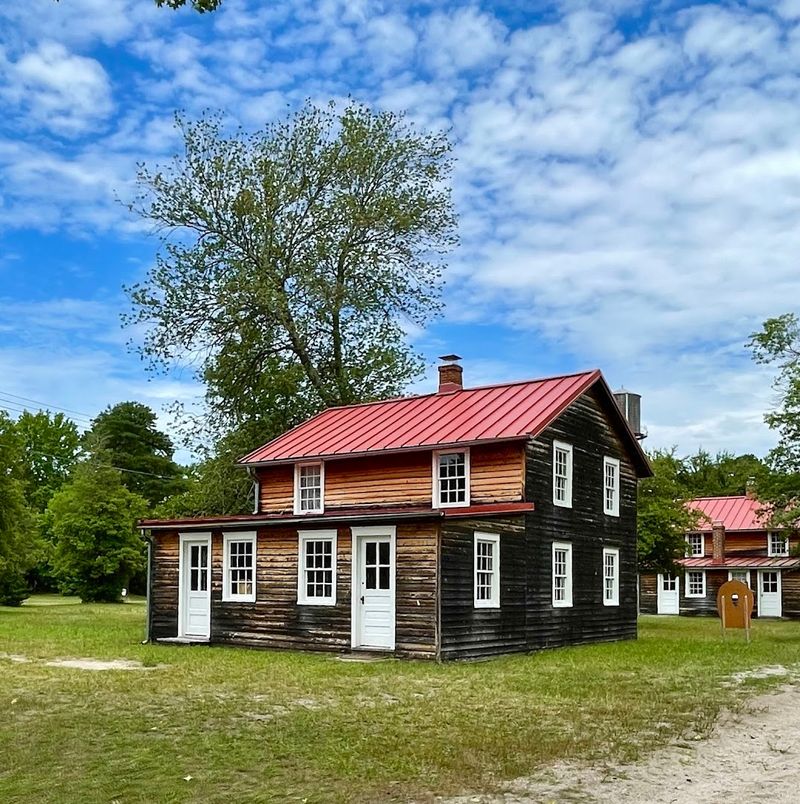
Byrne State Forest, this historic cranberry village feels less like an attraction and more like a place you happened upon while taking the long way home. Weathered buildings, sandy paths, bogs, woods, and open sky give it that classic Pine Barrens mix of beauty and mystery.
Its claim to fame is a big one: Whitesbog is tied to the development of the first cultivated highbush blueberry in 1916, thanks to Elizabeth White and botanist Frederick Coville. That little piece of agricultural history makes the place feel quietly important, not showy.
Come for a walk, peek around the village buildings, explore the trails, and look for seasonal events if you want more structure. The vibe is best when you do not rush it.
Whitesbog is the kind of stop where you bring coffee, wander without trying to “finish” anything, and let the landscape do most of the talking. It works well as a low-key morning trip, especially if you like history that still smells like pine needles and bog water.
3. Batsto Village – Hammonton
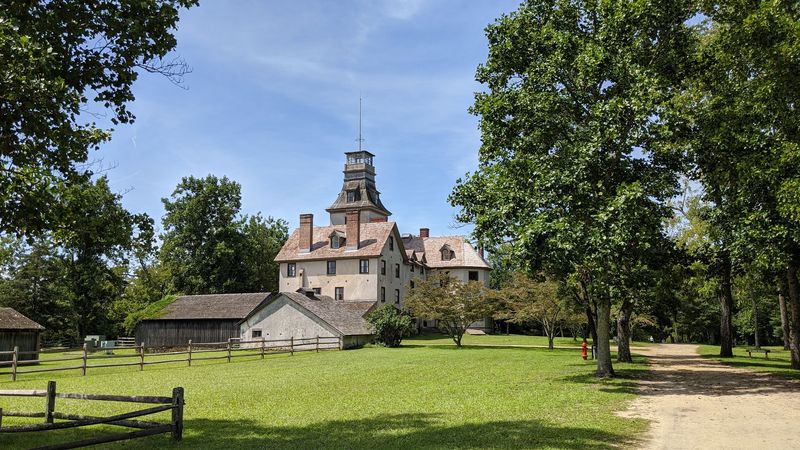
Walk through Batsto on a quiet day and the whole village seems to be holding its breath. Set in the South Jersey Pinelands, this preserved historic village dates back to 1766 and gives visitors a close look at the iron, glassmaking, farming, and milling history that shaped the region long before shore traffic became a Jersey personality trait.
What makes Batsto special is how complete it feels. You are not just stopping at one old building; you are moving through a small world of workers’ cottages, a mansion, a general store, mills, and sandy lanes surrounded by forest.
The setting does a lot of the work. Pines crowd the edges, the air feels a little wild, and the buildings look like they belong exactly where they are.
Batsto is great for people who like history without needing a long lecture first. You can stroll, take photos, check out interpretive signs, and, when available, tour some of the interiors.
It is also an easy place to pair with a hike or a drive through Wharton State Forest. Go in fall for extra atmosphere, but even in bare winter, Batsto has a spare, cinematic charm.
4. The Raptor Trust – Millington
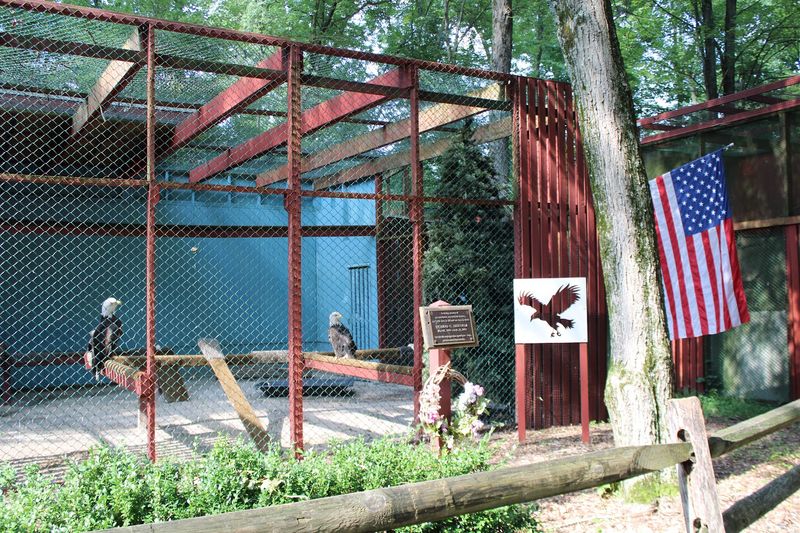
The first thing you notice is the eyes. Hawks, owls, falcons, vultures, and eagles have a way of looking back at you like they know exactly what kind of day you have been having.
The Raptor Trust in Millington is not a zoo in the flashy sense; it is a working wild bird rehabilitation and education center that has provided medical care for injured and orphaned birds for decades. That gives the place a different emotional weight.
Many of the birds visitors see are permanent residents because they cannot be safely released, so every enclosure has a story behind it. The experience is calm, close-up, and surprisingly moving.
You might come expecting a quick family stop and leave talking about wing injuries, migration, habitat, and how enormous an eagle really is when you are standing nearby. It is a strong pick for animal lovers, birders, and kids who have outgrown petting zoos but still want a real wildlife encounter.
The setting near the Great Swamp adds to the appeal, and the visit does not require a whole day. Give yourself enough time to read, observe, and let the birds make the impression. They will.
5. UACNJ Observatory at Jenny Jump State Forest – Hope
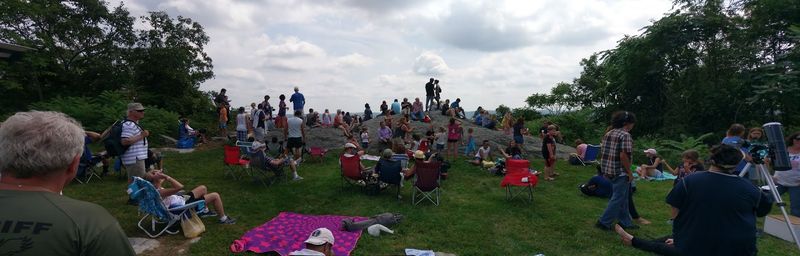
There is something wonderfully old-school about driving into the woods to look at the sky. At Jenny Jump State Forest near Hope, the United Astronomy Clubs of New Jersey run public astronomy programs that turn a regular Saturday night into a small adventure.
The observatory sits at about 1,100 feet above sea level, which helps give it a darker, clearer feel than many places in the state. During the public season, visitors can attend an astronomy presentation and, when the weather cooperates, look through on-site telescopes with people who actually know what they are pointing at.
That last part matters. A faint smudge becomes a galaxy.
A bright dot becomes Saturn. A random patch of sky suddenly has a backstory.
This is not a glossy planetarium show; it is more personal and weather-dependent, which is part of the charm. Bring patience, layers, and realistic expectations, because clouds are clouds no matter how much you want to see Jupiter.
But on a clear night, it feels like one of the state’s best quiet flexes: New Jersey can still give you a sky worth craning your neck for.
6. InfoAge Science and History Museums – Wall
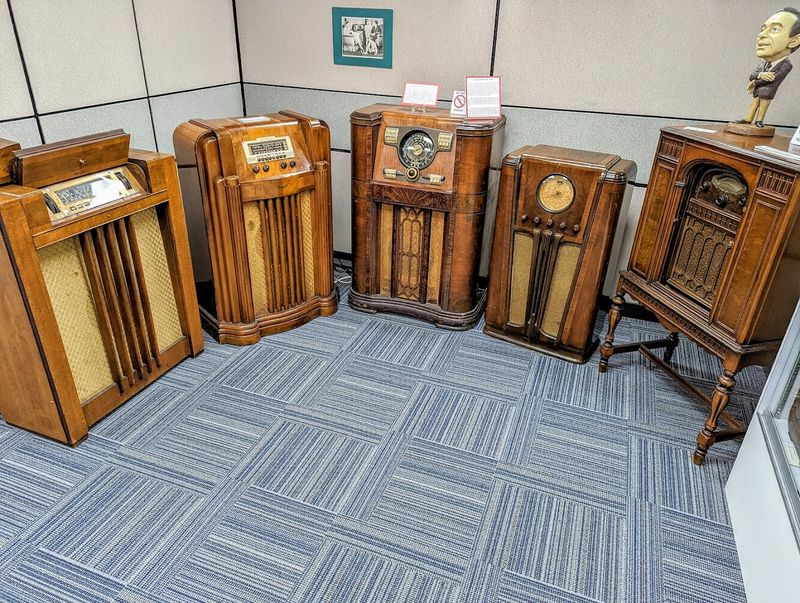
The campus at InfoAge does not announce itself like a polished mega-museum, and that is exactly why it is fun.
Spread across the historic Camp Evans site in Wall, this collection of museums and exhibits is packed with radios, computers, military history, space exploration displays, electronic technology, and the kind of machinery that makes tinkerers suddenly become very quiet.
The place has a slightly mad-scientist energy, in the best possible way. You move between buildings, often guided by volunteers who know their subjects with charming intensity, and the whole visit feels like opening one drawer after another in New Jersey’s technology attic.
Camp Evans itself has deep communications and military research history, so the exhibits are not random; they are tied to a real site where important work happened.
This is a smart choice for families with older kids, curious adults, veterans, engineers, radio buffs, or anyone who enjoys museums where the edges have not been sanded down too much.
Wear comfortable shoes, since the campus is spread out, and dress for walking between buildings.
InfoAge is not sleek, but it is memorable, and it rewards the kind of visitor who likes asking, “Wait, what does that thing do?”
7. Rutgers Geology Museum – New Brunswick
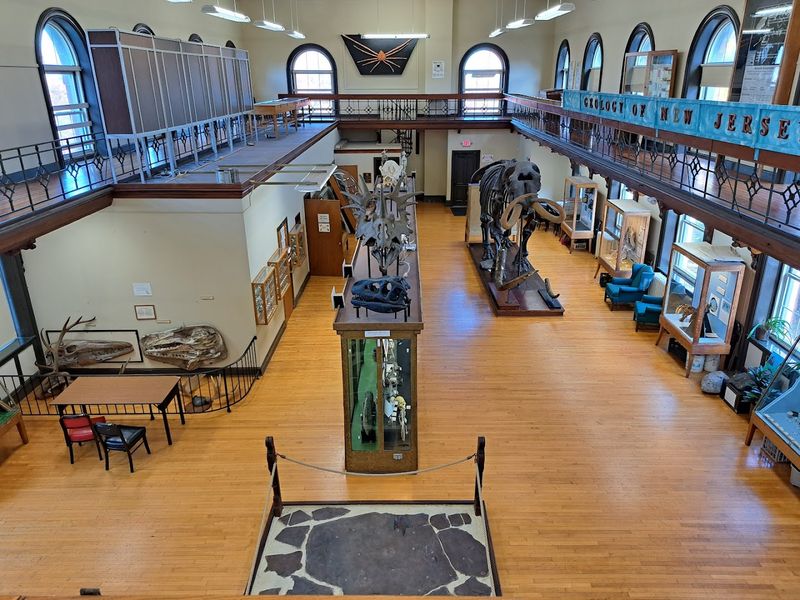
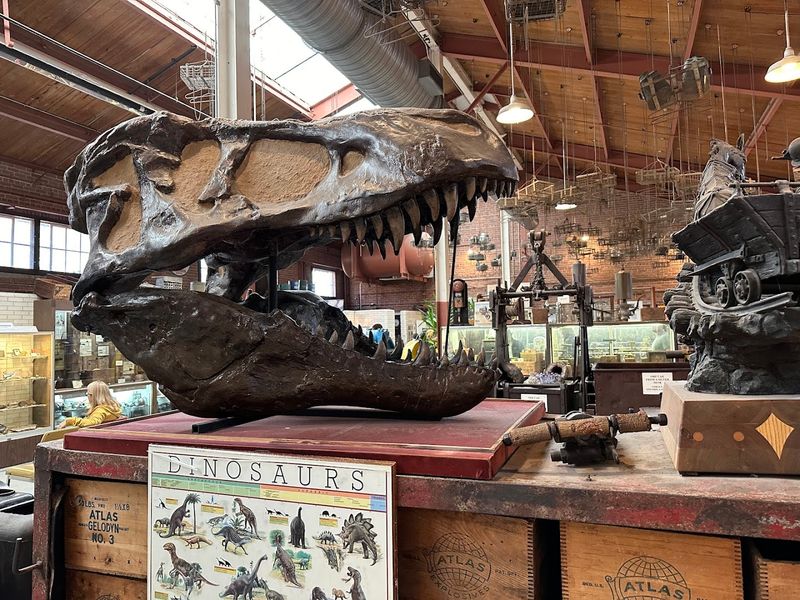
On the Rutgers campus in New Brunswick, there is a compact museum that punches way above its size. The Rutgers Geology Museum is the sort of place people walk past for years before realizing there are fossils, minerals, geologic specimens, and New Jersey earth science stories waiting inside.
Its collections date back to the 19th century, and the displays have that classic university-museum feel: smart, a little old-fashioned, and full of things that make you lean closer. This is a great stop if you want something educational but not exhausting.
You can bring kids, spend under an hour, and still leave with a favorite specimen. Dinosaur fossils and minerals tend to grab attention first, but the real appeal is how the museum connects big natural history to the region under your feet.
New Jersey can feel paved over in people’s imaginations; this place reminds you that the state has ancient seas, shifting land, minerals, fossils, and deep time in its bones. Because it is in New Brunswick, it is easy to fold into a campus walk, a lunch downtown, or a rainy-day outing.
Small does not mean slight here. It means you can actually take it in.
8. Roebling Museum – Roebling
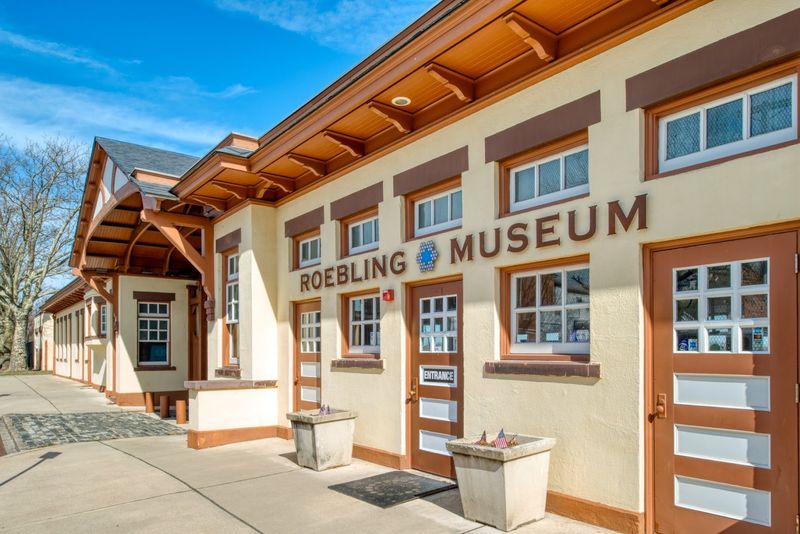
The name Roebling is stamped all over American engineering history, but the museum in Roebling makes that legacy feel local, human, and close enough to touch.
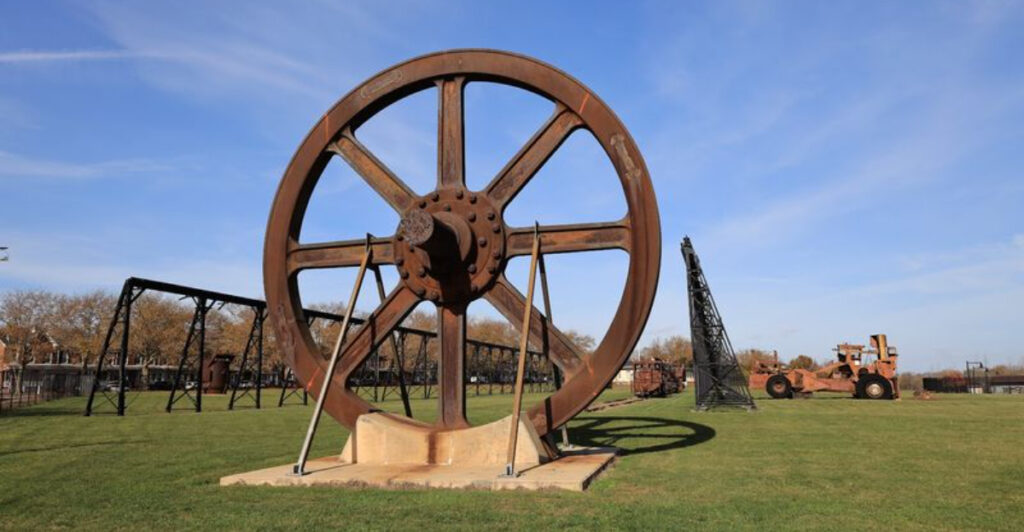
This small museum tells the story of the company town built around John A. Roebling’s Sons Company, which became famous for manufacturing wire rope used in major suspension bridges. That includes the kind of infrastructure people recognize instantly, even if they never think about the steel cables holding it all together.
What makes the museum worth seeking out is the blend of industrial muscle and everyday life. You are not only learning about bridge technology; you are getting a glimpse of the workers, immigrant families, company-town routines, and factory culture that powered the operation.
The setting helps, too. Roebling still carries traces of its planned industrial past, so the visit can spill naturally into a slow look around town.
This is a good pick for history fans who like factories more than drawing rooms, or anyone who has ever crossed a suspension bridge and wondered how humans figured out how to make that much steel behave. It is not a giant museum, but the story it tells stretches far beyond Burlington County.
9. The Stickley Museum at Craftsman Farms – Morris Plains
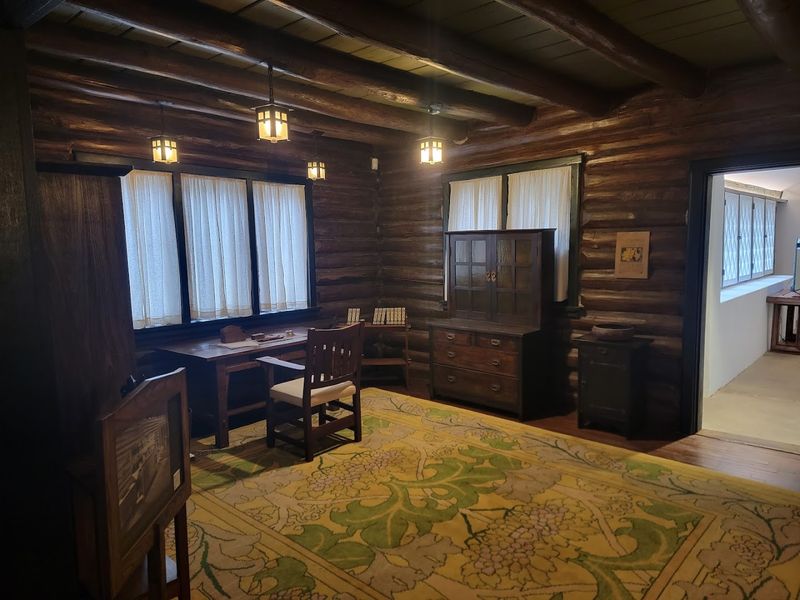
Some historic homes impress you with chandeliers. Craftsman Farms wins you over with wood, proportion, and the feeling that every beam has an opinion.
Built by Gustav Stickley in the early 20th century, this Morris Plains property is one of New Jersey’s best stops for anyone who cares about design, architecture, furniture, or the idea that a house can shape how people live.
The Log House is the centerpiece, and guided tours help explain Stickley’s Arts and Crafts philosophy without making it feel like homework.
You see the heavy timber, handmade details, practical beauty, and strong connection between house and landscape. It is refined but not fussy, which makes the place feel surprisingly modern.
The museum is especially rewarding for visitors who like house tours with substance: not just “this famous person slept here,” but “this was a whole way of thinking.” Since access to the house is through guided tours, check the schedule before heading over.
The grounds and shop add to the visit, but the real reward is stepping inside and seeing how Stickley turned simplicity into something rich. It is quiet, thoughtful, and very Jersey in the most unexpected way.
10. Greenwood Gardens – Short Hills
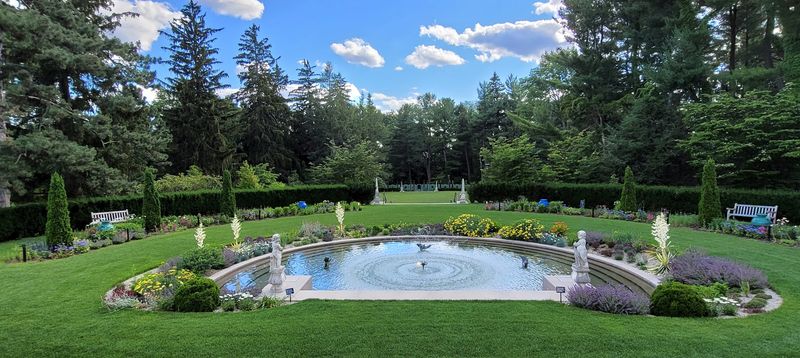
Stone steps, fountains, mossy corners, and old garden walls give Greenwood Gardens a storybook quality without tipping into preciousness. Located in Short Hills, this 28-acre public garden was once a private estate, and it still feels a little like you have been allowed behind a gate you were not sure would open.
The landscape mixes formal terraces, woodlands, meadows, grottoes, Arts and Crafts details, and winding paths, all surrounded by preserved parkland. It is not the kind of garden that overwhelms you with one big floral display and sends you home.
Instead, it unfolds in sections. A turn in the path reveals a pool.
Another brings you to a shaded stairway, a bit of sculpture, or a view framed by old trees. Greenwood is ideal for a slow afternoon, a quiet date, a solo reset, or a photo walk where you do not want to fight crowds.
It feels elegant but relaxed, like a grand estate that has learned how to whisper. Check seasonal hours before visiting, since public garden schedules can shift, and give yourself permission not to rush.
The best part is wandering until you find your own favorite corner.
11. Lakota Wolf Preserve – Columbia

A wolf howl does not sound like a soundtrack effect when you hear it in person. It has texture, distance, and a strange way of making everyone stop talking at once.
Lakota Wolf Preserve, located in the mountains of the Delaware Water Gap area, gives visitors a guided look at wolves, along with other animals such as bobcats, foxes, and lynx. The preserve focuses on education and care, so the experience is built around learning rather than wandering freely from enclosure to enclosure.
That guided structure is a good thing. You get context about wolf behavior, pack dynamics, conservation, and the individual animals, which makes the visit feel more meaningful than a quick photo stop.
It is especially good for animal lovers, photographers, and families with kids who can stay attentive during a tour. Reservations and tour timing matter here, so plan ahead instead of treating it like a spontaneous roadside pull-off.
The setting adds a lot: wooded, mountainous, and far enough from New Jersey’s busier rhythms to feel like you crossed into another pocket of the state. The magic moment, of course, is when the wolves vocalize.
Nobody needs to be told to listen.
12. Cattus Island County Park – Toms River
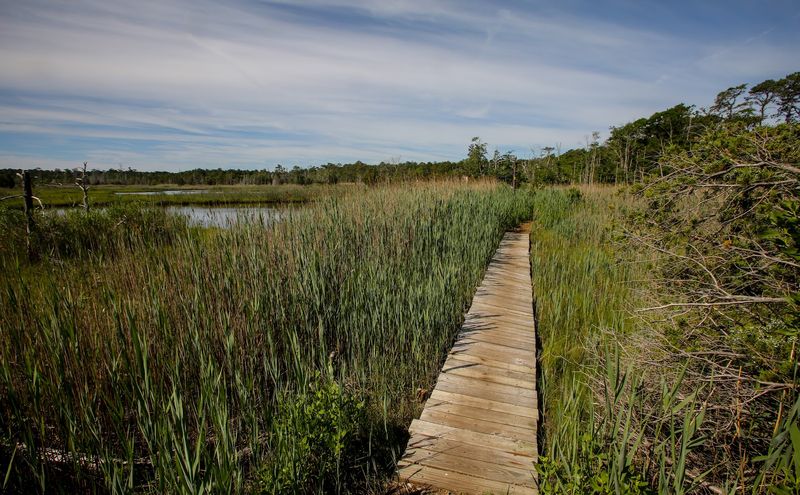
Salt air, pine woods, marsh views, and boardwalk stretches make Cattus Island feel like the Shore took a deep breath and stepped away from the boardwalk games. This Toms River county park is a terrific pick when you want nature without needing a rugged expedition.
The trails are approachable, the scenery changes often enough to keep things interesting, and the Cooper Environmental Center gives the visit a useful home base. Inside, visitors can find hands-on displays, live reptiles and fish, bird-viewing areas, and educational exhibits that help explain the habitats right outside the door.
Outside, the butterfly garden and marshy paths offer the softer pleasures: osprey sightings, rustling grasses, bay breezes, and kids burning off energy without anyone needing to buy them a funnel cake. Cattus Island works well for families, casual walkers, birders, and anyone who wants a quieter Ocean County outing.
It is also a nice reminder that coastal New Jersey is not only beaches and beach traffic. Some of its best moments happen along the edges, where woods meet water and the day feels pleasantly unscheduled.
Bring bug spray in warmer months and shoes you do not mind getting sandy.
13. BAPS Swaminarayan Akshardham – Robbinsville Township

It is hard to prepare for the scale and detail of BAPS Swaminarayan Akshardham until you are standing in front of it. In Robbinsville Township, the campus rises out of central New Jersey with carved stone, domes, pillars, and ornamentation that make first-time visitors slow down almost immediately.
This is a Hindu place of worship and cultural site, so the visit calls for the same respect you would bring to any sacred space. The reward is enormous.
Look closely at the carvings, notice the symmetry, and give yourself time to move through the site without treating it like a quick photo backdrop.
What makes Akshardham feel like a discovery is the contrast: one minute you are driving through ordinary New Jersey roads, and the next you are looking at a landmark of Hindu art, architecture, and devotion that feels worlds away from the strip malls and subdivisions nearby.
It is a strong choice for visitors interested in architecture, culture, faith traditions, or craftsmanship. Check visitor guidelines before you go, including rules around dress, photography, bags, and food.
This is not a casual “swing by for ten minutes” stop. It deserves attention, and it gives plenty back.
14. The Swinging Bridge over Stony Brook – Princeton
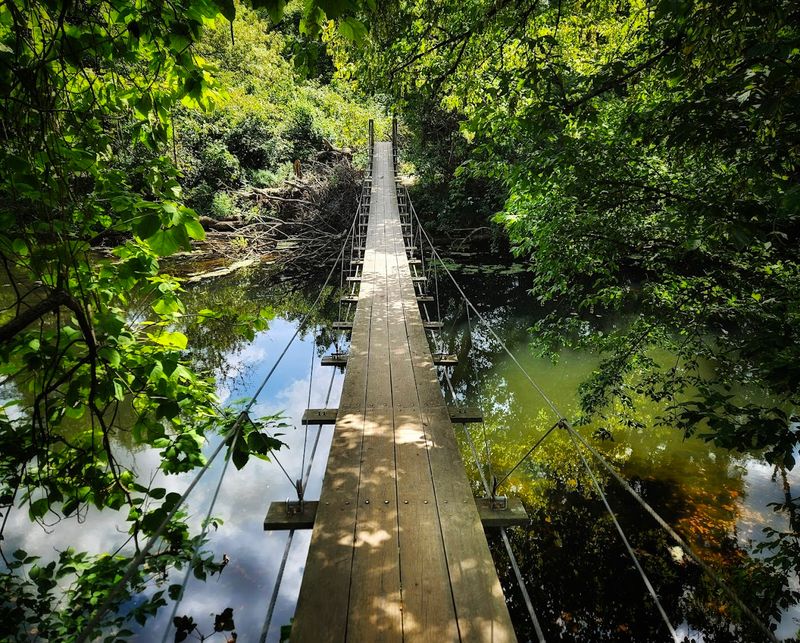
The bridge is not huge, and that is part of its charm. Hidden along the trails of Institute Woods in Princeton, the Swinging Bridge over Stony Brook feels like a small reward for people willing to walk a little past the obvious.
Many visitors reach it from the Princeton Battlefield area, following wooded trails until the path opens to the narrow suspension bridge. It sways just enough to make the crossing fun, not frightening, and the view over the brook gives the whole outing a gentle adventure-story feel.
This is a good pick for people who want a low-key hike with a payoff: families, couples, solo walkers, or anyone who likes their nature walks with one memorable feature.
The surrounding Institute Woods has more than eight miles of trails, including routes that connect through woods, wetlands, and farmland, so you can make the outing as short or as meandering as you like.
After rain, expect mud, because nature does not care about your nice shoes. Pair it with Princeton Battlefield if you want a history-and-hiking combo, or keep it simple and go for the bridge.
Either way, it feels like a secret hiding in a very well-known town.
15. Broadway Theatre of Pitman – Pitman
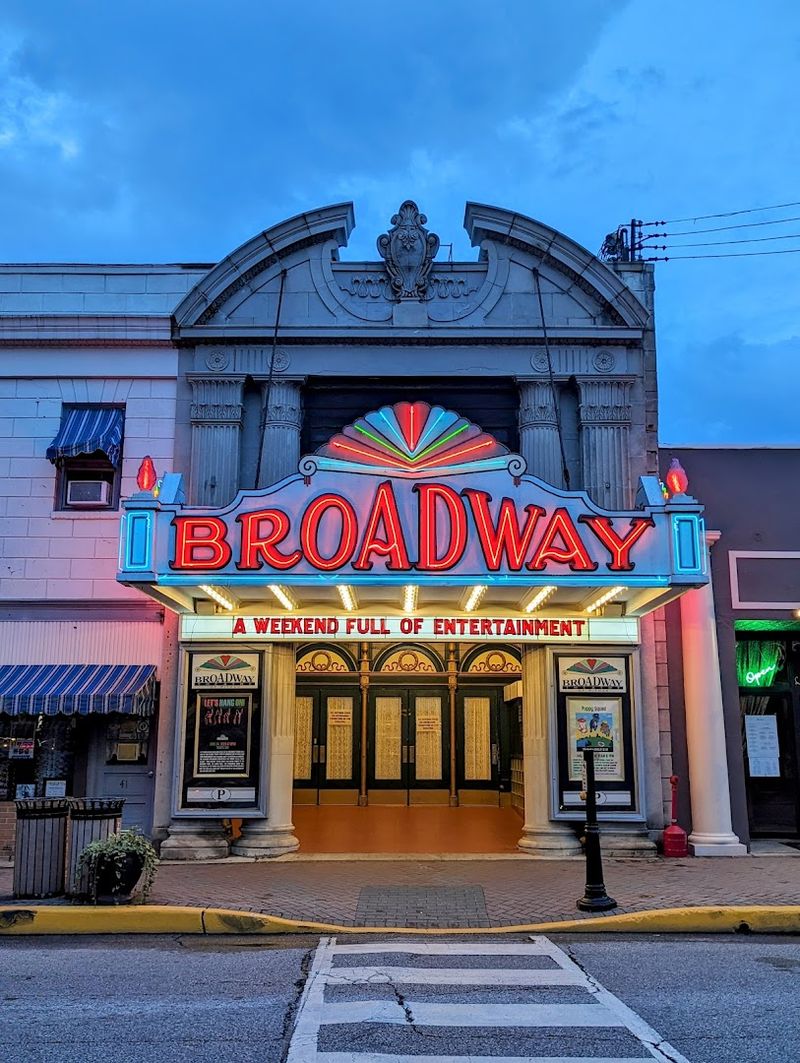
There is a special pleasure in seeing a show in a town where the theater still feels like the main event. The Broadway Theatre of Pitman sits right on South Broadway, giving downtown Pitman a little old-fashioned sparkle without feeling frozen in time.
This is not one of those anonymous black-box venues where you could be anywhere. The building, the marquee energy, the walkable small-town setting, and the mix of productions make the whole night feel specific.
The theater hosts mainstage shows, concerts, children’s theater, and community-minded programming, so it works for date nights, family outings, and people who like live performance but do not always want the expense or logistics of a bigger city show.
The smart move is to build an evening around it: arrive early, walk the downtown, grab dinner nearby, and let the theater be the anchor instead of the whole plan.
Pitman has enough charm to make that easy. What makes this place feel like a find is not that it is unknown to locals, but that it still feels personal.
You are close to the stage, close to town, and close to the kind of Jersey arts experience that does not need a skyline behind it to matter.