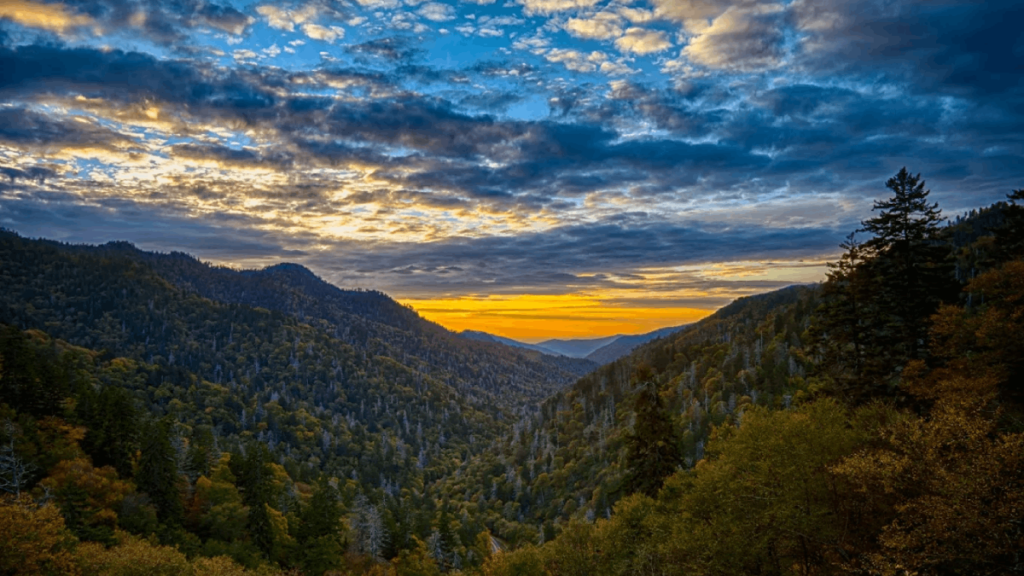
Spring transforms Tennessee’s mountains into something extraordinary. May brings the perfect combination of blooming wildflowers, fresh green canopies, and crystal-clear skies that make every overlook feel like a secret worth keeping.
Whether you’re chasing sunrise from a high-elevation tower or watching the ridgelines fade into purple at dusk, these twelve spots capture the magic that makes Tennessee’s peaks unforgettable this time of year.
1. Clingmans Dome / Kuwohi — Great Smoky Mountains National Park
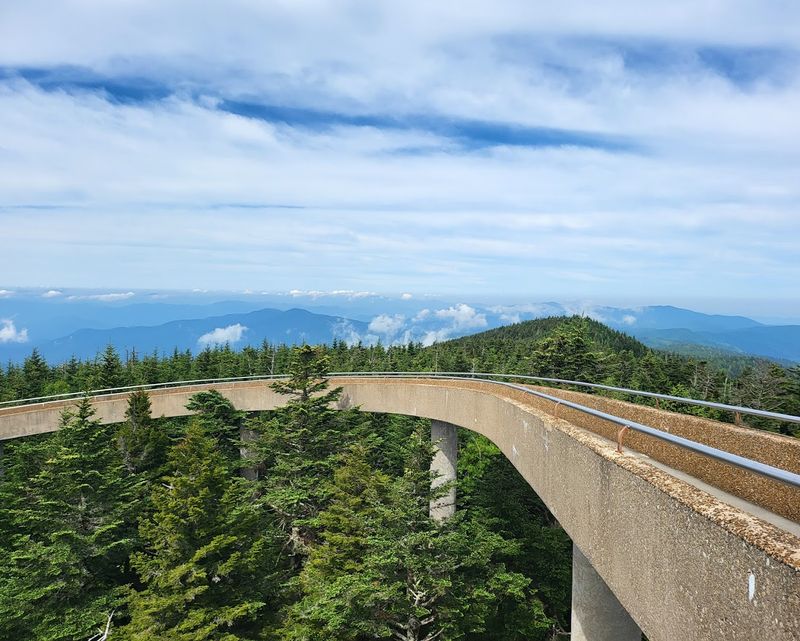
Standing at 6,643 feet, this is as high as you can go in the Smokies without sprouting wings. The observation tower sits above the treeline, giving you a 360-degree view that stretches across Tennessee and North Carolina. On a clear May morning, you can see seven states if the air cooperates.
The half-mile paved trail to the tower climbs steeply, but the payoff is worth every breath. Spring greenery blankets the lower slopes while the higher elevations still hold onto that cool, crisp mountain air. The famous blue ridges stack up like waves, each one a little softer and hazier than the last.
May is ideal because the crowds haven’t peaked yet, and the weather tends to be stable. You’ll want to arrive early—sunrise here is stunning, and parking fills up fast even in shoulder season. Bring a jacket; it’s always cooler at the top than you expect.
The recent name change to Kuwohi honors the Cherokee people who lived in these mountains long before the park existed. It means “mulberry place,” a nod to the trees that once grew abundantly here. That history adds another layer to an already powerful experience.
If you’re sensitive to altitude, take it slow on the walk up. The elevation can surprise you. But once you’re standing on that ramp, looking out over endless green peaks, you’ll understand why this spot has drawn visitors for generations.
It’s the kind of view that makes you want to linger, even when the wind picks up.
2. Ben Morton Overlook — Gatlinburg
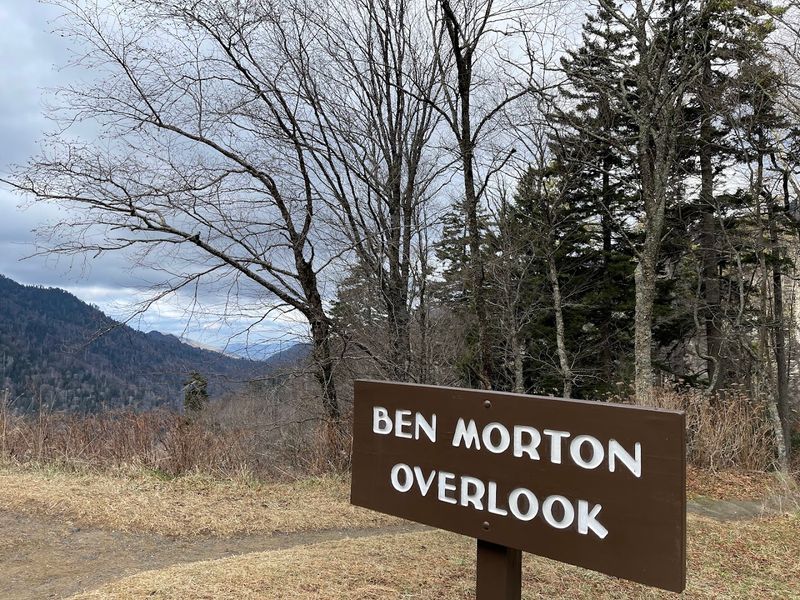
Tucked along Cherokee Orchard Road, this overlook doesn’t shout for attention, but it delivers one of the most satisfying sunset views near Gatlinburg. The ridges roll out in front of you, stacked and fading, with that signature Smoky Mountain haze softening everything just right. May evenings bring warmer light and longer golden hours, which means more time to soak it all in.
The overlook sits just a short drive from town, making it an easy add-on to a day spent exploring the national park. There’s parking for a handful of cars, and the view opens up immediately. No long hikes, no scrambling over rocks—just pull up, step out, and breathe.
Spring haze is a real thing here, and in May it works in your favor. The moisture in the air creates that dreamy, layered effect that makes the Smokies famous. The ridges fade from dark green to pale blue, each one a little more mysterious than the last.
It’s especially striking when the sun dips low and everything glows.
Weekends can get busy, so try for a weekday evening if your schedule allows. Bring a snack, settle in, and watch the day fade. The temperature drops quickly once the sun sets, so a light jacket is smart.
This is one of those places where you don’t need to do much—just show up and let the view do the work.
3. Newfound Gap — Great Smoky Mountains National Park
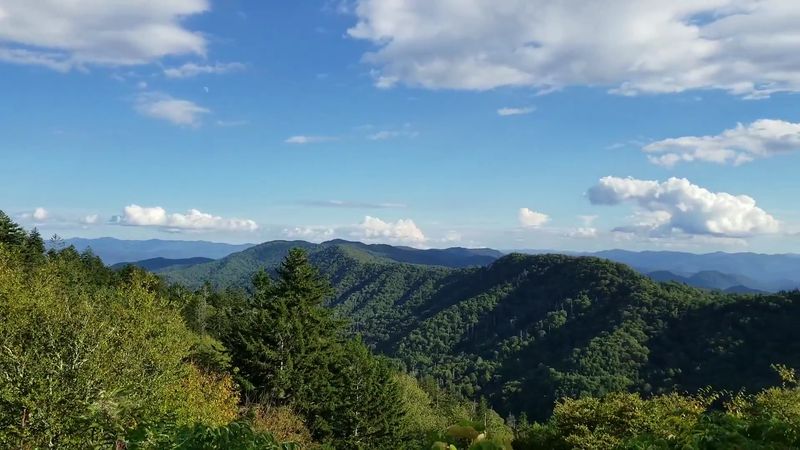
Right at the Tennessee–North Carolina state line, Newfound Gap sits at 5,046 feet and offers one of the most accessible high-elevation views in the park. You can literally drive up, park, and step into a panorama that stretches for miles. May brings ideal conditions—cooler temperatures, blooming mountain laurel, and visibility that can reach 50 miles on a good day.
This spot has history baked in. President Franklin D. Roosevelt dedicated the park here in 1940, and a stone marker still commemorates the event. It’s a reminder that these mountains have been worth protecting for a long time, and standing here makes that protection feel personal.
The Appalachian Trail crosses right through the gap, so you’ll often see thru-hikers taking a break or resupplying. There’s something grounding about watching people who’ve been walking for weeks stop to catch their breath at the same spot you drove to. It puts the scale of these mountains into perspective.
From the overlook, you can see both states at once, with ridgelines rolling out in every direction. The spring green is vibrant but not yet the deep summer shade, giving everything a fresh, almost electric quality. The air smells like pine and damp earth, and the wind usually has a bite even in May.
But even if you’re not hiking, spending 20 minutes here is time well spent. The view changes with the light, so if you can, visit twice—once in the morning and once in the afternoon.
You’ll see two different mountains.
4. Look Rock Tower — Maryville
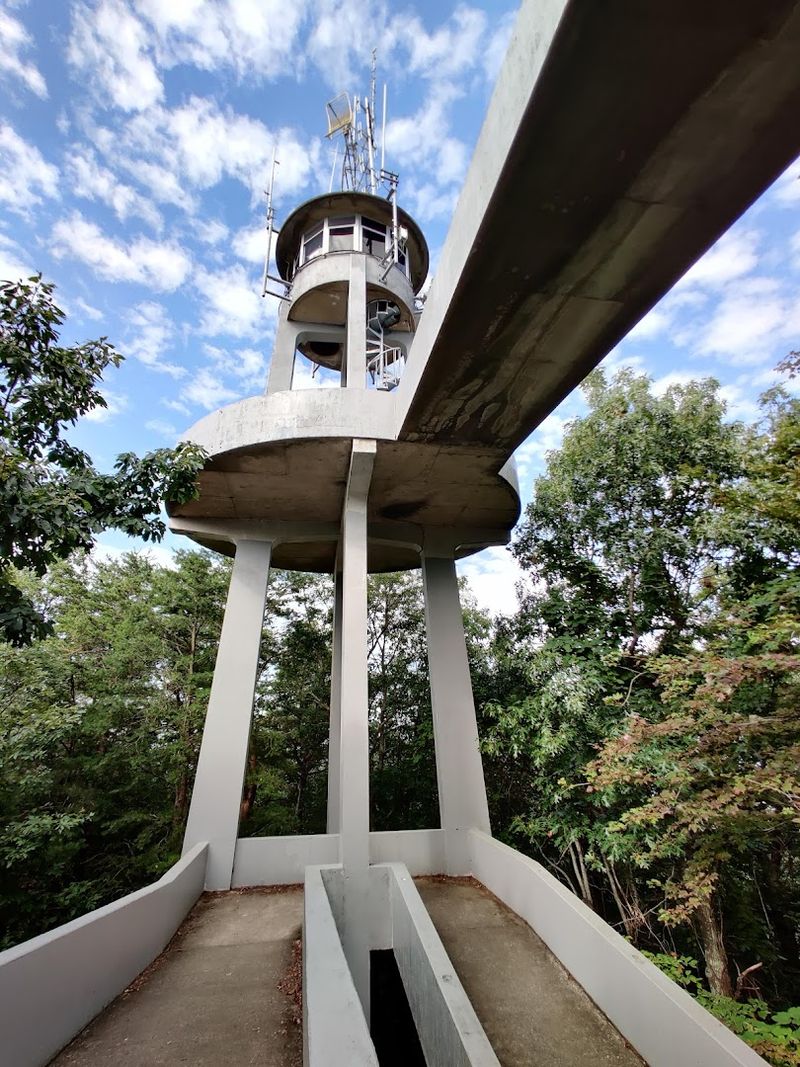
Perched at 2,600 feet, Look Rock Tower offers something rare: a sweeping view without the crowds. The fire tower stands 75 feet tall, and climbing it feels like stepping into a secret vantage point most people miss. May is perfect here—the air is clear, the wildflowers are blooming along the trail, and the valley below glows with fresh green.
The half-mile trail to the tower is easy and shaded, winding through a hardwood forest that’s alive with birdsong in spring. Once you reach the base, the stairs spiral up through the canopy, and each level reveals more of the landscape. At the top, you’re above the trees with nothing between you and the horizon.
From up here, you can see the Smokies to the east and the Tennessee Valley spreading out to the west. The contrast is striking—rugged peaks on one side, rolling farmland on the other. It’s one of the few places where you can grasp the full geography of the region in a single glance.
The tower is part of the Foothills Parkway system, which means the drive itself is scenic. Winding roads, pull-offs with their own views, and hardly any traffic make the journey as rewarding as the destination. Pack a picnic and take your time getting there.
Because it’s less famous than other Smokies overlooks, you might have the tower to yourself, especially on weekday mornings. That solitude is worth something. The wind can be strong at the top, so hold onto your hat and your phone.
5. Foothills Parkway Overlooks — Tallassee
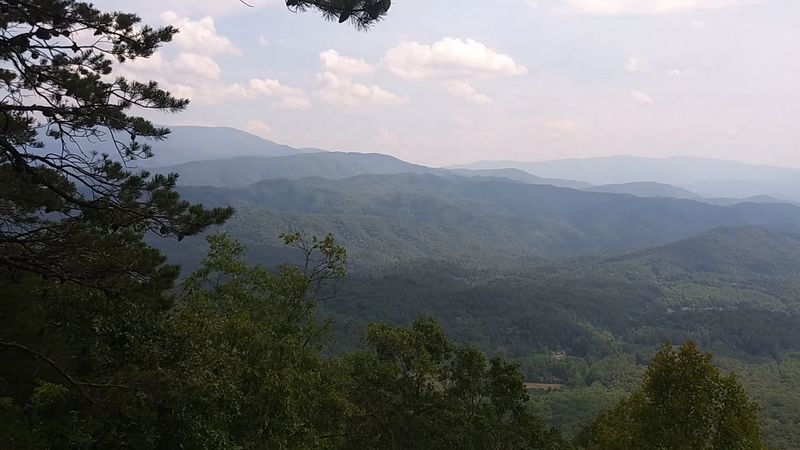
The Foothills Parkway was built for one reason: to showcase the Smokies from every possible angle. The section near Tallassee delivers on that promise with a series of pull-offs that each offer their own slice of mountain magic. May is when this drive really shines—wildflowers dot the roadside, the ridgelines are electric green, and you won’t be fighting summer traffic for parking.
Unlike the main park roads, the parkway stays at mid-elevation, giving you a different perspective on the mountains. You’re looking across at the peaks rather than up at them, which creates a sense of scale that’s hard to capture from the valley floor. Each overlook has its own character, so it’s worth stopping at several rather than just picking one.
The road itself curves gently through the landscape, with forested stretches opening up to sudden, sweeping views. It’s the kind of drive where you want to take it slow, windows down, with no particular schedule to keep. The air smells like honeysuckle and fresh leaves, and the light filters through the canopy in shifting patterns.
Spring also means fewer bugs and more comfortable temperatures for lingering at the overlooks. You can actually get out of the car and walk around without immediately regretting it. Some pull-offs have short trails or picnic tables, making them ideal for a mid-drive snack or photo session.
The parkway connects to several other scenic routes, so it’s easy to turn this into a full-day loop. Bring a good map or download directions ahead of time—cell service can be spotty. And don’t rush. This isn’t about getting somewhere; it’s about being somewhere, and that somewhere happens to be one of Tennessee’s most underrated scenic drives.
6. Mount Le Conte — Great Smoky Mountains National Park
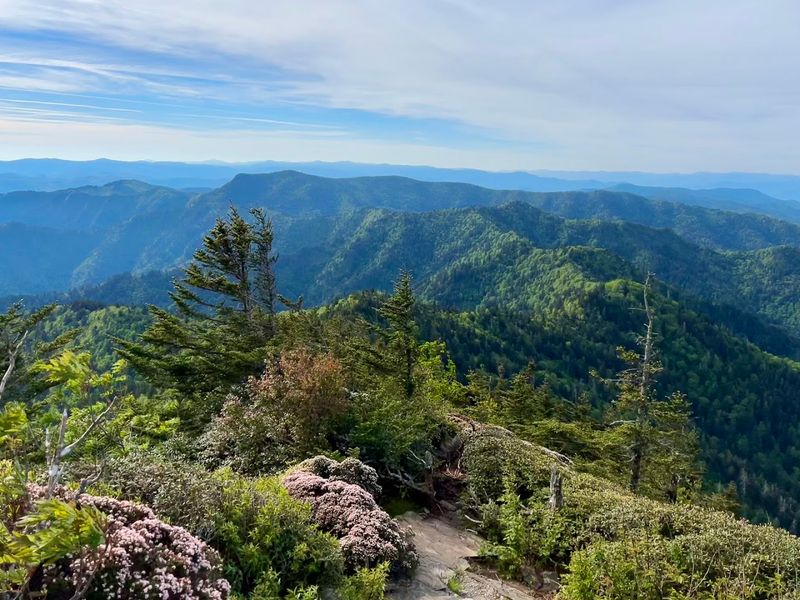
Mount Le Conte isn’t for everyone, and that’s part of what makes it special. At 6,593 feet, it’s the third-highest peak in the Smokies, and getting there requires commitment—five different trails lead to the summit, ranging from five to eight miles one-way. But if you’re up for the hike, the views near the top, especially from Myrtle Point, are worth every step.
May offers ideal conditions for the climb. The trails are clear of ice and snow, but the higher elevations haven’t yet hit peak summer heat. Wildflowers line the lower sections, and the forest canopy is full but not yet dense enough to block all the light.
You’ll work up a sweat, but the air stays cool and breathable.
Myrtle Point juts out from the summit area, offering an unobstructed view to the east. Sunrise here is legendary—if you can time your hike to catch first light, you’ll see the valleys fill with mist and the ridges emerge in layers as the sun climbs. It’s the kind of scene that makes you forget how tired your legs are.
LeConte Lodge sits near the summit, offering rustic overnight accommodations if you want to experience sunset and sunrise without hiking in the dark. Reservations book up months in advance, but even if you’re day-hiking, knowing the lodge is there adds a sense of adventure to the journey.
The trails vary in difficulty, so choose based on your fitness level and how much time you have. Alum Cave is the shortest but steepest. Rainbow Falls is longer but more gradual. All of them deliver.
Bring plenty of water, snacks, and layers—weather at the summit can shift fast. And start early; you don’t want to be descending in the dark.
7. Roan Mountain — Northeast Tennessee
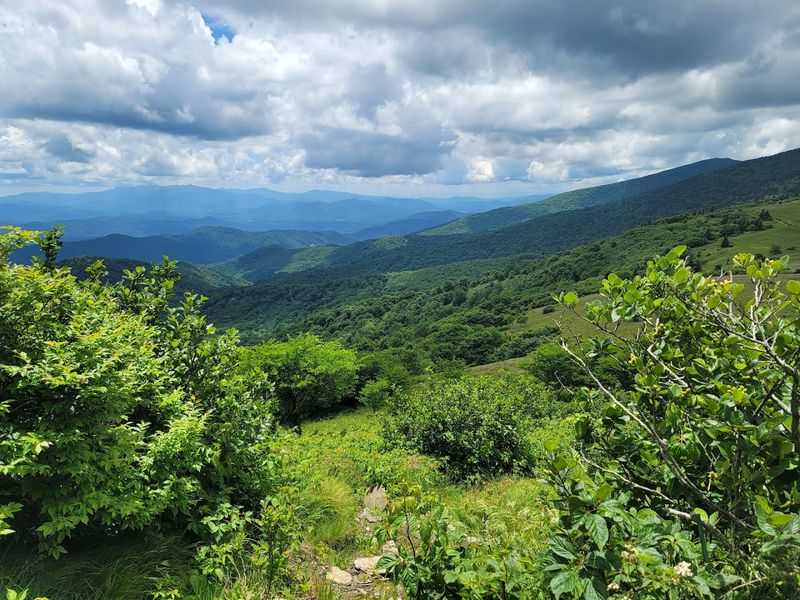
Roan Mountain sits in a category of its own. The high-elevation balds—open, grassy meadows above the treeline—create a landscape that feels more like the Scottish Highlands than the southern Appalachians. In late May, the Catawba rhododendrons start to bloom, covering the slopes in waves of purple.
It’s one of the most striking natural displays in Tennessee.
The balds roll and dip across the ridgeline, offering 360-degree views that stretch into three states. You can see North Carolina and Virginia from certain points, and the sense of space is immense. There’s something almost meditative about standing in the middle of all that open sky, with nothing but grass and wildflowers around you.
Roan Mountain State Park provides access to the area, with trails ranging from easy walks to more challenging ridge hikes. The Appalachian Trail crosses through here, and the section along the balds is considered one of the most beautiful stretches of the entire trail. Even if you’re not a thru-hiker, walking a mile or two on the AT here is a bucket-list experience.
The weather can be unpredictable, even in May. Fog rolls in quickly, and the wind on the balds can be fierce. But that’s part of the magic—when the clouds part and the view opens up, it feels earned.
Dress in layers and be prepared for rapid changes.
The rhododendron bloom peaks in mid-to-late June, but late May offers a preview with fewer crowds. If you time it right, you’ll catch the early blooms without the festival crowds. Bring a camera, but also take time to just sit and take it in. This is one of those places that photographs can’t quite capture—you have to be there.
8. Sunset Rock — Lookout Mountain
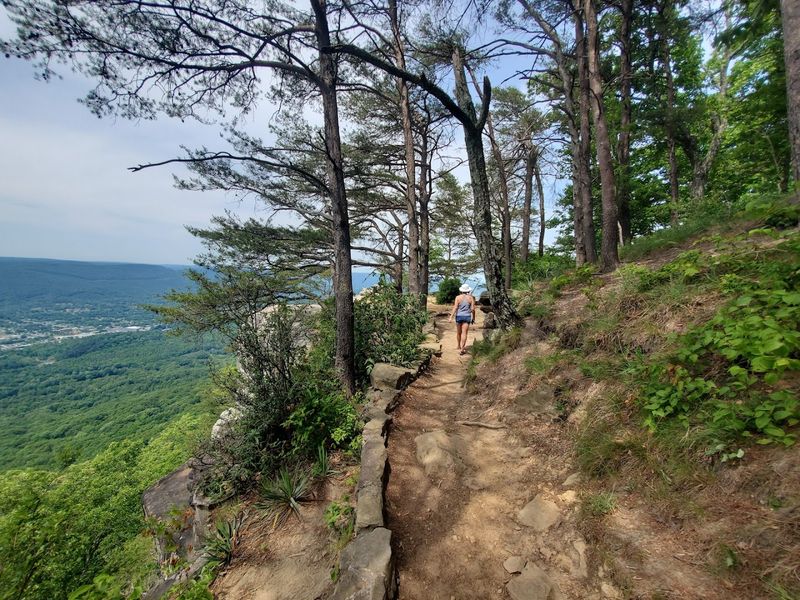
Sunset Rock lives up to its name in the best possible way. The overlook sits on the edge of Lookout Mountain, with a sheer drop that opens up to a sweeping view of the Tennessee Valley. Golden hour here is something you’ll remember—warm light flooding the valley, shadows stretching long, and the sky shifting through every shade of orange and pink.
The hike to reach it is short but steep, about a mile round-trip from the Point Park parking area. The trail winds through the forest before emerging suddenly at the rock ledge. It’s a bit of a scramble at the end, but nothing technical.
Just watch your footing, especially if the rock is damp.
From the edge, you can see Chattanooga spread out below, with the Tennessee River snaking through the valley. The view combines natural beauty with a sense of human scale—you’re looking down at a city, but the mountains around it remind you that nature still dominates the landscape. It’s a perspective that feels both intimate and expansive.
May evenings are perfect here. The air is warm but not stifling, and the later sunsets give you time to hike up without rushing. Bring a headlamp or flashlight for the walk back down if you plan to stay through sunset—it gets dark quickly once the sun drops below the ridge.
The rock itself is large enough for several people, but it can get crowded on weekends. Weekday evenings are quieter and just as beautiful. Some people bring a blanket and snacks, turning the visit into a mini picnic.
Just be mindful of the edge—it’s a long way down, and there are no railings. Respect the drop, and the view will reward you.
9. Snoopers Rock — Chattanooga
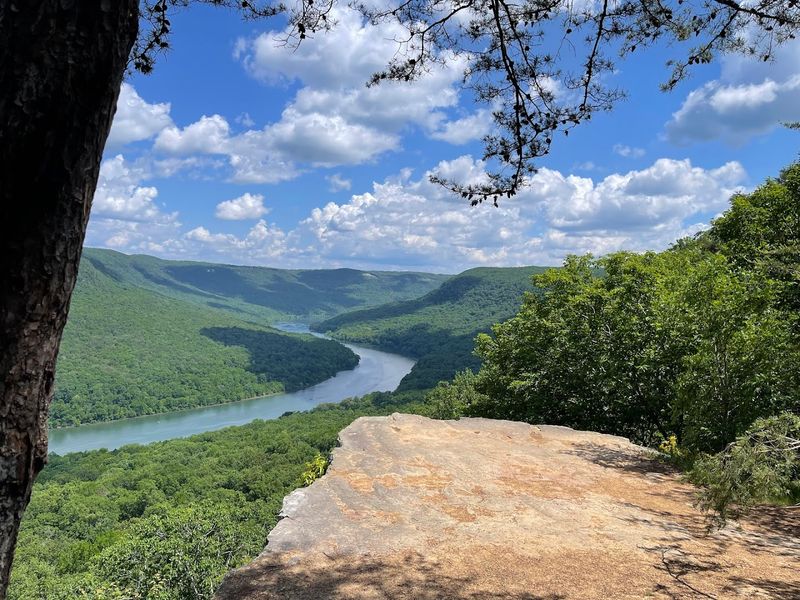
Snoopers Rock offers one of the most dramatic river views in Tennessee. The overlook sits high above the Tennessee River Gorge, where the river makes a sweeping bend through the canyon. In May, the gorge is a riot of green—trees in full leaf, ferns covering the slopes, and the water reflecting the sky in shades of blue and silver.
Getting there requires a moderate hike of about two miles round-trip, starting from the Signal Point parking area. The trail is well-maintained and shaded, winding through hardwood forest before opening up at the overlook. It’s a popular spot for locals, so expect to see other hikers, especially on weekends.
The rock itself juts out over the gorge, providing an unobstructed view straight down to the river. The drop is significant—vertigo-inducing if you’re not a fan of heights—but the perspective is worth it. You can see the river’s path through the canyon, the forested ridges rising on either side, and the sense of depth that makes the gorge feel wild and untouched.
Spring brings out the birdsong and wildflowers along the trail, making the hike itself part of the experience. The air smells fresh and earthy, and the temperature in the forest stays cool even as the valley heats up. It’s a good reminder that elevation makes a difference, even in a short hike.
Snoopers Rock is also a great spot for a mid-hike break. There’s enough room to sit comfortably and take in the view without feeling rushed. Bring water and a snack, and plan to linger.
The view changes with the light, so different times of day offer different moods. Morning light is softer, afternoon light is more dramatic, and both are worth seeing if you have the time.
10. Stone Door Overlook — Beersheba Springs
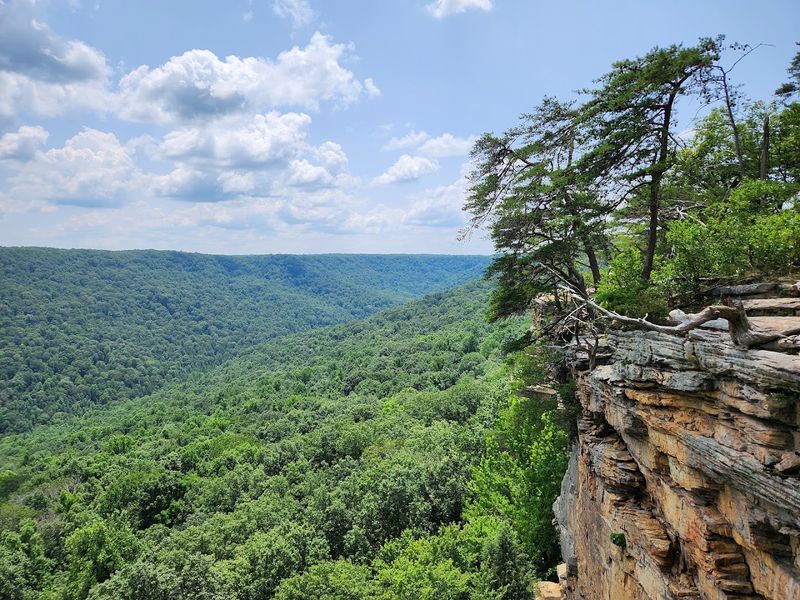
Stone Door Overlook is one of those places that surprises you. Tucked into the South Cumberland State Park, it’s less famous than the Smokies spots but just as rewarding. The overlook sits at the edge of a massive sandstone cliff, with views stretching across the Savage Gulf wilderness.
In May, the forest below is a sea of green, and the air is filled with the sound of waterfalls echoing up from the canyon.
The trail to the overlook is about a mile one-way, relatively easy and well-marked. The highlight is the Stone Door itself—a natural crack in the cliff face that you can walk through before emerging at the overlook. It’s a narrow squeeze in places, adding a bit of adventure to an otherwise mellow hike.
Once you’re at the overlook, the view opens up dramatically. The cliffs drop straight down into the gorge, and the forest canopy stretches to the horizon. It’s a quieter, more intimate view than some of the grander Smokies vistas, but that’s part of the appeal.
You feel like you’ve discovered something off the beaten path.
Spring wildflowers bloom along the trail, and the forest is alive with new growth. The temperature stays comfortable for hiking, and the trail sees far fewer visitors than the more famous parks. That solitude is a gift—sometimes you’ll have the overlook entirely to yourself.
The park also has other trails and overlooks worth exploring if you have time. Greeter Falls and Savage Falls are both nearby, and combining a hike to Stone Door with a waterfall stop makes for a full day of exploring. Just remember to bring plenty of water and snacks—there are no facilities once you’re on the trail.
11. Charlies Bunion — Great Smoky Mountains National Park
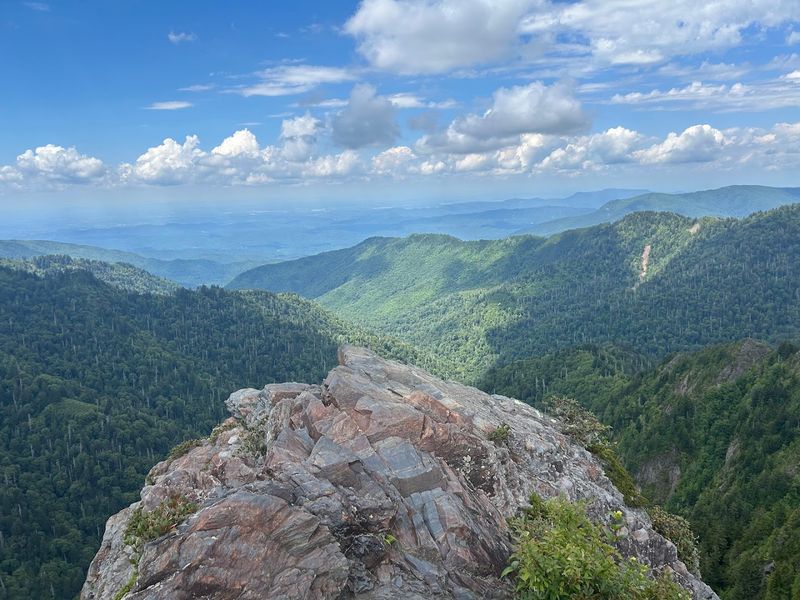
Charlies Bunion is not for the faint of heart, but it’s one of the most rewarding hikes in the Smokies. The trail starts at Newfound Gap and follows the Appalachian Trail for four miles, climbing through spruce-fir forest before emerging onto a narrow, rocky outcrop with sheer drops on both sides. The view is raw and unfiltered—no guardrails, no crowds, just you and the mountains.
The hike gains about 1,600 feet in elevation, which sounds brutal but is spread out over the distance. May is ideal because the trail is clear, the weather is stable, and the high elevation keeps things cool. You’ll pass through forests thick with rhododendron and mountain laurel, and if you’re lucky, you’ll catch some early blooms.
The Bunion itself is a jagged rock formation that juts out from the ridgeline, the result of a massive landslide in the 1920s. Standing on the edge feels precarious and exhilarating. The ridges roll out in every direction, and on clear days, you can see Mount Le Conte and the peaks beyond.
Because it’s a popular hike, you won’t be alone, but the trail is long enough to spread people out. Start early if you want a quieter experience, and bring layers—the temperature at the Bunion can be significantly cooler than at the trailhead. Wind is common, so secure anything loose.
The hike back is mostly downhill, which is easier on the lungs but harder on the knees. Take your time, and don’t rush. This is the kind of hike that stays with you, the kind you’ll talk about for years.
Just be prepared—it’s challenging but absolutely worth the effort.
12. Mount Cammerer Lookout Tower — Cosby
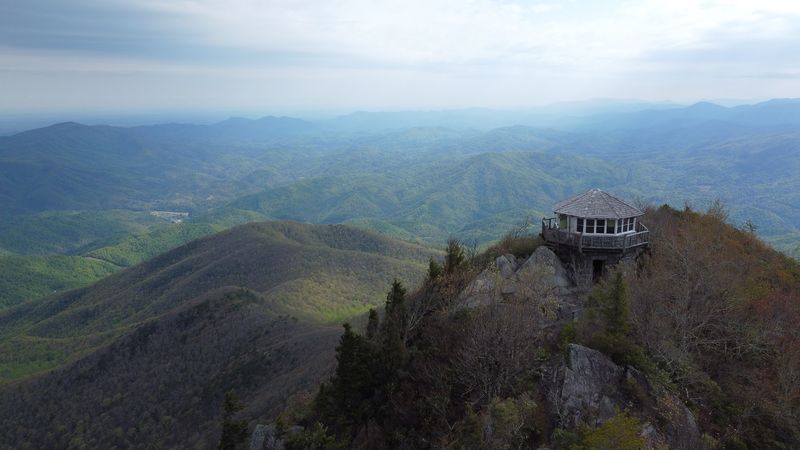
Mount Cammerer Lookout Tower is a hidden gem, literally. Perched at 5,025 feet on a rocky outcrop, the restored fire tower offers one of the most unique views in the Smokies. The tower itself is a work of art—built in the 1930s by the Civilian Conservation Corps, it features stone and wood construction that blends seamlessly with the landscape.
In May, the surrounding forest is vibrant and alive, and the views from the tower stretch for miles.
The hike to the tower is about 11 miles round-trip if you start from the Low Gap Trailhead near Cosby. It’s a long day, but the trail is well-graded and scenic, winding through quiet forests and along ridgelines. The final approach to the tower involves a short but steep climb, and then you’re there—standing on top of the world.
From the tower, you can see the main crest of the Smokies, the foothills rolling down into Tennessee, and on clear days, the distant peaks of North Carolina. The 360-degree view is unmatched, and the tower’s elevation puts you above most of the haze that obscures lower overlooks. It’s one of the few places where you can truly see the full scope of the park.
The Cosby area of the Smokies is quieter than the Gatlinburg side, which means fewer crowds even on popular trails. That solitude is part of what makes this hike special—you feel like you’re exploring a secret corner of the park.
May weather is generally stable, but always check conditions before heading out. The elevation and exposure mean weather can change quickly. If you’re up for the distance, this is one of the most memorable hikes in Tennessee—a true adventure with a view that pays off every step.