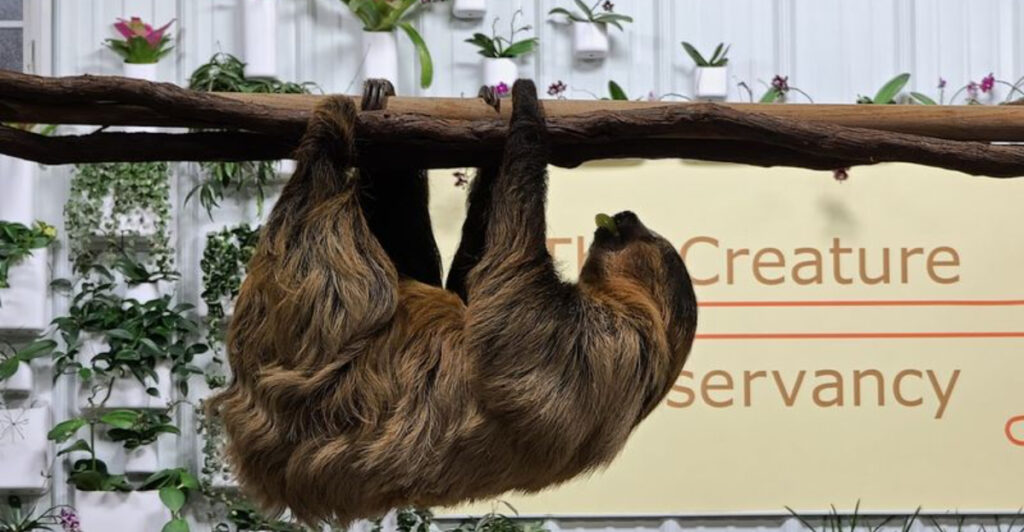
Tucked along Ann Arbor-Saline Road, just outside the buzz of downtown Ann Arbor, sits a place that started with a single abandoned alligator and grew into something far bigger than anyone probably planned.
The Creature Conservancy is a nonprofit animal sanctuary where rescued and rehomed animals from around the world share space with curious visitors every weekend.
From clouded leopards pacing through indoor enclosures to sloths hanging lazily above your head, this place has a way of making you stop and actually pay attention. It has a 4.9-star rating from nearly 900 reviews, and once you see what is going on inside, that number makes complete sense.
The Alligator That Started It All
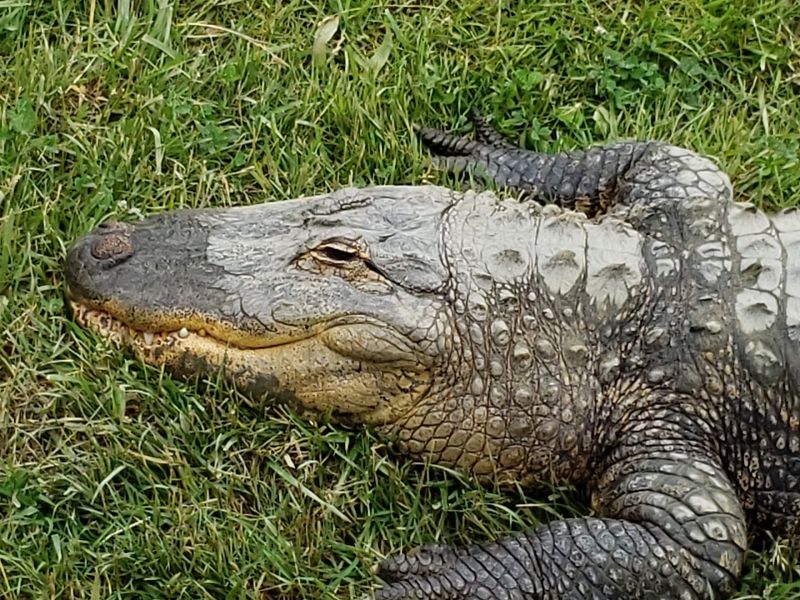
Every place has an origin story, and at The Creature Conservancy, that story starts with a very large reptile that nobody wanted anymore. Somewhere along the line, someone decided that owning an alligator was a good idea, then quickly changed their mind.
That one abandoned animal became the foundation for what is now a sanctuary housing hundreds of rescued creatures in Ann Arbor, Michigan.
The alligator still lives here. Visitors who walk through the indoor exhibits come face to face with what reviewers describe as a 300-pound animal lounging beneath the lights in its enclosure.
It is not behind a distant fence or hidden in a back room. You are close enough to notice the texture of its scales and the slow, deliberate rhythm of its breathing.
There is something oddly moving about that. An animal that was discarded, probably kept illegally in someone’s home, now has a permanent place where people travel specifically to see it.
Staff members talk about these animals with the kind of familiarity you only get from years of daily care.
The alligator’s story also reflects a broader pattern at the conservancy. Most of the animals here arrived because they could not survive in the wild and had nowhere else to go.
Some were pets that outgrew their owners. Others were confiscated from situations that should never have happened in the first place.
Knowing that backstory changes how you look at the enclosure. You are not just staring at a big reptile.
You are looking at the reason this whole place exists. That single abandoned alligator set off a chain reaction that now provides a home for animals ranging from emus to clouded leopards, and the conservancy keeps growing one rescue at a time.
Sloths on the Ceiling and Why That Never Gets Old
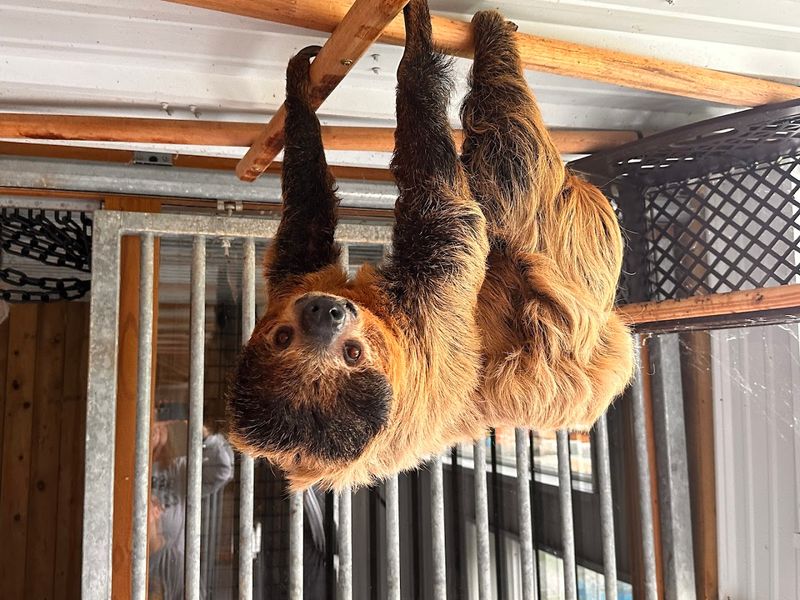
Walk into the main indoor building at The Creature Conservancy and look up. Hanging from the beams overhead, moving at their own unhurried pace, are sloths.
Real ones. Multiple of them.
The conservancy reportedly houses five sloths, and on any given weekend visit, at least a few are moving slowly across the ceiling structure while guests below crane their necks and reach for their phones.
It is one of those things that sounds almost too good to be true until you are actually standing there watching a sloth rotate its head with that heavy-lidded, unbothered expression. Kids lose their minds.
Adults are not far behind. The setup allows the animals to move through their environment naturally while visitors observe from below without glass or barriers blocking the view.
What really elevates the sloth encounter is the hands-on element available through private tours. Multiple reviewers mention feeding sloths grapes, a detail that sticks with people long after the visit.
One reviewer described a guide named Jordan who walked them through each animal’s individual backstory and personality, turning what could have been a standard animal encounter into something more like meeting a character in an ongoing story.
The staff clearly know these animals as individuals. They reference specific quirks, favorite foods, and behavioral patterns that show years of observation rather than rehearsed talking points.
That personal knowledge comes through during presentations and during casual conversations as visitors wander through.
Sloths are the kind of animal most people have only ever seen in videos or at large city zoos where the viewing distance makes everything feel remote. Here, the closeness is the whole point.
You leave having actually observed a sloth move, rest, and interact with its space in a way that no screen can replicate.
Clouded Leopards, Cougars, and the Big Cats You Did Not Expect to Find in Michigan
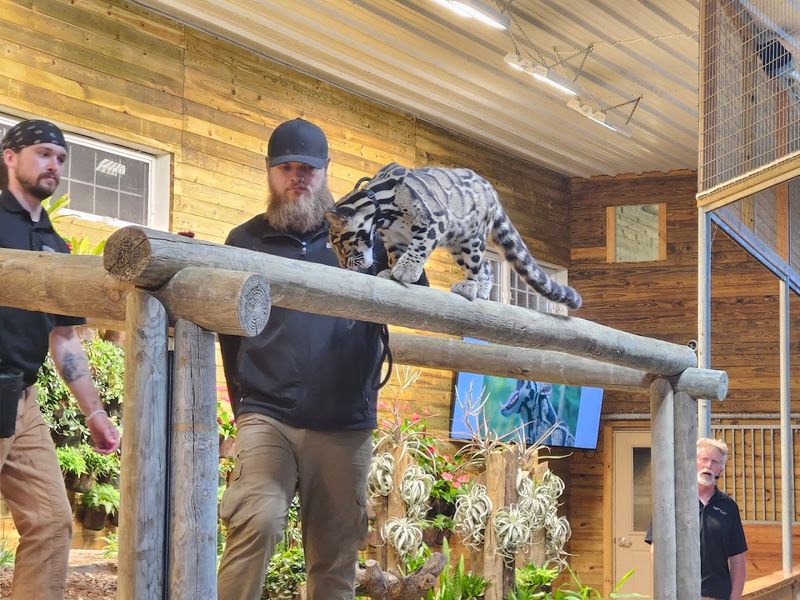
Michigan is not the first place that comes to mind when someone says clouded leopard. Yet there one is, pacing through its enclosure at The Creature Conservancy just off Ann Arbor-Saline Road, its spotted coat catching the light in a way that makes you reconsider everything you thought you knew about what belongs in the Midwest.
The conservancy also houses a cougar, which adds to the sense that this place operates at a scale that the modest exterior does not telegraph. These are not animals that most sanctuaries take on.
Big cats require specialized care, specific enclosure standards, and staff who understand behavior that can shift quickly. The fact that this team manages multiple large predators alongside sloths, emus, and warthogs says something about the level of commitment running this operation.
During scheduled presentations, the clouded leopard has been featured as part of live animal talks. Reviewers describe the presentations as brief but dense with real information, led by staff who clearly have personal relationships with the animals rather than scripted routines.
The clouded leopard segment tends to generate a particular kind of silence in the crowd, the kind that happens when people realize they are genuinely close to something they have never encountered before.
One small but meaningful detail that multiple visitors mention: information signs posted across from enclosures include each animal’s favorite foods and baby photos from their time at the conservancy. For animals that are resting out of sight, those signs give visitors something to connect with even when the animal itself is not visible.
The big cats here are not spectacles. They are residents with histories, preferences, and caregivers who know them by name.
That distinction makes the whole encounter feel different from the moment you walk up to the enclosure.
The Weekend-Only Schedule That Actually Works in Its Favor
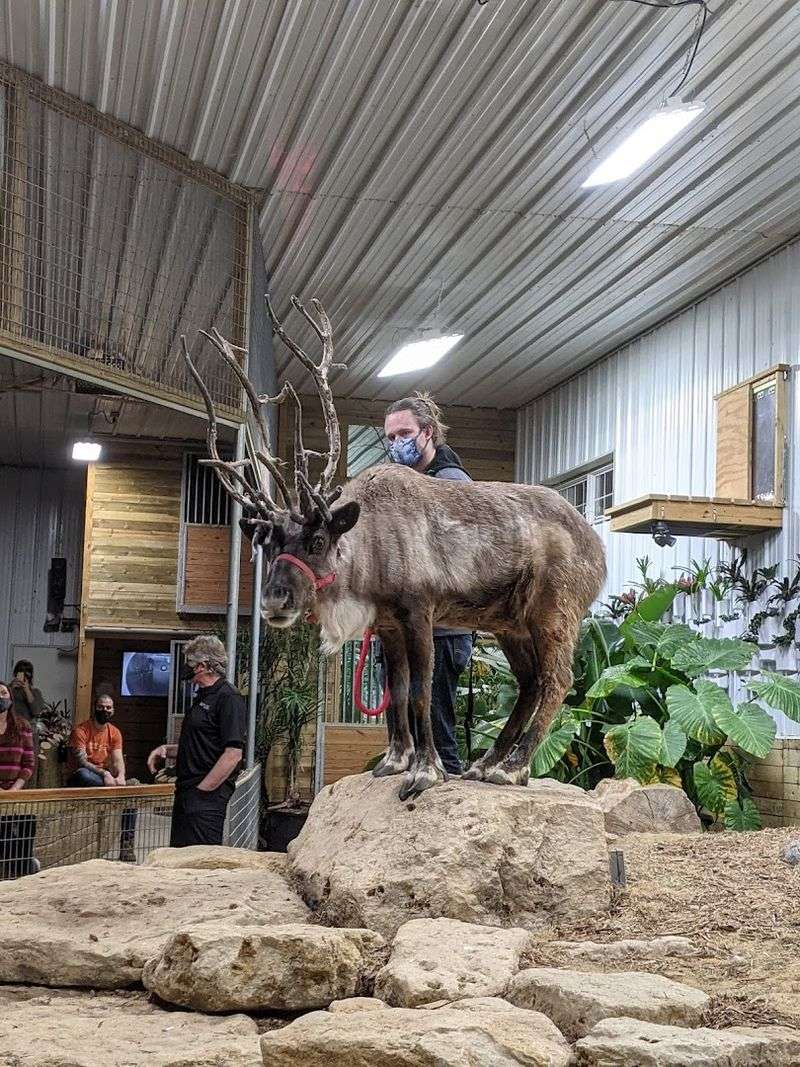
The Creature Conservancy is only open on Saturdays and Sundays, noon to five. For some people, that sounds like a limitation.
In practice, it works out to something closer to an event than a casual drop-in. Because the hours are contained, the staff can structure the day around scheduled presentations rather than running a continuous, exhausting operation seven days a week.
Three shows run throughout the afternoon on open days, and visitors who plan around the presentation schedule tend to get significantly more out of their visit than those who just wander through. The talks cover featured animals on a rotating monthly theme, which means regulars and members have a genuine reason to return every few weeks.
One reviewer mentioned coming back specifically for the next month’s animal theme, which speaks to how well the programming keeps people engaged over time.
The admission pricing, around fifteen dollars for adults and thirteen for children over two, positions this as an accessible afternoon option rather than a major budget commitment. The day pass format, where you can leave and return on the same day, adds flexibility that a strict timed-entry system would eliminate.
A nearby restaurant has even become part of the ritual for families who drive in from an hour away and turn the whole trip into a full Ann Arbor afternoon.
Evening events and special programming like First Friday Adult Night and predator-themed months add another layer for visitors who want something beyond the standard weekend format. Those events tend to attract a different crowd and a different energy, with adults exploring the facility without the usual mix of toddlers and school groups moving through.
The limited schedule is not an obstacle. It is part of what keeps each visit feeling intentional rather than routine.
What the Staff Actually Know About These Animals
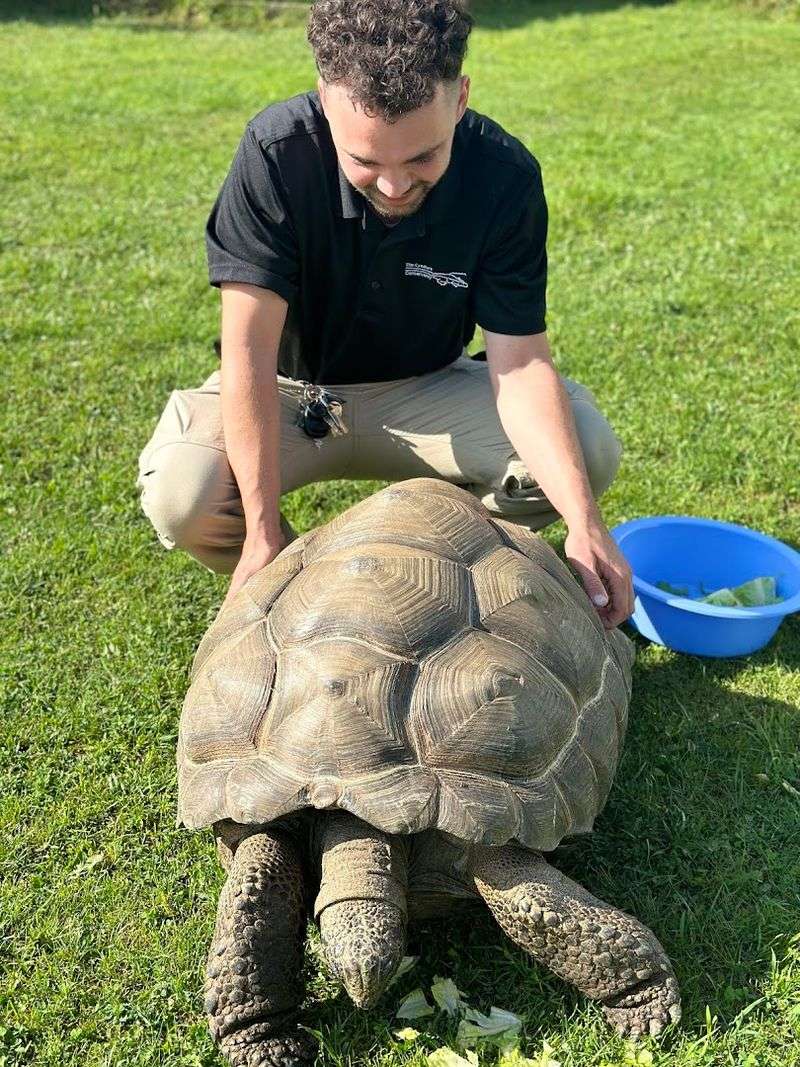
Ask a staff member at The Creature Conservancy about any animal in the building and you will not get a pamphlet answer. You will get a story.
That animal arrived from this situation, prefers that food, has this specific personality quirk that took months to understand. The depth of individual knowledge here is something reviewers bring up repeatedly, and it stands out precisely because it is not common.
The conservancy runs on a mix of paid staff and volunteers, and both groups seem to carry the same level of investment. Multiple visitors note that every person they spoke with, whether during a formal presentation or just while passing an enclosure, could answer detailed questions about the animals they care for.
That consistency across a whole team does not happen by accident.
One private tour guide named Jordan earned a dedicated mention in at least one review for the way he walked a couple through each animal’s background, personality, and history during a private session. The reviewer wrote that they could have listened to his stories all day.
That kind of remark reflects something specific: the staff here are not just handlers, they are narrators of ongoing animal stories that visitors get to briefly step into.
The presentations themselves run about an hour and typically feature a rotating cast of animals including reptiles, big cats, and primates depending on the monthly theme. Reviewers describe the talks as informative without being dry, and the animal interactions during shows, like a sloth being brought around the crowd for close observation, give the educational content a physical dimension that sticks.
There is a difference between knowing facts about animals and knowing the animals themselves. The team at The Creature Conservancy consistently demonstrates the latter, and visitors feel that difference immediately.
The Outdoor Enclosures and the Animals You Can See Before You Even Pay
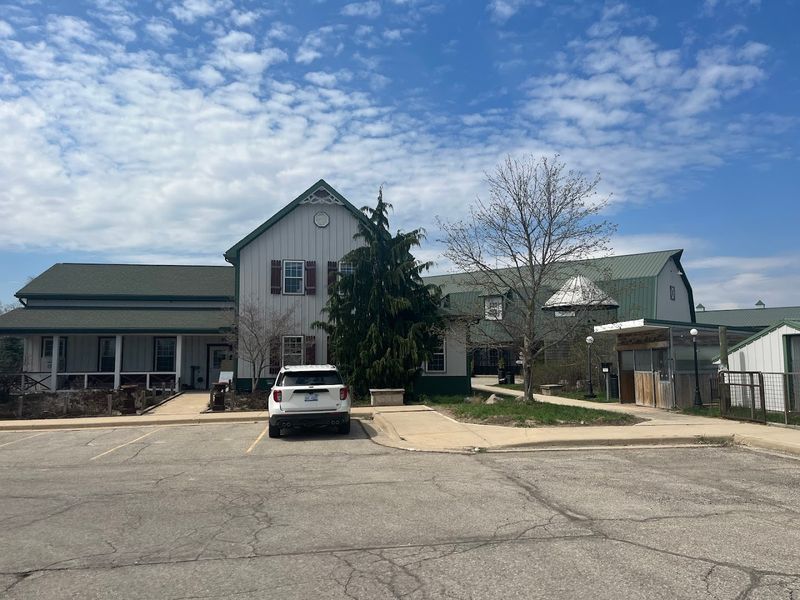
Before you reach the ticket counter at The Creature Conservancy, you have already walked past a lineup of animals that most sanctuaries would charge extra to see. Emus stand near the left side of the entrance path.
Tortoises move through their outdoor space. Parrots call out from their enclosures, and some of them wave.
Black swans, a muskrat, a llama, and horses are visible from the exterior area without any admission required.
That generosity of access sets a tone immediately. The conservancy is not trying to squeeze value out of every square foot.
It seems more interested in getting people close to animals and trusting that the experience will sell itself, which it does. One reviewer described a macaw greeting them at the entrance before they had even figured out where to go, which is not something that happens at a typical zoo or wildlife park.
The outdoor layout also serves a practical function for the animals. Many of them benefit from natural light, fresh air, and outdoor space that indoor-only facilities cannot provide.
Visitors who go on warmer days report seeing more animals active and visible, while the information signs near enclosures help fill in the picture on cooler days when some residents choose to stay inside their shelters.
Emus in particular seem to make a strong impression on first-time visitors. They are tall, visually unusual, and completely unbothered by human attention in a way that makes them oddly compelling to watch.
Standing next to one through an enclosure fence gives you a sense of scale that photos rarely communicate.
The outdoor section is free, open, and worth lingering in before heading inside. It is a quiet preview of what the conservancy is actually doing with its space and its animals.
Muntjac Deer, Warthogs, Mongooses, and the Animals Nobody Expected to Love
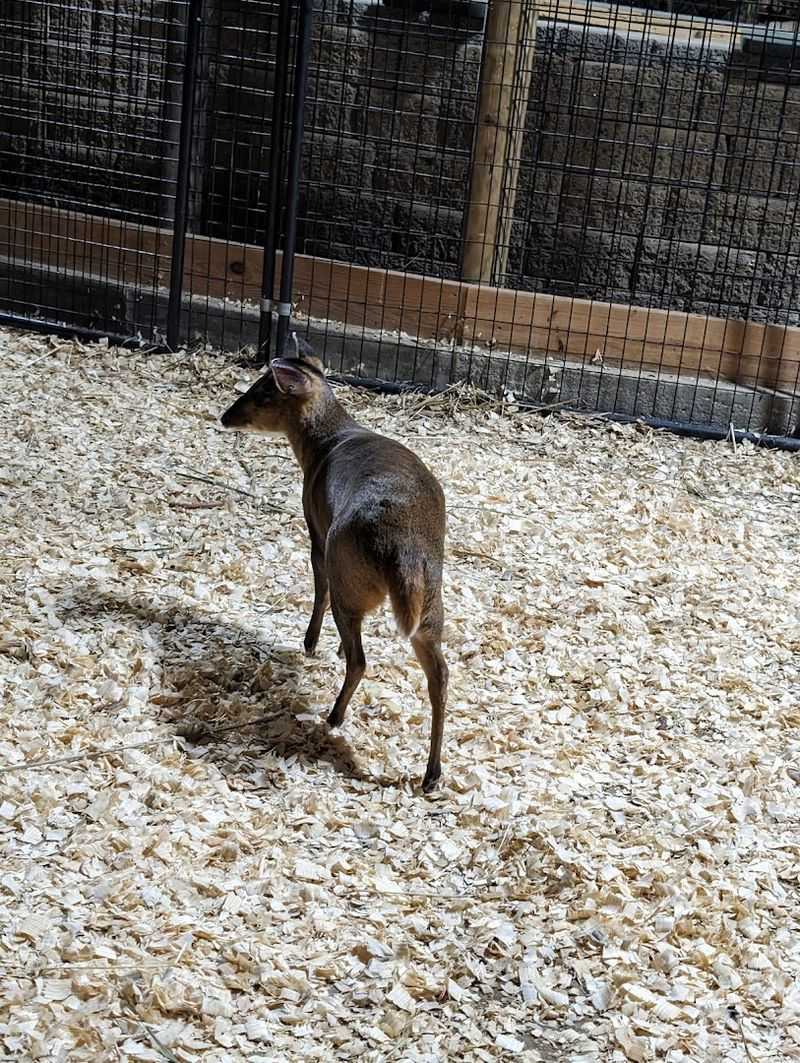
Clouded leopards and sloths tend to get the headlines, but some of the most memorable moments at The Creature Conservancy happen in front of enclosures that visitors did not even know they were excited about. The muntjac deer, a small barking deer native to South and Southeast Asia, has developed a devoted following among repeat visitors.
One reviewer described them as the sweetest creatures and used an emoji that suggested genuine emotional impact from the encounter.
Muntjac deer are small enough that the scale surprises people. They have large, expressive eyes and a calm demeanor around familiar humans that makes them feel approachable in a way that larger animals do not.
Seeing one up close, without the physical and psychological distance of a large zoo, changes how you understand the animal entirely.
The conservancy also houses a warthog, which tends to generate a different kind of reaction. Warthogs are not conventionally charming, but they have a personality that comes through quickly, and the staff clearly enjoy talking about them.
A mongoose rounds out a collection of animals that most Michigan residents have only ever seen in nature documentaries or animated films.
What ties all of these animals together is the rescue backstory that every one of them carries. None of them chose to be here, and none of them can go back to where they came from.
The conservancy functions as a permanent home rather than a temporary holding facility, which changes the dynamic of every visit.
The craft barn adds another dimension, especially for younger visitors. Families with toddlers and early elementary kids describe it as a genuinely warm space with friendly staff who engage with children directly.
It is a small detail that makes a real difference for parents trying to balance an educational outing with a manageable afternoon.