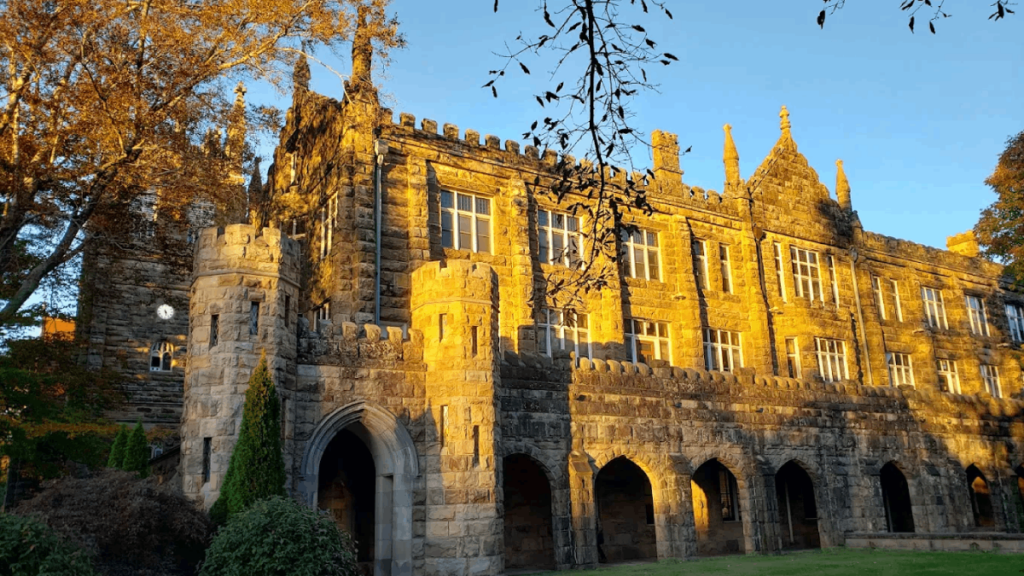
Tucked away on a Tennessee mountaintop sits a university campus that looks like it was borrowed from a fantasy film. Sewanee: The University of the South features towering stone buildings, pointed arches, and ivy-covered walls that make you feel like you’ve stepped into another world.
Whether you’re a fan of magical stories or just love beautiful architecture, this hidden gem is worth the trip.
The Tennessee Campus That Looks Like It Belongs In A Fantasy Novel
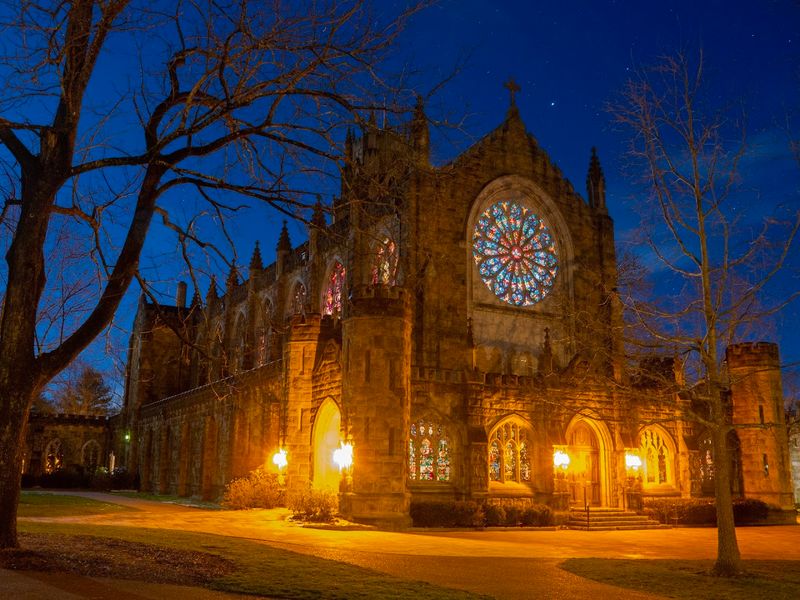
Picture this: you’re driving through the Tennessee mountains, and suddenly you round a corner to find a campus that looks like it was transported straight from medieval England. That’s Sewanee for you. The entire university spreads across 13,000 acres of mountaintop land, and nearly every building follows the same dramatic Gothic Revival style that makes your jaw drop.
Stone towers rise above tree lines. Arched doorways frame pathways worn smooth by decades of footsteps. Windows stretch tall and narrow, many filled with stained glass that catches afternoon light in the most stunning ways.
What makes this place feel especially fantastical is how the architecture blends with its natural surroundings. Dense forests press close to campus edges, and on misty mornings, the stone buildings seem to float above the fog. Visitors often lose track of time wandering between structures, each one revealing new details like carved stone gargoyles or hidden courtyards.
The campus was designed in the 1800s with intentional grandeur. Founders wanted a place that felt both scholarly and sacred, somewhere students could focus on learning away from city distractions. They succeeded beyond measure.
Today, even people who aren’t considering college make the drive just to walk these grounds.
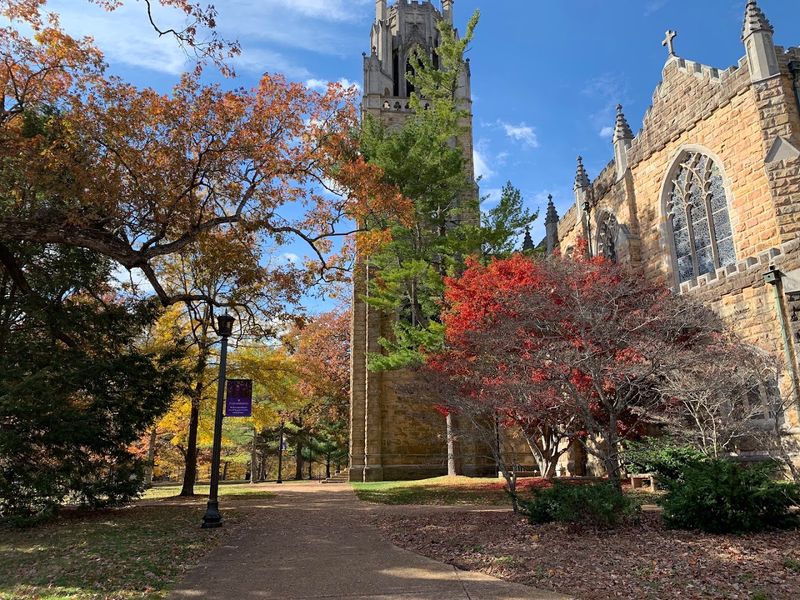
Fall brings an extra layer of magic when leaves turn brilliant shades of orange and red against gray stone walls. But honestly, every season offers something special. Winter snow dusts the towers like powdered sugar.
Spring flowers burst from carefully tended gardens. Summer greenery creates cool, shaded walks between buildings.
If you’ve ever wished you could attend Hogwarts, Sewanee offers the closest real-world experience you’ll find in Tennessee.
Why Sewanee’s Gothic Architecture Feels So Magical
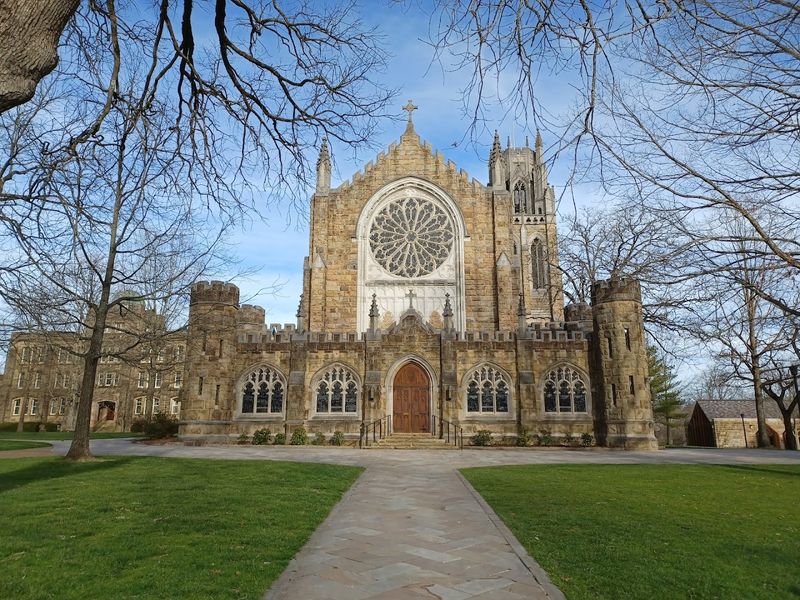
Gothic architecture doesn’t just look cool. It was designed centuries ago to inspire awe, and at Sewanee, that effect hits you immediately. The style features pointed arches that draw your eyes upward, making buildings feel taller and more dramatic than they actually are.
Thick stone walls and heavy wooden doors suggest permanence and history, even when structures are relatively young.
Sewanee’s founders chose this architectural style deliberately in the mid-1800s. They wanted the campus to evoke the great universities of Oxford and Cambridge in England. The Gothic Revival movement was sweeping America at the time, and for a school focused on theology and liberal arts, the style felt appropriately serious and scholarly.
Walking through campus, you’ll notice details that separate authentic Gothic Revival from generic old buildings. Look for buttresses that jut from walls, originally designed to support heavy stone structures. Check out the tracery in windows, those delicate stone patterns that hold glass panes in geometric designs.
Many buildings feature crenellations along their rooflines, those castle-like notched edges that serve zero practical purpose but look absolutely incredible.
The stone itself adds to the magical feeling. Most buildings use local limestone in shades of gray and tan, which weathers beautifully over time. Moss and lichen grow in crevices, giving walls an ancient appearance.
What really seals the deal is how the architecture interacts with Tennessee’s dramatic weather. Storm clouds rolling over Gothic towers create an atmospheric scene straight from a novel. Sunlight streaming through stained glass casts colorful patterns across stone floors.
Morning fog wrapping around spires makes the whole campus feel otherworldly.
The All Saints’ Chapel Is The Showstopper You’ll Want To See First
All Saints’ Chapel isn’t just the campus centerpiece. It’s the reason many people make the drive to Sewanee in the first place. This stunning church dominates the university grounds with its massive stone tower visible from miles away.
Step inside, and you’ll understand why visitors describe the experience as breathtaking.
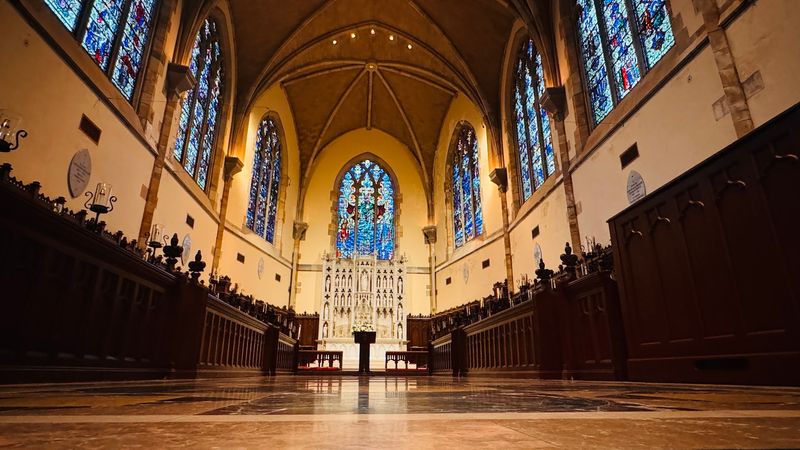
The chapel seats over 1,000 people beneath soaring vaulted ceilings that seem impossibly high. Wooden beams crisscross overhead in patterns that architects call a “hammer-beam roof,” a medieval design that’s both beautiful and structurally brilliant. Your eyes naturally travel upward, following stone columns that branch like trees toward the ceiling.
Stained glass windows line both sides of the nave, each one depicting biblical scenes or saints in jewel-toned colors. When sunlight pours through these windows, the entire interior glows with reds, blues, and golds. The effect is absolutely magical, especially during golden hour when light slants in at dramatic angles.
The chapel’s acoustics are legendary. Choirs and orchestras perform here regularly, and the sound quality rivals that of professional concert halls. Even speaking voices carry with unusual clarity and warmth.
Construction began in 1904 and took decades to complete. Builders used traditional methods and materials, which explains why the chapel looks genuinely ancient rather than like a modern imitation. The attention to detail shows everywhere, from hand-carved wooden choir stalls to intricate stone carvings around doorways.
Services happen regularly, but visitors are welcome to enter during open hours even when nothing is scheduled. Many people simply sit in the pews for a while, taking in the atmosphere.
This University Sits On A Mountain With Views That Feel Unreal
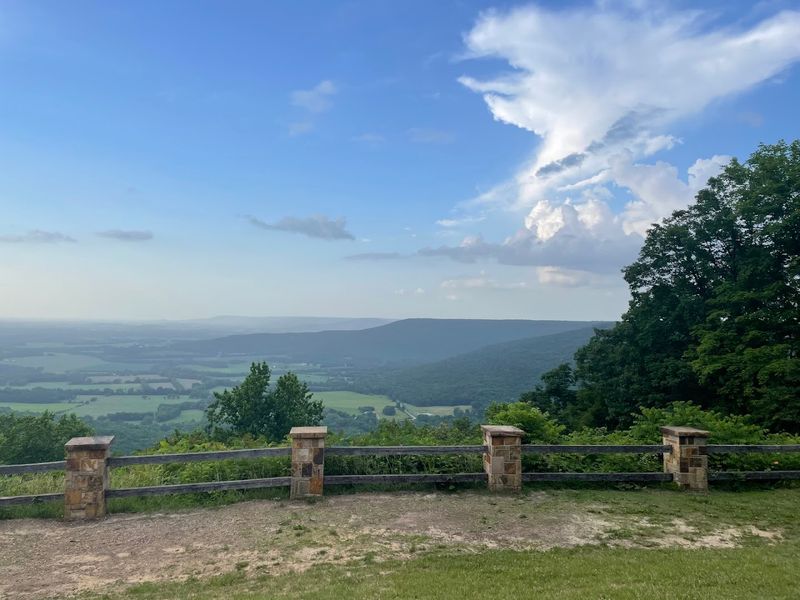
Here’s something that surprises first-time visitors: Sewanee sits on the Cumberland Plateau at about 2,000 feet elevation. That means you’re not just visiting a pretty campus but experiencing genuine mountain scenery the entire time. The views from various campus locations will absolutely blow your mind.
Several spots around campus offer overlooks where the plateau edge drops away to reveal valleys stretching for miles. On clear days, you can see multiple mountain ridges layering into the distance, each one fading to a lighter shade of blue.
The elevation affects more than just views. Temperatures run about 10 degrees cooler than surrounding lowlands, making Sewanee a pleasant escape during hot Tennessee summers. The air feels crisp and clean, especially after rain, when clouds literally pass through campus.
Yes, you might walk through actual clouds on foggy mornings, which adds to the whole fantasy-world vibe.
Sunrise and sunset become daily events worth planning around. Golden light hits the Gothic buildings from dramatic angles, creating photo opportunities that look almost too perfect to be real. Storm watching is equally spectacular when weather rolls across the valley toward campus, lightning visible for miles.
The mountain location also means Sewanee stays relatively isolated. The nearest city of any size is Chattanooga, about 45 minutes away. This remoteness helps preserve the campus’s timeless quality.
You won’t find chain restaurants or modern development crowding the views. Just forests, stone buildings, and that incredible Tennessee sky stretching overhead.
The Campus Trails, Stone Buildings, And Quiet Corners Make It Even More Enchanting
Beyond the famous buildings, Sewanee’s real magic lives in its quieter spaces. The campus includes miles of hiking trails that wind through old-growth forests, past hidden waterfalls, and along bluff edges. Students and visitors use these trails constantly, making outdoor adventure part of daily life rather than a special occasion.
Perimeter Trail loops around the entire campus, offering a moderate hike with spectacular views. Shorter paths connect academic buildings through wooded areas, so walking to class feels like a nature expedition. Many trails feature stone steps or bridges built decades ago, adding historic charm to your hike.
Between buildings, you’ll discover courtyards and gardens that feel like secret worlds. Stone benches sit beneath ancient oak trees. Small fountains burble in corners surrounded by carefully tended flowers.
These spaces invite you to sit and read, sketch, or simply exist peacefully for a while.
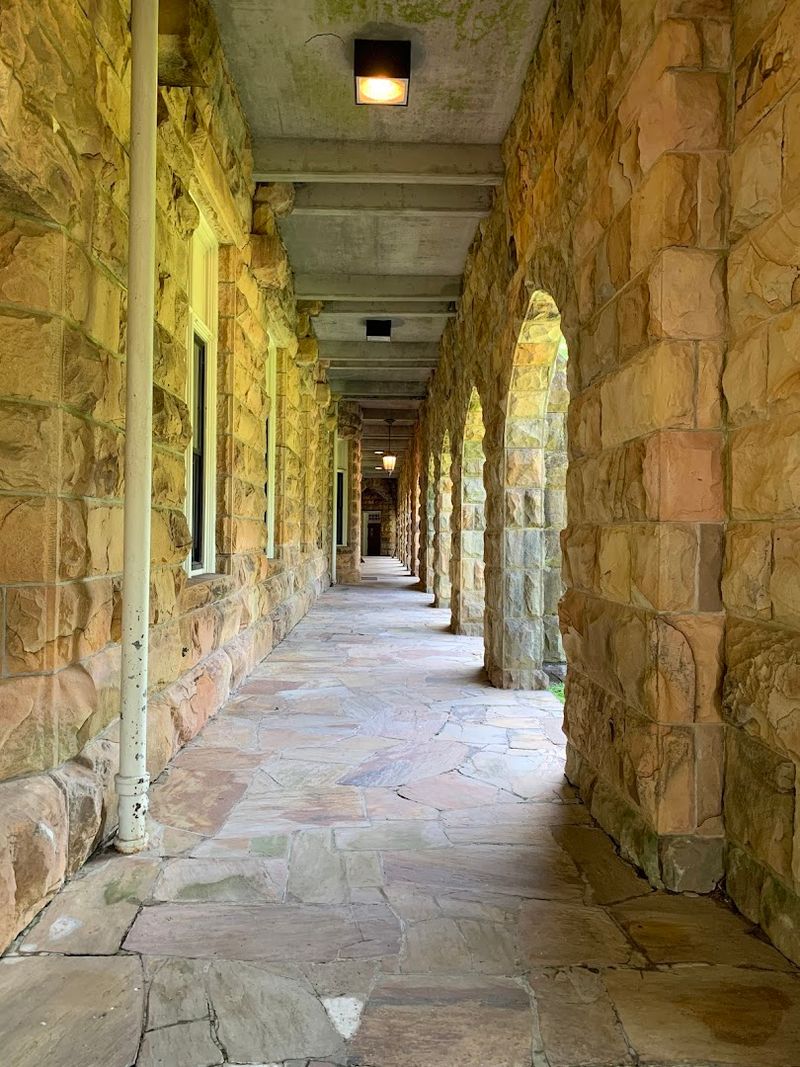
The stone walls themselves create enchanting moments. Narrow passageways between buildings frame views like living paintings. Arched walkways provide shelter during rain while letting you watch storms roll through.
Stairways spiral up tower interiors, worn smooth by countless footsteps over generations.
What makes these spaces especially magical is how little they’ve changed over time. Modern universities often demolish old buildings for new construction, but Sewanee preserves its historic character carefully. Walking these paths, you’re experiencing the campus much as students did 50 or 100 years ago.
Wildlife adds another layer of enchantment. Deer wander through campus regularly, barely bothering to look up when people pass. Owls hoot from forest edges at dusk.
Wildflowers bloom along trail edges in spring and summer. The campus genuinely feels like a place where nature and architecture exist in harmony rather than competition.
Why Visitors Say Sewanee Feels More Like A Storybook Village Than A College
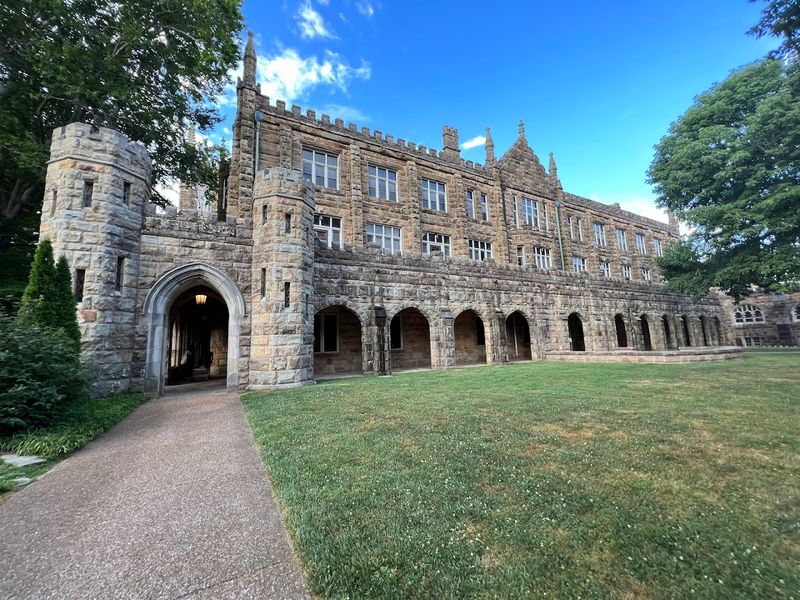
Most college campuses feel like, well, college campuses. Sewanee feels like something else entirely. Maybe it’s the way buildings cluster together like a medieval village rather than spreading across flat lawns.
Maybe it’s the winding roads that follow the mountain’s natural contours instead of a rigid grid. Whatever the reason, visitors consistently describe feeling transported to another place and time.
The scale contributes to this village-like atmosphere. Unlike massive state universities where you need a bus to get around, Sewanee remains walkable and intimate. You can stroll from one end of the academic core to the other in about 15 minutes.
This compact layout means you’re always surrounded by beautiful architecture and natural scenery, never crossing parking lots or passing bland modern buildings.
Local businesses near campus enhance the storybook quality. Small shops and restaurants occupy historic buildings that match the university’s Gothic aesthetic. You won’t find many chain stores, which helps maintain the feeling that you’ve stepped outside modern America into someplace more timeless.
The student body’s small size adds to this village atmosphere. With only about 1,700 students, Sewanee feels more like a close-knit community than an impersonal institution. Visitors notice how students greet each other on pathways, how professors know their students by name, how the whole place hums with a friendly, connected energy.
Traditions strengthen this sense of place. Students wear academic gowns to class, a custom that dates back decades and looks wonderfully anachronistic against stone buildings. The university maintains formal dinners and ceremonies that feel pulled from earlier centuries.
These practices aren’t just for show but genuine parts of campus culture that students embrace.
What To Know Before Visiting This Hogwarts-Like Tennessee Landmark
Planning a visit to Sewanee requires a bit of preparation since the campus sits in a remote mountain location. The university welcomes visitors, but knowing a few details beforehand will make your trip smoother and more enjoyable.
First, understand that Sewanee is an active campus, not a tourist attraction. Classes happen daily, and students live and work here. You’re welcome to walk around, take photos, and explore, but be respectful of ongoing academic activities.
The campus is generally open to the public during daylight hours.
All Saints’ Chapel is the must-see highlight. Check the university website for service times if you want to experience the chapel in use, or visit during open hours to explore quietly. The chapel usually opens daily, but hours can vary during breaks and special events.
Parking is available near major buildings, though spaces can fill during busy times. The admissions office at 735 University Avenue serves as a good starting point if you want maps or information. Staff can point you toward the best photo spots and answer questions.
Wear comfortable walking shoes because the campus involves hills and uneven stone pathways. If you want to explore hiking trails, bring appropriate footwear and water. Trail maps are available online and at various campus locations.
Cell service can be spotty on the mountain, so download maps or directions before you arrive. The nearest gas stations and restaurants are several miles away, so plan accordingly if you need food or facilities.
Fall offers the most dramatic scenery when leaves change colors, but any season works beautifully. Spring brings blooming flowers, summer offers lush greenery, and winter occasionally dusts the campus with snow. Weekdays tend to be busier with students, while weekends feel quieter and more peaceful.
Respect any posted restrictions near residential areas or during private events.