Tucked along the Watauga River in Elizabethton sits a small state park that most people drive right past without a second thought. But Sycamore Shoals State Historic Park holds stories that helped create both Tennessee and the United States as we know them today.
From frontier democracy to Revolutionary War battles, this quiet spot witnessed events that changed history, and it still stands ready to share those stories with anyone curious enough to stop by.
A Small Park With an Outsized Place in American History
Most people zoom right past this park on their way through Elizabethton, never realizing they just missed one of Tennessee’s most important historic sites. Sycamore Shoals may look like a typical state park with its walking trails and visitor center, but the ground beneath your feet witnessed events that shaped a nation. Before Tennessee was even a state, this spot along the Watauga River became the stage for frontier democracy and Revolutionary War heroism.
The park sits on land where early settlers established one of America’s first independent governments outside the original thirteen colonies. Later, it became the gathering point for mountain men who marched off to help turn the tide of the Revolutionary War. These weren’t minor footnotes in dusty textbooks but real turning points that influenced how America would grow westward.
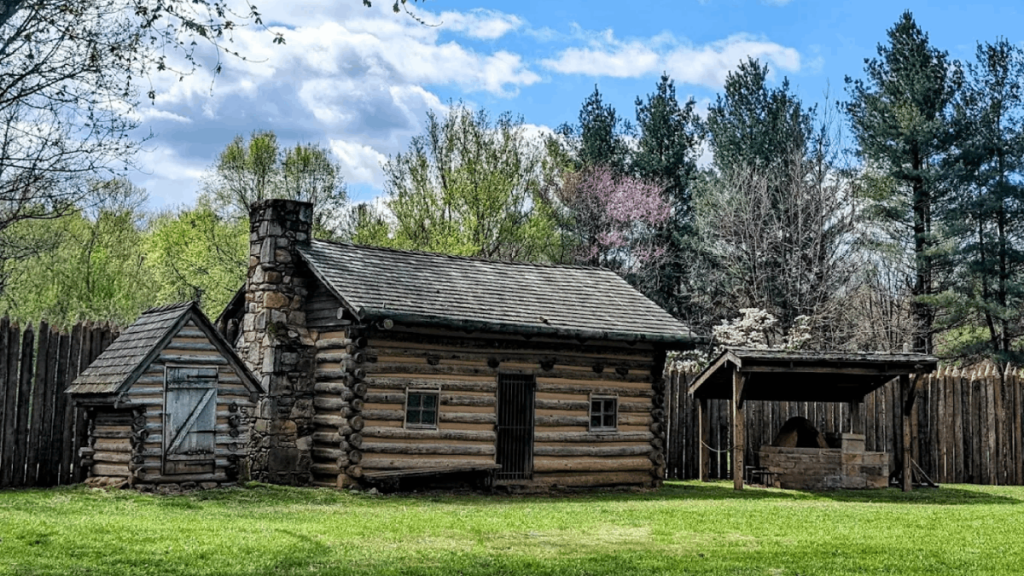
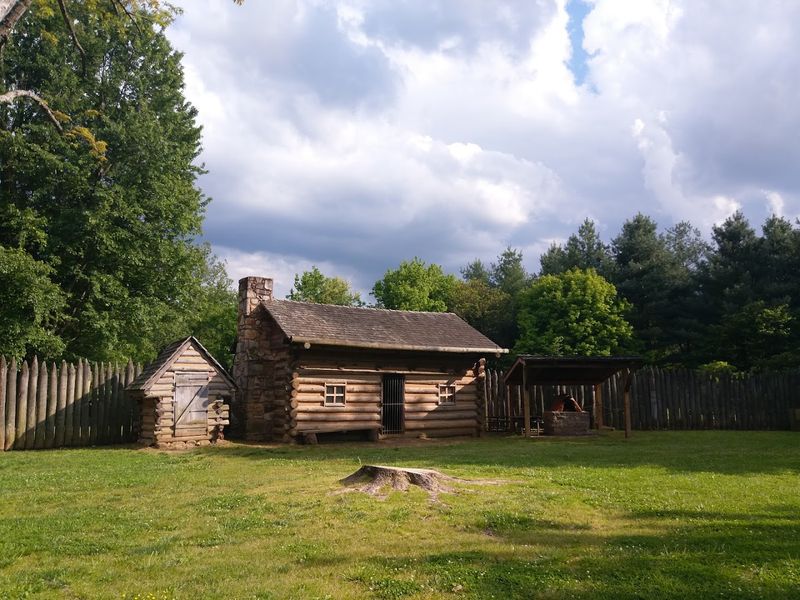
What makes Sycamore Shoals special is how it preserves these stories without making them feel stuffy or boring. The reconstructed fort gives you a real sense of frontier life, while the museum inside the visitor center brings the past to life with displays and a short film. You can walk the same riverbanks where history happened and actually picture what went down here centuries ago.
Unlike crowded tourist destinations, Sycamore Shoals keeps its peaceful, almost hidden quality. That quiet atmosphere actually adds to the experience because you can focus on the history without fighting through crowds.
The park proves that size doesn’t matter when it comes to historical significance. Sometimes the most important places are the ones people overlook, and this little park along the Watauga River definitely falls into that category.
Where Is Sycamore Shoals State Historic Park?
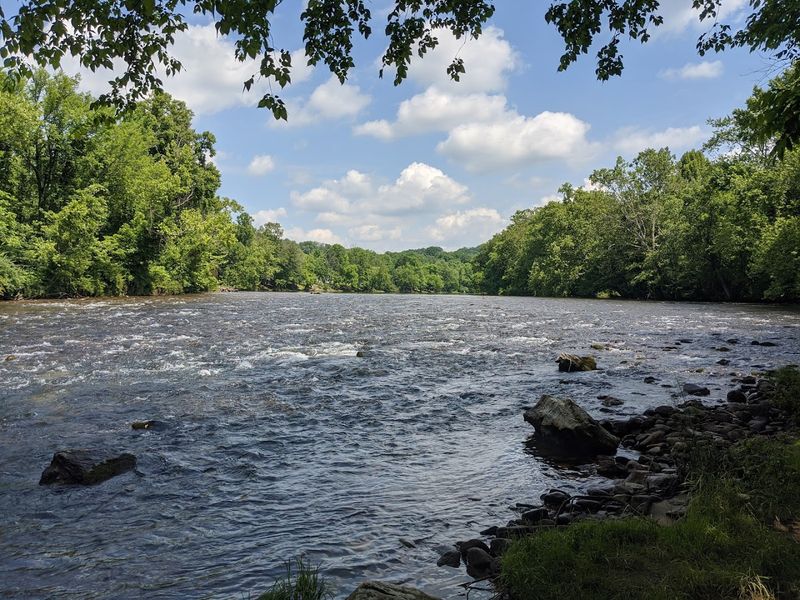
Finding Sycamore Shoals is easier than you might think for such an important historic site. The park sits right in Elizabethton at 1651 West Elk Avenue, hugging a beautiful stretch of the Watauga River in Northeast Tennessee. This location puts you in the heart of the Appalachian Mountains, where Tennessee, Virginia, and North Carolina all meet within a short drive.
The Watauga River setting wasn’t chosen by accident when early settlers arrived here in the 1770s. Rivers served as highways back then, providing water, food, and transportation routes through otherwise difficult mountain terrain. The shallow crossing at the sycamore trees made this spot particularly valuable because wagons and livestock could ford the river here more easily than at deeper sections.
Getting to the park today takes no special skills or four-wheel drive, thankfully. From Interstate 81, take Exit 32 toward Elizabethton and follow the signs. The park sits just a few minutes from downtown, making it super accessible whether you’re a local or just passing through the region.
Most GPS systems will get you there without any problems.
The surrounding area offers plenty of other attractions if you want to make a day of exploring Northeast Tennessee. Downtown Elizabethton has shops and restaurants within walking distance, and the larger town of Johnson City sits just fifteen minutes away. Several other state parks and natural areas dot the region, creating opportunities for waterfall hikes and scenic drives through the mountains.
The park’s riverside location matters as much today as it did historically. Walking along the Watauga gives you that same sense of natural beauty and isolation that early settlers experienced, minus the danger of Native American conflicts or British troops. The river still flows peacefully past the reconstructed fort, creating a connection between past and present that few historic sites can match.
The Watauga Association: Early Democracy on the Frontier
Back in 1772, a group of settlers living along the Watauga River did something pretty remarkable for their time. They created their own government called the Watauga Association, complete with written rules and elected leaders. This happened before the Declaration of Independence, before Tennessee became a state, and technically on land that wasn’t supposed to be settled yet, according to British law.
These frontier families found themselves living beyond the boundaries of any established colony or government. Rather than descending into chaos, they wrote up their own compact and agreed to govern themselves democratically. Historians often point to the Watauga Association as one of the first constitutional governments formed by American-born colonists, making it a significant precursor to the democratic principles that would later shape the United States.
The association wasn’t perfect by modern standards, of course. It excluded Native Americans whose land was being taken and didn’t give women voting rights despite their crucial role in frontier survival. But for its time, the idea that regular people could organize their own government without a king’s permission was revolutionary thinking that would soon spread across the colonies.
Walking through the park today, you can see displays explaining how this early government worked. The settlers created courts to settle disputes, organized defense, and established rules for land ownership and community behavior. They basically built a functioning society from scratch using democratic principles at a time when most of the world still lived under monarchies.
The Watauga Association lasted only a few years before the area became part of North Carolina, then eventually Tennessee. But its influence stretched far beyond those few years. The same spirit of self-governance and democratic ideals that took root here along the river would help shape Tennessee’s constitution and influence westward expansion across America.
That’s a pretty big legacy for a small group of frontier families who just wanted to live peacefully and fairly.
Fort Watauga and Life on the Tennessee Frontier
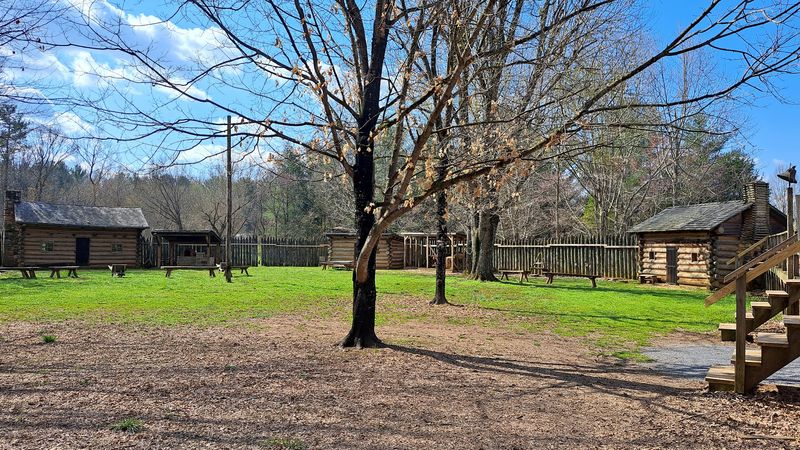
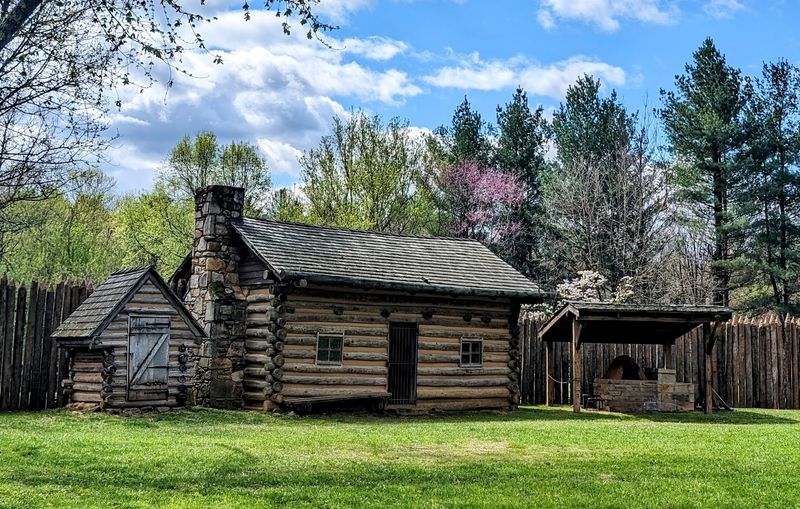
Step through the gates of the reconstructed Fort Watauga and you’ll get an instant sense of how tough frontier life really was. The fort’s wooden walls and simple cabins show how settlers lived when they were constantly worried about attacks, harsh weather, and just surviving in the wilderness. This reconstruction sits near where the original fort stood, giving visitors a hands-on way to understand what early Tennessee life looked like.
Fort Watauga served as both a defensive structure and a community center for settlers in the area. When danger threatened, families from surrounding homesteads would gather inside the protective walls, bringing their livestock and supplies with them. The fort included living quarters, storage buildings, and defensive positions that allowed a small number of people to hold off larger attacking forces.
Conflicts with Native American tribes, particularly the Cherokee, created constant tension along the frontier. Settlers were taking land that had belonged to Native peoples for generations, and the Cherokee understandably fought back to protect their territory. Fort Watauga witnessed several attacks and sieges, including a famous incident in 1776 when settlers successfully defended against a major Cherokee assault.
Walking through the reconstructed buildings today, you’ll notice how small and cramped everything was. Families lived in tiny spaces with minimal furniture and few possessions. Every item had to be handmade or carried over the mountains, making even basic tools valuable.
The fort layout shows how defense took priority over comfort, with narrow spaces and strategic positioning designed to protect inhabitants.
The park does a great job showing both the hardships and the ingenuity of frontier life. You’ll see examples of how people made their own clothes, preserved food, and created tools from whatever materials they could find. Kids especially enjoy exploring the fort because they can actually walk through the buildings and touch the sturdy log walls.
It beats reading about frontier life in a textbook any day of the week.
The Overmountain Men Gathered Here Before Changing the Revolution
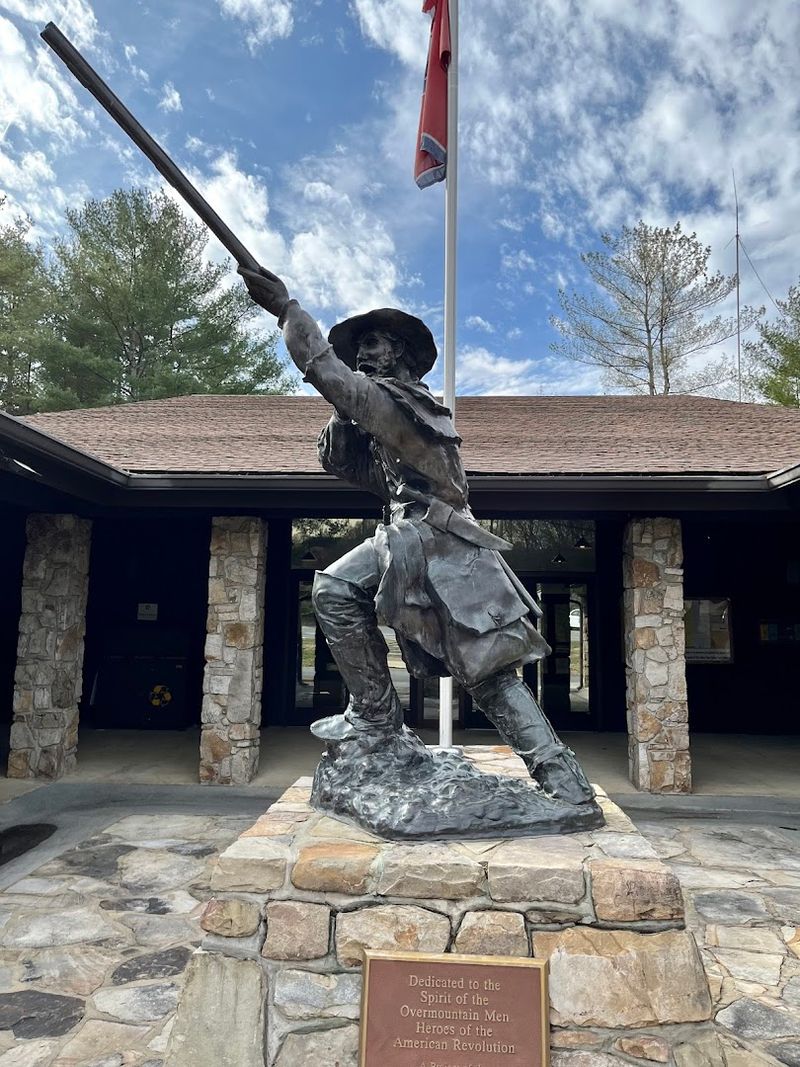
September 1780 brought one of the most significant events in Sycamore Shoals history when hundreds of frontier militiamen gathered here before marching toward their destiny. These volunteers, known as the Overmountain Men because they lived west of the Appalachian Mountains, assembled at this spot to join the fight against British forces threatening the southern colonies. What happened next would help turn the tide of the Revolutionary War.
British Major Patrick Ferguson had threatened to march over the mountains and destroy the frontier settlements if the men didn’t pledge loyalty to the Crown. Instead of surrendering, the mountain men decided to march east and take the fight to Ferguson first. They gathered at Sycamore Shoals with their hunting rifles, minimal supplies, and a determination to protect their homes and families from British threats.
The muster at Sycamore Shoals brought together men from what would become Tennessee, Virginia, and North Carolina. They elected their leaders democratically, pooled their resources, and prepared for a difficult march across the mountains. Reverend Samuel Doak reportedly gave them an inspiring sermon before they departed, and the men set off on foot through rough mountain terrain toward the British position.
Their destination was Kings Mountain in South Carolina, where Ferguson had established a defensive position. The Overmountain Men’s victory at Kings Mountain on October 7, 1780, became a crucial turning point in the Revolutionary War’s Southern Campaign. The battle destroyed a major British force and convinced many Loyalists to abandon the British cause, shifting momentum toward the Patriots.
Standing in the meadow where these men gathered, you can almost picture the scene from that September day. The park’s interpretive signs explain the muster and the subsequent march, helping visitors understand why this gathering mattered so much.
Every year, people reenact the muster at Sycamore Shoals and then hike portions of the Overmountain Victory Trail, keeping alive the memory of these frontier fighters who helped secure American independence.
What Visitors Can See and Do Today
Sycamore Shoals packs a surprising amount of activities into its compact space, making it easy to spend several hours exploring without feeling rushed. The visitor center serves as your starting point, offering a small museum with detailed exhibits about the area’s history, a short film that brings the stories to life, and a gift shop where you can pick up books and souvenirs.
The staff working inside are friendly and knowledgeable, always ready to answer questions or suggest the best route through the park.
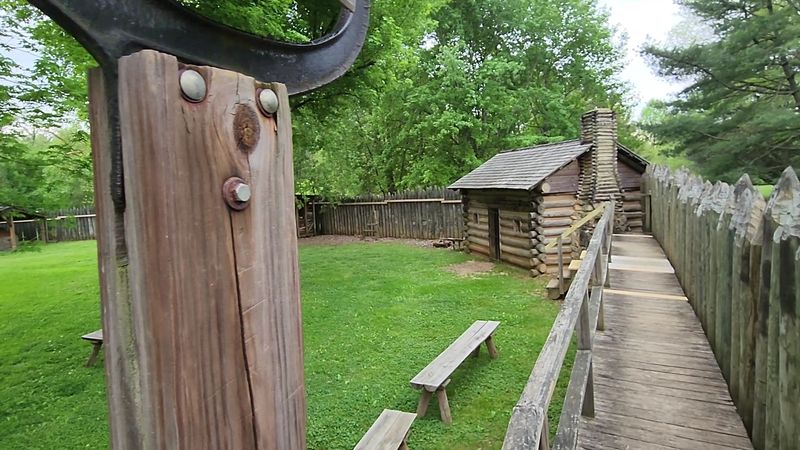
Behind the visitor center, you’ll find the reconstructed Fort Watauga waiting to be explored. You can walk through the fort’s buildings, climb up to defensive positions, and get a real feel for frontier life. The fort isn’t roped off or overly protected, which means you can actually touch the log walls and imagine living within those wooden barriers centuries ago.
The walking trail system offers easy paths along the Watauga River that work for all fitness levels. The main trail follows the river through shaded areas where you’ll spot birds, butterflies, and occasionally deer or other wildlife. Benches placed along the route give you spots to rest and enjoy the peaceful water views.
The trails are well-maintained with gravel surfaces that make walking comfortable.
Nature lovers will appreciate the butterfly garden and arboretum areas, especially during warmer months when flowers bloom and butterflies swarm the gardens. Some visitors report seeing more butterflies here than almost anywhere else they’ve visited.
Picnic areas scattered throughout the grounds make Sycamore Shoals perfect for a family outing or lunch break during a road trip. The park also hosts living-history events throughout the year where costumed interpreters demonstrate frontier skills and bring history alive through hands-on activities. These special events draw larger crowds but offer extra educational value, especially for kids learning about Tennessee history.
The park even offers an all-terrain wheelchair for visitors who need mobility assistance, ensuring everyone can access the trails and fort.
Why This Tiny Tennessee Park Still Matters
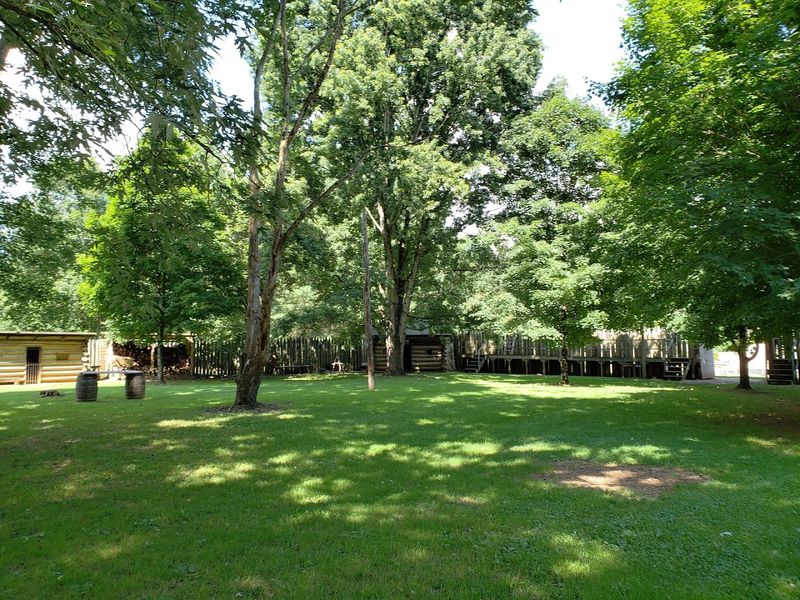
Walking through Sycamore Shoals today, you might wonder why such a quiet, small park deserves attention when Tennessee has flashier attractions competing for tourist dollars. The answer lies in understanding that some places matter not because of their size but because of the ideas they represent.
This unassuming park along the Watauga River witnessed the birth of democratic self-government on the frontier, the courage of settlers defending their homes, and the determination of militiamen who changed the course of American independence.
The Watauga Association demonstrated that regular people could organize fair governments without kings or aristocrats telling them what to do. That radical idea helped shape not just Tennessee but the entire American experiment in democracy.
When the Overmountain Men gathered here before marching to Kings Mountain, they showed that frontier settlers could defend their freedom and influence national events despite living on the edges of civilization.
Sycamore Shoals helps preserve these stories for future generations in ways that textbooks and websites simply cannot match. Standing where history actually happened creates connections that reading about events never quite achieves.
The park also matters because it represents Tennessee’s origins before statehood, when the region was still wild frontier territory. Understanding this early history helps explain Tennessee’s character and culture, from its independent spirit to its deep connection with Appalachian heritage. Sycamore Shoals isn’t just preserving old buildings and telling old stories, but maintaining links to the values and experiences that shaped the state.
In an age of constant noise and digital distractions, places like Sycamore Shoals offer something increasingly rare: quiet spaces where you can actually think and reflect on history’s meaning. The park’s peaceful atmosphere invites contemplation about courage, democracy, and the hard work of building communities from scratch. That legacy still matters today, making this overlooked Tennessee park worth far more attention than it typically receives.