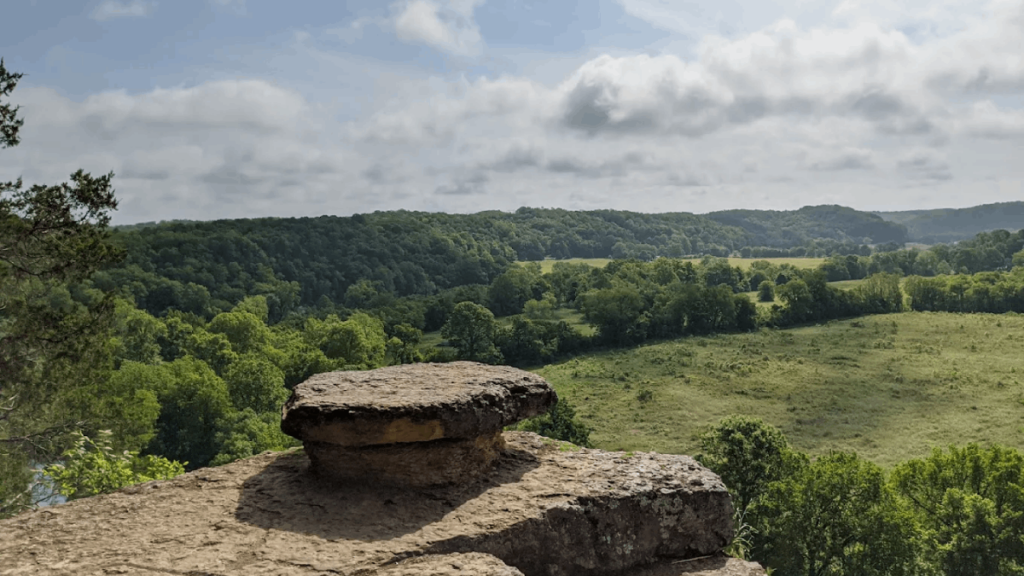
Tennessee’s state parks draw millions of visitors every year, and for good reason. From peaceful lakeside trails near Nashville to thundering waterfalls in the Cumberland Plateau, these protected spaces offer some of the most stunning scenery in the South.
Whether you’re looking for an easy afternoon stroll or a rugged backcountry adventure, this ranking celebrates the ten most popular parks that prove natural beauty comes in all shapes and sizes.
1. Bicentennial Capitol Mall State Park

Right in the heart of downtown Nashville sits a park that feels more like an open-air history lesson than a typical green space. Bicentennial Capitol Mall wraps monuments, fountains, and native Tennessee plantings into a 19-acre tribute to the state’s past. You can walk through a World War II memorial, read inscribed quotes from famous Tennesseans, and cool off near the Rivers of Tennessee fountain map.
Locals love it because parking is free and the park connects directly to the Capitol building. Tourists appreciate the educational vibe without feeling like they’re stuck in a classroom. Families spread out on the lawn for picnics while joggers loop the pathways during lunch breaks.
The design itself tells a story. A 200-foot granite map traces every major river in the state, and 31 fountains represent each one. The Pathway of History features engraved stones marking key dates from Tennessee’s timeline, and a carillon tower chimes hourly.
Because it’s urban and flat, this park works for strollers, wheelchairs, and anyone who prefers pavement over muddy trails. You won’t find waterfalls or wildlife here, but that’s not the point. It’s a different kind of beauty—one that celebrates culture, memory, and civic pride.
If you’re planning a Nashville visit and want a quick dose of nature without leaving the city, this spot delivers. It’s especially pretty in spring when native wildflowers bloom and the fountains are running full blast. Pack a sandwich, bring a camera, and give yourself an hour to wander.
You’ll leave knowing more about Tennessee than when you arrived, and that’s a rare thing for a park visit.
2. Harpeth River State Park
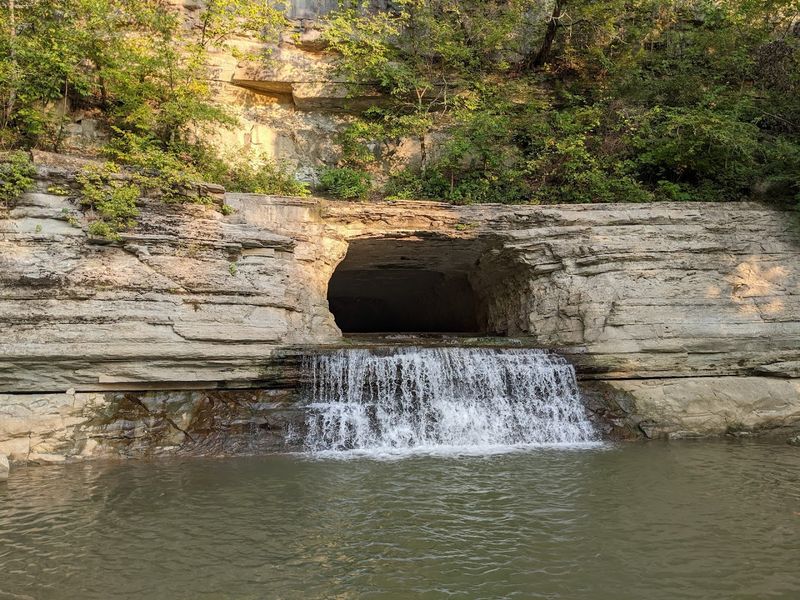
Stretching along 40 miles of the Harpeth River, this park trades dramatic peaks for something gentler: a winding waterway framed by bluffs, historic mill sites, and quiet forest. It’s a linear park, meaning you’ll find multiple access points rather than one central hub. That setup makes it perfect for paddlers, anglers, and anyone who likes exploring in sections rather than tackling everything at once.
Kayaking and canoeing are the main draws here. The river moves at an easygoing pace, so beginners feel comfortable while experienced paddlers enjoy the scenery without battling rapids. Several outfitters nearby rent gear and offer shuttle services if you want to float downstream without worrying about getting back to your car.
Hiking trails connect some of the park’s most interesting spots, including the Narrows of the Harpeth—a dramatic river bend where the water cuts through solid rock. You can also visit the remains of Montgomery Bell’s old iron forge, a reminder that this area once powered Tennessee’s early industrial economy. History and nature overlap in ways that make each visit feel layered.
Wildlife sightings are common, especially if you’re quiet on the water. Herons, turtles, and the occasional beaver make appearances, and the wooded banks provide habitat for songbirds and deer. The park doesn’t scream for attention the way waterfall destinations do, but that’s part of its charm.
If you’re craving a slower pace and a chance to spend time on the water, Harpeth River delivers. Bring a paddle, a fishing rod, or just a good pair of walking shoes. The beauty here unfolds gradually, and that’s exactly what makes it worth the trip.
3. Radnor Lake State Park
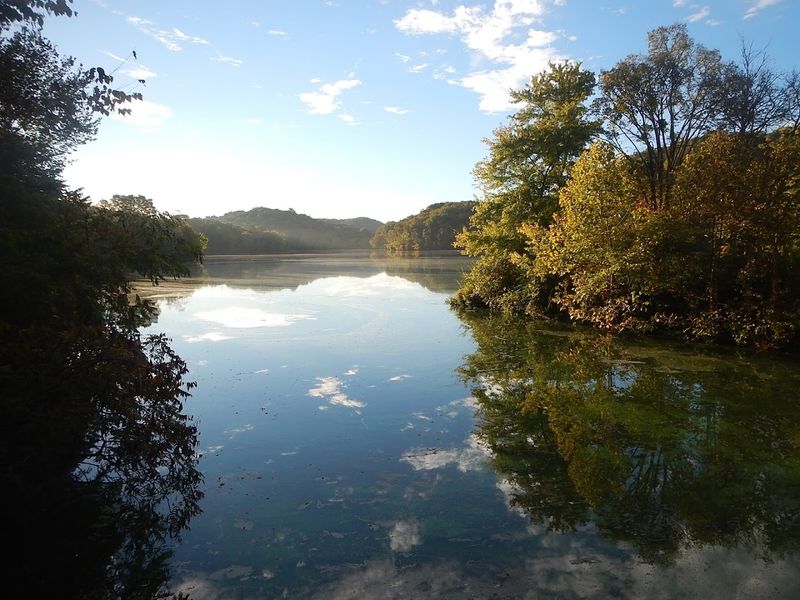
Just a few miles from Nashville’s busy streets, Radnor Lake feels like a secret the city’s been keeping. This 1,368-acre natural area wraps around an 85-acre lake that serves as a magnet for wildlife and a refuge for anyone needing a break from pavement and traffic. The park’s mission is preservation, so you won’t find playgrounds, picnic pavilions, or motorized boats—just trails, trees, and the kind of quiet that makes you forget you’re still in Davidson County.
Birdwatchers flock here year-round because the lake and surrounding forest attract more than 240 species. Herons, egrets, and wood ducks are regulars, and if you’re patient, you might spot an otter or a mink near the water’s edge. White-tailed deer are so common that seeing one barely counts as a sighting anymore.
The six miles of trails range from paved paths perfect for families to rugged dirt routes that climb into the hills for lake overlooks. The South Lake Trail is the easiest option, looping 1.3 miles on a level surface that accommodates strollers and wheelchairs. If you want elevation and views, the Ganier Ridge Trail rewards the climb with forested ridgelines and glimpses of the water below.
Radnor’s beauty isn’t flashy. There are no waterfalls or dramatic cliffs, just steady, dependable nature doing its thing. The lake reflects the sky, the trails wind through hardwood forests, and the wildlife goes about its business without much concern for the humans passing through.
For Nashville locals, this park is a weekday escape, a place to walk the dog or clear your head before dinner. For visitors, it’s proof that Tennessee’s natural side doesn’t require a long drive into the mountains.
4. Rock Island State Park
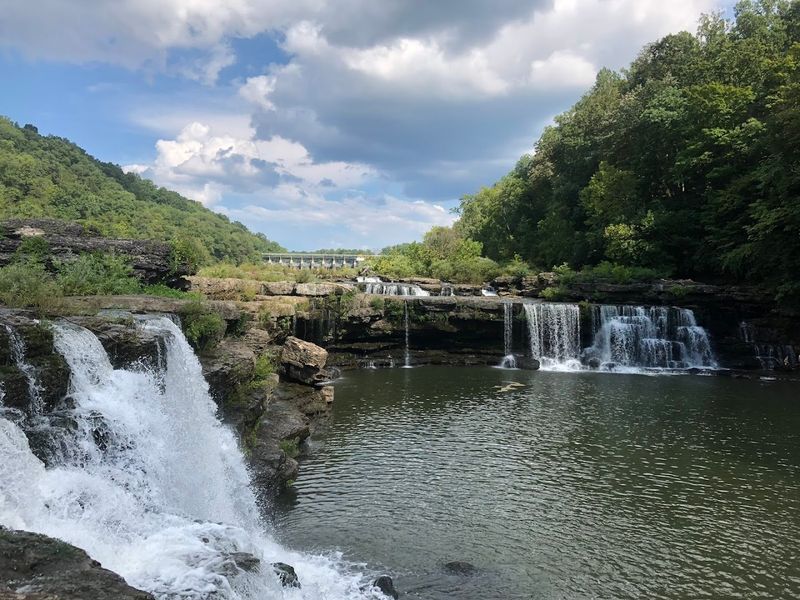
Where the Caney Fork, Collins, and Rocky rivers collide, Rock Island State Park unfolds in a tangle of gorges, bluffs, and whitewater that’s been drawing adventurers for generations. This 883-acre park packs serious visual punch—waterfalls tumble over limestone ledges, swimming holes beckon on hot days, and overlooks reveal river valleys carved deep into the plateau. It’s rugged in the best way, offering both easy access and wild corners for those willing to explore.
The Great Falls of the Caney Fork steal the show, dropping through a series of cascades that create natural pools popular with swimmers and kayakers. The water’s cold even in summer, fed by springs and upstream tributaries that keep temperatures refreshing. Paddlers come here for the challenge, especially during spring flows when the rapids kick up.
Hiking trails weave through the park, connecting overlooks and river access points. The Twin Falls Trail is a favorite, leading to a pair of waterfalls that frame a rocky gorge. It’s a short hike but steep in spots, so wear good shoes and take your time on the descent.
History lingers here too. Old mill ruins and a historic powerhouse remind visitors that this area once harnessed the river’s energy for industry. Today, the park balances recreation with preservation, maintaining trails and facilities while protecting the natural features that make it special.
Rock Island doesn’t hold back. It’s dramatic, photogenic, and packed with the kind of scenery that makes you want to linger. Bring a camera, pack a swimsuit, and set aside a full day if you can.
5. Burgess Falls State Park
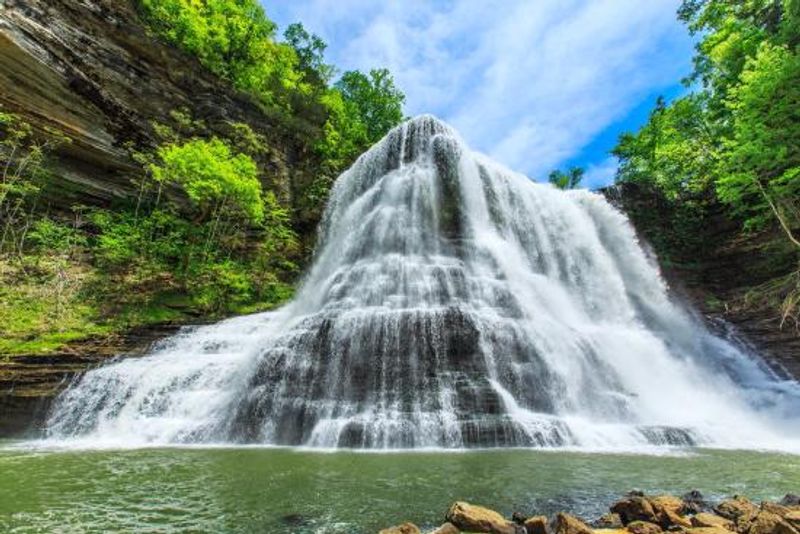
Four waterfalls in less than two miles of trail—that’s the Burgess Falls promise, and it delivers every time. This compact park along the Falling Water River has become a Middle Tennessee favorite because it offers big rewards for relatively little effort. The main event, a 136-foot cascade that thunders into a rocky gorge, is worth the drive alone.
But the three smaller falls along the way make the journey just as satisfying as the destination.
The River Trail follows the Falling Water downstream, passing each waterfall in succession. The first two are gentle, almost playful, as water spills over rock shelves in wide sheets. The third picks up intensity, dropping into a narrow chute that hints at what’s coming.
Then you round a bend and the main falls appear—a massive curtain of whitewater plunging into a blue-green pool surrounded by cliffs and forest.
The overlook platform gives you a front-row seat, though the mist can make things slippery. If you want a different angle, the steep trail down to the base is open but requires caution and decent footwear.
The park stays busy on weekends, and parking fills up fast during peak seasons. Arriving early or visiting on a weekday gives you a better chance at solitude. The trail itself is mostly easy, with some stairs and uneven sections, but families with older kids handle it just fine.
Burgess Falls doesn’t require an overnight stay or advanced planning. It’s the kind of park you can hit on a Saturday morning, spend a couple of hours exploring, and still have time for lunch in Cookeville. Simple, beautiful, and consistently impressive.
6. Cummins Falls State Park
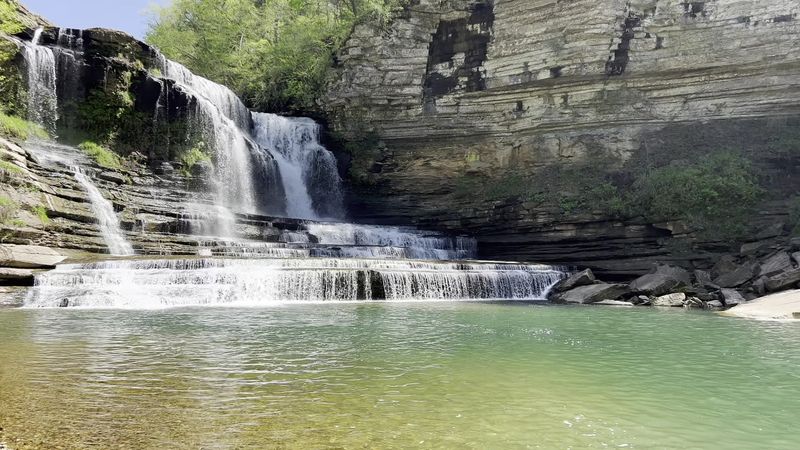
A 75-foot waterfall crashing into a natural swimming hole surrounded by canyon walls—Cummins Falls doesn’t mess around when it comes to drama. This park near Cookeville has earned a reputation as one of Tennessee’s most thrilling waterfall destinations, and the crowds prove it. On summer weekends, you’ll share the gorge with hundreds of other visitors, all drawn by the promise of cold water, smooth rock, and that perfect Instagram shot.
Getting there requires work. The trail drops steeply through forest, crosses the river multiple times, and demands careful footing on slippery rocks. It’s less than a mile each way, but the terrain makes it feel longer.
Tennessee State Parks now requires a free permit for gorge access, a system put in place after the park’s popularity led to overcrowding and safety concerns. Permits help manage the flow and ensure rescue teams can respond if someone gets hurt.
Once you reach the falls, the scene is pure magic. Water pours over a wide ledge, carving through layers of limestone and pooling in a deep basin perfect for swimming. People perch on boulders, wade through shallows, and brave the cold plunge beneath the falls.
The water stays chilly year-round, a shock even in July, but that’s part of the appeal.
Safety is serious here. Flash floods can turn the gorge dangerous fast, and the rocks are slick even on dry days. Park rangers recommend water shoes with good grip, and they’re not kidding. Flip-flops won’t cut it, and barefoot hiking is asking for trouble.
Despite the crowds and the challenges, Cummins Falls remains a bucket-list experience. The combination of accessible adventure and stunning natural beauty keeps people coming back, permits and all. Just plan ahead, pack smart, and respect the water’s power.
7. Fiery Gizzard State Park
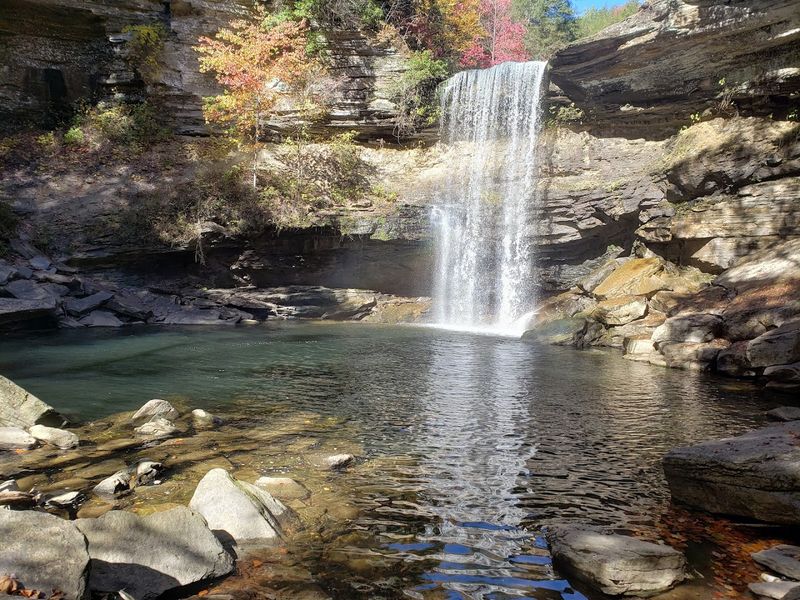
Hikers whisper about Fiery Gizzard the way anglers talk about secret fishing holes—with reverence and a little bit of awe. This 13-mile trail system in the Cumberland Plateau is Tennessee’s answer to backcountry glory, offering waterfalls, bluff overlooks, boulder fields, and stretches of old-growth forest that make you feel like you’ve stepped back a century. It’s not the easiest park to explore, but that’s exactly why serious hikers love it.
The Fiery Gizzard Trail itself runs from the South Cumberland State Park office near Tracy City all the way to Foster Falls, though most people tackle it in sections. The terrain is relentlessly varied—you’ll scramble over rocks, cross streams, climb steep ridges, and navigate narrow ledges with drop-offs that demand focus. This isn’t a trail for casual strollers or anyone afraid of heights.
Waterfalls appear around every other bend, each one different from the last. Some trickle gently over moss-covered ledges while others roar through narrow gorges. Raven Point offers one of the best overlooks in Tennessee, a rocky promontory jutting out above the valley with views that stretch for miles.
8. Savage Gulf State Park
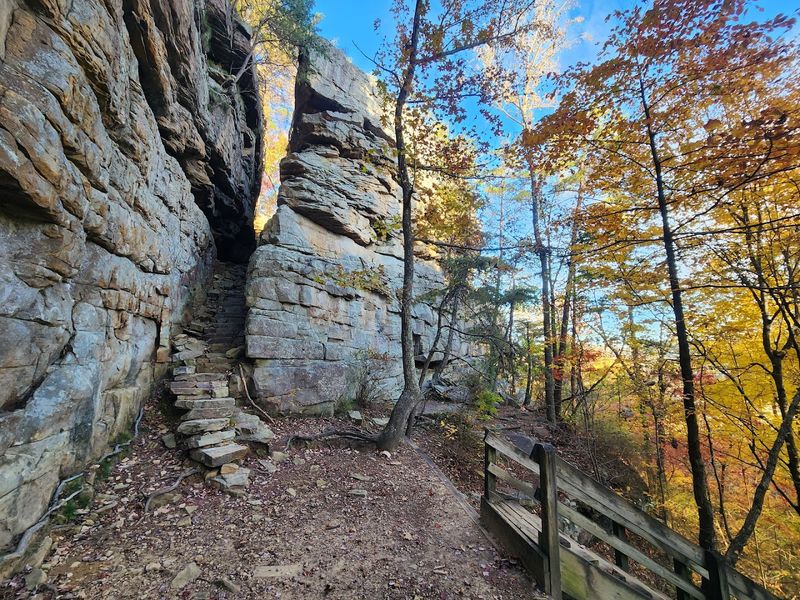
Savage Gulf earns its name. This sprawling wilderness area on the Cumberland Plateau drops into deep gorges where sandstone cliffs tower above boulder-strewn streams and waterfalls thunder through narrow chasms. With more than 15,000 acres of protected land and over 50 miles of trails, it’s one of Tennessee’s wildest state parks—a place where you can hike for hours without seeing another soul.
The Big Creek Rim Trail is the crown jewel, a 6.7-mile loop that circles the upper edge of the gulf and delivers overlook after overlook. Stone Door, the most famous viewpoint, is a natural crack in the cliff face that frames a stunning drop into the canyon below. It’s both beautiful and slightly unnerving, the kind of spot where you instinctively step back from the edge.
Down in the gorges, the landscape shifts. Hemlock forests shade rocky creeks, waterfalls cascade over tiered ledges, and the temperature drops noticeably. Greeter Falls is one of the easiest waterfall hikes in the park, a short walk from the parking area to a two-tiered cascade that’s picture-perfect.
For a bigger challenge, the Connector Trail links different sections of the gulf, allowing backpackers to string together multi-day adventures.
Wildlife thrives here. Black bears roam the backcountry, though sightings are rare. Deer, wild turkeys, and countless bird species make their homes in the forests and cliffs. The park’s remoteness and rugged terrain keep development minimal, which means the experience feels authentic and untamed.
Savage Gulf isn’t for everyone. The trails are demanding, the terrain is unforgiving, and cell service is nonexistent in most areas. But for adventurers who want to feel small in the face of nature’s power, this park delivers.
Bring a map, pack plenty of water, and prepare to be humbled by the landscape.
9. Roan Mountain State Park
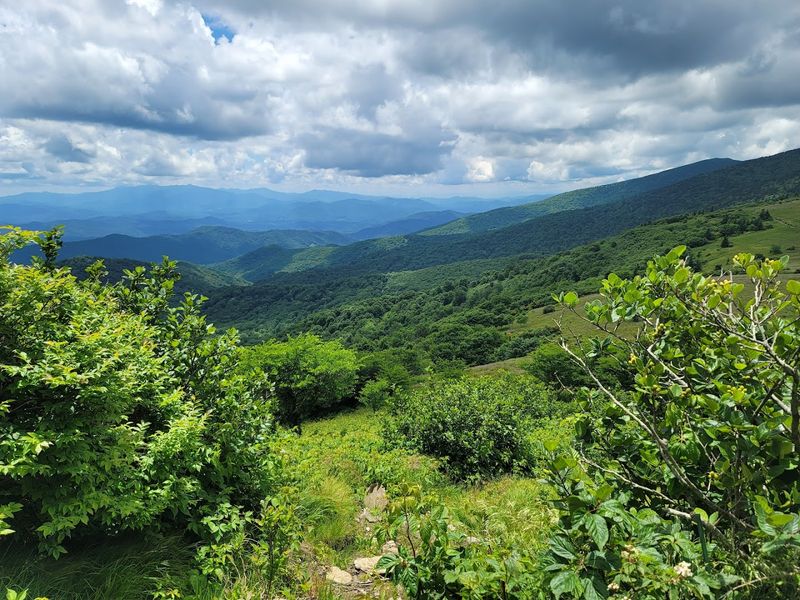
Perched along the Tennessee-North Carolina border, Roan Mountain State Park brings a completely different flavor to this list. Instead of Middle Tennessee’s waterfalls and gorges, you get high-elevation Appalachian beauty—forested ridges, cool mountain air, and the kind of scenery that makes you want to sit on a porch with a cup of coffee and just breathe.
At over 6,000 feet, Roan Mountain is one of the highest peaks in the eastern United States, and the park that bears its name captures that alpine magic.
The rhododendron gardens are legendary. Every June, the mountainsides explode in pink and purple blooms, drawing visitors from across the region for the annual Rhododendron Festival. The display is so impressive that the area has been called the largest natural rhododendron garden in the world.
Beyond the blooms, the park offers hiking trails, trout fishing, picnic areas, camping, and cozy cabins tucked into the mountain landscape. The Doe River runs through the park, adding peaceful water views and cool spots to relax after a hike.
Roan Mountain feels quiet, refreshing, and almost otherworldly compared to Tennessee’s busier parks. It’s the kind of place where the air feels cleaner, the views stretch farther, and every trail reminds you why mountain escapes are worth the drive.
10. Fall Creek Falls State Park
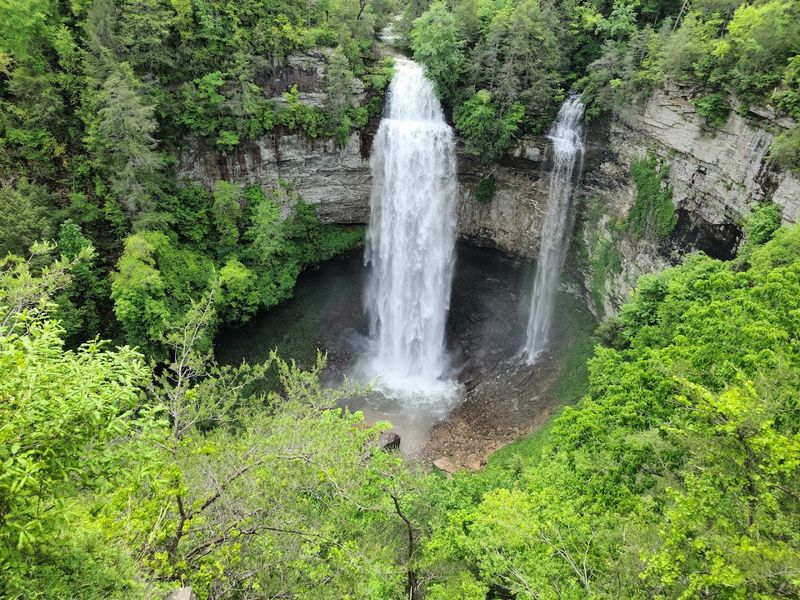
When Tennessee State Parks calls Fall Creek Falls the largest and most visited park in the system, they’re not exaggerating. This 26,000-acre giant in the Cumberland Plateau is the undisputed champion of Tennessee’s state park network, and the 256-foot waterfall that gives the park its name is just the beginning.
Gorges, cascades, overlooks, forests, caves, and a massive lake combine to create a destination so packed with natural features that you could spend a week here and still not see everything.
The main waterfall is the obvious headliner—a sheer plunge that drops from a rocky overhang into a misty pool below. It’s one of the tallest waterfalls east of the Rocky Mountains, and the overlook platform gives you a front-row view without requiring a difficult hike. For a different perspective, the steep trail to the base rewards the effort with an up-close encounter that’s both humbling and exhilarating.
But Fall Creek Falls is just one of several major waterfalls in the park. Cane Creek Falls, Cane Creek Cascades, and Piney Falls each offer their own beauty, and the network of trails connecting them keeps hikers busy for days. The gorge overlooks are equally impressive, with sheer cliffs dropping hundreds of feet to rocky creek beds below.
Beyond the waterfalls, the park offers a full resort experience—a lodge, cabins, campgrounds, a golf course, and a swimming pool. Families come here for week-long vacations, not just day trips. The lake provides fishing, paddling, and swimming opportunities, and the 35 miles of trails range from easy nature walks to challenging backcountry routes.
Fall Creek Falls is breathtaking in every sense—visually stunning, physically demanding if you want it to be, and so vast that it feels less like a park and more like a self-contained wilderness resort. It’s the perfect finale to this list because it delivers everything Tennessee’s state parks promise, all in one unforgettable package.