
Fort Pillow State Historic Park has a way of making people stop talking for a second once they reach the bluff overlook. High above the Mississippi River in West Tennessee, the landscape opens wide with sweeping water views, thick tree lines, and steep terrain that immediately explains why this spot once mattered strategically.
The park blends striking scenery with reconstructed Civil War earthworks that still trace the shape of the original defenses across the hillsides. Walking through the area feels both peaceful and heavy with history at the same time. For travelers who like their parks with dramatic views and a genuine sense of historical weight, Fort Pillow leaves a lasting impression quickly.
Where the Bluff Steals the Show
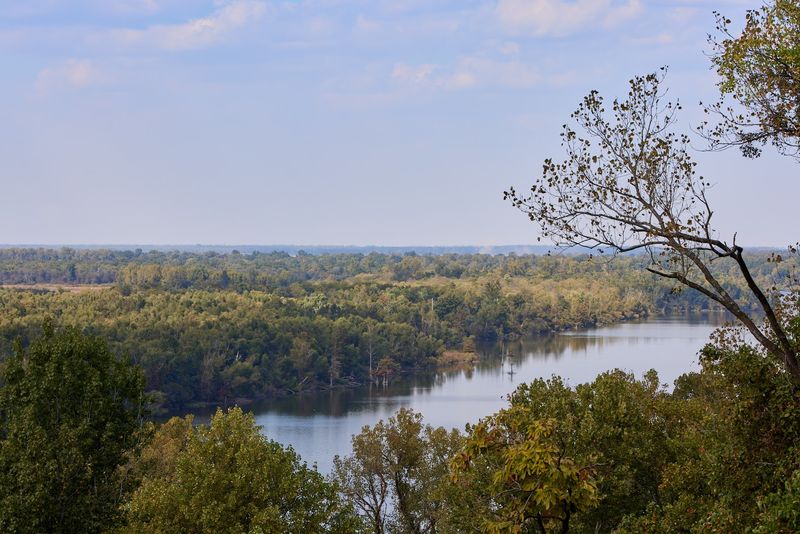
The big surprise at Fort Pillow State Historic Park is how suddenly the land opens up. You move through wooded roads and rolling terrain, then the bluff takes over with a broad view toward the Mississippi River that reads more like a lookout point than a typical park stop.
The height matters here, because it explains why this site was chosen for military defense and why the scenery still lands with such force.
That overlook is not polished into something overly manicured. It keeps a rougher edge, with tree cover, uneven topography, and the visible contours of historic fortifications shaping the experience instead of railings and decorative extras doing the work.
The result is a landscape that asks you to pay attention to the ground as much as the horizon. On a clear day, the river corridor stretches out with a quiet, muscular scale that makes the whole bluff seem strategic even now.
Light shifts constantly across the water and lowlands, and the view can look soft and silver one moment, then bright and sharply layered the next.
If you visit in fall, the surrounding woods add even more depth, with color filling the ridges and slopes around the fort area.
This is the kind of place where you should slow down before rushing to the next trail or exhibit. Stand still long enough to notice how the bluff, the earthworks, and the river line up into one complete scene.
Fort Pillow does not rely on spectacle built for visitors – the terrain itself is the headline, and it remains the most memorable first impression in the park.
The Fort Site That Makes the History Legible
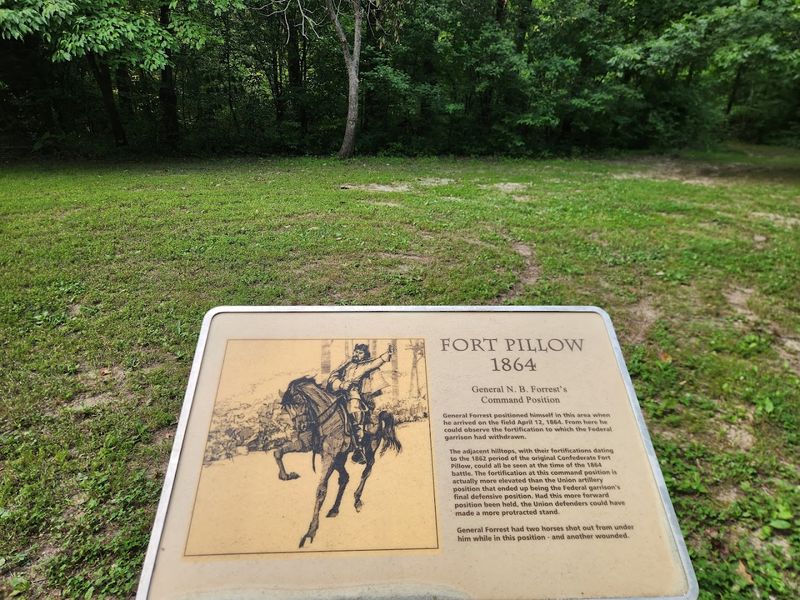
Fort Pillow works best when you treat the fort site as more than a photo stop. The reconstructed earthworks give shape to the story in a way that books and roadside markers rarely can, because you can actually read the terrain through the defensive lines.
Angles, embankments, and elevated positions start making practical sense once you are standing inside them. That physical layout is a major strength of the park.
Instead of history being flattened into a few dates and names, the ground helps explain why this bluff mattered during the Civil War and how the fortifications used the site to command surrounding views.
Even visitors who arrive mainly for scenery usually end up lingering here longer than expected, simply because the structure of the place is easy to follow.
The restored features are especially effective against the open sky and wooded backdrop. Earth, grass, and timber create a setting that still looks tied to the landscape rather than placed on top of it, which gives the fort area more weight than a typical replica space.
You are not getting a theme park version of military history – you are seeing a practical outline of how defense was organized on difficult ground.
For anyone traveling with kids, first time history buffs, or friends who need a visual anchor, this section of the park does a lot of work. It turns abstract conflict into something spatial and immediate without requiring expert knowledge beforehand.
By the time you leave the fort area, the Mississippi bluff no longer reads as pretty scenery alone; it reads as a position, and that shift is where Fort Pillow becomes especially compelling.
Inside the Museum, the Story Gets Heavier
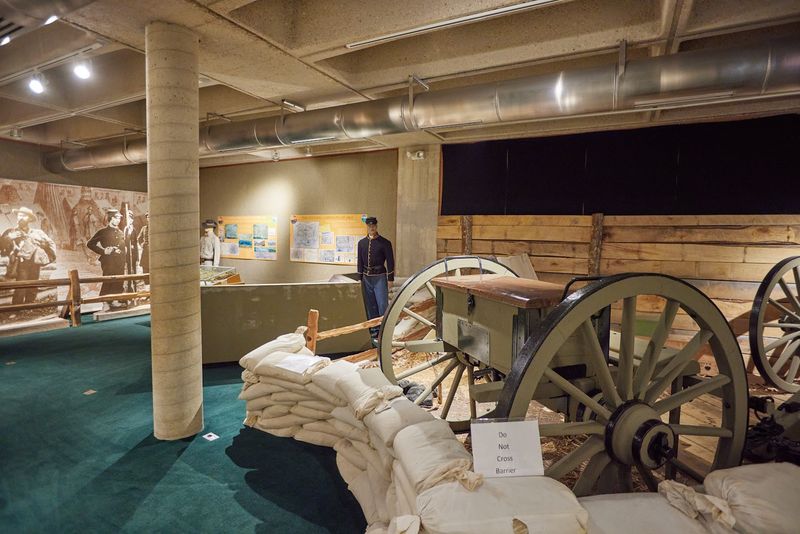
The visitor center and museum give Fort Pillow State Historic Park its necessary weight. Outside, the bluff and trails are beautiful enough to draw you in, but the exhibits make clear that this is not a light historical backdrop attached to a scenic park.
The site carries painful Civil War history, and the museum helps frame that reality with context rather than reducing it to a quick summary.
The museum is not enormous, which actually works in its favor. A smaller footprint keeps the experience focused, and you can move through displays without losing the thread of the story or feeling buried under too much information at once.
Artifacts, interpretive panels, and the historical framing create a steady progression from landscape to conflict to aftermath.
If you watch the film or spend time reading the displays carefully, the fort outside starts to register differently. The earthworks stop looking merely picturesque and begin to feel connected to events that were chaotic, brutal, and deeply consequential.
That contrast between quiet present day scenery and the hard history attached to it gives the museum lasting impact.
This stop also helps visitors decide how to spend the rest of their time in the park. After the exhibits, a walk to the fort or overlook carries more meaning because you are no longer seeing isolated features – you are moving through a site with a clearly defined past.
Fort Pillow is strongest when the museum and the landscape are experienced together, since one explains the human stakes while the other shows exactly where those stakes played out.
Tennessee Trails With More Elevation Than You Expect
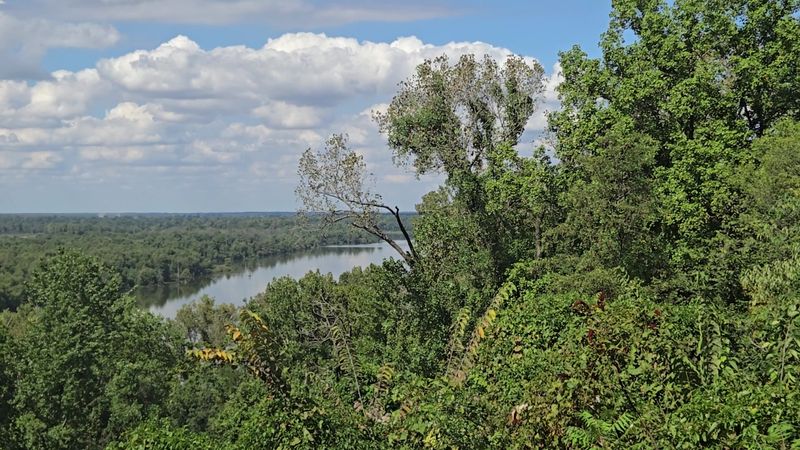
Anyone expecting a flat stroll because the park sits near the Mississippi River is in for a correction. Fort Pillow State Historic Park includes trails with real elevation change, wooded sections, and enough variation to keep the walk interesting instead of repetitive.
The land folds, drops, and rises in ways that reflect the bluff country setting, so your legs notice the terrain quickly.
That change in topography makes the hiking better than a simple point to point walk between historical features. You get forest shade, occasional openings, and a stronger sense of how the fort was nested within a landscape that could both protect and challenge movement.
Some routes are manageable for casual visitors, while longer options ask for more time, decent shoes, and a little stamina.
The trails also add breathing room to a visit centered on history. After reading exhibits or studying earthworks, stepping onto a wooded path resets the rhythm of the day and reminds you that this is still a full state park, not just a preserved battlefield overlook.
Birds, squirrels, and thick tree cover soften the mood without erasing the seriousness of the site. Practical note: trail conditions can vary seasonally, and a few visitors have mentioned overgrowth or the need for bug spray at certain times, so preparation helps.
Bring water, expect uneven ground, and give yourself extra time if you want to connect hiking with the museum and fort area in one trip.
For travelers who like parks that combine landscape, movement, and history in a single outing, Fort Pillow delivers a trail system with more personality than its quiet location first suggests.
Beyond the Battlefield: Lake, Kayaks, and Campground Hours
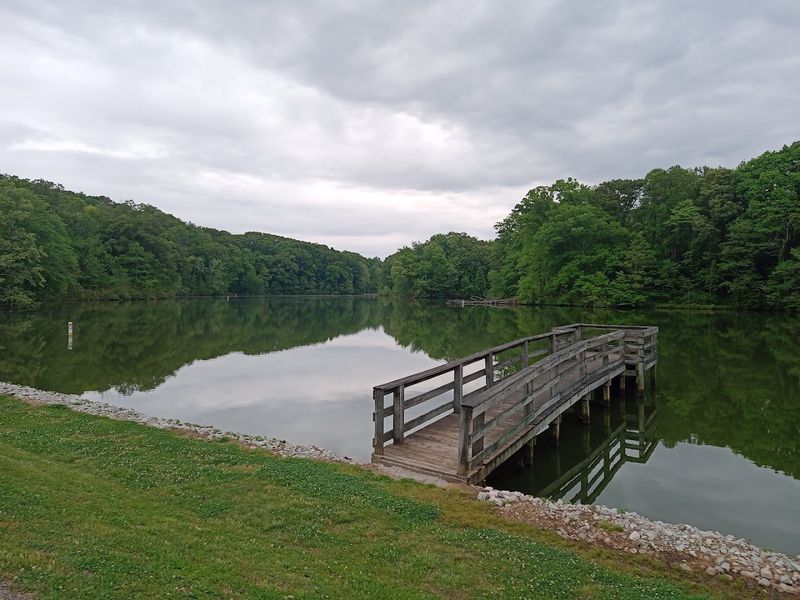
Fort Pillow is easy to label as a history destination, but that sells the park short. Beyond the fort and museum, the property includes camping, fishing, paddling, and quieter nature time that changes the overall personality of a visit.
That mix is useful if your group does not want every hour centered on Civil War interpretation. The lake area gives the park a gentler counterpoint to the bluff overlook.
Kayaking and canoeing fit well here because the water adds a slower, more relaxed pace after the drama of the fort site, and families often gravitate toward this section for a calmer afternoon.
Instead of one signature attraction swallowing everything else, Fort Pillow spreads out into different moods across the property.
The campground pushes that flexibility further. Some visitors describe peaceful nights, solid basic amenities, and good access to fire rings, picnic setups, and a wooded setting, while others note that site layout or restroom situations can vary by section or season.
That means day trippers can keep things simple, while overnight guests should arrive with realistic expectations and a little extra preparation.
If camping is on the agenda, it helps to treat the stay as rustic comfort rather than polished resort style convenience. Check your route carefully if you are towing, pack essentials like bug spray and ice plans, and build in time to explore both the historical side and the recreation side of the park.
Fort Pillow stands out because it refuses to stay in one category – part memorial landscape, part bluff overlook, part campground, part paddling stop – and that variety gives you more ways to spend a full day.
How to Plan a Smarter Visit to Fort Pillow State Historic Park
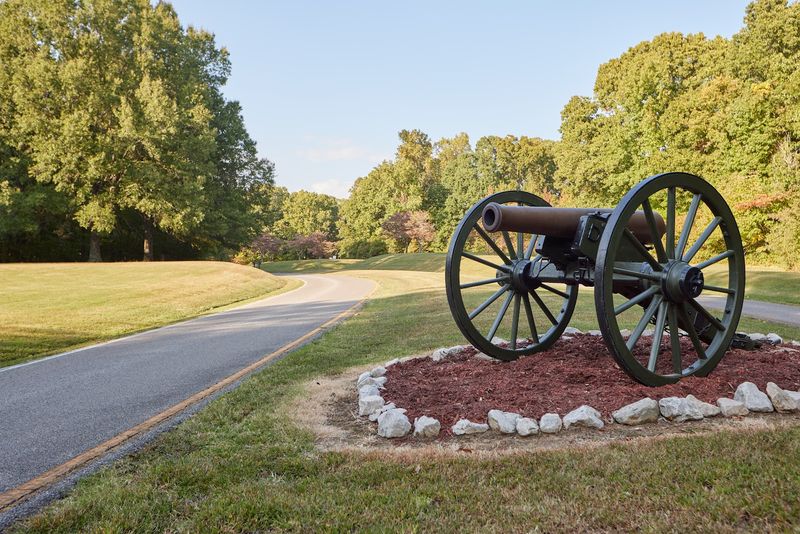
Fort Pillow rewards a little planning, especially because its rural setting can make the park seem simpler than it really is. Roads wind through the property, the historic areas are spread out, and the best experience usually comes from pacing the visit instead of trying to rush every feature in one quick loop.
Give this place a half day at minimum if you want the overlook, museum, and at least one trail to land properly. Daily hours generally run from morning through late afternoon, so earlier arrival is the safer move.
That gives you cooler trail conditions in warm months, better flexibility for museum time, and a quieter window for taking in the bluff before the day feels compressed.
The light is also kinder earlier and later, which matters at a park where scenery and topography do so much of the storytelling.
Comfort matters here more than people expect. Bring water, solid shoes, and bug spray, and if you are camping or hauling a trailer, pay close attention to your route through the area rather than relying blindly on an app.
The park has a remote feel that is part of its appeal, but remoteness also means you should arrive prepared instead of assuming every need can be solved on site.
If you only have a short visit, prioritize the museum first and the bluff second. That order gives the overlook more meaning, because the view becomes tied to the fort’s history rather than standing alone as scenery.
Fort Pillow is not difficult to enjoy, but it is much easier to appreciate when you approach it with time, curiosity, and enough practical sense to let the day unfold without friction.
Why This Bluff Park Lingers After You Leave

Some parks rely on one dramatic feature and little else. Fort Pillow State Historic Park keeps expanding the longer you stay.
The Mississippi River overlook may grab your attention first, but the combination of earthworks, wooded trails, museum exhibits, and steep bluff terrain gives the park a depth that feels increasingly rare in a single Tennessee destination. Part of what makes the experience memorable is how naturally the landscape and history connect.
The fortifications follow the shape of the hills, the river view explains the site’s strategic importance almost instantly, and the museum adds the human context that turns the scenery into something heavier and more meaningful. Instead of separating the natural setting from the Civil War story, the park lets the two reinforce each other at every stop.
The park also avoids feeling overly staged. Roads, overlooks, and exhibits make the site accessible, but the terrain still feels rugged enough to preserve a real sense of place.
You are not walking through a polished reconstruction disconnected from its surroundings. You are moving through an actual landscape where defensive lines, steep slopes, and wooded ridges still shape the experience in visible ways.
That balance is what separates Fort Pillow from a standard scenic stop. You can come for the river views, the hiking, the historical interpretation, or the campground atmosphere and still leave feeling like the park offered more than expected.
In West Tennessee, Fort Pillow State Historic Park delivers the kind of layered experience where scenery and history strengthen each other instead of competing for attention, and that combination lingers long after the bluff disappears behind you.