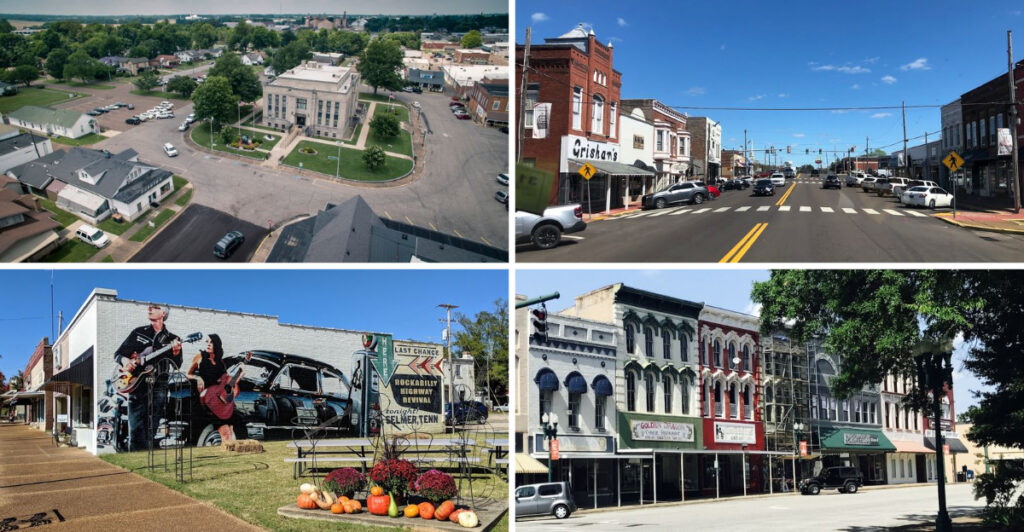
A $150,000 housing budget does not go very far in a lot of states anymore, but parts of Tennessee still make it feel surprisingly possible. In the right small town, that number can buy more than square footage — it can mean a walkable downtown, mountain views, lower monthly stress, and a pace that actually leaves room to enjoy life.
These places are not trying to compete with Nashville’s frenzy or tourist-heavy hotspots. They offer something quieter and, for many buyers, far more realistic. For anyone hoping to stretch a budget without settling for bland surroundings, these Tennessee towns make a compelling case.
1. Dyersburg
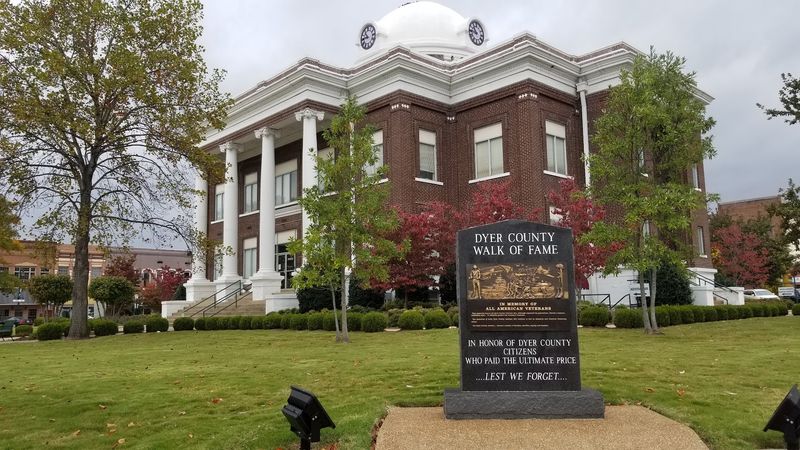
Dyersburg makes a strong first impression if you are hunting for a house that feels attainable instead of theoretical. In Tennessee’s northwest corner, this town has a grounded, practical vibe, and that matters when every listing seems to demand compromise somewhere else.
Here, the appeal is simple: modest homes, manageable neighborhoods, and a market that still feels connected to everyday buyers.
What stands out most is the balance between budget and livability. You can picture a starter home with a porch, a yard that does not require a landscaping crew, and enough interior space to make daily life comfortable without paying for rooms that sit unused.
That kind of ordinary value has become surprisingly rare, which is exactly why Dyersburg catches attention. The town itself adds texture without trying too hard.
A historic downtown gives the area some personality, while nearby access to Reelfoot Lake and the Mississippi River brings in an outdoorsy layer that keeps weekends from feeling repetitive.
It is easy to imagine mornings running errands locally and afternoons spent driving toward water, wildlife, or a quieter stretch of road.
Dyersburg also works for buyers who want a slower rhythm without feeling completely isolated. The overall pace is calmer, the streets look more approachable than frantic, and the housing stock often includes older homes with the kind of bones people still get excited about.
If your version of affordable living includes a little breathing room, this town makes a convincing case. Nothing about Dyersburg feels flashy, and that is part of the charm. It looks like the kind of place where buying under budget can still translate into a life that feels full, steady, and pleasantly unforced.
2. Union City
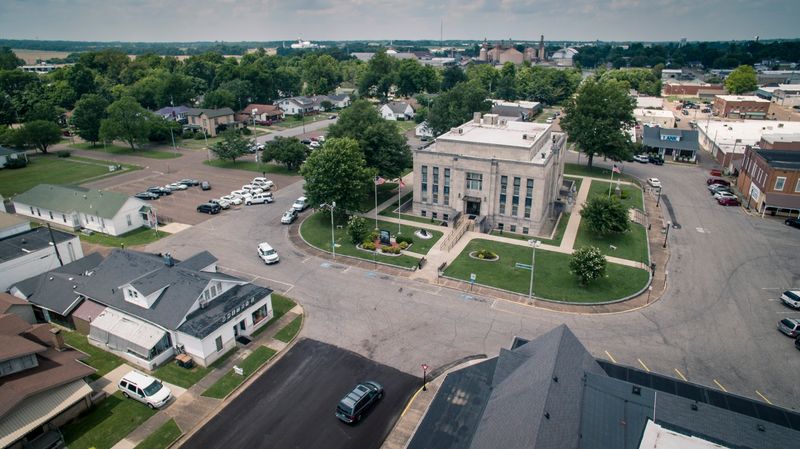
Union City has the kind of name that sounds straightforward, and the town itself delivers that same honest energy.
If you are trying to stay near the $150,000 mark, it offers a realistic path through older family homes, starter properties, and neighborhoods that feel lived in rather than overpolished. That combination can be far more attractive than a trendier place that drains the budget before move-in day.
There is also a little more personality here than some buyers might expect. Union City mixes a strong small-town identity with an artsy streak that keeps things from feeling flat, and that matters if you want more than just a cheap address.
Local museums, parks, and community spaces help create the sense that daily life could have some color, even on an ordinary Tuesday.
For house hunters, the appeal is often in the older homes. These are the kinds of places where square footage, layout, and lot size may still line up in a way that feels useful, especially for first-time buyers trying to avoid impossible math.
A house does not need to be glamorous to be a good fit, and Union City seems to understand that better than many markets.
The broader atmosphere leans warm and approachable. West Tennessee towns can have a distinct sense of local pride, and Union City fits that mold without coming across as closed off.
It feels welcoming, practical, and comfortable in its own skin, which can make settling in much easier. If your goal is to find affordability with a little community energy built in, Union City deserves attention.
It is the kind of place where a modest home purchase can still leave room for real life, not just mortgage payments and crossed fingers.
3. Savannah
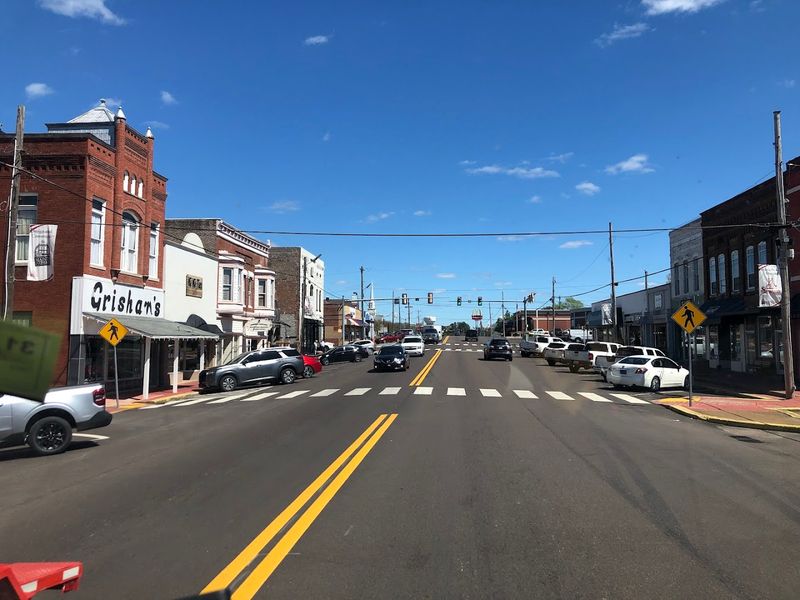
Set along the Tennessee River, Savannah has an advantage that goes beyond affordability. The scenery gives the town a calm, outdoors-friendly identity, and that can make a house hunt feel less like a spreadsheet exercise and more like a real lifestyle decision.
If you want lower prices without giving up a sense of place, Savannah has a lot working in its favor. Homes around this part of Tennessee can still look refreshingly attainable compared with statewide expectations.
For a buyer trying to stay under or around $150,000, that matters, but so does the fact that the town does not feel stripped down or one-note. Affordable does not automatically mean dull, and Savannah proves that point with ease.
River access shapes the local mood in a good way. Fishing, boating, and general outdoor recreation give weekends a built-in option, while historic sites add another layer for anyone who likes a town with some depth.
The result is a community that feels scenic and grounded at the same time, not overly polished and not trying too hard.
From a homebuying perspective, Savannah may especially appeal to people who want a quieter setting but still care about what surrounds them. It is one thing to find a cheap house.
It is another to find one in a place where the views, the pace, and the local character all support the life you actually want to build.
That is where Savannah stands out. It offers a combination of river-town beauty, approachable housing, and everyday livability that can be surprisingly hard to find. If your budget is modest but your standards are not, this town deserves more than a quick glance.
4. Ripley
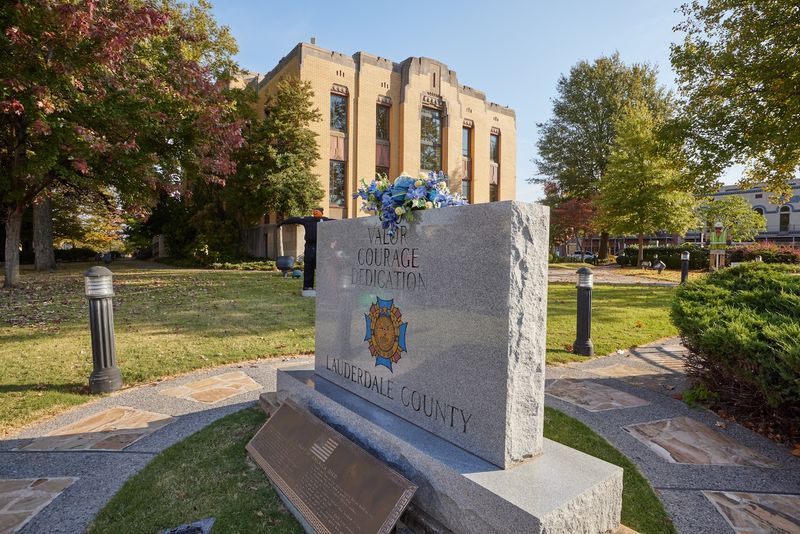
Ripley feels like the answer to a very specific housing question: where can you still buy something sensible without disappearing completely off the map?
This town offers low property costs, quieter neighborhoods, and a traditional rural Tennessee atmosphere that can be genuinely appealing when bigger markets start to feel exhausting. The value here is not just price. It is the breathing room that price can buy.
For many buyers, that breathing room shows up in practical ways. A budget that gets squeezed hard in a larger city may stretch further toward a detached house, a useful yard, or an older place with enough character to make renovation feel exciting instead of punishing.
Ripley is the sort of town where expectations can relax a little, and that is a powerful advantage. Location helps too. Being north of Memphis gives Ripley a useful middle ground for anyone who wants affordability without total disconnection from a larger metro area.
That does not make it a city substitute, and it should not be treated like one, but it can make the town feel more accessible and less isolated than some remote bargains.
The atmosphere leans calm, steady, and unpretentious. Streets tend to feel more neighborly than hurried, and the overall setting supports a slower daily routine that some buyers actively want after years of noise and rising costs.
It is easy to imagine choosing Ripley on purpose, not simply ending up there because the numbers worked. That distinction matters. Affordable towns are more appealing when they offer a sense of place alongside lower prices, and Ripley does exactly that.
If you want a realistic shot at homeownership with rural character and a manageable connection to a larger city, this one has clear potential.
5. Brownsville
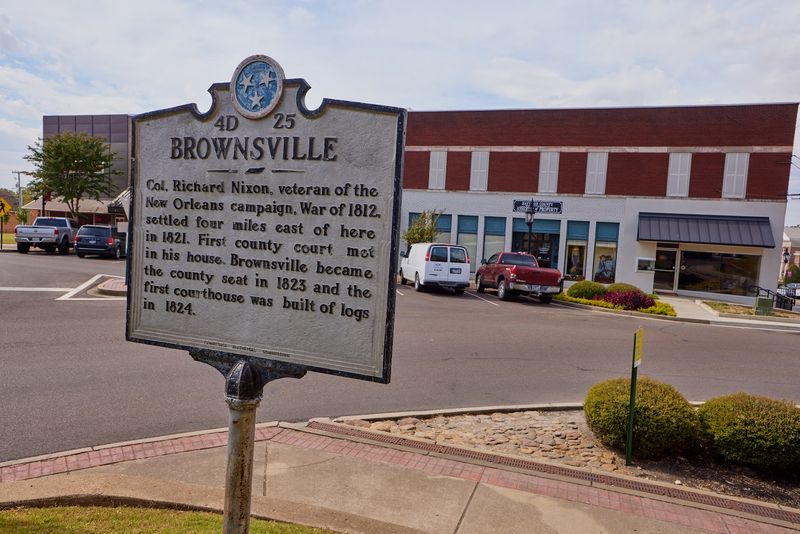
Bringing a little extra flavor to the affordable-home conversation, Brownsville feels like more than just a budget-friendly option.
Instead of feeling like a place you consider only because prices are lower, it has distinct character thanks to its courthouse square, older neighborhoods, and deep connection to Tennessee’s blues heritage.
That backdrop gives the town more personality than many budget-friendly markets can offer. For buyers trying to stay around $150,000, Brownsville looks especially interesting because older single-family homes can still be part of the discussion.
In many places, larger lots and classic house styles now come with eye-watering price tags, but here the dream feels less distant. You might not get perfection, yet you can still find the kind of property that invites imagination.
The town’s visual appeal helps. A courthouse square naturally creates a center of gravity, and places with a recognizable downtown often feel easier to settle into because they have an identity beyond the listing photos.
Brownsville gives off that exact energy: local, rooted, and a little storied without turning itself into a performance.
It also suits buyers who appreciate homes with some age and presence. Newer construction is not the only path to comfort, and plenty of people would gladly trade shiny sameness for a house with mature trees, a wider yard, or details that do not look copied from the same three floor plans.
Brownsville leans toward that older, more established feeling. If affordable homeownership sounds better when paired with cultural texture and small-town charm, this town earns a place on the shortlist.
Brownsville feels like the kind of market where value is not just about what the house costs, but about how much place and personality come with it.
6. Selmer
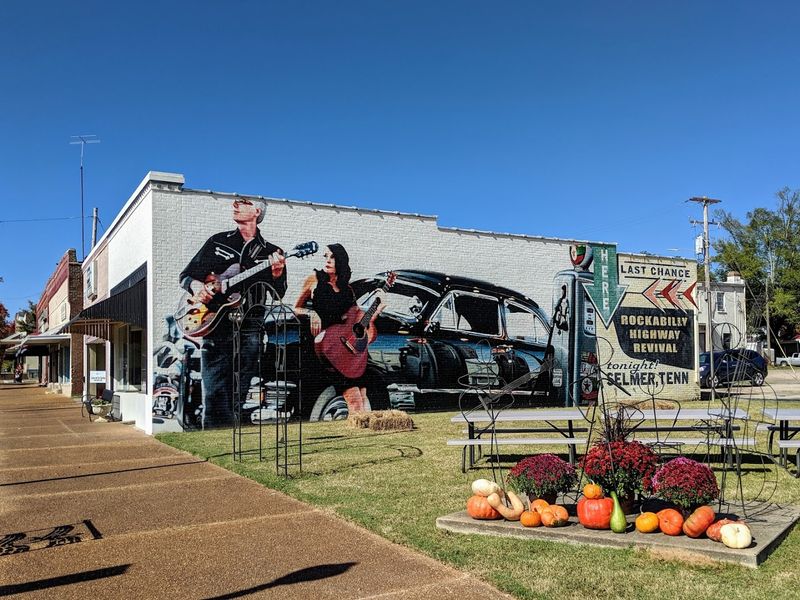
Selmer is the kind of town that does not need to shout to get your attention. If your idea of a good move involves low housing prices, a laid-back pace, and a community that feels easy to understand, this one immediately starts making sense.
It has that classic small-town Tennessee feel that many buyers say they want but rarely find at a comfortable price point.
The housing side of the equation is what pulls people in first. Around a $150,000 budget, Selmer still feels plausible for first-time buyers, retirees, and anyone tired of pretending that every compromise is normal.
Modest homes here can offer the basics that matter most: usable space, manageable upkeep, and neighborhoods where life seems to move at a more reasonable speed.
Geographically, Selmer has an interesting position near the Alabama and Mississippi borders, which adds a little regional crossroads energy without making the town feel busy.
That location may appeal to buyers who like the idea of being tucked into a smaller community while still feeling connected to a broader part of the South. It gives the place a slightly wider orbit than its size might suggest.
More than anything, Selmer feels approachable. The town seems built for people who value familiarity, routine, and the comfort of a place where local identity still matters.
It is not trying to reinvent small-town living with buzzwords, and honestly, that is a big part of the draw. For buyers who want affordable homeownership wrapped in a slower, tighter-knit setting, Selmer deserves a close look.
It offers the sort of straightforward appeal that can be easy to overlook online but very easy to appreciate once you imagine actually living there.
7. Paris
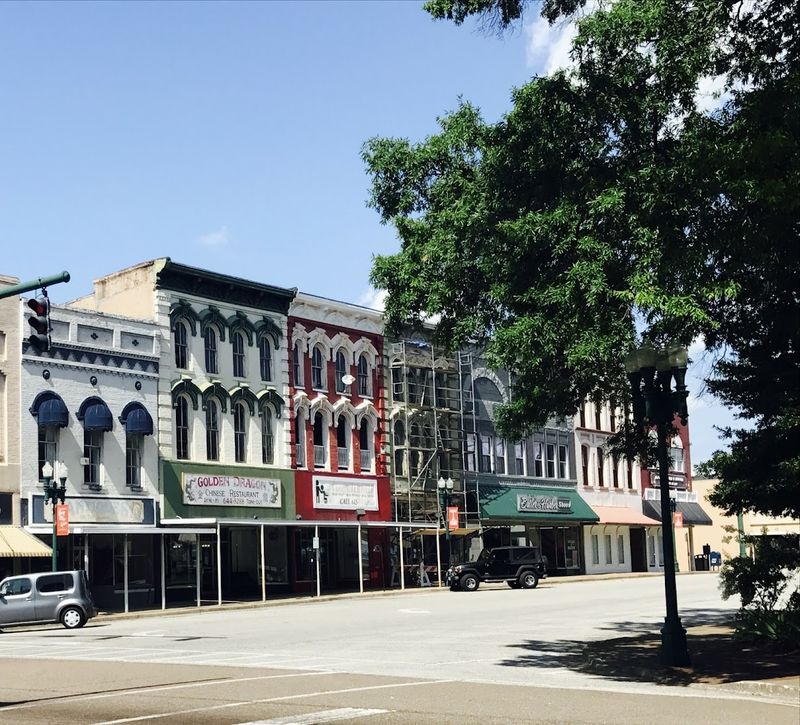
Paris has a name that invites a joke, but the housing market is where this town gets serious. For buyers working with a budget around $150,000, it offers something increasingly rare: charm that does not automatically come with a painful price tag.
That alone makes it worth attention, and the town has enough personality to keep things interesting after the novelty of the name wears off.
The replica Eiffel Tower may be the headline-grabber, yet Paris has deeper appeal than roadside-photo energy. A pleasant downtown, local businesses, and access to the lake give the area a mix of everyday convenience and recreational upside.
It feels like a place where you could enjoy both a practical routine and a more relaxed weekend without driving forever.
Housing affordability is a major piece of the equation here. The town has long been mentioned in conversations about attainable small-community living, and it is easy to understand why.
Buyers can realistically look for homes that feel livable and established rather than settling for a cramped space in a far more expensive market.
Paris also seems to work across life stages. Families may appreciate the small-town atmosphere and manageable pace, while retirees might like the idea of a comfortable home base with local character and access to water nearby.
That flexibility broadens its appeal and makes the town feel more versatile than some budget-friendly alternatives.
In short, Paris manages to be memorable without being gimmicky. It offers the kind of affordable-home potential that people actually want: not just lower prices, but a setting with warmth, recognizability, and enough local charm to make moving there feel like a choice worth getting excited about.
8. McKenzie
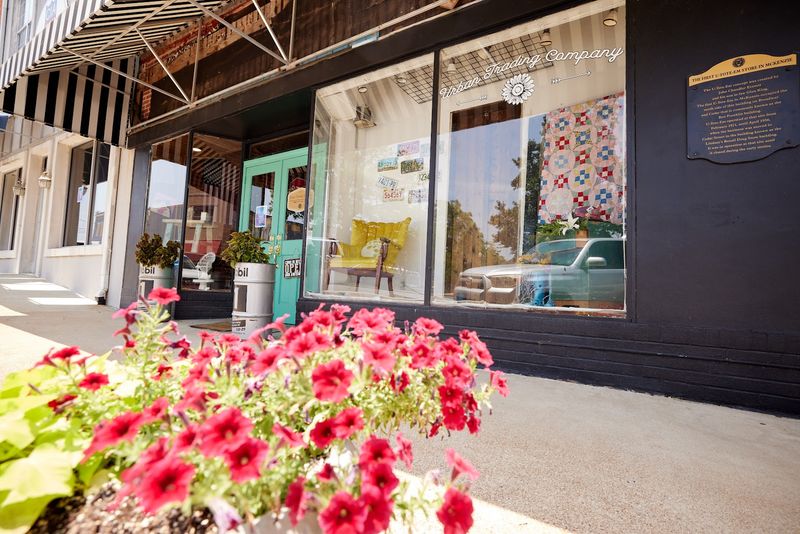
A slightly different flavor defines McKenzie’s affordability appeal because it mixes small-town calm with a light college-town pulse.
Thanks to Bethel University, the community has a bit more activity and rhythm than some similarly priced places, which can make everyday life feel more dynamic without becoming hectic.
That balance is a genuine selling point if you want budget-friendly housing with some built-in energy. The home market is part of the attraction, of course.
Buyers on a tighter budget can still look for cozy houses that feel functional, comfortable, and rooted in actual neighborhoods rather than anonymous developments.
When homes are reasonably priced, it becomes easier to think about long-term fit instead of obsessing over whether a monthly payment will swallow the entire plan.
McKenzie also has the kind of community features that quietly improve quality of life. Local shops, parks, and recurring events help create a sense of momentum throughout the year, which matters in a smaller town.
Places with a little activity tend to feel more connected, and that connection can make moving in less intimidating.
The university presence adds a subtle layer of youthfulness without overwhelming the town’s identity. It is not trying to be a major college hub, and that works in its favor.
Instead, McKenzie feels approachable, easygoing, and just lively enough to keep the local atmosphere from becoming sleepy.
For buyers who want affordability but do not want a setting that feels overly quiet or disconnected, McKenzie hits a useful middle ground. It offers realistic housing, a friendly pace, and a bit of community spark, which is often exactly what turns an affordable option into a place you can actually picture calling home.
9. Martin
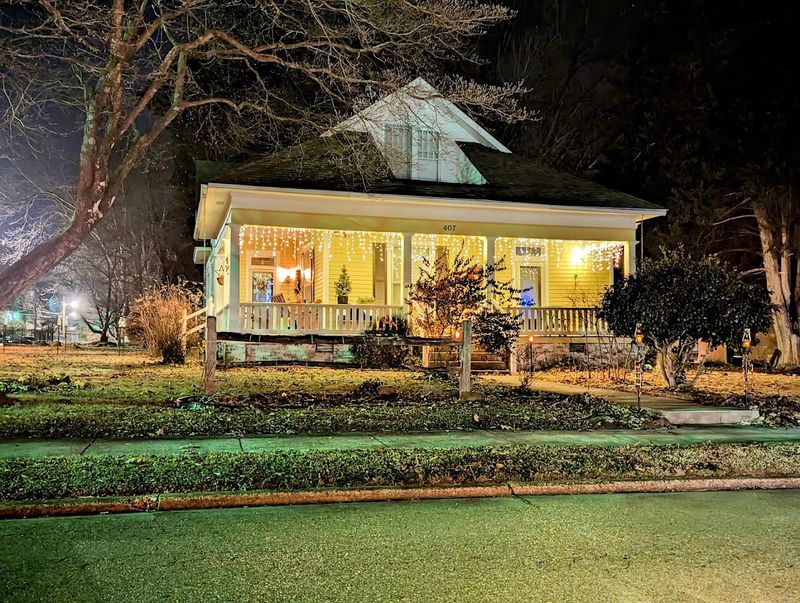
Martin stands out because it pairs lower housing costs with a little more buzz than you might expect from a town its size.
As the home of the University of Tennessee at Martin, it carries some college-town energy, and that tends to ripple into local business activity, amenities, and the overall feel of the place. For buyers, that can translate into a more animated daily environment without losing the smaller-town scale.
Affordability remains the key draw. If you are shopping around the $150,000 range, Martin offers the possibility of finding a home that feels practical and comfortable in a market that has not entirely left ordinary buyers behind.
That matters whether you are looking for a first home, downsizing, or simply trying to stretch your money further without sacrificing convenience.
The university influence gives the town an extra layer of usefulness. College communities often support restaurants, shops, and services that would be harder to sustain in a town of similar size without that anchor.
Martin benefits from that pattern while still feeling approachable and manageable, which is a nice combination if you want some activity but not full urban intensity.
There is also broad appeal here. Families may like the sense of community and amenities, while retirees might appreciate the lower housing costs and steady local energy.
It is one of those towns that can accommodate different lifestyles without seeming like it caters to only one type of resident. Martin feels especially compelling for buyers who want affordability plus momentum.
Instead of choosing between a livelier setting and a realistic home budget, you may be able to get some of both here. That makes it more than just a cheaper option. It makes it a legitimately smart one.
10. Covington
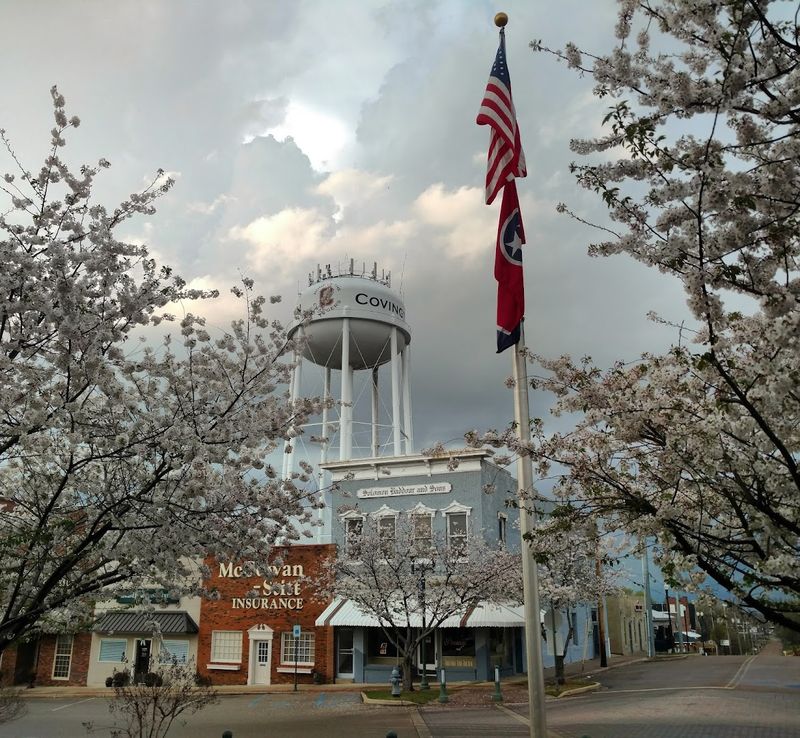
Covington has a classic look that instantly helps it stand apart. Tree-lined streets, historic charm, and established neighborhoods give the town a sense of substance, and that can be especially appealing when you are trying to buy affordably without landing somewhere that feels generic.
It is easier to picture putting down roots in a place that already has visual character. The pricing side is what keeps Covington in the conversation.
Compared with larger Tennessee cities, housing here can look far more reasonable, which opens the door for buyers who still want a single-family home and some breathing room in the budget. In a market where affordability often feels like a moving target, that relative value carries real weight.
Then there is the Memphis factor. Covington’s proximity to the city makes it attractive for people who want access to urban jobs, services, or bigger-city conveniences without paying directly for a Memphis address.
It is not the same as living in the city, and that is exactly why the town may appeal to so many buyers trying to strike a better balance.
Covington also benefits from looking and feeling established. Older neighborhoods can offer mature trees, varied home styles, and a stronger sense of place than newer subdivisions built for speed.
If that is your preference, the town has an edge that goes beyond price alone. For anyone searching for a more affordable base within reach of a major metro, Covington makes a persuasive case.
It combines historic atmosphere, practical housing potential, and a location that expands your options. That is a strong trio, and in today’s market, it is not something to dismiss casually.
11. Humboldt
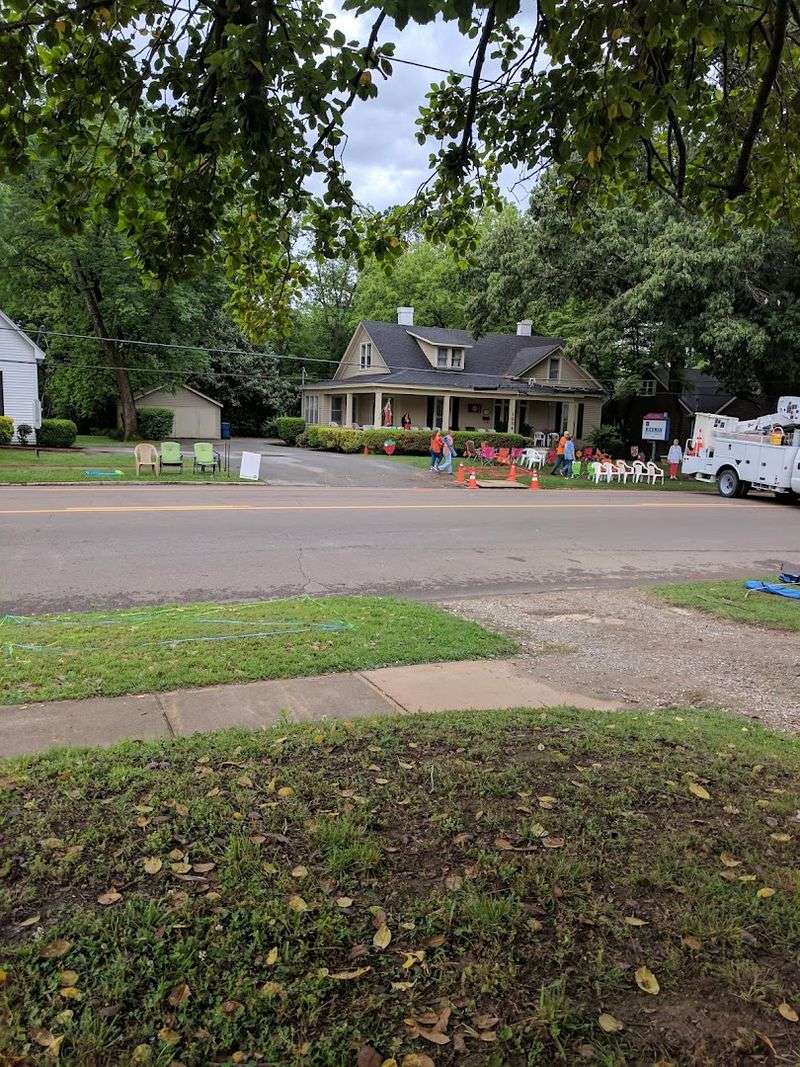
Rounding out this list with the kind of small-town friendliness people often say they want but rarely describe clearly, Humboldt feels approachable, local, and comfortably livable.
In practical terms, it means a place with local character, approachable neighborhoods, and home prices that can still line up with a budget around $150,000. That combination alone makes Humboldt worth a real look.
There is an easygoing quality here that helps the town feel more than simply affordable. Buyers may still find houses in the price range that seem increasingly scarce elsewhere, especially if they are open to modest homes with solid everyday appeal instead of high-design perfection.
A realistic budget goes further in places like this, and that can completely change the tone of a search. Humboldt’s identity also gets a boost from the annual West Tennessee Strawberry Festival, which gives the community a recognizable point of pride.
Even if a festival is not your main reason for moving, towns with local traditions often feel more cohesive and memorable. That sense of shared personality can make a place feel warmer and more rooted.
For day-to-day living, the town offers the kind of setting many buyers are after right now: small enough to feel manageable, established enough to have presence, and affordable enough to stay in the conversation.
It does not seem interested in pretending to be something else, which is refreshing. Humboldt just leans into being a livable, local, distinctly West Tennessee community.
And honestly, that is the pitch. If you want a home purchase that still leaves room for breathing, belonging, and a little bit of charm, Humboldt closes this list on a strong note. It feels attainable in all the ways that matter most.