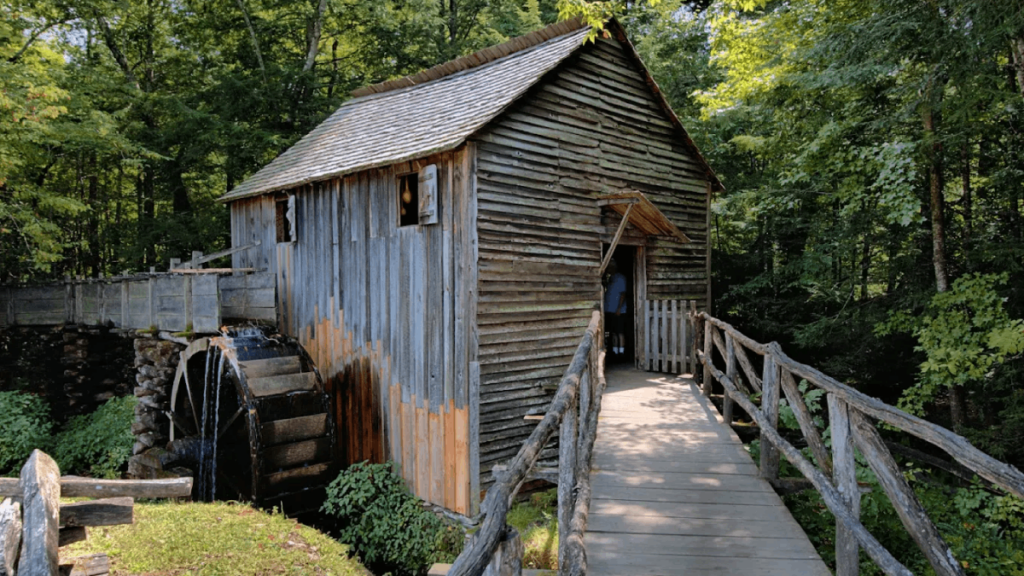
Tennessee holds some of the most beautiful pieces of American history tucked into its valleys, ridges, and small-town corners. From hand-hewn covered bridges that still cross mountain streams to water-powered mills that once fed entire communities, these landmarks tell stories of craftsmanship, survival, and Southern heritage.
This road trip takes you to 14 unforgettable stops where time slows down and the past feels close enough to touch.
1. Harrisburg Covered Bridge — Sevierville
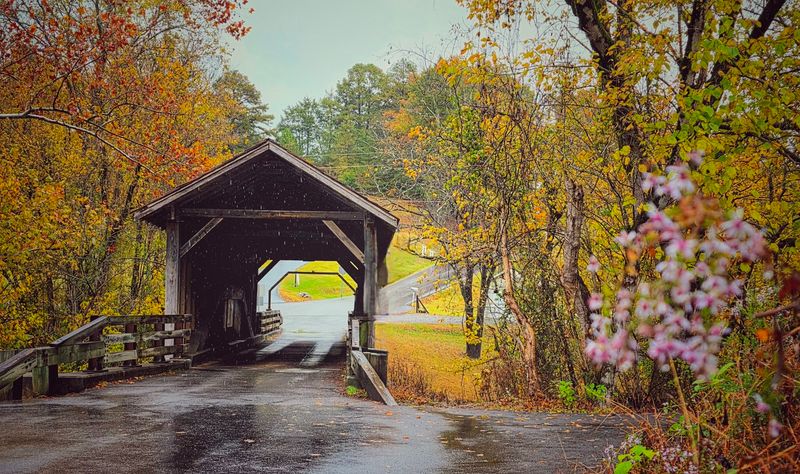
Built in 1875, this red-painted beauty sits just a short drive from the tourist buzz of Pigeon Forge, but it feels like stepping into another century. The bridge crosses a calm stretch of creek and stands as one of the last original covered crossings left in East Tennessee. Locals still call it one of the most photographed spots in Sevier County, and once you see it framed by mountain ridges and old oaks, you’ll understand why.
The structure itself is simple but solid, built with hand-cut timbers and wooden pegs that have held strong for nearly 150 years. Walking through it, you can still see the joinery and roof beams that were shaped by craftsmen who never used power tools. It’s narrow enough that modern cars can’t pass through, so the bridge now serves as a quiet pedestrian crossing and a living relic of rural engineering.
Families often stop here for picnics along the creek, and in autumn, the surrounding trees turn gold and crimson, making the whole scene look like a postcard from the 1800s.
If you’re coming from the Smokies, this makes a perfect first stop on your covered bridge tour. It’s easy to find, easy to park, and gives you a strong sense of what Tennessee’s back roads used to look like before asphalt and steel took over. Bring a camera, take your time, and soak in the stillness.
2. Elizabethton Covered Bridge — Elizabethton
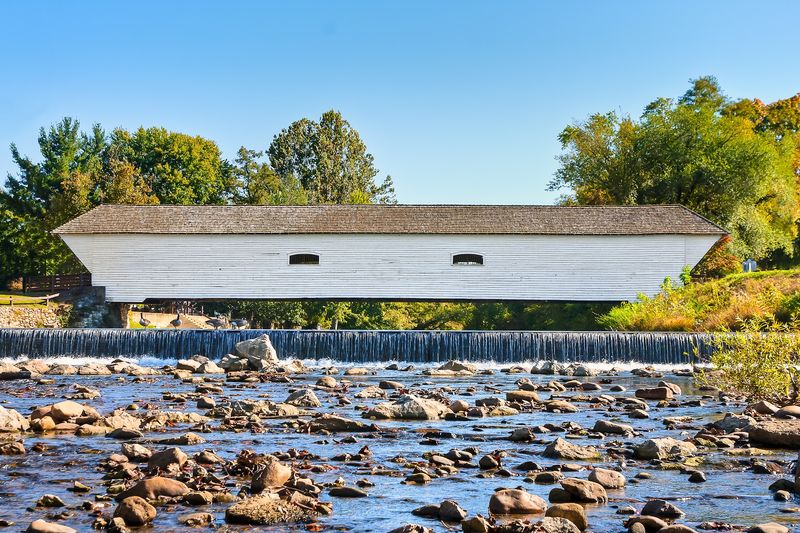
Crossing the Doe River since 1882, this covered bridge is one of the oldest and most cherished landmarks in Northeast Tennessee. It’s not tucked away on some forgotten dirt road—it sits right in the heart of Elizabethton, surrounded by green space, walking trails, and a sense of small-town pride that runs deep. Locals will tell you it’s been the backdrop for countless family photos, proposals, and quiet Sunday afternoons.
The bridge was built using a Howe truss design, which means it relies on diagonal wooden beams reinforced with iron rods to carry the load. That combination of wood and metal was cutting-edge technology in the 1880s, and it’s still holding up traffic today. The structure spans about 137 feet and rests on stone piers that were hand-laid more than a century ago.
What makes this bridge special isn’t just its age—it’s the way the community has protected it. Over the years, floods and storms have threatened the structure, but every time, the town rallied to repair and preserve it. Today, it’s listed on the National Register of Historic Places and serves as a symbol of Elizabethton’s commitment to honoring its past.
The surrounding park offers picnic tables, benches, and paved paths that make it easy to explore the area on foot. You can walk through the bridge, stand on the riverbank below, or just sit and listen to the water roll by.
3. Bible Covered Bridge — Midway
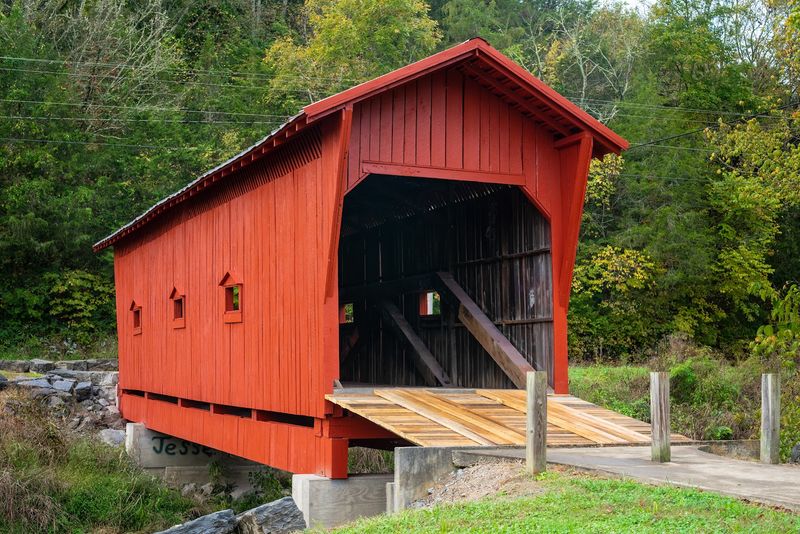
Named after the Bible family who once farmed the land around it, this modest covered bridge has been standing over Little Chuckey Creek since 1923. It’s not as famous as some of Tennessee’s other covered crossings, but that’s part of its charm. The bridge feels personal, like something passed down through generations rather than built for show.
The structure is short—just 45 feet long—and built in a simple kingpost truss style that was common for small rural bridges in the early 20th century. The roof is metal now, replaced over the years to keep the timbers dry, but the original wooden frame and siding are still intact. You can see the hand-cut beams and the way the planks were fitted together without nails, just wooden pegs and careful carpentry.
Local preservation groups have worked hard to keep this bridge standing. It’s not on a main road, so it doesn’t get the foot traffic of some other landmarks, but that also means it’s usually quiet when you visit. The surrounding area is farmland and forest, and the creek below runs clear and shallow most of the year.
There’s a small pull-off where you can park and walk down to the water. If you’re tracing the history of covered bridges in Tennessee, this one deserves a stop—not because it’s grand, but because it’s real.
4. Emerson E. Parks Covered Bridge — Trimble
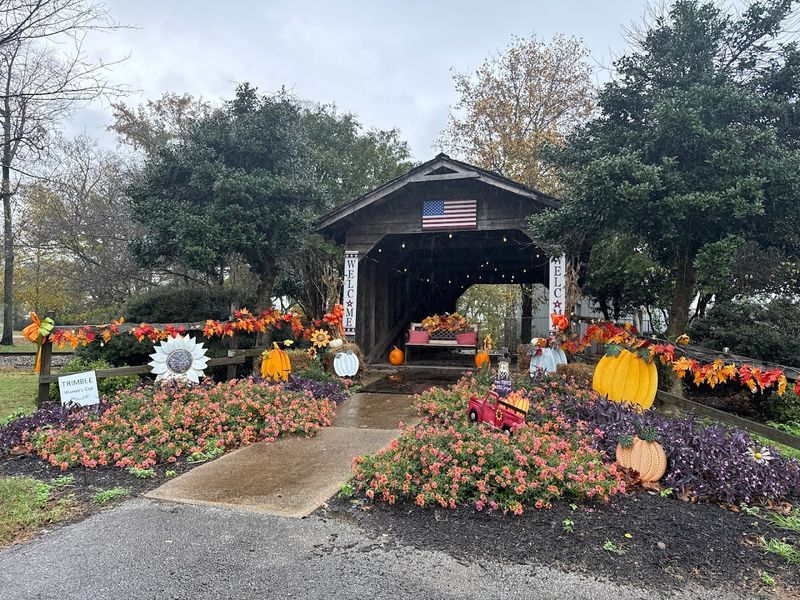
This is the only covered bridge you’ll find in West Tennessee, and it didn’t start out here. Originally built on a private farm, the Emerson E. Parks Covered Bridge was later moved to Trimble Park Plaza to save it from decay and give the public a chance to see a piece of regional history up close.
It’s now a centerpiece of the small town, sitting in a landscaped park where locals gather for festivals and quiet afternoons.
The bridge itself is compact and shows the wear of time—weathered wood, patched boards, and a metal roof that replaced the original shingles. But that wear tells a story. This wasn’t a bridge built for show; it was built to move livestock, wagons, and farm equipment across a creek.
What’s interesting about this bridge is how rare it is. West Tennessee never had many covered bridges to begin with, thanks to flatter terrain and different building traditions. The fact that this one survived and found a second life in a public park makes it a quiet triumph of local preservation efforts.
The park around the bridge is well-kept, with benches, walking paths, and interpretive signs that explain the bridge’s history and construction. It’s a peaceful spot to stop if you’re passing through the area, and it offers a tangible connection to Tennessee’s agricultural past.
5. Cades Cove Historical Grist Mill — Townsend
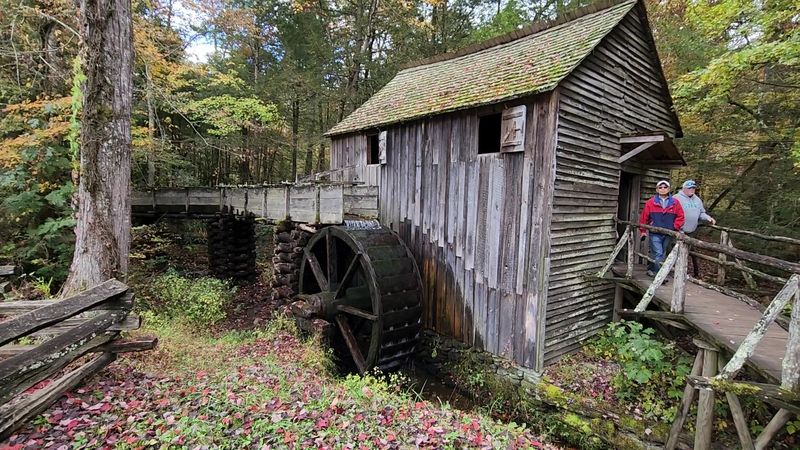
Tucked into the heart of Cades Cove inside the Great Smoky Mountains National Park, this grist mill is one of the most visited historic structures in the entire park system. It’s not hard to see why. The mill sits beside a fast-moving creek, its wooden waterwheel turning slowly in the current, just like it did when settlers used it to grind corn into meal more than a century ago.
The mill was built in the late 1800s and served the families who lived in the cove, a remote valley that was once home to a thriving farming community. Back then, a working mill was essential—it turned raw grain into flour and cornmeal, staples that kept families fed through long mountain winters. The structure you see today has been carefully maintained by the National Park Service, and during certain times of the year, rangers demonstrate how the grinding stones work.
Walking around the mill, you can hear the water rushing over the wheel and the creak of old wood under tension. Inside, the machinery is still intact: wooden gears, iron shafts, and massive millstones that weigh hundreds of pounds. It’s a hands-on history lesson that doesn’t require a textbook.
Cades Cove itself is a scenic loop drive that attracts thousands of visitors, so expect crowds, especially in spring and fall. But the mill is worth the trip even on busy days. It’s a chance to see how people lived and worked in the Smokies before electricity, before highways, before the valley became a national treasure.
6. Falls Mill — Belvidere
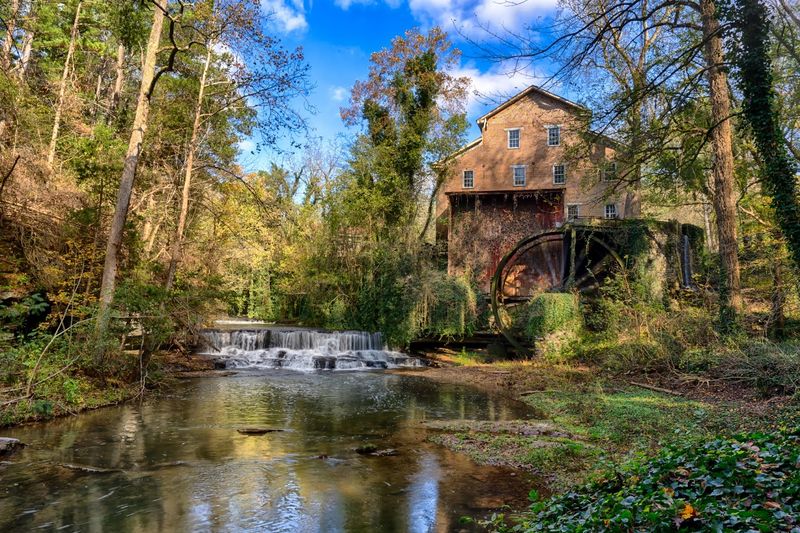
Built in 1873, Falls Mill is one of the most impressive working mills still standing in the South. The centerpiece is a 32-foot overshot waterwheel that draws power from a natural waterfall, turning gears and grinding stones inside the three-story wooden building. It’s not just a museum piece—this mill still produces stone-ground cornmeal and flour that you can buy on-site.
The mill sits in a quiet valley near the Alabama line, surrounded by woods and farmland. When you arrive, the first thing you notice is the sound: water crashing over the falls, the wheel turning, the hum of machinery inside. It’s a sensory experience that connects you to the rhythm of pre-industrial life.
Inside, the Museum of Power and Industry takes up the upper floors, showcasing antique tools, farm equipment, and exhibits on how water power shaped rural economies. You can watch the grinding process, see the wooden gears meshing together, and learn how a single waterwheel could power saws, looms, and grinders all at once.
The property also includes a country store, a bed-and-breakfast, and walking trails that follow the creek. It’s a popular spot for photographers, history buffs, and anyone looking to slow down and appreciate the way things used to be made. The mill operates seasonally, so check ahead if you want to see it in action.
Falls Mill isn’t just a relic—it’s a living example of how communities once harnessed natural resources to survive and thrive. It’s one of the best-preserved mill sites in Tennessee, and it deserves a long, unhurried visit.
7. Readyville Mill — Readyville
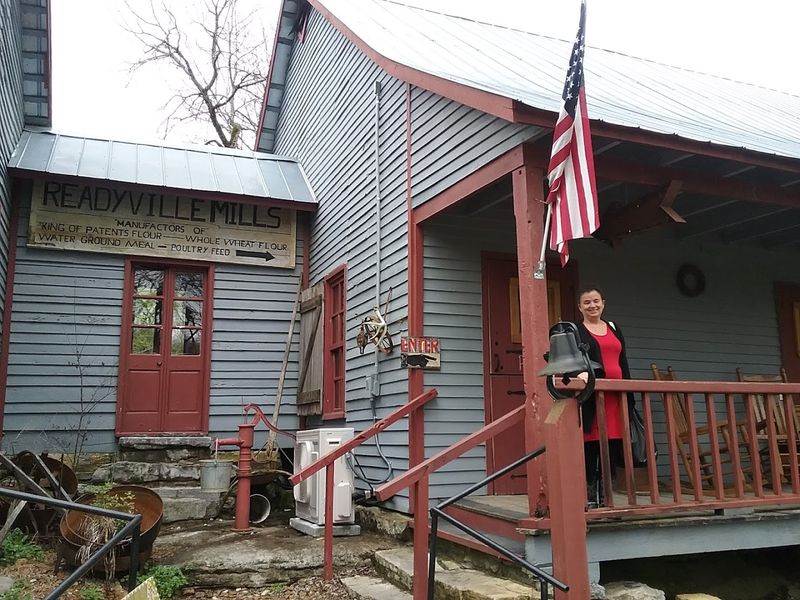
Readyville Mill has been a fixture of this Middle Tennessee community since the early 1800s, serving as a grist mill, lumber mill, and power source for generations of local families. The current structure dates back to the mid-1800s and sits beside a stone dam that still channels water from the creek.
The mill’s history is tied to the growth of rural Cannon County. Farmers brought their corn and wheat here to be ground into meal and flour, and the mill also produced lumber for homes, barns, and fences. Over the decades, the building changed hands, adapted to new technologies, and survived floods that wiped out other mills in the region.
Today, the mill operates as a working restaurant and historic site. You can tour the building, see the old grinding equipment, and learn about the families who kept it running through wars, economic downturns, and the shift from water power to electricity. The stone foundation and wooden beams still show the marks of hand tools and the wear of constant use.
The setting is peaceful, with the creek flowing beside the building and trees shading the parking area. It’s a popular stop for locals and travelers alike, offering a glimpse into the everyday infrastructure that supported small-town Tennessee life. The mill isn’t flashy, but it’s authentic, and that’s what makes it worth the detour.
8. Rugby Historic Village — Rugby
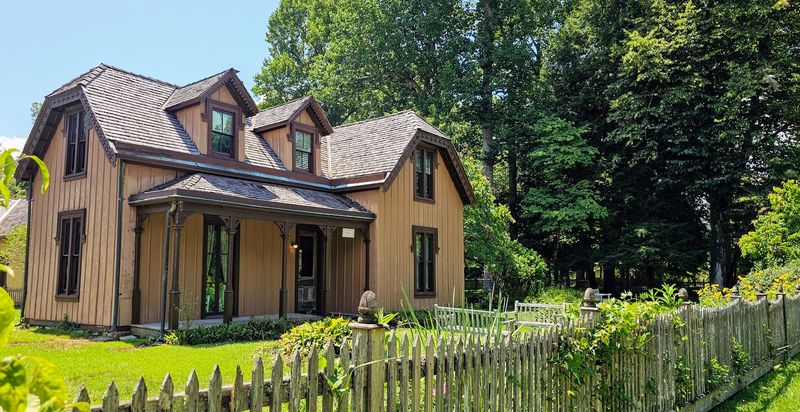
Perched on the Cumberland Plateau, Rugby is a Victorian-era utopian village that feels like a time capsule from the 1880s. It was founded by British author and social reformer Thomas Hughes, who envisioned a colony where younger sons of the English gentry could build new lives free from the rigid class system back home. The experiment didn’t last long, but the village did, and today it’s one of the best-preserved historic communities in the South.
Walking through Rugby, you’ll see original buildings still standing: the Christ Church Episcopal, with its stained glass and wooden pews; the Thomas Hughes Free Public Library, housing thousands of Victorian-era books; and several restored homes that show how the colonists lived. The architecture is distinctly English, with gabled roofs, board-and-batten siding, and a quiet, pastoral charm that feels out of place in rural Tennessee.
The village offers guided tours that explain the colony’s history, the challenges the settlers faced, and why the dream ultimately faded. You’ll hear stories of idealism, hardship, and the clash between Old World expectations and New World realities. It’s a fascinating chapter of Tennessee history that doesn’t get taught in most textbooks.
Rugby also hosts events throughout the year, including Victorian teas, craft workshops, and literary festivals. The surrounding plateau is beautiful, with hiking trails, wildflowers, and views that stretch for miles. It’s a quieter, more contemplative stop on this road trip—a place to reflect on ambition, community, and the dreams people carried to the American frontier.
9. Leiper’s Fork
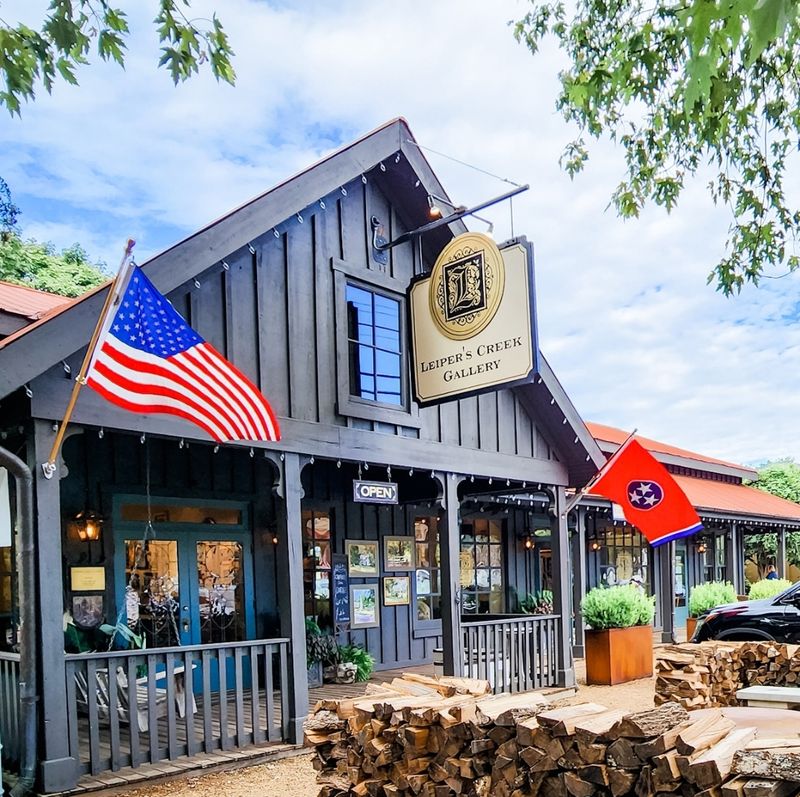
Leiper’s Fork isn’t a single landmark—it’s an entire village that feels like it was pulled from a different era and set down in the hills south of Nashville. The main street is lined with old storefronts, antique shops, art galleries, and cafes, all housed in buildings that date back to the 1800s. It’s the kind of place where people still wave from their porches and traffic moves at a crawl because there’s no reason to hurry.
The village has roots as a stagecoach stop and farming community, and that laid-back, agrarian character still defines it today. There’s no chain stores, no big-box parking lots, just locally owned businesses and a strong sense of place. Musicians, artists, and writers have been drawn here for decades, giving the town a creative edge without losing its rural soul.
One of the best things to do in Leiper’s Fork is simply wander. Stop in at Puckett’s Grocery for live music and Southern comfort food. Browse the galleries and studios where local artists sell paintings, pottery, and handmade crafts. Grab a coffee and sit on a bench under the old oak trees that shade the main drag.
The surrounding countryside is just as charming, with rolling pastures, historic homes, and winding roads that invite slow exploration. It’s a popular detour for people traveling between Nashville and the southern parts of the state, and it’s easy to see why. Leiper’s Fork offers a glimpse of Tennessee as it used to be—unhurried, unpretentious, and full of character.
10. Emerts Cove Covered Bridge — Pittman Center
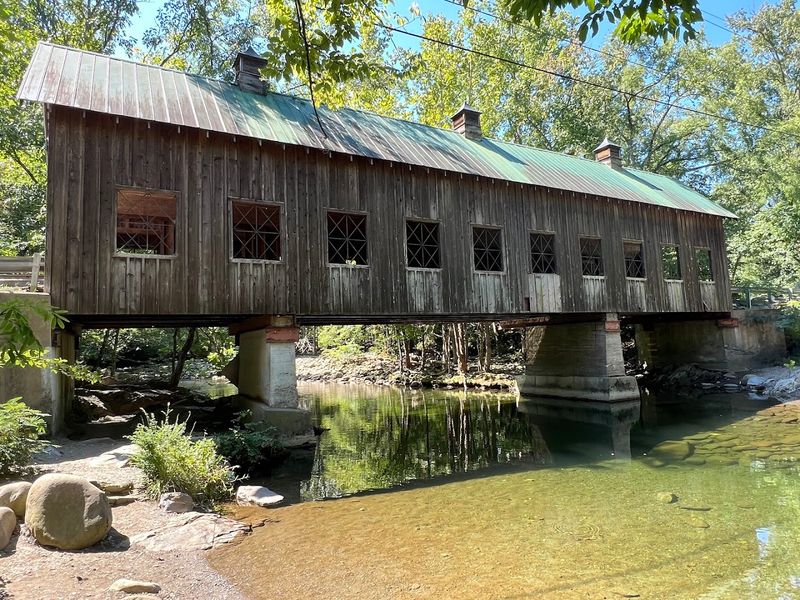
Hidden in the foothills near the Smokies, Emerts Cove Covered Bridge is one of the quieter gems on this list. It’s not as famous as some of Tennessee’s other covered crossings, but that’s part of its appeal. The bridge sits in a rural cove that still feels remote, surrounded by forest and farmland, with the mountains rising in the distance.
The structure is simple and functional, built in the early 20th century to serve local farmers who needed a reliable way to cross the creek. It’s narrow, weathered, and built with the kind of no-nonsense craftsmanship that defined rural construction in East Tennessee. The roof keeps the timbers dry, the trusses keep the span stable, and the whole thing just works.
What makes this bridge special is its setting. Emerts Cove is still largely undeveloped, with dirt roads, old barns, and a pace of life that hasn’t changed much in decades. The bridge fits perfectly into that landscape, a functional piece of infrastructure that also happens to be beautiful.
Visitors can park nearby and walk through the bridge or explore the surrounding area on foot. The creek below is clear and shallow, and in the spring, wildflowers bloom along the banks.
If you’re looking for a covered bridge experience that feels authentic and unhurried, Emerts Cove delivers. It’s not on every tourist map, and that’s exactly why it’s worth seeking out.
11. Cumberland Homesteads Tower Museum — Crossville
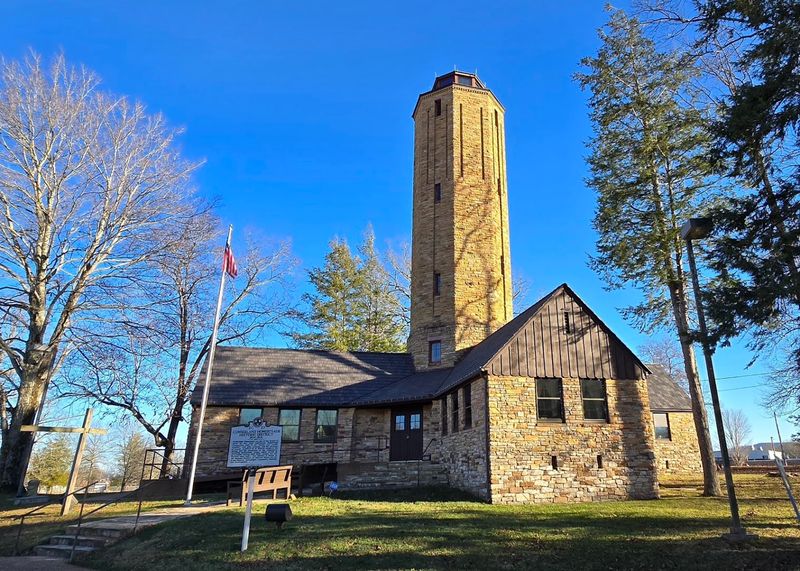
Rising from the Cumberland Plateau, the stone tower at Cumberland Homesteads stands as a monument to one of the most ambitious social experiments of the Great Depression. Built in the 1930s as part of a New Deal resettlement program, the homesteads gave struggling families a chance to start over with land, homes, and community support. The tower itself was constructed by homesteaders using local sandstone, and today it houses a museum that tells their story.
The homesteads program was designed to move families out of overcrowded cities and into self-sufficient farming communities. The government provided land, building materials, and training, and in return, families worked together to build homes, barns, and shared facilities. The tower served as a water tower and a symbol of collective effort, a landmark visible for miles across the plateau.
Inside the museum, you’ll find photographs, artifacts, and personal stories from the homesteaders themselves. You’ll see the tools they used, the furniture they built, and the challenges they faced as they tried to make a living from rocky, unforgiving soil. It’s a story of resilience, cooperation, and the belief that hard work and community could overcome economic collapse.
The surrounding area still includes original homestead houses, many of which are privately owned but visible from the road. The architecture is distinctive—stone and wood construction, simple but sturdy, built to last. The museum offers guided tours that provide context and depth, making it more than just a collection of old objects.
12. Cragfont State Historic Site — Castalian Springs
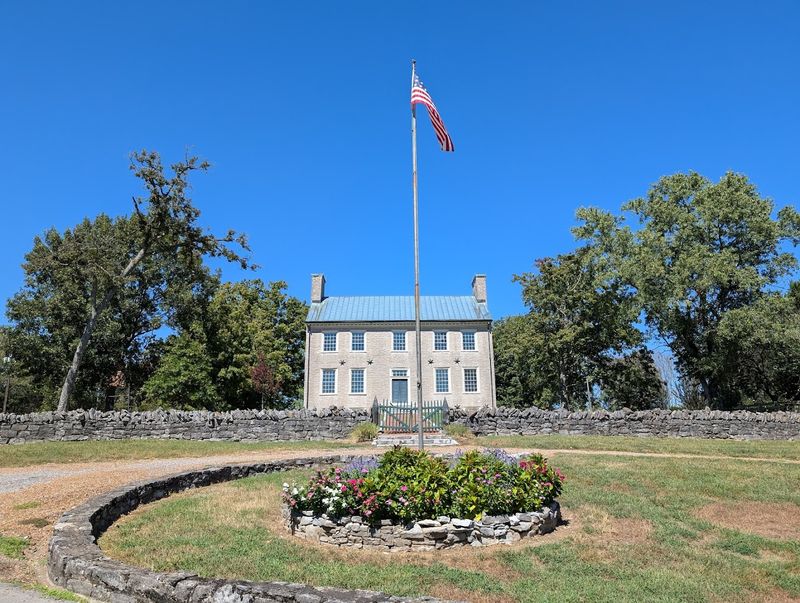
Cragfont is one of the finest examples of Federal-period architecture in Tennessee, a massive stone mansion built in the early 1800s by General James Winchester, a veteran of the Revolutionary War and the War of 1812. The house sits on a hill overlooking rolling farmland, and its scale and craftsmanship reflect the ambition and wealth of Tennessee’s early elite.
The name “Cragfont” comes from the rugged limestone cliffs that surround the property. Winchester chose this site for its natural beauty and its proximity to Castalian Springs, a mineral spring that was once thought to have healing properties. The house itself is built from limestone blocks quarried on-site, with walls two feet thick and hand-carved woodwork throughout.
Touring Cragfont, you’ll see original furnishings, family portraits, and architectural details that showcase early American craftsmanship. The rooms are large and formal, designed for entertaining and displaying wealth. But there’s also a sense of isolation—this was a frontier estate, far from the centers of power in Nashville or Knoxville, and life here required self-sufficiency and resilience.
The site is managed by the state and offers guided tours that explain the history of the Winchester family, the construction of the house, and the role of enslaved labor in building and maintaining the estate. It’s a complex history, one that doesn’t shy away from the realities of wealth and power in early Tennessee.
Cragfont is a quieter historic site, less visited than some of the state’s more famous homes, but that makes it a rewarding stop for anyone interested in architecture, history, and the stories of the people who shaped Tennessee’s early years.
13. The Old Mill — Pigeon Forge
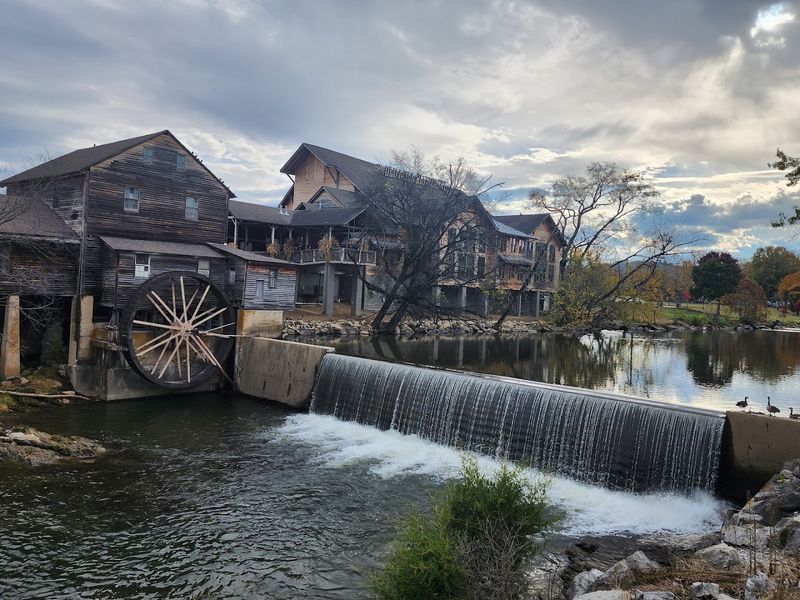
The Old Mill is one of the most recognizable landmarks in Pigeon Forge, a working grist mill that has been grinding grain since 1830. It sits beside the Little Pigeon River, its waterwheel turning steadily, just as it has for nearly two centuries. Despite the tourist boom that transformed Pigeon Forge into a major destination, the mill has remained a constant, a piece of living history in the middle of all the modern attractions.
The mill was built by settlers who needed a reliable way to turn corn and wheat into flour and meal. The waterwheel powers the grinding stones inside, using the same principles of engineering that have worked for thousands of years. Today, the mill still produces stone-ground cornmeal, grits, and flour, which are sold in the on-site general store.
Walking around the property, you can watch the wheel turn, hear the rush of water, and see the gears and belts that transfer power from the river to the grinding stones. It’s a hands-on history lesson that feels tangible and real, especially for kids who have never seen how food was made before electricity.
The surrounding area includes a restaurant, shops, and walking paths along the river. It’s a popular stop for families visiting the Smokies, and it’s easy to spend an hour or more exploring the grounds. The mill itself is free to visit, and the store offers samples of the freshly ground products.
14. Sycamore Shoals State Historic Park — Elizabethton
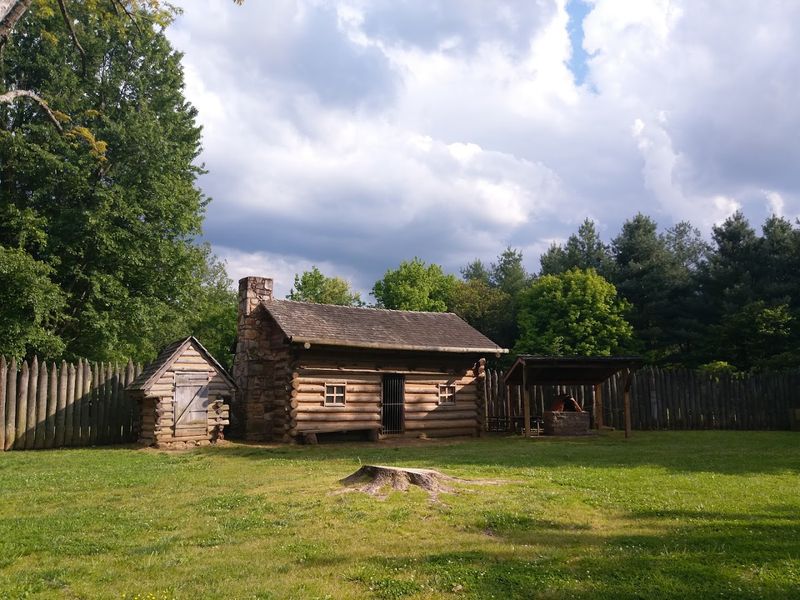
Sycamore Shoals is where Tennessee’s frontier history took a dramatic turn. In 1775, this riverside site witnessed the signing of the Transylvania Purchase, one of the largest private land deals in American history, when Richard Henderson bought millions of acres from the Cherokee. A few years later, it became the mustering ground for the Overmountain Men, a militia that marched to South Carolina and helped turn the tide of the Revolutionary War at the Battle of Kings Mountain.
Today, the park preserves that history with a reconstructed fort, interpretive exhibits, and living history demonstrations. The fort is a full-scale replica of the original structure, built with hand-hewn logs and period-accurate details. Walking through it, you get a sense of how exposed and vulnerable frontier settlements were, surrounded by wilderness and uncertainty.
The park sits along the Watauga River, and the shoals themselves are still visible—a wide, shallow stretch where the water ripples over rocks and sandbars. It’s a beautiful spot, especially in the fall when the trees turn color and the river reflects the sky. The grounds include walking trails, picnic areas, and an amphitheater where the park hosts an annual outdoor drama about the Overmountain Men.
Sycamore Shoals is more than a park—it’s a reminder that Tennessee played a crucial role in the founding of the nation. The people who gathered here weren’t generals or politicians; they were farmers, hunters, and settlers who took up arms to defend their homes and their vision of freedom.