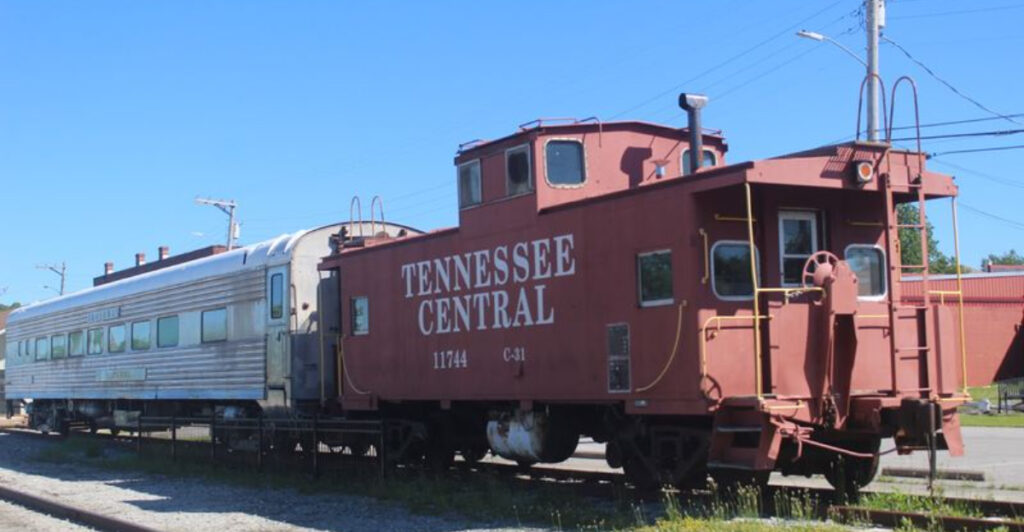
Monterey Depot Museum has the kind of modest exterior that makes you think the visit might take fifteen minutes. Then you step inside and realize this small Tennessee museum is holding far more history than expected. Railroad stories branch into mining routes, mountain communities, military artifacts, old tools, and local legends that slowly piece together the wider story of the Upper Cumberland region.
Every room adds another layer, making the museum feel less like a quick stop and more like a deep look into Appalachian life across generations. For travelers who love discovering places that quietly overdeliver, Monterey Depot Museum leaves a surprisingly lasting impression.
The Depot That Changes the Whole Block
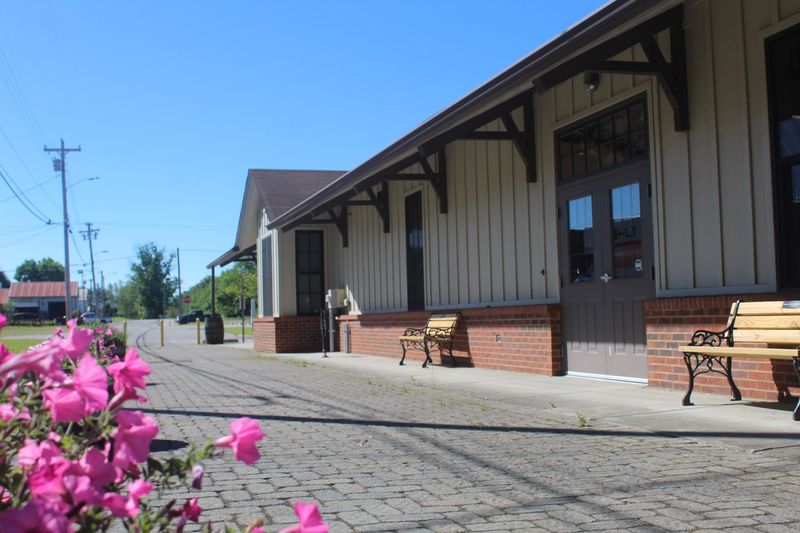
The surprise starts before you even step inside. Monterey Depot Museum sits in a restored depot building, and that setting does a lot of heavy lifting right away, because the structure tells you this town once depended on tracks, schedules, freight, and movement.
Instead of a polished big-city institution, you get a place with a grounded, local scale that immediately puts the story in human terms.
That matters in Monterey, where the depot is not some decorative shell placed near the history. It is part of the history.
The building anchors the museum in the exact kind of space where arrivals, departures, shipments, conversations, and local change would have once passed through at close range.
Outside, the museum has the kind of visual pull that works on both railroad fans and people who simply like old buildings with purpose. There is a clean, compact charm to it, but the stronger impression is sturdiness.
You can read the place almost like a piece of equipment, built to serve a town that needed connection. That first impression gets sharper when you remember where Monterey sits, up on the Cumberland Plateau, where transportation shaped everything from commerce to daily routines.
A depot here was never just a depot. It linked mountain communities to wider routes, wider markets, and a wider future. So the museum starts winning before a single label is read. It uses the building itself as an opening argument.
By the time you cross the threshold, you are already primed for a story about how geography, industry, and ordinary people met at one practical point on the map, and how that point still says a lot about Monterey, Tennessee.
Inside the Rooms Where Railroad History Gets Personal
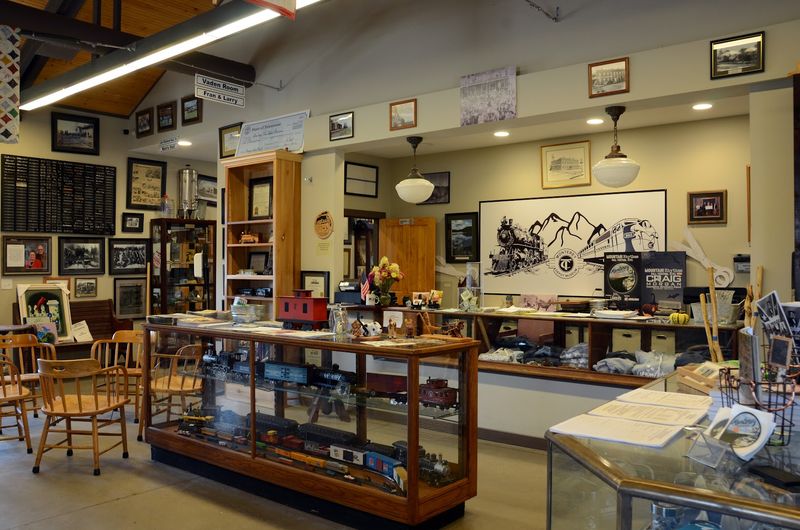
Once inside, the museum quickly proves that the railroad story here is not presented as a narrow hobby topic. Yes, there are train artifacts, equipment, photographs, and model displays that will catch the eye of anyone who loves rail history.
But the bigger effect comes from how those objects connect transportation to the life of the town around it. That wider scope is the museum’s smartest move. The depot becomes a doorway into Monterey itself, so the exhibits do not stop at locomotives or timetables.
They expand into work, settlement, trade, communication, and the practical systems that helped shape a plateau community.
The displays appear to pack a lot into a modest footprint, which is part of the fun. Cases and walls can shift your attention quickly from railroad hardware to old photographs, from local memorabilia to pieces that explain how the town developed.
Instead of one dramatic centerpiece swallowing the room, the museum lets accumulation do the storytelling. That density gives you a better sense of lived history.
A spike, lantern, tool, map, or image has more impact when it sits beside the evidence of who used it and why it mattered. The result is less abstract than many larger museums, where context can get flattened by scale.
People who stop for trains often end up talking about the whole town by the end of the visit. That is a good sign.
Monterey Depot Museum treats railroads as the spine of a much broader mountain story, and it keeps that story close to eye level, where details land clearly and the past stays tied to real people rather than drifting off into nostalgia alone.
More Than Trains: Mining, Farming, and the Plateau’s Working Life
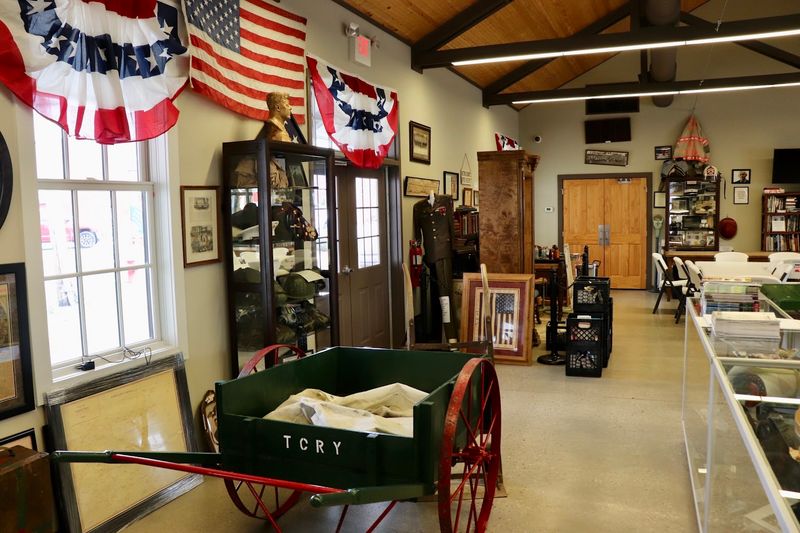
The wildest twist in this museum is how quickly the topic widens. You may arrive expecting a compact train stop packed with railroad memorabilia, then realize the rooms also trace mining, farming, regional industry, and the broader working life of the plateau.
That shift gives the museum real momentum, because every exhibit starts answering a larger question about how people here made a living.
In a place like Monterey, those subjects naturally overlap. Rail lines moved goods and people, but they also supported extraction, agriculture, commerce, and local growth.
When the museum places tools, maps, and community artifacts alongside railroad material, the story stops being mechanical and starts becoming economic, geographic, and deeply local.
One of the most intriguing details mentioned by visitors is a hand-drawn map connected to the Wilder area mines. Whether you zero in on that specific piece or on other regional displays, the attraction is similar: local history appears not as a generic timeline but as a web of routes, families, labor, and terrain.
That kind of artifact invites slow looking because it compresses so much human effort into one frame. The same goes for displays tied to farming or everyday town life. They ground Monterey in routine work rather than grand myths.
You get a better sense of how a mountain town functioned when exhibits deal with practical things people touched, repaired, hauled, used, and depended on.
This is where the museum earns its strongest identity. It does not isolate railroad history behind glass and call it done.
It threads trains into the full story of how Monterey, Tennessee operated, adapted, and connected to the surrounding plateau, which makes the visit richer for specialists, casual travelers, and kids who only came in hoping to see something cool.
The Odd Details You’ll Still Be Talking About Later
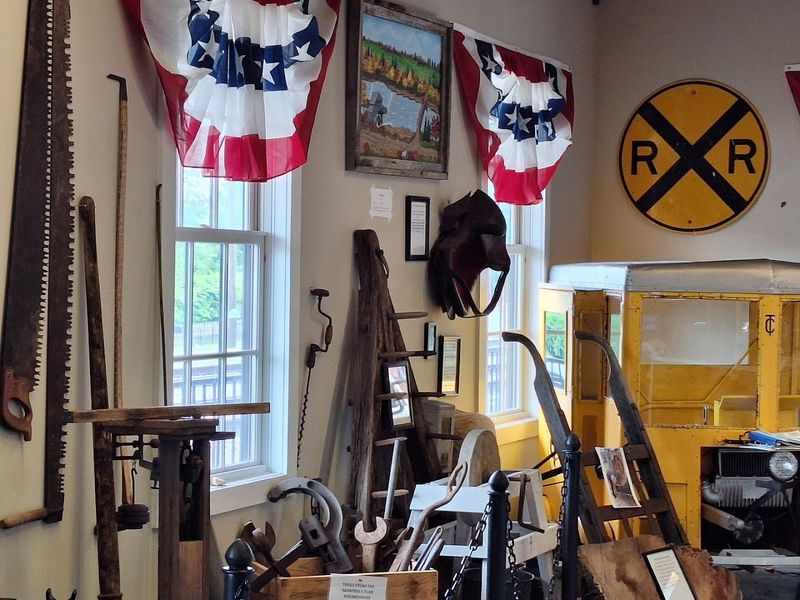
Small museums often succeed because of the details larger places overlook, and Monterey Depot Museum leans into that strength beautifully.
Alongside railroad artifacts and regional history, the collection includes bits of folklore, mystery, and local curiosity that give the visit personality far beyond a standard depot exhibit.
You are not only learning dates or industries here. You are stepping into the kinds of stories communities pass around for generations, especially in mountain towns where memory tends to survive through conversation as much as through preserved objects.
Several visitors mention asking about Whistling Willie, which immediately hints at the museum’s local storytelling culture. Others bring up ghost tales, unexplained objects, or the strange knives-in-the-wall mystery that tends to stick in people’s minds long after the visit ends.
Whether those stories are fact, folklore, or something floating in between almost matters less than the atmosphere they create around the exhibits. The museum benefits from allowing those odd little threads to exist beside the historical material instead of separating them into a completely different experience.
That blend of history and local legend keeps the museum from feeling static. One moment you are studying railroad equipment or mining displays, and the next you are hearing a story that changes how the entire room feels.
The shift gives the collection texture instead of reducing every object to a label and a date. It also suits Appalachian history especially well, since the strongest regional stories are often carried person to person.
People may arrive expecting trains and local history, but they often leave remembering the folklore, the mysteries, and the strange side conversations sparked along the way.
Why the Human Guide Matters as Much as the Artifacts
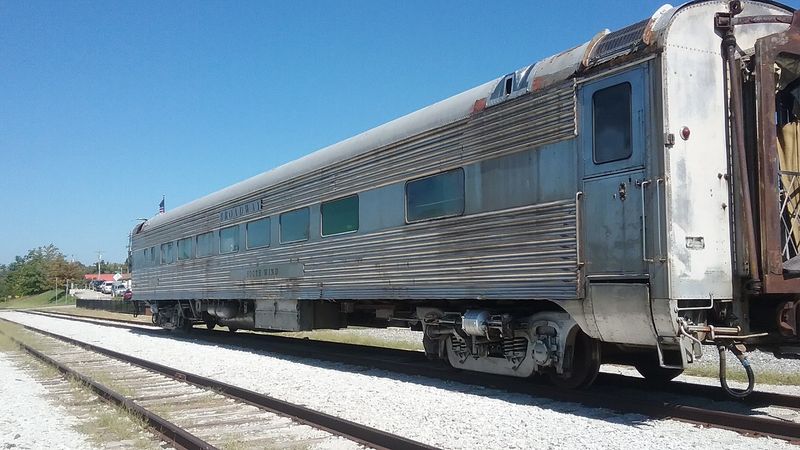
One of the clearest patterns surrounding Monterey Depot Museum is that the visit often becomes memorable because of the person telling the story. In a compact museum loaded with local material, a knowledgeable guide can connect objects that might otherwise seem unrelated.
Suddenly a train part links to a family, a photograph links to an industry, and an old building detail links to the way the town once functioned.
That kind of interpretation is especially valuable in a place covering multiple subjects. Railroad history, town development, mining, local personalities, and folklore can either feel scattered or richly layered depending on how the narrative is delivered.
Here, people often leave talking about the stories they heard, which suggests the museum does not rely on displays alone to do the work.
This approach suits the collection. Smaller institutions can offer something larger museums rarely do: conversation.
Instead of moving past long panels at your own speed and missing the hidden connections, you may get the benefit of local context, side stories, and practical explanations that make exhibits sharper and easier to remember.
That human layer also matches the museum’s subject matter. Monterey’s history was built by workers, families, tradespeople, railroad crews, and local characters, so hearing history carried person to person makes thematic sense.
It keeps the visit rooted in community rather than turning it into a detached lesson. If you have time, this is not the place to rush through silently and leave. Ask questions. Pause at the items that look obscure. Let the stories expand around the artifacts.
Monterey Depot Museum seems to work best when it becomes less of a checklist stop and more of a guided conversation about how one plateau town connected labor, folklore, transportation, and memory inside a building that already knows the script.
How to Visit Smart in Monterey, Tennessee
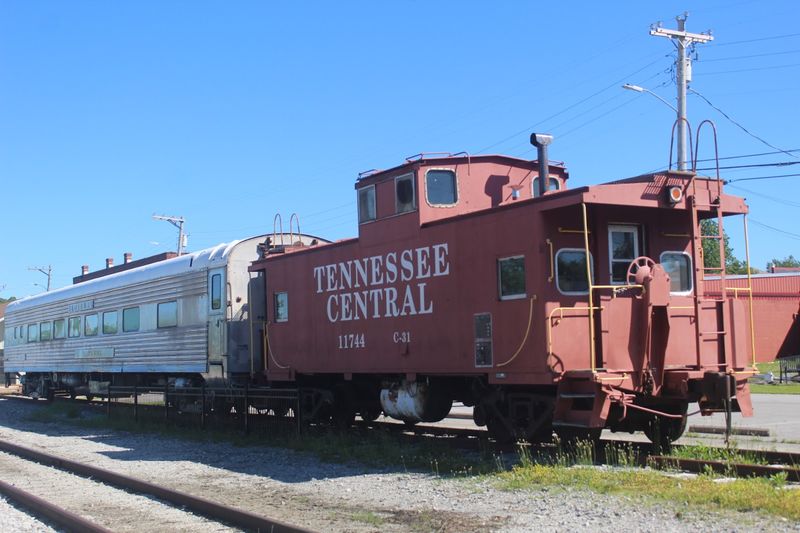
If you are planning a stop, timing matters here in a practical way. The museum keeps daytime hours and closes earlier than many larger attractions, which means this works best as a morning visit, an early afternoon detour, or a deliberate break in a longer drive.
It is the kind of place that rewards arriving with enough attention left to actually read, look, and ask questions. Because the museum sits in Monterey near Interstate 40, it makes sense for travelers who want an easy pause that offers more than a gas station reset. But the better strategy is not to treat it as a quick stretch-and-go errand.
Even if the building looks small, the displays seem dense, and the stories can expand once conversation starts. Saturday hours are shorter, so that is worth remembering if you are passing through on a weekend. Sunday is closed.
On weekdays, the window is broader, which gives you a better chance to explore without compressing the visit into a rushed final half hour.
This museum also seems especially good for mixed-interest groups. Train fans can lock onto the railroad material, local history lovers can dive into the broader exhibits, and kids may respond to the visual variety and tangible objects.
That balance makes it easier to sell as a stop when not everyone in the car shares the exact same hobby. The smartest approach is simple: give it real time. Walk in expecting more than one subject.
Stay open to the quirky stories as well as the historical displays. In Monterey, Tennessee, the depot museum works best when you let it shift from a small roadside landmark into a layered local history stop, because that shift is exactly where its strongest surprises begin to land.
The Real Reason This Museum Stands Out
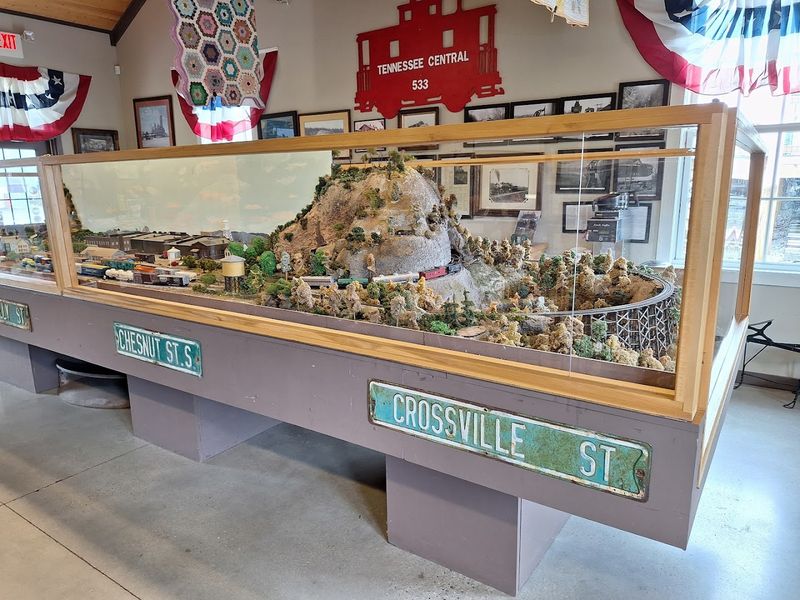
The real strength of Monterey Depot Museum is not size, rarity, or spectacle. It is range. In one restored depot, you get a grounded explanation of how a mountain town connected itself to the wider world, plus the objects, stories, and odd little details that keep that explanation lively instead of academic.
That range is harder to pull off than it sounds. Plenty of local museums either go too broad and blur into clutter or stay so narrow that only specialists care.
Monterey’s museum appears to hit a more interesting middle ground, where railroad history provides structure while local artifacts, mining references, town memorabilia, and folklore keep widening the frame.
The result is a visit with movement. You look at one thing, then another, and the town begins to assemble itself in layers.
Transportation leads to labor, labor leads to industry, industry leads to families and stories, and suddenly Monterey stops being a name on an exit sign and starts reading as a lived place with texture.
That is why the museum can appeal even if trains are not your main thing. The depot is the hook, but the bigger reward is perspective.
You leave with a clearer sense of how geography shaped opportunity, how infrastructure changed daily life, and how local memory survives through both preserved objects and the people willing to explain them.
If a museum’s job is to make a place more legible, this one does it well. Monterey Depot Museum turns a small building into a compact map of town history and plateau life, then adds enough personality to keep the information from going flat.
For travelers, families, and history-minded wanderers, that combination is exactly what makes this stop in Tennessee hard to forget once the visit is over.