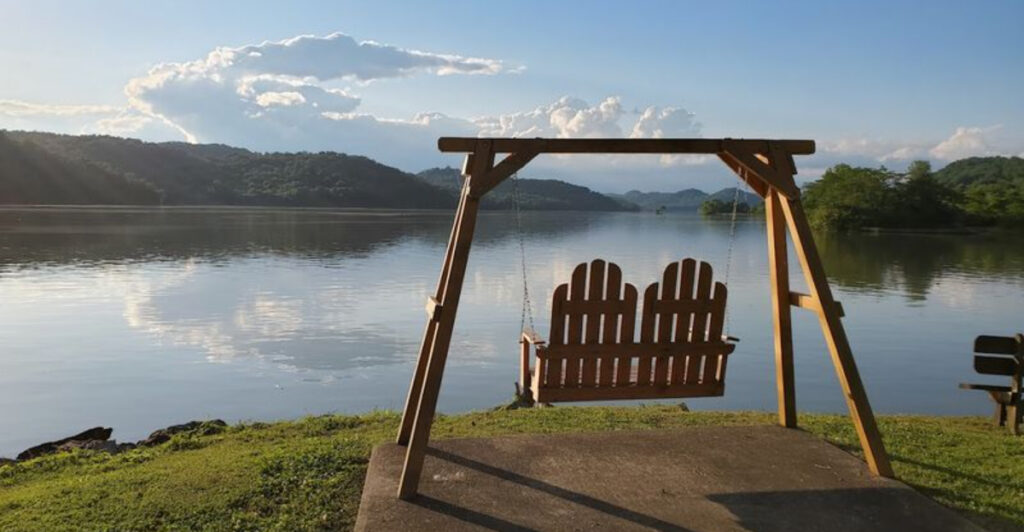
On Tennessee’s Cumberland Plateau, the pace still bends toward front porches, winding backroads, and mornings quiet enough to hear the fog lifting off the fields. The small farm towns scattered across this part of the state are not chasing rapid growth or trying to turn themselves into polished tourist hubs.
That restraint is exactly what makes them memorable. Old storefronts still anchor downtown blocks, rivers curve through the hillsides, and mountain views appear without much warning between stretches of farmland and forest. For travelers craving places that feel steady, grounded, and genuinely lived in, these plateau towns hold onto a version of Tennessee that is getting harder to find.
1. Granville
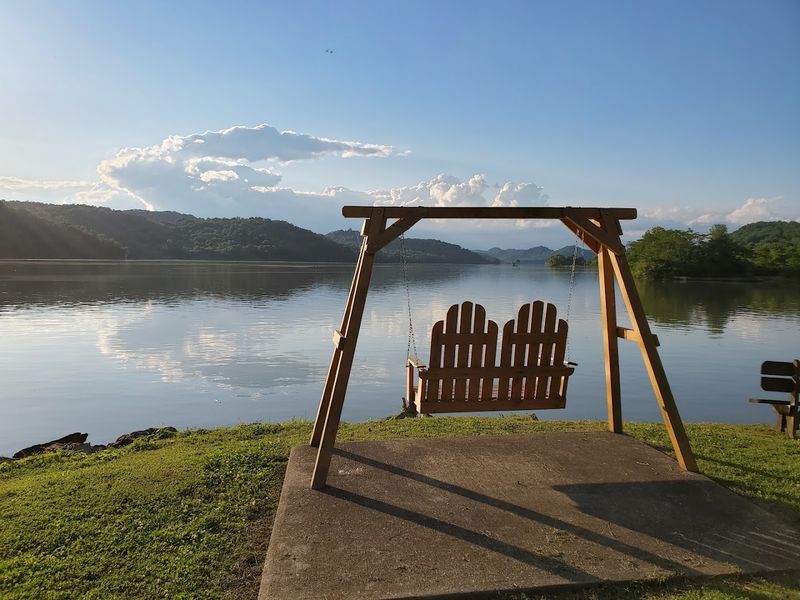
Granville moves at the kind of pace that makes you notice little things again, like porch swings, river light, and the creak of old wood under your shoes.
Set near the water, this tiny community pairs historic storefronts with open country in a way that never looks staged. You are not arriving for noise or novelty here. You are arriving for calm.
The main stretch has that preserved Tennessee look people chase but rarely find, with buildings that suggest general stores, weekend chats, and a time before everything became hurried.
Around town, farm traditions still shape the mood more than any tourist trend ever could. Fields, fences, and simple roads do plenty of the talking.
Drive a few minutes outside the center and the landscape opens nicely. You pass quiet lanes, tidy barns, and pockets of countryside where the view settles into pasture, trees, and the occasional curve toward the river.
That setting gives Granville its strongest quality. It never seems to push itself forward. Instead, the town invites you to slow down enough to appreciate old signs, handmade details, and the everyday usefulness built into rural places. Nothing here needs flash to hold your attention.
The appeal comes from texture – weathered storefronts, familiar farm scenes, and the easy spacing between homes, fields, and community landmarks.
Granville stands out on the Plateau because it still carries a lived-in sense of history while staying rooted in the surrounding countryside. You can picture harvest routines, neighborly check-ins, and long drives on peaceful roads without forcing the image.
For anyone looking for rural Tennessee with a riverside backdrop and a steady heartbeat, Granville lands exactly right.
2. Rugby
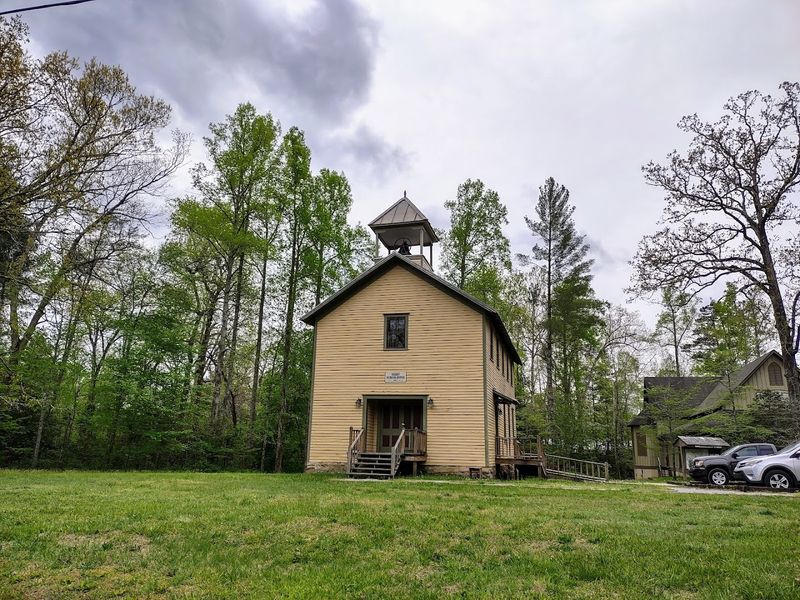
Rugby has a rare kind of stillness that works on you fast. Tucked deep into the Plateau, this restored Victorian village sits among forests, open land, and winding roads that make the trip there part of the draw.
Once you arrive, the place settles into view with clean lines, historic homes, and a quiet that feels built into the ground.
The village layout gives Rugby a distinct look compared with other rural towns in Tennessee. There is history in the architecture, but the surrounding farmland and woods keep it from reading like a display piece.
It remains connected to working land, weather, and the rhythms of a small community rather than a polished fantasy of the past.
That balance is where Rugby gets interesting. One minute you are taking in Victorian details and broad porches, and the next you are thinking about tree cover, quiet fields, and the long backroads weaving through this part of the Plateau.
The setting makes everything feel more remote in the best possible way. No rush, no clutter, no unnecessary noise.
Spend time here and you start noticing how much space shapes the experience. Houses do not crowd each other, roads do not demand urgency, and the nearby landscape keeps pulling your attention outward.
You can imagine cool mornings, bird calls, and the practical routines of country life happening just beyond the historic core.
Rugby fits this list because it combines preserved character with a deeply rural backdrop. The village may be known for its restoration, yet the bigger impression comes from how naturally it sits within quiet farmland and forest.
If you want a Tennessee town where old-world design meets Plateau backroad solitude, Rugby delivers that mix with almost no fuss.
3. Jamestown
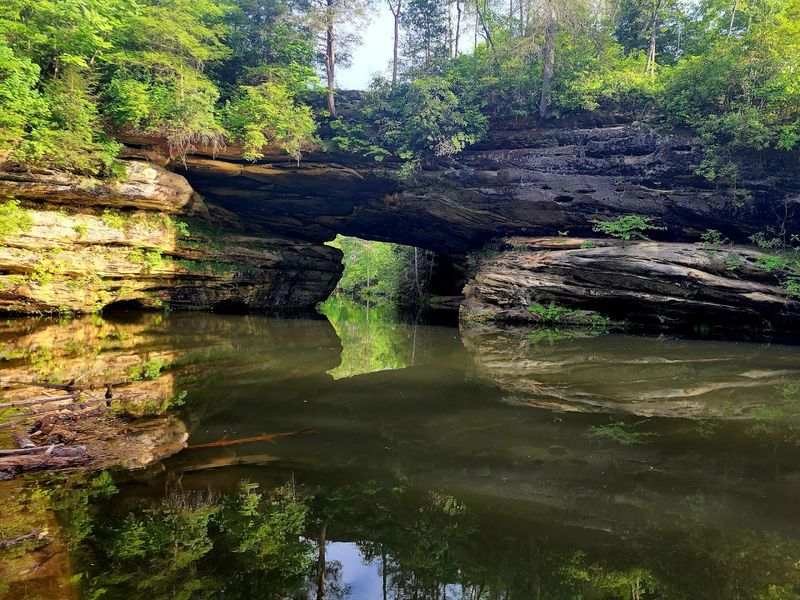
Jamestown brings together mountain scenery and cattle country in a way that immediately reads as Plateau Tennessee.
Located along the western side of the Cumberland Plateau, it has the kind of broad rural backdrop that makes errands, drives, and even a quick stop in town feel less hurried. Nothing about it begs for attention. That restraint is part of its strength.
The landscape around Jamestown does a lot of the work. Pastures stretch wide, barns appear where you expect them, and the roads lead you through a mix of open fields and wooded edges without much interruption.
It is a place where farming is not tucked away from view. It remains part of the town’s visual identity. Jamestown also benefits from a classic small-town structure.
You get a practical center, local routines, and a sense that people are moving through the day without trying to outrun it. The nearby mountain scenery keeps things interesting, but it never overwhelms the everyday feel. Instead, the land and town move together naturally.
There is an easy confidence to places like this. You are not being sold a version of country life. You are simply seeing a community where cattle farms, family properties, and long-standing traditions still shape the tempo.
That gives Jamestown a grounded quality that many busier mountain towns lose once outside growth starts calling the shots.
If your ideal Tennessee stop includes good views but not crowds, Jamestown lands in a sweet spot. It offers relaxed pacing, clear agricultural roots, and enough Plateau scenery to keep every drive interesting.
More than anything, it shows how a town can stay connected to working land while remaining approachable, useful, and pleasantly quiet from one end of the day to the other.
4. Celina
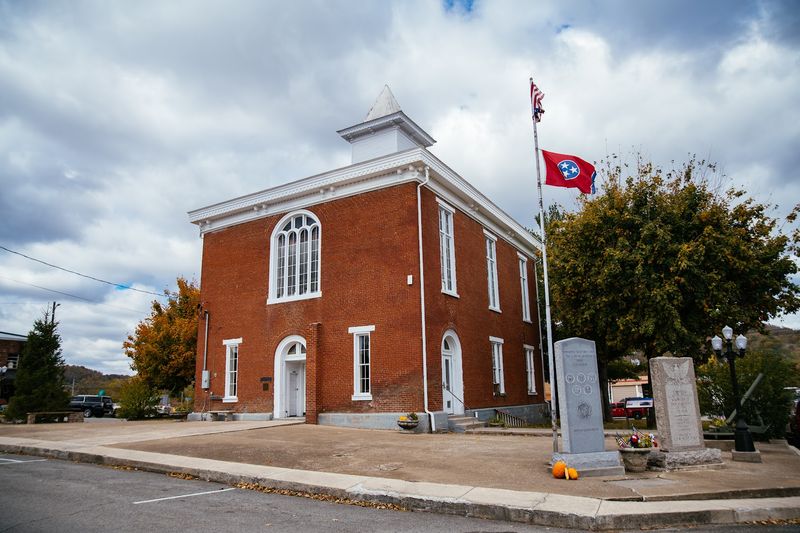
Where the Cumberland and Obey Rivers come together, Celina settles into the landscape with zero need to show off.
This is a farming town with river views, rolling hills, and a grounded Appalachian identity that gives the place real staying power. The roads are calmer, the scenery is broader, and daily life looks refreshingly unhurried.
Celina carries the kind of rural pattern that makes sense at a glance. You see open land, practical buildings, hills folding into the distance, and a town center that serves local life more than outside attention.
That balance matters. It keeps the place steady rather than performative. The river setting adds another layer without taking over the whole picture. Water and farmland share the frame, and the hills soften everything around them.
Instead of dramatic spectacle, Celina offers something quieter – scenic views that sit comfortably beside fields, fences, and familiar Appalachian routines. It is easy to imagine a full day passing here without anyone feeling pressed.
There is also a strong sense of continuity in a town like this. Farm life is not presented as decoration. It appears in the shape of the land, the spacing between places, and the way the community seems arranged around ordinary work and long-established habits. That gives Celina more substance than towns that rely only on postcard beauty.
For travelers drawn to slow places, Celina makes its case through consistency. River overlooks, country roads, and hillside farms all support the same impression: this is a town that still trusts a modest pace.
On the Cumberland Plateau, that combination of Appalachian roots, agricultural scenery, and easygoing rhythm makes Celina one of the most quietly satisfying stops on the list.
5. Spencer
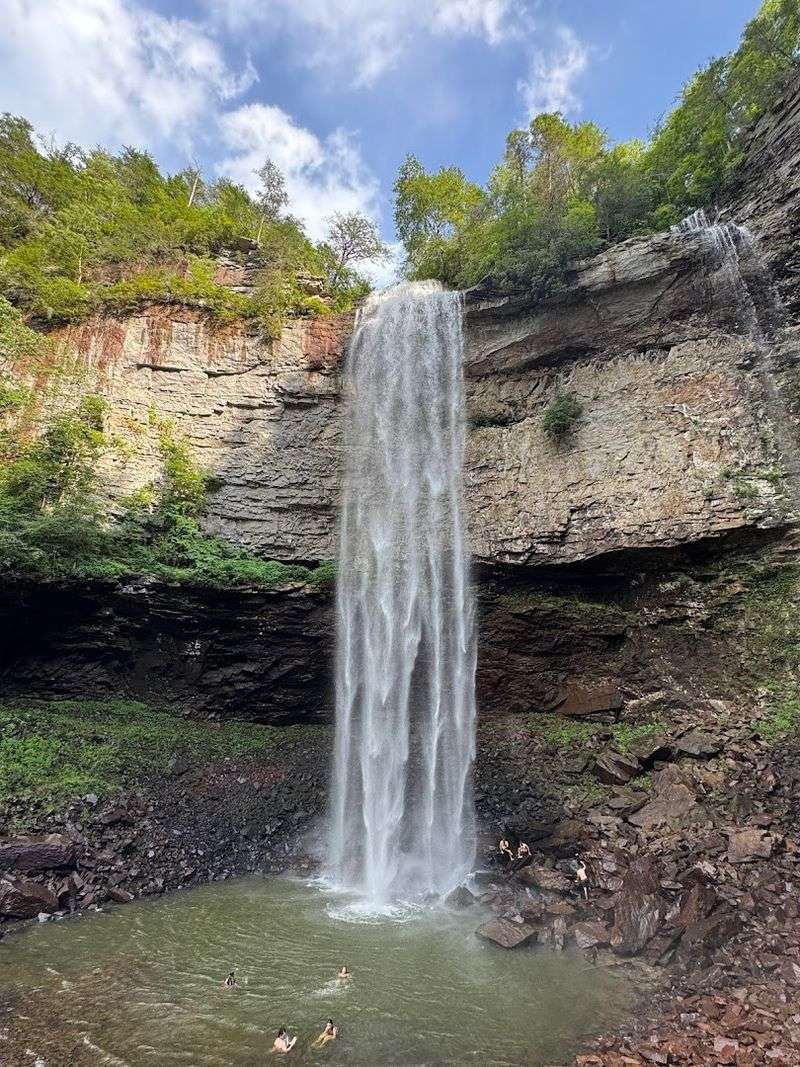
Spencer sits in rugged Plateau country where nature and farming still share the schedule. Close to Fall Creek Falls but firmly rooted in everyday rural life, the town offers a quieter side of this region that goes beyond scenic overlooks.
You notice fields, wooded ridges, and steady country routines before anything else. That mix gives Spencer a practical charm.
The surrounding landscape is one of its biggest advantages. Roads curl through uneven terrain, farm properties break up the forest, and the countryside carries that slightly wild look the Plateau does so well.
Even when the views get dramatic, the town itself stays low-key. Spencer does not compete with the land around it. It lets the setting lead.
That creates a nice contrast. You are near one of Tennessee’s most famous natural areas, yet the local mood remains calm, agricultural, and far less hurried than the state’s big outdoor hubs.
Instead of traffic, souvenir stops, and packed parking lots, the better picture here is fences, gravel drives, and small patches of pasture framed by trees.
Spencer works best for people who like their scenic towns with a little grit and a lot less polish. There is room for farm life, room for quiet, and room for the weather to shape a day.
The place feels tied to the Plateau in a direct way, not just through views but through daily habits and land use. Among Tennessee farm towns, Spencer earns its spot by balancing natural beauty with lived-in rural character. It is not only a gateway to nearby waterfalls and trails.
It is also a community where country living still defines the pace. If you want mountain-edge scenery and a real sense of agricultural life, Spencer makes that combination look effortless.
6. Byrdstown
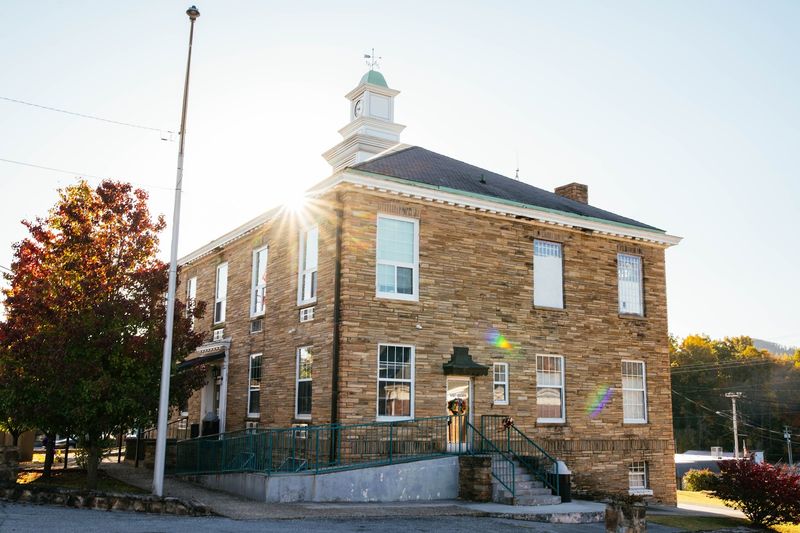
Byrdstown has the kind of calm that settles in before you even reach the center of town. Near Dale Hollow Lake in Pickett County, it is surrounded by farmland and wooded hills that give the whole area a tucked-away quality.
This is not a place built around motion. It is built around space, routine, and the soft edges of rural life. The town’s setting does much of its quiet work in the background.
Fields open out between clusters of trees, roads dip through the hills, and homes sit with enough breathing room to remind you how different small-town geography can be from city design. Byrdstown never feels cramped. It stretches comfortably into the countryside around it.
Being near the lake adds scenic appeal, but the farming landscape keeps the place grounded. You get calm water nearby, yes, but also pastures, barns, and wooded ridges that frame everyday life rather than interrupt it.
That combination gives Byrdstown a relaxed identity that is more local than recreational. It stays rooted in the land.
There is also something refreshing about how unforced the town appears. Nothing is trying to manufacture excitement.
The roads are simple, the pace is measured, and the view often comes down to practical beauty – fence lines, hay fields, shaded slopes, and open sky. For a lot of people, that is exactly the point.
Byrdstown belongs on this list because it captures a quieter version of Plateau living with very little effort. The wooded hills keep it secluded, the farmland keeps it honest, and the overall mood remains calm from morning to evening.
If you are after a Tennessee town where countryside, stillness, and everyday rural patterns remain the main attraction, Byrdstown fits beautifully.
7. Wartburg
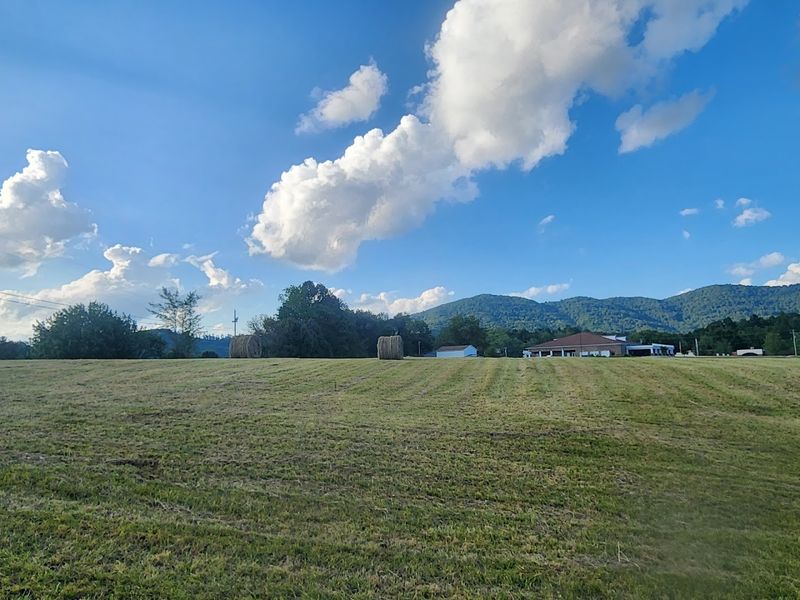
Wartburg brings mountain beauty and Appalachian farm culture together without turning either one into a gimmick.
Nestled near the Crab Orchard Mountains, it has an unhurried rhythm that shows up in the spacing of the roads, the shape of the land, and the way the town settles into its surroundings. This is a place where the countryside still sets the tone.
The scenery around Wartburg has real range. You get mountain backdrops, wooded slopes, and pockets of open farmland that keep the town connected to working land rather than only scenic appeal.
That matters on the Plateau, where some places lean heavily on views alone. Wartburg holds onto a stronger sense of daily rural function.
Its Appalachian character comes through in a straightforward way. The built environment feels practical, the nearby farms remain part of the visual story, and the mountain presence never lets you forget where you are.
At the same time, the town avoids any overdone rustic image. It reads as lived-in, useful, and comfortably paced. Drive around the outskirts and the landscape starts doing its best work. Fields sit against ridges, roads wind with the terrain, and small signs of farm life appear naturally across the area.
Nothing needs explaining. You can see how agriculture and geography have shaped local habits over time simply by paying attention to the layout.
Wartburg earns a place here because it offers more than a nice overlook or a peaceful main road. It gives you a fuller picture of Plateau living, where mountain scenery, farming culture, and a modest small-town rhythm all share the same frame.
For travelers who want rural Tennessee with both substance and strong natural surroundings, Wartburg makes a very solid case.
8. Monterey
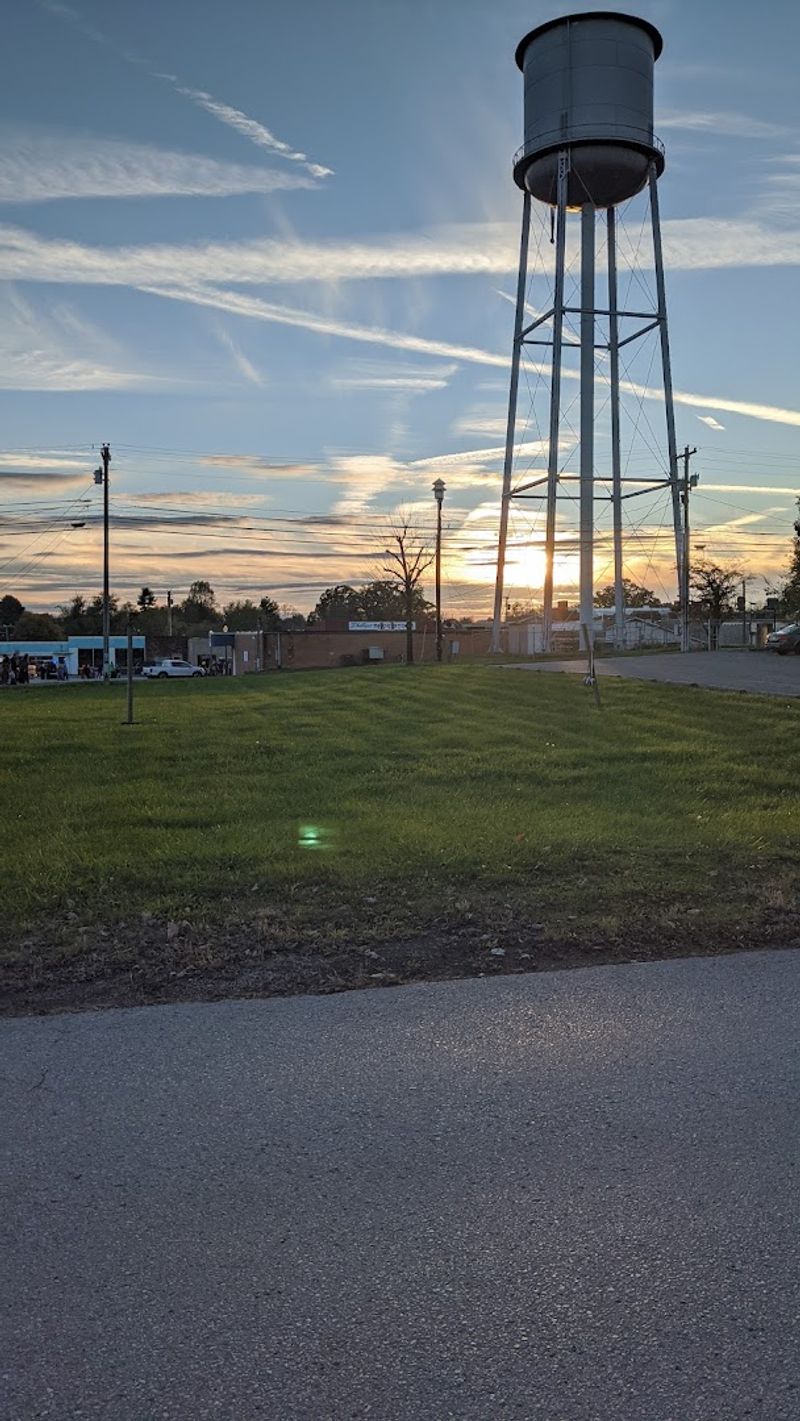
Perched high on the Plateau between Nashville and Knoxville, Monterey carries itself like a town that never needed to speed up to matter.
Family farms, forests, and older community character all remain visible here, giving the place a steady, elevated calm that suits its mountain setting. You notice the air, the trees, and the open stretches right away.
Monterey’s position adds a little extra character to the rural picture. It has that high-country look, where woods and farmland share the landscape and the roads seem to move through layers of terrain rather than flat open ground.
The result is scenic without becoming dramatic for its own sake. It stays approachable. The town also has a pleasing sense of continuity. Historic charm shows up in the built environment, but it does not overwhelm the agricultural side of the story.
Farms still belong in the same frame as homes, churches, local businesses, and stretches of forest. That balance helps Monterey feel settled instead of curated.
For anyone chasing a slower Tennessee experience, Monterey makes the case through texture and layout. You get quiet streets, surrounding woods, and the visual rhythm of fields and family properties that have not been crowded out.
Even the drives nearby carry a softer tempo. The landscape asks you to look outward, not rush through. Monterey stands out because it combines mountain-town appeal with clear Plateau farm roots. It is neither isolated beyond reach nor shaped for heavy tourism.
Instead, it offers a calm mix of countryside, elevation, and old-town character that feels especially strong in this part of Tennessee. If you want forests, farmland, and a town that still knows how to be unhurried, Monterey makes that easy to appreciate.
9. Crossville
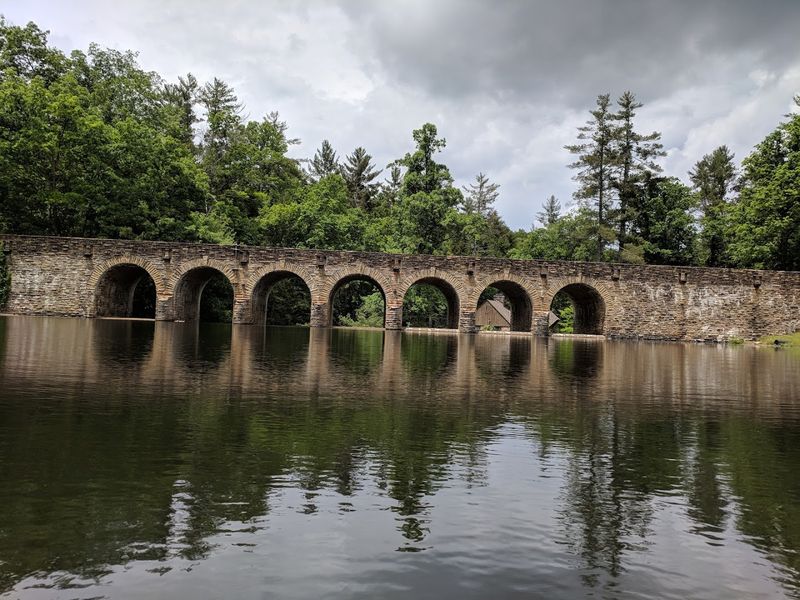
Crossville may be known to many people for golf, but look beyond the resort reputation and a quieter Plateau town comes into focus.
Open farmland, rolling hills, and older rural patterns still shape much of the area, especially once you leave the busier corridors behind. That deeper layer is what earns Crossville a place on this list.
The Cumberland Plateau shows itself clearly around town. You get broad views, gentle rises, wooded patches, and stretches of countryside that remind you this place was rooted in land long before leisure branding arrived.
In those areas, the pace changes. Roads loosen up, views open wider, and the rural character becomes much easier to read.
Crossville’s appeal is that it offers both convenience and breathing room. Unlike the smallest towns here, it has more going on, yet the surrounding farmland keeps it from tipping into constant motion.
Step away from the resort zones and you find fields, barns, and hill country that still carry the stronger visual identity. That contrast makes the town more interesting than its nickname suggests.
There is also a practical Plateau sturdiness here. The landscape is useful as much as scenic, and the backroads reveal a community tied to open land rather than only recreation.
You can spend time in Crossville without feeling boxed into one version of it. The slower, agricultural side remains easy to find.
For travelers who want small-city services without losing the mood of the countryside, Crossville hits a useful middle ground. It still retains open spaces, rural edges, and a measured Tennessee rhythm once you know where to look.
That mix of accessibility and Plateau farm roots gives Crossville a broader appeal than people often expect, especially if quiet backroads are part of the plan.
10. Allardt
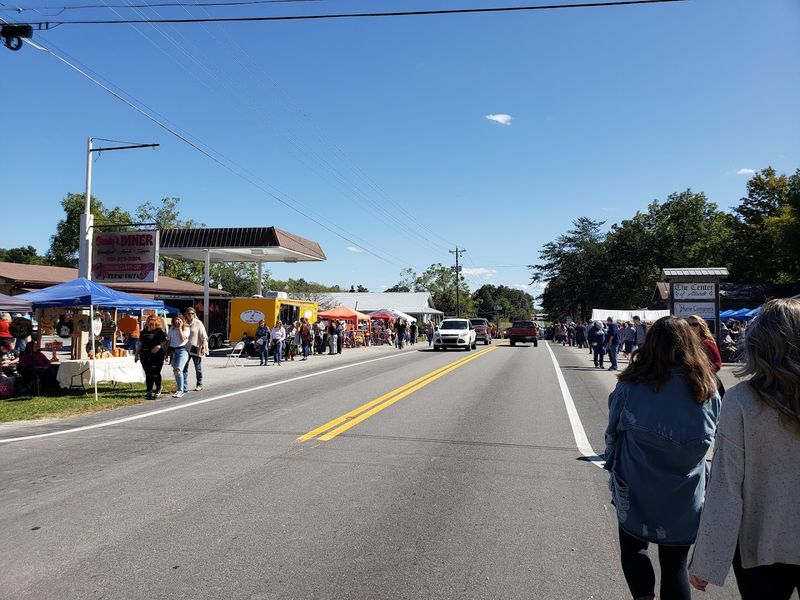
Allardt fits the Cumberland Plateau almost too perfectly. In rural Fentress County, this small town is wrapped in peaceful farmland and scenic countryside that make the pace of life look slower before anyone says a word.
You get the sense right away that agriculture is not a background detail here. It is part of the place’s structure. The roads around Allardt reveal why it belongs on a list like this.
Fields spread out with generous spacing, the countryside rolls gently, and the visual clutter common in faster-growing areas stays mostly out of sight. That gives every drive a cleaner, calmer rhythm. The town never seems to be elbowing for attention.
Allardt also carries a strong sense of continuity through its farming traditions. The land appears worked, useful, and respected rather than decorative.
You can see how the local identity has been shaped by open acreage, practical routines, and community patterns tied to agriculture over time. It makes the place feel steady without becoming predictable.
There is a lot to like in a town that keeps its appeal this simple. Quiet roads, well-spaced homes, and broad views do more than enough when the landscape already has presence.
Allardt understands that. It does not need a busy downtown or flashy attraction to hold interest. The surrounding countryside is the real introduction.
Among Tennessee’s quieter Plateau towns, Allardt stands out for how completely it commits to rural character. The farmland is not incidental, the scenic views are not overplayed, and the overall mood stays measured from end to end.
If you are looking for deep agricultural roots and a countryside setting that still feels grounded in everyday life, Allardt closes this list on exactly the right note.