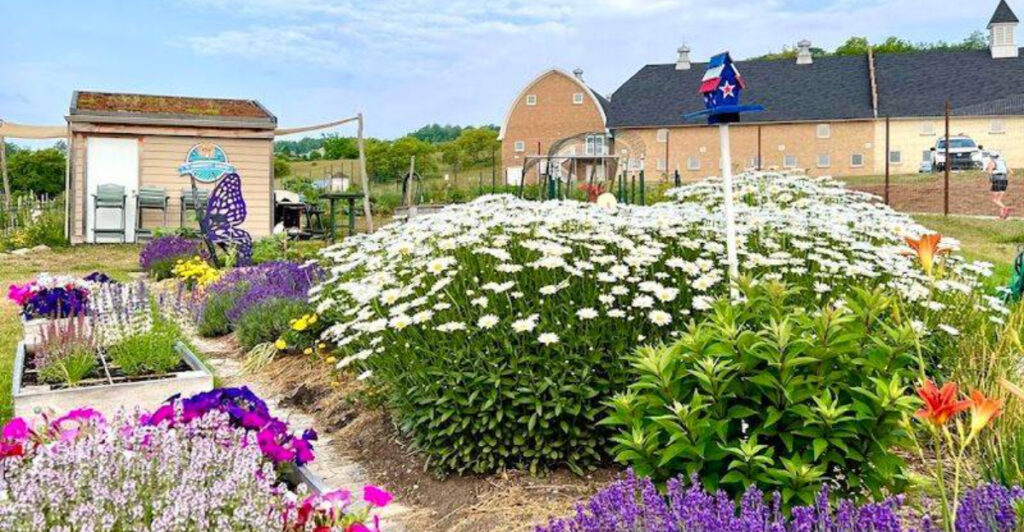
Michigan is hiding some seriously spectacular gardens, and most people have no idea how magical they really are. From towering tulip fields to enchanted forest trails, these spots feel like something straight out of a storybook.
Whether you love art, nature, history, or just a peaceful place to wander, the Great Lakes State has a garden that will blow your mind. Pack your walking shoes and get ready to explore 15 breathtaking Michigan gardens that deserve a spot on your must-visit list.
1. Windmill Island Gardens — Holland
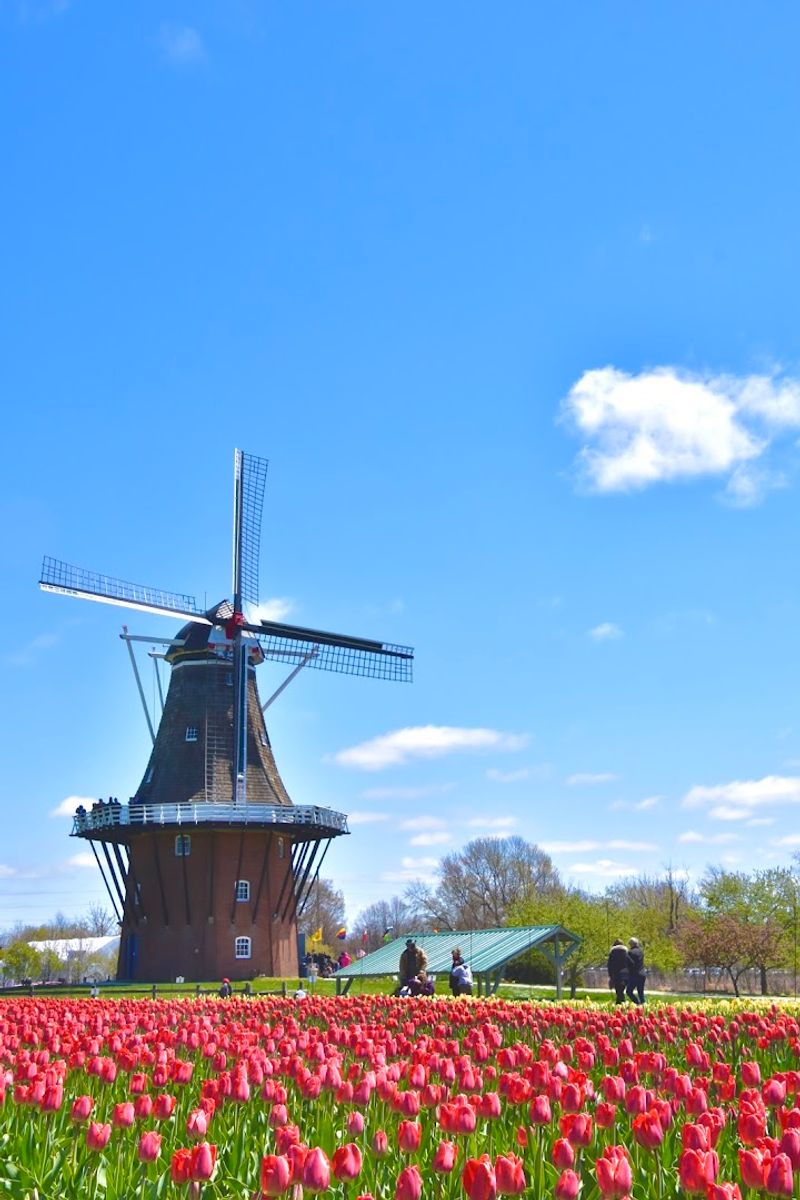
Few places in the Midwest deliver the kind of jaw-dropping color that Windmill Island Gardens serves up every spring. Nestled in the heart of Holland, Michigan, this 36-acre park is home to one of the only authentic Dutch windmills operating in the entire United States.
DeZwaan, the 250-year-old windmill imported from the Netherlands, stands tall as the crown jewel of the whole experience.
The tulip displays here are nothing short of legendary. Millions of bulbs burst into bloom each May, painting the landscape in deep reds, sunny yellows, and soft pinks that look almost unreal.
Visiting during the Tulip Time Festival means you will also catch Dutch dancers, street scrubbing ceremonies, and a whole lot of festive energy that makes the trip even more worthwhile.
Beyond tulips, the gardens include canals, a carousel, and meandering walkways lined with seasonal flowers that change throughout the year. Summer brings salvia, snapdragons, and marigolds that keep the grounds looking sharp even after the tulips fade.
Families with kids especially love the open green spaces and the old-world charm that makes every photo look like a postcard.
Admission is reasonably priced, and the park is well-maintained with clean restrooms and accessible paths. Arriving early on weekdays helps you beat the crowds and enjoy the windmill and gardens at a more relaxed pace.
If you have never visited Holland in May, you are genuinely missing one of the most visually stunning seasonal events in all of Michigan. Add this one to the top of your list and thank yourself later.
2. Hidden Lake Gardens — Tipton
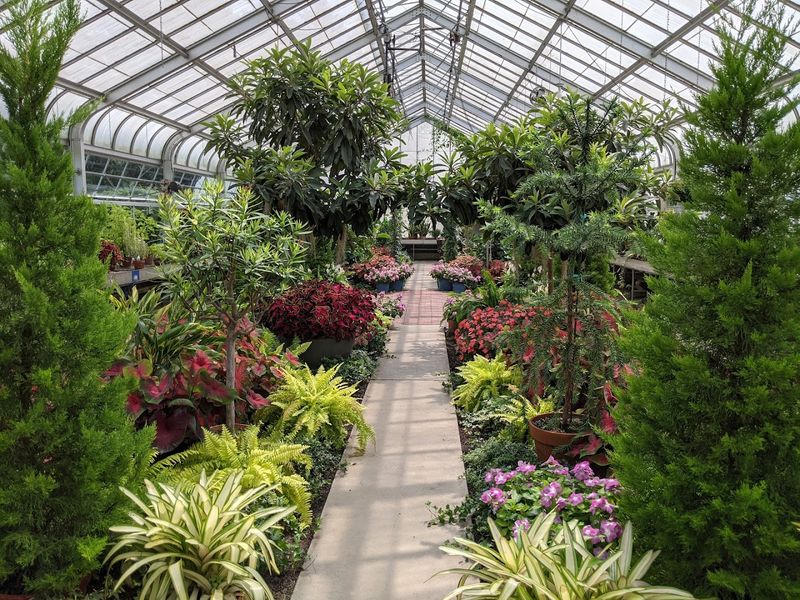
There is something genuinely peaceful about pulling off the road in Tipton and discovering that Michigan State University manages one of the most underrated green spaces in the entire state. Hidden Lake Gardens spans over 750 acres of rolling terrain, quiet lakes, and cultivated garden beds that feel like a world far removed from everyday life.
The drive-through route alone makes a visit worthwhile, especially in fall when the foliage is absolutely on fire.
The conservatory here is a highlight no matter what season you visit. Inside, you will find tropical plants, cacti, and seasonal displays that offer a warm and colorful escape even in the dead of winter.
It is the kind of spot that surprises you with how much variety is packed into one building, and kids and adults alike tend to linger longer than planned.
The outdoor gardens include a dwarf conifer collection, bonsai displays, and a hillside garden that rewards visitors who take their time exploring. Trails wind through wooded areas where deer sightings are common and the sound of birdsong replaces the noise of the outside world.
The whole property has a quiet, unhurried atmosphere that feels rare and genuinely restorative.
Because it is managed by MSU, the gardens also serve an educational purpose, making it a great destination for families who want their kids to learn something while having fun outdoors. Admission is affordable, and the grounds are open year-round.
Weekday mornings offer the most solitude, but even on busy weekend afternoons the sheer size of the property means you rarely feel crowded. Hidden Lake Gardens is one of those Michigan treasures that locals love and visitors never forget.
3. Cranbrook House & Gardens — Bloomfield Hills
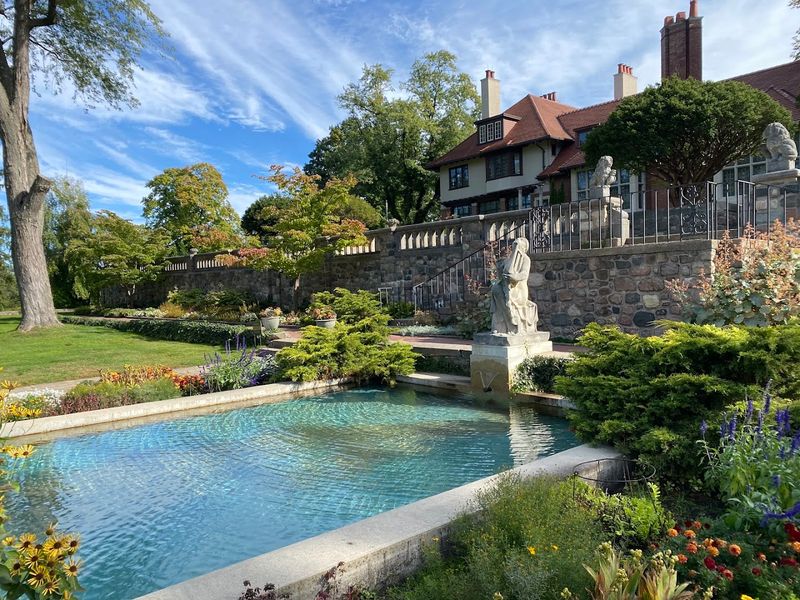
Cranbrook House and Gardens carries the kind of old-money elegance that makes you feel like you have stepped onto the set of a period drama. Located in Bloomfield Hills, this 40-acre estate was the private home of philanthropists George and Ellen Booth, and every inch of the property reflects their extraordinary taste and ambition.
The architecture, the art, and the landscaping all feel deliberately curated in the best possible way.
The gardens were designed in the early 20th century and feature formal English-style layouts, pergolas draped in wisteria, reflecting pools, and a series of garden rooms that each have their own distinct personality. Walking from one section to the next feels like flipping through chapters of a beautifully illustrated book.
The rose garden alone draws visitors from across the state during peak bloom season in June.
Sculpture and decorative arts are woven throughout the outdoor spaces, giving the gardens an artistic dimension that goes beyond typical botanical experiences. Bronze figures, carved stonework, and intricate ironwork appear around every corner, rewarding slow and curious walkers.
The property also includes access to the historic house on select tour dates, which adds a rich layer of history to the visit.
Cranbrook is part of a larger educational campus that includes the Cranbrook Art Museum and Institute of Science, so a full day trip here can cover a lot of ground. The gardens are open seasonally and guided tours are available for those who want deeper context about the history and design choices.
Whether you come for the flowers, the art, or the architecture, Cranbrook House and Gardens delivers a genuinely elevated experience that stands apart from every other garden on this list.
4. For-Mar Nature Preserve & Arboretum — Burton
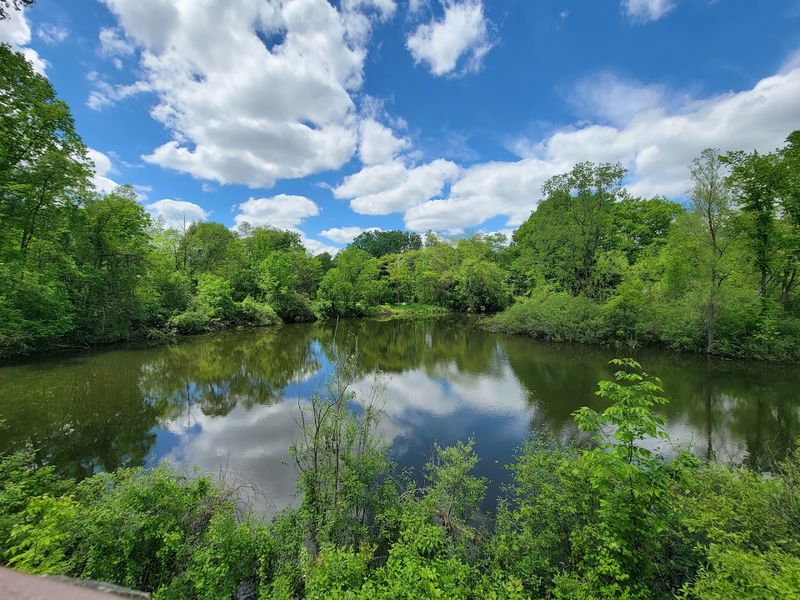
Not every magical garden has to look like a fairytale castle, and For-Mar Nature Preserve and Arboretum in Burton proves that point beautifully. Spanning nearly 400 acres of forests, meadows, and wetlands, this Genesee County treasure offers a more natural and rugged kind of wonder.
It is the kind of place where you go to breathe deeply, slow down, and actually pay attention to the world growing around you.
The arboretum section features a wide variety of labeled tree species, making it an excellent outdoor classroom for students and curious adults alike. Walking through the collection feels educational without being dry, especially when the canopy is full in summer or when the leaves are changing in autumn.
There is a reason local teachers bring school groups here regularly — the learning happens naturally as you walk.
Wildlife is a constant companion on the trails. Red foxes, wild turkeys, great blue herons, and dozens of songbird species have all been spotted on the preserve’s well-maintained path network.
The wetlands and ponds add a reflective quality to the landscape that photographers absolutely love, particularly in early morning light when mist sits low over the water.
For-Mar also runs educational programming throughout the year through the Genesee County Parks system, so there is almost always something happening beyond just a casual walk. Admission is free with a Genesee County Parks pass or available for a small daily fee, making it one of the most accessible outdoor destinations in the region.
If you live in or near the Flint area and have never visited, you are seriously overdue for a trip to this underappreciated gem.
5. Frederik Meijer Gardens & Sculpture Park — Grand Rapids
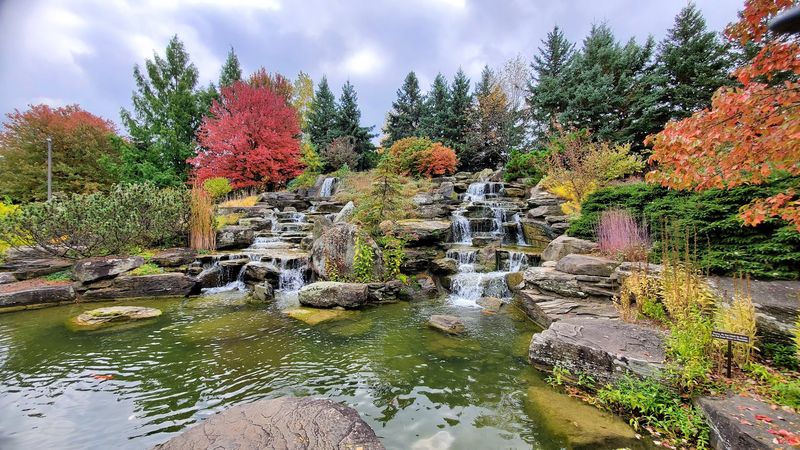
Walk through the doors of Frederik Meijer Gardens and Sculpture Park in Grand Rapids and you will quickly understand why it consistently ranks among the top botanical gardens in the entire country. The combination of world-class sculpture and stunning horticulture creates an experience that feels genuinely unlike anything else in the Midwest.
This is not just a garden — it is an event for all five senses.
The outdoor sculpture park features works by some of the most celebrated artists in the world, including a massive bronze horse by Leonardo da Vinci and pieces by Auguste Rodin, Henry Moore, and Ai Weiwei. Rotating exhibitions ensure that repeat visitors always find something new to discover, and the way the art is placed within the landscape feels intentional and thoughtful rather than random.
Every turn reveals a new conversation between nature and human creativity.
Inside, the conservatories house tropical plants, carnivorous species, and seasonal butterfly exhibits that children absolutely lose their minds over. The spring butterfly release is one of the most popular events in all of West Michigan, drawing thousands of visitors who come to watch thousands of live butterflies flutter freely through a warm and lush indoor garden.
It is genuinely one of the most joyful experiences you can have in this state.
The grounds also include a Michigan-themed garden, a Japanese garden, a children’s garden, and a vast perennial garden that peaks in late summer. Concerts, festivals, and art events fill the calendar throughout the year, making Meijer Gardens a destination that rewards multiple visits across different seasons.
Budget a full day, wear comfortable shoes, and bring your camera because you will want to document every single corner of this extraordinary place.
6. Nichols Arboretum — Ann Arbor
Right on the edge of the University of Michigan campus, Nichols Arboretum has been a beloved escape for Ann Arbor residents and students for well over a century. Known affectionately as the Arb, this 123-acre natural landscape sits along the Huron River and manages to feel wild and cultivated at the same time.
It is the kind of place where you can lose track of time in the best possible way.
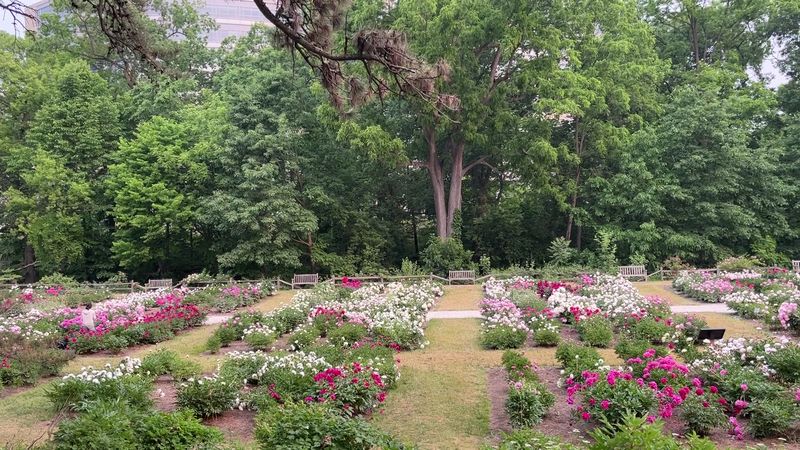
The peony collection here is genuinely world-famous. Planted in the early 1900s, the historic peony garden bursts into a cloud of pink, white, red, and magenta blooms each May, drawing visitors from across the state and beyond.
The fragrance alone is enough to stop you in your tracks, and the sight of hundreds of varieties in full bloom against the green hillside is one of those experiences that stays with you for a long time.
Beyond the peonies, the Arb features a massive variety of trees, native wildflower meadows, and steep ravines that give the landscape a dramatic, almost theatrical quality. Trails range from easy riverside strolls to more challenging hillside climbs that reward you with sweeping views across the Huron River valley.
In fall, the foliage display along these paths is absolutely spectacular.
Admission is completely free, which makes Nichols Arboretum one of the most accessible natural treasures in Michigan. Dogs are welcome on leash, making it a favorite weekend destination for Ann Arbor pet owners.
Whether you come for the peonies, the river views, the fall color, or just a quiet afternoon away from the city buzz, the Arb delivers every single time without fail.
7. Taylor Conservatory & Botanical Gardens — Taylor
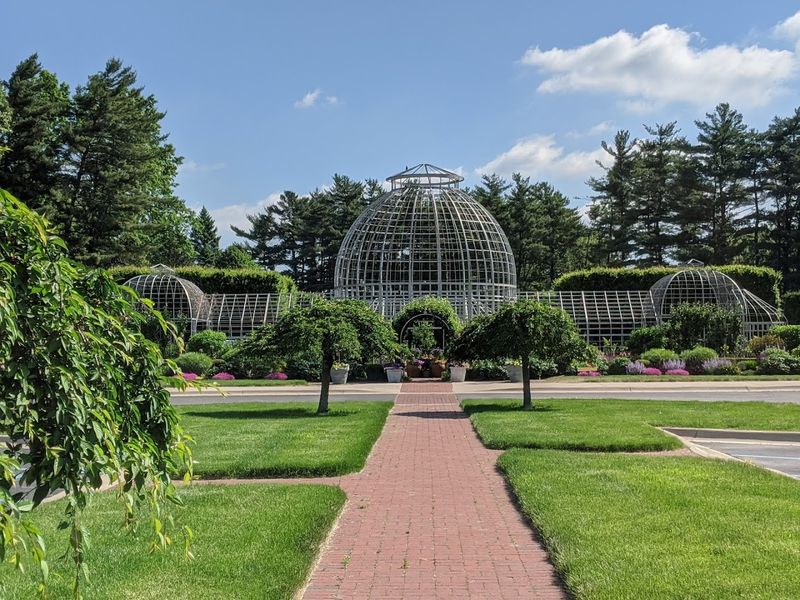
Taylor Conservatory and Botanical Gardens might be one of the most pleasant surprises in the entire Metro Detroit area. Tucked into a corner of Southeastern Michigan that does not always get credit for its green spaces, this city-run gem offers a surprisingly rich experience for plant lovers of all ages.
The combination of indoor conservatory and outdoor gardens makes it a year-round destination worth knowing about.
Inside the conservatory, tropical and subtropical plants create a lush, humid environment that feels like a mini-vacation from Michigan winters. Orchids, bromeliads, and exotic ferns share space with seasonal displays that change throughout the year, keeping the experience fresh no matter when you visit.
The building itself is bright and airy, designed to let natural light flood in and make the plants look their absolute best.
The outdoor botanical gardens feature themed planting areas, a rose garden, a sensory garden, and perennial beds that shift in color and texture across the seasons. Spring brings bulbs and early bloomers, summer fills the beds with bold color, and autumn delivers the warm tones of ornamental grasses and late-season flowers.
The grounds are beautifully maintained and feel polished without being stiff or overly formal.
One of the best things about Taylor Conservatory is how welcoming it feels to families. Educational programs run throughout the year, and the manageable size of the property means you can see everything without exhausting yourself or your kids.
Parking is free and easy, which is always a win in the Metro Detroit area. If you are looking for a low-key but genuinely beautiful garden experience in the southern suburbs, Taylor Conservatory consistently delivers more than people expect.
8. Leila Arboretum Fantasy Forest — Battle Creek
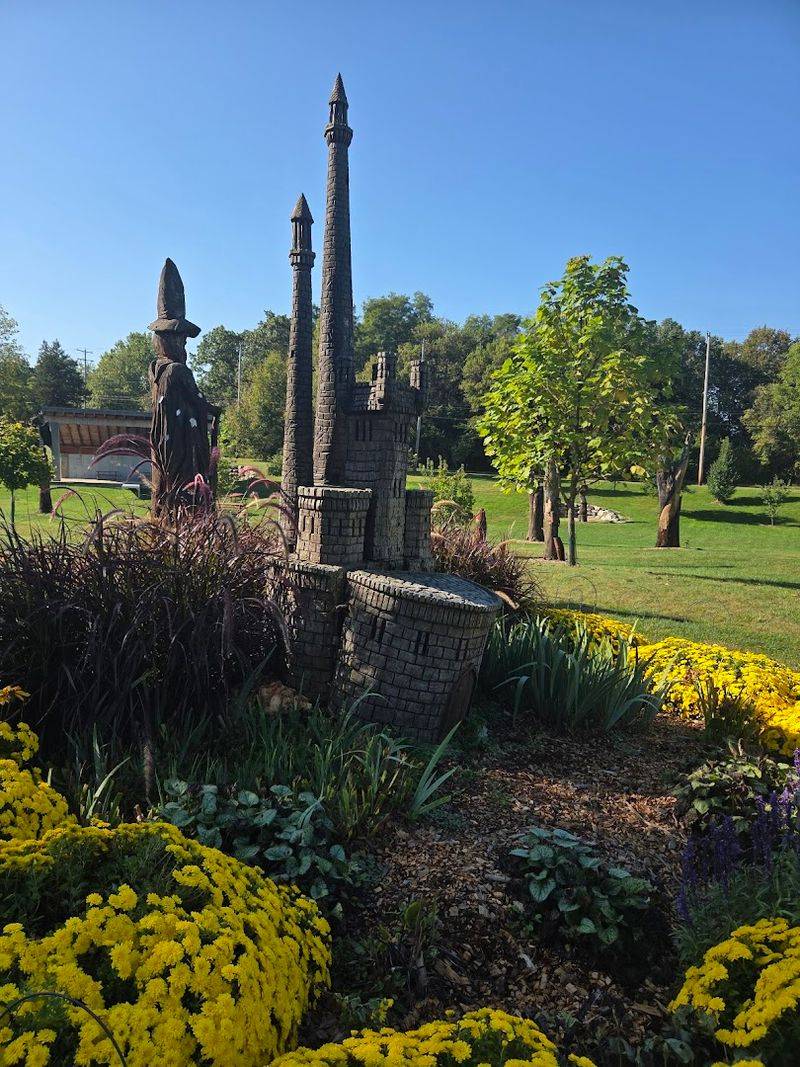
Somewhere between a nature park and a fairy tale, Leila Arboretum Fantasy Forest in Battle Creek occupies a wonderfully weird and wonderful space that kids absolutely adore. The arboretum itself covers around 72 acres and has been a community resource for over a century, but it is the Fantasy Forest section that gives this place its truly magical identity.
Giant storybook characters, carved wooden creatures, and imaginative sculptures pop up throughout the trees like something from a dream.
The Fantasy Forest was designed specifically for children and encourages exploration, imagination, and connection with the natural world all at once. Kids can wander through themed areas, discover hidden characters tucked among the roots and branches, and climb on interactive play features that are built to look like they grew right out of the forest floor.
It is the kind of place that makes outdoor play feel genuinely exciting rather than just exercise.
For adults, the broader arboretum offers labeled tree collections, native plant gardens, and open meadows that are perfect for quiet walks or picnic afternoons. The property also hosts educational events and seasonal programming that bring the community together in really lovely ways.
The W.K. Kellogg Foundation has historically supported this space, giving it a level of care and investment that shows in every corner of the grounds.
Admission to the Fantasy Forest area is free, which makes it one of the most accessible family destinations in Calhoun County. The arboretum grounds are open year-round, and the forest has a different kind of beauty in every season — spooky and mysterious in late autumn, sparkling and quiet in winter snow, and absolutely alive with color in spring and summer.
Battle Creek locals know this place well, but the rest of Michigan should too.
9. Fernwood Botanical Garden and Nature Preserve — Niles
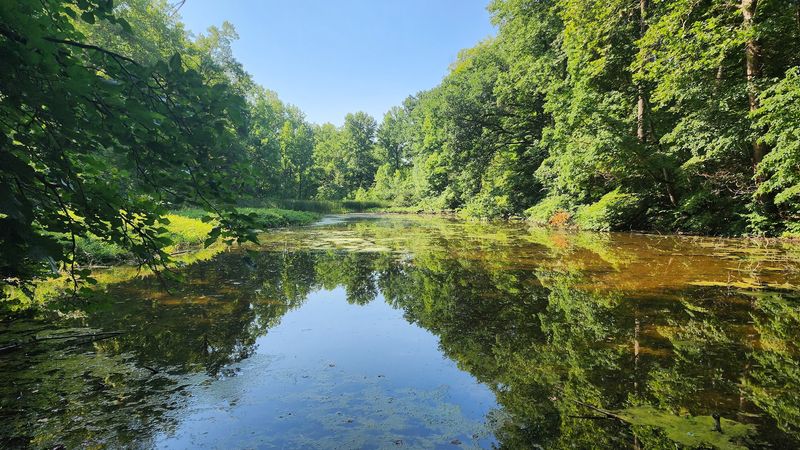
Fernwood Botanical Garden and Nature Preserve sits in the southwestern corner of Michigan near Niles, and it has a personality that feels distinctly different from the more formal gardens on this list. There is a relaxed, earthy quality to Fernwood that makes you feel like you are discovering something organically grown rather than carefully engineered.
The 105 acres of gardens and natural areas blend seamlessly, creating transitions between cultivated beauty and wild, untamed landscape.
The garden collections here include a fern garden, a tall-grass prairie, a Japanese garden, a rock garden, and a native wildflower area that is especially spectacular in late summer when coneflowers, black-eyed Susans, and goldenrod hit their peak. The fern garden is particularly impressive, featuring dozens of species arranged along a shaded path that feels cool and green even on the hottest July days.
It is exactly the kind of spot that plant nerds absolutely go wild for.
The nature preserve trails wind through forested ravines and along the St. Joseph River, offering a more rugged complement to the cultivated garden areas. Birding is excellent here year-round, and the preserve is especially active during spring and fall migration seasons.
Nature photographers regularly make the trip to Fernwood just to capture the variety of habitats packed into one relatively compact property.
Fernwood also runs a popular array of workshops, classes, and community events throughout the year, from gardening seminars to yoga in the gardens to family nature programs. The on-site cafe and gift shop add convenience without disrupting the peaceful atmosphere.
For anyone driving through Southwest Michigan or exploring the Niles and Benton Harbor area, Fernwood Botanical Garden is absolutely worth a deliberate stop on your itinerary.
10. Dow Gardens — Midland
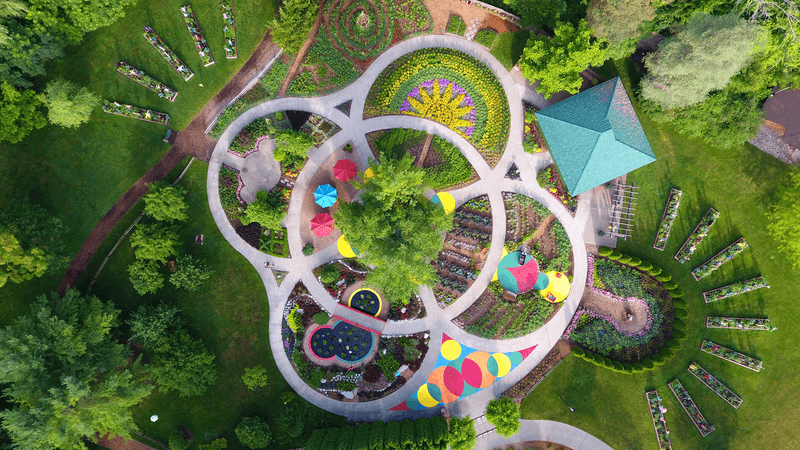
Herbert Dow, the founder of Dow Chemical Company, started his personal garden in Midland back in 1899, and what grew from that private passion project has become one of the most celebrated botanical destinations in the entire Great Lakes region. Dow Gardens today spans over 110 acres and continues to evolve with new plantings, design updates, and seasonal installations that give it a living, breathing quality.
The history behind the place makes every visit feel a little more meaningful.
The design philosophy at Dow Gardens leans toward naturalistic beauty rather than rigid formality, which gives the grounds a relaxed and inviting energy. Sweeping lawns, dramatic water features, arched bridges, and creatively planted hillsides create a landscape that feels both polished and playful.
The Children’s Garden within the property is a particularly inspired space, with interactive water features, climbing structures, and sensory plantings that engage kids on every level.
Seasonal highlights are genuinely spectacular throughout the year. Spring tulips and flowering trees set the tone, summer perennials and ornamental grasses fill in with texture and color, and fall brings one of the most vibrant foliage displays in Mid-Michigan.
Winter visits are rewarded with holiday light installations that transform the garden into a glittering nighttime experience that families return to year after year.
Dow Gardens is also connected to Whiting Forest, a nearby canopy walk that lets visitors stroll through the treetops on a suspended bridge system — making a combined visit one of the most unique outdoor experiences in Michigan. Admission is reasonable, the grounds are impeccably maintained, and the sheer variety of experiences packed into one property makes Midland a destination worth the drive from anywhere in the state.
11. Michigan Legacy Art Park — Thompsonville
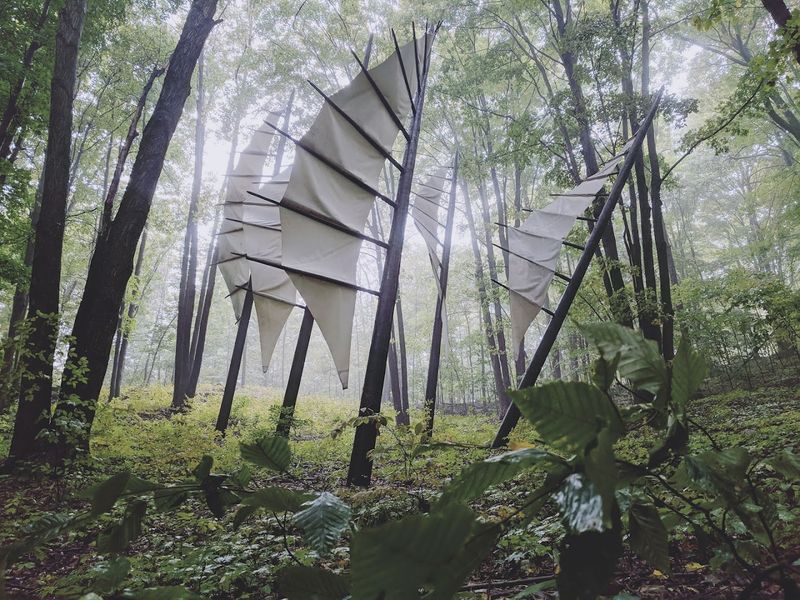
Michigan Legacy Art Park does something truly original — it takes the art gallery experience and drops it entirely into the middle of a northern Michigan forest. Located near Thompsonville in the Betsie Valley, this 30-acre outdoor art park features over 50 permanent sculptures and installations scattered along wooded trails that wind through genuinely beautiful natural terrain.
The result is something that feels more like an encounter than a visit.
The artwork here is specifically connected to Michigan history, culture, and identity, which gives the park a depth that goes beyond aesthetics. Pieces explore themes like the logging era, indigenous heritage, the Great Lakes ecosystem, and the working-class spirit of the state.
Reading the interpretive signs alongside each piece turns a nature walk into a surprisingly moving history lesson that never feels preachy or forced.
The trails themselves range from easy to moderate and are open year-round, with each season offering a completely different visual context for the sculptures. Snow-covered installations in winter have a haunting, spare beauty, while the same pieces surrounded by summer wildflowers feel warm and celebratory.
Fall is arguably the best time to visit, when the hardwood forest canopy turns gold and orange and every step feels like walking through a painting.
Michigan Legacy Art Park shares its location with Crystal Mountain Resort, which means visitors can combine an art walk with skiing, spa time, or a round of golf depending on the season. The park is free to access for Crystal Mountain guests and available for a small trail fee for day visitors.
For anyone who thinks art belongs only in white-walled buildings, this park offers a genuinely persuasive argument to the contrary that is hard to forget.
12. The Botanic Garden at Historic Barns Park — Traverse City
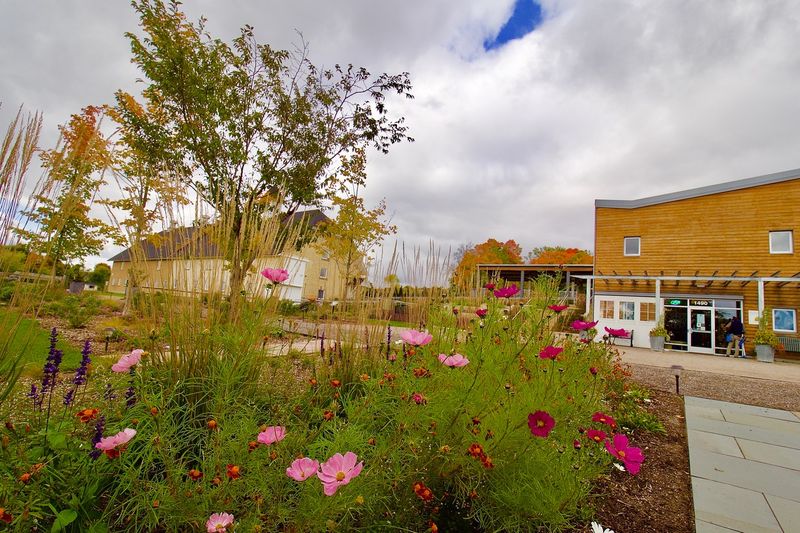
Traverse City already has a reputation as one of Michigan’s most beautiful destinations, and The Botanic Garden at Historic Barns Park adds a genuinely lovely layer to that story. Set on land that was once part of a state hospital farm, the garden sits alongside a preserved collection of historic barns and agricultural structures that give the whole property a rich sense of place.
The combination of horticultural beauty and local history creates something that feels deeply rooted in the community.
The garden itself is still relatively young and growing, which makes visiting feel like watching something exciting take shape in real time. Themed garden areas include a kitchen garden, a children’s garden, a pollinator meadow, and perennial beds that showcase plants well-suited to northern Michigan’s climate.
The volunteers and staff who maintain this space clearly care deeply about what they are building, and that energy is palpable the moment you walk through the gate.
The surrounding Historic Barns Park is a destination in its own right, hosting farmers markets, outdoor concerts, and community events that draw locals and visitors throughout the warm season. Strolling through the garden before browsing the market or catching a sunset over the rolling landscape nearby turns a simple afternoon into a really full and satisfying experience.
The views from the property toward the hills and orchards of the Leelanau Peninsula are an added bonus that never gets old.
Admission to the botanic garden is free, which makes it an easy and natural addition to any Traverse City itinerary. Whether you are a serious gardener looking for plant inspiration or simply someone who appreciates a beautiful outdoor space, the Botanic Garden at Historic Barns Park rewards every kind of visitor with something worth remembering.
13. Meadow Brook Hall Gardens — Rochester
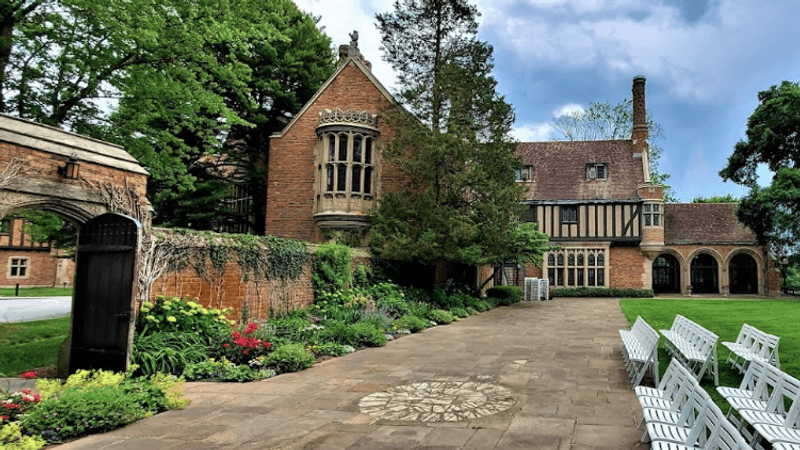
Meadow Brook Hall is one of the grandest historic estates in the entire Midwest, and the gardens that surround it are every bit as impressive as the 88,000-square-foot Tudor Revival mansion at the center of the property. Located on the campus of Oakland University in Rochester, the estate was originally the home of Matilda Dodge Wilson and her family, and the grounds were designed to complement the mansion’s Old World elegance with equal sophistication.
The formal gardens closest to the house feature clipped hedges, geometric planting beds, and classic English garden structures that feel transplanted directly from the English countryside. Rose gardens, cutting gardens, and perennial borders provide seasonal color from spring through fall, while mature trees frame the estate with the kind of stately presence that only comes with decades of growth.
Every view from every angle seems deliberately composed.
Beyond the formal areas, the broader grounds include rolling lawns, woodland walks, and a picturesque gate house that adds to the estate’s fairy-tale atmosphere. Seasonal events like the annual Meadow Brook Hall Holiday Walk transform the property into a festive wonderland during December, attracting thousands of visitors who come to see the mansion and gardens dressed in their winter finest.
Tours of the mansion are available seasonally and offer fascinating insight into the lives of the Dodge and Wilson families, adding a layer of human drama to what is already a visually extraordinary experience. Oakland University students and faculty use the grounds regularly, giving the property a lively, campus energy that keeps it from feeling like a museum piece.
For garden lovers in the Metro Detroit area, Meadow Brook Hall is a destination that genuinely punches above its weight in beauty and historical significance.
14. W.J. Beal Botanical Garden — East Lansing
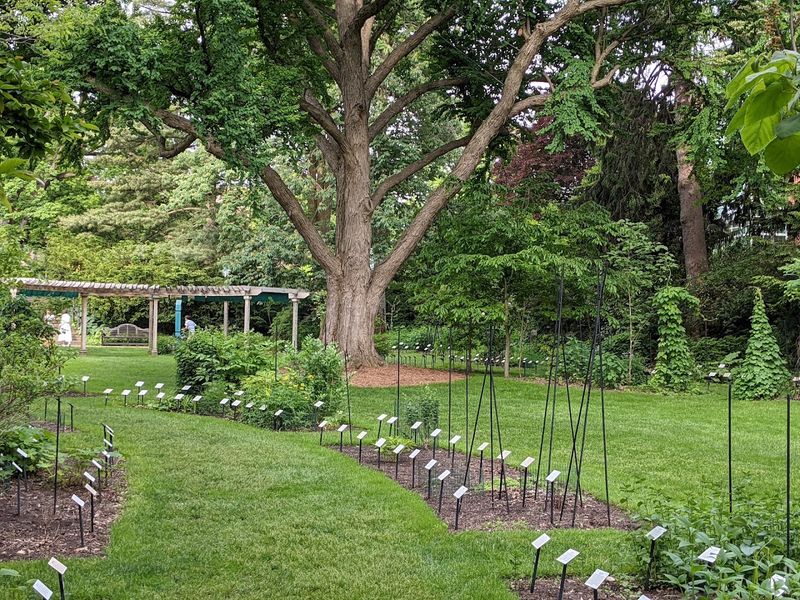
Established in 1873, the W.J. Beal Botanical Garden on the campus of Michigan State University holds the distinction of being the oldest continuously operating botanical garden in the entire United States.
That is not a small claim. Named after botanist William James Beal, who was a pioneer in plant science and corn hybridization, this compact five-acre garden punches far above its weight in terms of what it offers to curious visitors.
The garden is organized into themed sections that group plants by family, geography, or ecological function, making it as much an outdoor classroom as a scenic destination. Over 5,000 plants representing more than 2,500 species are labeled and maintained along a network of paths that wind through the MSU campus landscape.
Walking through the collection feels like flipping through a living encyclopedia of the plant kingdom, one that changes dramatically with each passing season.
Spring is particularly spectacular when the flowering trees, early bulbs, and woodland wildflowers all seem to compete for attention at once. Summer brings the full density of the collection into view, with lush foliage and blooming perennials creating a green, layered richness.
Autumn transforms the garden with color, and even winter reveals interesting textures in bark, seed heads, and evergreen specimens that most people overlook.
Because it is located on the MSU campus and admission is completely free, the Beal Botanical Garden is one of the most accessible natural attractions in Mid-Michigan. It is a perfect stop during a campus visit, a lunch break destination for students, or a quiet afternoon escape for East Lansing residents who want a moment of green in the middle of a busy week.
The garden’s age alone makes it worth a visit — 150 years of continuous cultivation is genuinely remarkable.
15. Matthaei Botanical Gardens — Ann Arbor
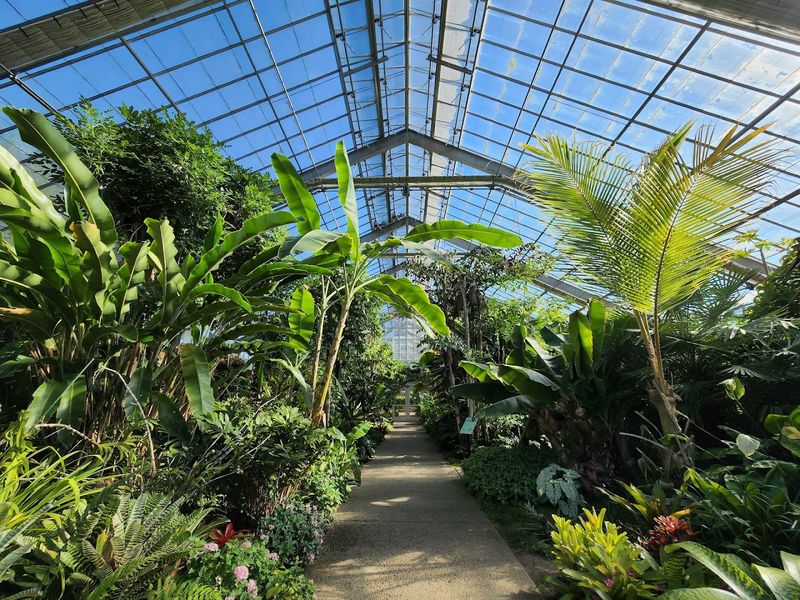
Matthaei Botanical Gardens sits on the eastern edge of Ann Arbor and operates in partnership with Nichols Arboretum as part of the University of Michigan’s botanical garden system. Where the Arb leans wild and naturalistic, Matthaei offers a more structured and diverse botanical experience across its 300-plus acres of gardens, conservatories, and natural areas.
Together they form one of the most impressive university-affiliated garden systems in the country.
The conservatory at Matthaei is a standout attraction, housing three distinct climate zones — tropical, warm temperate, and arid — that let visitors experience radically different plant environments within a single building. The tropical house is lush and humid, filled with towering palms, flowering gingers, and exotic aroids that feel completely at odds with a Michigan winter outside.
The arid house, by contrast, features dramatic cacti and succulents from deserts around the world that have a sculptural, otherworldly quality.
Outside, the grounds include a gateway garden, a heritage garden, a woodland wildflower area, and a prairie restoration that buzzes with pollinators from midsummer through early fall. The Furstenberg Nature Area along Fleming Creek offers quiet, shaded trails through native forest that feel genuinely remote despite being minutes from downtown Ann Arbor.
Birding along the creek corridor is excellent, particularly during migration season when warblers and other neotropical species pass through.
Admission to the outdoor grounds is free, while the conservatory has a modest entry fee that is well worth it in any season. The gardens host a robust schedule of educational programs, plant sales, and community events throughout the year that make repeat visits easy to justify.
For plant enthusiasts, nature lovers, or anyone who wants a genuinely enriching outdoor experience in the Ann Arbor area, Matthaei Botanical Gardens is consistently one of the best options in all of Michigan.