Tennessee is home to some of the most breathtaking natural scenery in the entire country. From towering waterfalls that plunge into misty gorges to ancient mountain peaks that seem to touch the sky, the Volunteer State offers landscapes that make you stop in your tracks and just stare.
Whether you’re chasing waterfalls, exploring cypress swamps, or standing on ridgelines where the views stretch for miles, these places prove that nature is the real star of the show. Get ready to discover spots where the scenery is so stunning, it’ll be all you can talk about for weeks.
1. Cades Cove — Great Smoky Mountains National Park
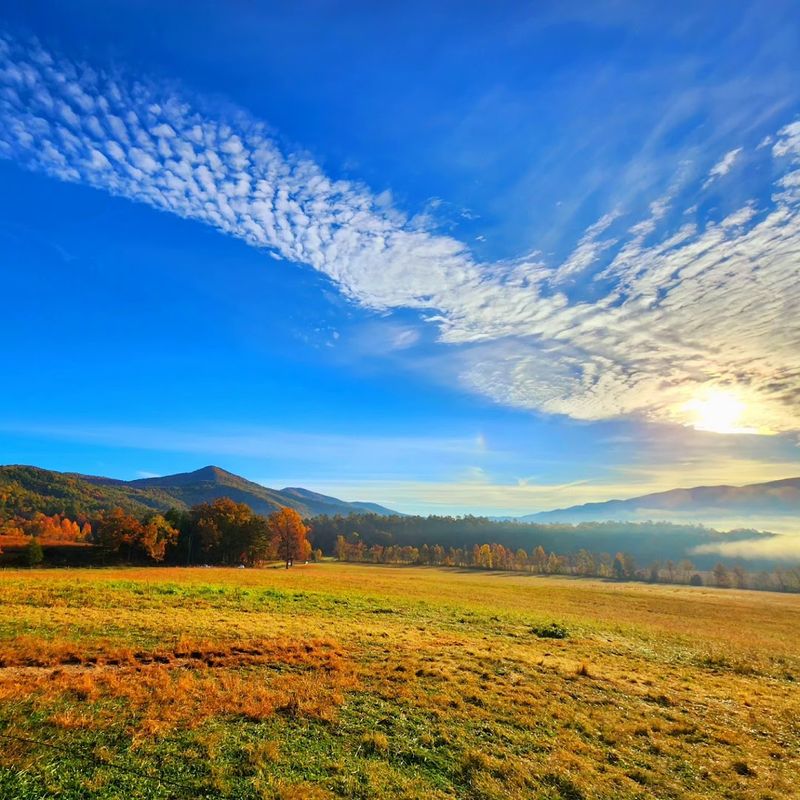
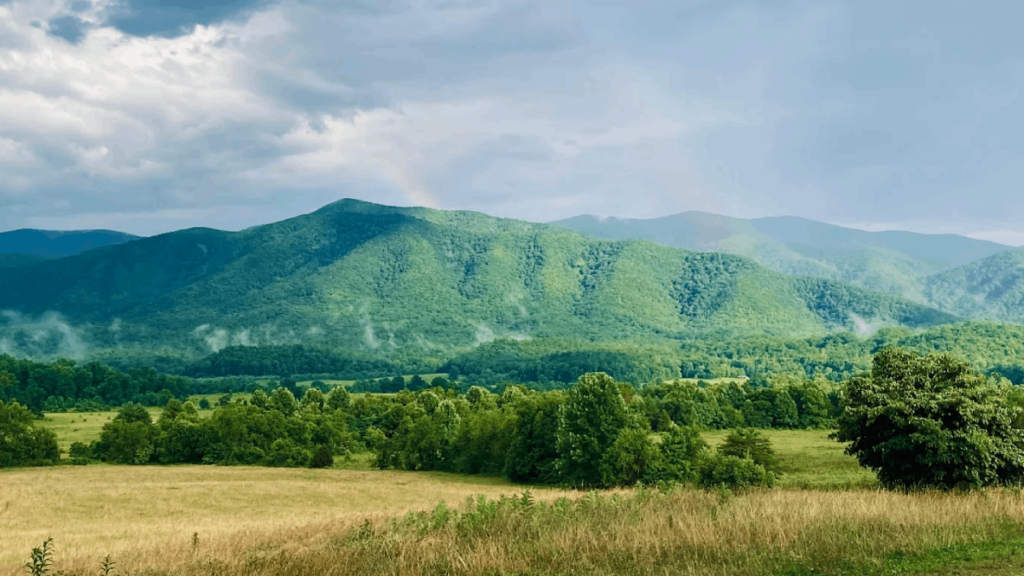
Picture a valley so peaceful and beautiful that it feels like stepping back in time. Cades Cove sits nestled in the heart of the Great Smokies, surrounded by ancient mountains that rise up like protective walls. The eleven-mile loop road winds through open meadows where white-tailed deer graze at dawn, and black bears sometimes wander across the fields like they own the place.
Historic log cabins and old churches dot the landscape, reminders of the families who once called this valley home. These weathered structures add character to the already stunning scenery, making every turn feel like a postcard waiting to happen. When morning fog rolls through the cove, it creates an almost magical atmosphere that photographers dream about.
Fall transforms Cades Cove into an explosion of color. Maples, oaks, and hickories turn brilliant shades of red, orange, and gold against the evergreen backdrop of the surrounding peaks. Spring brings wildflowers that carpet the meadows in purple, yellow, and white blooms.
The best time to visit is early morning, especially on Wednesday and Saturday mornings before 10 a.m. when the loop is closed to motor vehicles. Cyclists and walkers get the road to themselves, making wildlife encounters even more likely. Turkeys strut across the pavement, and you might spot a coyote slinking through the grass.
The Smokies are famous for their incredible biodiversity, and Cades Cove showcases this perfectly. More than 1,500 black bears live in the park, and this valley is one of the best places to see them. The combination of wide-open views, mountain drama, and wildlife action makes Cades Cove one of Tennessee’s most iconic natural destinations.
2. Clingmans Dome / Kuwohi — Great Smoky Mountains National Park
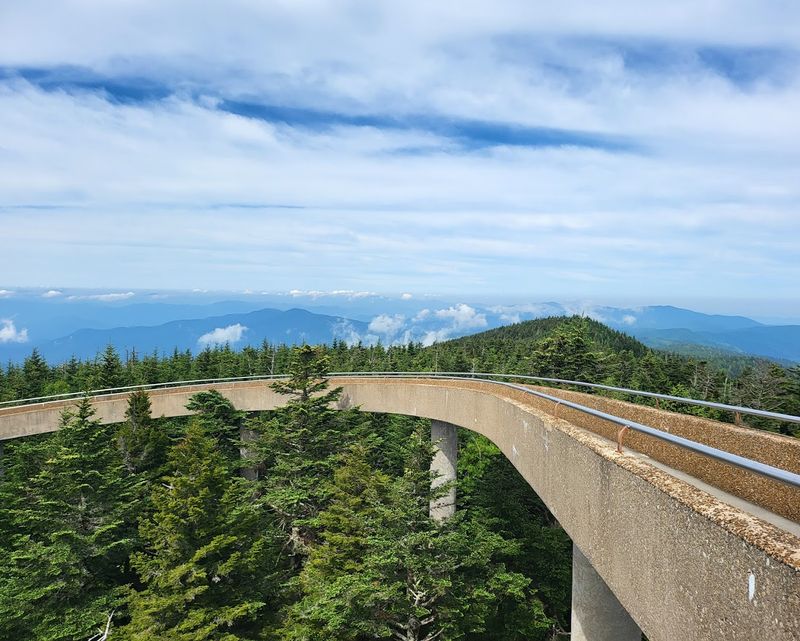
Standing at 6,643 feet, Clingmans Dome is the highest point in Tennessee and the third-highest mountain east of the Mississippi River. The views from the top are nothing short of spectacular. On clear days, you can see up to 100 miles in every direction, with mountain ridges rolling into the distance like frozen blue waves.
The iconic observation tower spirals upward from the summit, its curved ramp leading visitors above the treetops for unobstructed panoramic views. The structure itself has become almost as famous as the mountain, appearing in countless photos and travel guides. Walking up that ramp feels like climbing into the clouds.
What makes this place truly steal the spotlight is the layered mountain effect. Ridge after ridge fades from deep green to lighter blue as they stretch toward the horizon, creating a stunning visual that cameras struggle to capture fully. The Cherokee name Kuwohi means “mulberry place,” and the mountain holds deep cultural significance for the Eastern Band of Cherokee Indians.
Weather at the summit can be dramatically different from the base. Even on warm summer days, bring a jacket because temperatures drop significantly at this elevation. Fog and clouds frequently roll across the peak, sometimes obscuring the views entirely but creating an otherworldly atmosphere that’s beautiful in its own right.
The half-mile paved trail to the tower is steep but manageable for most visitors. Fraser fir trees, many affected by the invasive balsam woolly adelgid, line the path, giving the area a somewhat haunting beauty. Winter transforms the summit into a frosted wonderland, though the access road closes from December through March.
3. Fall Creek Falls State Park — Spencer
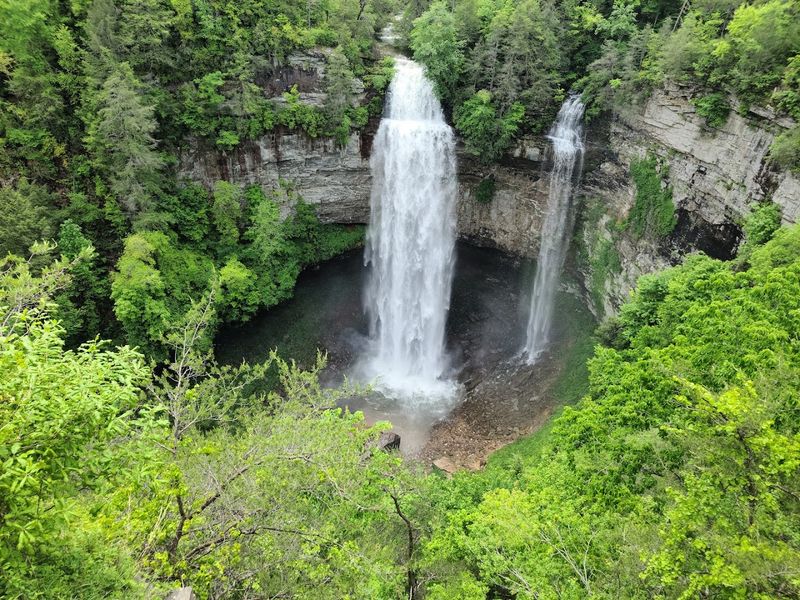
At 256 feet, Fall Creek Falls is the tallest waterfall in Tennessee and one of the highest waterfalls east of the Rocky Mountains. The sheer drop is absolutely jaw-dropping. Water tumbles over the edge in a silvery ribbon, crashing into the pool below with a roar you can hear from the overlook platform.
The park surrounding this natural wonder covers more than 29,000 acres of rugged Cumberland Plateau terrain. Besides the main attraction, you’ll find three other major waterfalls within the park boundaries: Cane Creek Falls, Cane Creek Cascades, and Piney Falls. Each one offers its own unique character and beauty.
Gorge overlooks provide stunning views of the deep canyons carved by millions of years of water erosion. Rocky bluffs rise hundreds of feet above the creek beds, creating dramatic backdrops for photos. Hiking trails wind through hardwood forests where the canopy creates a green cathedral overhead.
Fall is an incredible time to visit when the surrounding forest explodes in autumn color. The contrast between the white water and the brilliant reds, oranges, and yellows of the leaves creates a scene that belongs on a calendar. Spring brings higher water flow, making the falls even more powerful and impressive.
The park offers plenty of ways to explore beyond just the waterfalls. A 26,000-acre nature preserve within the park protects rare plant species and provides habitat for wildlife. You might spot wild turkeys, deer, or even the occasional bobcat if you’re lucky and quiet.
4. Burgess Falls State Park — Baxter
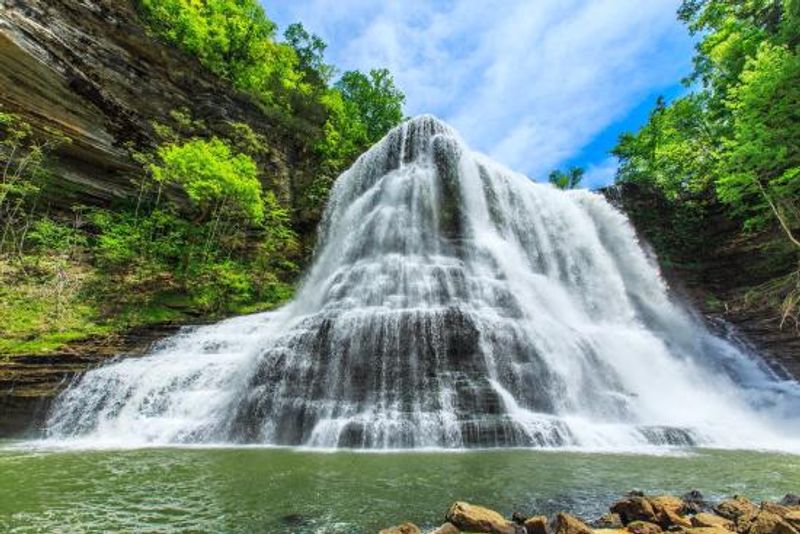
Four waterfalls in one park might sound too good to be true, but Burgess Falls delivers exactly that. The star of the show is the 136-foot main falls, where the Falling Water River plunges over a rocky ledge in a thundering display of natural power. The sound alone is worth the visit.
The mile-long trail from the parking area to the main falls takes you past three smaller cascades, each building anticipation for what’s ahead. Little Falls, Middle Falls, and Upper Falls all offer their own photo opportunities and chances to appreciate the river’s journey. The path follows the river closely, so you’re never far from the sound of rushing water.
After rain, the falls transform into absolute beasts. The increased water volume makes the cascades roar with intensity, and mist rises from the impact zones like smoke. The rocky gorge walls amplify the sound, creating an immersive sensory experience that feels wild and untamed.
The final overlook platform sits right at the edge of the gorge, offering a front-row seat to the main event. From this vantage point, you can watch the water launch off the cliff, fall through space, and crash into the pool below with tremendous force.
The combination of multiple cascades, dramatic drops, and accessible trails makes it a crowd-pleaser. The park also features a beautiful lake upstream from the falls, though most visitors come specifically for the waterfall sequence.
5. Cummins Falls State Park — Cookeville
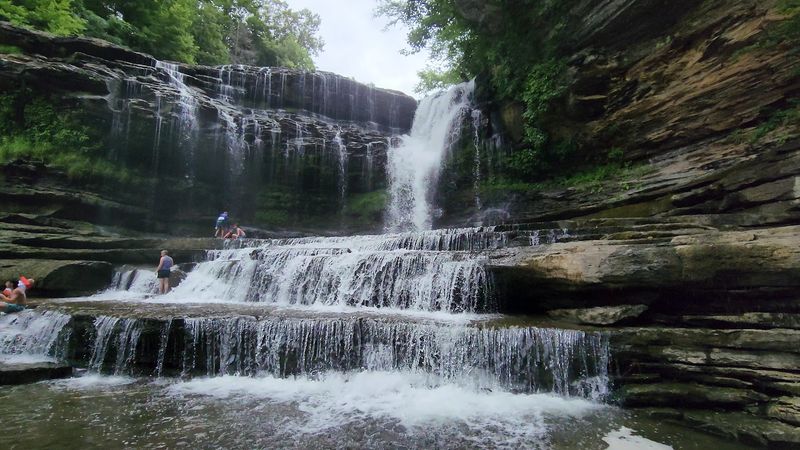
Cummins Falls drops 75 feet into one of Tennessee’s most inviting natural swimming holes. Unlike many waterfalls where you just look from a distance, this one begs you to get in the water. The pool at the base is deep, clear, and refreshingly cold even on the hottest summer days.
Getting there requires some effort, which is part of what makes it special. The trail involves scrambling over rocks and wading through the creek multiple times. During summer, most people embrace the water crossings as part of the adventure, wearing water shoes and swimsuits for the journey.
The gorge surrounding the falls feels more rugged and adventurous than your typical state park overlook. Steep rock walls rise on both sides, creating a natural amphitheater effect. Boulders scattered throughout the area provide perfect perches for sunbathing or watching other visitors take the plunge.
Swimming beneath a waterfall is an experience that never gets old. The force of the falling water creates a natural massage effect, and the constant spray keeps the air cool and fresh. On busy summer weekends, the swimming hole becomes a social gathering spot where families, friends, and solo adventurers all share the space.
Safety is important here because the terrain and water can be challenging. The park requires permits during peak season to manage visitor numbers and protect the resource.
The hike back out, especially on hot days after swimming, can feel longer than the trip in. But most people agree that the combination of waterfall scenery and swimming opportunity makes every step worth it. This isn’t a quick stop-and-snap-a-photo kind of place; plan to spend several hours enjoying everything Cummins Falls offers.
6. Rock Island State Park — Rock Island
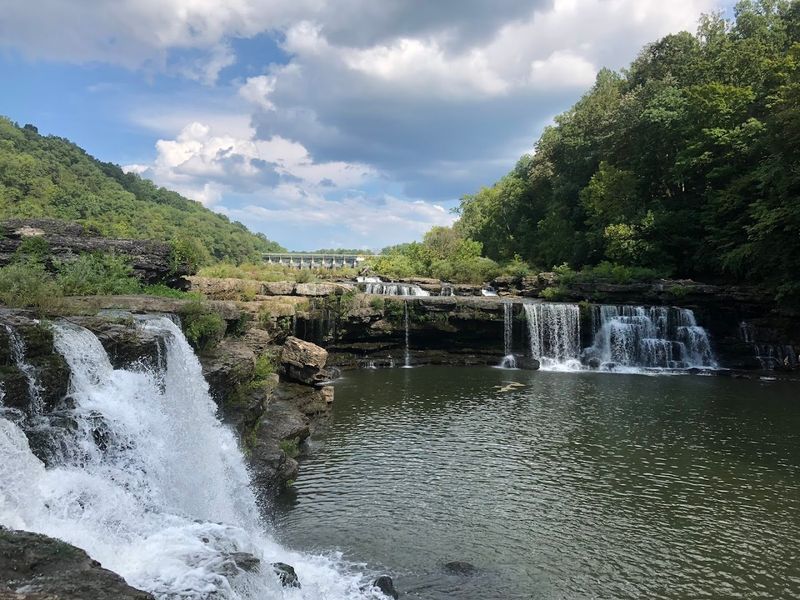
Rock Island State Park sits at the confluence of three rivers, creating some of the most powerful waterfall scenery in Tennessee. The Caney Fork, Collins, and Rocky rivers all converge here, and the resulting water features are nothing short of spectacular. Twin Falls and Great Falls showcase the raw power of moving water carving through rock.
Great Falls drops in a series of cascades and ledges, creating a complex waterfall system that changes character depending on water levels. When the river is running high, the falls become a churning mass of whitewater that sends spray high into the air.
Twin Falls, despite its name, is actually a single waterfall that splits around a rock formation, creating two distinct channels. The effect is visually striking, and the surrounding gorge provides multiple viewing angles. Overlook platforms let you get close enough to feel the mist without getting soaked.
The park’s history adds another layer of interest. Old power plant ruins and historic structures remind visitors that this natural power was once harnessed for industry. Now the rivers run free again, and the focus is purely on the natural beauty and recreational opportunities.
Kayakers and paddlers love Rock Island for its challenging whitewater sections. Watching experienced boaters navigate the rapids and drops adds excitement to any visit. The gorge scenery surrounding the water features is equally impressive, with rocky bluffs and lush vegetation creating a wild, untamed atmosphere.
7. Ozone Falls — Cumberland County
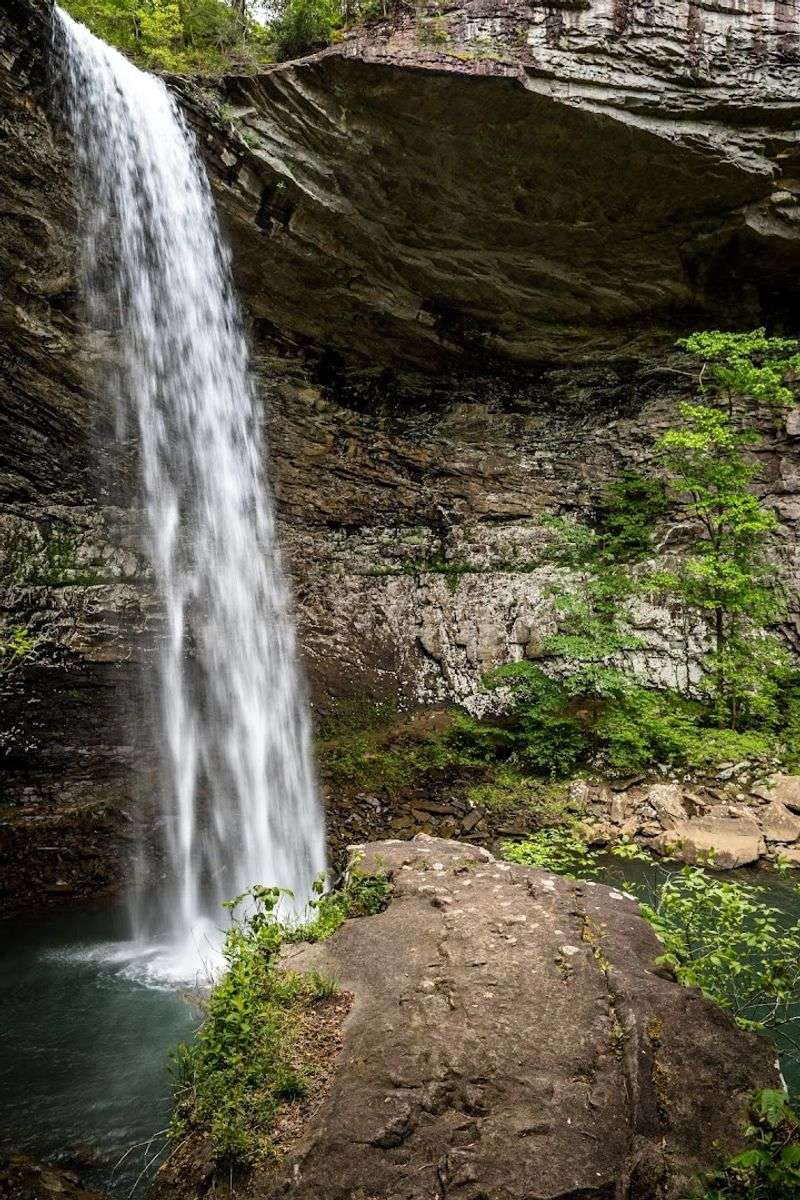
Ozone Falls drops 110 feet into a natural amphitheater that makes you feel like you’ve stumbled onto a movie set. The semicircular rock walls surrounding the falls create perfect acoustics, amplifying the sound of falling water. Standing at the base feels like being inside nature’s own concert hall.
The waterfall itself is a clean, vertical drop that looks even more impressive in person than in photos. Water launches off the top ledge and falls through open air before crashing into the pool below. On sunny days, the spray creates rainbows that dance in the mist.
What makes Ozone Falls special is how different it looks from various viewpoints. The upper overlook provides a bird’s-eye perspective showing the full height of the drop. The base view puts you right in the action, where you can feel the power and hear the roar.
The short trail to the falls is easy enough for most visitors, though the path to the base requires some careful scrambling over rocks. The reward is worth the effort. The pool at the bottom is popular for swimming when water levels are safe, though caution is always necessary around waterfalls.
Geologically, the falls formed where Fall Creek crosses a resistant sandstone layer, creating the dramatic drop. The surrounding rock formations show layers of sediment deposited millions of years ago, telling a story of ancient seas and shifting landscapes.
Despite being easily accessible from the highway, Ozone Falls maintains a wild, untamed character. The surrounding forest feels remote and peaceful, making it easy to forget civilization is just minutes away. This hidden gem quality is part of its charm and appeal.
8. Savage Gulf State Park — Beersheba Springs
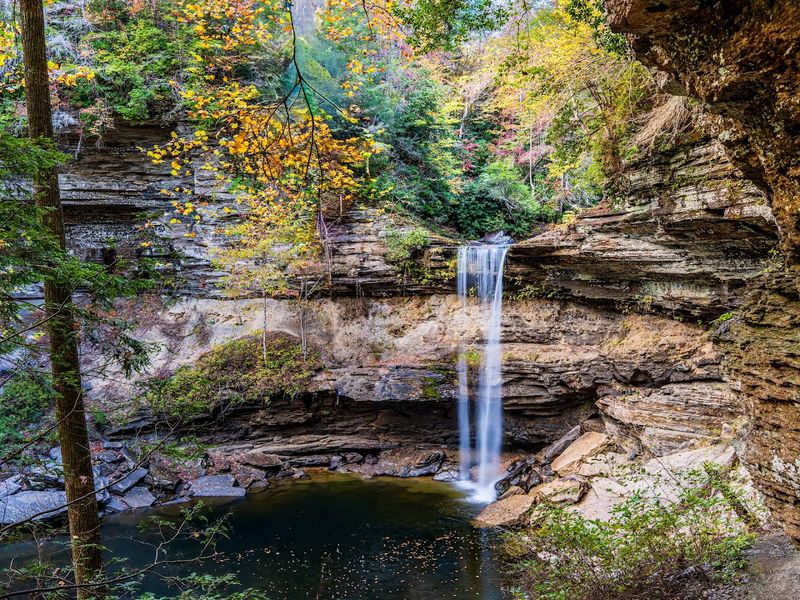
Savage Gulf lives up to its name with some of the wildest, most rugged terrain in Tennessee. Deep gorges slice through the Cumberland Plateau, creating dramatic elevation changes and spectacular overlook views. Sandstone cliffs tower hundreds of feet above the canyon floors, their layered rock faces showing millions of years of geological history.
This is not your typical tourist-friendly state park with paved paths and guardrails everywhere. Savage Gulf rewards adventurous visitors willing to hike challenging trails into remote areas. The payoff includes waterfalls, swimming holes, rock shelters, and scenery that feels genuinely wild and untouched.
Several waterfalls hide within the gulf’s maze of canyons and side gorges. Greeter Falls is one of the most accessible, dropping 50 feet into a beautiful pool surrounded by rock walls. Stone Door is another highlight, a massive crack in the cliff face that opens onto stunning overlook views of the gulf below.
The park protects more than 15,000 acres of wilderness, providing habitat for black bears, bobcats, and countless other species. Birdwatchers come here hoping to spot rare species that thrive in the diverse habitats.
Backpacking is popular in Savage Gulf, with primitive camping areas scattered throughout the park. Multi-day trips let you explore deeper into the wilderness and experience the solitude that’s increasingly rare in our crowded world. The night sky here is remarkable, with minimal light pollution revealing countless stars.
9. Big South Fork National River & Recreation Area — Oneida
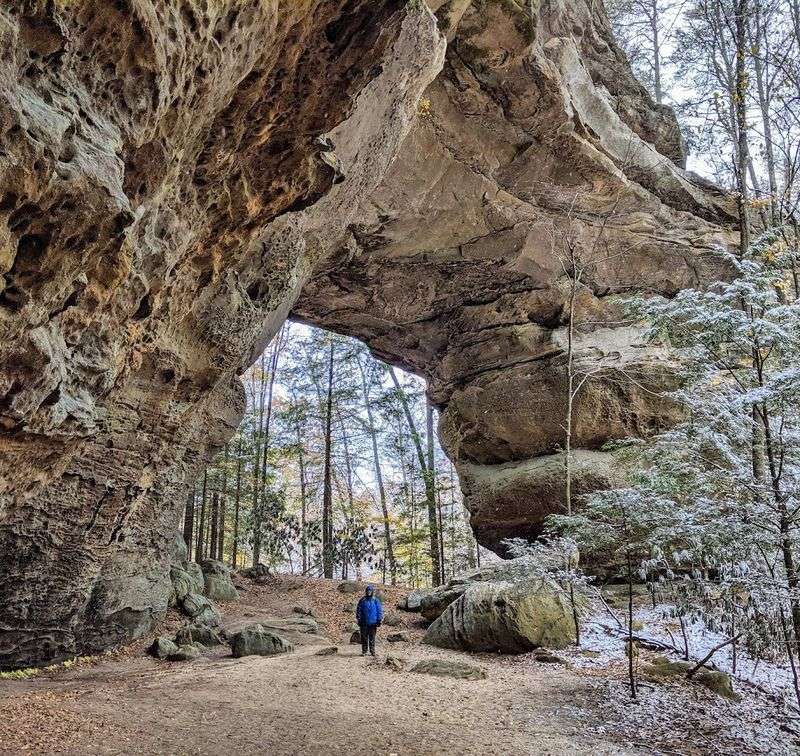
Big South Fork protects 125,000 acres of the Cumberland Plateau, making it one of the largest protected natural areas in the region. The free-flowing Big South Fork River and its tributaries have carved spectacular gorges through sandstone layers, creating a landscape of towering bluffs, natural arches, and hidden waterfalls. The scale of this place is impressive.
Natural Bridge is one of the park’s most photographed features, a massive sandstone arch that formed through millions of years of erosion. Standing beneath it makes you feel tiny, and the engineering marvel of natural forces becomes obvious. Twin Arches, located nearby, offers another stunning example of nature’s architectural abilities.
The river gorge provides endless overlook opportunities where you can peer down hundreds of feet to the water below. Forested slopes stretch in every direction, creating a sea of green that changes to brilliant colors each autumn. The remoteness and size of Big South Fork give it a wilderness character that’s hard to find elsewhere in Tennessee.
Yahoo Falls, the tallest waterfall in Kentucky, sits just across the state line within the recreation area. At 113 feet, it’s worth the short detour for waterfall enthusiasts. The park’s location straddling the Tennessee-Kentucky border means visitors can explore both states in a single trip.
Dark sky enthusiasts appreciate Big South Fork’s designation as an International Dark Sky Park. The lack of light pollution makes stargazing spectacular, with the Milky Way clearly visible on clear nights. Rangers lead astronomy programs that help visitors appreciate the night sky in ways city dwellers rarely experience.
Horseback riding is popular here, with miles of trails specifically designated for equestrian use. Mountain biking, paddling, and rock climbing round out the recreational opportunities, making Big South Fork a multi-sport paradise for outdoor adventurers.
10. Obed Wild & Scenic River — Wartburg
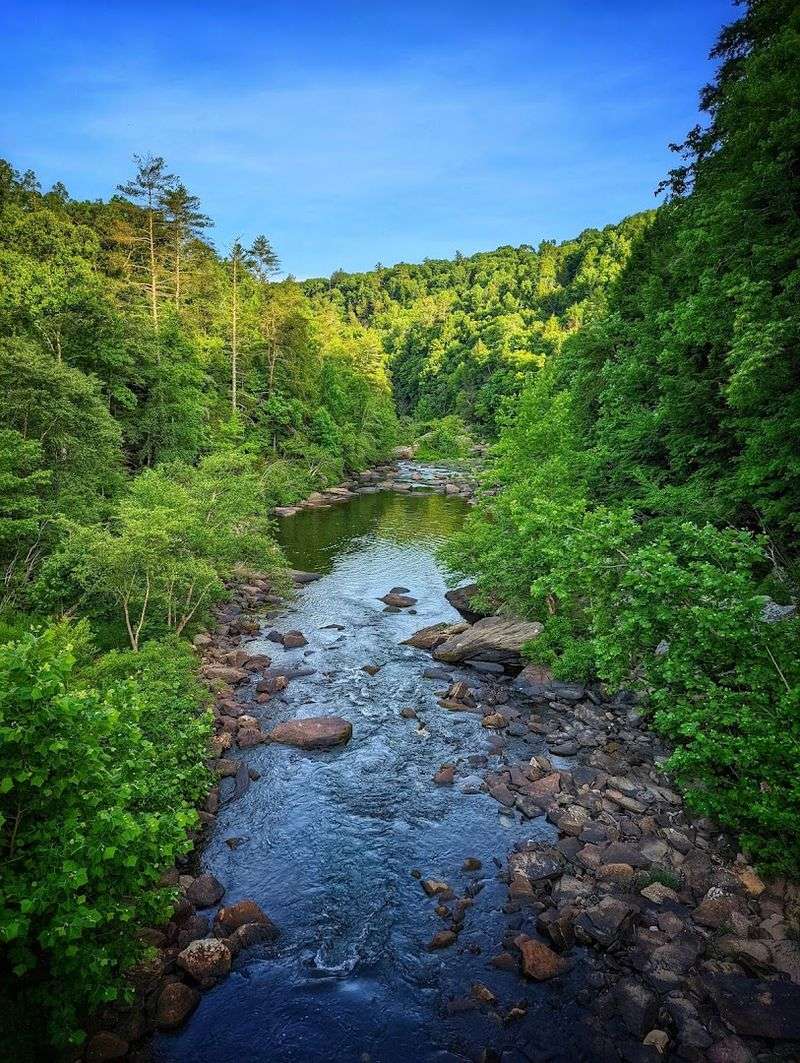
The Obed River system carves through the Cumberland Plateau in a series of spectacular gorges that most Tennessee visitors never see. This hidden gem offers some of the state’s most dramatic cliff scenery and clearest water. The National Park Service protects 45 miles of river corridor, preserving its wild character and unspoiled beauty.
Sheer sandstone cliffs rise up to 500 feet above the river in places, creating walls that challenge rock climbers and inspire photographers. The layered rock faces show distinct strata, each layer telling part of the geological story. In some sections, the gorge is so narrow and deep that sunlight only reaches the water for a few hours each day.
Clear Fork is particularly stunning, with water so transparent you can see every rock and fish on the bottom even in deep sections. The clarity results from the sandstone bedrock that filters the water naturally. Swimming in these pools feels refreshing and pure, far removed from chlorinated pools or murky lakes.
Whitewater sections attract kayakers and rafters looking for technical challenges. The river’s character changes dramatically with water levels, from gentle float trips during low water to serious whitewater adventures after rain. This variability keeps paddlers coming back to experience different conditions.
The Obed’s designation as a Wild and Scenic River protects it from development and ensures its natural character remains intact. This status means no dams, no development, and no commercialization—just pure, unspoiled river scenery. For visitors seeking authentic wilderness experiences close to civilization, the Obed delivers perfectly.
11. Carver’s Gap — Roan Mountain
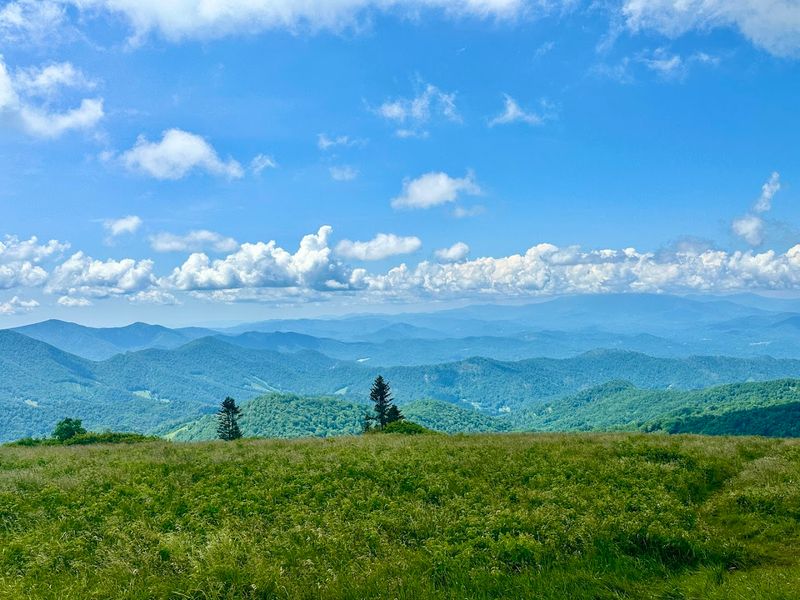
Carver’s Gap sits at 5,512 feet elevation on the Tennessee-North Carolina border, offering a completely different mountain experience than the tree-covered Smokies. Grassy balds stretch across the ridgetop, creating open meadows where views extend for miles in every direction. The Appalachian Trail crosses right through the gap, bringing thru-hikers past this spectacular spot.
June transforms Carver’s Gap into something magical when the Catawba rhododendrons bloom. Thousands of purple-pink flowers carpet the mountainside, creating one of the most spectacular wildflower displays in the eastern United States. The contrast between the bright blooms and the green grass is stunning, and photographers come from all over to capture the scene.
Round Bald and Jane Bald are the two main summits accessible from the gap, both offering 360-degree views from their treeless tops. The hike to reach them is moderate, with well-maintained trails that climb steadily through the flower-covered slopes. Standing on these balds feels like being on top of the world, with nothing but sky and distant mountains surrounding you.
Weather at this elevation can change quickly, so preparation is important. Even summer days can bring cool temperatures and sudden storms. But the exposure that makes weather unpredictable also creates the open views and unique ecosystem that make Carver’s Gap special.
The grassy balds themselves are somewhat mysterious, with scientists still debating exactly how they formed and why they remain treeless. Whatever their origin, these open summits provide rare alpine-like conditions in the southern Appalachians.
12. Ruby Falls — Chattanooga
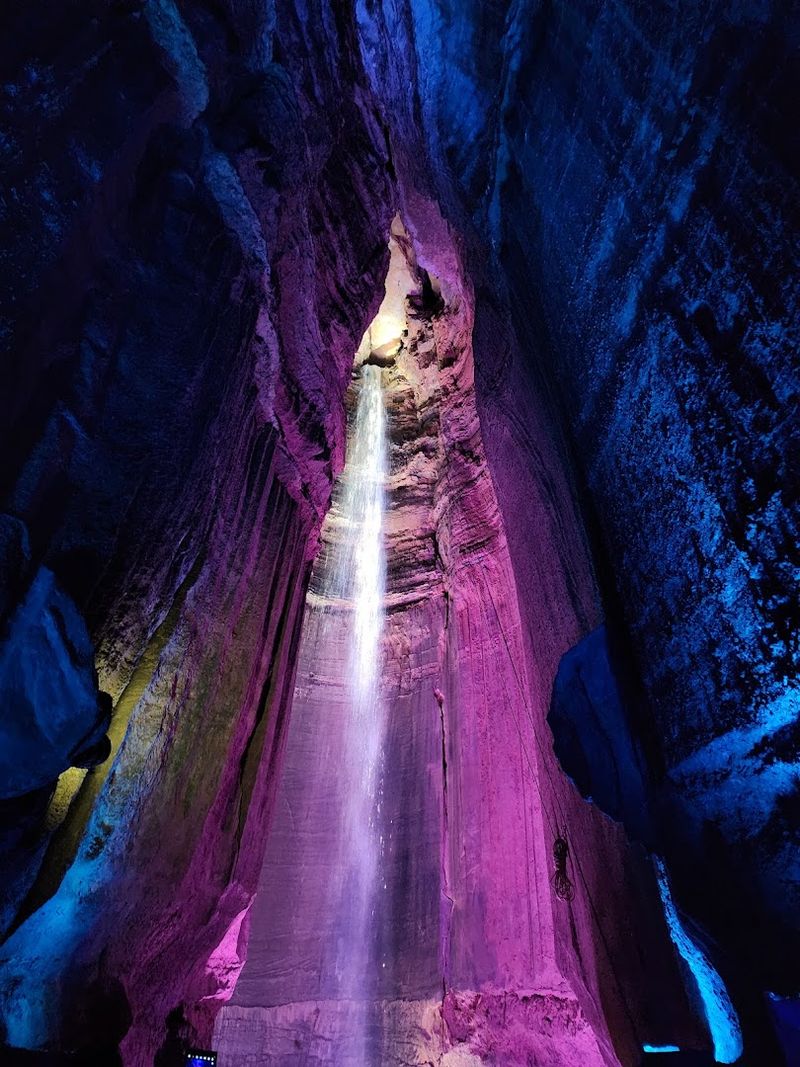
Ruby Falls is one of the most unique waterfalls you’ll ever see because it’s 1,120 feet underground inside Lookout Mountain. The 145-foot waterfall plunges through a limestone cavern in complete darkness, only visible because of carefully placed lighting that brings out the natural beauty. This is nature’s spotlight moment taken literally.
The journey to reach the falls involves a guided tour through narrow cave passages filled with fascinating rock formations. Stalactites, stalagmites, and flowstone decorations line the route, each formation taking thousands of years to develop. The cave itself would be impressive even without the waterfall as a finale.
When you finally reach the main chamber and see Ruby Falls for the first time, the effect is dramatic. The waterfall drops from a crack in the ceiling high above, falling through the darkness into a pool below. The sound echoes through the chamber, and the colored lights create an almost otherworldly atmosphere.
Leo Lambert discovered the falls in 1928 and named them after his wife, Ruby. The cave entrance was originally located at the base of the mountain but was sealed when railroad construction created a tunnel. Lambert’s new entrance required drilling an elevator shaft through solid rock, an engineering feat that still impresses today.
The cave maintains a constant temperature around 60 degrees year-round, making it a comfortable escape from summer heat or winter cold. The waterfall’s flow varies with rainfall on the mountain above, sometimes slowing to a trickle during dry periods and surging during wet seasons.
13. The Ocoee River Corridor — Southeast Tennessee

The Ocoee River corridor combines powerful whitewater, dramatic mountain scenery, and a rich history into one spectacular package. This river hosted the 1996 Olympic whitewater events, putting its challenging rapids on the world stage. The legacy of those games remains visible in the permanent course and facilities along the river.
Three distinct sections of the river offer different experiences. The Upper Ocoee features continuous Class III-IV rapids that keep adrenaline pumping for miles. The Middle Ocoee is the most popular commercial rafting section, with exciting rapids mixed with calmer pools.
Even if you’re not on the water, the river corridor offers spectacular scenery. The Ocoee Scenic Byway follows the river through the Cherokee National Forest, providing pullouts where you can watch rafters and kayakers tackle the rapids. The forested mountains rising on both sides create a green tunnel effect that’s especially beautiful during fall color season.
The river’s character results from dam releases that control water flow. When the dams are releasing, the Ocoee transforms into a whitewater playground. When they’re not, the riverbed reveals massive boulders and rocky channels that hint at the power of moving water.
Hiking trails branch off from the corridor, leading to waterfalls, overlooks, and remote mountain areas. The Benton Falls Trail is particularly popular, ending at a 65-foot waterfall that’s beautiful year-round. These side trips let you experience the quieter side of the forest between river adventures.
14. Reelfoot Lake State Park — Tiptonville
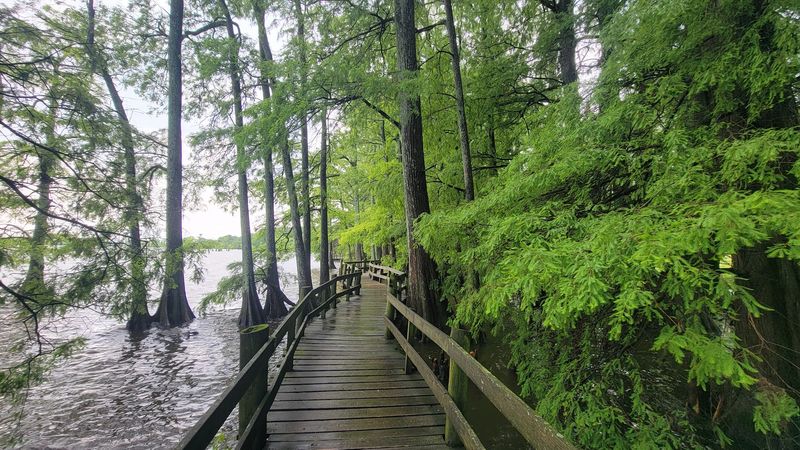
Reelfoot Lake is completely different from anything else on this list because it sits in Tennessee’s northwest corner where the landscape is flat, the water is shallow, and cypress trees rise from the lake like ancient sentinels. The lake formed during the New Madrid earthquakes of 1811-1812, when the ground literally sank and the Mississippi River flowed backward to fill the depression.
Bald cypress trees, with their distinctive knees protruding from the water, create a landscape that looks more like Louisiana than Tennessee. Spanish moss drapes from branches, and the still water reflects the trees in perfect mirror images. Early morning mist rising off the lake creates an ethereal atmosphere that photographers and nature lovers dream about.
Bald eagles are the main wildlife attraction, with Reelfoot hosting one of the largest winter populations of these majestic birds in the United States. From December through March, eagles gather here to feed on the abundant fish population. Watching these powerful birds soar overhead or perch in the cypress trees is an unforgettable experience.
The lake’s shallow depth (averaging just 5.5 feet) and abundant vegetation create perfect habitat for fish, which in turn attracts the eagles and other wildlife. Great blue herons, egrets, and countless other bird species make Reelfoot a birdwatcher’s paradise. The diversity of species rivals much larger and more famous wildlife refuges.
Boat tours through the cypress forest let you explore areas inaccessible from shore. Gliding silently through the trees in a flat-bottomed boat feels timeless and peaceful. Your guide will point out wildlife, explain the lake’s unique ecology, and share stories about the area’s history and legends.
15. Ramsey Cascades — Gatlinburg
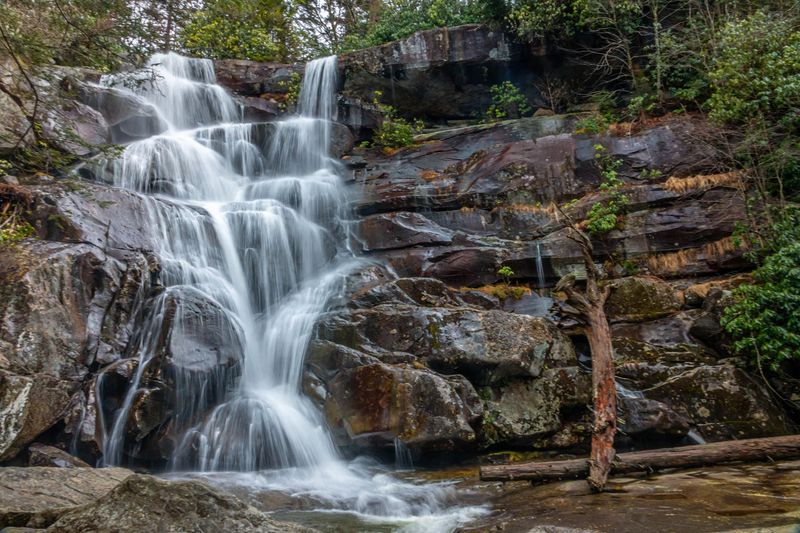
Ramsey Cascades is the tallest waterfall in Great Smoky Mountains National Park at approximately 100 feet, and reaching it requires earning your view with an eight-mile round-trip hike. This isn’t a quick roadside stop; it’s a committed adventure that rewards effort with one of the Smokies’ most impressive waterfall scenes. The trail is considered strenuous but manageable for reasonably fit hikers.
The path winds through old-growth forest where massive tulip poplars and hemlocks tower overhead. Some of these trees are hundreds of years old, survivors from before logging operations reached this remote area. Walking among these giants puts you in touch with the forest’s ancient character and reminds you what the Smokies looked like before European settlement.
The last section of trail follows Ramsey Prong, the creek that feeds the cascades. The sound of rushing water grows louder with each step, building anticipation for what’s ahead. Creek crossings on log bridges add a bit of adventure, and the rocky terrain requires careful footing, especially when wet.
When you finally reach the cascades, the sight is worth every step. Water tumbles down a series of rock steps and ledges, creating a tiered effect that’s different from a single vertical drop. Moss and ferns cover the rocks, adding vibrant green to the scene.
The pool at the base invites wading on hot days, though the water is always cold from its mountain source.
Spring brings higher water flow, making the cascades more powerful and dramatic. Fall offers the bonus of colorful leaves carpeting the trail and floating in the pools. Winter can create ice formations along the falls, though the trail becomes more challenging when snow and ice cover the path.
This is the kind of place that reminds you why protecting wilderness matters and why some natural beauty should require effort to reach.