Tennessee might be famous for country music and barbecue, but hidden across the state are places that look like they belong in a storybook. From actual castles with medieval towers to quaint villages frozen in time, these spots prove you don’t need a passport to feel like you’ve stepped into a European fairytale.
Whether you’re drawn to Gothic architecture, enchanted gardens, or cobblestone streets, Tennessee has a surprising collection of places that transport you straight across the Atlantic.
1. Castle Gwynn — Arrington
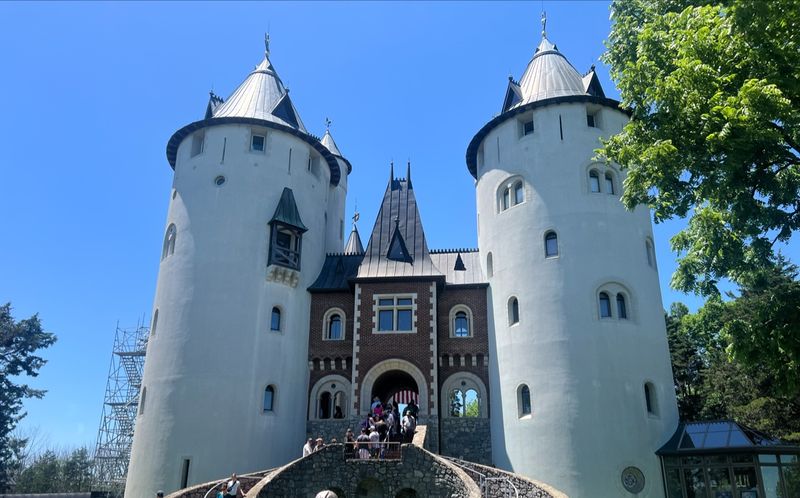
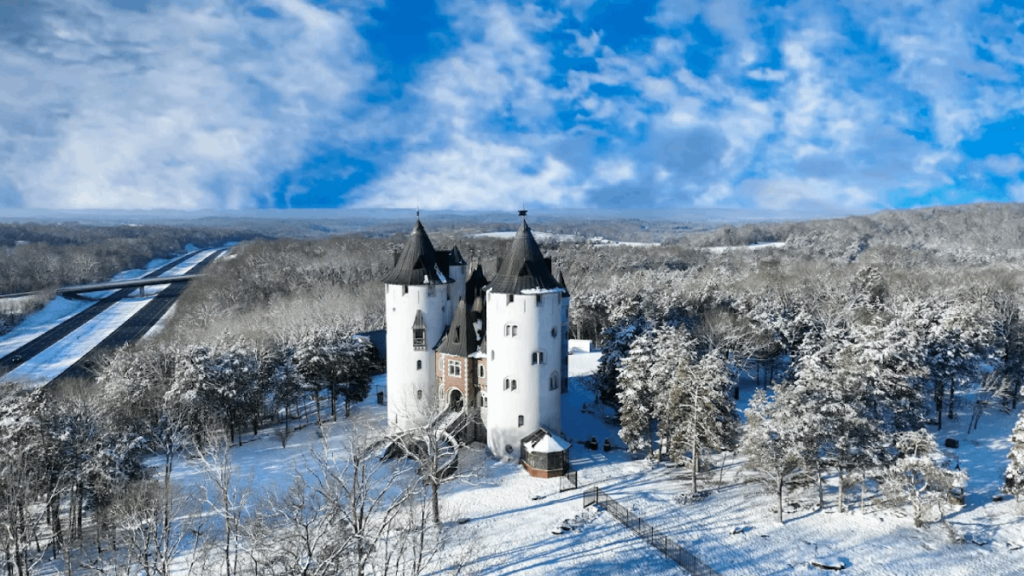
Built with authentic medieval design in mind, Castle Gwynn rises from the Tennessee hills like something straight out of a Welsh legend. The white towers, pointed roofs, and stone construction make it one of the most castle-like structures you’ll find anywhere in the South. Every detail was crafted to capture that old-world feeling, from the turrets to the arched doorways.
This isn’t just a replica sitting empty on a hillside. Castle Gwynn is the official home of the Tennessee Renaissance Festival, which means it comes alive with knights, musicians, artisans, and performers each spring. Walking through the gates during festival season feels like stepping back centuries, with the smell of roasted turkey legs and the sound of bagpipes filling the air.
Even outside of festival weekends, the castle maintains its enchanted presence. The surrounding landscape adds to the effect, with rolling green hills that could easily pass for the British countryside. It’s a photographer’s dream, especially during golden hour when the light hits those white stone walls.
What makes Castle Gwynn special is how seriously it takes the fantasy. This isn’t a theme park version of a castle—it’s built with real stone and designed with historical accuracy in mind. The attention to detail shows in every corner, from the heavy wooden doors to the ironwork.
If you’ve ever wanted to feel like royalty without leaving the South, this is your spot. The castle proves that Tennessee can do fairytale architecture just as well as Europe, and maybe with a bit more Southern hospitality thrown in. It’s the kind of place that makes you believe in magic, even if just for an afternoon.
2. Cheekwood Estate & Gardens — Nashville
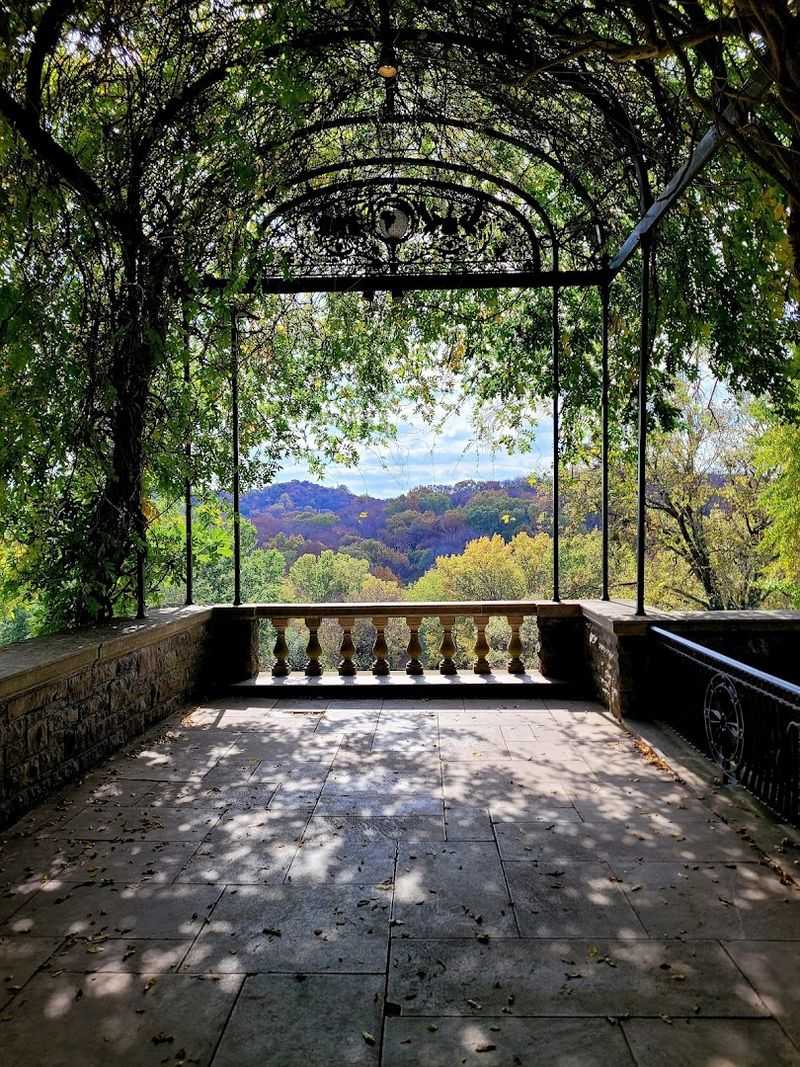
Picture a European country estate, complete with a stately mansion, perfectly trimmed hedges, and fountains that belong in a Jane Austen novel. That’s Cheekwood, and somehow it exists right in Nashville. The 55-acre property feels worlds away from the honky-tonks downtown, offering the refined elegance of an English manor house.
The mansion itself dates back to the 1930s and was built in the Georgian style, which means symmetry, classical proportions, and an air of old-money sophistication. Inside, you’ll find art galleries and period rooms that transport you to a more formal era. But the real magic happens outside.
The gardens are what truly earn Cheekwood its fairytale status. Depending on the season, you might wander through blooming tulips, fragrant roses, or autumn foliage that rivals anything in the English countryside. Sculpture trails wind through the grounds, adding artistic touches to the already picturesque landscape.
Water features and stone pathways complete the storybook setting.
What sets Cheekwood apart is how it balances grandeur with accessibility. You can spend hours exploring different garden rooms, each with its own character and design. The Japanese garden offers Zen tranquility, while the formal gardens lean into European tradition with structured beds and topiaries.
Seasonal events add extra enchantment throughout the year. Holiday lights transform the estate into a winter wonderland, while spring blooms create a riot of color worthy of any European botanical garden. It’s the kind of place where you half expect to see ladies in long dresses taking afternoon tea on the lawn.
Cheekwood proves that Southern elegance can match European sophistication any day of the week.
3. Ancient Lore Village — Knoxville
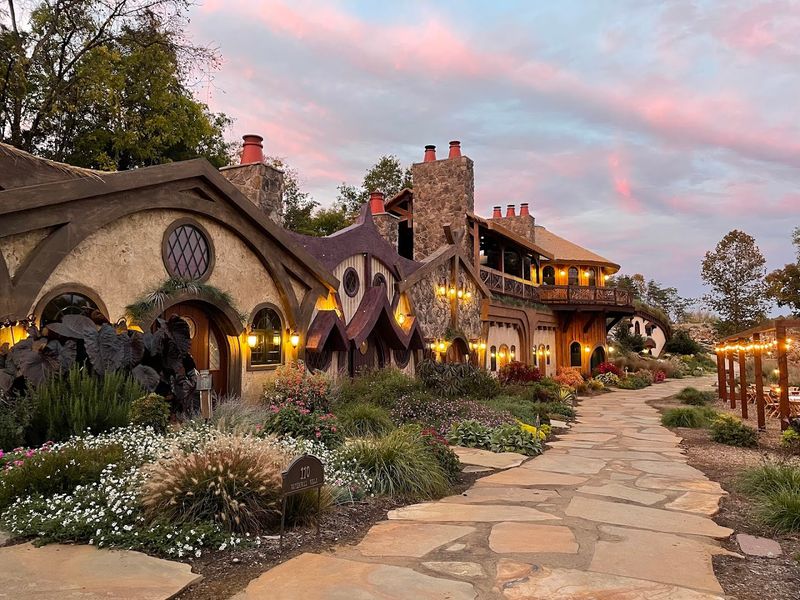
Some places try to capture fairytale magic. Ancient Lore Village was built specifically to create it. This fantasy-themed lodging destination near Knoxville takes the storybook aesthetic seriously, with dwellings that look like they were designed by woodland creatures with architecture degrees.
Each structure has its own personality and whimsical details. Curved rooflines, round doors, unexpected windows, and creative use of natural materials make the village feel like it grew organically from the forest floor. You won’t find cookie-cutter cabins here—every building tells its own visual story.
The theming goes beyond just cute exteriors. Interiors continue the enchanted atmosphere with custom woodwork, cozy nooks, and details that make you feel like you’re sleeping inside a living fairytale. It’s immersive in a way that most themed accommodations never quite achieve.
What makes Ancient Lore Village particularly special is its forest setting. Surrounded by trees and tucked into the landscape, the village feels genuinely hidden and magical. Morning mist rolling through the woods only adds to the effect, creating scenes that could illustrate a fantasy novel cover.
This isn’t a place you just visit—you stay here and become part of the story. Guests can explore the grounds, discover hidden details, and fully embrace the escape from everyday reality. It’s designed for people who never quite outgrew their love of fairytales and fantasy worlds.
For anyone who ever wanted to live inside a storybook, even temporarily, Ancient Lore Village delivers. It’s proof that Tennessee embraces the whimsical and magical just as enthusiastically as it does traditional Southern charm.
4. Historic Rugby — Rugby
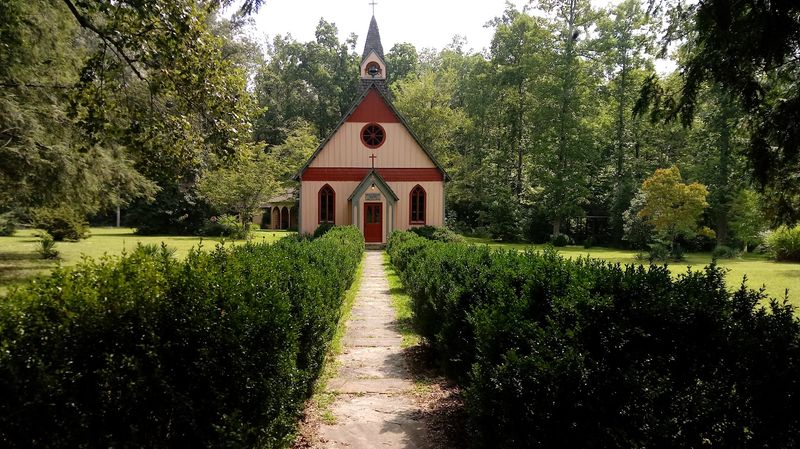
Founded in 1880 by British author Thomas Hughes, Historic Rugby was literally designed to be a piece of England transplanted to Tennessee. The experiment in utopian community-building may not have lasted, but the village itself survived remarkably intact. Walking through Rugby today feels like stumbling into a Victorian-era English hamlet that somehow got lost in Appalachia.
The preserved buildings tell the story of ambitious Brits who tried to create a new life in the American South. Original structures include Hughes Public Library, still housing its collection of Victorian-era books, and Christ Church Episcopal, a board-and-batten Gothic Revival chapel that could have been lifted straight from the English countryside. The architecture stays true to its British roots, with none of the typical American frontier style you’d expect from 1880s Tennessee.
Guided tours bring the history to life, explaining how younger sons of the English gentry came here seeking opportunity and a fresh start. The stories are fascinating—equal parts hopeful idealism and culture clash. You can almost picture Victorian ladies in long dresses navigating the muddy Tennessee roads.
The village sits in a peaceful valley surrounded by the Cumberland Plateau’s forests, which only adds to the tucked-away hamlet feeling. It’s remote enough to maintain its time-capsule quality, without modern development crowding in. The setting helps you imagine what drew those British settlers here in the first place.
Rugby hosts various events throughout the year, including traditional English teas and historical reenactments. But even without special programming, simply wandering the village transports you.
5. Belmont Mansion — Nashville
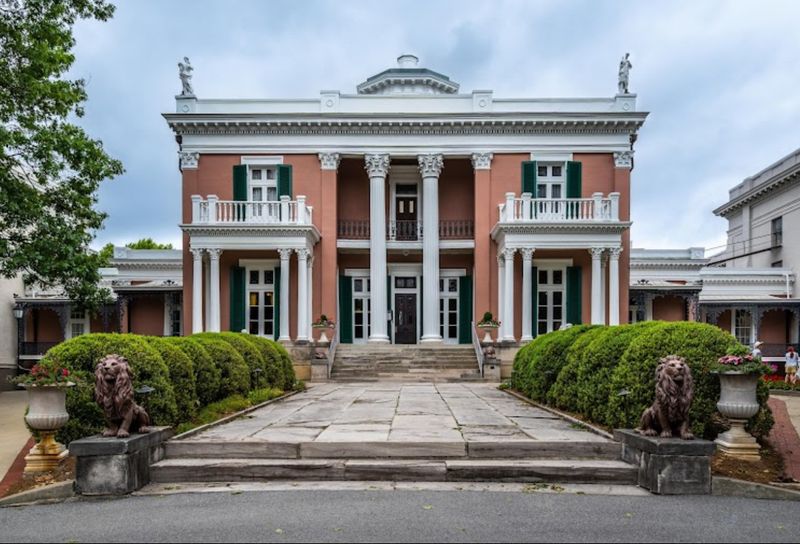
Before Belmont University took over the grounds, there was Belmont Mansion—a stunning Italian villa-style estate that brought Mediterranean elegance to antebellum Nashville. Built in the 1850s for Adelicia Acklen, one of the wealthiest women in America at the time, this mansion was designed to impress. And more than 170 years later, it still does.
The architecture pulls heavily from Italian Renaissance villas, with symmetrical design, ornate details, and a grandeur that feels more European aristocracy than Southern plantation. Adelicia had traveled extensively in Europe and wanted her home to reflect that sophisticated aesthetic. She succeeded spectacularly.
Inside, the mansion showcases the kind of lavish 19th-century interiors you’d expect to find in a European palace. Original furnishings, elaborate plasterwork, imported marble, and gilded mirrors fill the rooms. The attention to detail and quality of craftsmanship are exceptional, demonstrating the wealth and taste of its original owner.
Guided tours reveal not just the architecture and décor, but also Adelicia’s remarkable life story. She was a businesswoman, art collector, and social leader who defied many expectations of her era. Her European sensibilities and cosmopolitan outlook shaped every aspect of the mansion’s design and decoration.
The mansion sits on what’s now the Belmont University campus, but stepping inside transports you completely away from modern Nashville. Each room tells a story of a woman who brought European culture and style to Tennessee long before international travel was common. The contrast between the mansion’s Old World elegance and its Music City location makes it even more striking.
6. All Saints’ Chapel — Sewanee
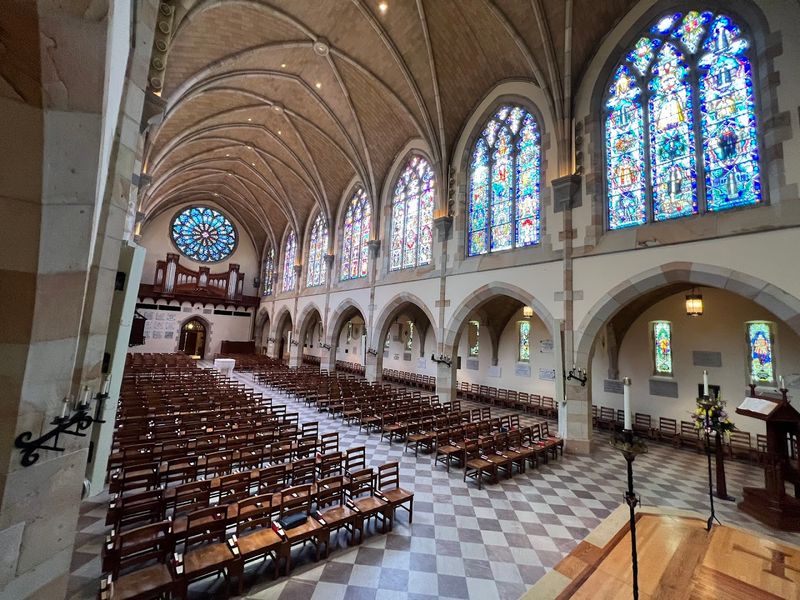
Perched on a mountain plateau at the University of the South, All Saints’ Chapel commands attention with its soaring Gothic Revival architecture. The stone structure, with its pointed arches, flying buttresses, and bell tower, looks like it was transported stone by stone from medieval Europe. On foggy mornings, it could easily pass for an ancient cathedral in the English countryside.
Construction began in 1904 and continued for decades, which means the chapel incorporates authentic Gothic building techniques rather than just mimicking the style. The result is a structure with genuine architectural integrity. Walking through its heavy wooden doors feels like entering a different era entirely.
Inside, the cathedral-like atmosphere intensifies. Vaulted ceilings draw your eyes upward, while stained glass windows filter colored light across the stone floors. The craftsmanship evident in every detail—from the carved woodwork to the stonework—demonstrates the level of care and skill that went into creating this sacred space.
The chapel’s mountaintop setting adds to its otherworldly quality. Sewanee sits atop the Cumberland Plateau, and the elevation combined with the Gothic architecture creates an almost mystical presence. When mist rolls across the campus, the chapel emerges from the fog like something from a Gothic novel.
All Saints’ Chapel serves as the spiritual heart of the university, hosting services and events throughout the year. But even for non-religious visitors, the building offers a powerful experience. The combination of authentic Gothic architecture, skilled craftsmanship, and dramatic natural setting makes it one of Tennessee’s most European-feeling structures.
You don’t need to be a student or churchgoer to appreciate what makes this chapel special. It’s simply one of the finest examples of Gothic Revival architecture in the South, executed with a level of authenticity that genuinely transports you across the ocean and back in time.
7. Millennium Manor Castle — Alcoa
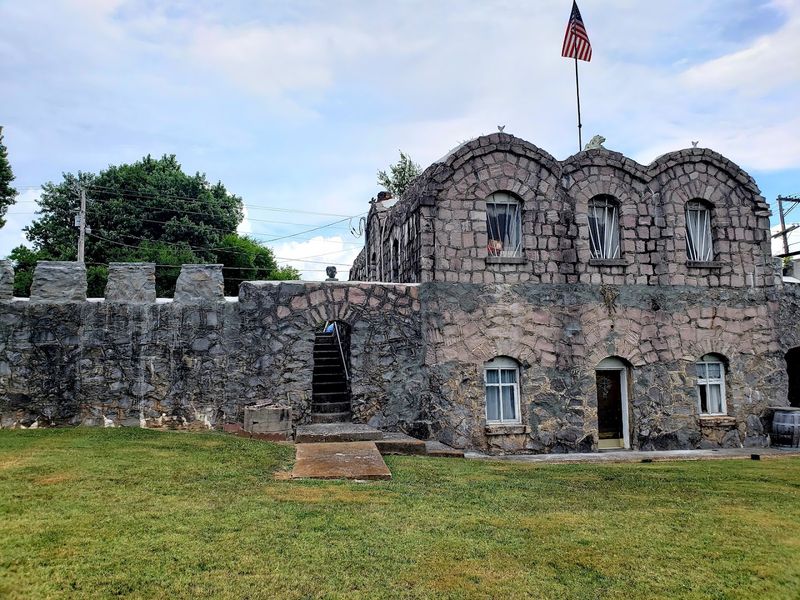
Millennium Manor Castle feels like the kind of place you would expect to find at the end of a misty lane in the European countryside, not tucked into Alcoa, Tennessee. Its rugged stone walls, fortress-like shape, and old-world character give it the look of a tiny medieval stronghold guarding a secret.
What makes it so memorable is that it does not feel polished or staged. It has a handmade quality that gives the castle real personality, almost as if every stone was placed with a purpose and a story attached. Instead of grand ballroom glamour, Millennium Manor has a quieter kind of magic—the kind that makes you slow down, stare a little longer, and wonder what inspired someone to build something so unusual.
There is something wonderfully unexpected about seeing a castle rise from an everyday Tennessee setting. That contrast is part of its charm. It feels mysterious, stubborn, romantic, and slightly surreal all at once.
For anyone exploring Tennessee’s fairytale-like places, Millennium Manor Castle deserves a spot on the list. It is not just a pretty structure; it is a reminder that even the most ordinary towns can hide something extraordinary.
8. Jonesborough Historic District — Jonesborough
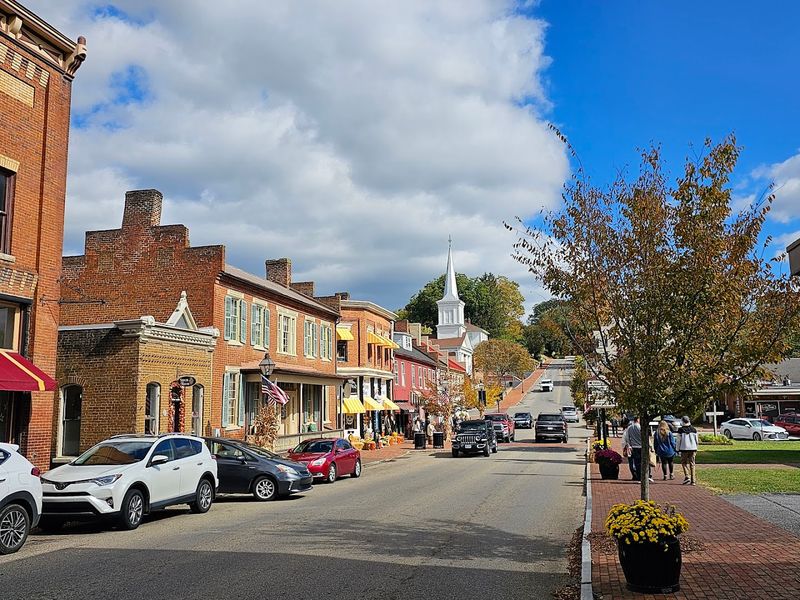
Tennessee’s oldest town has aged gracefully, preserving a main street that feels like it belongs in a different century. Brick sidewalks, historic storefronts, and beautifully maintained buildings give Jonesborough a storybook small-town charm that’s increasingly rare. Unlike some historic districts that feel frozen and lifeless, this one buzzes with actual community life.
Founded in 1779, Jonesborough predates Tennessee’s statehood by nearly two decades. That long history shows in the architecture—buildings from multiple eras line the streets, each telling part of the town’s story. The careful preservation work means you’re seeing authentic history, not reconstructed replicas.
The town’s commitment to maintaining its character extends beyond just buildings. Events like the National Storytelling Festival, held here every fall, celebrate tradition and community in ways that feel genuinely connected to the past. Walking these streets during festival time, with storytellers spinning tales on street corners, enhances the fairytale atmosphere.
What makes Jonesborough work as a European-style village isn’t just the old buildings—it’s the scale and walkability. The compact downtown area encourages strolling, with local shops, cafes, and galleries housed in historic structures. It’s the kind of place where you can imagine characters from a Jane Austen novel going about their daily business.
The surrounding landscape adds to the effect. Rolling hills and old trees frame the town, creating a pastoral setting that enhances the historic atmosphere. It’s not dramatic or flashy, just quietly beautiful in a way that feels timeless.
9. Townsend
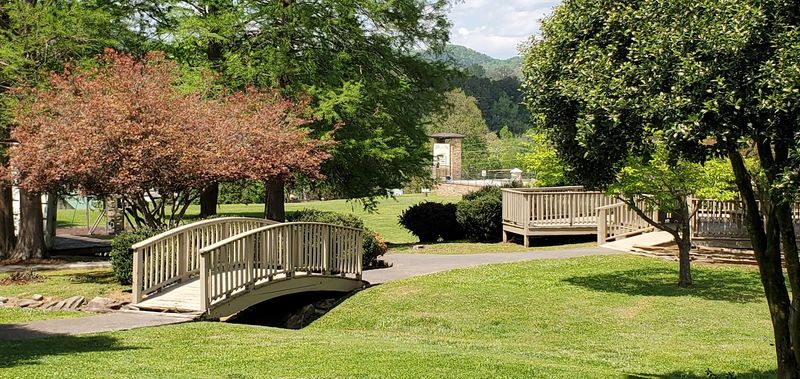
Tucked into a valley at the edge of Great Smoky Mountains National Park, Townsend trades tourist crowds for peaceful mountain charm. While Gatlinburg and Pigeon Forge pack in the attractions, Townsend keeps things quiet and rustic. The result is a gateway town that feels more like an Alpine village than a typical American tourist stop.
The scenery does most of the heavy lifting here. Mountains rise on all sides, creating a valley setting that echoes European alpine towns. Rivers and streams wind through the landscape, adding to the pastoral atmosphere.
During fall, when the mountains explode with color, the resemblance to Bavaria or the Swiss countryside becomes even stronger.
Townsend’s deliberate choice to stay low-key enhances its old-world village feel. You won’t find massive hotels or neon signs here—instead, there are small lodges, local restaurants, and a pace of life that encourages slowing down. It’s the anti-Gatlinburg, and that’s exactly the point.
The town serves as a perfect base for exploring the national park’s less-crowded entrances. Cades Cove, one of the park’s most beautiful valleys with historic cabins and churches, sits just minutes away. The combination of mountain scenery, historic structures, and rural character creates an experience that feels decidedly European in its emphasis on nature and preservation.
Local businesses embrace the town’s peaceful identity. Craft shops, small-batch producers, and family-run operations give Townsend a village economy feel rather than a corporate tourist trap atmosphere. It’s the kind of place where you might chat with shop owners and leave knowing their stories.
Townsend won’t wow you with castles or grand architecture, but its mountain village atmosphere and commitment to staying authentic create a different kind of fairytale—the kind where the setting is the star and peace is the prize.
10. Cravens House — Lookout Mountain
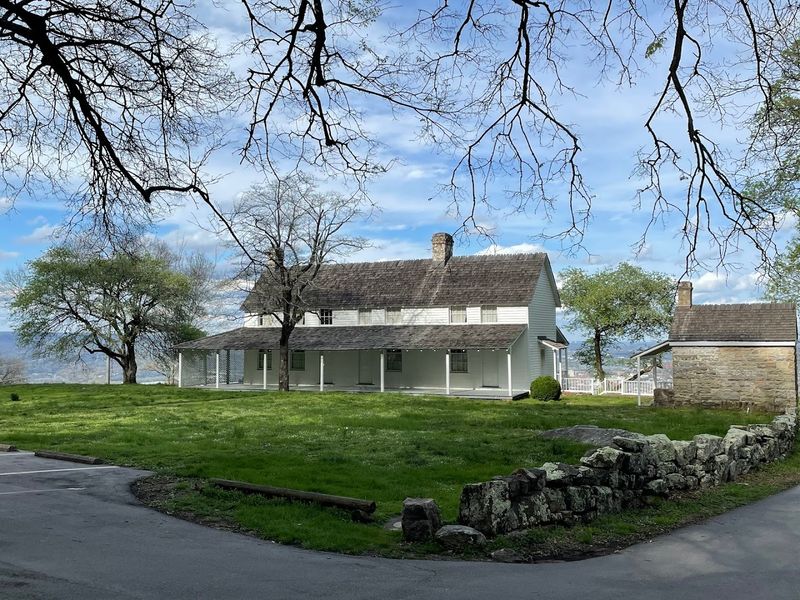
Sitting on the slopes of Lookout Mountain, Cravens House survived one of the Civil War’s most dramatic battles and still stands today as a testament to that turbulent period. The white clapboard structure, built in the 1850s, occupies a spectacular location with sweeping views across the valley below. Its position and preservation give it an almost ethereal quality, especially when morning fog settles in the valley.
The house belonged to Robert Cravens and his family before becoming an unwilling participant in the Battle Above the Clouds in November 1863. Confederate forces used it as a headquarters and hospital, while Union troops eventually fought their way up the mountain in battle conditions so foggy that soldiers could barely see each other. The house witnessed it all.
Today, the restored structure offers visitors a glimpse into both the home’s antebellum life and its wartime experience. The simple but elegant architecture represents the kind of prosperous farm dwelling common to the era. Its setting, however, is anything but common—the views from Cravens House are spectacular, making it easy to understand why both armies wanted to control this position.
What gives Cravens House its fairytale quality isn’t just age or history—it’s the dramatic location. Perched on the mountainside with clouds often drifting past, the white house against the green landscape creates scenes that could illustrate a Gothic novel. The isolation and elevation add to the atmospheric effect.
The house is part of Chickamauga and Chattanooga National Military Park, which means it’s professionally maintained and interpreted. Rangers can explain the battle and the family’s story, adding context that makes the site even more compelling. But even without the historical narrative, Cravens House captivates through its setting alone—a lonely white structure on a misty mountain, witness to history and time.