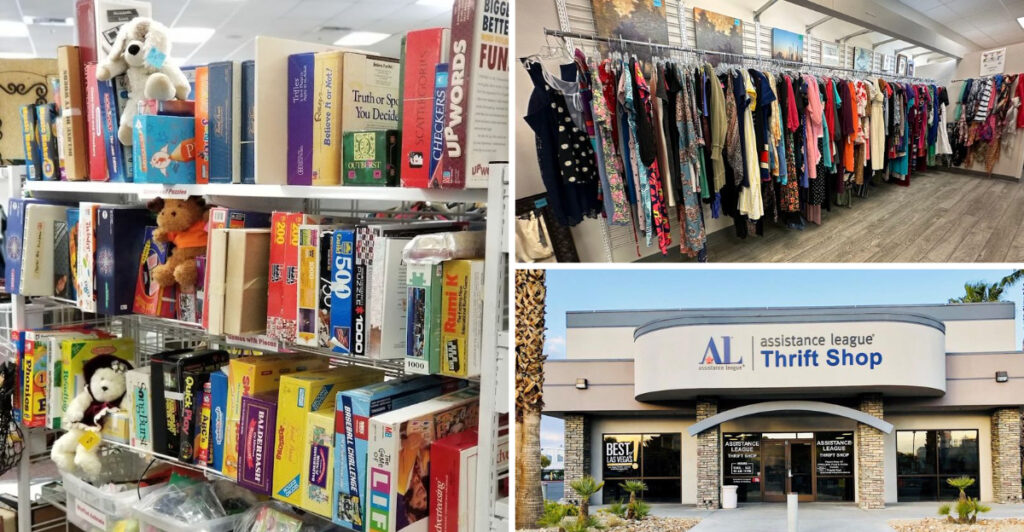
At Assisting Lives in Las Vegas, the thrill is not digging through chaos — it is realizing how much good stuff you can spot before anybody else does. This West Charleston Boulevard thrift store keeps the layout organized, the inventory rotating, and the discounts tempting enough to turn a quick browse into a full cart surprisingly fast.
Clothing, home goods, décor, books, and everyday essentials all compete for attention without the overwhelming clutter many thrift shoppers expect. The real skill here is timing the sales and scanning section by section carefully. For bargain hunters who love stretching a small budget into a genuinely impressive haul, Assisting Lives makes the strategy feel rewarding.
Bright Aisles, Labeled Shelves, Zero Treasure-Hunt Chaos
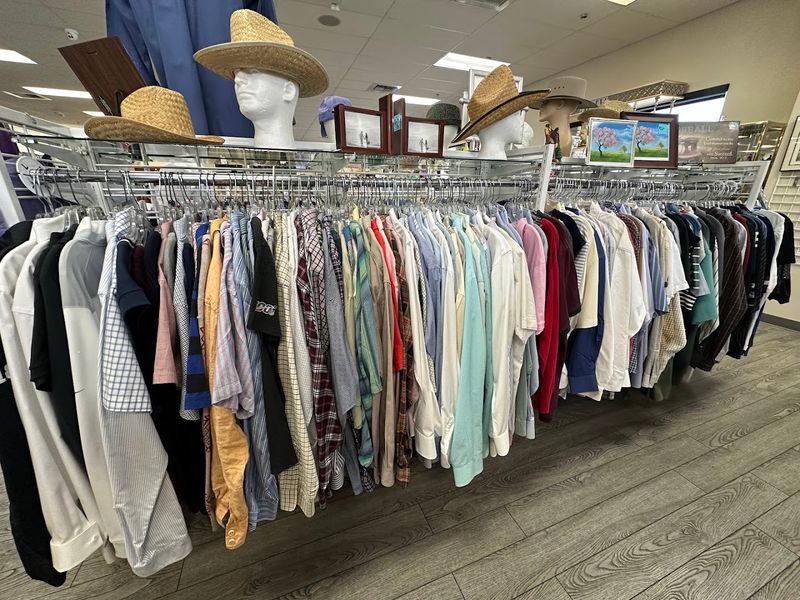
At Assisting Lives in Las Vegas, the first surprise is not a single flashy display or one dramatic bargain rack. It is the order.
You walk into a thrift store and immediately notice clear pathways, tidy shelves, and a layout that looks maintained with intention instead of patched together between donations.
That matters in a city where secondhand shopping can swing from thrilling to exhausting in one parking lot. Here, categories are easy to track, so your attention goes to the merchandise rather than the mess.
Clothing does not spill into housewares, glassware is typically grouped in a way that invites browsing, and the overall setup gives the store a boutique rhythm without pretending to be precious.
The visual effect changes how you shop. Instead of racing past clutter, you slow down and actually compare textures, colors, brands, and condition.
Small details become easier to catch, whether that is a crisp button-down, a clean handbag, or a set of teacups that would disappear in a more chaotic room.
The store also benefits from a scale that feels substantial without becoming overwhelming. There is enough inventory to keep the hunt alive, yet not so much that you need an afternoon just to orient yourself.
For shoppers who like a little structure with their serendipity, that balance is a major advantage. Even before anything lands in your basket, the place establishes a useful promise: time spent here is likely to be real shopping time, not aimless rummaging. In thrifting, that is a bigger luxury than people admit, and it sets up everything else this store does well.
How $30 Stretches Further Than You Expect
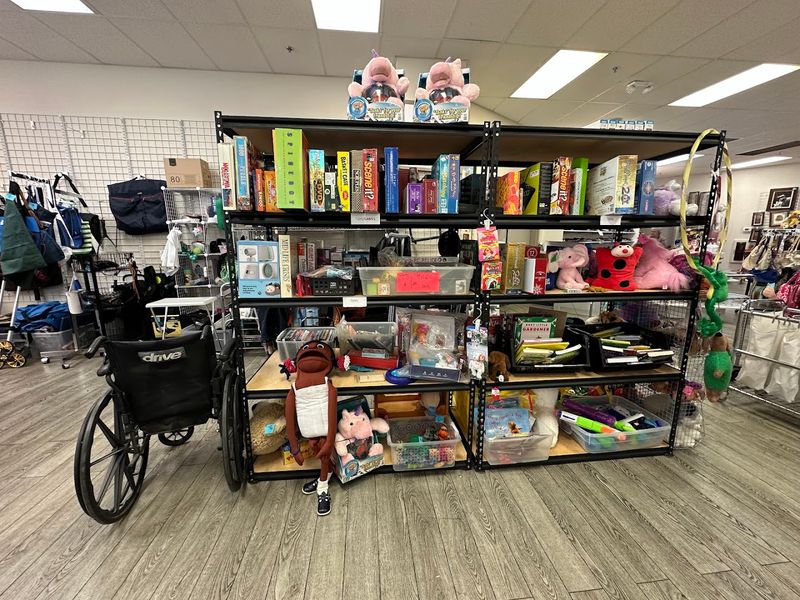
The main appeal at Assisting Lives in Las Vegas is simple: thirty dollars can still build a surprisingly solid haul if you shop with a little strategy. Not every item is priced the same way, and the store clearly separates everyday thrift finds from select higher-priced pieces.
The trick is learning where the strongest value tends to collect. Regular clothing sections are usually the smartest starting point, especially for shoppers focused on practical additions instead of one standout statement piece.
Everyday shirts, jeans, jackets, and seasonal basics often create the best math for a limited budget, particularly when sale tags and rotating discounts enter the picture. A few carefully chosen items can add up quickly without pushing the total very far.
Housewares make the budget stretch even further. Mugs, glassware, linens, dishes, baskets, and small decorative pieces are easy to evaluate at a glance, which helps speed up decision-making.
You can scan condition, style, and usefulness almost instantly, making this one of the easiest areas in the store for building a satisfying basket without overspending. Sales also shape the experience in a major way.
Color-tag discounts, rotating promotions, and occasional half-off deals can dramatically shift what thirty dollars buys on any given day. Timing matters here more than impulse.
A shopper paying attention to signage and category markdowns will usually outperform someone grabbing the first interesting thing they see. This is not a thrift store built entirely around rock-bottom pricing.
It works better as a place where organization, discount timing, and careful browsing combine to create strong value. For budget-minded shoppers, that approach makes the hunt feel sharper, calmer, and much more rewarding.
The Top Drawer Split Changes the Whole Shopping Game
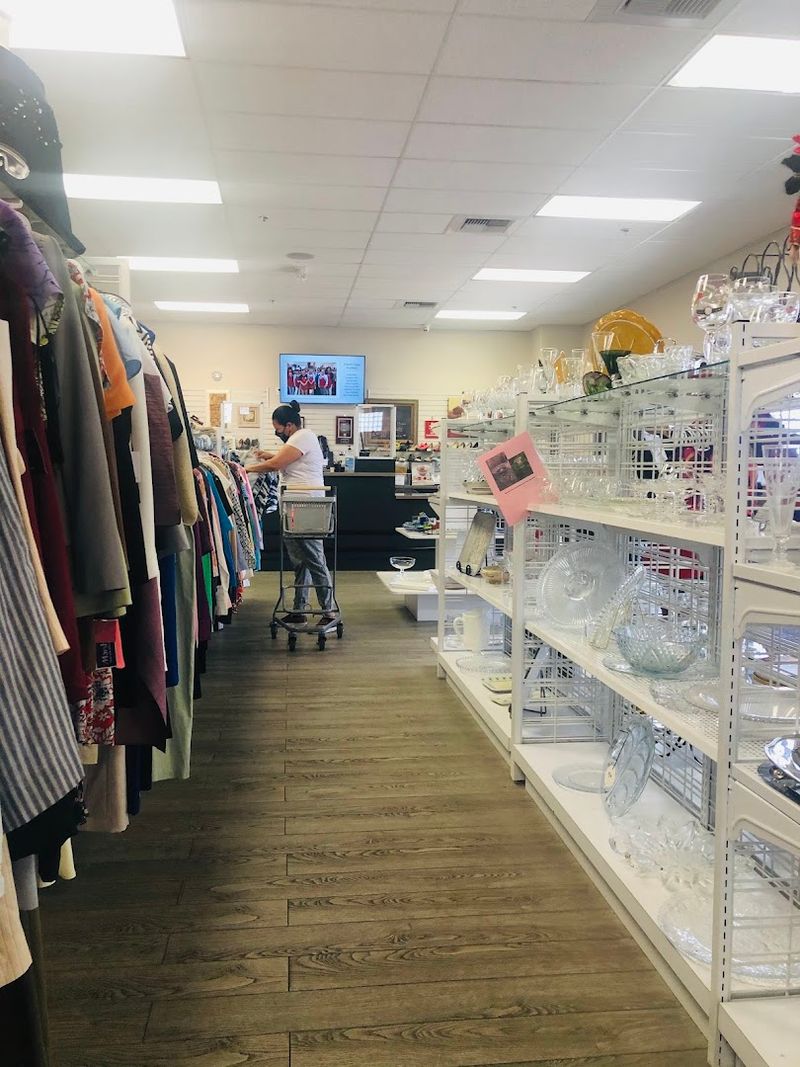
One of the most useful details at Assisting Lives in Las Vegas is the separation between regular clothing and the more curated Top Drawer area. That split is not just cosmetic.
It changes your pace, your expectations, and the way you budget from the moment you start scanning racks. In the regular sections, you can shop with broad strokes. Look for fit, fabric, season, and color, then move quickly because the pricing structure is often friendlier and more predictable.
It is the zone for practical wins, the kind that make you feel clever for finding a sharp blouse, work pants, or a backup jacket without overthinking every hanger.
Top Drawer asks for a different mindset. This is where better labels, stronger condition, or more fashionable pieces tend to land, and individually priced items can rise well above basic thrift expectations.
Some shoppers love that distinction because it keeps nicer inventory visible and easier to browse. Others come mainly for sales, which is probably the most efficient approach if you want the premium section without premium hesitation.
The key is that the store gives you a choice instead of blending everything into one uneven sea. You can spend ten focused minutes in Top Drawer looking for a standout purse or blazer, then shift back to regular racks for the budget-friendly backbone of your haul.
That structure is practical, especially if you are shopping with a strict number in mind.
For first-timers, the smartest route is to treat the store as two related experiences under one roof. One side is your dependable bargain field.
The other is your selective upgrade lane. Knowing that early helps you shop calmer, faster, and with fewer checkout surprises.
Nevada Thrifting for More Than Clothes
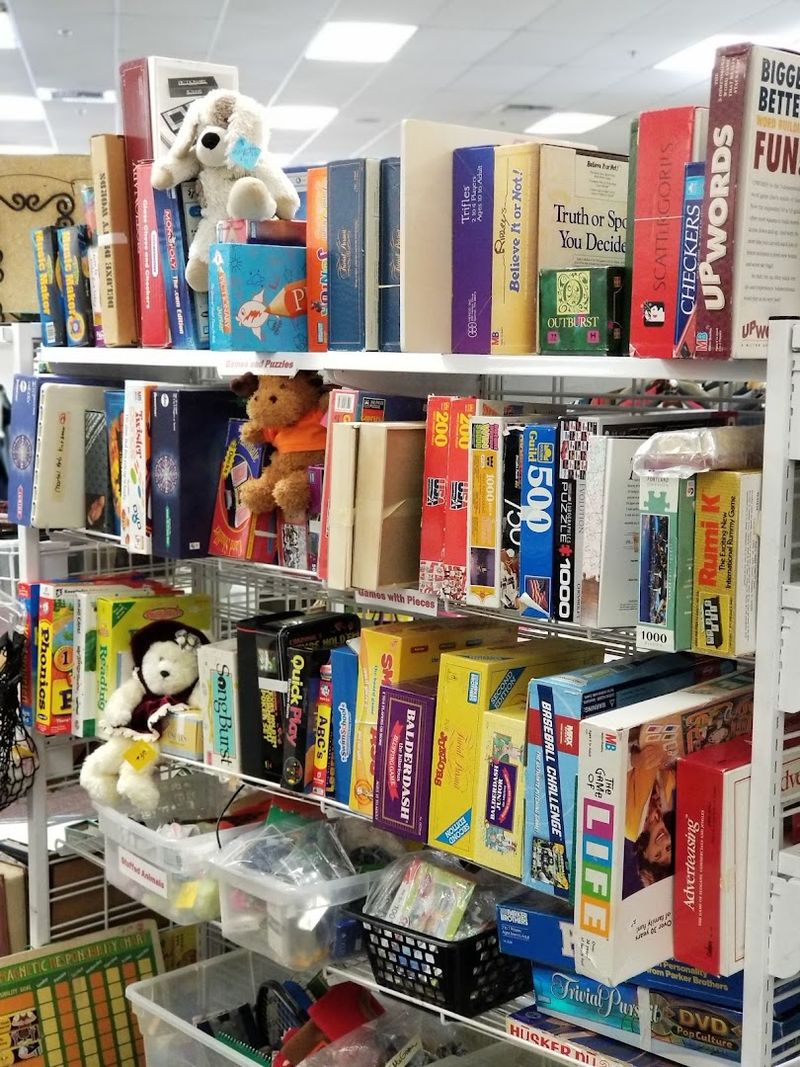
If you arrive focused only on clothing, this store can quietly pull you sideways. Assisting Lives in Las Vegas has the kind of mixed inventory that rewards a full lap, not a straight shot to the apparel racks.
Shoppers regularly highlight home goods, glassware, china, holiday items, shoes, bags, and small decorative pieces that make the visit broader than a simple wardrobe stop.
The housewares area is especially useful because secondhand shopping works best when items can be evaluated quickly and visually. A teacup set, serving dish, lamp, or stack of linens tells you almost everything at a glance.
Is it chipped, stained, stylish, dated, practical, charming, or surprisingly perfect for a shelf at home? You know fast, and that speed keeps the hunt lively.
There is also a certain pleasure in seeing domestic items presented neatly rather than tossed together. When mugs are grouped, plates are stacked cleanly, and seasonal goods are easy to browse, you start noticing combinations instead of isolated objects.
A single find can turn into a theme. Suddenly you are not buying one holiday piece or one tea kettle. You are assembling a little corner of a room.
This wider merchandise mix also helps explain why modest budgets can stretch here. Maybe the clothing aisle gives you one strong score while the home section fills the rest of the basket with smaller wins. That flexibility matters. You are not trapped in one category to justify the trip.
For shoppers who like thrift stores best when they offer both utility and surprise, this part of the store does a lot of heavy lifting. The result is a visit that can outfit a closet, refresh a kitchen shelf, and still leave room for one entirely unnecessary trinket.
A Volunteer-Run Store With a Larger Local Purpose
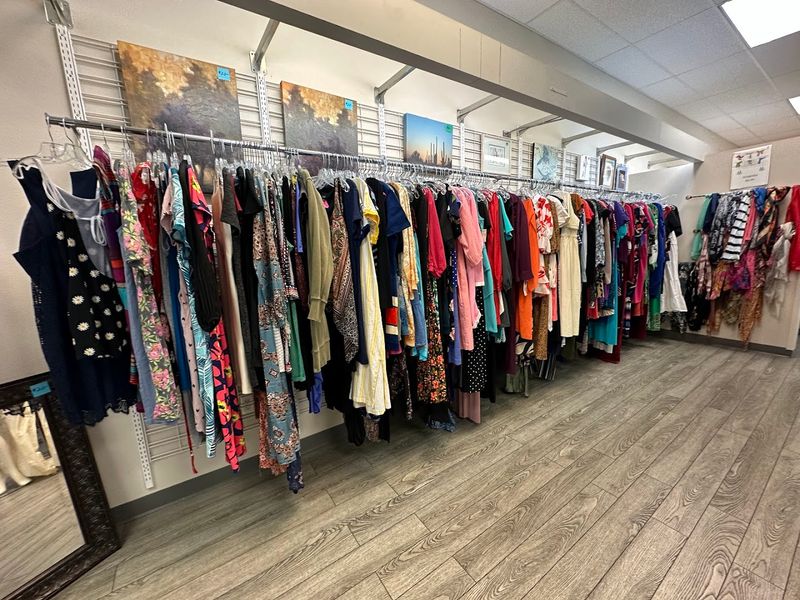
Plenty of thrift stores use community language as background decoration. Assisting Lives in Las Vegas ties that idea more directly to the actual shopping experience.
The store operates alongside a nonprofit mission, which gives the racks, shelves, and steady flow of donations a stronger sense of purpose beyond simple resale. That connection becomes visible in practical ways throughout the store.
Volunteers play a major role in the operation, and proceeds support programs serving children and adults across the Las Vegas area. The result is a thrift shop that functions not only as a bargain stop, but also as part of a larger neighborhood support system in a city often defined by fast turnover and constant movement.
The volunteer-driven structure also shapes the atmosphere. Clean aisles, labeled shelves, and organized displays suggest a level of care that goes beyond moving inventory quickly.
At the same time, the store still carries the unpredictability that comes with any active donation-based operation. Pricing can vary by section, inventory shifts constantly, and no two visits unfold quite the same way.
For many shoppers, that larger context adds depth to the experience without turning it sentimental. A jacket, serving dish, or stack of books still needs to justify its price and usefulness, but the purchase feels connected to something local rather than purely transactional.
That distinction gives the store more personality than a standard resale chain. At this West Charleston address, the appeal comes from more than low prices alone.
Assisting Lives combines organized thrifting, rotating inventory, and community-rooted purpose in a way that gives the store a stronger identity than many secondhand stops around the city.
Best Strategy for Shopping the Store Without Wasting a Trip
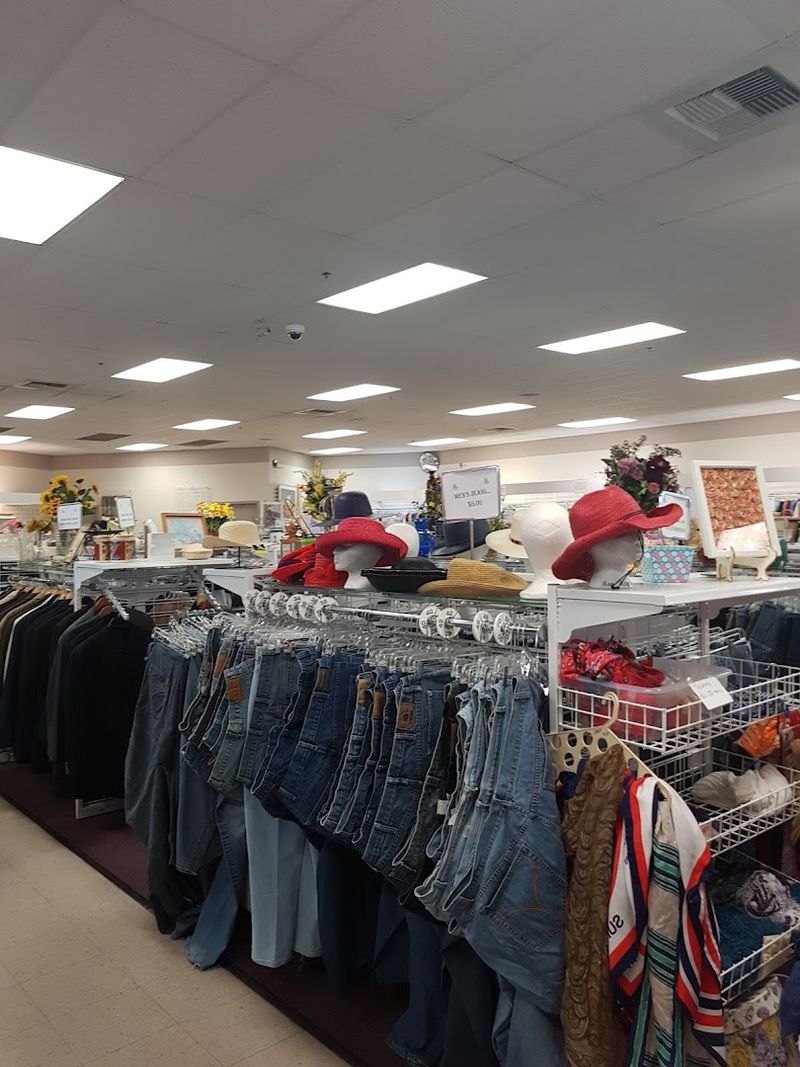
The best way to shop Assisting Lives in Las Vegas is with a sequence, not a wandering mood. Start with the section that matches your budget goal.
If the mission is to stretch thirty dollars, regular clothing and household shelves deserve your first attention, while Top Drawer works better as a second pass once you know how much room is left.
Time matters here too. The shop keeps fairly tight daytime hours, generally opening at 10 AM and closing at 4 PM on Tuesday through Saturday, so this is not an aimless evening stop.
You want a clear window, enough daylight energy, and a plan for moving through categories without rushing the final half of the store. Mid-visit fatigue is a real thrifting tax, and structured browsing helps avoid it.
Sales can make a major difference, so it is smart to pay close attention to signage and color tags rather than assuming every section plays by the same rules. Several regulars specifically point to discount cycles as the key to stronger value.
If one category is half off that day, let that shape your basket before a higher-priced piece does. It also helps to shop with flexibility rather than a narrow shopping list. Looking for exactly one black cardigan in exactly one size can be frustrating anywhere.
Looking for workwear, entertaining pieces, home accents, or seasonal extras gives the store more chances to succeed for you. The inventory mix rewards that wider lens.
Most importantly, keep your standards steady. Check seams, zippers, wear on shoes, chips on dishes, and price tags before getting attached.
The store is organized enough to browse comfortably, but thrift logic still applies. A successful trip here is built on focus, timing, and a willingness to pivot when the better bargain appears one aisle over.
Why This West Charleston Stop Stands Out in Las Vegas
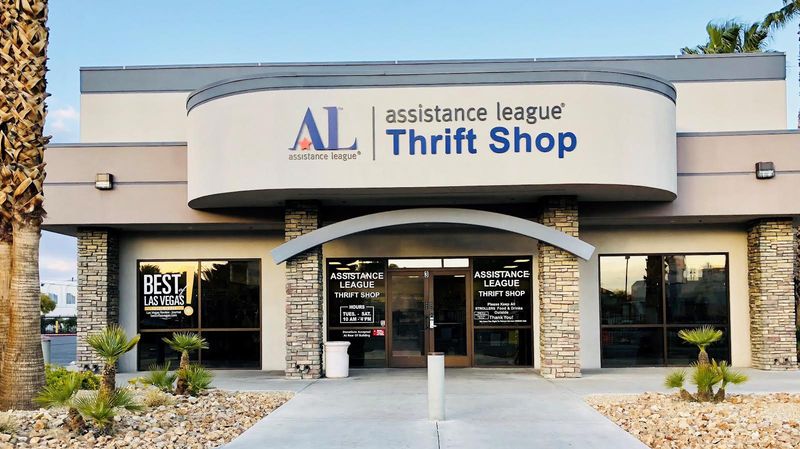
Las Vegas has no shortage of secondhand stores, which makes it difficult for any one location to separate itself through inventory alone. Assisting Lives in Las Vegas stands out more through structure and pacing.
The store offers a cleaner, more organized shopping experience than many thrift spaces, and that difference immediately changes how long people are willing to browse. The West Charleston Boulevard location adds to the practicality.
This is not a heavily curated resale boutique built around trend-chasing aesthetics or social-media staging. The store works better as a dependable neighborhood thrift stop with enough turnover to keep repeat visits interesting and enough organization to make shopping feel manageable instead of exhausting.
Even the easier parking situation becomes part of the appeal in a city where crowded retail lots can drain patience fast. What strengthens the experience most is the balance between predictability and surprise.
Certain sections stay orderly and easy to navigate, while the rotating inventory still leaves room for unexpected finds in clothing, housewares, décor, books, and seasonal items. The mix rewards shoppers who pay attention rather than rush.
The store also benefits from realistic expectations. Not every rack is overflowing with unbelievable bargains, and not every item is priced the same way.
The strongest trips usually come from understanding the sales rhythm, checking multiple sections carefully, and staying flexible about what ends up in the basket. That approach turns the visit into a more satisfying kind of thrift hunt.
When thirty dollars stretches far here, it is less about rock-bottom pricing across the board and more about opportunity. Organized shelves, rotating discounts, and varied inventory give attentive shoppers enough room to build an impressively full haul without spending much at all.