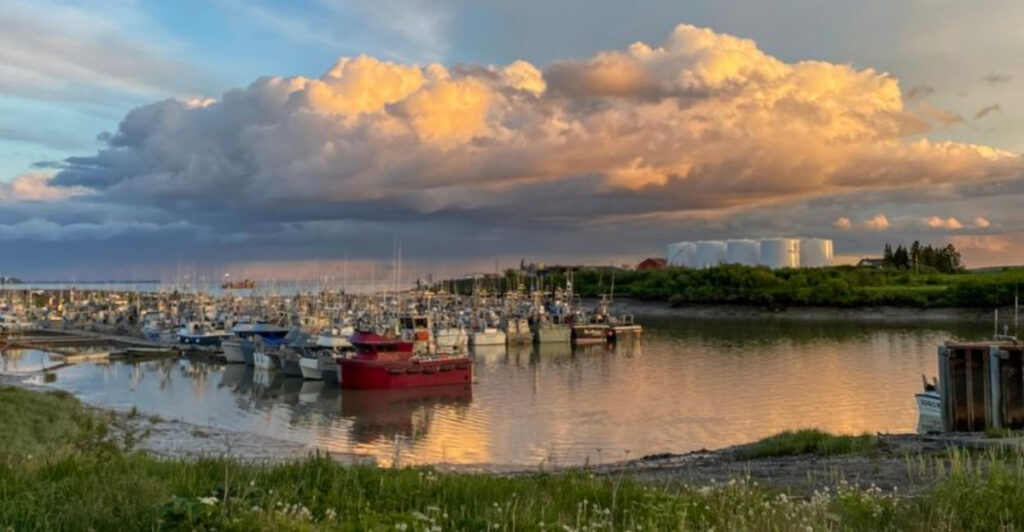
Dillingham feels less like a tourist destination and more like a place that exists entirely on its own terms. Set along Nushagak Bay in southwestern Alaska, the town moves to the rhythms of salmon season, shifting weather, and working boats heading out across enormous stretches of water.
The scenery looks almost exaggerated at times, with tundra light, distant mountains, and wide-open landscapes that make everyday life feel cinematic without trying. What stands out most is the authenticity of it all. Nothing feels packaged or carefully staged for visitors. Dillingham’s appeal comes from its rawness, practicality, and deep connection to the surrounding land and water.
Where the Bay Opens Up and the Road Nearly Ends
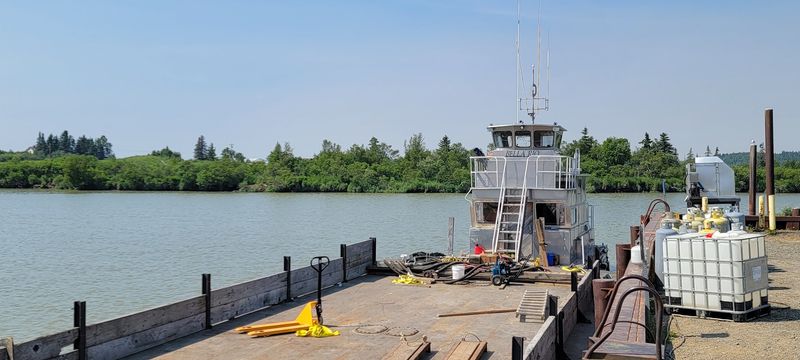
Dillingham does not arrive with a dramatic downtown entrance or a long list of polished attractions. Instead, it opens slowly through low-slung buildings, broad sky, weathered roads, and a working shoreline where the scale of southwest Alaska becomes instantly clear.
You notice space first – between houses, between hills, between the town and everything beyond it. Set near the waters of Nushagak Bay, Dillingham carries the visual language of a place built for function before spectacle.
Small planes, pickup trucks, fishing gear, docks, and practical storefronts tell you exactly what matters here. The surrounding landscape does the rest, with muskeg, water, and shifting light turning even ordinary errands into scenic detours.
That first impression is part of the town’s appeal because it feels grounded instead of staged. Nothing is arranged for a postcard, yet nearly every direction offers one: silver water under low clouds, open stretches of tundra, and the clean outline of a community adapted to distance.
Even the quiet has texture, broken by wind, engines, and seabirds rather than city noise. You also notice how quickly the developed edges soften into open country.
The town never fully separates itself from the surrounding landscape, which gives even short drives a feeling of exposure and possibility. One stretch of road can deliver fishing boats, distant hills, wetlands, and sudden flashes of sunlight across the bay all within a few quiet minutes.
For travelers used to Alaska being marketed through extremes, Dillingham offers a different kind of visual payoff. It is less about towering drama and more about breadth, weather, and working life laid out in plain view.
The town’s charm starts there, in the honest way it meets the land and leaves plenty of room for the wild to stay in charge.
Salmon Season Is the Pulse of the Place
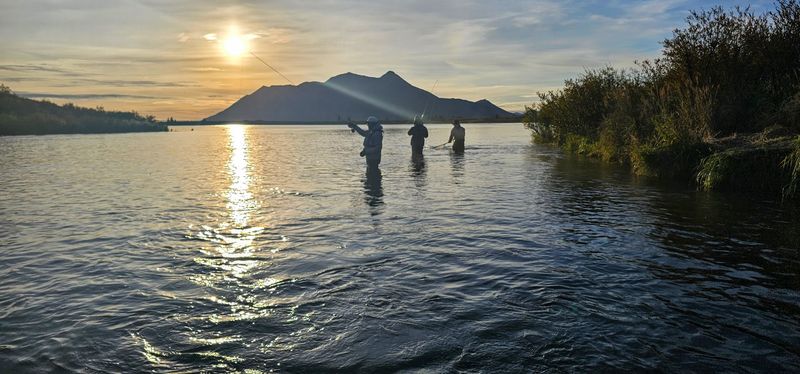
Dillingham’s identity is inseparable from salmon, and you can sense that long before seeing a fish on a dock. The town sits in the orbit of the Bristol Bay fishery, one of the biggest salmon regions on earth, and that connection shapes conversation, timing, traffic, and local energy.
During the active season, the place moves with purpose. Harbor activity increases, gear becomes part of the scenery, and the practical side of coastal Alaska comes into full view.
This is not themed waterfront charm with souvenir bait shops and decorative buoys. It is a real fishing town, where boats matter, processing matters, weather matters, and the health of the run touches livelihoods across the community.
The sensory side of salmon season is impossible to miss once the town fully shifts into motion. Engines echo across the harbor early in the day, docks stay active later into the evening, and cool salt air mixes with the unmistakable smell of working boats and fresh catch.
Even visitors with no fishing background quickly realize they are watching an entire regional economy operate in real time. Even if you are not here to fish, that seasonal pulse changes the visitor experience in a fascinating way.
Watching vessels come and go or seeing stacks of equipment on shore says more about Dillingham than any polished museum panel could. Salmon also anchors the place culturally as well as economically, connecting the town to subsistence traditions, local foodways, and long patterns of life in the region.
You are not simply looking at scenic water and boats here – you are seeing a town organized around one of Alaska’s defining natural events, and that makes every dockside view richer.
A Working Harbor, Not a Curated Waterfront
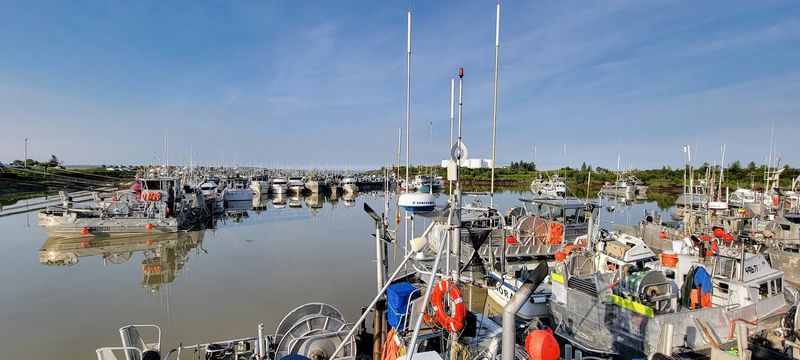
If you are expecting a boardwalk lined with boutiques, Dillingham quickly resets those expectations. Its waterfront is useful first, shaped by tides, boats, freight, and fishing rather than leisure design. That makes it more interesting, not less, because the harbor shows how the town actually operates.
There is a blunt visual appeal in the details: aluminum skiffs, larger fishing vessels, stacked totes, fuel infrastructure, and the rough edges that come with constant use. Nothing here is pretending to be rustic.
The shoreline reads like a manual for life in a remote coastal community, where access, timing, and durability outrank aesthetics but often create their own hard-earned beauty.
Spend a little time watching the movement and the logic starts to click. The waterfront is part transportation hub, part workplace, part weather gauge, and part social corridor where people cross paths while handling practical business.
In a place without road connections to Alaska’s main urban network, the harbor carries more meaning than a casual glance suggests.
That working character gives Dillingham an edge over destinations that polish every corner for visitors. You are seeing infrastructure with a direct relationship to the region’s geography and economy, not a decorative version of maritime life.
The tide line, the gear, the boats riding low or high with the water – all of it turns the harbor into one of the clearest windows into what makes this town distinct, resilient, and very much on its own terms.
Alaska Days Here Are Built Around Light and Weather
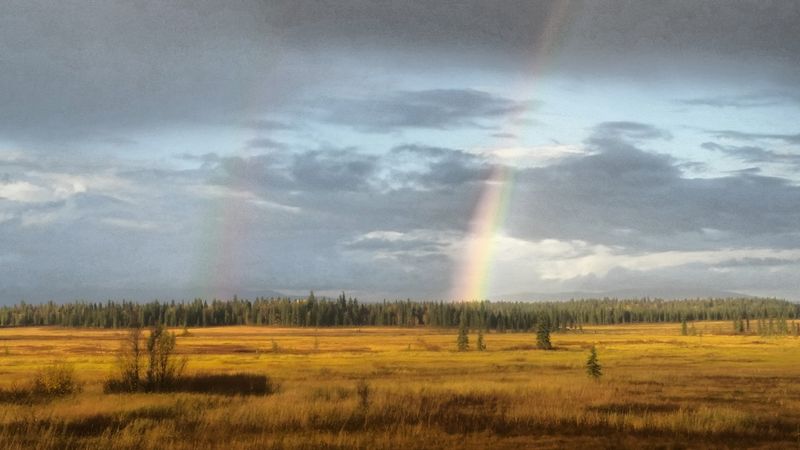
In Dillingham, weather is not background decoration. It is part of the daily structure, changing how the town looks, how far you can see, and how people move through the day.
Low clouds can flatten the horizon in the morning, then break open into clear, bright stretches that make the bay flash silver by evening. That constant variation gives the landscape unusual range.
On gray days, the tundra and shoreline can look spare and almost monochrome, with every building and boat standing out against the muted ground. When the light shifts, color returns fast: green brush, blue water, rusted metal, painted siding, and the pale glow that northern skies deliver so well.
For visitors, paying attention to these changes is one of the best ways to appreciate the town. Dillingham rewards patience more than checklist sightseeing, because the same road or shoreline can feel completely different a few hours later.
Wind direction, cloud cover, and tide levels add movement to scenes that might seem simple at first glance. The weather also shapes the rhythm of everyday life in subtle ways.
Locals adjust plans around visibility, tides, rain, and sudden breaks of sun without much fuss, because conditions here are always part of the equation. That practical relationship with the elements gives the town a grounded, adaptable feeling visitors notice quickly.
This interplay between weather and visibility is one reason the town photographs so well without trying. You do not need dramatic architecture when the sky keeps rewriting the whole setting.
In Dillingham, atmosphere comes from actual air, actual light, and actual exposure to the elements, which makes every view less predictable and much more tied to the place itself.
Beyond the Street Grid, the Wild Edges Start Fast
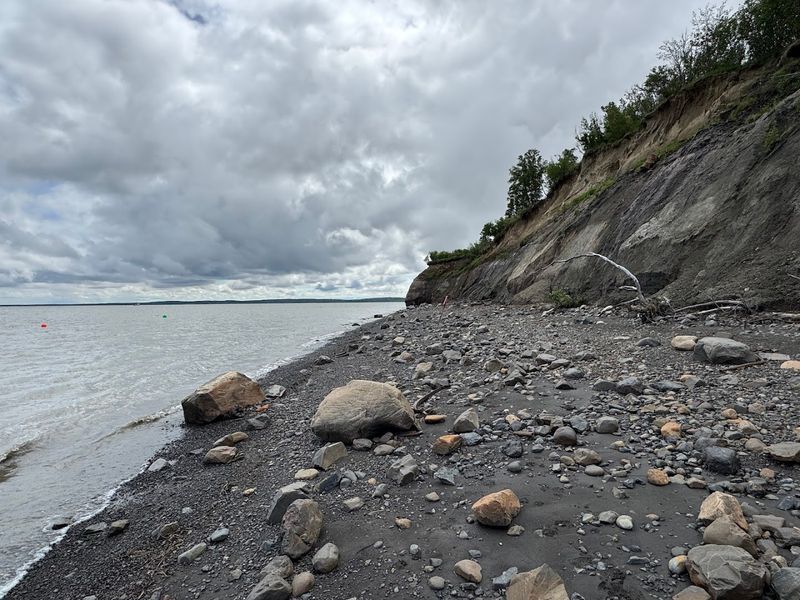
One of Dillingham’s biggest surprises is how quickly the settled area gives way to open country. You do not need an all-day expedition to understand the town’s relationship with the wild.
The edges arrive fast, where roads thin out, developed lots drop away, and wetlands, brush, and broad undeveloped land take over the frame.
That proximity changes your sense of scale. In many places, nature is somewhere outside town, reached after a long drive through suburbs, highways, or commercial strips.
Here, the transition is abrupt enough that ordinary movement already carries a hint of excursion, especially when cloud shadows sweep across the ground and the bay stays visible in the distance.
It also explains why Dillingham feels so off-the-grid without trying to perform remoteness. The community is functional and inhabited, yet the surrounding terrain never lets you forget how isolated this part of Alaska really is.
You are not visiting a village that has been neatly separated from nature for convenience; you are standing in a town that still negotiates with weather, wildlife, and geography every day.
For travelers, that means the best moments may come from simply noticing transitions rather than chasing landmarks. A roadside view, a quiet pullout, a change in vegetation, or the sudden openness beyond a cluster of homes can reveal more than any formal attraction sign.
Dillingham excels at those threshold moments, when town and wilderness sit side by side and neither one fully overpowers the other.
The Local Story Runs Deeper Than a Dot on the Map
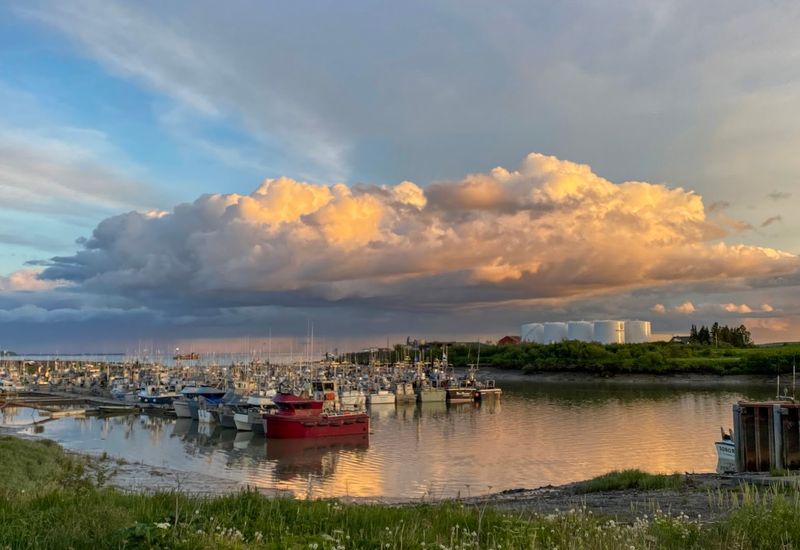
Dillingham may look small on a map, but it carries layers of regional importance that give the town more weight than its population suggests.
It is a service center, a fishing hub, and part of a much older human landscape connected to Native history in the Nushagak Bay area. That mix of present-day utility and deep local roots gives the community substance.
You can see hints of that complexity in the town’s daily rhythm. Planes, freight, schools, public buildings, harbor activity, and small businesses all point to a place that supports a wider area, not just itself.
Dillingham is not frozen in frontier imagery; it is a living town handling modern logistics while remaining tied to the land and waters that shaped it.
That distinction matters because remote Alaska is often reduced to scenery alone. In Dillingham, the human story is visible in practical systems, local identity, and the way the town serves as a connector for surrounding communities and seasonal work.
The result is a place with real civic texture, where daily life is about coordination, adaptation, and continuity rather than novelty.
For visitors, understanding that broader role changes the way the town reads. Streets, docks, and stores stop looking sparse and start looking purposeful, calibrated to local needs and regional realities.
Dillingham becomes far more than an isolated stop on the map – it emerges as one of those Alaska communities where geography, economy, and culture meet in plain sight, even when the setting appears modest at first.
How to Experience Dillingham Without Rushing Past It
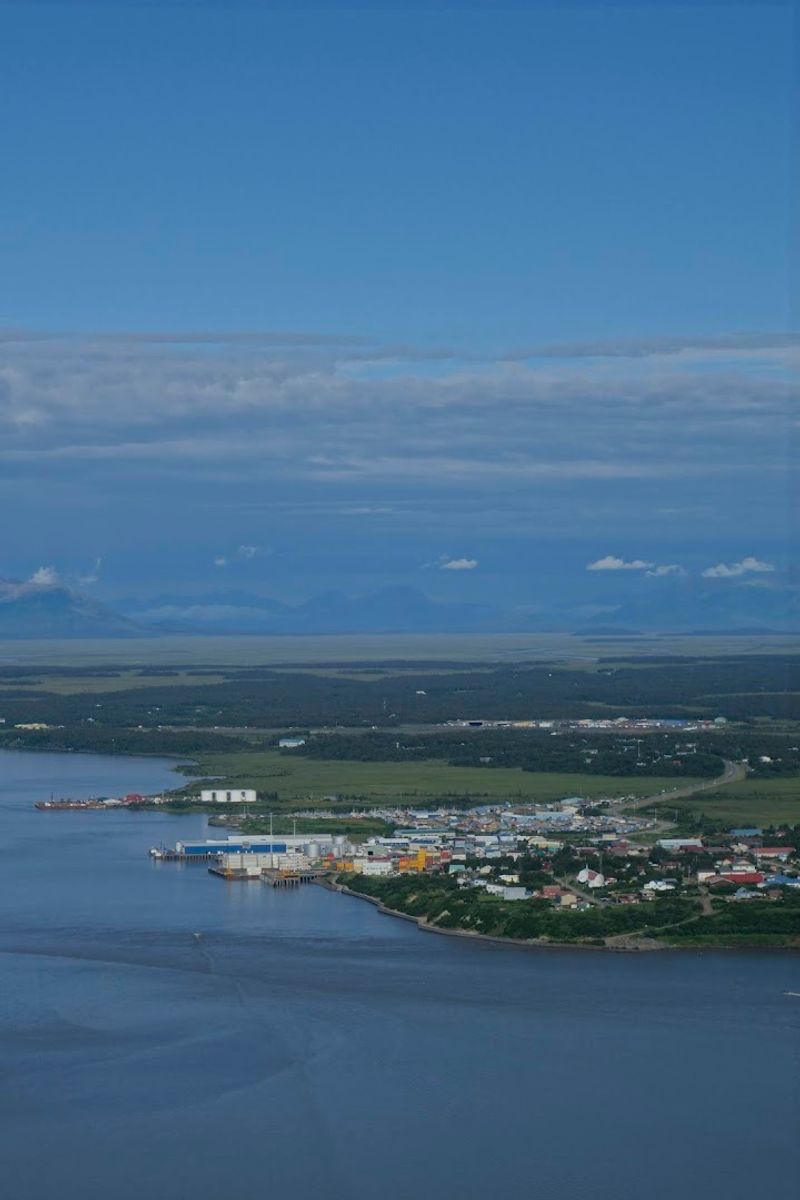
Dillingham is best approached with curiosity, flexible expectations, and enough time to let the place reveal its patterns. This is not a destination where you sprint between famous landmarks and call it done by lunch.
The pleasure comes from watching boats, reading the weather, noticing how the town meets the bay, and letting ordinary scenes gather meaning.
If you visit during the brighter months, longer daylight can make that slower approach especially rewarding. Harbor views change with the tide, roads look different under shifting cloud cover, and the town’s working character becomes easier to appreciate when you are not trying to force a packed itinerary.
Even practical stops can become part of the experience because they show how daily life is organized here. Timing matters, too. Salmon season brings extra energy and a stronger sense of regional purpose, while quieter periods can highlight the landscape and the town’s remoteness more clearly.
Either way, planning for weather, limited services compared with major cities, and the realities of rural travel will help you enjoy Dillingham on its own terms instead of comparing it to somewhere it was never meant to be.
That is ultimately why this town stands out. Dillingham offers a version of Alaska that is scenic, useful, unvarnished, and deeply connected to natural cycles without turning itself into a performance for outsiders.
If you want broad skies, real fishing-town character, and the unmistakable sensation of being far from the standard travel circuit, this is where the map starts getting interesting.