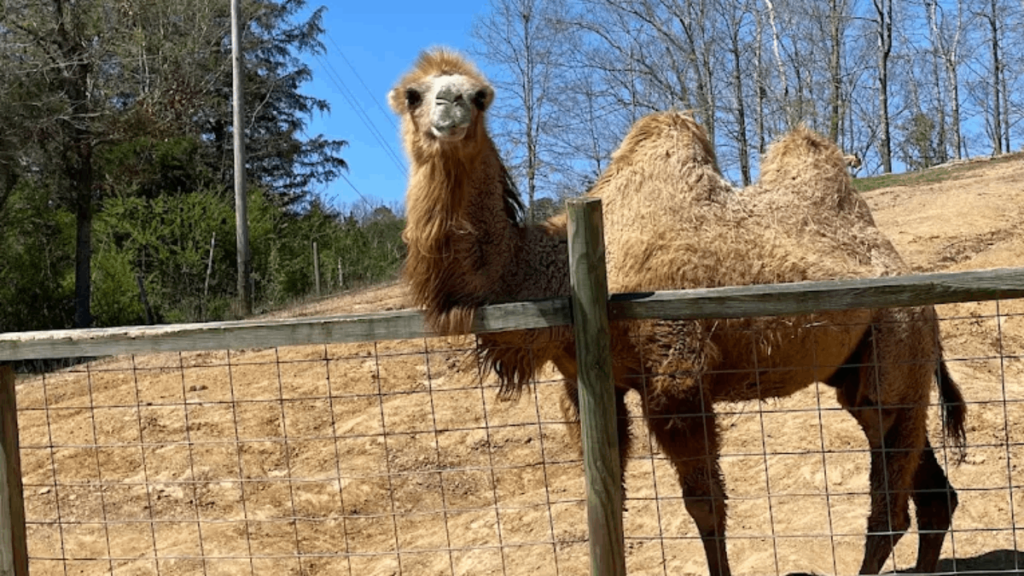
Tennessee is home to some of the most incredible wildlife rescue centers in the country, where animals get a second chance at life and visitors can witness conservation in action. From black bear cubs learning to survive in the wild to majestic bald eagles that can no longer fly free, these sanctuaries offer meaningful encounters that go far beyond a typical zoo visit.
Whether you’re looking to support wildlife rehabilitation efforts or simply want to experience the beauty of rescued animals up close, these eleven Tennessee rescues provide educational opportunities and unforgettable memories for the whole family.
1. Little Ponderosa Zoo & Rescue — Clinton
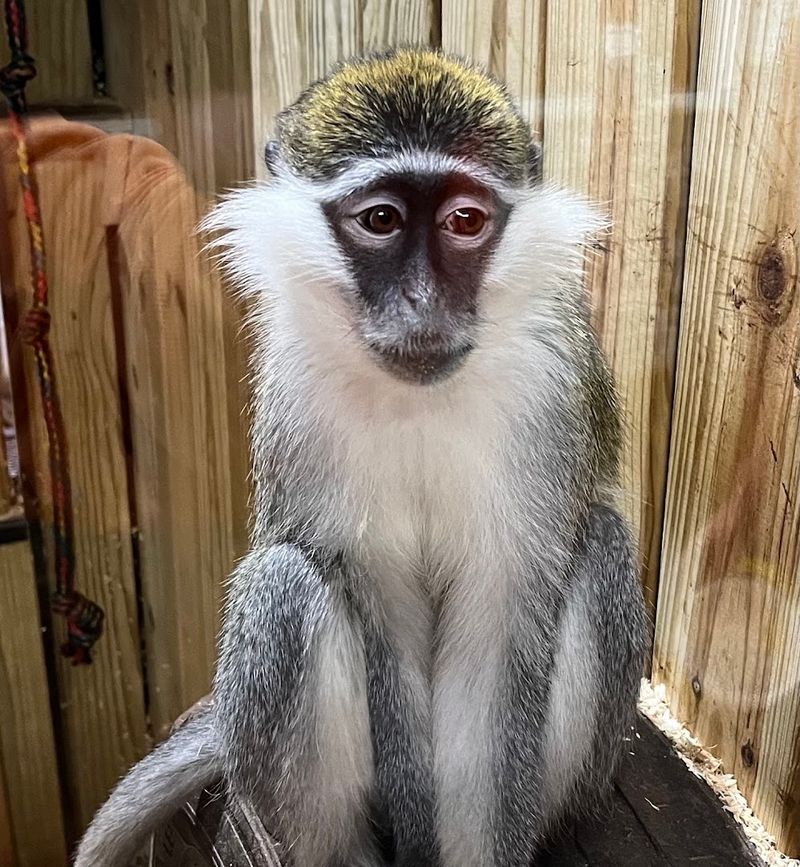
Tucked away in Clinton, this rescue combines the excitement of seeing exotic animals with the heartwarming mission of wildlife rehabilitation. Little Ponderosa started as a private collection but evolved into a genuine rescue operation that gives injured and unwanted animals a safe forever home. You’ll find everything from big cats to primates, all living in spacious habitats designed with their comfort in mind.
What makes this place special is how hands-on the experience can be. Unlike many wildlife facilities that keep visitors at a distance, Little Ponderosa offers interactive opportunities that let you get closer to the animals than you’d ever expect. Kids absolutely love the chance to feed certain residents, and the staff members are incredibly knowledgeable about each animal’s unique story.
The zoo operates with a small, dedicated team that genuinely cares about animal welfare. Every admission fee goes directly toward food, veterinary care, and habitat improvements. Walking through the grounds, you’ll notice the personal touches everywhere—custom-built enclosures, enrichment activities for the animals, and signs explaining how each resident ended up at the rescue.
Plan to spend at least two hours exploring the property. The layout is easy to navigate, and there are plenty of shaded areas for hot Tennessee afternoons.
Little Ponderosa proves that smaller rescues can make a massive impact. The facility may not have the polish of major zoos, but what it lacks in glamour, it more than makes up for in heart. This is where rescued animals become ambassadors for their species, teaching visitors about conservation one encounter at a time.
2. Appalachian Bear Rescue — Townsend
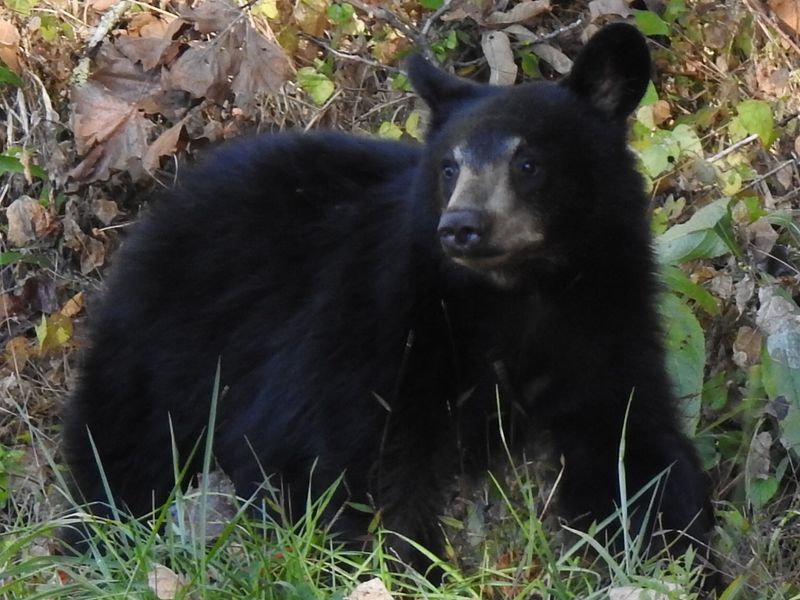
When black bear cubs lose their mothers too early, Appalachian Bear Rescue steps in to give them the skills they need to survive in the wild. Located just outside the Great Smoky Mountains, this nonprofit has been rehabilitating orphaned and injured cubs since 1996. The success rate is remarkable—most cubs released from here go on to thrive in their natural habitat.
The rescue operates with a strict hands-off policy during rehabilitation, which means cubs aren’t treated like pets. This approach might seem distant, but it’s exactly what keeps these animals wild and ready for release. Human contact is minimized so the bears maintain their natural fear of people, a crucial survival instinct once they return to the mountains.
Visitors can stop by the Education Center to learn about the rescue process through exhibits and live-streaming cameras. The EleCams let you watch cubs in real-time as they climb trees, play, and develop the behaviors they’ll need in the forest. Staff members are available to answer questions and share stories about current residents.
The best time to visit is spring through fall when cubs are actively being rehabilitated. Winter months are quieter since bears naturally hibernate, but the center remains open for educational visits. The facility doesn’t allow direct interaction with the bears, which is exactly how it should be for a true wildlife rehabilitation program.
Supporting Appalachian Bear Rescue means contributing to one of the most successful bear rehabilitation programs in the country. Every visit helps fund the specialized formula, veterinary care, and habitat maintenance these cubs need. It’s conservation work that makes a real difference for Tennessee’s wild bear population.
3. Exotic Avian Sanctuary of Tennessee — Hermitage
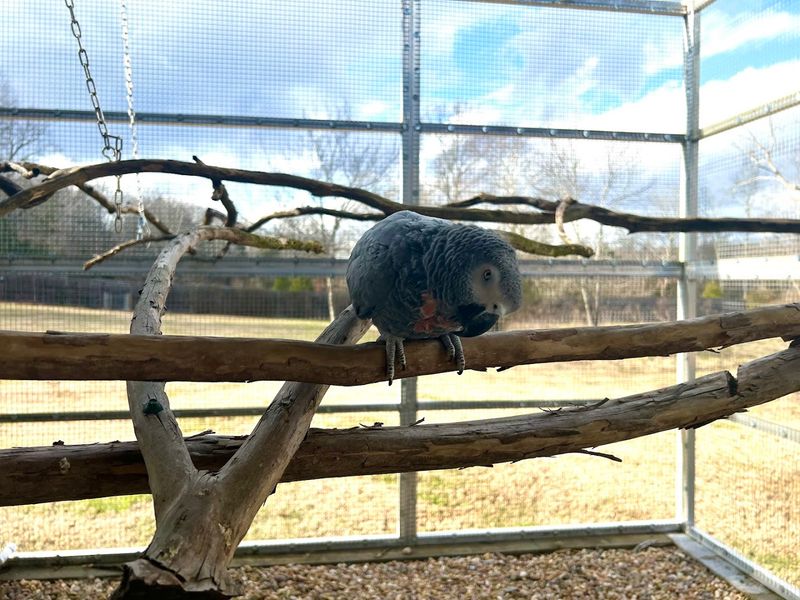
Parrots are wildly popular as pets, but they’re also one of the most frequently surrendered animals in the country. The Exotic Avian Sanctuary of Tennessee provides a permanent home for parrots whose owners could no longer care for them, whether due to the birds’ long lifespans, complex needs, or behavioral challenges. These intelligent creatures can live 50 to 80 years, which means many outlive their original families.
Located in Hermitage, the sanctuary operates by appointment only, offering intimate tours that educate visitors about responsible bird ownership. You’ll meet macaws, cockatoos, African greys, and dozens of other species, each with their own personality and backstory. The staff explains why these birds ended up at the sanctuary and what makes them such demanding companions.
Tours are limited to small groups, which creates a more personal experience than you’d find at a typical zoo. You’ll hear the birds vocalize, watch them interact with enrichment toys, and learn about their natural behaviors in the wild. The sanctuary’s mission is as much about education as it is about rescue—they want potential parrot owners to understand the commitment before bringing one home.
Reservations are required and tours happen on select dates, so plan ahead if you want to visit. The sanctuary doesn’t allow handling of the birds since many have special needs or behavioral issues that make close contact stressful for them. This hands-off approach prioritizes the birds’ well-being over entertainment value.
4. American Eagle Foundation — Kodak
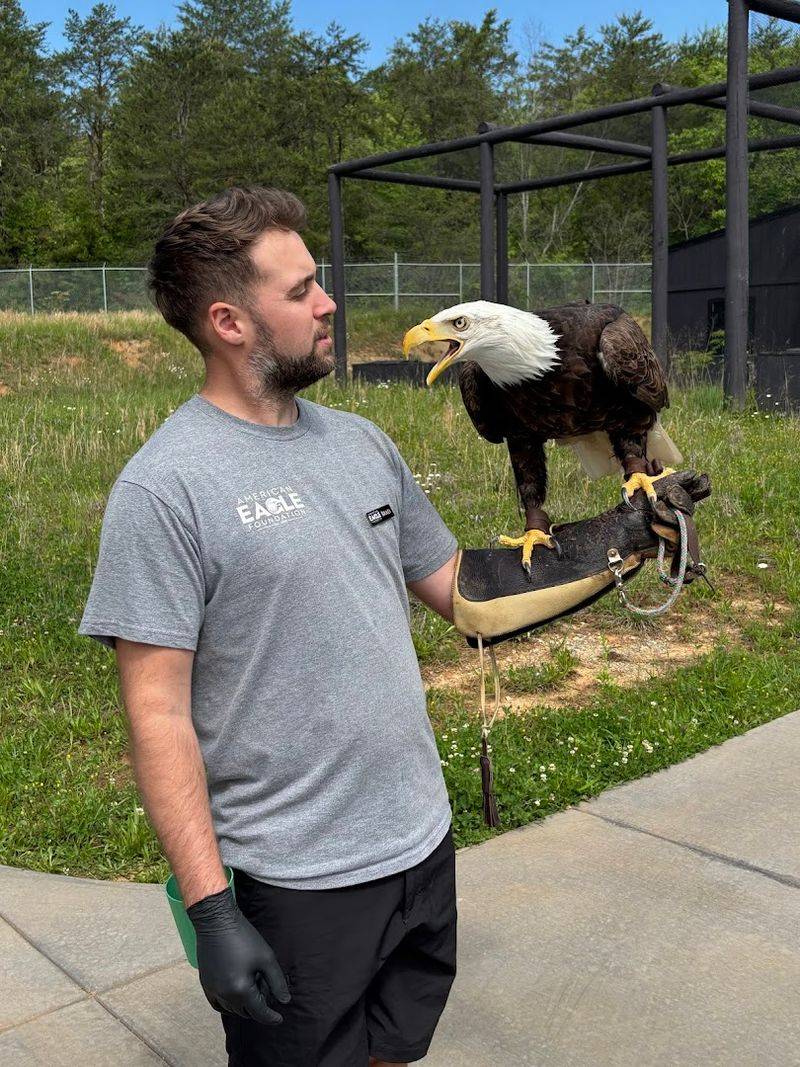
Few sights are more powerful than a bald eagle up close, and the American Eagle Foundation makes that experience possible while supporting critical conservation work. Based in Kodak, this organization cares for non-releasable eagles and other raptors that suffered injuries preventing them from surviving in the wild. These birds become educational ambassadors, helping visitors understand the threats facing wild populations.
The foundation has been instrumental in bringing bald eagles back from the brink of extinction. Through breeding programs and habitat protection advocacy, they’ve contributed to one of America’s greatest conservation success stories. Walking through the facility, you’ll see eagles that were shot, hit by cars, or poisoned—sobering reminders of human impact on wildlife.
Each bird has a name and a story that staff members share during educational programs. You might meet Challenger, a non-releasable eagle who’s flown at major sporting events to raise awareness about conservation. The handlers explain how injuries like wing damage or vision loss make release impossible, but also how these birds live comfortable lives in spacious aviaries designed to meet their needs.
The foundation is located near other Smoky Mountain attractions, making it easy to add to your itinerary. Admission fees directly support the care of resident birds and fund conservation initiatives nationwide.
These aren’t just birds in cages—they’re survivors with important roles in educating the public. Every encounter helps build support for protecting wild raptors and their habitats across the country.
5. The Elephant Sanctuary in Tennessee — Hohenwald
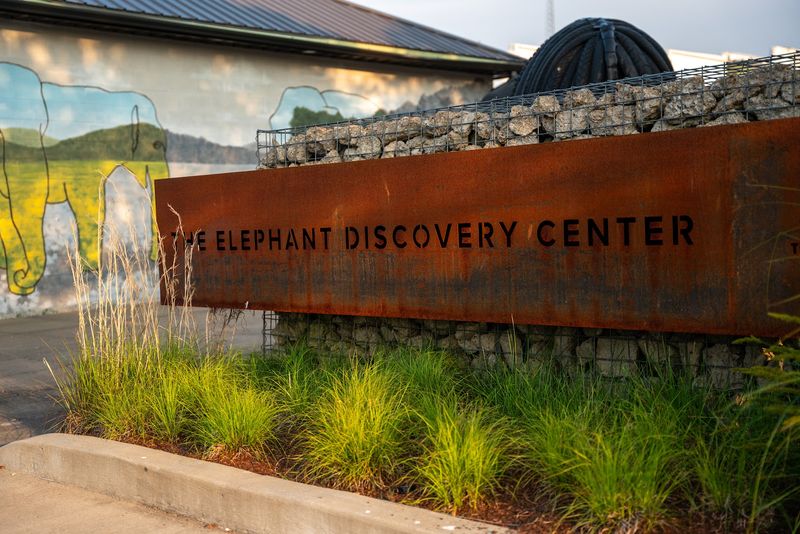
Elephants are among the most emotionally complex animals on Earth, and The Elephant Sanctuary in Tennessee honors that by providing them with something rare: privacy. This 2,700-acre refuge is home to Asian and African elephants retired from zoos and entertainment industries. Unlike traditional attractions, the sanctuary doesn’t offer direct elephant viewing because the animals’ wellbeing takes priority over human entertainment.
What you can experience is the Discovery Center, an educational facility that tells the stories of resident elephants through exhibits and video feeds. The EleCam system streams live footage from various parts of the sanctuary, letting you watch elephants as they roam, bathe, and interact with their herd mates. It’s a window into their world that respects their need for space and autonomy.
The sanctuary was founded in 1995 and has since become a model for elephant retirement facilities worldwide. Many residents arrived with physical or psychological trauma from years in captivity. Here, they receive specialized veterinary care, nutritious diets, and most importantly, the freedom to just be elephants without performing or entertaining crowds.
Visiting the Discovery Center takes about an hour, and staff members are available to answer questions about elephant behavior, conservation, and the sanctuary’s philosophy. You’ll learn why elephants need so much space, how their social structures work, and what threats they face in the wild. The gift shop proceeds support the sanctuary’s operations and expansion efforts.
This approach might feel different from typical animal attractions, but it represents the future of ethical wildlife care.
6. Walden’s Puddle — Joelton
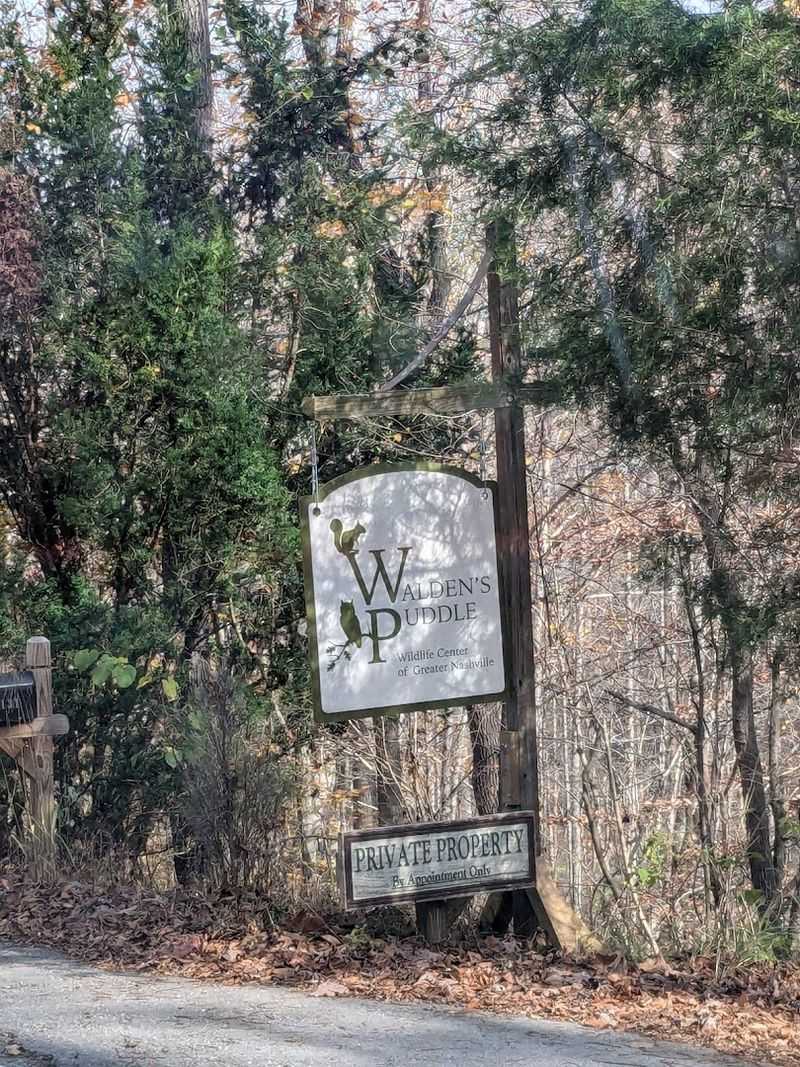
Not every wildlife rescue is designed for casual tourists, and Walden’s Puddle embraces its role as a serious rehabilitation facility first and foremost. Located in Joelton, this professionally staffed center treats sick, injured, and orphaned native Tennessee wildlife with the goal of returning them to their natural habitats.
Since opening in 1993, Walden’s Puddle has treated thousands of animals ranging from songbirds to deer. The facility operates with licensed rehabilitators who understand the complex medical and behavioral needs of wild animals. Most patients are brought in by concerned citizens who found them injured or orphaned, and the staff works tirelessly to give each one the best chance at survival.
Public access is limited because stress can be deadly for wild animals in recovery. However, the organization offers educational programs and volunteer opportunities for those interested in supporting their mission. These programs teach proper wildlife response—what to do if you find an injured animal and when to call for professional help.
The name “Walden’s Puddle” comes from the property’s natural spring-fed pond, which provides habitat for aquatic wildlife. The grounds include specialized enclosures for different species, from flight cages for recovering birds to quiet spaces for mammals. Everything is designed to minimize human contact and maximize the animals’ chances of successful release.
7. Harmony Wildlife Rehabilitation Center — Nashville area
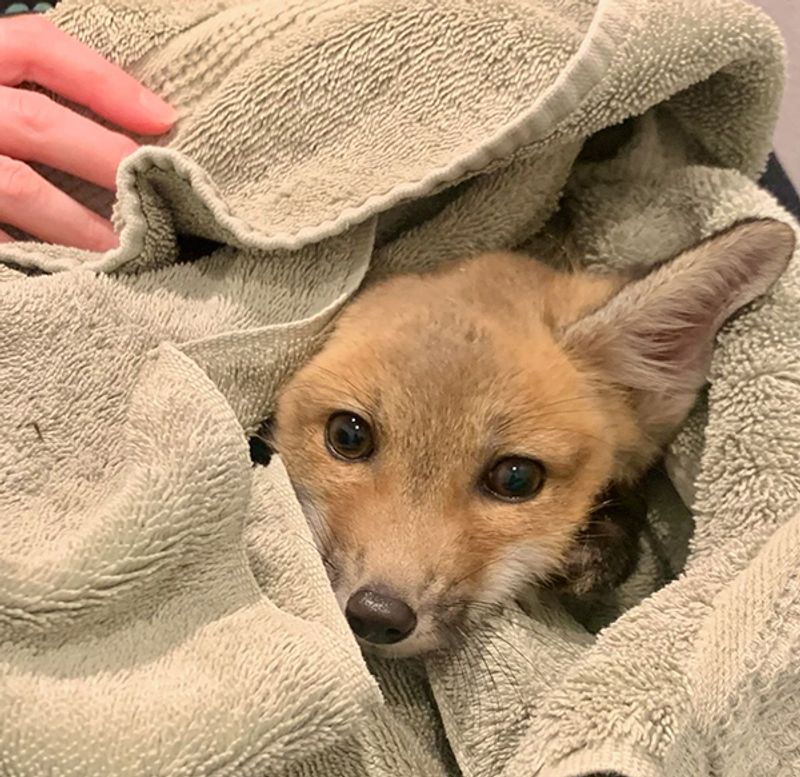
Every year, thousands of Tennessee’s native animals need emergency care after collisions with vehicles, attacks by domestic pets, or encounters with harsh weather. Harmony Wildlife Rehabilitation Center answers that call, providing medical treatment and temporary housing for injured and orphaned wildlife throughout the Nashville area. Their ultimate goal is always the same: heal the animal and return it to where it belongs.
The center handles an impressive variety of species, from tiny hummingbirds to adult deer. Each animal receives individualized care based on its species, injury type, and chances of survival in the wild. Rehabilitation isn’t just about treating wounds—it’s about maintaining the animal’s wild instincts and ensuring it can hunt, forage, or fly once released.
While Harmony doesn’t operate as a public attraction, they do offer educational outreach programs that bring the importance of wildlife conservation into schools and community events. These programs feature non-releasable animals that serve as ambassadors for their species, teaching audiences about local wildlife and how to coexist peacefully with our wild neighbors.
The center runs on a combination of donations, grants, and volunteer support. Licensed rehabilitators staff the facility, working around the clock during busy seasons when orphaned babies flood in. Spring and summer are particularly demanding, with baby birds, squirrels, and rabbits arriving daily, all requiring specialized diets and care protocols.
If you’re interested in supporting Harmony, consider making a donation or checking their volunteer opportunities. While you won’t get the same visitor experience as a zoo, you’ll be contributing to critical work that keeps Tennessee’s ecosystems healthy. Every animal successfully released is a small victory for conservation and a testament to the dedication of wildlife rehabilitators who work behind the scenes.
8. Owl Ridge Raptor Center — Washburn
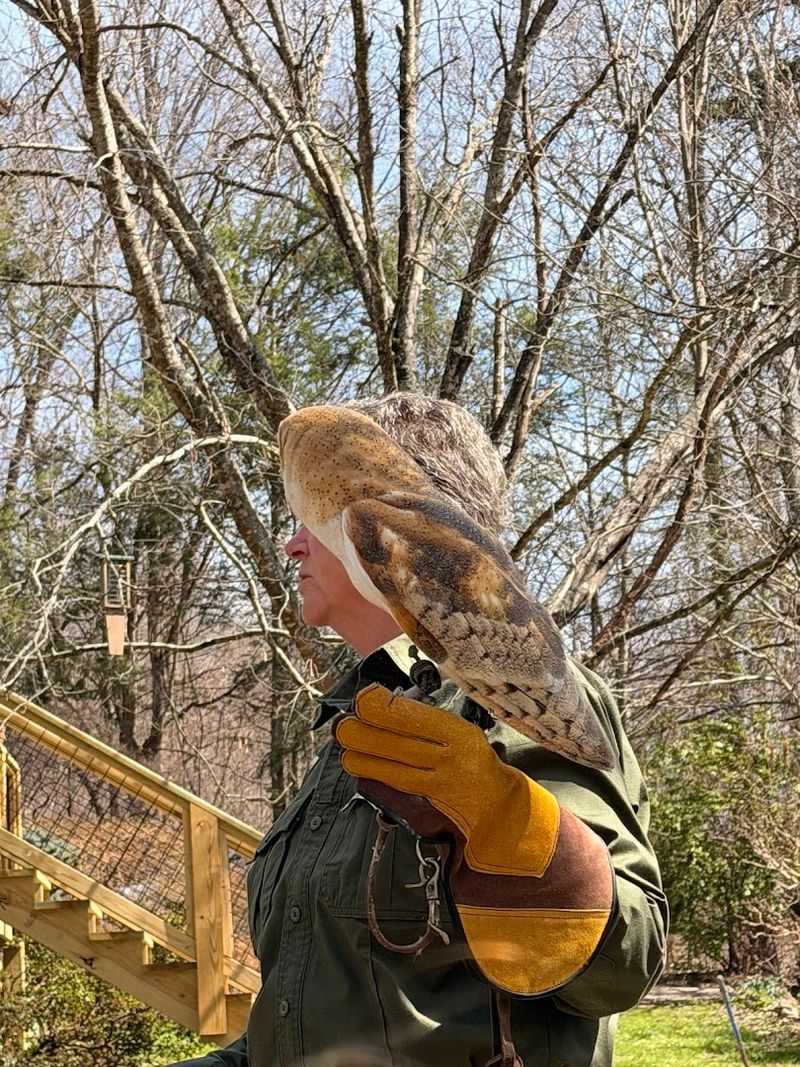
Raptors face unique challenges in the wild, from power line collisions to poisoning from rodenticides. Owl Ridge Raptor Center specializes in rescuing, rehabilitating, and releasing these incredible birds of prey, including owls, hawks, falcons, vultures, and eagles. Located in Washburn near the Smoky Mountains, this nonprofit operates with a singular focus: getting injured raptors back into the sky.
The center was founded by passionate bird lovers who recognized the need for specialized raptor care in East Tennessee. Treating birds of prey requires specific knowledge about their physiology, behavior, and dietary needs. A hawk can’t recover on the same protocol as a songbird, and the staff at Owl Ridge understands these distinctions intimately.
Educational programs bring the center’s mission to life for visitors. You’ll meet non-releasable raptors that serve as teaching ambassadors, each with a story that highlights threats facing wild populations. Staff members explain raptor biology, hunting behaviors, and the ecological roles these birds play as apex predators.
The facility includes specialized enclosures designed to help recovering birds rebuild strength and coordination. Flight conditioning is crucial for raptors, so large aviaries allow them to practice before release. Watching a rehabilitated hawk take flight for the first time is an unforgettable moment that reminds you why this work matters.
Owl Ridge depends on community support to continue its mission. Donations fund everything from medical supplies to the specialized diets raptors require. If you’re in the Washburn area, consider scheduling an educational program or simply making a contribution.
9. Tiger Haven — Kingston
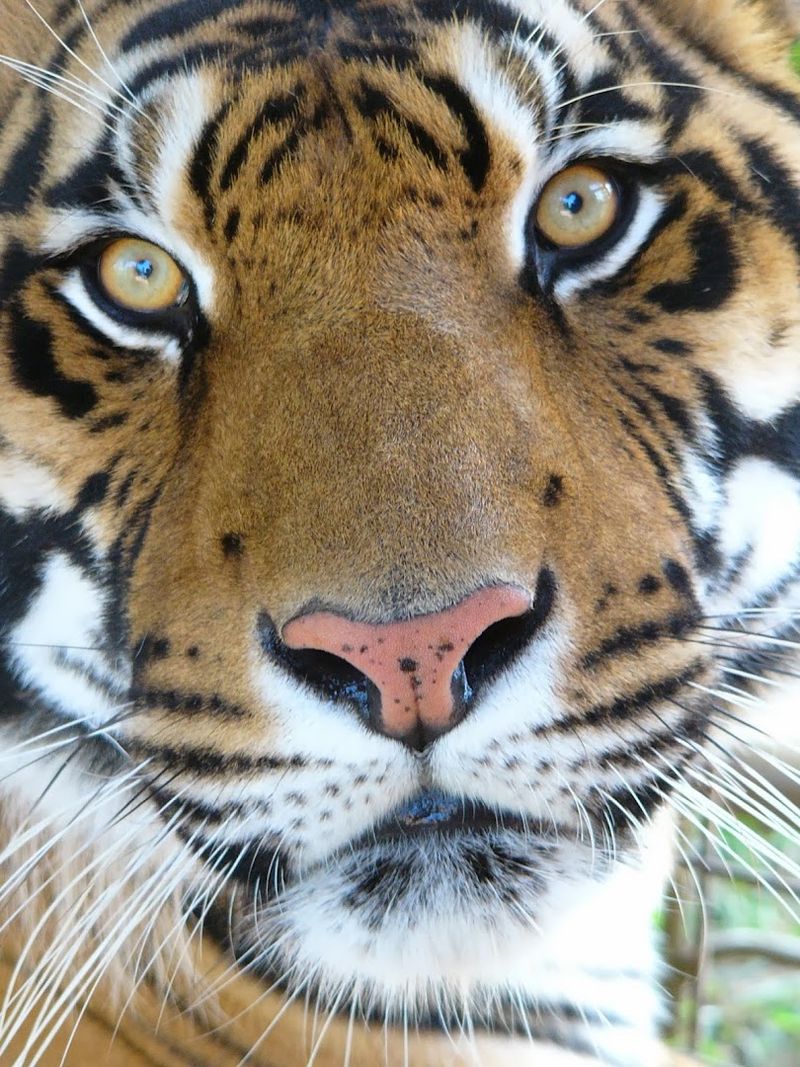
Big cats hold a special place in the public imagination, but their popularity has led to a crisis of abuse and exploitation in private ownership. Tiger Haven provides lifetime sanctuary for rescued tigers, lions, and other large cats that were abandoned, abused, or confiscated from unsuitable situations. Located in Kingston, this facility operates as a true sanctuary—meaning the cats’ needs come before public access.
Tiger Haven is not open to the public as a regular attraction, and that’s entirely intentional. The rescued cats living here have often experienced trauma from being used in photo ops, roadside zoos, or private collections. What they need now is peace, proper nutrition, and veterinary care in secure habitats where they can live out their lives with dignity.
The sanctuary’s founder dedicated years to advocating for big cat welfare and exposing the dark side of exotic pet ownership. Each resident has a heartbreaking backstory that illustrates why private ownership of dangerous wildlife should be heavily regulated. These aren’t pets—they’re apex predators with complex needs that most people simply cannot meet.
While you can’t visit the cats directly, Tiger Haven’s online presence shares updates about residents and educates the public about big cat conservation issues. Supporting the sanctuary through donations helps cover the enormous costs of feeding and caring for these animals. A single tiger can consume hundreds of pounds of meat per month, and veterinary care for exotic cats is specialized and expensive.
Tiger Haven represents the unglamorous reality of big cat rescue work. It’s a reminder that true sanctuary means prioritizing the animals’ wellbeing over human entertainment, even when it means keeping the gates closed.
10. Owl’s Hill Nature Sanctuary — Brentwood
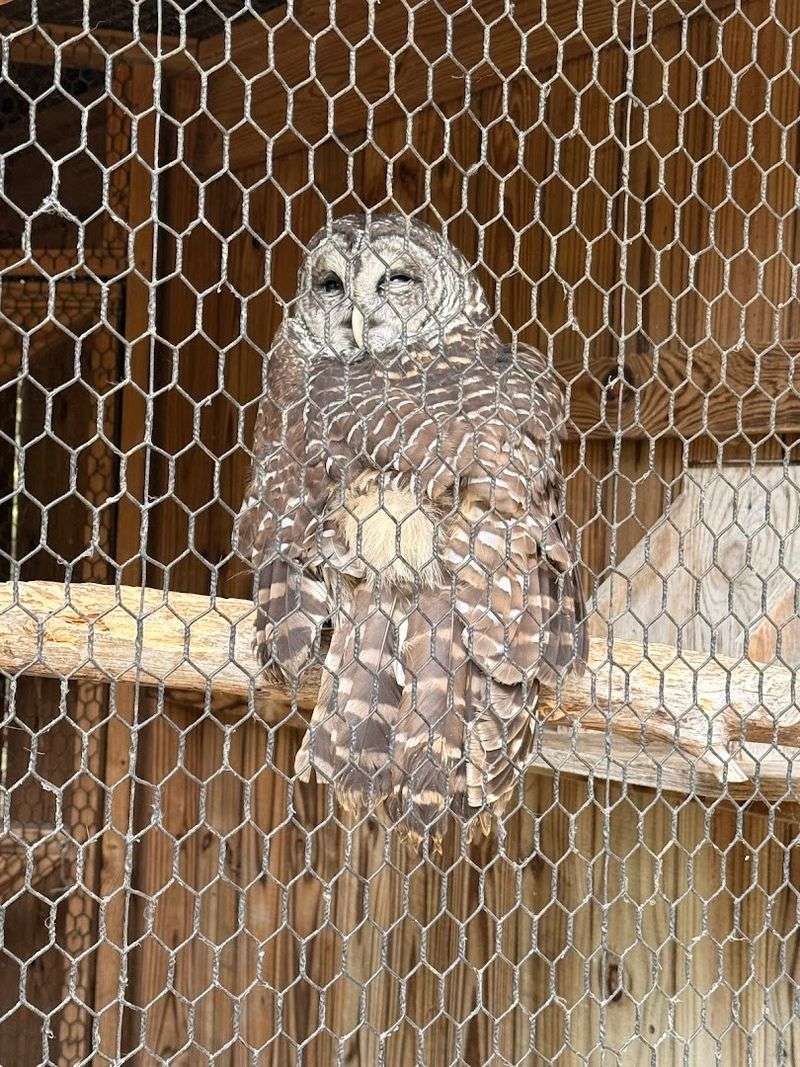
Sometimes the best way to experience wildlife is to step into their world rather than bringing them into ours. Owl’s Hill Nature Sanctuary in Brentwood offers exactly that—300 acres of protected woodland where native Tennessee wildlife lives undisturbed. While not a rehabilitation facility, this sanctuary provides crucial habitat and educational opportunities that complement the state’s rescue efforts.
The property features miles of walking trails that wind through diverse ecosystems, from hardwood forests to wetlands. You might spot deer, wild turkeys, woodpeckers, and if you’re lucky, one of the sanctuary’s namesake owls.
Owl’s Hill runs specialized programs focused on birds of prey, particularly owls. Educational presentations feature live birds and teach participants about raptor biology, hunting adaptations, and conservation challenges. The sanctuary partners with rehabilitators to provide educational homes for non-releasable birds, giving them purpose as teaching ambassadors while ensuring they receive excellent care.
Day passes are available for those who simply want to explore the trails and enjoy the peace of protected woodland. The nature center offers exhibits about local wildlife and the importance of habitat preservation. Staff members and volunteers are passionate about connecting people with nature and answering questions about the species that call Tennessee home.
What makes Owl’s Hill special is its focus on habitat protection as conservation. Not every animal needs rescue—many simply need safe places to live, hunt, and raise their young. By preserving this land and educating visitors about ecosystem health, the sanctuary supports wildlife in one of the most fundamental ways possible: protecting the places they need to survive.
11. Happinest Wildlife Rescue — Signal Mountain
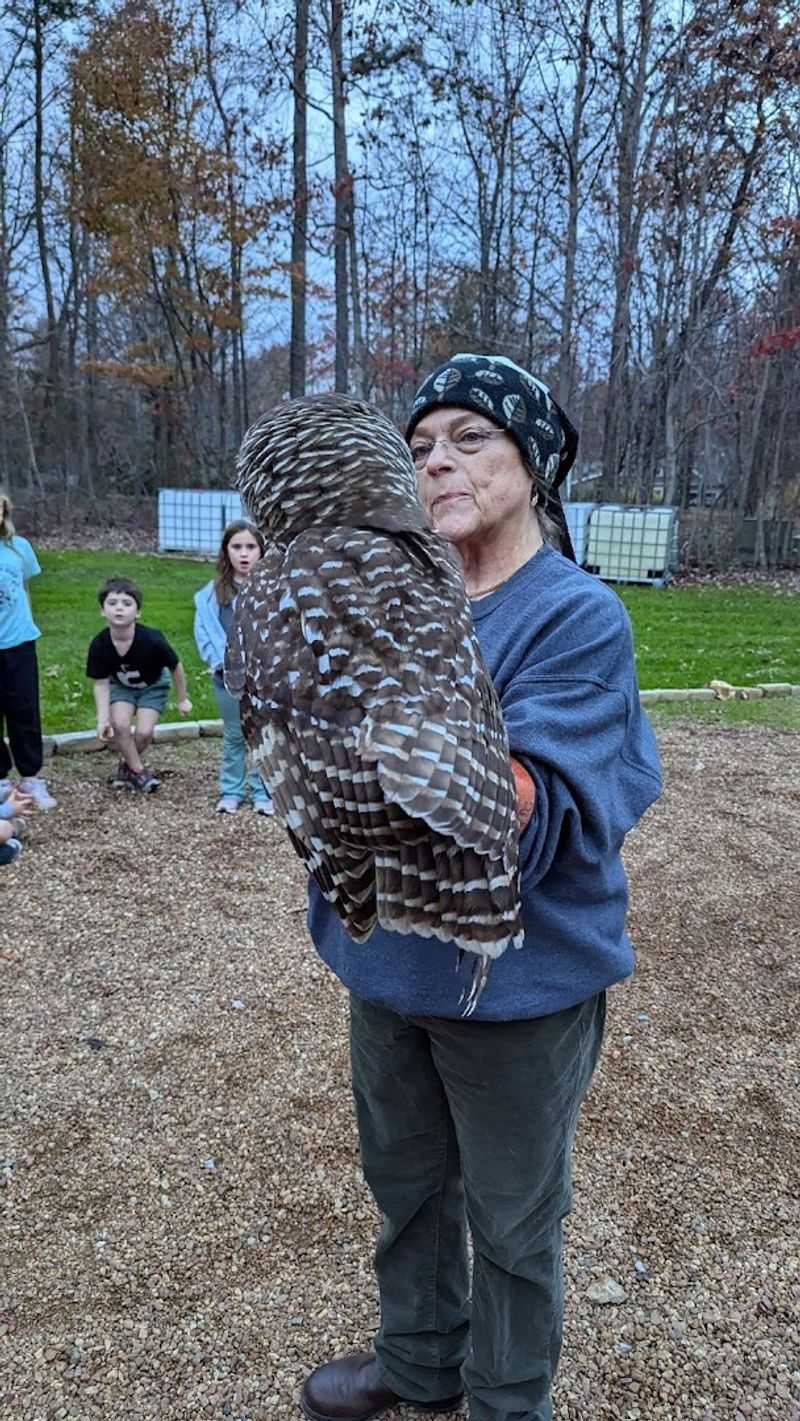
Perched on Signal Mountain, Happinest Wildlife Rescue serves the Chattanooga area and surrounding regions with dedicated wildlife rehabilitation services. This facility takes in injured, orphaned, and sick native animals with the same goal as other rehabilitation centers: provide medical care, recovery time, and a successful return to the wild. The location’s elevation and natural surroundings make it an ideal setting for animals recovering before release.
The rescue handles a wide variety of Tennessee’s native species, from raptors to small mammals to reptiles. Each animal receives assessment and treatment from licensed rehabilitators who understand the specific needs of different species. Baby season brings an influx of orphaned squirrels, raccoons, and birds, all requiring round-the-clock feeding and specialized care to develop properly.
Happinest operates with a strong educational component, recognizing that preventing wildlife emergencies is just as important as treating them. They offer guidance on wildlife-proofing homes, what to do if you encounter an injured animal, and how to coexist with the wild creatures that share our neighborhoods. Many human-wildlife conflicts stem from misunderstanding, and education helps reduce unnecessary interventions.
The rescue depends on community support through donations and volunteer assistance. Wildlife rehabilitation is labor-intensive work that requires specialized knowledge, proper facilities, and significant financial resources. From medical supplies to food to enclosure maintenance, the costs add up quickly, especially during peak seasons when intakes multiply.
While Happinest isn’t designed as a tourist destination, their work is essential to maintaining healthy wildlife populations in the region. Every successfully rehabilitated and released animal is one more contribution to Tennessee’s ecological balance.
Supporting facilities like this means investing in the wild spaces and creatures that make our state special, ensuring future generations can enjoy the same natural heritage we have today.