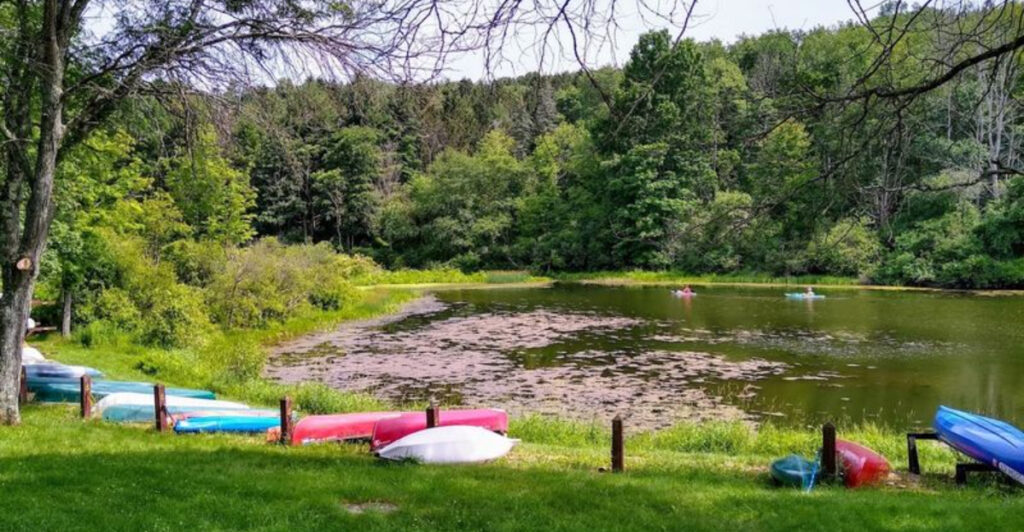
Pennsylvania has a way of slowing you down the moment a quiet river bend comes into view, and that is exactly why its gentler waterways feel made for wildlife watching. Across the state, easy floating stretches wind past forested ridges, wetland edges, hemlock groves, farm country, and rocky gaps where bald eagles, great blue herons, river otters, deer, turtles, kingfishers, and even the occasional black bear can appear when you least expect it.
If you have been craving an outing that feels equal parts scenic drive, peaceful paddle, and front row nature show, these rivers deliver that rare mix of calm water and constant surprise. From the Pennsylvania Grand Canyon to the Delaware Water Gap and the wooded valleys around Ohiopyle, these 13 lazy river routes invite you to pack binoculars, keep your voice low, and drift through some of the most quietly beautiful wildlife habitat in the Commonwealth.
1. Pine Creek (PA Grand Canyon area)
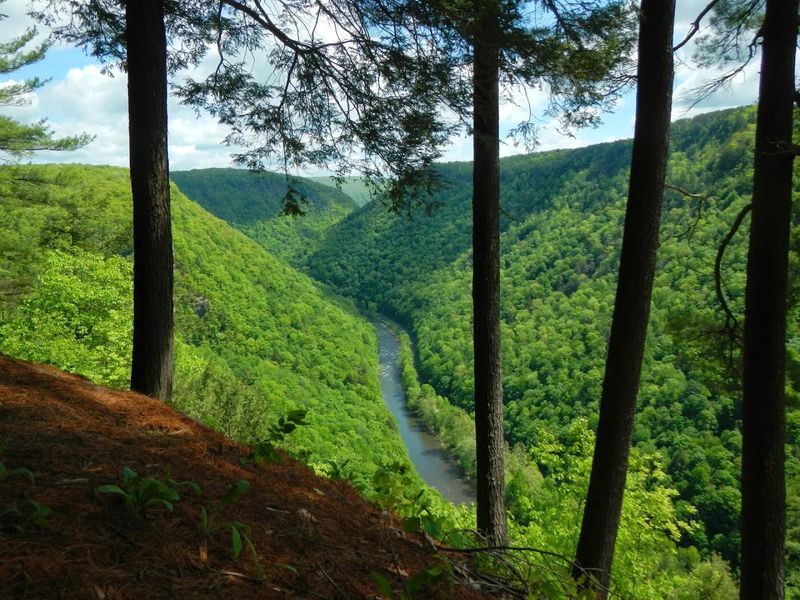
Few Pennsylvania floats feel as cinematic as a slow drift beneath the towering canyon walls that frame Pine Creek.
The water often moves gently enough for you to lift your paddle, listen to birdsong bounce off the ridges, and scan the gravel bars for deer tracks or resting turtles.
It is the kind of place where wildlife seems to reveal itself slowly, rewarding patience instead of speed.
As you move through the PA Grand Canyon area, keep your eyes on exposed branches, high snags, and open sky for bald eagles and ospreys.
Great blue herons stalk the shallows, kingfishers zip ahead like they are guiding the route, and mink or river otters sometimes slip along the banks before vanishing into the shadows.
In early morning, the mist hanging over the creek makes every sighting feel even more dramatic.
The surrounding forest adds another layer to the experience, especially in late spring through early fall when the greens are rich and the creekside vegetation hums with life.
Songbirds stay active in the canopy, butterflies work the sunny edges, and white-tailed deer often step down to drink where the current softens near a bend.
If you are floating with kids or first-time paddlers, this stretch can feel exciting without being overwhelming.
What I love most here is how the scenery makes you naturally quiet, and that silence works in your favor when animals are nearby.
Bring binoculars, waterproof layers, and enough time to stop at gravel bars for a better look at tracks, feathers, or distant movement on the ridge.
Pine Creek is not just a lazy river float – it is one of Pennsylvania’s most unforgettable wildlife corridors.
2. Swatara Creek (Swatara Creek Water Trail)
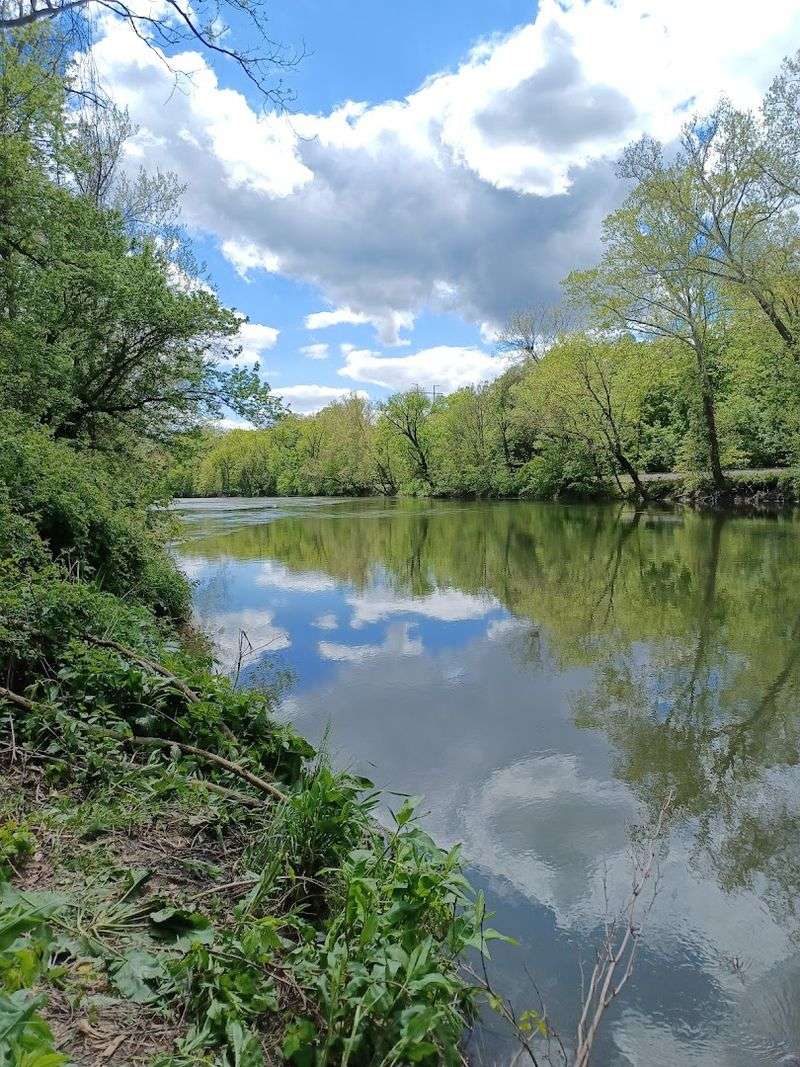
A relaxed paddle along this water trail gives you a surprisingly wild escape, even though parts of the route sit within easy reach of central Pennsylvania communities.
Swatara Creek mixes wooded banks, marshy pockets, and quieter stretches where the current lets you settle into a steady drift.
That slower pace is perfect when you want to watch for movement instead of racing downstream.
Birdlife is one of the biggest reasons to come here with binoculars packed and ready.
Red-winged blackbirds call from the reeds, great blue herons stand motionless along the edge, and belted kingfishers often streak ahead with their sharp, rattling cries.
If you are lucky, you might also catch sight of turtles stacked on sunny logs or a muskrat nosing through the shallows.
The mix of habitats along Swatara Creek keeps each bend interesting.
Some sections feel enclosed by trees, where shade cools the water and warblers chatter above you, while others open into broader views where waterfowl and wading birds are easier to spot.
Deer frequently use the banks as travel corridors, especially in quieter morning hours when paddling traffic is light and the whole creek feels softer.
There is also something appealing about how accessible this float feels without losing its natural character.
You can enjoy a peaceful outing here without needing technical paddling skills, making it a good choice for beginners, families, or anyone who wants a slower wildlife-focused day.
Swatara Creek may not have Pennsylvania’s biggest scenery, but for gentle floating, close bird encounters, and that calm, observant rhythm, it absolutely earns a spot on this list.
3. Brandywine River (Chester County)
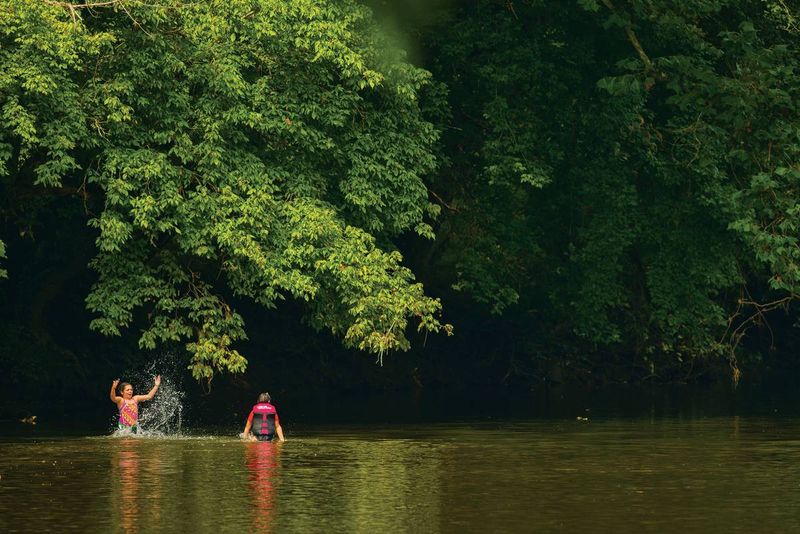
A slow float here feels less rugged than some of Pennsylvania’s wilder rivers, but that is part of the charm.
The Brandywine moves through a beautiful Chester County landscape of wooded banks, gentle bends, and stretches where farms and old estates seem to fade quietly into the background.
When the water is calm, you can drift long enough to notice every bird call and ripple.
Wildlife watching on this river rewards a softer kind of attention.
Great blue herons are common along the margins, turtles gather on logs and low rocks, and swallows skim low over the water in warm weather.
You may also spot deer stepping from tree cover, especially near sunrise or late evening when the riverbank feels still and lightly golden.
Because the scenery changes gradually, the Brandywine invites you to stay present instead of chasing one dramatic viewpoint.
Overhanging branches create pockets of shade where ducks and smaller birds tuck in, while open sections make it easier to scan upstream for movement near gravel bars.
During quieter weekdays, the river can feel almost private, which makes every sighting seem personal and unhurried.
I think this is one of the best floats in southeastern Pennsylvania if you want nature without committing to a remote expedition.
It is approachable, scenic, and rich in those simple moments that make a paddle memorable, like a kingfisher darting from a limb or a heron lifting off just ahead of your boat.
For a lazy river outing with a graceful pace and steady wildlife potential, the Brandywine is an easy river to love.
4. Oil Creek (Oil Creek State Park)
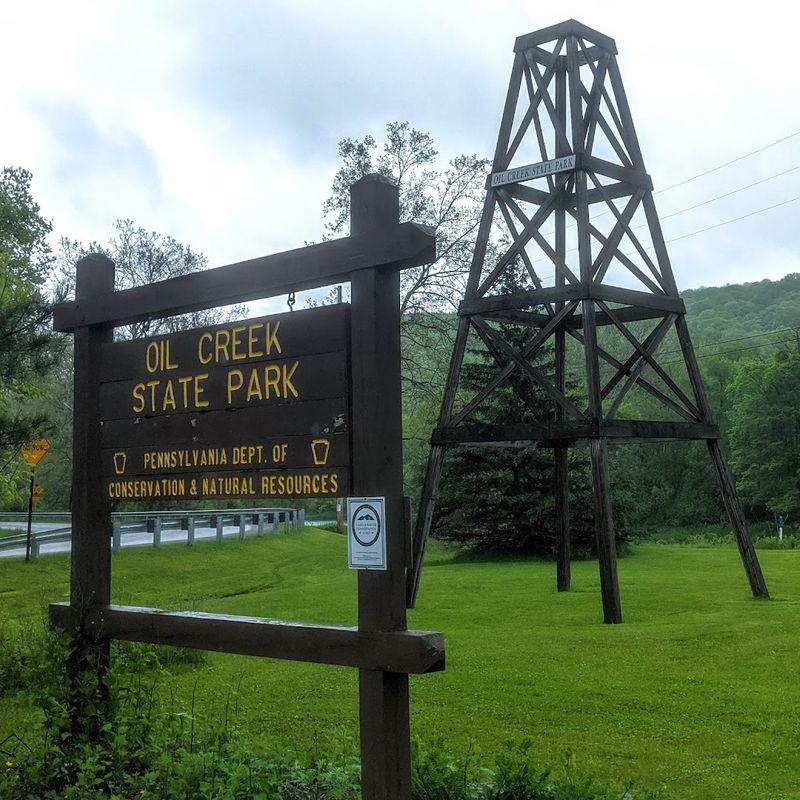
Drifting through this forested valley gives you a quieter side of Pennsylvania that feels ideal for wildlife watching.
Oil Creek winds through Oil Creek State Park with a laid-back rhythm, and the surrounding woods make the whole float feel sheltered and intimate.
Instead of wide-open vistas, you get close views of shaded banks, downed logs, and little pockets of habitat where animals can appear with almost no warning.
The best sightings often come when you let the creek carry you and keep your movements small.
Belted kingfishers chatter overhead, wood ducks slip into calmer side water, and white-tailed deer occasionally emerge from the trees to drink or cross.
In the warmer months, painted turtles line up on logs, and dragonflies seem to hover over nearly every sunlit patch of slow water.
The setting also has a peaceful stillness that makes early morning especially rewarding.
A bit of fog can hang above the creek, birds begin calling from every layer of the forest, and the sound of your paddle feels softer than usual under the tree canopy.
If you are hoping to spot more secretive wildlife, that quieter start gives you a real advantage.
What stands out most to me is the combination of easy floating and rich habitat packed into one scenic corridor.
Oil Creek does not try to overwhelm you with scale, yet it delivers the kind of immersive nature experience that makes you feel removed from roads, schedules, and noise.
For paddlers who enjoy wooded landscapes, patient observation, and the chance of seeing birds and mammals at close range, this state park float is a wonderfully underrated Pennsylvania choice.
5. Clarion River (Cook Forest area)
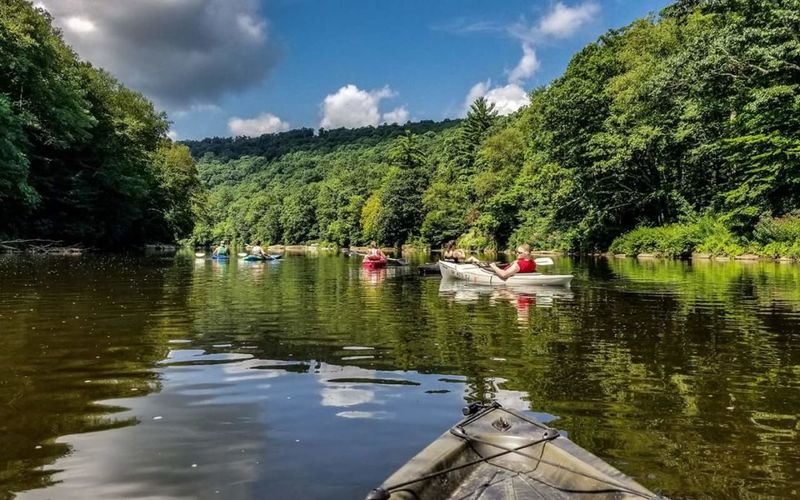
Some rivers make you want to paddle harder, but this one encourages the opposite.
Near the Cook Forest area, the Clarion River often feels calm, spacious, and wonderfully easy to savor, especially when the water levels support a relaxed float.
The scenery is rich with towering trees, layered hills, and broad bends that give wildlife plenty of room to thrive along the shoreline.
This is prime country for eagle watching, so it pays to check tall riverside trees and open sky whenever the channel widens.
Great blue herons are frequent companions, waterfowl use quieter backwaters, and river otters sometimes leave you staring at a ripple and wondering what just surfaced.
In the forested sections, deer are common, and you may hear more birds than you can identify in a single drift.
The Cook Forest region adds a sense of depth to the outing because the surrounding woods feel old, cool, and deeply alive.
Hemlocks cast long shade over certain stretches, while sunnier banks draw turtles and smaller birds into easy view.
If you pause often, you notice how the river changes from open and reflective to enclosed and secretive within just a few bends.
I would choose the Clarion when you want a float that feels both gentle and immersive, with enough length and scenery to settle you into a true day-outside mindset.
It is especially appealing for couples, families, or photographers who want wildlife potential without the stress of technical water.
Between the river’s easy rhythm and the forest’s quiet drama, this is one of those Pennsylvania paddles that can make a whole afternoon feel slower, fuller, and far more memorable.
6. Perkiomen Creek (Perkiomen Creek Water Trail)
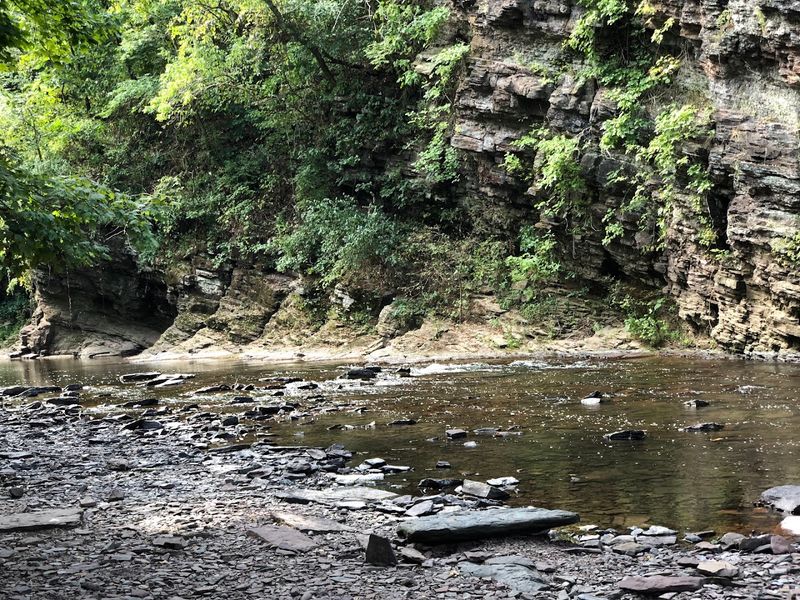
For an easygoing wildlife float not far from more developed parts of southeastern Pennsylvania, this creek is a pleasant surprise.
The Perkiomen Creek Water Trail offers stretches where the pace feels mellow enough to watch the banks carefully, drift through overhanging shade, and notice the small details that busier rivers can make you miss.
It is a float that feels local and approachable without losing its natural appeal.
Wildlife here tends to reveal itself in simple, satisfying ways.
Turtles sun on logs, herons stalk the edges, and ducks slip through slower pools where aquatic plants gather near the bank.
Songbirds stay active in the trees, and if you go early or on a quieter weekday, deer may appear near open clearings that connect the creek to nearby woodland.
What makes this route enjoyable is the balance between accessibility and habitat variety.
Some sections are enclosed by leafy cover, which gives the water a peaceful tunnel-like feel, while others open enough for broader views and better bird spotting.
You are not likely to feel far from civilization every minute, but you can still fall into that calm, observant rhythm that makes wildlife paddling so rewarding.
I think Perkiomen Creek works especially well for beginners, families, and anyone testing out a slower style of river travel.
You do not need huge scenery to have a memorable float when the current is gentle, the birdlife is active, and the route invites you to look closely instead of rush ahead.
For a day that feels simple, restorative, and full of small natural moments, this creek easily earns its place among Pennsylvania’s best lazy river options.
7. Youghiogheny River (Middle Yough, Ohiopyle area)
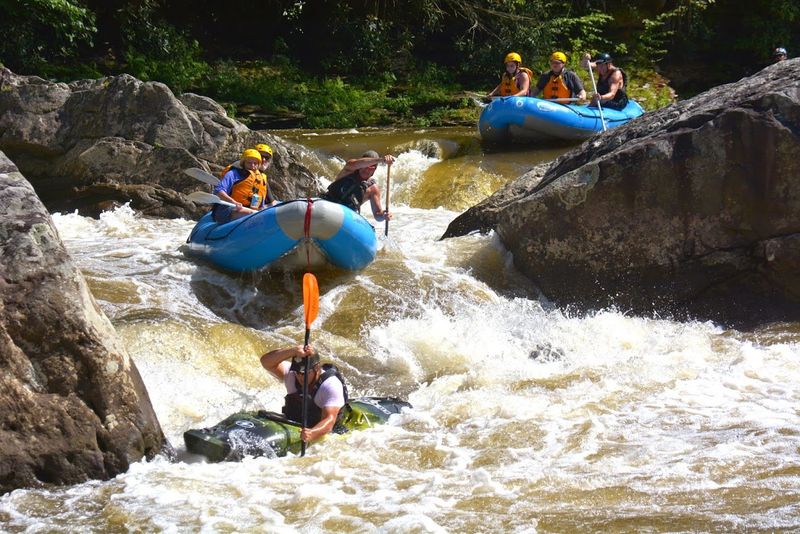
People often associate this river with whitewater, but the Middle Yough shows off a gentler personality that is perfect for a scenic float.
In the Ohiopyle area, certain family-friendly sections give you enough calm water to look around, relax your shoulders, and pay attention to the riverbanks instead of just the next bend.
That slower approach opens the door to a very different kind of adventure.
Wildlife appears in both the water and the surrounding woods if you stay observant.
Great blue herons frequent quieter edges, kingfishers flash ahead over the current, and turtles climb onto rocks whenever the sun is strong.
Along the forested banks, deer are common and smaller birds fill the background with constant movement and sound.
The valley scenery adds a lot to the experience, especially when morning light reaches the trees and reflects off calmer sections of the river.
You may pass under leafy cover, then emerge into wider views where the hills frame the water and make the whole float feel more expansive.
Even when other paddlers are around, it is still possible to find moments of hush between groups and let the place settle in.
What I like best is how this stretch offers a bridge between classic Ohiopyle excitement and a more peaceful, wildlife-focused outing.
It keeps enough energy to feel fun, yet still leaves space for binoculars, photos, and those little pauses where you simply drift and watch.
If you want a southwestern Pennsylvania river trip that blends scenic beauty, approachable floating, and dependable chances to spot birds and riverside animals, the Middle Yough is an excellent pick.
8. Delaware River (Delaware Water Gap area)
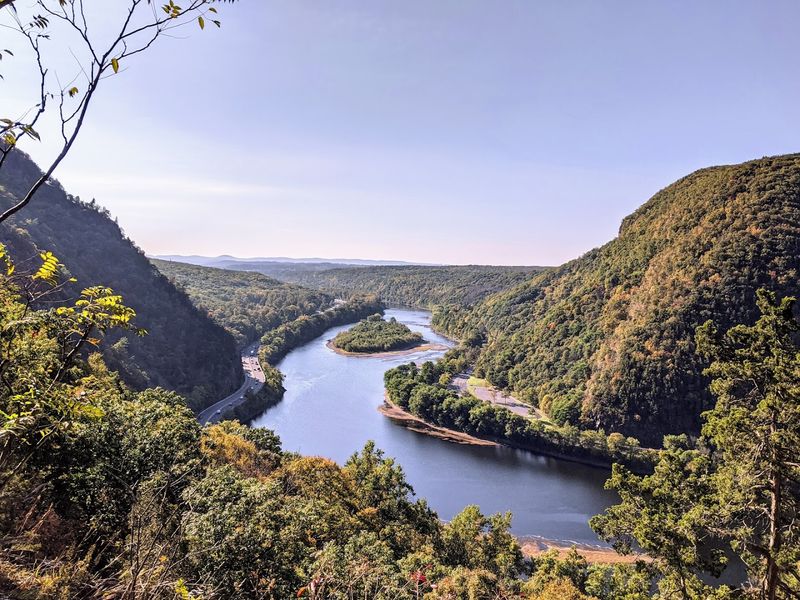
It is hard not to look up constantly on this float, because the scenery is every bit as impressive as the wildlife.
In the Delaware Water Gap area, the river moves through a broad, mountain-framed corridor where calm stretches let you drift, scan the ridgelines, and listen for birds without feeling rushed.
The sense of space here is part of what makes the experience so memorable.
Bald eagles are one of the headline sightings, and this region gives you a real chance to spot them perched or soaring above the river.
Great blue herons stalk the shallows, waterfowl gather in quieter pockets, and turtles line sunny rocks near the shore.
If you are very lucky, you might also notice a black bear along a distant bank or a deer moving through riverside brush.
Because the river is larger than many lazy creek floats, you get a wonderful mix of openness and intimate wildlife moments.
One minute you are admiring big ridge views, and the next you are quietly passing a gravel island where birds are feeding at the edge of the water.
Morning and evening light make everything feel even richer, especially when reflections stretch across the calmer sections.
This is the kind of paddle I would recommend when you want both classic Pennsylvania scenery and serious wildlife potential in the same outing.
The Delaware feels iconic, but it also rewards patient observation in ways that can feel personal and surprisingly peaceful.
For travelers, families, and birders hoping to experience one of the state’s most beautiful river landscapes at a slower pace, the Water Gap section is an easy favorite.
9. Lackawanna River (Northeastern PA)
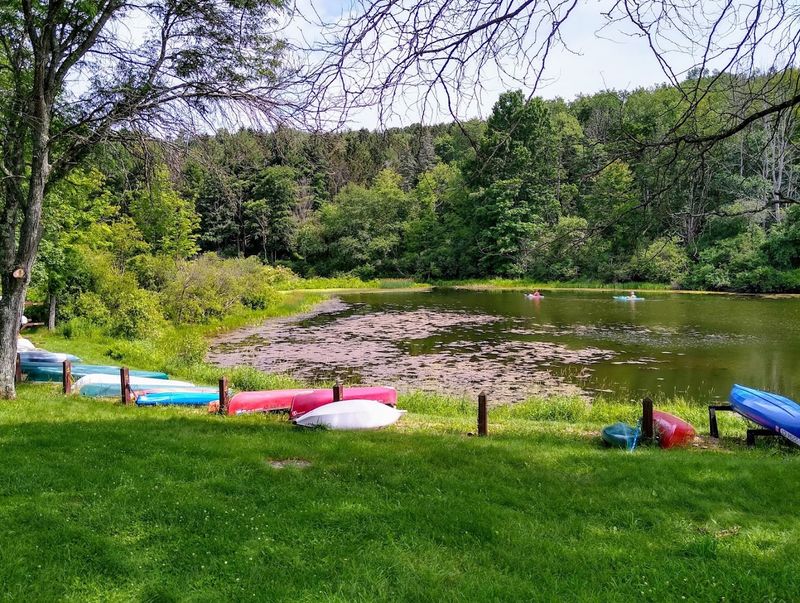
A gentle outing here offers a different kind of Pennsylvania river story, one shaped by recovery, resilience, and surprising pockets of nature.
The Lackawanna River in northeastern Pennsylvania can feel calmer and greener than many visitors expect, especially on sections where the water eases into a relaxed pace.
That slower flow gives you time to notice birds, shoreline plants, and the way wildlife returns when habitat is protected.
Herons are often among the easiest animals to spot, standing statuesque near the bank or lifting off with broad, deliberate wingbeats.
Ducks and smaller water birds use the quieter sections, turtles may appear on logs or rocks, and songbirds stay active in the trees and brush.
Deer are possible too, particularly in less disturbed stretches where the river corridor widens into greener edges.
What makes this float interesting is the contrast between developed surroundings and natural renewal.
You may sense nearby communities, yet the river itself still creates moments of calm where ripples, reflections, and bird calls take over.
It is a reminder that wildlife watching does not always require extreme remoteness to feel meaningful.
I find the Lackawanna especially appealing for paddlers who enjoy discovering places with character rather than postcard fame.
There is satisfaction in drifting through a river corridor that continues to improve and support more visible life year after year.
If you want a float that feels accessible, locally grounded, and quietly rewarding, this northeastern Pennsylvania route deserves a closer look from anyone who loves easy paddling and patient observation.
10. Juniata River (Juniata River Valley)
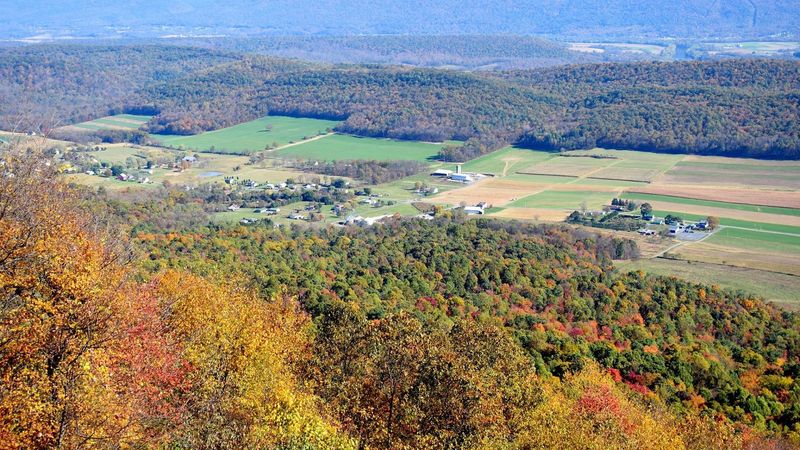
A float through the Juniata River Valley delivers the kind of broad, peaceful scenery that makes an entire day feel unhurried.
The river often moves at a mellow pace through a landscape of wooded hills, open farmland, and long curves that invite you to settle in and keep looking around.
It is an especially good choice when you want a wildlife outing that feels spacious rather than enclosed.
Birdlife is one of the biggest draws along this route.
Great blue herons patrol the shallows, kingfishers chatter from exposed branches, and swallows sweep low over the water in warm months.
You also have a fair chance of seeing turtles on logs and white-tailed deer along quieter banks where vegetation creates natural cover.
The valley setting gives the river a lovely rhythm, with alternating sections of open sky and greener shoreline habitat.
In the early morning, mist can soften the hills and make every movement on the water stand out more clearly.
Late in the day, golden light warms the river surface and turns even a simple bird sighting into something that feels almost cinematic.
What I appreciate most is how comfortable this float feels for a wide range of paddlers.
You can focus on watching wildlife, chatting quietly with whoever is with you, or simply letting the current do some of the work while the scenery unfolds.
For anyone looking for a classic Pennsylvania river experience with easy paddling, strong birdwatching potential, and a calm rural backdrop, the Juniata offers a wonderfully relaxing way to spend time outside.
11. Allegheny River (NW Pennsylvania)
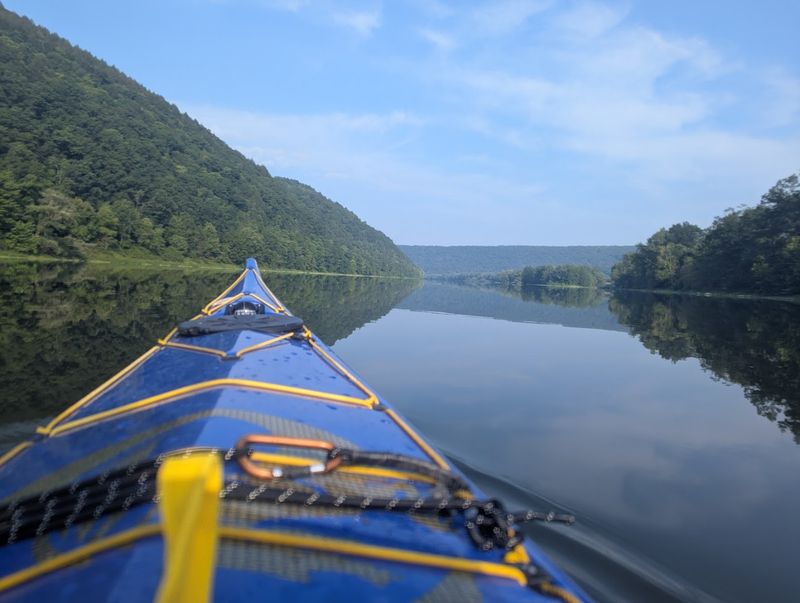
Northwestern Pennsylvania offers some beautifully quiet river scenery, and this one stands out for its scale and habitat diversity.
The Allegheny can feel broad and calm in the right sections, with islands, forested banks, and slower-moving water that create excellent conditions for watching birds and other river wildlife.
When you drift here, the sense of room makes every sighting feel a little more dramatic.
Bald eagles are a major reason to keep your eyes moving between treetops and open sky.
Herons, ducks, and other water birds use the shoreline and back channels, while turtles often claim exposed rocks and logs during sunny weather.
On quieter days, deer may appear at the edge of the forest, and the river’s many textures keep you scanning from one bank to the other.
The islands and varied shoreline features are what make this float especially interesting.
They create pockets of slower water, sheltered feeding zones, and little natural stages where wildlife can gather without much disturbance.
If you take your time, you may notice how each channel has a slightly different feel, from wide and reflective to intimate and gently enclosed.
I would put the Allegheny high on the list for paddlers who like longer views and a sense of wild openness without giving up a relaxing pace.
It is the kind of river where binoculars truly earn their place in the boat, because there is always another snag, sandbar, or distant movement worth checking.
For a lazy float with eagle potential and classic northwest Pennsylvania scenery, the Allegheny is a fantastic pick.
12. Susquehanna River (Susquehanna Riverlands area)
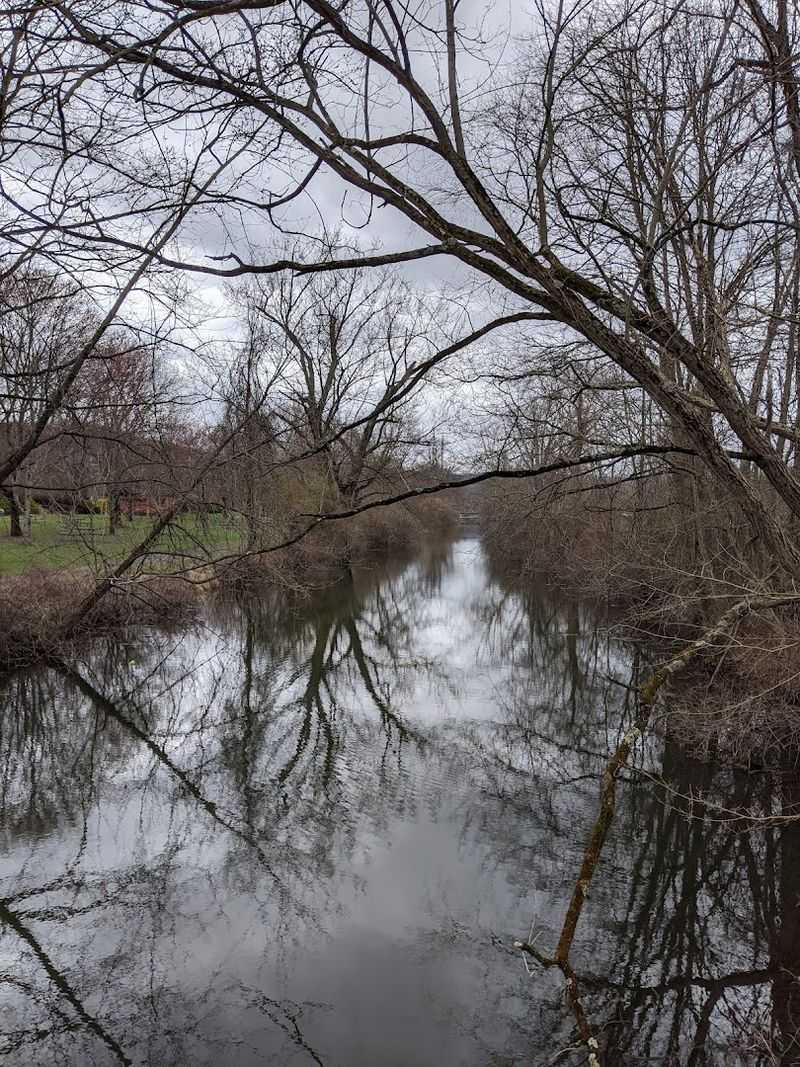
There is something expansive and deeply calming about floating this part of the Susquehanna.
In the Susquehanna Riverlands area, the river opens into broad channels, rocky islands, and slower stretches that feel made for scanning the waterline and sky.
It is the sort of place where you can drift quietly for long periods and still feel like something interesting might appear around the next island.
Birdwatchers have plenty to love here.
Ospreys and bald eagles are possible overhead, great blue herons patrol the edges, and smaller shorebirds use exposed rock and sand when water levels cooperate.
Turtles are common on sunny surfaces, and deer sometimes step into view where wooded banks meet quieter side channels.
The islands are a big part of the appeal because they break up the river and create calmer pockets that attract wildlife.
Those gentler areas are ideal for slowing down, watching ripples near the shoreline, and listening for calls from birds hidden in the trees.
Morning floats can feel especially magical, with soft light, cool air, and fewer distractions competing for your attention.
I like this river for anyone who wants a grander landscape without sacrificing that slow, observant pace that wildlife watching requires.
The Susquehanna feels broad and powerful, yet certain sections still let you settle into an easy drift and focus on details.
For a float that combines big Pennsylvania river character, rich birdlife, and the simple pleasure of moving through water at nature’s speed, the Riverlands area is hard to beat.
13. Lehigh River (family float section, Jim Thorpe area)
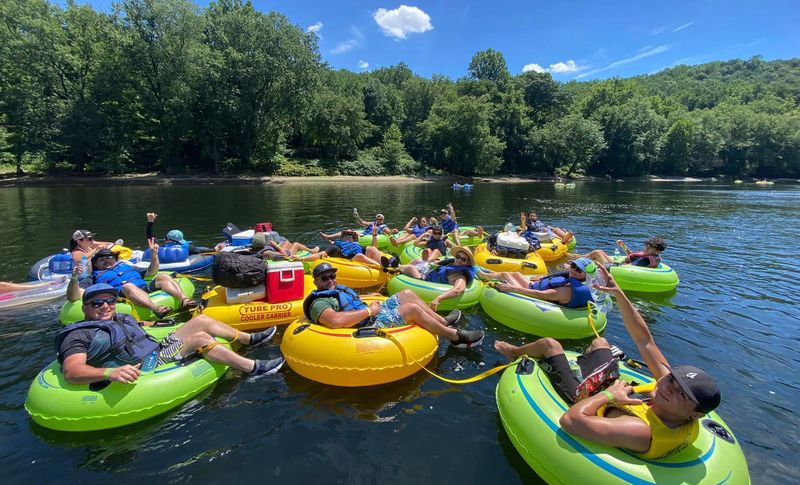
Near Jim Thorpe, the Lehigh surprises a lot of people with how friendly and scenic a family float can be.
While other stretches of the river are known for more excitement, the gentler sections let you relax, enjoy the mountain backdrop, and keep an eye on the banks for wildlife as the current carries you along.
It is a nice choice when you want beautiful scenery without an overly demanding paddle.
Herons are among the most reliable sightings here, especially where the water slows near rocky edges.
Kingfishers often announce themselves before you see them, turtles warm on exposed surfaces, and ducks or geese may gather in calmer pockets.
The surrounding forested slopes also create opportunities to spot deer, especially during quieter times of day.
The setting near Jim Thorpe adds a little extra magic because the hills rise close enough to frame the river without making it feel closed in.
Sunlight shifts beautifully across the water, and even a short float can feel like a true getaway from everyday noise.
Families tend to appreciate that balance of easy movement, manageable scenery, and enough wildlife interest to keep everyone looking up.
I would recommend this route to beginners, mixed-age groups, and anyone who wants a laid-back outing with a strong sense of place.
You get a taste of the Lehigh Gorge region’s natural beauty while still having room to drift, talk quietly, and pause for the birds and animals that appear along the way.
For an accessible Pennsylvania river day with mountain views and gentle wildlife watching, this family float section is a very smart pick.