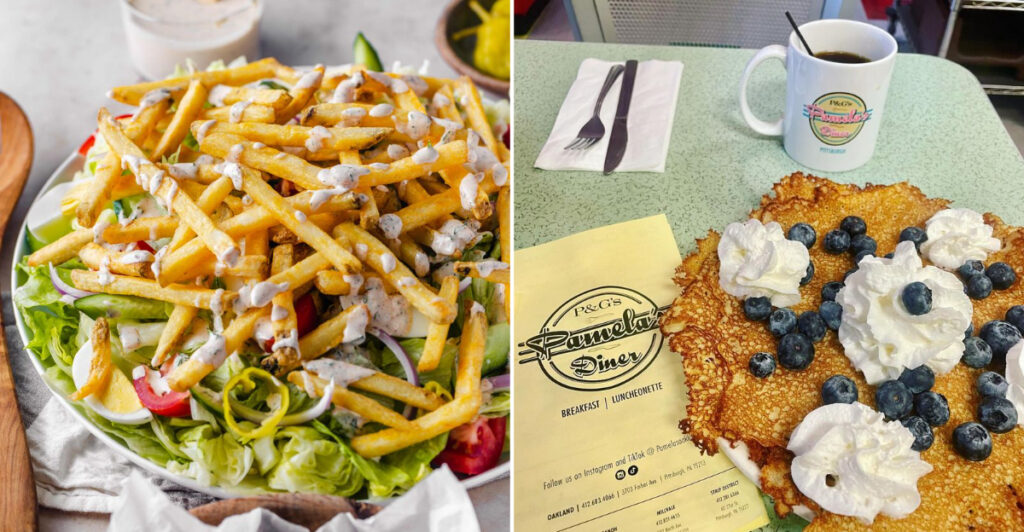
Some Pennsylvania foods sound like dares, mistakes, or inside jokes that somehow escaped into public life, yet Pittsburgh locals defend them with the kind of loyalty you usually reserve for family traditions and playoff runs. If you have ever stared at fries on a salad, cold toppings on hot pizza, or a dessert table so large it could qualify as an event of its own and wondered who decided this was a good idea, the answer is simple: people here tried it, loved it, and never looked back.
What makes these dishes unforgettable is not just their odd names or surprising combinations, but the way each one carries the story of working-class neighborhoods, church halls, steel-town practicality, immigrant kitchens, amusement-park cravings, and celebrations where abundance means affection. Before you dismiss any of them, imagine yourself wandering through Pennsylvania with a paper tray in hand, ketchup nearby, buttery noodles steaming, sandwich stacked too high, and a cookie table waiting at the end, because once you understand how Pittsburgh eats, the weirdest bites start making perfect, delicious sense.
1. Pierogies, The Steel City Way
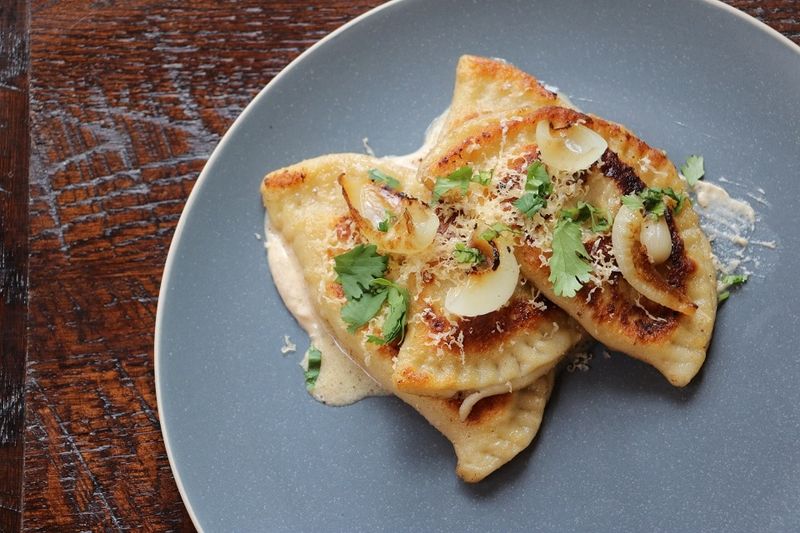
At first glance, these little dumplings look simple enough, but in Pittsburgh, Pennsylvania, they land on the plate with a kind of hometown swagger that turns comfort food into local identity.
You get tender dough wrapped around potato, cheese, or kraut, then finished with buttery onions that smell like every cozy kitchen you wish you had access to.
The idea sounds humble, yet one bite explains why people here treat pierogies like treasured currency.
What makes the Steel City version feel different is the way Eastern European roots merged with working-class Pennsylvania appetite.
They are often pan-fried after boiling, giving you a soft center and lightly crisped edge that makes every texture pull its weight.
When they show up beside sausage, on game-day platters, or at church festivals, they feel less like a side dish and more like a cultural handshake.
You can trace their popularity through the immigrant neighborhoods that shaped Pittsburgh, where practical, filling food mattered.
Potatoes, flour, onions, and dairy were affordable, satisfying, and easy to share, which made pierogies perfect for families feeding a crowd.
That practicality still lives on, even when the serving comes dressed up with sour cream, bacon, or creative fillings.
The real surprise is how deeply personal they become once you eat them.
Everyone seems to have a favorite version, a preferred pinch of onion, or a strong opinion about whether they should be boiled only or finished in a skillet.
In Pennsylvania, that debate is part of the charm.
If you come expecting novelty, you may miss the point.
These dumplings make sense because they are warm, filling, affordable, and full of memory, which is exactly the kind of food Pittsburgh has always loved best.
2. Isaly’s Chipped Chopped Ham
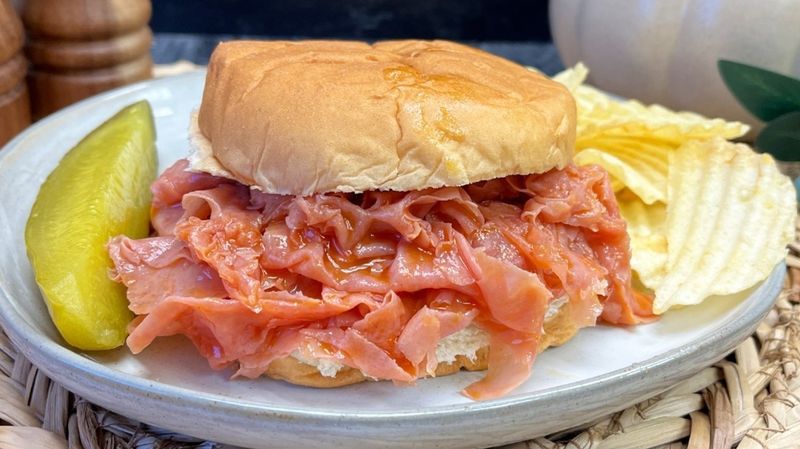
The name alone sounds like somebody repeated themselves by accident, yet in Pittsburgh, Pennsylvania, chipped chopped ham is a serious matter.
This deli staple is shaved so thin it almost falls apart into ribbons, creating a soft, airy pile that somehow feels both delicate and hearty.
Once you taste it warm in a sandwich, the odd name suddenly feels completely earned.
Its roots run through Isaly’s, a regional institution that helped define lunch for generations across western Pennsylvania.
The signature move is slicing the ham into whisper-thin pieces, which changes everything about the texture.
Instead of chewing through thick deli meat, you get a tender mound that soaks up sauce and settles beautifully into soft bread.
Many locals know it best in a barbecue ham sandwich, where the meat is heated with a sweet-tangy sauce until it becomes comforting, messy, and deeply nostalgic.
It is the kind of meal that shows up at casual gatherings, school events, and family tables without needing any explanation.
In a city built on practicality, it makes perfect sense to celebrate a sandwich that is affordable, easy to share, and ridiculously satisfying.
What seems strange to outsiders is precisely what makes it work.
The shaved texture gives every bite more flavor contact, more sauce, and a softer, almost cloud-like quality that thicker ham cannot match.
It is familiar deli meat transformed into something uniquely regional.
You do not need a formal occasion or a fancy plate to appreciate it.
In Pennsylvania, chipped chopped ham proves that the foods with the funniest names are often the ones tied most tightly to childhood memories, neighborhood stores, and the comforting belief that lunch can still surprise you.
3. Kennywood’s Potato Patch Fries
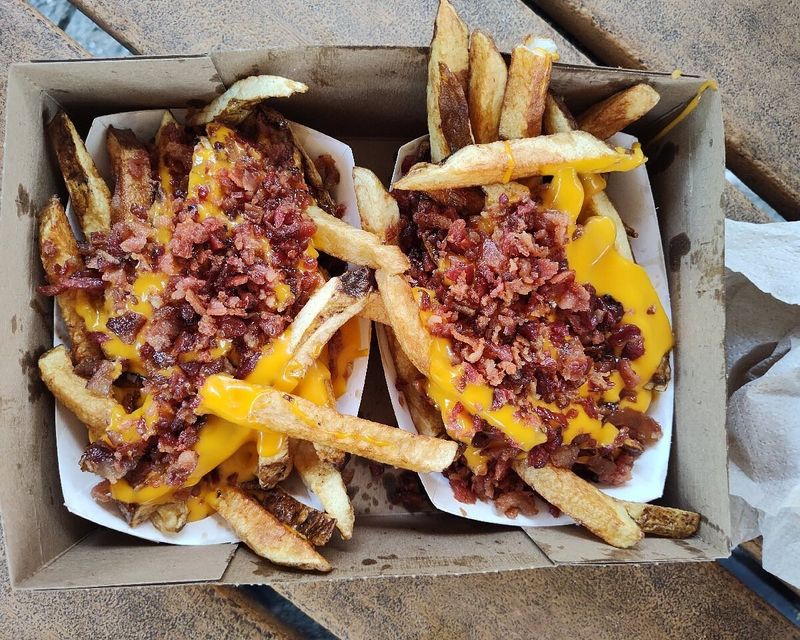
You might think they are just fries, but in Pittsburgh, Pennsylvania, Potato Patch fries are treated like amusement park royalty.
Served hot, crisp, and famously piled high, they turn a simple side into a destination craving that people talk about long after the rides are over.
The magic is not only in the potatoes, but in the setting, the ritual, and the absolute refusal to share more than necessary.
Kennywood has long been woven into regional memory, and these fries are part of that tradition.
They are cut fresh, fried until golden, and handed over in generous portions that immediately test your ability to resist eating half of them before finding a seat.
Add cheese, bacon, or other toppings, and they become less like a snack and more like a summer event.
Part of the appeal comes from the contrast between ordinary ingredients and extraordinary expectation.
Potatoes, salt, grease, and sunshine should not feel this emotionally significant, yet they do.
In Pennsylvania, some foods become inseparable from where you first ate them, and these fries carry the sounds of coaster tracks, laughing kids, and sticky fingers from the start.
They also hit that perfect balance of texture.
The outside stays crisp enough to hold toppings, while the center remains fluffy and hot, giving each bite the kind of comfort that only fresh fries can deliver.
Because they are so tied to place, people often spend the off-season craving not just the flavor, but the full experience.
That is why they make zero sense until you eat them in context.
They are not merely potatoes in a tray.
They are Pennsylvania nostalgia, amusement park joy, and the delicious reminder that sometimes the best local specialty is the one you smell before you even see it.
4. Heinz Ketchup, Born Here
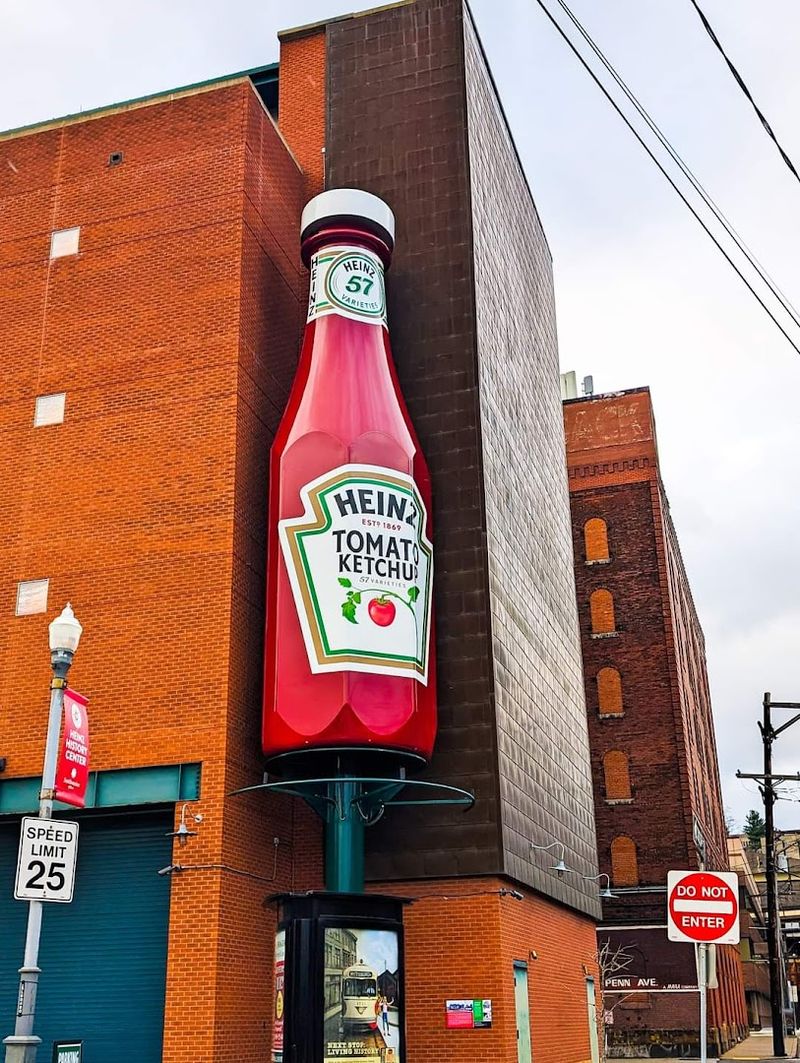
It may seem strange to call ketchup a Pittsburgh food, but in Pennsylvania, Heinz is not just another bottle on the table.
It is a hometown invention with a backstory that runs through the city’s industrial rise, making this everyday condiment feel more personal than you might expect.
Once you know it was born here, every squeeze carries a little local pride.
Heinz helped turn a simple tomato sauce into a standardized pantry staple at a time when consistency actually mattered.
In an era when food quality could be unpredictable, the company built trust through cleanliness, branding, and a recipe people came to rely on.
That history matters in Pittsburgh because it connects a global product to a very local origin story.
Flavor-wise, what makes Heinz memorable is its balance.
You get sweetness, tang, and spice in a blend that flatters fries, burgers, meatloaf, and anything else asking for brightness.
It is one of those tastes you think you know until you compare it side by side with a lesser version and realize how much the familiar formula shaped your expectations.
In Pennsylvania homes and restaurants, ketchup often feels less like a condiment and more like table equipment.
It sits nearby, ready for fish sandwiches, potato patch fries, and diner breakfasts without anyone needing to discuss why.
That quiet omnipresence is part of its power.
The reason it belongs on a list like this is simple.
Outsiders see a mass-market bottle, while Pittsburgh sees heritage, innovation, and a product that traveled the world without ever losing its local roots.
If you eat enough iconic foods here, sooner or later Heinz shows up, which is exactly why it still tastes a little like home.
5. Primanti Sandwich
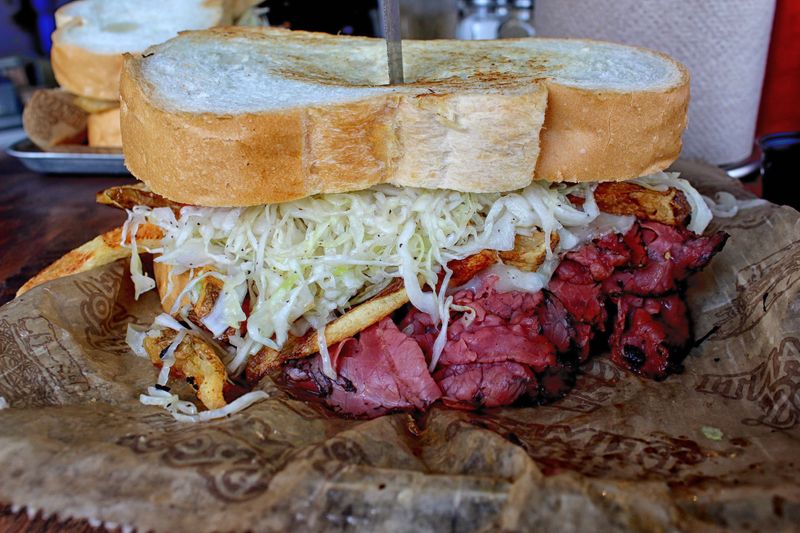
The first time you see one, it looks like someone lost control of the sandwich assembly line.
In Pittsburgh, Pennsylvania, the Primanti sandwich comes stacked with meat, melted cheese, slaw, and a heap of fries tucked right inside the bread.
It sounds chaotic, but one bite reveals a brilliantly efficient meal built for appetite, speed, and satisfaction.
The legend behind it fits the city perfectly.
Workers, truck drivers, and market regulars needed something filling that could be eaten quickly, so the fries and slaw moved from side dishes to built-in components.
That practical move became a signature, and now the sandwich feels inseparable from Pittsburgh identity.
What makes it work is balance, not excess.
The fries add warmth and softness, the slaw brings crunch and acidity, the bread keeps everything contained, and the meat anchors the whole thing with savory heft.
Every bite is salty, tangy, rich, and surprisingly organized despite how unruly it looks from the outside.
You can order different fillings, but the experience stays consistent: this is a sandwich that asks you to commit.
It is not dainty, and it does not pretend to be refined.
In Pennsylvania, that honesty is part of the appeal, because the food proudly reflects a city that values substance over polish.
People who do not grow up with fries in a sandwich often assume it is a gimmick.
Then they taste how the textures lock together and how the slaw cuts through the richness, and suddenly the logic becomes obvious.
The Primanti sandwich is one of those rare local classics that sounds ridiculous in theory, looks impossible in practice, and somehow delivers exactly what you wanted before you knew to ask for it.
6. Pamela’s Hotcakes
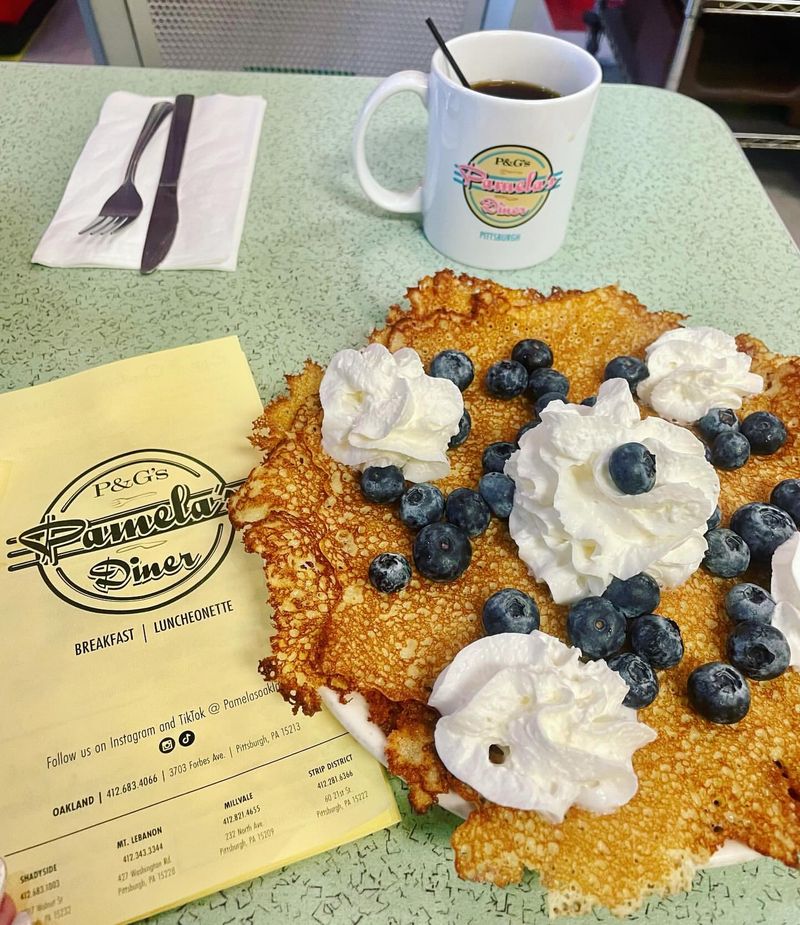
At a glance, they seem like pancakes that forgot how thick they were supposed to be.
In Pittsburgh, Pennsylvania, Pamela’s hotcakes arrive with lacy, crisp edges and a tender center that feels halfway between a pancake and a crepe.
That unusual texture is exactly why people fall for them so quickly.
These hotcakes stand out because they reject the standard fluffy diner model.
Instead, you get a broad, thin round with buttery flavor, delicate chew, and caramelized edges that crackle slightly under the fork.
They are still comforting breakfast food, just with more character and a little more attitude.
The appeal goes beyond novelty.
In a city known for hearty meals, Pamela’s hotcakes prove that Pittsburgh comfort can be subtle as well as filling.
Served with syrup, fruit, powdered sugar, or classic breakfast sides, they manage to feel indulgent without becoming heavy, which is not always easy in the world of griddle cooking.
Part of their reputation comes from how memorable the first bite is.
You expect one texture, then get another, and your brain needs a second to catch up before the pleasure takes over.
That moment of surprise is why so many visitors leave talking about breakfast with the same excitement usually reserved for iconic sandwiches or famous desserts.
They also reflect a broader Pennsylvania truth: local favorites often come from doing basic things a little differently and doing them extremely well.
Flour, eggs, butter, and a hot griddle should not feel revelatory, yet here they absolutely can.
If standard pancakes have ever disappointed you with bland softness, these hotcakes offer a more vivid answer, proving that even breakfast in Pittsburgh likes to break the rules just enough to become unforgettable.
7. Haluski
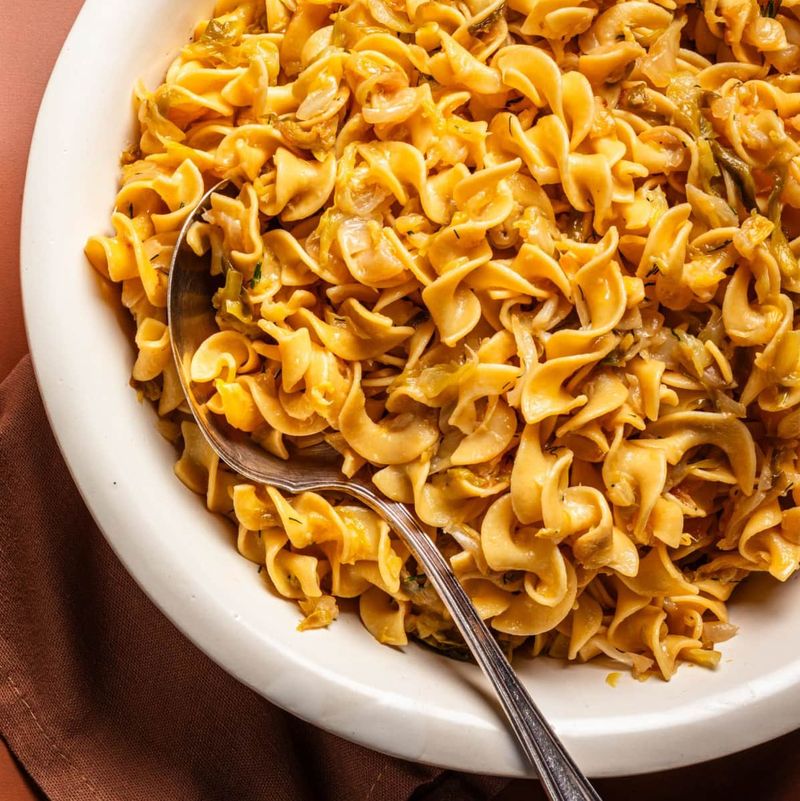
This dish looks almost too plain to deserve strong feelings, yet in Pittsburgh, Pennsylvania, haluski inspires deep affection.
Usually made with noodles or dumplings, cabbage, butter, and onions, it is the kind of meal that whispers rather than shouts.
Then you taste its sweet-savory richness and understand why generations kept it close.
Haluski arrived through the Eastern European influences that helped shape western Pennsylvania cooking.
It grew popular because it was inexpensive, filling, and easy to make in large quantities, all qualities that mattered in immigrant and working-class households.
That practical background still defines its charm today.
The beauty lies in what happens when simple ingredients are given patience.
Cabbage softens and sweetens, onions turn fragrant, butter rounds everything out, and the noodles soak up all that mellow flavor.
Nothing about it is flashy, but every forkful feels warm, soothing, and strangely complete.
In Pennsylvania, haluski often appears at church festivals, family dinners, fish fries, and holiday tables, where it quietly competes with louder foods.
It rarely wins on appearance, but it often wins the memory test.
The reason is emotional as much as culinary: this is food that tastes like thrift, care, and resourcefulness turned into comfort.
If you are expecting bold spice or dramatic presentation, you may miss the point at first.
Haluski is about softness, sweetness, and the deep satisfaction of ingredients that work harder than they should.
Once you eat a good version, the simplicity starts to feel like wisdom rather than limitation.
In Pittsburgh, that is often the dividing line between a dish that seems confusing from the outside and one that suddenly makes perfect sense the moment it reaches your plate.
8. The Oakmonter Cake From Oakmont Bakery
Some desserts are satisfying, and some arrive with the energy of a local legend.
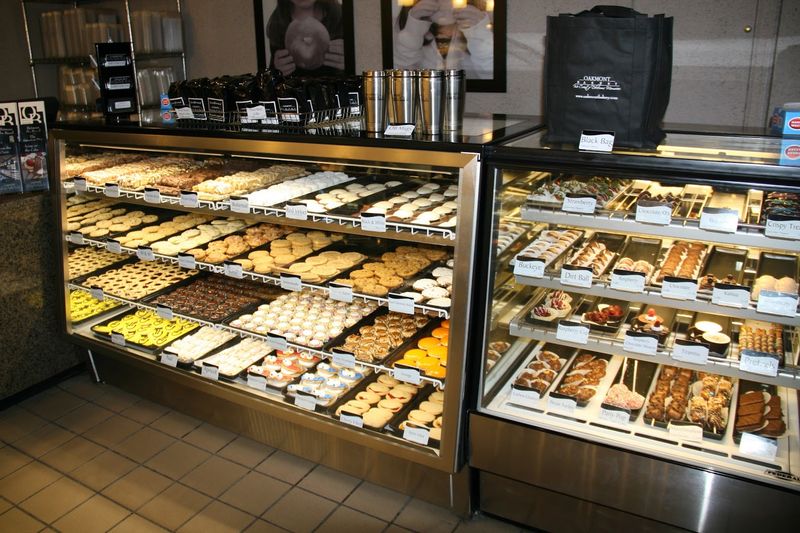
In Pittsburgh, Pennsylvania, the Oakmonter cake belongs firmly in the second category, towering over ordinary bakery expectations with layers, richness, and the kind of visual drama that makes you pause before taking a bite.
It seems excessive until you realize extravagance is part of the point.
Oakmont Bakery has built a reputation for celebration-worthy sweets, and this cake captures that spirit beautifully.
Depending on the version you encounter, you can expect luxurious layers of cake, fillings, frosting, and chocolate that create a dessert engineered for maximum impact.
It is not shy, restrained, or interested in minimalist trends.
What makes it meaningful in Pennsylvania is how strongly it connects to milestones.
Birthday parties, graduations, showers, holidays, and office gatherings all become plausible excuses to bring home something unforgettable.
In that sense, the Oakmonter is more than a dessert, because it helps define how a special occasion should look and taste.
The texture is part of its charm.
You get softness from the cake, richness from the filling, sweetness from the frosting, and enough indulgence in each forkful to make a small slice feel surprisingly sufficient, even when you tell yourself otherwise.
It walks the line between bakery craftsmanship and unapologetic abundance.
For someone unfamiliar with Pittsburgh food culture, a beloved hyper-rich cake may not seem particularly unusual.
The surprise comes from how intensely local loyalty forms around it, as though every family has a story involving a box from Oakmont Bakery.
That is the Pennsylvania pattern: ordinary categories like sandwich, noodle dish, or cake become distinctive because they carry memory, pride, and the certainty that celebration should always be served in generous portions.
9. Fish Sandwich Fridays
If you are new to Pittsburgh, Pennsylvania, the scale alone can be baffling.
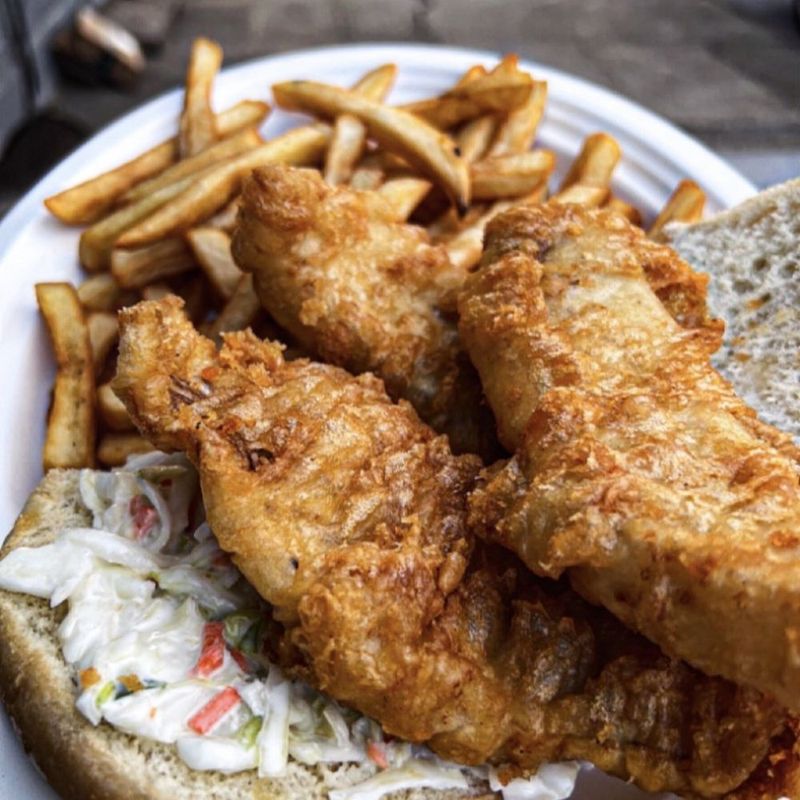
A proper Friday fish sandwich often features a fillet so enormous it hangs over the bread like it has outgrown its assignment, turning a humble lunch into something closer to a challenge.
It looks absurd until you realize local diners fully expect this level of abundance.
The tradition is tied to Catholic Lenten practices, but in western Pennsylvania it expanded far beyond a seasonal obligation.
Churches, taverns, fire halls, and restaurants all built Friday fish into a weekly ritual, and over time the sandwich became both a comfort food and a badge of neighborhood pride.
Size, crispness, and freshness all became points of competition.
What makes it work is the contrast between a mild, flaky interior and a crunchy fried coating, usually tucked into simple bread with tartar sauce, slaw, or lemon on the side.
The fish itself remains the star, which is why the oversized fillet is not just for show.
Every bite delivers clean flavor, satisfying texture, and enough heft to feel like a full event.
In Pennsylvania, fish sandwiches also reflect the social side of eating.
Friday gatherings around parish halls or local spots create a sense of routine and familiarity that turns dinner into community.
Even if you are not observing religious tradition, you can still feel the cultural weight behind the meal.
Outsiders may wonder why a fish sandwich here needs to be so large, so beloved, and so fiercely defended.
The answer is partly history and partly appetite, but mostly it is about expectation.
In Pittsburgh, a Friday fish sandwich should feel generous, dependable, and a little ridiculous, because that is exactly how a regional classic earns its place.
10. City Chicken, Not Chicken
The name is misleading enough to feel like a prank.
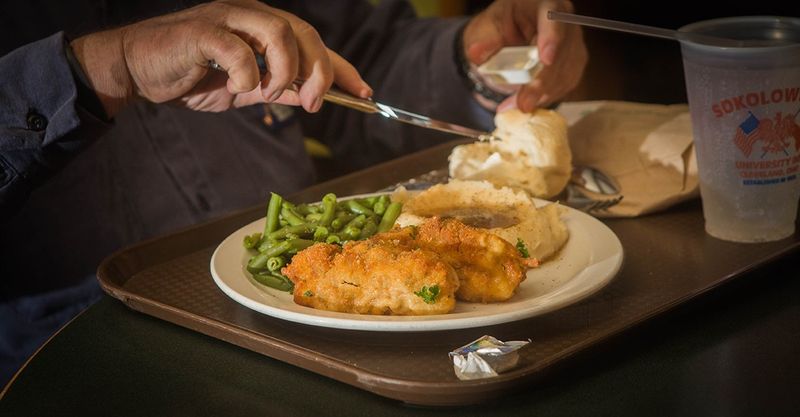
In Pittsburgh, Pennsylvania, city chicken is usually made not from chicken at all, but from cubes of pork or veal skewered, breaded, and cooked to resemble drumsticks.
It sounds like culinary identity theft, yet the history behind it makes perfect economic sense.
The dish became popular when chicken cost more than other meats in many urban working-class communities.
Cooks shaped cheaper cuts into something visually familiar, creating a meal that felt special without demanding luxury-level spending.
In that way, city chicken tells a very Pennsylvania story about thrift, ingenuity, and making dinner stretch without sacrificing comfort.
Once cooked, the breading turns golden and savory, while the interior stays juicy and tender.
Served with gravy, potatoes, or vegetables, it offers the same warming satisfaction you might expect from roast chicken, just through a different route.
The resemblance is part theater and part strategy, and both still matter.
Older generations often speak about it with deep nostalgia, because it showed up at family meals, holidays, and Sunday suppers.
The dish carries the memory of kitchens where cooks worked around budgets and still found ways to make food feel celebratory.
That emotional resonance keeps it alive long after the original cost logic changed.
If you encounter city chicken for the first time, the name can create a strange moment of disbelief.
Then the first bite arrives, the breading crackles, the meat stays moist, and the odd title becomes easier to forgive.
In Pittsburgh, foods like this endure because they are clever, filling, and rooted in real life.
City chicken may not be chicken, but in Pennsylvania it absolutely earns its place at the table.
11. Pittsburgh Salad
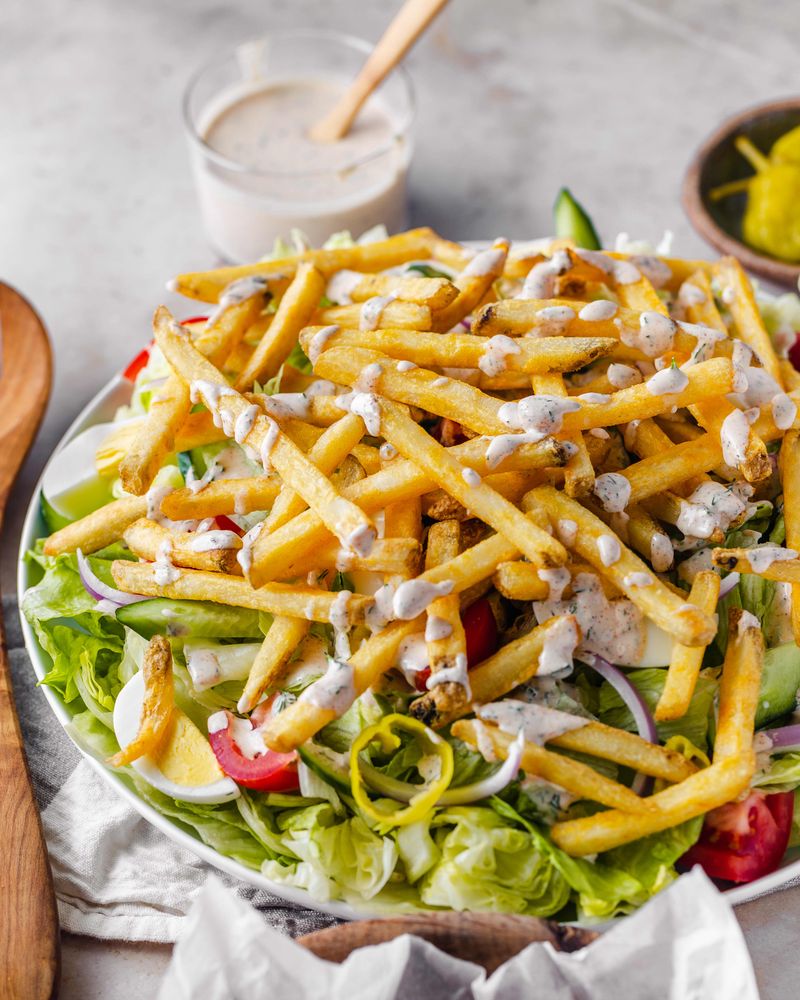
Putting fries on a salad sounds like someone gave up halfway through making either lunch or dinner.
In Pittsburgh, Pennsylvania, that combination is not a joke at all, but a fully embraced local style that turns a bowl of greens into something hearty enough to satisfy serious hunger.
Strange on paper, it becomes surprisingly logical once you taste how the pieces interact.
A classic Pittsburgh salad starts with lettuce and vegetables, then piles on grilled chicken, steak, or another protein before crowning the whole thing with a hot handful of fries.
Cheese, dressing, and assorted toppings follow, creating a dish that straddles the line between salad and comfort food platter.
It is freshness and indulgence negotiating a truce.
The genius lies in temperature and texture.
Cold crisp greens meet warm fries, juicy meat, and creamy dressing, so every bite feels layered instead of contradictory.
Rather than ruining the salad, the fries make it more complete, adding salt, starch, and the kind of satisfaction that a purely virtuous bowl often struggles to deliver.
In Pennsylvania, this dish also reflects a regional habit of collapsing the usual boundaries between main course and side.
Why keep potatoes separate if they are clearly invited to the party.
That practical, abundance-loving attitude runs through Pittsburgh cooking, where efficiency and pleasure often share the same plate.
People from elsewhere may roll their eyes when they hear the concept, assuming it is just excess for its own sake.
But a good Pittsburgh salad is not sloppy or random.
It is balanced, filling, and oddly elegant in its own blue-collar way.
Once you have a forkful with greens, fries, dressing, and protein all together, the idea stops sounding wrong and starts feeling like something other places should have figured out long ago.
12. Turkey Devonshire
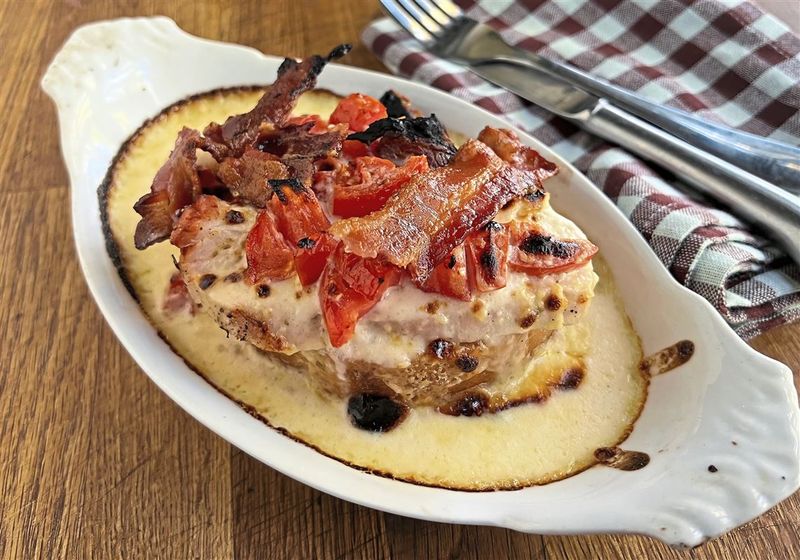
An open-faced sandwich drowned in cheese sauce does not sound especially refined, but in Pittsburgh, Pennsylvania, the Turkey Devonshire has earned lasting respect.
Built on toast and layered with sliced turkey before being covered in a rich, creamy sauce, it feels like hot lunch comfort elevated through pure indulgence.
The result is familiar, old-fashioned, and far more memorable than its modest name suggests.
This regional favorite is often linked to Pittsburgh dining history, where hearty midday meals made perfect sense for a city with long workdays and practical appetites.
It combines roast turkey with a sauce that is usually cheese-forward, velvety, and generous enough to blur the line between sandwich and knife-and-fork casserole.
Once broiled or served piping hot, it becomes deeply soothing.
The first surprise is how well the textures align.
Toast provides structure, turkey stays tender, and the sauce ties everything together with savory richness that seeps into every corner without completely overwhelming the bread.
It is soft, warm, and comforting in the way only classic diner food can be.
In Pennsylvania, the dish also speaks to a broader affection for foods that take leftovers or simple ingredients and turn them into something special.
Turkey on bread could be ordinary.
Turkey Devonshire insists on more, adding enough richness to make a weekday meal feel a little celebratory.
For newcomers, the biggest question is usually why this is not more famous outside the region.
The answer may be that it belongs to an older style of restaurant comfort, one less concerned with portability or trendiness than with genuine satisfaction.
In Pittsburgh, that is exactly the appeal.
It is a meal that asks you to sit down, use a fork, and appreciate the fact that sometimes the best local specialty is basically a sandwich wearing a very luxurious coat.
13. Gobs, The Miner-Lunchbox Cousins
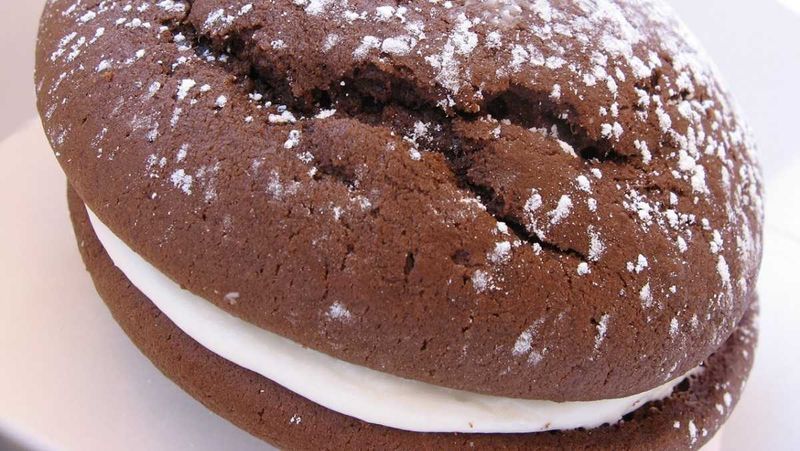
If you have never had one, a gob might look like whoopie pie’s rougher, more regional cousin.
In Pennsylvania, especially across western parts of the state, these hand-held treats pair soft chocolate cake-like rounds with a generous layer of sweet filling, creating a dessert that is portable, nostalgic, and impossible to eat neatly.
Their name may sound goofy, but the pleasure is serious.
Gobs are often linked to mining and working-class communities, where packed lunches needed sturdy sweets that could survive the day and still feel like a reward.
That practical origin helps explain both the format and the affection surrounding them.
They are homemade-feeling desserts built for real life, not dainty bakery cases.
What sets them apart is the texture contrast.
The outer layers are soft and rich, somewhere between cake and cookie, while the filling brings sweetness, fluff, and just enough stickiness to make every bite feel indulgent.
A good gob balances cocoa flavor with creamy center so neither side overpowers the other.
In Pennsylvania, they often appear at bake sales, family gatherings, church events, and local shops, where everyone seems to have an opinion about the proper filling or ideal thickness.
That debate is part of what keeps them alive.
Foods tied to community become more than recipes because people attach memory, place, and personality to every variation.
To someone outside the region, a gob can seem confusingly familiar and unfamiliar at the same time.
Is it a sandwich cookie, a cake, or something else entirely.
In Pittsburgh-adjacent food culture, the answer is simple: it is a gob, and that is enough.
Once you taste the soft chocolate layers pressing into sweet cream, the odd name no longer matters nearly as much as having another one within reach.
14. The Pittsburgh Wedding Cookie Table
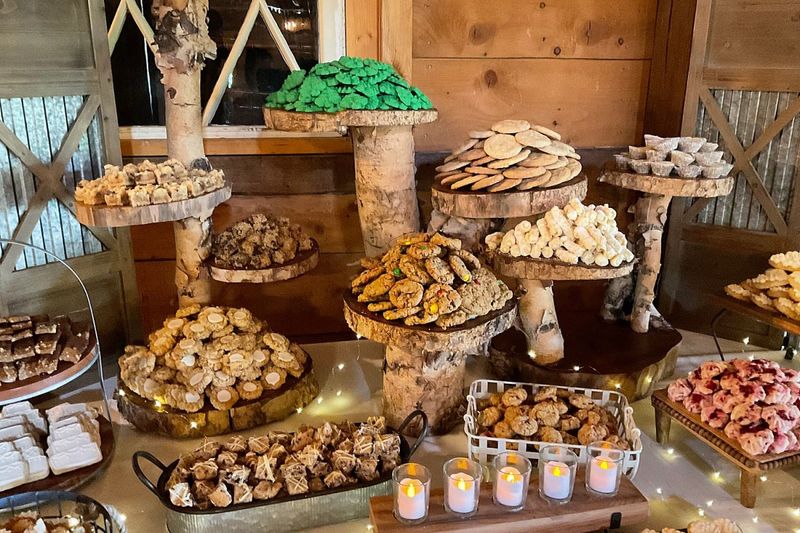
Most weddings offer dessert, but in Pittsburgh, Pennsylvania, dessert can become an entire institution.
The wedding cookie table is exactly what it sounds like: a sprawling display of homemade cookies, bars, pastries, and sweets contributed by family and friends in quantities that can feel joyfully unhinged.
It seems excessive until you understand that abundance is the message.
This tradition reflects the region’s strong family networks, church culture, and ethnic heritage, all of which value hospitality and participation.
Rather than relying only on a wedding cake, loved ones help create a table that looks personal, generous, and deeply communal.
Each tray says you are cared for, celebrated, and expected to eat well.
The beauty is in the variety.
You might find thumbprints, lady locks, buckeyes, pizzelles, kolaczki, chocolate chips, nut rolls, and old family recipes that appear nowhere else.
Guests do not just choose a dessert, they navigate a landscape of memory, preference, and local pride.
In Pennsylvania, the cookie table also carries emotional weight beyond sugar.
Relatives bake in advance, exchange tins, compare recipes, and honor people whose specialties are remembered long after they are gone.
That makes the tradition feel less like catering and more like edible family history arranged under one roof.
To outsiders, a whole room corner devoted to cookies may seem delightfully over-the-top.
To Pittsburghers, it feels correct, even necessary, because celebration here often means proving love through labor and generosity through quantity.
Once you stand in front of one, plate in hand, trying to decide between six excellent choices while knowing there are forty more behind them, the logic becomes perfectly clear.
A wedding should be sweet, but in Pennsylvania, it should also be shared, homemade, and gloriously impossible to resist.
15. Beto’s “Raw Pizza”
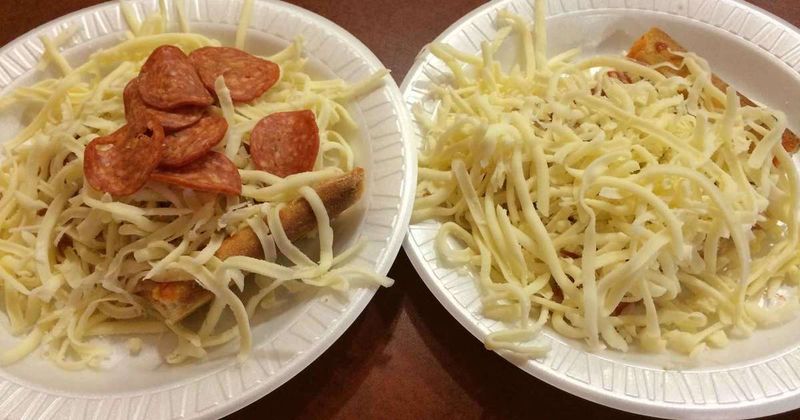
The first look can be alarming if you are expecting conventional pizza.
In Pittsburgh, Pennsylvania, Beto’s-style pizza comes out with a baked crust and sauce, then gets topped after the oven with cold provolone and other ingredients that never fully melt into the surface.
It appears unfinished, yet that contrast is exactly what turns skeptics into believers.
This style breaks one of pizza’s supposed sacred rules, which is why it fascinates people.
Hot crust meets cool cheese, creating a temperature shift that feels strange at first but surprisingly addictive once you experience it.
The cheese softens slightly from the residual heat, while still keeping its fresh dairy bite and distinct texture.
The square-cut slices add to the regional personality.
They are easy to grab, easy to share, and perfect for parties, counters, and casual meals where nobody is interested in ceremony.
In Pennsylvania, pizza does not have to match New York, Chicago, or Naples standards to deserve devotion.
It just has to satisfy the people who grew up loving it.
Flavor-wise, the appeal comes from separation rather than fusion.
You taste the crisp, sauce-covered crust on its own terms, then get a cool layer of sharp provolone and toppings that remain vivid instead of blending into one molten blanket.
It is a pizza of contrast, and contrast is the point.
Calling it raw pizza is not technically accurate, but it captures the shock outsiders feel when they first see it.
Then the first bite delivers crunch, tang, creaminess, and that odd hot-cold interplay, and confusion gives way to curiosity, then pleasure.
In Pittsburgh, foods that seem wrong often survive because they offer something more interesting than textbook correctness.
This pizza is a perfect example: unconventional, fiercely local, and completely understandable once you stop judging it before you taste it.