Tennessee has a reputation problem. Most folks think the state begins and ends with Nashville’s neon-lit Broadway and Memphis’s finger-licking barbecue joints. But beyond the tourist traps lies a Tennessee that’s wilder, quieter, and way more interesting than most visitors ever discover.
From ancient archaeological sites to crystal-clear lakes and moss-covered waterfalls, these 11 spots reveal the Tennessee that locals have been keeping to themselves.
1. Fall Creek Falls State Park
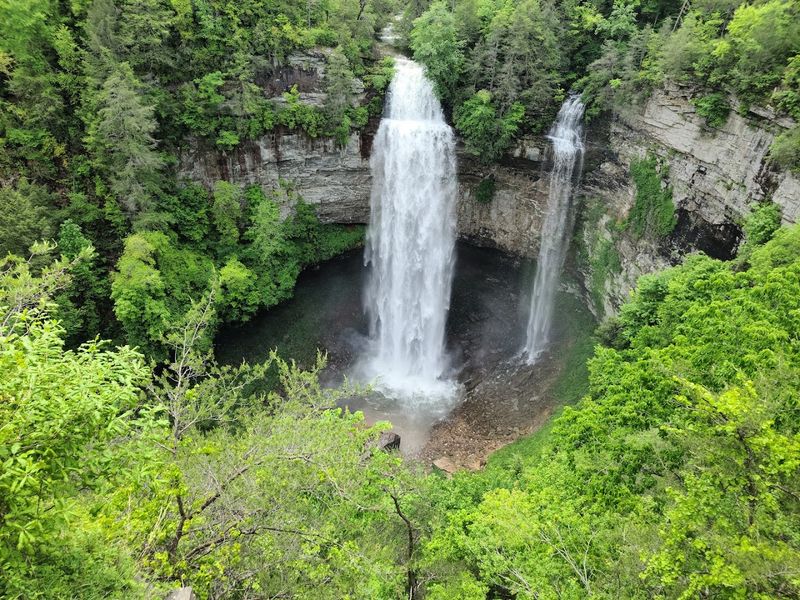
Tucked away in the Cumberland Plateau, this 26,000-acre wonderland makes Nashville’s honky-tonks look like a tiny sideshow. The park’s namesake waterfall drops 256 feet into a misty gorge, making it one of the tallest waterfalls east of the Mississippi. When you stand at the overlook and feel the spray on your face, you’ll wonder why anyone wastes time in a crowded bar.
Rugged hiking trails wind through forests thick with hemlock and rhododendron, leading to hidden gorges and swimming holes that stay cool even in August. The park offers over 30 miles of trails ranging from easy walks to challenging scrambles along rocky bluffs. You can spend days here without seeing the same view twice.
Families love the nature center, while adventurous types head straight for the suspension bridge that sways above Cane Creek Gorge. Kayakers paddle the calm lake waters, and mountain bikers tackle technical trails that twist through the backcountry. Camp under the stars or rent a rustic cabin if you prefer four walls and a roof.
Wildlife sightings happen constantly—white-tailed deer, wild turkeys, and occasionally black bears make appearances along the trails. Birdwatchers keep their binoculars ready for warblers, hawks, and woodpeckers that call these woods home. The park transforms with each season, from spring wildflowers to autumn’s blazing color show.
This isn’t the Tennessee that tour buses visit. It’s the version that requires hiking boots, a sense of adventure, and a willingness to get a little mud on your shoes.
2. Jonesborough
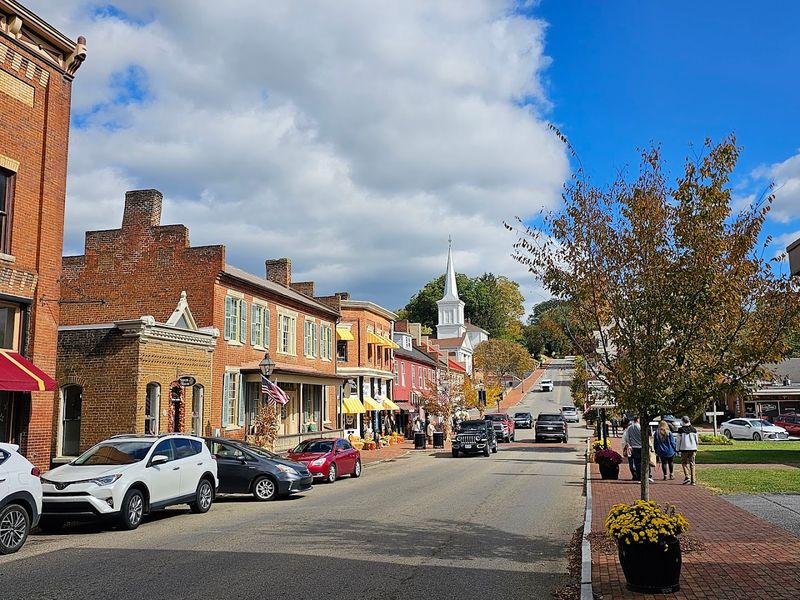
Walk down Main Street in Tennessee’s oldest town, and you’ll feel like you’ve stepped through a time portal. Brick buildings dating back to the 1700s line streets that haven’t changed much since Andrew Jackson practiced law here. No neon signs, no bachelorette parties—just authentic history you can touch.
The town earned fame as the storytelling capital of America, hosting the National Storytelling Festival every October. But you don’t need to visit during the festival season to appreciate the magic. Local shops sell handmade crafts, antiques that actually have stories behind them, and books from independent publishers you won’t find anywhere else.
Small cafes serve lunch on checkered tablecloths, and nobody rushes you to finish your coffee. The Chester Inn Museum occupies a building where three presidents once slept, though it’s the everyday details—original floorboards, hand-forged nails, centuries-old wallpaper—that really capture your imagination. Guided walking tours reveal layers of history most visitors miss.
Art galleries showcase regional artists working in everything from traditional Appalachian quilting to contemporary sculpture. The town’s theater company performs in a restored venue that’s hosted shows since the 1800s. On weekends, live music spills from porch fronts, but it’s acoustic guitars and fiddles, not amplified cover bands.
Jonesborough moves at a pace that modern Tennessee forgot. People actually make eye contact and say hello to strangers. The town square hosts farmers markets where you can talk directly to the people who grew your tomatoes.
This is Tennessee before it became a brand, before every experience got packaged for Instagram. It’s the real deal, preserved not as a museum piece but as a living community that values its past without getting stuck there.
3. Burgess Falls State Park
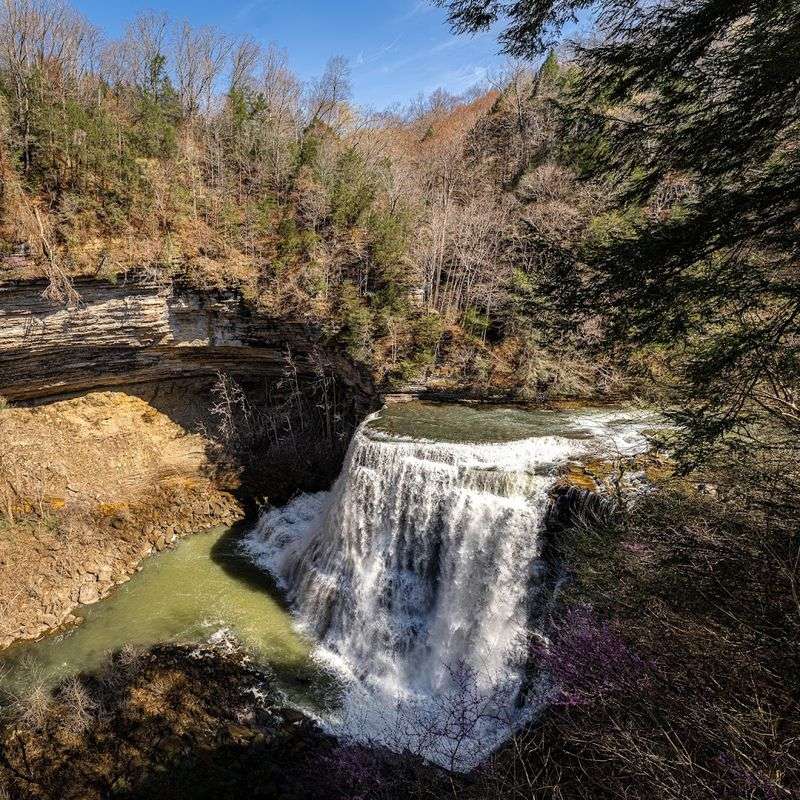
The trail to the main falls is only about a mile, but that final view hits you like a surprise ending you never saw coming. Water crashes 136 feet down layered limestone cliffs into a turquoise pool that looks like it belongs in a tropical postcard, not middle Tennessee. The roar drowns out every thought in your head.
Three smaller waterfalls warm you up along the trail, each beautiful enough to be the main attraction at a lesser park. The path follows the Falling Water River through thick forest, with wooden stairs and observation decks placed at the best viewpoints.
This isn’t an easy stroll—the trail drops 250 feet in elevation, which means a solid climb back up. Your legs will remember it the next day. But the workout keeps the crowds manageable compared to more accessible Tennessee attractions.
Most visitors you’ll encounter are serious hikers or locals who know a good thing when they see it.
Kayakers sometimes paddle the river above the falls, though portaging around the cascades requires serious skill and local knowledge. Fishing is allowed in designated areas, with smallmouth bass and rock bass hiding in the deeper pools. The park stays open year-round, and winter visits offer the bonus of ice formations clinging to the rock faces.
4. Chattanooga’s Lookout Mountain
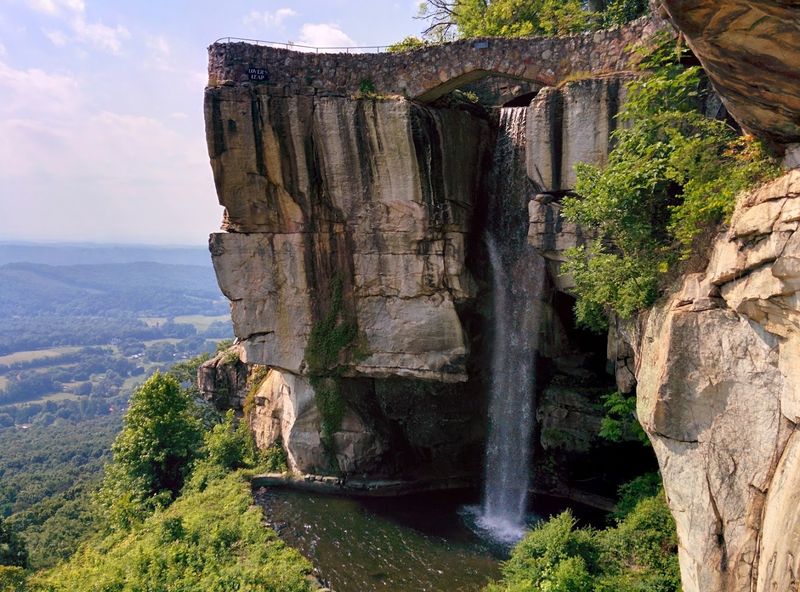
Rising 2,392 feet above Chattanooga, this natural landmark offers more adventures than most people can squeeze into a weekend. Rock City’s ancient rock formations have been attracting visitors since the 1930s, but the views stretching across seven states are what make your jaw drop. On clear days, the vista goes on forever.
Ruby Falls takes you 1,120 feet underground to witness a 145-foot waterfall inside a mountain—yes, inside. The cave system features formations with names like “Dragon’s Foot” and “Angel’s Wing,” and the underground waterfall experience feels like discovering a secret world. The temperature stays at 60 degrees year-round, making it perfect for hot summer days.
The Incline Railway climbs the mountain at angles steep enough to make your stomach flip, but the engineering marvel has been safely hauling passengers since 1895. Hang gliders launch from the mountaintop when conditions align, and if you’re brave enough, tandem flights with experienced pilots are available. Watching the colorful canopies float over the valley beats any theme park ride.
Hiking trails crisscross the mountain, ranging from easy nature walks to challenging scrambles over boulders and through narrow passages. Point Park preserves Civil War history where the Battle Above the Clouds took place in 1863. Historical markers and monuments dot the landscape, telling stories of soldiers who fought on these ridges.
Mountain biking trails attract riders from across the region, with technical features and flowing descents through hardwood forests. Local outfitters offer guided rock climbing on the bluffs that overlook the city. As sunset approaches, the valley lights begin twinkling below, and you realize why people have been coming here for generations.
5. Dale Hollow Lake
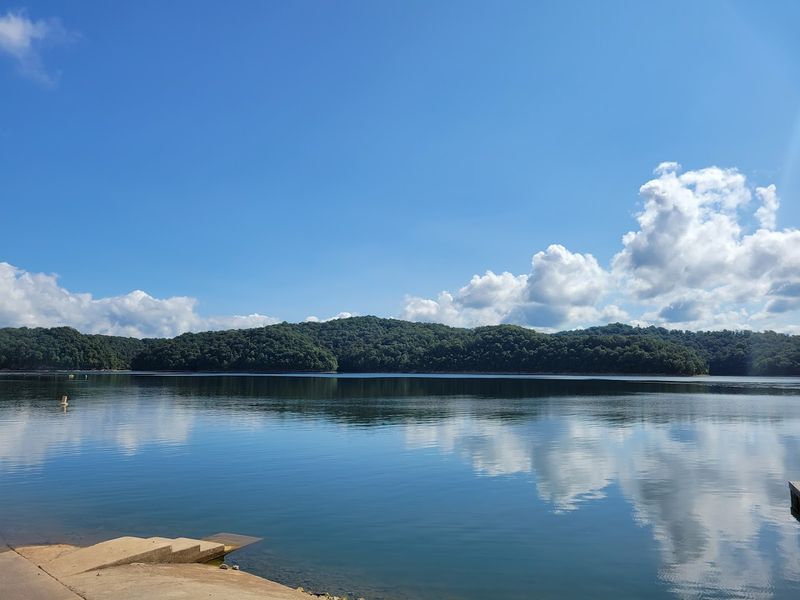
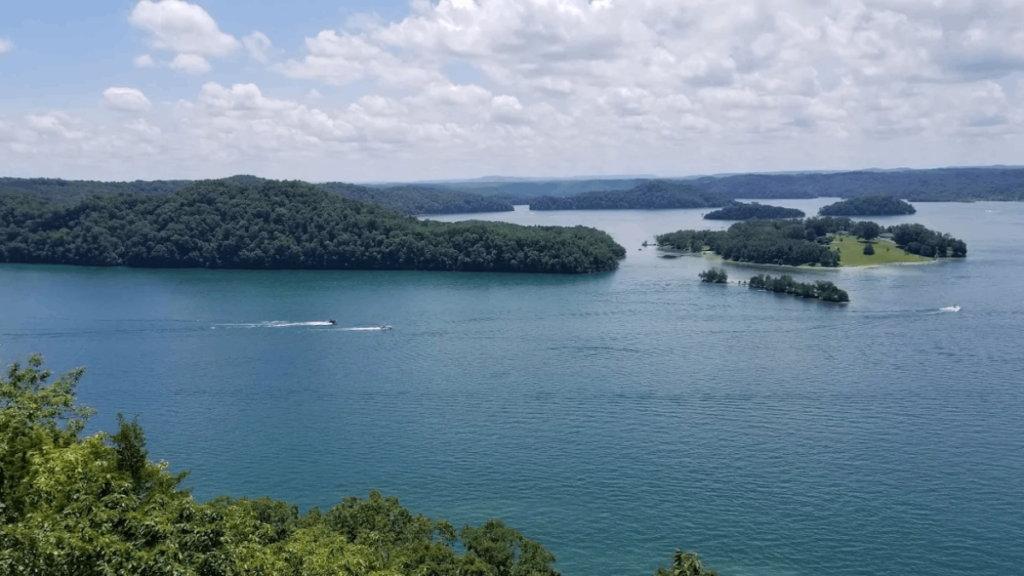
Most Tennessee lakes have a murky, muddy quality that’s fine for skiing but not much else. Dale Hollow breaks that pattern with water so clear you can see 30 feet down on a calm day. The lake straddles the Tennessee-Kentucky border, offering 27,700 acres of pristine water that feels more like a mountain lake out West.
Smallmouth bass fishing here is legendary—the world record smallmouth came from these waters in 1955, weighing 11 pounds, 15 ounces. Anglers still chase that dream, casting along rocky points and submerged ledges where trophy fish hide. Even if you’re not trying to break records, catching dinner while watching the sun set behind forested hills beats any restaurant experience.
Scuba divers explore the clear depths, finding submerged trees, rock formations, and surprisingly good visibility for a freshwater lake. The cold water keeps things fresh, and several dive shops in the area offer rentals and guided trips. You might spot catfish the size of small cars lurking in the deeper channels.
Houseboats drift across the lake like floating cabins, and renting one for a long weekend has become a local tradition. You can anchor in a quiet cove, swim off the back deck, and pretend the rest of the world doesn’t exist.
Bald eagles nest along the shoreline, especially in winter months when they’re easier to spot against bare trees. The lake’s remote location means light pollution stays minimal, making stargazing from a boat deck an unforgettable experience. Campgrounds dot the shoreline, offering everything from primitive sites to full hookups.
6. Leiper’s Fork
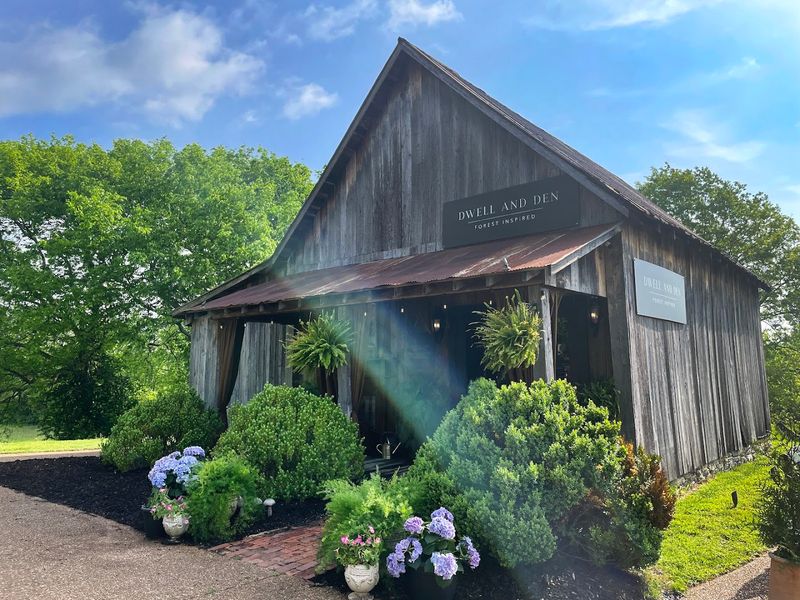
Twenty miles south of Nashville’s chaos sits a village that refuses to grow up into a city. Leiper’s Fork has about 650 residents who like it that way. The main road curves past galleries, antique shops, and the kind of general store where locals actually gather to chat over coffee.
No chain restaurants, no traffic lights, just authentic small-town Tennessee.
Artists have claimed this place as their own, filling studios and galleries with everything from traditional landscapes to edgy contemporary work. On any given afternoon, you might watch a painter working on a canvas through a storefront window or hear a potter’s wheel spinning in a back studio. The community hosts art crawls where you can meet the creators and hear the stories behind their work.
Horseback riding through the surrounding countryside offers views of rolling hills, historic farms, and country roads that haven’t changed in generations. The Natchez Trace Parkway runs nearby, providing access to hundreds of miles of scenic driving and biking without a single billboard or fast-food sign. Pull over anywhere and you’ll find a reason to take a photograph.
Antique hunters spend hours browsing shops packed with genuine finds—not reproduction junk, but real pieces with history and character. The village’s restaurants serve food made from scratch, often featuring ingredients from nearby farms. Sunday brunch becomes an event, not just a meal.
Leiper’s Fork proves Tennessee doesn’t need neon and noise to be interesting. Sometimes the best experiences come from places that never tried to become attractions in the first place.
7. Old Stone Fort State Archaeological Park
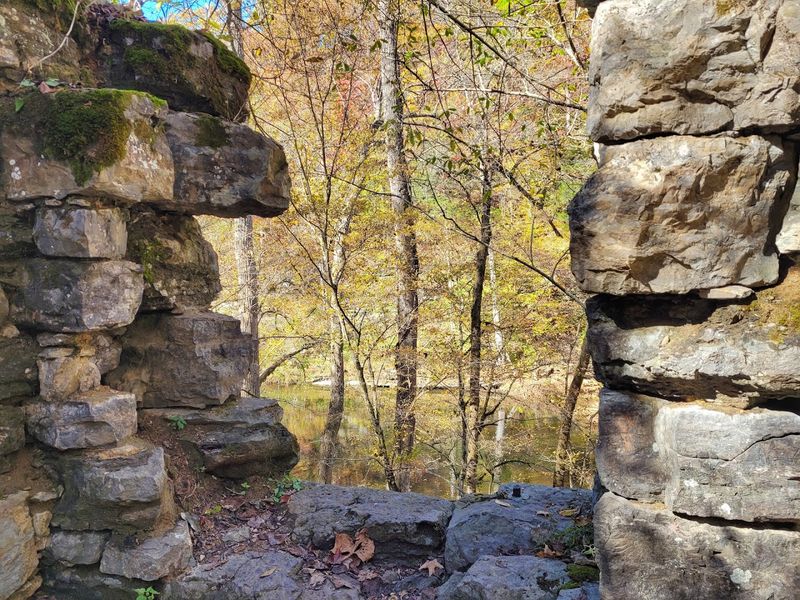
Around 2,000 years ago, Native Americans built ceremonial walls here that modern archaeologists still don’t completely understand. The structure isn’t actually a fort despite the name—it’s more likely a sacred space where ancient peoples gathered for important ceremonies. Walking the walls today, you’re literally following in footsteps that disappeared centuries before Europeans arrived.
The “fort” sits on a peninsula where the Duck River and Big and Little Falls meet, creating natural barriers on three sides. Prehistoric builders constructed earthen and stone walls across the open side, enclosing about 50 acres.
Two waterfalls within the park provide the kind of scenery that would make this place worth visiting even without the archaeological significance. Trails wind through hardwood forests, crossing streams and offering overlooks of the river gorge. The combination of human history and natural beauty creates an atmosphere that’s both peaceful and slightly mysterious.
The park museum displays artifacts found on site, including pottery, tools, and evidence of the Middle Woodland period culture that created this place. Interpretive signs along the trails explain what researchers know and what remains speculation. It’s refreshing to visit a historic site that admits how much we don’t know rather than pretending to have all the answers.
Fishing is excellent where the rivers meet, and locals know the spots where smallmouth bass and catfish congregate. Picnic areas sit near the falls, making this a perfect stop for families who want to combine history lessons with outdoor time. The park stays relatively quiet even on summer weekends, probably because it requires actual interest in history and nature rather than passive entertainment.
This is Tennessee before Tennessee existed, a reminder that interesting human stories happened here long before anyone started serving hot chicken or opening honky-tonks.
8. Reelfoot Lake
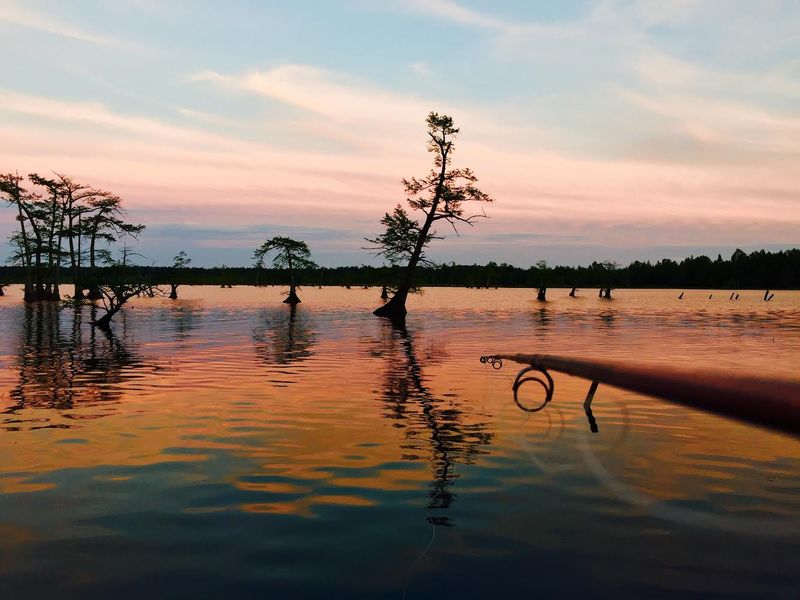
Earthquakes in 1811-1812 literally created this lake when the Mississippi River temporarily flowed backward and flooded low-lying forests. The result is Tennessee’s only large natural lake, a shallow, eerie wonderland of cypress trees rising from the water like wooden ghosts. It looks nothing like the rest of Tennessee—more like Louisiana swampland dropped into the northwest corner of the state.
Bald eagles winter here in numbers that surprise most visitors. From December through March, you might spot dozens in a single morning, perched in bare trees or soaring over the water hunting for fish. The lake is one of the best eagle-watching spots in the eastern United States, and local guides offer boat tours specifically for birders and photographers.
Fishing is what put Reelfoot on the map for most outdoors enthusiasts. Crappie fishing in spring draws anglers from across the region, and the shallow, stump-filled waters produce impressive catches. Bass, bluegill, and catfish also thrive in the lake’s unique ecosystem.
Local fishing guides know every stump and channel, and hiring one dramatically increases your chances of success.
Kayaking through the cypress forest creates an otherworldly experience, especially on foggy mornings when the trees emerge from mist like something from a fantasy novel. The still water reflects the trees perfectly, making it hard to tell where reality ends and reflection begins. You’ll paddle through narrow channels where turtles sun themselves on logs and herons stand motionless, waiting for fish.
The area’s remoteness keeps visitor numbers manageable. There’s a state park with camping, a visitor center with exhibits about the lake’s formation and ecology, and a few small towns nearby for supplies. But mostly there’s just the lake, the birds, the fish, and the strange beauty of a landscape that shouldn’t exist but does.
9. Lynchburg
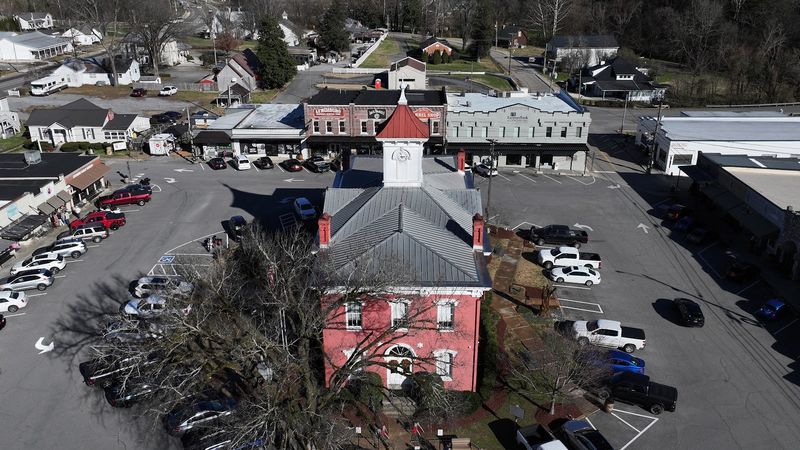
Everyone knows this town makes Jack Daniel’s whiskey, but using that as your only reason to visit misses the point entirely. Lynchburg is a dry county, which means you can’t actually buy liquor here despite being home to one of the world’s most famous distilleries. That irony sets the tone for a place that doesn’t take itself too seriously.
The town square looks like it was designed by someone who’d seen every classic American small town and wanted to create the perfect version. The Moore County Courthouse sits in the center, surrounded by shops selling everything from handmade crafts to old-fashioned candy. Miss Mary Bobo’s Boarding House serves traditional Southern lunch family-style, and yes, you actually sit with strangers and pass bowls of vegetables around the table.
Distillery tours show the whiskey-making process in detail, and the guides tell stories that go beyond the standard corporate script. You’ll learn about Jasper Newton “Jack” Daniel, the water from Cave Spring that makes the whiskey distinctive, and the charcoal mellowing process that defines Tennessee whiskey. The tour ends with tastings—they can serve whiskey on distillery property, just not sell it in town.
Beyond the distillery, the town rewards wandering. Antique shops hide treasures for collectors who know what they’re looking for. Local craftspeople sell woodwork, pottery, and textiles that reflect genuine regional traditions rather than mass-produced “country” kitsch.
The surrounding countryside offers scenic drives through rolling hills and past horse farms that have been in families for generations. Tims Ford Lake sits nearby for fishing and boating when you need a nature break. But the town itself is the real attraction—a functioning community that happens to be historic and charming, not a theme park version of small-town life.
10. Cumberland Caverns
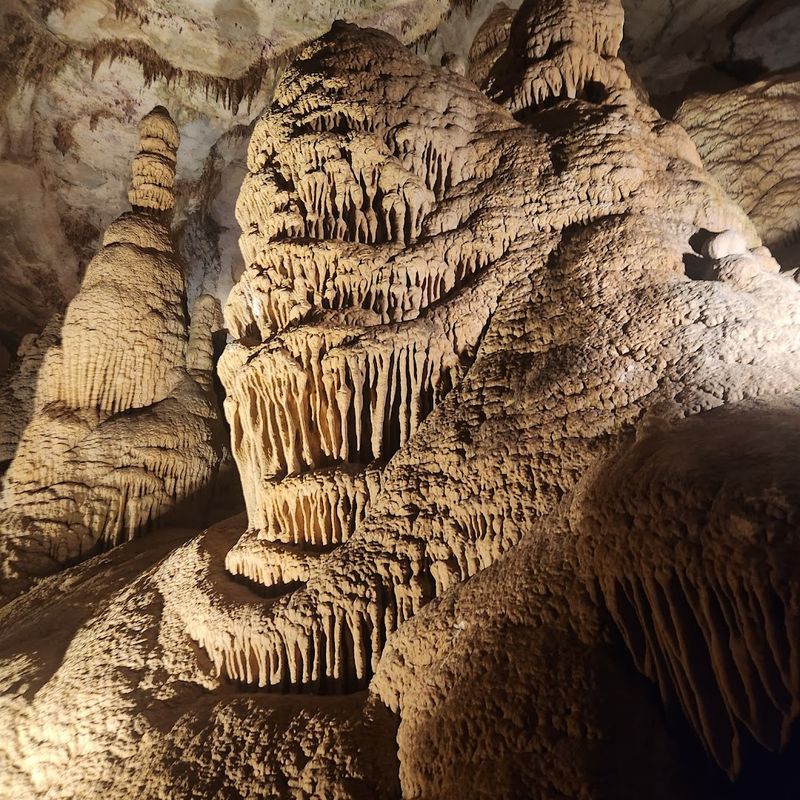
Descend into Tennessee’s underground world and discover rooms the size of football fields, rock formations that took millions of years to create, and passages that wind for miles beneath the Cumberland Plateau. Cumberland Caverns is one of the longest cave systems in the United States, and the tours here go beyond pointing at pretty rocks.
The standard tour takes you through massive chambers with names like “the Hall of the Mountain King” and “the Volcano Room,” where formations create shapes that look deliberately carved but are entirely natural. Flowstone cascades down walls like frozen waterfalls, and stalactites hang from ceilings like stone icicles. The constant 56-degree temperature feels perfect after Tennessee’s humid summers.
Adventure tours let you crawl through tight passages, climb underground waterfalls, and explore sections most visitors never see. You’ll get muddy, squeeze through spaces that test your courage, and emerge with stories that sound made up but aren’t. These tours aren’t for everyone—they require reasonable fitness and a willingness to get uncomfortable—but they reveal the cave as a true wilderness, not just a tourist attraction.
The cavern occasionally hosts underground concerts, where musicians perform in a natural amphitheater with acoustics that no man-made venue can match. Bluegrass, classical, and contemporary artists have all played here, and the experience of hearing music echo through ancient stone chambers creates memories that last longer than any stadium show.
Geology enthusiasts could spend hours studying the different formations—soda straws, helictites, cave pearls, and rimstone dams that demonstrate various ways water and minerals interact over time. The cave serves as a natural laboratory for understanding how underground systems develop and change.
This is Tennessee from the inside out, a hidden world that existed long before humans arrived and will continue long after we’re gone. The darkness, the silence, and the sheer age of everything underground provide perspective that’s hard to find in the daylight world of tourist attractions and trending restaurants.
11. Granville
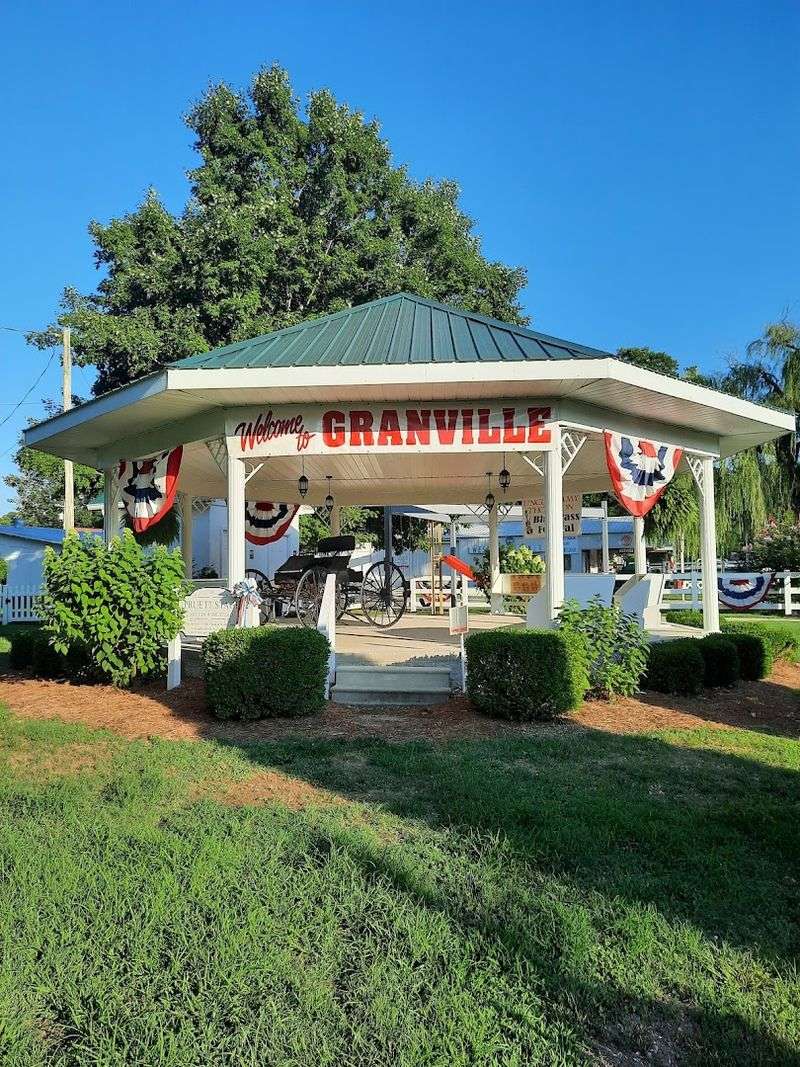
Granville almost disappeared when the federal government created Cordell Hull Lake in the 1960s. Instead of letting their town drown, residents moved historic buildings to higher ground, preserving a piece of Tennessee that would have otherwise vanished beneath the water. Today, the village sits on the lake’s shore, a collection of 19th-century structures that tell stories about life before interstates and strip malls.
The Granville Museum occupies several buildings, including a one-room schoolhouse, a general store, and historic homes furnished with period pieces. But this isn’t a sterile museum where you can’t touch anything—it’s a living history project maintained by locals who actually care about their town’s past.
The village hosts festivals throughout the year, celebrating everything from bluegrass music to local crafts. These aren’t manufactured tourist events but genuine community gatherings that happen to welcome visitors. You might find yourself helping judge a pie contest or learning traditional quilting techniques from someone who’s been doing it for 60 years.
Cordell Hull Lake provides the recreational backdrop, with excellent fishing, boating, and swimming just steps from the historic buildings. The combination of water activities and cultural preservation creates an unusual mix—you can ski in the morning and tour a 150-year-old church in the afternoon.
The village stays quiet most of the time, which is exactly the point. This is Tennessee’s rural past preserved not as a commercial attraction but as a reminder of how communities used to function. People knew their neighbors, helped each other during hard times, and built things meant to last generations.
Walking through Granville won’t prepare you for modern life, but it might make you question whether modern life is really an improvement. Sometimes the old ways had merit we’ve forgotten in our rush toward whatever comes next.