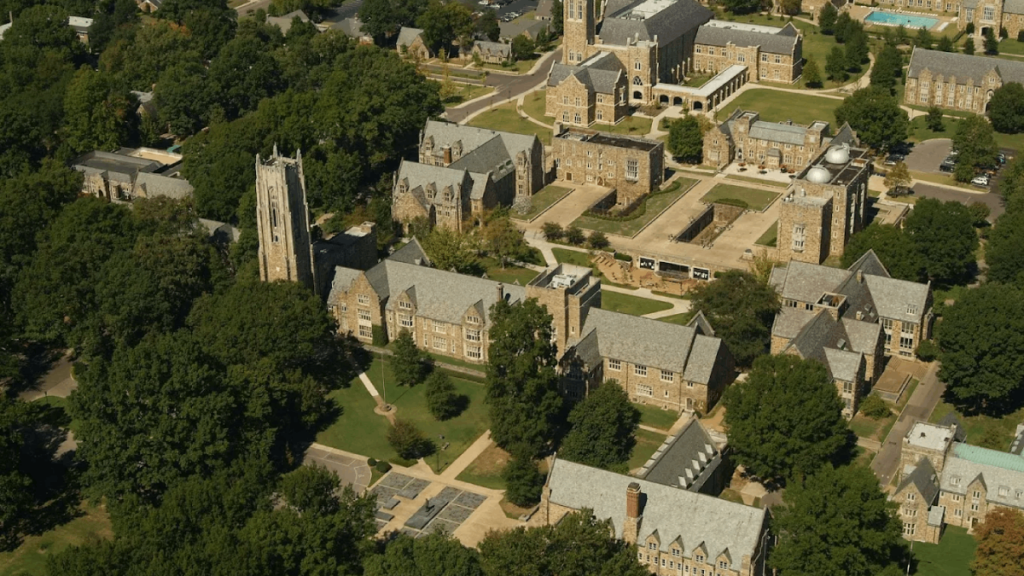
Tennessee’s college campuses offer more than just classrooms and study halls. Many of these schools sit on beautiful grounds filled with old trees, quiet paths, and historic buildings that make them perfect for a relaxing stroll.
Whether you’re visiting a student, exploring a new town, or just looking for a pretty place to walk, these campuses welcome visitors to enjoy their peaceful settings.
1. Sewanee: The University of the South — Sewanee
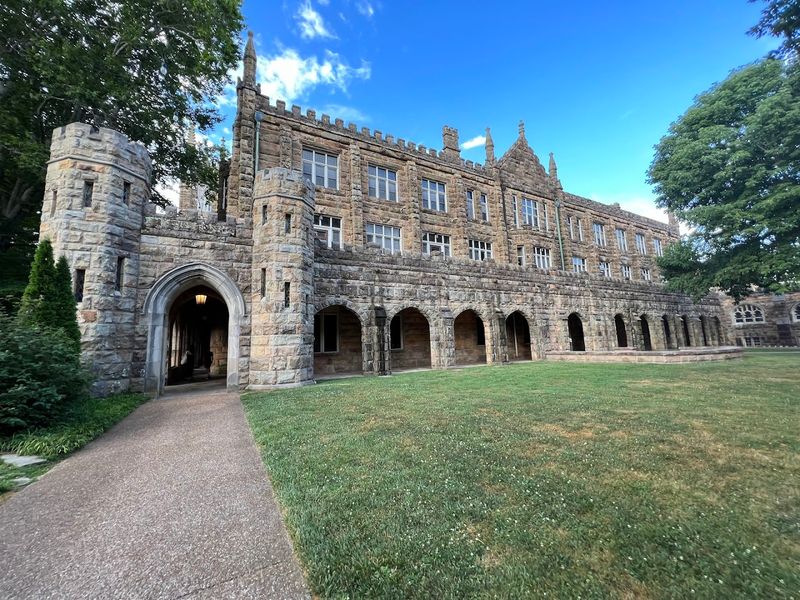
Sprawling across 13,000 acres on the Cumberland Plateau, Sewanee feels less like a traditional college and more like a mountain sanctuary. The campus combines stunning Gothic architecture with dense forests, dramatic bluffs, and quiet lakes that invite exploration. Walking here means stepping into a landscape where nature and history blend seamlessly.
The stone buildings look like they belong in an old English village, complete with arches and towers that catch the light differently throughout the day. But the real magic happens when you wander beyond the quad. Miles of trails wind through protected forests, leading to overlooks where you can see layers of mountains stretching into the distance.
Many paths connect to the university’s Domain, a vast natural area that includes waterfalls, caves, and wildlife habitats. You might spot deer grazing near the woods or hear birds you won’t find in more developed areas. The elevation here keeps temperatures cooler than the valleys below, making it comfortable even during summer months.
Students and visitors often describe the campus as meditative. The combination of open meadows, shaded groves, and stone pathways creates countless quiet corners for reflection. Whether you spend an hour or an entire afternoon here, the sense of being removed from everyday rush never quite fades.
The university maintains the grounds carefully while preserving their wild character. Benches appear along popular routes, but much of the Domain remains intentionally undeveloped.
2. Vanderbilt University — Nashville
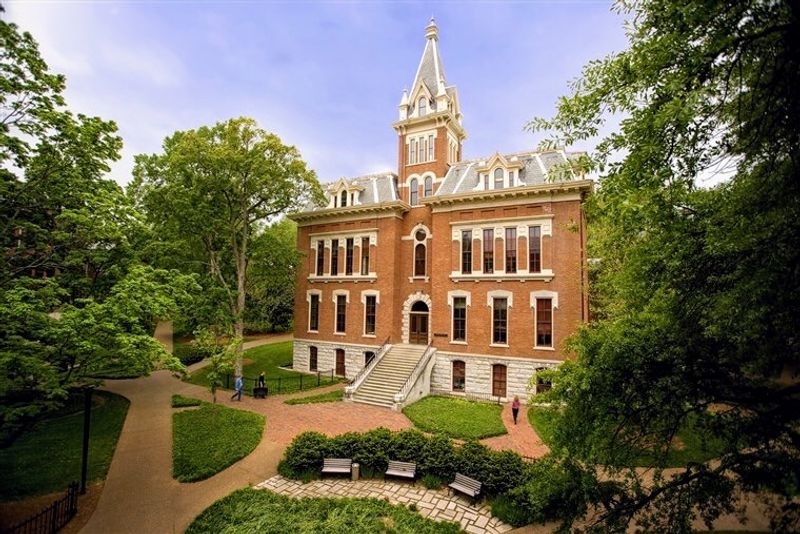
Right in the heart of Nashville, Vanderbilt manages something remarkable: it feels like walking through a botanical garden rather than a city campus. The university’s arboretum designation isn’t just a title—more than 6,000 trees representing hundreds of species create a genuine canopy across the grounds. On warm days, this natural ceiling provides welcome shade and surprisingly cool air.
The campus layout encourages wandering. Wide pathways curve past historic buildings and open lawns, with tree identification markers helping curious walkers learn as they go. Vanderbilt actually offers guided tree tours, but the campus is equally rewarding when explored at your own pace.
What makes this walk special is the contrast. You’re surrounded by one of the South’s fastest-growing cities, yet inside the campus boundaries, the noise fades. Squirrels outnumber cars on interior paths, and the density of mature trees creates a buffer that feels almost magical.
Seasonal changes show up vividly here. Spring brings flowering dogwoods and magnolias that perfume entire sections of campus. Fall transforms the maples and oaks into a patchwork of red, orange, and gold.
The university maintains the grounds meticulously without making them feel overly manicured. Grass slopes invite sitting, and benches appear frequently enough that you can pause whenever a particular view catches your attention. For anyone who thinks urban campuses can’t offer peaceful walks, Vanderbilt proves otherwise.
3. Rhodes College — Memphis
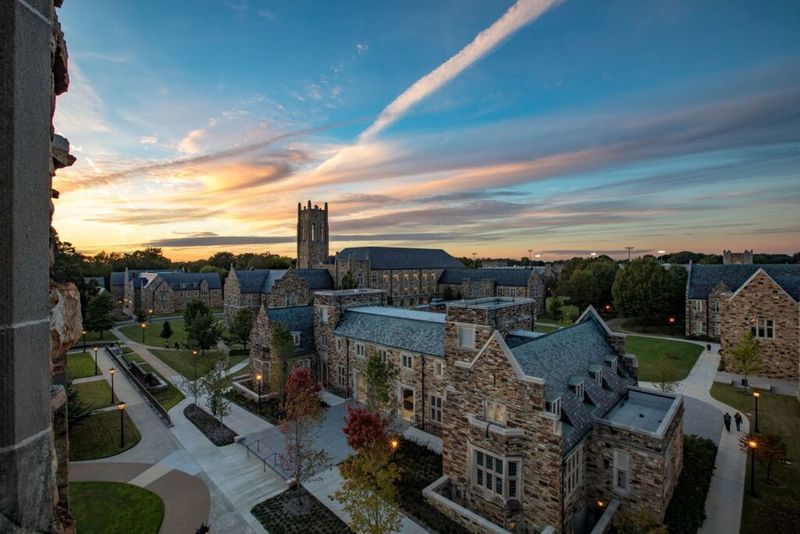
Step onto Rhodes College and you might forget you’re in Midtown Memphis. The 123-acre campus reads like a storybook, with Collegiate Gothic buildings rising from carefully preserved woodlands. These aren’t modern interpretations of old architecture—the stone structures have authentic weight and detail that make them worth studying as you pass.
The campus design favors pedestrians completely. Vehicles stay mostly on the perimeter, leaving interior pathways quiet and safe for distracted walking. Mature trees arch over many routes, creating natural tunnels that shift the light and temperature as you move through them.
What distinguishes Rhodes is its commitment to maintaining a wooded character even as the surrounding neighborhood has grown denser. The trees aren’t just decorative—they form genuine groves where you can lose sight of buildings entirely. Squirrels, birds, and occasional rabbits treat the campus like the urban forest it essentially is.
The architectural consistency adds to the peaceful atmosphere. When every building shares similar stonework and design language, the campus feels cohesive rather than jumbled. Your eyes can rest instead of constantly adjusting to different styles and eras competing for attention.
Walking here works well for people who want a structured experience or a completely unplanned ramble. The campus is large enough to support extended walks but compact enough that you won’t get genuinely lost.
4. Maryville College — Maryville

Maryville College delivers something most campuses can’t: immediate access to a protected 140-acre forest. The Maryville College Woods connects directly to campus, transforming what could be an ordinary college stroll into a genuine nature walk. You can start on manicured grounds and end up on trails where the only sounds come from wind and wildlife.
The college’s location near the Great Smoky Mountains influences everything about the walking experience. The air feels different here—cleaner and often cooler than you’d expect for Tennessee. Views toward the mountains appear between buildings and at trail overlooks, providing constant reminders of the larger landscape.
The woods themselves offer multiple trail options ranging from easy loops to more challenging climbs. These aren’t paved paths with handrails; they’re actual forest trails that require attention to roots and rocks. That authentic wilderness character makes the experience more engaging than a typical campus walk.
What’s remarkable is how quickly you can transition between environments. One minute, you’re crossing a traditional quad with brick buildings and trimmed grass. Five minutes later, you’re surrounded by trees that block out most human-made sounds and structures.
This accessibility makes the woods valuable for short walks between classes or longer weekend explorations.
The college maintains the trails without over-developing them. Signage appears where needed, but the forest keeps its natural character.
5. Lincoln Memorial University — Harrogate

Lincoln Memorial University occupies 1,000 acres in one of Tennessee’s most dramatic settings. Near Cumberland Gap, where three states meet, the campus spreads across rolling terrain with mountain views that change throughout the day. This isn’t a compact urban campus—it’s a rural landscape where buildings appear among open spaces and established trees.
The scale here creates a different walking experience than you’ll find at smaller schools. Distances between buildings mean most walks naturally become extended outings. But that spaciousness is precisely what makes the campus appealing for people seeking genuine quiet and room to think.
Part of the campus connects to the Daniel Boone Greenway Walking and Biking Trail, extending your walking options beyond university property. This connection means you can start on campus and continue for miles through protected natural areas, following a route that honors the region’s historic significance.
The architecture tends toward traditional brick and stone, complementing rather than competing with the natural surroundings. Buildings sit far enough apart that each has breathing room, and the landscape between them remains relatively undeveloped. Open lawns, scattered tree groves, and preserved natural areas dominate the visual experience.
Mountain scenery provides a backdrop that few Tennessee campuses can claim. On clear days, the layers of ridges create depth that draws your eye outward. Seasonal changes show up dramatically here, with fall colors particularly vivid against the mountains and winter sometimes bringing snow that transforms the entire scene.
For walkers who prefer solitude and natural settings over manicured gardens, Lincoln Memorial delivers an experience that feels genuinely removed from typical campus environments.
6. University of Tennessee — Knoxville
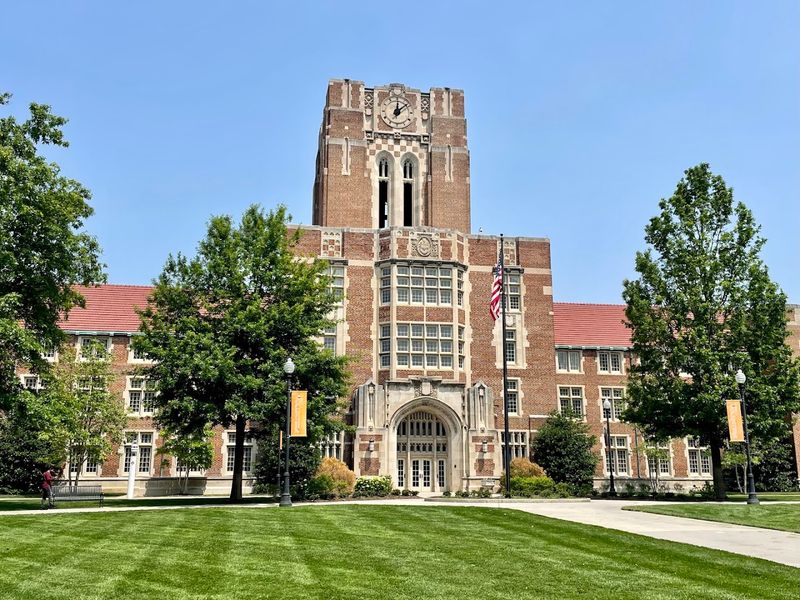
UT Knoxville brings energy that other campuses on this list don’t—it’s a major state university with constant activity. But that liveliness doesn’t prevent peaceful walking, especially if you time your visit right or choose routes carefully. The campus offers enough scenic spots and historic landmarks to support a genuinely interesting two-hour self-guided tour.
Ayres Hall serves as the visual anchor, its tower visible from much of the campus and providing a landmark that helps with navigation. The building’s distinctive architecture and hilltop position make it worth visiting specifically, and the views from that elevation reveal how the campus spreads across varying terrain.
The university maintains several walking routes designed for exploration rather than just transportation. These paths connect historic buildings, pass through green spaces, and include interpretive elements that add context to what you’re seeing. You’re not just covering distance—you’re learning about the institution’s history and development.
What makes UT work for walkers, despite its size, is variety. Some areas buzz with student activity and feel urban. Other sections, particularly near the edges of campus, become surprisingly quiet with mature trees and traditional collegiate architecture.
You can choose your atmosphere based on what appeals at the moment.
The campus also includes several gardens and landscaped areas that provide focused destinations within the larger walking experience. These designed spaces offer chances to pause and appreciate specific plantings or seasonal displays without leaving campus entirely.
7. University of Tennessee at Chattanooga — Chattanooga
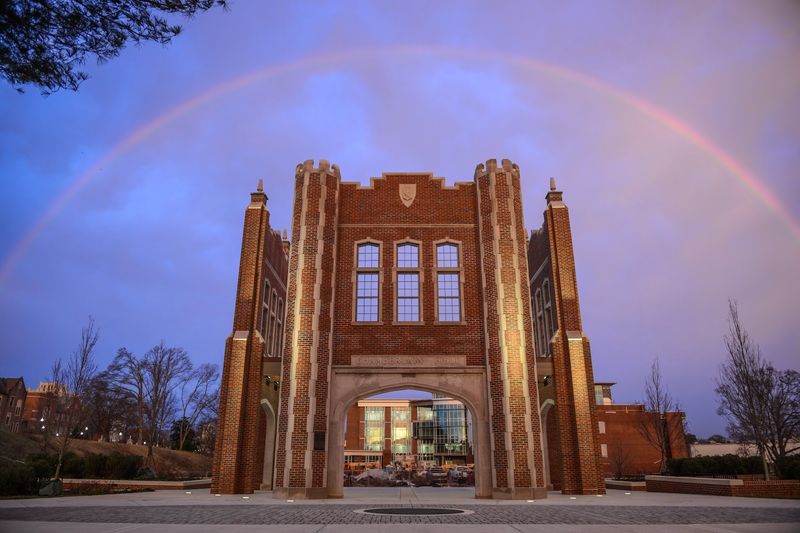
UTC built its campus around trees—literally. The Linda T. Collins Arboretum includes more than 2,000 trees and woody plants distributed across the entire campus, turning the grounds into a living collection.
Unlike arboretums you visit separately, this one integrates completely with the university’s daily operations, meaning you experience it simply by walking around.
The tree focus creates a campus that stays interesting across seasons. Spring flowering trees provide sequential blooms that last for weeks. Summer brings full canopies that shade pathways and cool the air.
Fall color rivals any dedicated nature area, and winter reveals branch structures and bark patterns that go unnoticed during leafy months.
Because the arboretum is public, you don’t need university affiliation to explore. The campus welcomes community members and visitors, making it a resource for anyone in Chattanooga seeking an attractive place to walk. Pathways remain accessible, and the overall layout encourages pedestrian movement.
The urban location means you’re never far from the city’s energy, but the tree density creates surprising pockets of quiet. Some routes feel genuinely secluded despite being surrounded by development. This combination works well for people who want nature access without driving to remote locations.
The university maintains the arboretum thoughtfully, with identification markers on many specimens and information available for those interested in learning. But the collection also functions simply as beautiful landscaping for people who just want an attractive place to walk without educational objectives.
8. Belmont University — Nashville
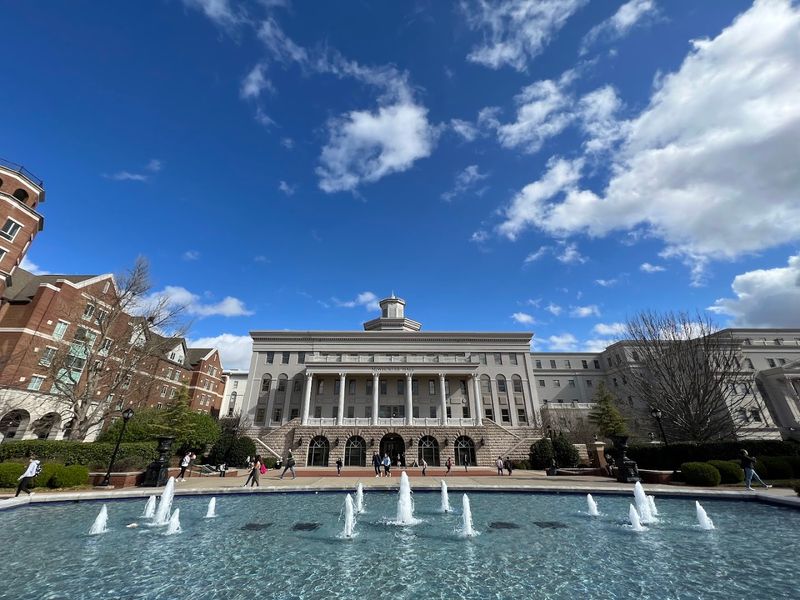
Belmont’s campus feels polished in a way that suggests intentional design at every turn. The university earned official arboretum status, reflecting its commitment to creating a garden-like environment. With more than 100 species of trees and shrubs distributed across the grounds, the campus delivers visual interest that changes as you move through different areas.
The location just minutes from downtown Nashville makes this accessibility remarkable. You can be in the middle of urban activity and then walk onto campus into an environment that feels carefully separated from that energy. The transition happens quickly, marked by increased greenery and reduced traffic noise.
Pathways wind past both historic and modern buildings, all integrated into landscaping that softens architectural edges. The university clearly invests in maintenance, keeping lawns trimmed, flowers planted seasonally, and trees healthy. This attention creates an environment that feels welcoming rather than neglected or overgrown.
What distinguishes Belmont from more naturalistic campuses is this cultivated character. If you prefer designed landscapes over wilderness, Belmont delivers exactly that. The plantings show planning, the spaces feel proportioned, and the overall effect resembles a large private garden opened for public enjoyment.
The campus size supports substantial walks without becoming overwhelming. You can cover the main areas in an hour or extend your visit by exploring peripheral sections and circling back through favorite spots. Benches and seating areas appear frequently, suggesting the university expects people to pause and enjoy the surroundings.
For Nashville residents or visitors looking for a pretty walk that doesn’t require leaving the city, Belmont provides an ideal option that combines accessibility with genuine aesthetic appeal.
9. Middle Tennessee State University — Murfreesboro
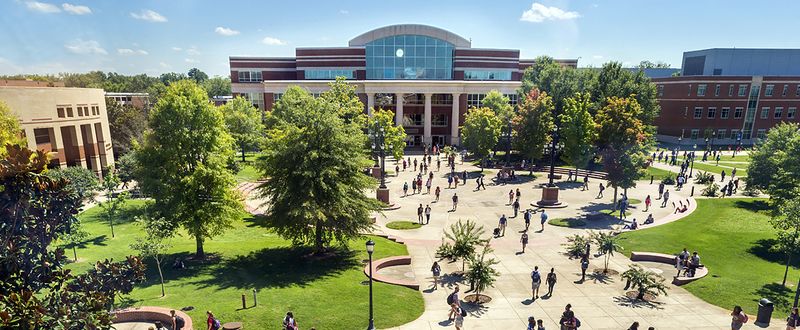
MTSU offers what many people picture when they imagine a classic college campus: open spaces, traditional buildings, and tree-lined paths connecting everything. The 500-acre campus provides enough room for genuine walking without the overwhelming scale of some state universities. You can explore thoroughly in a single visit while still discovering new corners and perspectives.
The university created both general walking tours and specialized tree-focused routes, recognizing that different visitors have different interests. The tree tours connect to environmental education resources, adding educational depth for anyone curious about what they’re seeing. But you can also ignore all that and simply enjoy walking through attractive grounds.
What makes MTSU work well for peaceful walks is its openness. The campus doesn’t feel cramped or overly developed. Buildings sit with space between them, lawns stretch without interruption, and sight lines extend far enough that you can see approaching weather or appreciate sunset colors across the entire sky.
The tree collection provides structure and shade without creating a dense forest. You’re aware of being on a campus rather than in the wilderness, but the plantings are mature enough to soften the institutional feel. Seasonal changes register clearly, particularly in fall, when the variety of species creates layered color.
The university maintains paths that accommodate different walking preferences. Some routes stay entirely on paved surfaces suitable for any mobility level. Others cut across lawns or follow less formal tracks for people who want variation underfoot.
This flexibility makes the campus accessible to diverse visitors with different needs.
10. Lipscomb University — Nashville
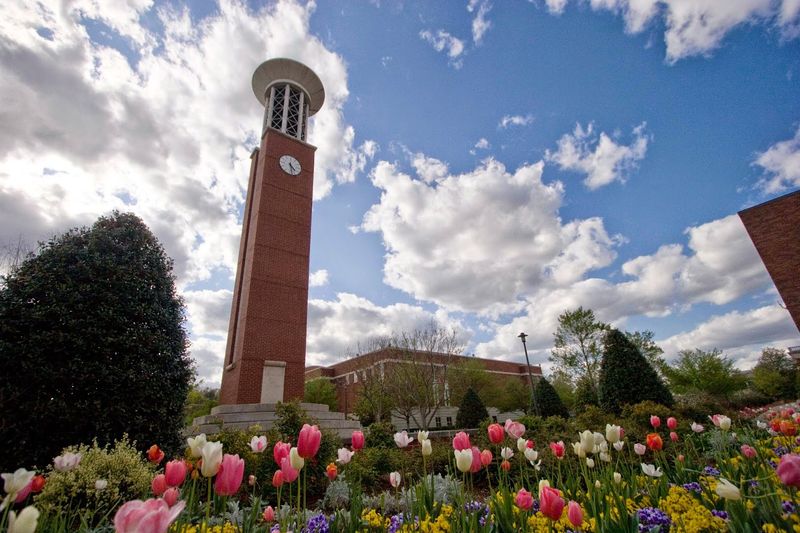
Lipscomb occupies 113 acres in Nashville’s Green Hills neighborhood, creating a campus that feels distinctly calmer than its urban location might suggest. The traditional layout and established landscaping give the grounds a settled quality that newer campuses lack. Walking here feels like stepping into a quieter version of Nashville rather than leaving the city entirely.
The neighborhood setting influences the campus character. Residential streets border much of the property, and the scale remains human-sized rather than institutional. Buildings don’t tower, pathways don’t stretch endlessly, and the overall atmosphere suggests a community space rather than a massive state institution.
Trees provide the primary landscaping element, with mature specimens creating shade and visual interest throughout the grounds. The university hasn’t pursued arboretum status like some other Nashville schools, but the tree collection still offers variety and seasonal appeal. Spring and fall bring particularly noticeable changes that reward repeat visits.
What makes Lipscomb appealing for walking is precisely that calmer quality. If you want exercise and fresh air without dramatic scenery or wilderness adventure, this campus delivers a pleasant middle ground. The paths are well-maintained, the surroundings stay attractive, and the atmosphere remains consistently peaceful.
The campus size supports walks of varying length depending on whether you stick to core areas or explore the full perimeter. Either way, you’re unlikely to feel lost or overwhelmed. The layout makes sense intuitively, and landmarks help with orientation.
For Nashville residents seeking a nearby option that doesn’t require parking struggles or navigating massive crowds, Lipscomb provides a reliable appeal. It’s not the most dramatic campus on this list, but sometimes reliable and pleasant matter more than spectacular.