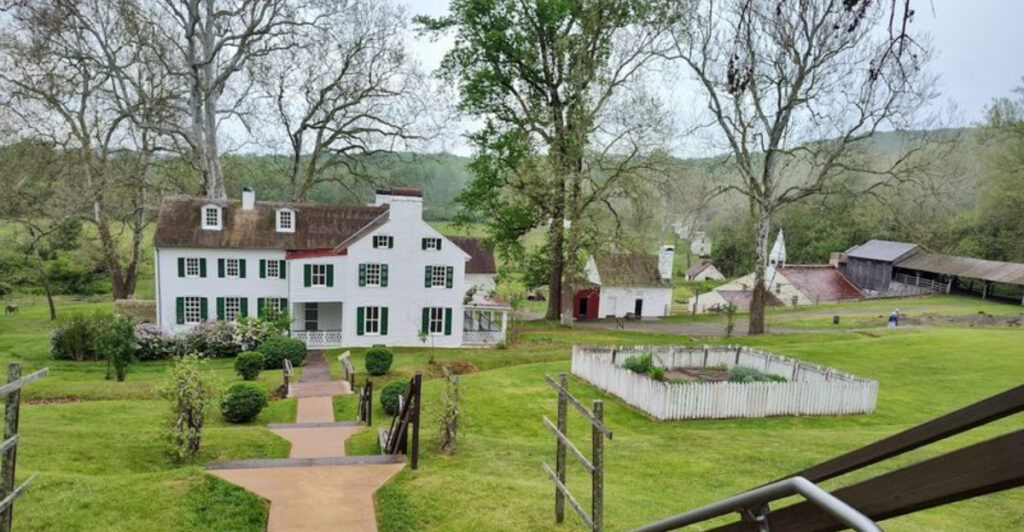
Some hikes are all about distance, but this one is about time travel. At Hopewell Furnace National Historic Site in Elverson, Pennsylvania, a short walk leads you through a preserved ironmaking village where waterpower, hard labor, and daily life still feel close enough to touch, from the stone furnace stack to the quiet paths that once connected mills, worker homes, and workshops. The grounds are peaceful in a way that contrasts with the intensity of the industry that once defined the area, and the history feels surprisingly vivid as you move between restored buildings and open spaces that still hint at how the village once operated.
Interpretive signs and preserved structures make it easy to picture the full cycle of iron production, from charcoal making to casting, without needing to slow down the experience too much. It’s an accessible walk, but one that carries more weight than expected, blending scenery and story into a single experience that lingers after you leave, especially if you’re looking for something that offers both a pleasant stroll and a sense of perspective.
1. Start at the Visitor Center
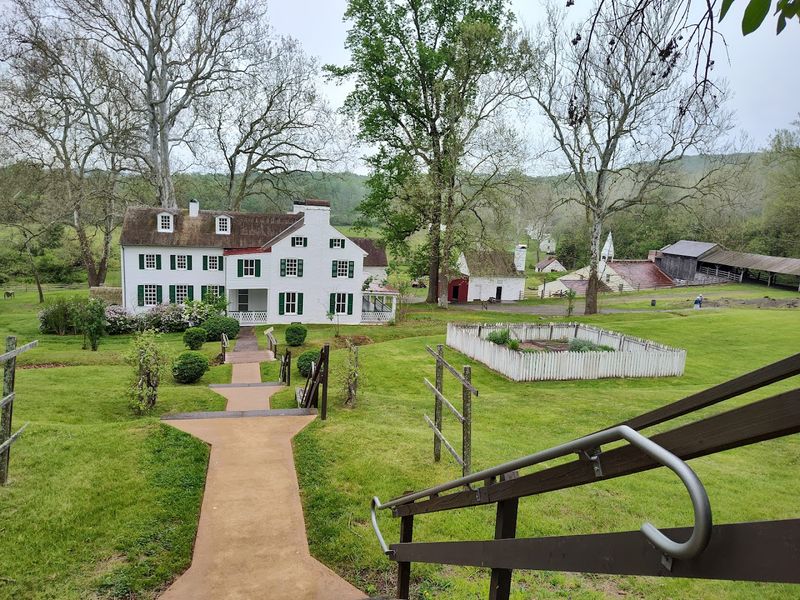
I think the best way to begin Hopewell Furnace is with a few quiet minutes inside the Visitor Center.
You get context before your feet ever hit the path, and that makes every building outside feel more meaningful.
The short orientation film is especially worth your time because it explains how this rural iron community operated from 1771 to 1883.
After that, the exhibits help connect the furnace, village, and surrounding landscape into one story you can actually follow.
I like that the center feels manageable rather than overwhelming, so you can learn the essentials without losing momentum.
Staff and volunteers are often praised for being friendly, and that warmth shows up in review after review.
Before heading out, check the daily programming board, browse the small gift shop, and grab a site map.
If you collect National Park passport stamps or enjoy Junior Ranger activities, this is the place to do it.
Starting here makes the whole walk feel richer.
2. Walk Down Into the Historic Village
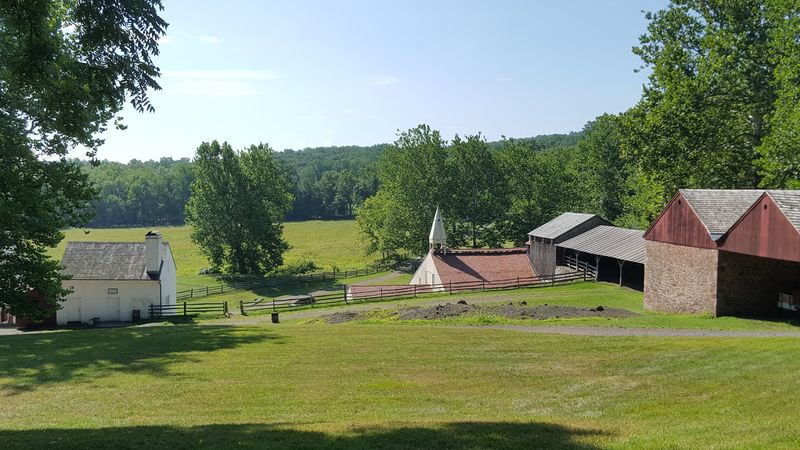
One of my favorite parts of Hopewell Furnace is that the walk into the village feels like a slow reveal.
You leave the modern parking area, head downhill, and suddenly the restored community opens up below you.
It is not a long hike, but it gives you that satisfying sense of entering another world.
The path is easy enough for most visitors, though the hill is worth noting if you prefer gentler terrain.
As you move through the site, you are not just looking at isolated buildings.
You are stepping into a complete working community where labor, family life, trade, and status all shaped the layout around you.
That is what makes this place different from a standard museum.
The spacing between structures lets you notice how people lived in relation to the furnace itself.
Even if you only have an hour, this short walk gives you a vivid understanding of how an iron plantation once functioned in southeastern Pennsylvania.
3. See the Massive Furnace Complex
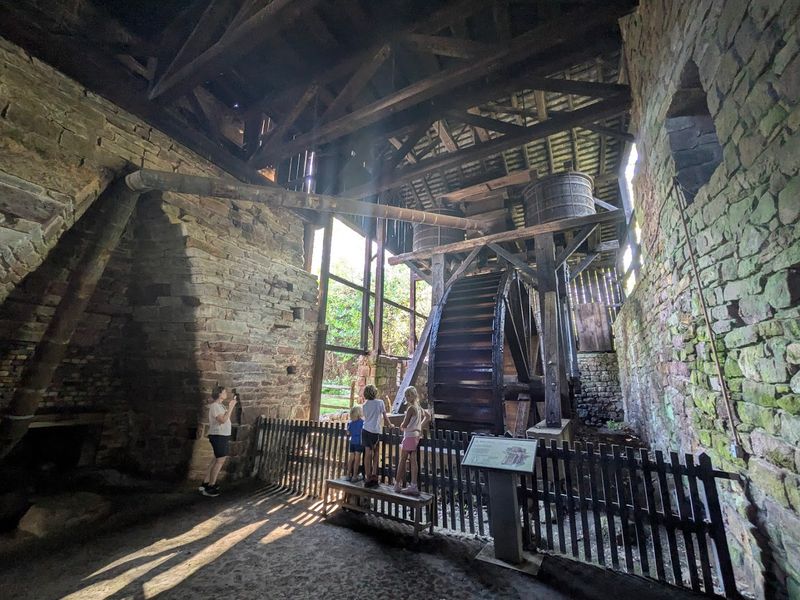
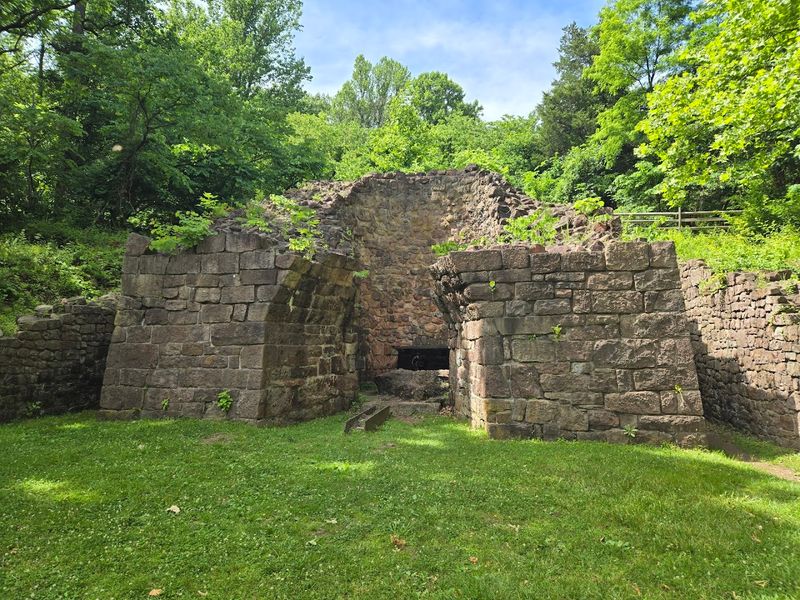
The heart of the site is the furnace complex, and it immediately gives scale to everything you have been reading about.
Standing near the towering stonework, you can finally understand that iron production here was not a small side project.
It was heavy industry powered by planning, fire, water, raw materials, and relentless labor.
I like how Hopewell lets you walk around the structure closely enough to appreciate its design without losing sight of its purpose.
The anthracite furnace area, charcoal-related structures, and interpretive signs help explain how the process changed over time.
Even if some audio buttons are unreliable, the visual impact of the furnace easily carries the experience.
This is the part of the walk where history feels physical.
You can imagine heat, noise, smoke, and movement where there is now quiet grass and open sky.
For anyone interested in Pennsylvania industry, this stop alone makes the visit worthwhile and surprisingly memorable.
4. Do Not Miss the Waterwheel
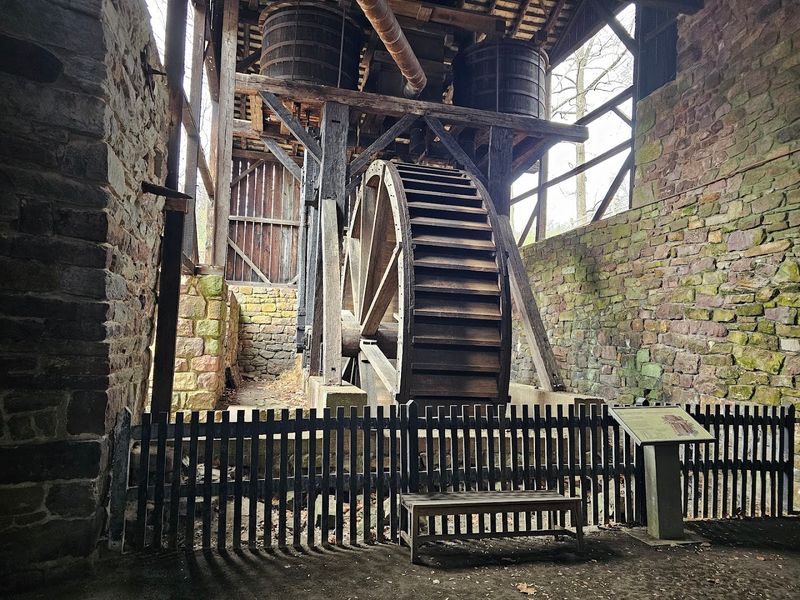
If the waterwheel is running when you visit, stop and stay awhile.
Photos barely capture the size of it, and seeing it in motion changes the whole site from static history into something alive.
That turning wheel makes the connection between natural power and industrial production feel immediate in a way textbooks never can.
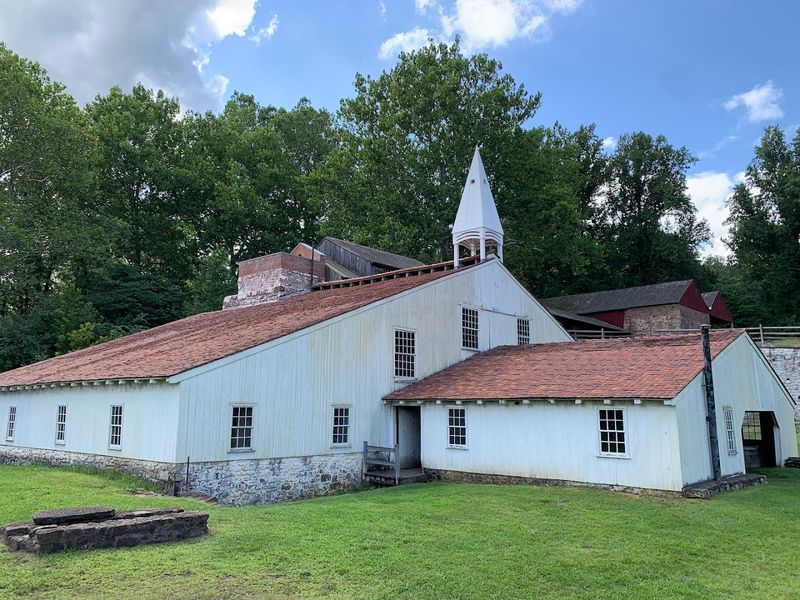
Inside the cast house, the atmosphere is darker and cooler, which only adds to the drama.
I found it easy to picture workers moving through the space while the machinery and furnace demanded constant attention.
Reviews repeatedly mention how impressive the wheel is, and I completely understand why it becomes a highlight.
This is also where Hopewell shows that innovation once depended on reading the landscape well.
Water was not decorative here.
It was essential energy.
Watching that mechanism work helps you see the surrounding hills, streams, and buildings as one integrated system, which is exactly what makes this short historic walk feel so layered and rewarding.
5. Step Inside Everyday Life
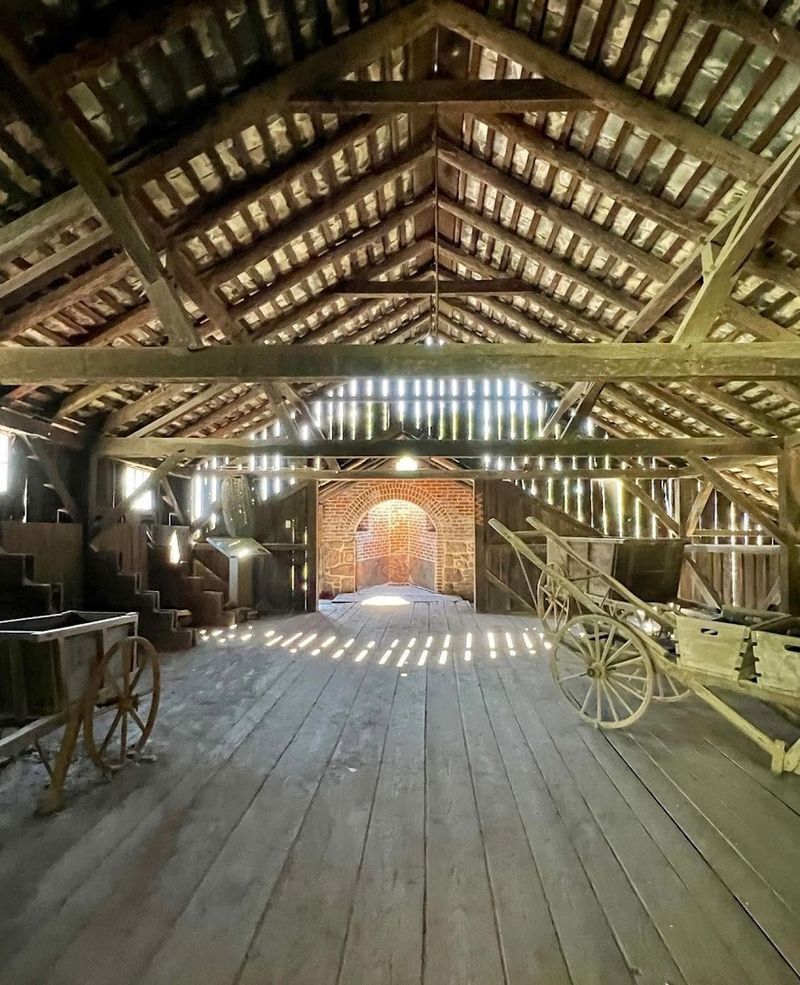
What keeps Hopewell Furnace from feeling like just an industrial site is the way it preserves everyday life alongside production.
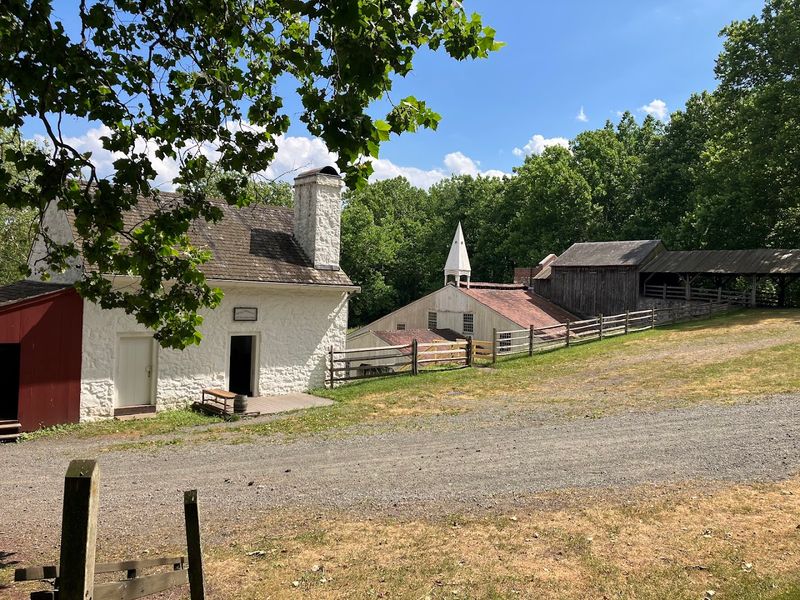
As you move among worker houses, the store, office, barn, and other buildings, you start to see a full community rather than a single machine.
That balance between labor and home life gives the walk its emotional depth.
I appreciate that the interiors and furnishings help ground the history in ordinary routines.
You can imagine meals, chores, family roles, children learning, and neighbors depending on one another while the furnace shaped the rhythm of each day.
The Ironmaster’s house, in contrast, quietly shows how hierarchy was built into the same landscape.
There is something powerful about seeing those differences within such a compact area.
You do not need miles of trail to understand the past here.
A short loop through these structures reveals class, work, and community in a way that feels direct, human, and surprisingly personal for a free national historic site.
6. Look for Ranger Programs and Demonstrations
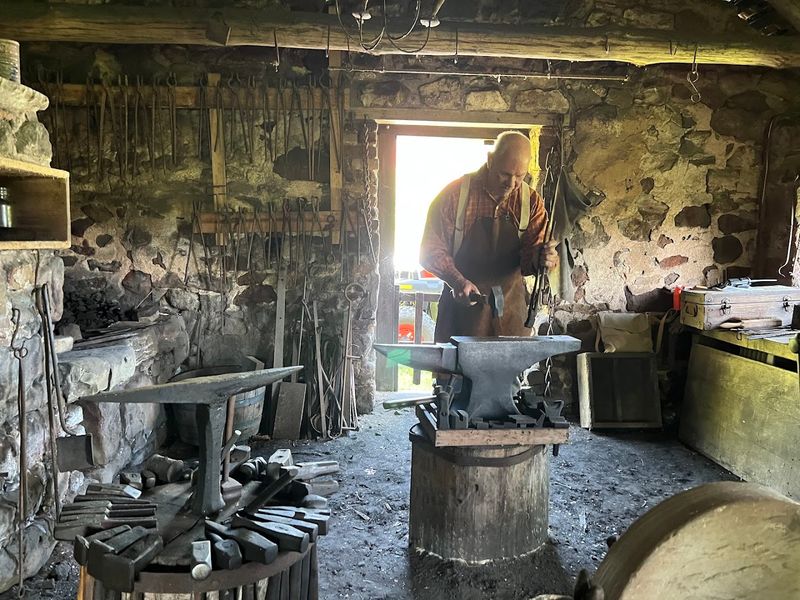
If your timing is good, Hopewell Furnace becomes much more than a self-guided walk.
Ranger talks, demonstrations, and hands-on programs add movement and personality to the village, turning historic facts into memorable moments.
Visitors often mention molding demonstrations and casting activities, and those experiences seem to leave a lasting impression on families and curious adults alike.
I always think places like this shine brightest when someone helps interpret the details you might otherwise miss.
A good ranger can explain pig iron, charcoal firing, labor systems, or domestic life in a way that suddenly connects every building around you.
Even a brief hourly talk can deepen the visit far beyond what signs alone provide.
Check the posted schedule before you head downhill, especially on weekends or during special events.
Hopewell has a reputation for enthusiastic staff and volunteers, and that matters.
Their energy makes the site feel welcoming rather than distant, which is exactly what you want from a short historical outing.
7. Notice the Landscape Around the History
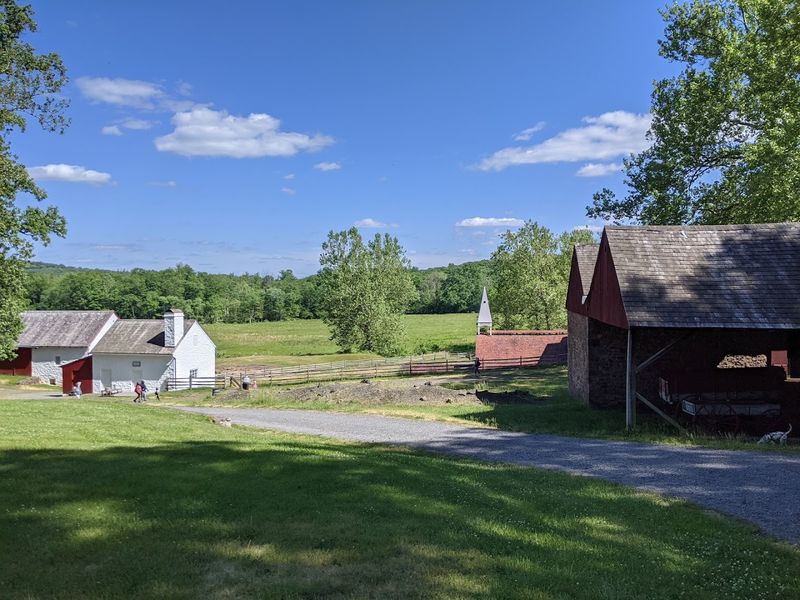
Even though the village is the main draw, the surrounding landscape deserves your attention too.
Hopewell Furnace sits in a peaceful setting where forest, fields, and history blend together in a way that feels unusually calm.
More than one visitor has pointed out the wildlife, native plants, and sense of quiet that frame the entire experience.
I love that this site never feels trapped indoors.
You hear birds, notice gardens, and catch views into the surrounding woods while walking between buildings that once depended on natural resources for survival.
The nearby preserved land helps explain why the furnace community existed here in the first place, with timber, water, and space all playing major roles.
This natural backdrop also softens the harder parts of the story.
Ironmaking was demanding, dirty, and physically intense.
Yet today, the site feels reflective and almost meditative.
That contrast makes the walk especially compelling, because you are not just learning facts.
You are feeling the landscape that made those facts possible.
8. Plan for a Short Visit or a Longer Ramble
One reason I would recommend Hopewell Furnace so quickly is its flexibility.
You can see the core historic area in about an hour, but it is just as easy to stretch the visit longer if you enjoy reading signs, joining a program, or wandering nearby trails.
That makes it perfect for travelers who want substance without committing to an all-day trek.
The terrain is worth considering because the site is somewhat hilly.
Most people should be fine with the walk, but pacing yourself helps, especially on hot days since some areas have limited shade.
Several reviews mention helpful staff and occasional accessibility assistance, which speaks well of the site’s visitor-centered approach.
I think of this as an ideal historical walk for people who like options.
You can keep it quick and still leave satisfied, or slow down and let the story unfold building by building.
Either way, the compact layout means your time feels well spent from start to finish.
9. Why It Works for Families
Hopewell Furnace works especially well for families because it mixes open space, interesting structures, and hands-on learning without feeling forced.
Kids can move around, adults can dive into the history, and everyone benefits from the fact that admission is free.
That combination makes it easier to relax and enjoy the day rather than overplanning every minute.
I also like how many visitors mention Junior Ranger materials, demonstrations, and the approachable size of the site.
There is enough here to keep children engaged, but not so much that the experience turns tiring before the best parts appear.
Live interpretation, working features, and room to explore give younger visitors something concrete to remember.
For adults, the educational value is stronger than you might expect from a modest walk.
You leave knowing more about Pennsylvania industry, labor, and community life than when you arrived.
For families trying to find a meaningful day trip, that balance of fun, history, and affordability is hard to beat.
10. A Small Walk With a Big Story
What stayed with me most about Hopewell Furnace is how much story fits into such a modest walk.
In a relatively short distance, you move from orientation film to village lanes, from furnace technology to domestic spaces, and from industrial ambition to quiet woodland edges.
Few places make that kind of transition feel so natural.
The site is not flashy, and that is part of its strength.
It rewards attention, curiosity, and a willingness to imagine the lives once organized around iron production in this corner of Pennsylvania.
With strong reviews, knowledgeable staff, free entry, and a beautifully preserved setting, it earns its reputation as a memorable historic stop.
If you are looking for a hike that delivers scenery plus meaning, this is a smart choice.
Hopewell Furnace proves you do not need a long trail to feel transported.
Sometimes a quick walk through the past is exactly enough to change how you see the landscape around you.