Living on Social Security alone can feel like trying to stretch a rubber band too far. The average monthly check hovers around $1,700, which doesn’t go far in expensive cities — but Michigan has some hidden gems where that money actually covers the basics and then some.
From small lakeside towns to quiet Midwest communities, the right zip code can make all the difference. Here are 15 Michigan towns where retirees are making Social Security work without sacrificing quality of life.
1. Midland
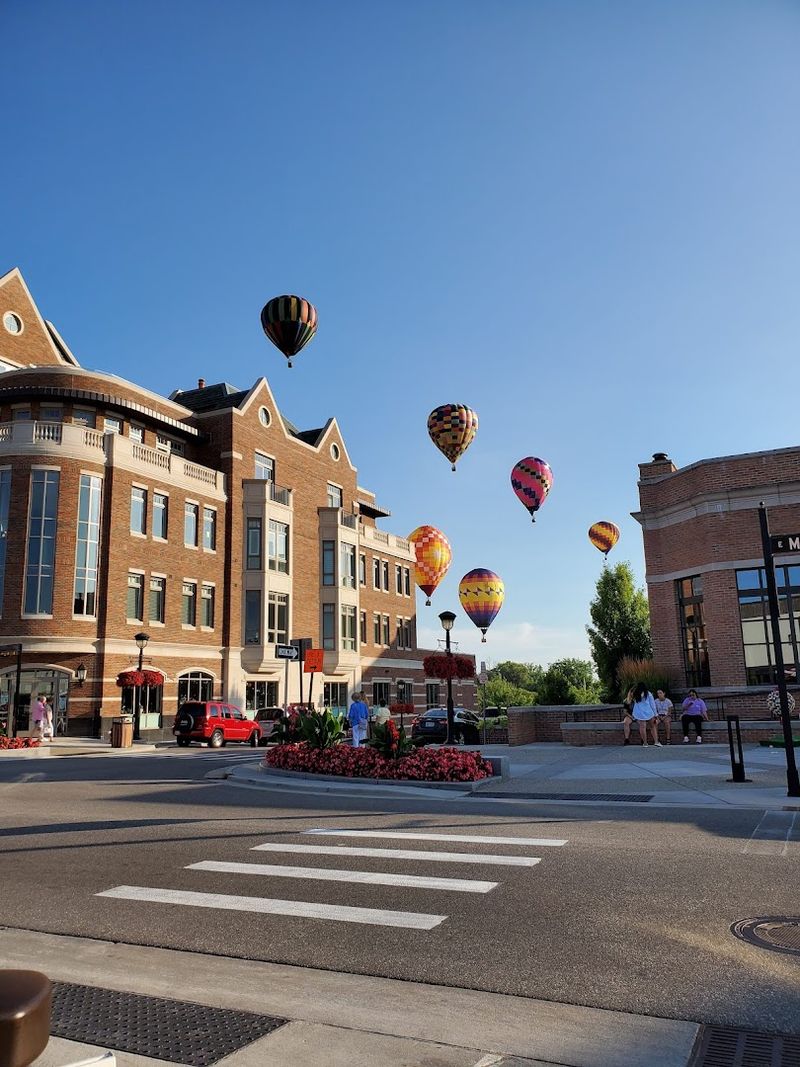
Midland has a reputation for being one of Michigan’s most livable small cities, and retirees on a fixed income are starting to take notice. The cost of living here sits comfortably below the national average, which means your Social Security check stretches further than you might expect.
Grocery prices, utility costs, and everyday expenses are all reasonably priced compared to larger Michigan metros.
Housing is one of the biggest wins in Midland. You can find clean, comfortable single-family homes for well under $200,000, and rental options are also available at manageable rates.
That kind of affordability gives retirees breathing room to cover healthcare, transportation, and the occasional dinner out without financial stress.
The town itself offers a surprisingly full lifestyle for its size. The Tridge — a three-way pedestrian bridge connecting riverside trails — is a beloved local landmark that residents use year-round for walking and relaxing.
Midland also has a strong arts community, a well-stocked public library, and a farmers market that runs through the warmer months.
Healthcare access is solid, with MidMichigan Medical Center providing quality services locally. That matters a lot when you’re older and need reliable care without driving an hour to reach it.
Specialists are also accessible in nearby Saginaw and Bay City if needed.
Winters here are real — this is Michigan, after all — but the community spirit makes cold months easier to handle. Neighbors look out for each other, local organizations run senior programs, and the pace of life is calm without being boring.
For retirees who want stability, affordability, and a genuine sense of community, Midland quietly delivers on all fronts.
2. Bay City
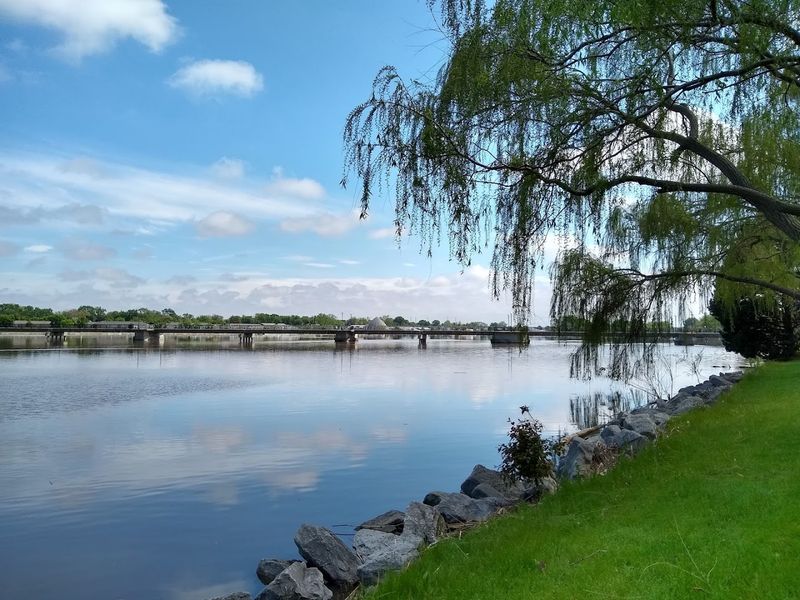
Bay City sits along the Saginaw River and carries the kind of blue-collar charm that never goes out of style. For retirees watching every dollar, this city offers something rare — low housing costs paired with an active, walkable downtown that actually has things to do.
The median home price here is among the lowest in the state, making it a serious contender for anyone living on Social Security.
The waterfront is one of Bay City’s greatest assets. Wenonah Park hosts free events throughout the summer, and the riverwalk gives residents a beautiful place to spend time without spending money.
That combination of free outdoor activity and affordable housing is exactly what retirees on a tight budget need to stay engaged and healthy.
Groceries and everyday goods are priced competitively, and the city has enough retail options that you rarely need to travel far. Bay City’s proximity to Saginaw and Midland also means that specialty medical care, bigger shopping trips, and cultural events are all within a reasonable drive.
Local healthcare is anchored by McLaren Bay Region, a full-service hospital that handles most medical needs without requiring patients to travel. For seniors managing chronic conditions or routine care, having that resource close by is genuinely reassuring.
Bay City has seen some economic challenges over the years, but that history has kept property values accessible while the community continues to rebuild and grow. Neighborhoods feel lived-in and real rather than polished and pricey.
If you want a town where your Social Security check actually covers rent, utilities, food, and still leaves a little left over for a Friday fish fry at a local spot, Bay City is worth a serious look.
3. Saginaw
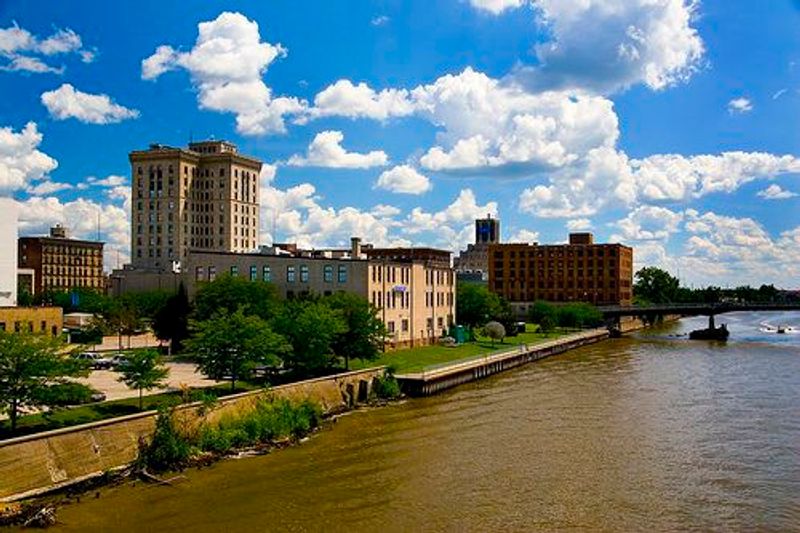
Saginaw won’t win any beauty contests in the traditional travel-magazine sense, but for retirees working with a Social Security budget, it offers something more valuable than scenery — serious affordability. Home prices here are some of the lowest you’ll find anywhere in Michigan, and that single fact changes the entire financial equation for someone on a fixed income.
When housing costs drop dramatically, the rest of your budget opens up. You can pay rent or a mortgage that leaves room for groceries, prescriptions, and utilities without constantly juggling numbers.
That financial breathing room is exactly what makes Saginaw worth considering, even if it’s not the first city that comes to mind for retirement.
The city has made real efforts to revitalize its downtown and surrounding neighborhoods. The Children’s Zoo at Celebration Square, the Saginaw Art Museum, and the Temple Theatre all offer affordable entertainment options.
These aren’t world-class destinations, but they’re genuine local amenities that add quality to everyday life.
Healthcare is a notable strength here. Covenant HealthCare and Ascension St. Mary’s both operate in Saginaw, giving residents access to a wide range of medical services without leaving the city.
For older adults who visit doctors regularly, that level of local healthcare infrastructure is a real advantage.
Saginaw also benefits from its central location in the Great Lakes Bay Region, putting Bay City and Midland within easy reach for day trips, additional shopping, or specialty appointments. Public transportation options exist, which helps retirees who no longer drive.
The city has challenges, no question — but for someone focused purely on stretching Social Security as far as possible, Saginaw’s rock-bottom cost of living makes it a genuinely practical choice.
4. Port Huron
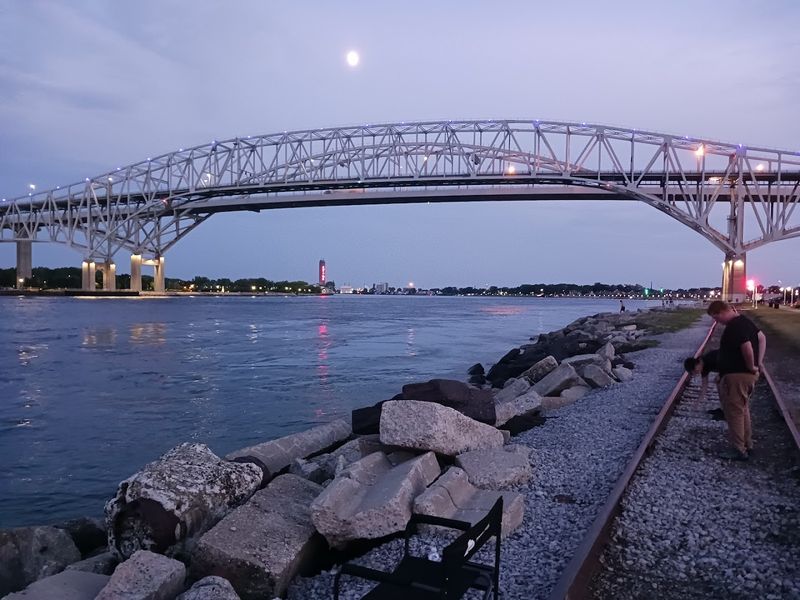
Port Huron has one of the most dramatic natural settings of any small city in Michigan. Sitting right where Lake Huron meets the St. Clair River, the waterfront here is genuinely stunning — and it’s completely free to enjoy.
For retirees who appreciate natural beauty without needing to pay for it, that’s an everyday luxury that money can’t replicate.
Housing costs in Port Huron are well below the Michigan average, with plenty of modest single-family homes available in the low-to-mid $100,000 range. Renters also have options, with apartments and smaller units priced accessibly throughout the city.
That affordability, combined with a charming downtown and strong community feel, makes Port Huron surprisingly appealing.
The Blue Water Area offers retirees a real sense of place. The Fort Gratiot Lighthouse — the oldest lighthouse in Michigan — sits right in town and is open for visits.
The local farmers market, waterfront festivals, and community events fill the calendar throughout the warmer months without requiring a large budget to participate.
Port Huron Hospital, now part of McLaren, provides solid healthcare services locally. The city’s location near the Michigan-Ontario border also means that some residents take advantage of cross-border services and shopping, adding extra flexibility to a tight budget.
Winters near the lake can be brisk and snowy, but longtime residents embrace the seasons rather than fight them. The community is tight-knit, and senior services through the St. Clair County Council on Aging help connect older residents with resources, programs, and social activities.
Port Huron isn’t trying to be trendy or upscale — it’s just a real Michigan town where a modest income can support a genuinely decent life by the water.
5. Jackson

Jackson has a fascinating piece of American history tucked into its story — it’s widely recognized as the birthplace of the Republican Party, with a founding meeting held here in 1854. History buffs will appreciate that detail, but for retirees on Social Security, the more relevant fact is that Jackson is one of the most affordable mid-sized cities in Michigan’s Lower Peninsula.
Housing costs are a genuine standout. You can find move-in-ready homes in solid neighborhoods for well under $150,000, and the rental market is equally reasonable.
That kind of low entry point means retirees can either own a home outright or keep monthly rent payments manageable on a fixed income — both scenarios that dramatically reduce financial stress.
The city has a surprising amount going for it beyond affordability. Cascades Falls Park features illuminated fountains and walking paths that locals love.
The Ella Sharp Museum covers regional art and history in an engaging way, and the nearby Waterloo Recreation Area offers hundreds of acres of trails, lakes, and natural scenery just a short drive away.
Healthcare access is solid through Henry Ford Allegiance Health, which operates a full-service hospital in Jackson. That’s an important anchor for any retiree community, and the presence of a major health system means most medical needs can be handled locally without long drives to larger cities.
Jackson also benefits from its location along I-94, making it easy to reach Lansing, Ann Arbor, and Battle Creek for bigger shopping trips or specialty appointments. The downtown has been slowly revitalizing, with local restaurants, coffee shops, and small businesses adding energy to the city center.
Jackson may not be flashy, but it’s functional, affordable, and genuinely livable on a Social Security budget.
6. Ironwood
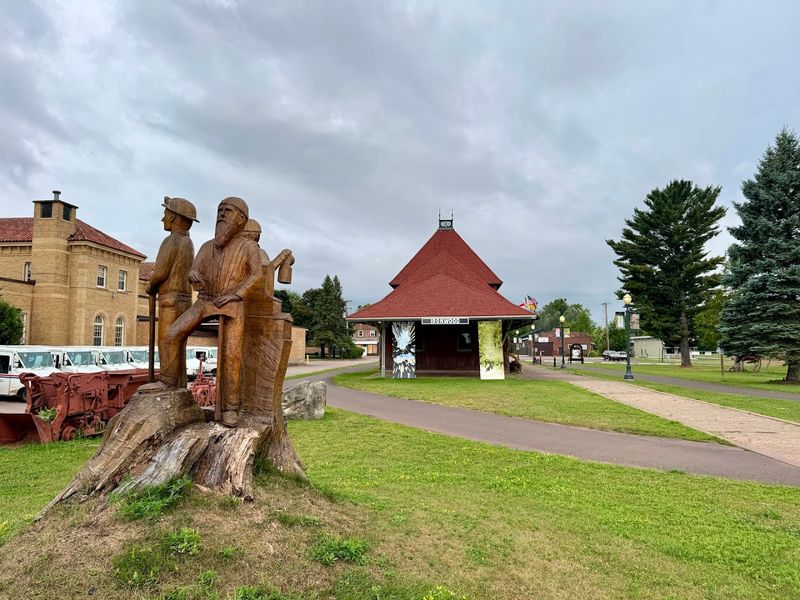
Way up in Michigan’s Upper Peninsula, tucked right against the Wisconsin border, Ironwood has a personality as sturdy as the iron ore that once built it. This is a town that knows hard work, and it’s built for people who don’t need luxury — just reliability, community, and low costs.
For retirees on Social Security, Ironwood delivers on all three.
Property prices here are genuinely eye-opening. Modest homes regularly sell for under $80,000, and some go for far less.
That kind of ultra-low housing cost fundamentally changes what’s possible on a fixed income. Even with a smaller Social Security check, a retiree in Ironwood can own a home outright and redirect that money toward everything else life requires.
The outdoor lifestyle here is extraordinary. Ironwood sits in one of the snowiest regions in the entire country, which makes it a paradise for snowmobile enthusiasts and cross-country skiers.
Big Powderhorn Mountain and Blackjack Ski Resort are both nearby, offering winter recreation options that residents can access at local rates. Summers bring hiking, fishing, and waterfall-chasing through the Porcupine Mountains region.
The town is small — fewer than 5,000 residents — so healthcare options are more limited than in larger cities. Aspirus Ironwood Hospital provides essential services, but specialty care may require travel to Marquette or beyond.
That’s a real consideration for anyone with complex medical needs.
What Ironwood lacks in medical infrastructure, it makes up for in community closeness and cost savings. Neighbors genuinely know each other here, and that social fabric is something money can’t easily buy in bigger cities.
If you can handle serious winters and don’t mind a slower pace, Ironwood offers a retirement lifestyle that’s quietly remarkable.
7. Menominee
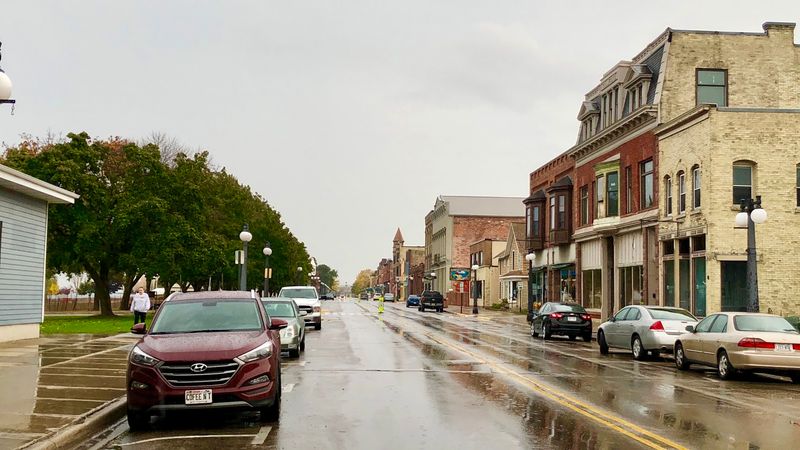
Menominee sits at the southern tip of the Upper Peninsula, right on the shores of Green Bay across from Marinette, Wisconsin. It’s a town that feels like a well-kept secret — affordable, scenic, and genuinely calm in a way that’s hard to find in more popular destinations.
For retirees on Social Security, that combination is worth paying attention to.
Housing here is remarkably affordable, even by UP standards. You can find charming older homes with real character — the kind with front porches and big yards — for prices that would be unthinkable in southern Michigan.
Rentals are also available at modest rates, giving retirees flexibility in how they approach housing costs.
The waterfront is Menominee’s crown jewel. Stephenson Island, connected by a short bridge, offers picnic areas, a small zoo, and beautiful views of the bay at no cost.
The marina area is walkable and pleasant, and the twin-city relationship with Marinette means residents have access to a broader range of shopping, dining, and services just across the bridge.
Healthcare is served by local clinics and the nearby Marinette hospital system, which provides more comprehensive services than most towns this size would have access to alone. That cross-border healthcare option is a genuine advantage for Menominee residents.
Winters in Menominee are cold and often snowy, but the town handles it with a matter-of-fact resilience that’s characteristic of UP communities. Summer and fall are genuinely beautiful, with lake breezes and colorful foliage making outdoor time deeply enjoyable.
For retirees who want waterfront living, low costs, and a real sense of place without the tourist crowds, Menominee is the kind of town that rewards those willing to look past the obvious choices.
8. Mount Pleasant
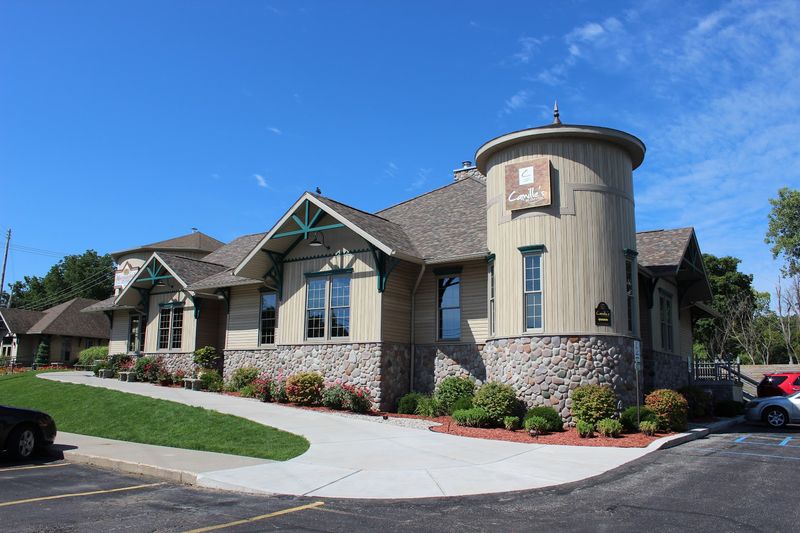
College towns have a way of staying lively even when the academic calendar slows down, and Mount Pleasant is a perfect example. Home to Central Michigan University, this mid-Michigan city has the kind of energy and amenities that usually come with a much higher price tag — but the cost of living here remains genuinely accessible for retirees on Social Security.
Housing in Mount Pleasant is reasonably priced, with plenty of options in established neighborhoods away from the university core. Those neighborhoods tend to be quieter and well-maintained, offering retirees a comfortable residential experience without the noise of student life.
Home prices are moderate, and rental options are plentiful thanks to the college market, which actually keeps rents competitive.
The presence of CMU brings real benefits to the community beyond just energy. The university’s health programs contribute to local wellness resources, and the Ziibiwing Center of Anishinabe Culture and Lifeways — located on the nearby Saginaw Chippewa Indian Tribe’s Isabella Indian Reservation — offers one of the most meaningful cultural experiences in central Michigan, often at low or no cost.
Everyday conveniences are solid. Mount Pleasant has a good selection of grocery stores, pharmacies, medical offices, and restaurants that serve both students and permanent residents.
The local hospital, McLaren Central Michigan, provides reliable healthcare services without requiring long drives.
The town also hosts a popular farmers market and regular community events that keep social life active throughout the year. For retirees who worry about isolation on a fixed income, the built-in community activity of a college town is a real antidote.
Mount Pleasant might not be the first retirement destination that comes to mind, but it works — affordably, comfortably, and with more personality than most people expect.
9. Ludington
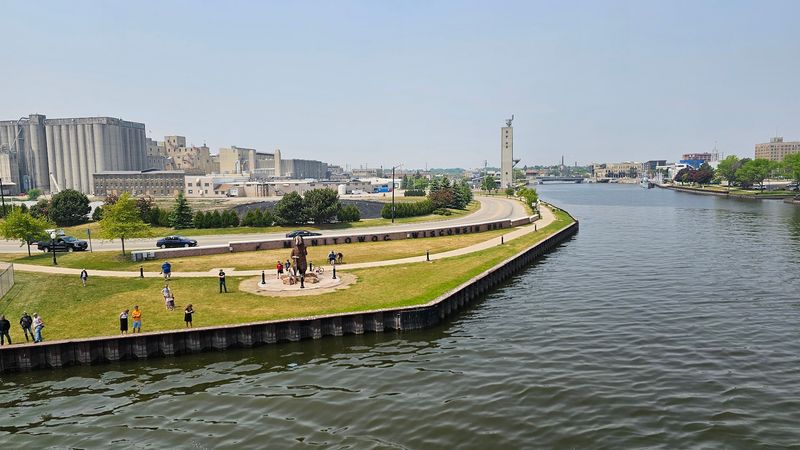
Ludington is the kind of Lake Michigan town that people discover once and never quite stop thinking about. The beach here is spectacular — wide, sandy, and backed by towering dunes — and the SS Badger car ferry crossing to Wisconsin makes it feel like a real destination.
What surprises many people is how relatively affordable it remains compared to trendier lakeshore communities.
Housing costs in Ludington are higher than some inland towns on this list, but they’re still manageable compared to places like Traverse City or Holland. Modest homes exist in the surrounding Mason County area at accessible price points, and some retirees find that living just outside the immediate downtown core brings costs down considerably while still keeping the beach and amenities within easy reach.
The outdoor lifestyle here is exceptional. Pere Marquette Lake, Ludington State Park, and miles of Lake Michigan shoreline give residents a backyard that rivals anything in the Midwest.
Hiking, kayaking, fishing, and beachcombing are all part of everyday life — and most of it costs nothing beyond gas to get there.
Ludington’s downtown has a genuine small-town warmth with locally owned shops, bakeries, and restaurants that cater to both year-round residents and summer visitors. The seasonal tourist economy actually benefits retirees by ensuring the town maintains good services and a lively atmosphere even on a modest scale.
Healthcare is available locally through Spectrum Health Ludington Hospital, though specialty care may require travel to Grand Rapids or Traverse City. That’s a trade-off worth knowing about, but for generally healthy retirees who simply need reliable routine care, Ludington’s local services cover the basics well.
The lifestyle quality here is genuinely hard to beat for the price.
10. Howell
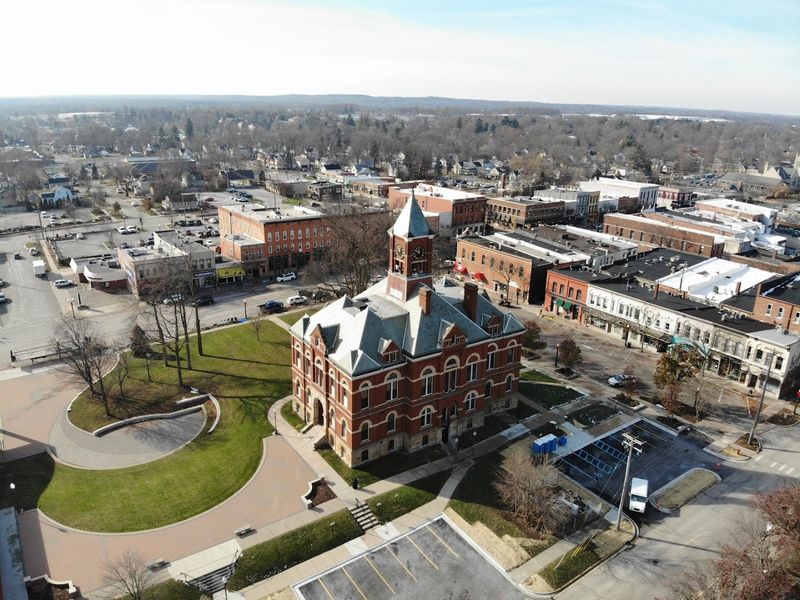
Howell occupies a sweet spot that not many Michigan towns can claim — it’s close enough to Detroit and Lansing to access big-city amenities, yet affordable enough that a Social Security income can actually work here. Livingston County has historically been one of Michigan’s more prosperous areas, but Howell itself maintains pockets of real affordability that make it worth a closer look for budget-minded retirees.
The downtown is one of Howell’s strongest selling points. The historic courthouse square is lined with local shops, coffee spots, and restaurants that give the city center a genuine character.
It’s the kind of place where you can spend an afternoon without spending much money — window shopping, grabbing a coffee, and enjoying the architecture of a well-preserved Michigan town.
Housing in Howell is competitive but not out of reach. While prices have risen with suburban demand, retirees willing to look at smaller homes or condos can still find options in a reasonable range.
The surrounding area also offers more affordable choices for those who don’t need to be right in the city center.
Saint Joseph Mercy Livingston Hospital provides solid local healthcare, and the proximity to the University of Michigan Health System in Ann Arbor means world-class specialty care is only about 45 minutes away. That combination of local reliability and nearby excellence is a significant advantage for health-conscious retirees.
Howell also has a lively events calendar — the annual Melon Festival is a beloved community tradition that draws locals together every summer. Parks, trails, and nearby lakes give residents outdoor options without needing to travel far.
It’s a town with real community bones, and for retirees who value connection and convenience alongside affordability, Howell holds up well.
11. Battle Creek
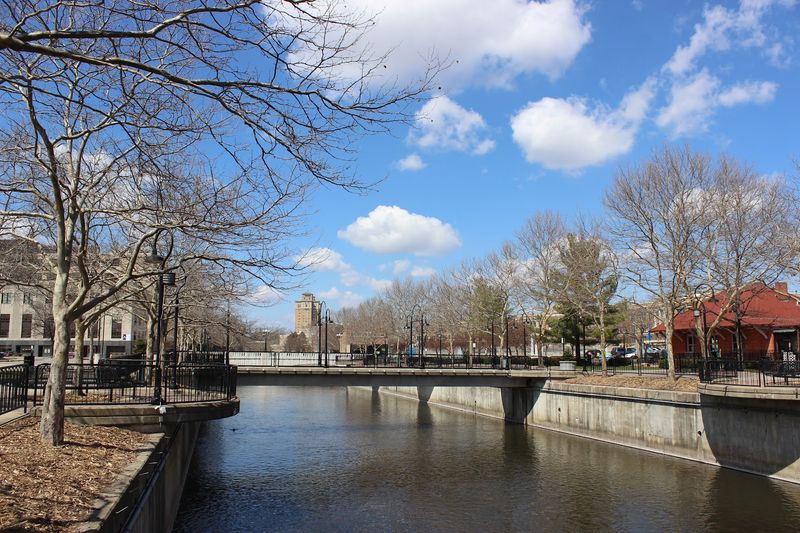
You already know Battle Creek from the cereal box — this is the hometown of Kellogg’s and Post, two of the biggest names in breakfast history. But beyond its cereal legacy, Battle Creek is a city with serious affordability credentials that make it one of the more practical choices in Michigan for retirees on Social Security.
Home prices in Battle Creek are well below the state average, with solid neighborhoods offering single-family homes at prices that feel almost surprising in today’s market. The rental market is equally accessible, giving retirees options whether they want to own or rent.
That low housing baseline means more of a Social Security check is available for everything else.
The city has a genuine park system that residents genuinely use. Leila Arboretum, one of the largest public arboretums in the United States, sits right in town and offers free access to beautiful landscaped grounds, walking paths, and seasonal gardens.
The adjacent Kingman Museum adds a natural history component for curious visitors at a very low admission cost.
Healthcare is well-represented through Bronson Battle Creek and Ascension Borgess-Lee, giving residents two hospital systems to choose from locally. That competitive healthcare landscape tends to benefit patients, and the presence of multiple systems means more specialists and services are available without leaving the city.
Battle Creek’s location along I-94 makes Kalamazoo, Lansing, and Grand Rapids all accessible for day trips, specialty appointments, or bigger shopping excursions. The city has faced economic transitions over the decades, but those same transitions have kept property values accessible.
For retirees who want a city with real history, solid services, and low costs, Battle Creek punches well above its weight.
12. Marquette
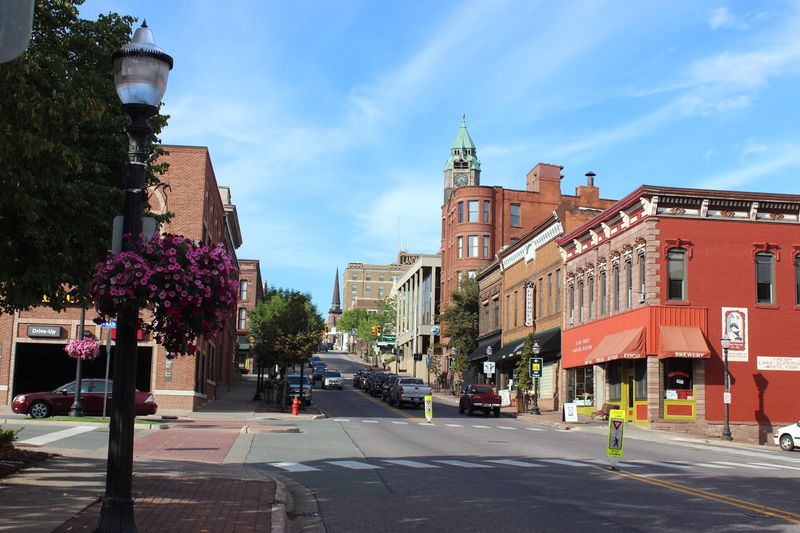
Marquette is the Upper Peninsula’s largest city, and it carries itself with a confidence that reflects both its natural setting and its resilient community. Perched on the shores of Lake Superior with a walkable downtown and a strong university presence through Northern Michigan University, Marquette offers a quality of life that’s hard to match — and it does so at a cost that still makes sense for Social Security recipients.
Housing here is more expensive than some other UP towns, but it’s still well below what you’d pay for comparable lifestyle quality in most of the Lower Peninsula. The trade-off is access to one of the most breathtaking natural environments in the entire Midwest.
Lake Superior views, the Presque Isle Park peninsula, and miles of trails are all part of daily life here.
NMU’s presence keeps the city intellectually alive and socially active year-round. The university offers community programs, events, and resources that benefit residents of all ages.
The Peter White Public Library is also one of the finest small-city libraries in Michigan, providing a free resource that retirees genuinely appreciate.
UP Health System — Marquette serves as the regional medical hub for the entire Upper Peninsula, which means residents have access to a level of healthcare that far exceeds what you’d typically find in a city this size. Specialists, surgical services, and comprehensive care are all available locally — a massive advantage for retirees.
Winters in Marquette are legendary for their intensity, but the community embraces the cold with genuine enthusiasm. Snowshoeing, skiing, and ice fishing are all local pastimes.
If you can handle the weather — and many retirees find they actually love the seasons — Marquette delivers an extraordinary lifestyle on a budget that actually works.
13. Holland
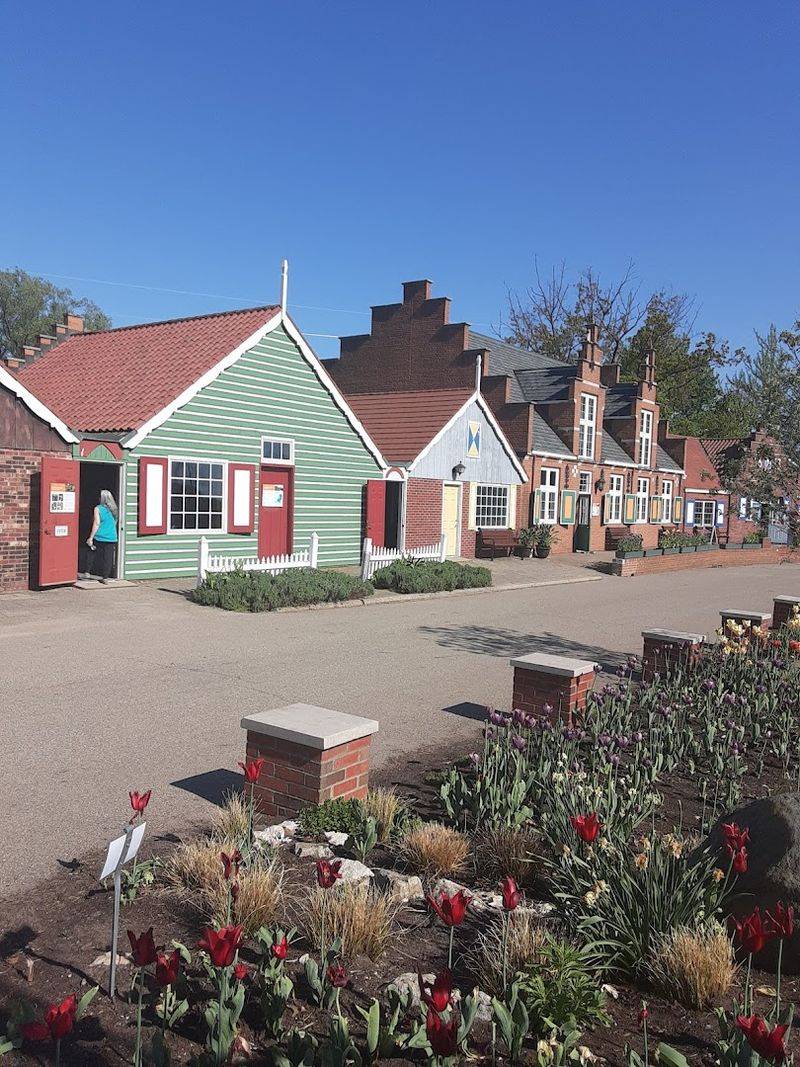
Holland is one of those Michigan towns that photographs beautifully — Dutch architecture, tulip-lined streets, and a Lake Macatawa waterfront that looks almost too perfect to be real. It’s also a town with a strong local economy, solid services, and a community culture that prioritizes quality of life.
For retirees on Social Security, Holland requires some budget discipline, but it’s not out of reach.
Housing costs in Holland are higher than the most budget-friendly towns on this list, but they’re still manageable compared to major Michigan metros. Retirees willing to look at smaller homes, condos, or neighborhoods slightly outside the immediate downtown corridor can find options that fit within a Social Security-anchored budget.
The key is being strategic about location within the city rather than ruling it out entirely.
The lifestyle here is genuinely exceptional. Windmill Island Gardens, the tulip festival, and the sandy beaches of Holland State Park all offer world-class experiences at low cost.
The downtown is walkable and full of locally owned shops and restaurants that cater to a community that values quality without excess.
Healthcare is a notable strength through Holland Hospital, which is affiliated with the University of Michigan Health System. That affiliation means residents benefit from both local care and access to one of the top academic medical systems in the country.
For health-conscious retirees, that’s a significant reassurance.
Holland’s strong sense of community — rooted in its Dutch heritage and faith traditions — means neighbors genuinely look out for each other. Social isolation, one of the biggest risks for retirees, is far less common here than in more transient communities.
Holland may ask a bit more of your budget, but it gives back in lifestyle, community, and genuine beauty that makes every dollar feel well spent.
14. Traverse City
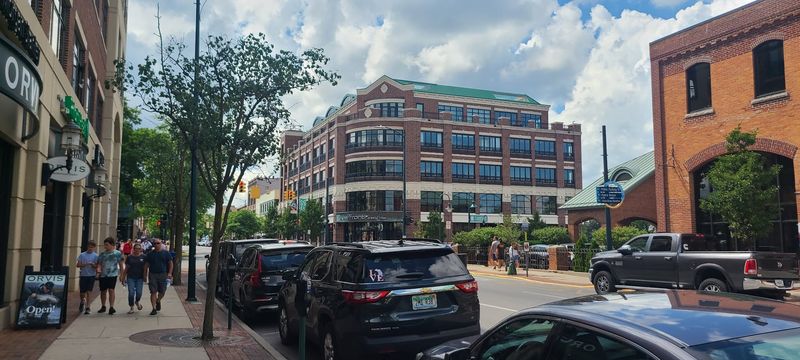
Traverse City has a reputation as one of Michigan’s most desirable places to live — and that reputation comes with a price tag to match. So what’s it doing on a list about Social Security affordability?
The answer is that while Traverse City isn’t cheap, smart retirees who plan carefully can still make it work, especially those who own a home outright or have modest supplemental income alongside their Social Security check.
The cost of living in TC is higher than most towns on this list, but the lifestyle quality is also genuinely unmatched in northern Michigan. Grand Traverse Bay, the Leelanau Peninsula wine country, the National Cherry Festival, and a thriving downtown packed with restaurants and culture all make this a place people actively choose over more affordable alternatives.
Sometimes quality of life is worth the extra budget effort.
For retirees focused purely on costs, living in the outlying areas of Grand Traverse County — rather than right in downtown Traverse City — can bring housing costs down meaningfully. Communities like Kingsley, Fife Lake, or East Bay Township offer access to TC’s amenities without the premium downtown price tag.
That geographic flexibility is worth exploring seriously.
Munson Medical Center is one of the finest regional hospitals in northern Michigan, providing comprehensive care including specialty services that most small cities simply don’t have. For retirees managing health conditions, having a top-tier hospital nearby is worth factoring into the overall cost-benefit equation.
Traverse City rewards those who approach it creatively. Free beach days, cherry picking in season, hiking the Sleeping Bear Dunes nearby, and enjoying the farmers market are all part of life here without significant expense.
If you can solve the housing equation, TC offers a retirement experience that feels genuinely luxurious — even on a modest income.
15. Alma
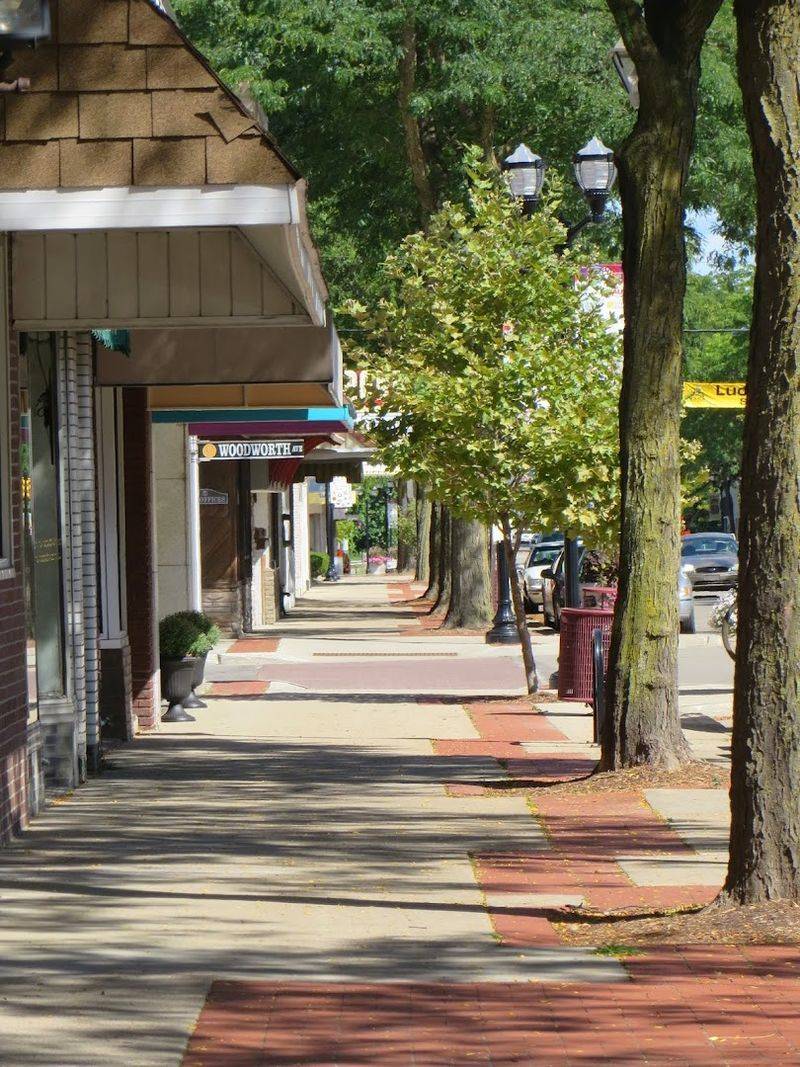
Alma is the kind of town that flys under the radar even among Michiganders, and that’s precisely what makes it so appealing for retirees on a tight budget. Home to Alma College, this small central Michigan city has the intellectual energy of a college town wrapped in the low-cost reality of a genuinely modest community.
It’s an underrated combination that deserves far more attention.
Property values in Alma are among the most accessible in the Lower Peninsula. You can purchase a well-maintained home here for prices that haven’t been realistic in most of Michigan for years.
That low cost of entry means retirees can either eliminate a mortgage payment entirely or keep it so small that Social Security covers it comfortably alongside all other living expenses.
The college adds real texture to everyday life. Alma College hosts public lectures, performances, athletic events, and cultural programs that are often free or very low cost for community members.
The campus itself is well-maintained and adds a pleasant aesthetic to the surrounding neighborhoods — it’s the kind of environment that makes a small town feel more alive than its size would suggest.
Groceries, utilities, and local services are all priced in line with a modest cost of living. The town has basic retail and dining options, and larger shopping trips to Mount Pleasant — just 20 minutes away — fill any gaps.
That proximity to a slightly larger city with more services is a practical advantage that retirees quickly learn to appreciate.
MidMichigan Health has a presence in the area, and the short drive to Mount Pleasant or Saginaw for more comprehensive care keeps healthcare accessible. Alma won’t make anyone’s trendy destination list, but for retirees who prioritize financial peace of mind above all else, it quietly offers everything that actually matters.