Michigan is one of those states that keeps surprising you, no matter how many times you think you’ve seen it all. From towering sand dunes to hidden waterfalls tucked deep in the Upper Peninsula, there’s always a new corner worth exploring.
The best part? Most of these adventures cost little to nothing and are just a short drive away.
Pack a cooler, grab your hiking shoes, and get ready to fall in love with Michigan all over again.
1. Petoskey
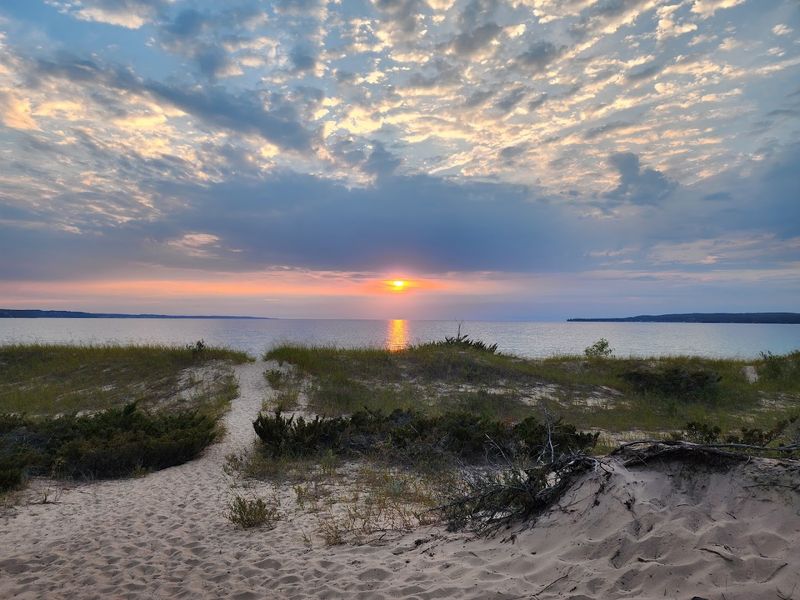
Petoskey has a way of making you feel like you’ve stepped into a postcard you actually want to live in. Nestled along the shores of Little Traverse Bay in northern Lower Michigan, this charming city blends small-town warmth with genuinely beautiful scenery.
It’s the kind of place where you show up for a few hours and end up staying until sunset.
The downtown Gaslight District is a great starting point. Lined with independent shops, bakeries, and cozy cafes, it’s easy to spend a morning just wandering without any real agenda.
Grab a coffee, poke around the bookstores, and soak up the laid-back northern Michigan vibe that locals have been quietly hoarding for years.
One of Petoskey’s most unique draws is Petoskey stones — fossilized coral found along the shoreline of Lake Michigan. Hunting for them along Magnus Park Beach has become a beloved local tradition, and it’s completely free.
Kids and adults alike get weirdly hooked on the search, which makes it a surprisingly fun family activity.
Petoskey State Park sits just outside of town and offers stunning bay views, sand dunes, and trails that wind through wooded bluffs. The park is affordable to access with a Recreation Passport and delivers views that genuinely rival anything you’d pay top dollar to see elsewhere.
Whether you’re hiking, picnicking, or just sitting on the beach watching the water shift colors, it delivers every single time.
If you time your visit right, fall in Petoskey is absolutely spectacular. The colors along the bay hit differently when the leaves turn, and the crowds thin out just enough to make everything feel personal.
Petoskey is proof that Michigan’s best gems don’t need a billboard.
2. Belle Isle Park
Sitting right in the middle of the Detroit River, Belle Isle Park is one of the most unexpected urban escapes in the entire Midwest. The island is connected to Detroit by a single bridge, and the moment you cross it, the city noise fades in a way that feels almost magical.
It’s hard to believe something this peaceful exists just minutes from downtown Detroit.
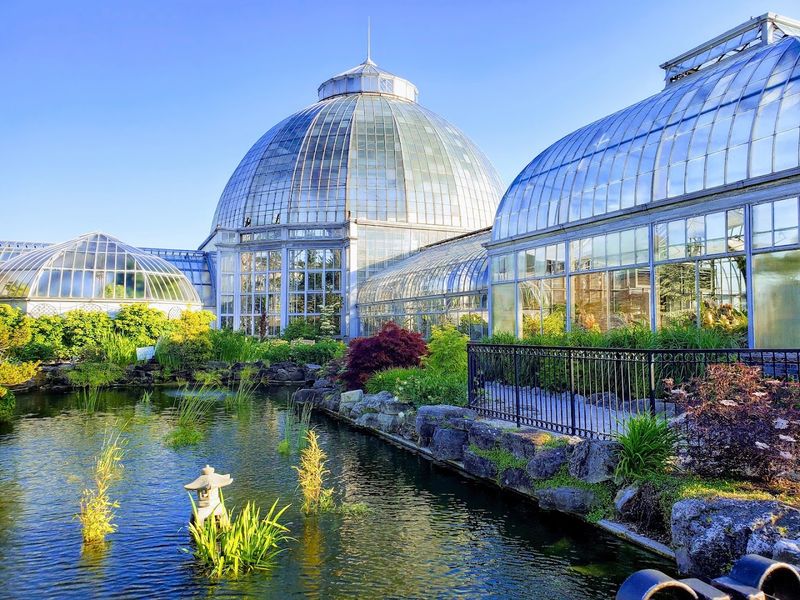
The park spans over 980 acres and packs in an impressive variety of things to do. There’s a nature center, a freshwater aquarium, a stunning glass conservatory filled with tropical plants, and miles of paved paths perfect for cycling or a long walk.
The Anna Scripps Whitcomb Conservatory alone is worth the trip — it’s one of the oldest public conservatories in the country and admission is very affordable.
The beach on the island’s south side draws crowds on hot summer days, and for good reason. The views of the Detroit skyline from the shoreline create one of those rare moments where the city and nature feel like they actually belong together.
Bring a blanket, a good playlist, and absolutely no agenda.
Wildlife sightings on Belle Isle are surprisingly common. White-tailed deer roam freely across the island, and birdwatchers have documented an impressive variety of species throughout the year.
It’s a genuine nature experience inside a major metropolitan area, which makes it feel all the more special.
Access to Belle Isle requires a Michigan Recreation Passport, making it an extremely budget-friendly outing. Whether you’re a Detroit local looking for a fresh-air reset or a visitor who wants something beyond the usual tourist checklist, Belle Isle delivers a full day of exploration without draining your wallet.
It’s one of Michigan’s most underrated treasures.
3. Sleeping Bear Dunes National Lakeshore
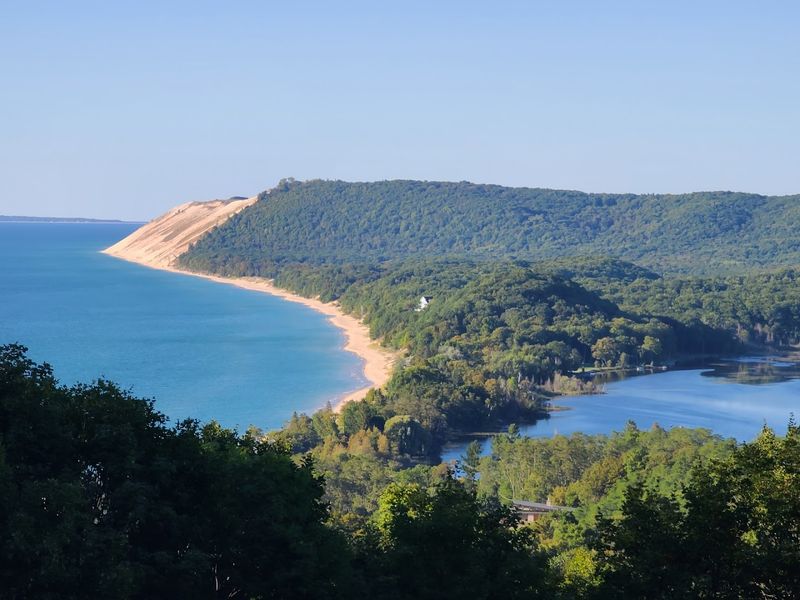
There’s a reason Sleeping Bear Dunes National Lakeshore was once voted the most beautiful place in America — it earns that title every single time. Towering sand dunes rise dramatically above Lake Michigan’s impossibly blue waters, creating a landscape that looks more like something from a movie set than a real place in the Midwest.
First-timers genuinely gasp when they crest the dune and see what’s waiting below.
The Dune Climb is the park’s most iconic experience, and it’s exactly what it sounds like — a steep, thigh-burning trek up a massive sand dune with a reward view at the top. Running back down is half the fun and costs nothing extra beyond your park entry.
Kids absolutely lose their minds over it, and honestly, adults do too.
Beyond the dunes, the park offers over 100 miles of trails winding through forests, along bluffs, and past crystal-clear inland lakes. The Pierce Stocking Scenic Drive is a must-do loop that hits the park’s greatest highlights without requiring a single hike.
Every overlook along the drive delivers a different version of stunning.
The Sleeping Bear Heritage Trail is great for cyclists and connects several towns along the lakeshore, including Empire and Glen Arbor. Glen Arbor itself is a charming little village with excellent food options and a relaxed northern Michigan atmosphere worth exploring before or after your park visit.
Entry fees are reasonable for a national lakeshore, and America the Beautiful passes are accepted here. Camping is available for those who want to extend the experience, but even a single day gives you more than enough to work with.
Sleeping Bear Dunes is the kind of place that changes how you think about Michigan’s natural beauty.
4. Watkins Lake State Park and County Preserve
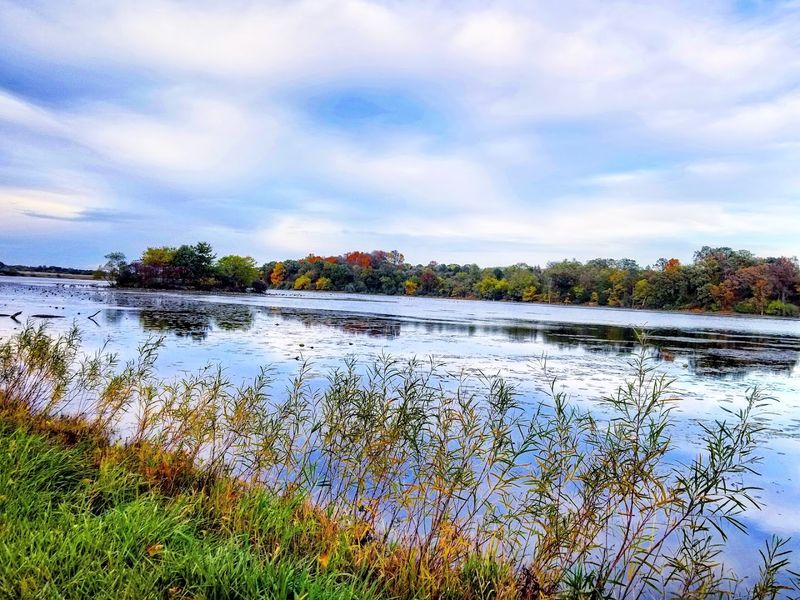
Not every great Michigan day trip demands a long drive or a packed itinerary. Watkins Lake State Park and County Preserve, located in Jackson County, proves that quiet and accessible can be just as rewarding as dramatic and remote.
This park is a hidden gem that many Michigan residents haven’t even heard of yet, which makes it feel like a personal discovery every time.
The preserve protects a rare and ecologically rich landscape that includes oak savannas, wet prairies, and a beautiful kettle lake formed by glacial activity thousands of years ago. Watkins Lake itself is the centerpiece, and its calm, clear water surrounded by native vegetation makes for one of the most serene settings in southern Lower Michigan.
It’s the kind of spot that makes you slow down without even trying.
Hiking trails wind through diverse habitats and offer a genuinely educational experience for nature lovers of any age. The trails are well-maintained and suitable for beginners, making this an excellent choice for families with young kids or anyone easing back into outdoor adventures.
Wildlife is abundant here — expect to spot birds, turtles, deer, and a variety of wildflowers depending on the season.
Because it’s a newer addition to the state park system, Watkins Lake doesn’t yet draw the crowds that more well-known parks attract. That means you can enjoy the trails and shoreline in relative peace, which is increasingly rare in Michigan’s more popular destinations.
The lack of fanfare is honestly part of the appeal.
A Michigan Recreation Passport gets you in, keeping costs minimal. If you’re in the southeastern part of the state and craving something green and unhurried, Watkins Lake is exactly the kind of place that reminds you why Michigan parks are worth protecting.
Go before everyone else finds out about it.
5. M-119 Tunnel of Trees Scenic Heritage Route
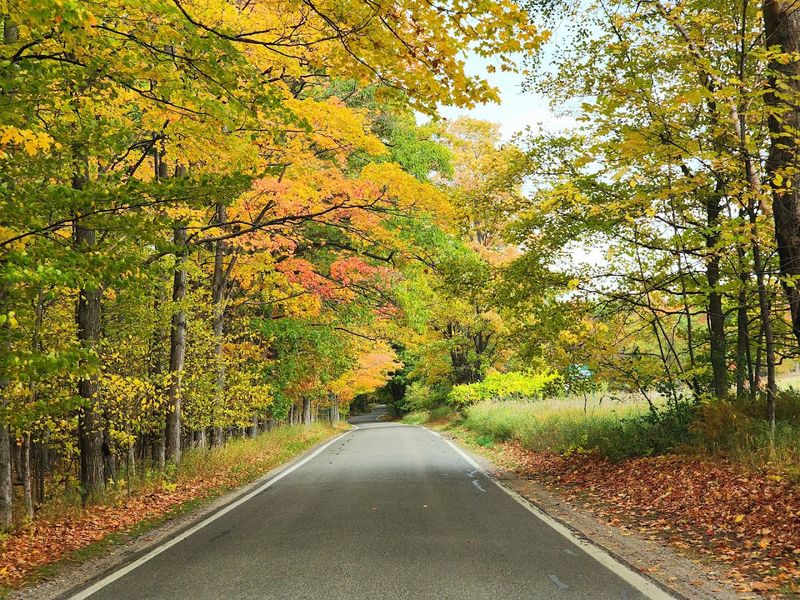
Few drives in Michigan are as genuinely breathtaking as M-119, better known as the Tunnel of Trees Scenic Heritage Route. Stretching about 20 miles between Harbor Springs and Cross Village along the Lake Michigan shoreline, this narrow two-lane road winds through a canopy so thick it feels like the trees are leaning in to whisper secrets.
It’s the kind of drive you do slowly, windows down, with no particular hurry.
The route earns its name honestly. In spring, fresh green leaves create a soft, filtered light that makes everything glow.
In fall — and this is where things get truly spectacular — the maples, oaks, and beeches explode into reds, oranges, and golds that rival any leaf-peeping destination in New England. Planning a visit in late September or early October is absolutely worth adjusting your schedule for.
Along the way, there are pull-offs and overlooks where you can stop to watch the sun set over Lake Michigan or simply stand quietly among the trees. The views of the lake from the bluffs above are stunning, and catching one of those moments when the water turns a deep cobalt blue is the kind of thing you’ll describe to people for years.
Cross Village, at the northern end of the route, is home to Legs Inn — a legendary Polish restaurant housed in a building constructed entirely from driftwood and local stone. It’s quirky, historic, and delicious, making it a perfect endpoint for the drive.
Reservations are recommended during peak season.
The Tunnel of Trees costs nothing to drive and pairs beautifully with a stop in charming Harbor Springs at the southern end. Whether you’re a photography enthusiast, a fall foliage chaser, or simply someone who appreciates a beautiful road, M-119 never disappoints.
It’s one of Michigan’s finest free experiences.
6. Holland
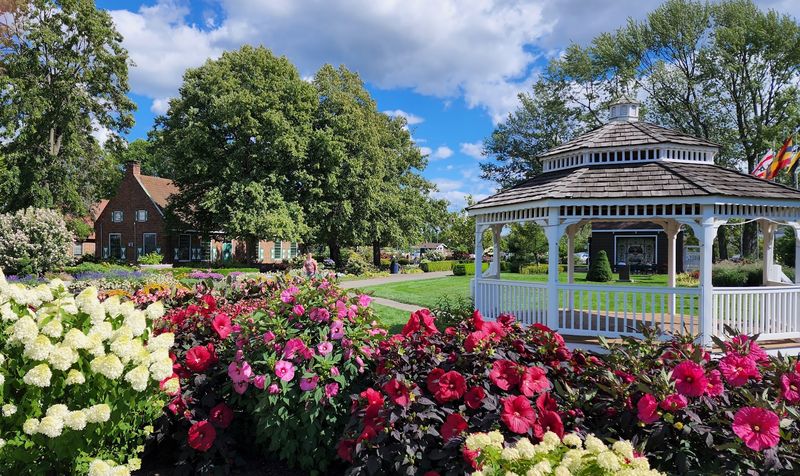
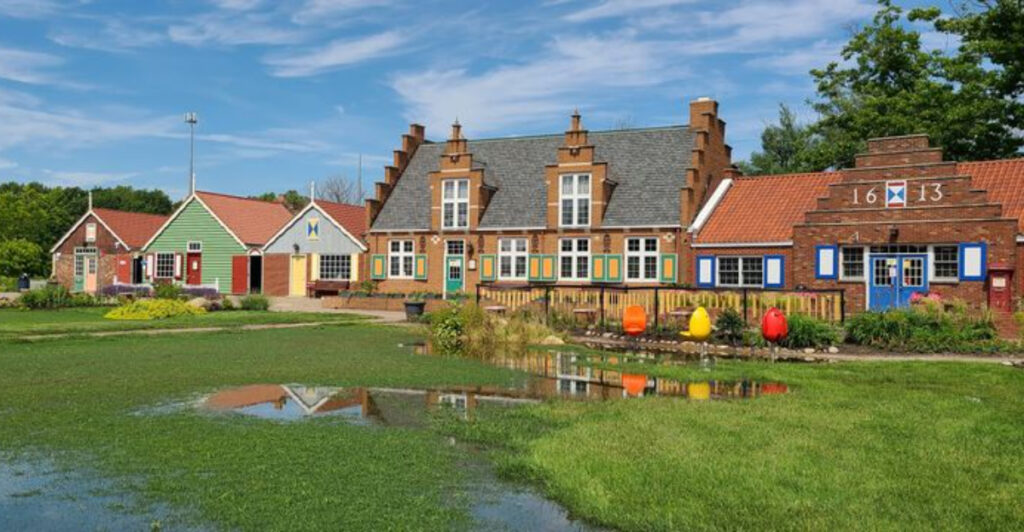
Holland, Michigan, is one of those places that leans fully into its identity and pulls it off without a hint of self-consciousness. Built by Dutch immigrants in the mid-1800s, this western Michigan city has held onto its heritage with genuine pride, and the result is a destination that feels festive, colorful, and completely unlike anywhere else in the state.
It’s charming in the best possible way.
The city’s biggest claim to fame is Tulip Time, an annual festival held each May when millions of tulips bloom across the city’s parks, streets, and gardens. The colors are overwhelming in the most wonderful sense — rows upon rows of red, yellow, pink, and purple blooms stretching as far as you can see.
Windmill Island Gardens, home to a working Dutch windmill imported directly from the Netherlands, is the festival’s crown jewel and worth every penny of admission.
Outside of festival season, Holland still delivers. The downtown area along Eighth Street is filled with independent shops, excellent restaurants, and Dutch bakeries that sell stroopwafels and other treats you’ll want to bring home by the dozen.
The walkable, well-maintained streets make it an easy and enjoyable place to spend a full afternoon without any planning required.
Holland State Park sits just a few miles from downtown and features one of the most photographed spots in Michigan — the iconic red lighthouse at the mouth of Lake Macatawa. The beach here is wide, sandy, and gorgeous, with access to Lake Michigan just beyond the channel.
Sunsets from this spot are genuinely world-class.
Holland is easy to reach from Grand Rapids, making it a popular weekend escape that never feels overrun. Whether you visit during tulip season or any other time of year, Holland rewards every trip with something memorable.
It’s Michigan hospitality wrapped in Dutch charm.
7. Bond Falls Scenic Site
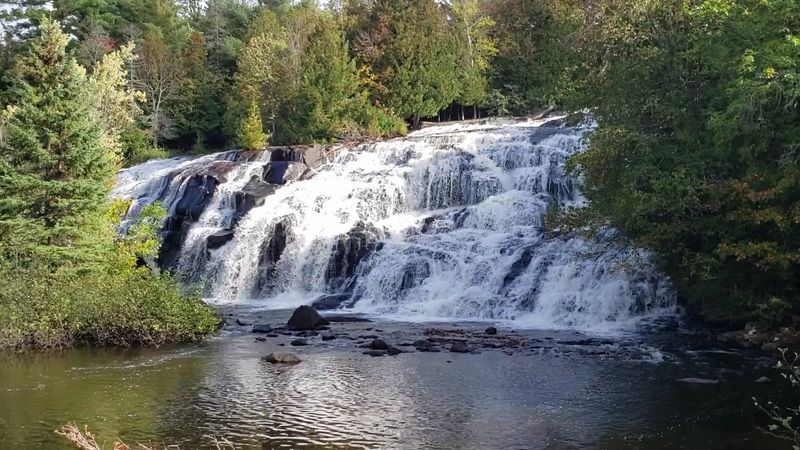
Bond Falls might be the most photogenic waterfall in all of Michigan, and that’s not a claim made lightly in a state full of stunning cascades. Located in Ontonagon County in the Upper Peninsula, this wide, tiered waterfall fans out across a broad rocky ledge before tumbling into the river below.
The first time you see it in person, you’ll understand immediately why photographers make the pilgrimage from hundreds of miles away.
What makes Bond Falls especially accessible is the well-maintained boardwalk and viewing platform that puts you right at water level. You don’t need to be an experienced hiker or wear special gear — the path is short, easy, and suitable for most fitness levels.
Families with young children and older visitors alike can enjoy the full experience without any real difficulty.
The falls are spectacular in every season. Spring brings powerful, rushing water swollen from snowmelt that fills the entire width of the falls with roaring force.
Summer softens things slightly, allowing you to appreciate the intricate patterns of water flowing over moss-covered rocks. Fall adds a dramatic backdrop of golden and crimson leaves that frames the falls like a painting.
Bond Falls Flowage, the reservoir above the falls, is a popular spot for fishing, kayaking, and quiet paddling. Bringing a kayak or renting one nearby adds another dimension to the visit and stretches a short waterfall stop into a full, satisfying day outdoors.
The area is peaceful, uncrowded, and feels genuinely off the beaten path.
Parking and access to Bond Falls are free, which makes it one of Michigan’s most generous natural attractions. If you’re planning a UP road trip, this stop is non-negotiable.
Bond Falls earns its reputation every single time you visit, regardless of the season.
8. Ludington State Park
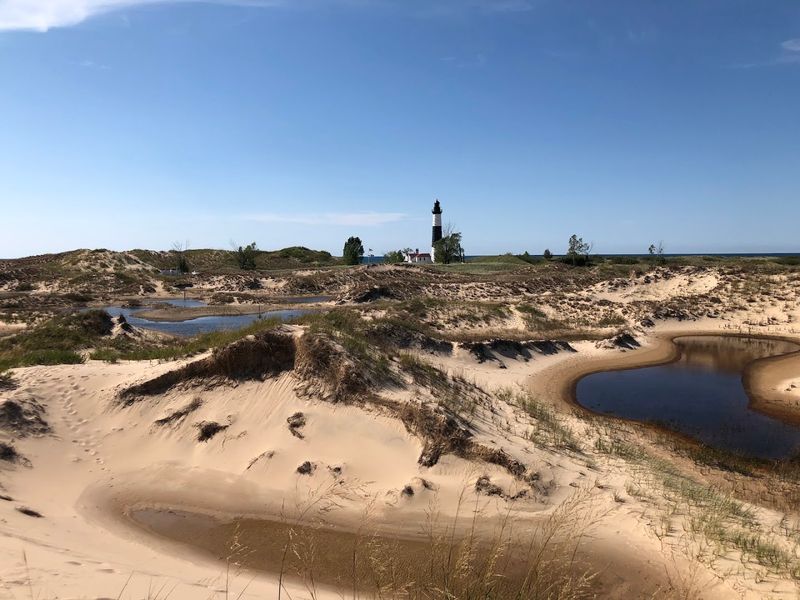
Ask any Michigan outdoor enthusiast to name their favorite state park, and Ludington will come up more often than almost any other. Tucked between Lake Michigan and Hamlin Lake on the Lower Peninsula’s western coast, Ludington State Park packs more variety into its 5,300 acres than most parks twice its size.
It’s the kind of place where you show up with a plan and end up scrapping it entirely because something better keeps appearing around every bend.
The park’s trail system is genuinely impressive, offering everything from easy beach walks to challenging dune climbs that reward hikers with sweeping views of the lake. The Big Sable Point Lighthouse at the northern end of the park is a highlight that requires a 3.7-mile round-trip hike along the shoreline — flat, scenic, and deeply satisfying.
You can even climb the lighthouse for a small fee during the season.
Swimming at Ludington is exceptional. The beaches along both Lake Michigan and Hamlin Lake offer different experiences — one wild and open, the other calm and sheltered — giving families plenty of options depending on who’s in the group.
The water clarity on a calm summer day is the kind of thing that makes people question why they ever bother with ocean vacations.
Kayaking and canoeing on Hamlin Lake is a beloved activity here, with rentals available inside the park. Paddling through the narrow channels connecting the lake’s various sections feels like exploring your own private wilderness, even in the middle of summer.
Wildlife sightings, including herons, eagles, and deer, are common and never feel staged.
With a Michigan Recreation Passport, entry is extremely affordable. Camping is available if you want to extend the experience overnight.
Ludington State Park is one of those rare places that genuinely lives up to every enthusiastic recommendation you’ve ever heard about it.
9. Palms Book State Park
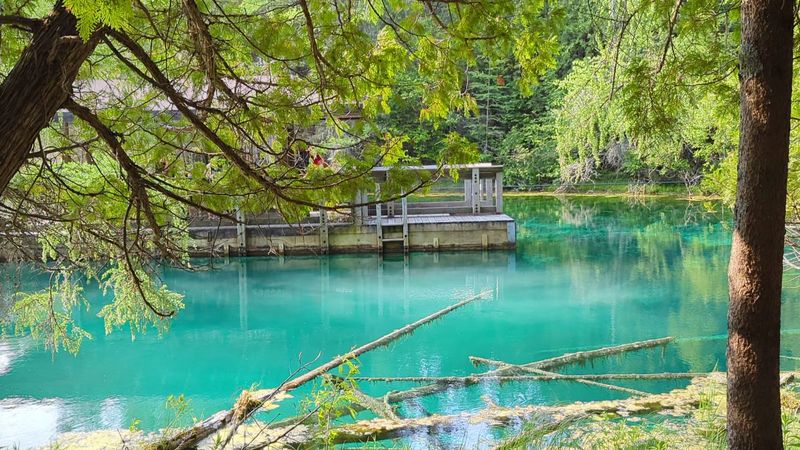
There’s a spring in Michigan’s Upper Peninsula so clear, so impossibly turquoise, that people who see it for the first time genuinely wonder if it’s been digitally enhanced. Kitch-iti-kipi — also known as The Big Spring — is the main attraction at Palms Book State Park in Schoolcraft County, and it is absolutely as remarkable as every photo suggests.
This is one of those places that earns its reputation without exaggeration.
The spring pumps out over 10,000 gallons of crystal-clear, 45-degree water every single minute from fissures in the limestone bedrock below. Visitors access the spring by pulling themselves across on a large observation raft using a hand-operated rope system.
Peering down through the glass-bottom sections of the raft, you can watch trout glide through the water and see ancient logs resting on the bottom in perfect preservation, untouched for over a century.
The vivid teal-green color of the water comes from the reflection of submerged mosses and the mineral content of the spring itself. No matter how many photos you’ve seen, the actual color stops you in your tracks.
It’s one of those rare natural phenomena that doesn’t lose any of its magic when you experience it in person — if anything, it intensifies.
The park itself is small and focused entirely on the spring experience, which means visits are efficient and purposeful. There’s no sprawling trail system to navigate, making it an ideal stop on a longer Upper Peninsula road trip rather than a standalone all-day destination.
It pairs beautifully with nearby Tahquamenon Falls or a drive along the shores of Lake Michigan.
Entry requires a Michigan Recreation Passport, keeping costs low. The raft ride is free with park admission.
Kitch-iti-kipi is the kind of natural wonder that quietly redefines what you thought Michigan was capable of offering.
10. Mackinac Island State Park
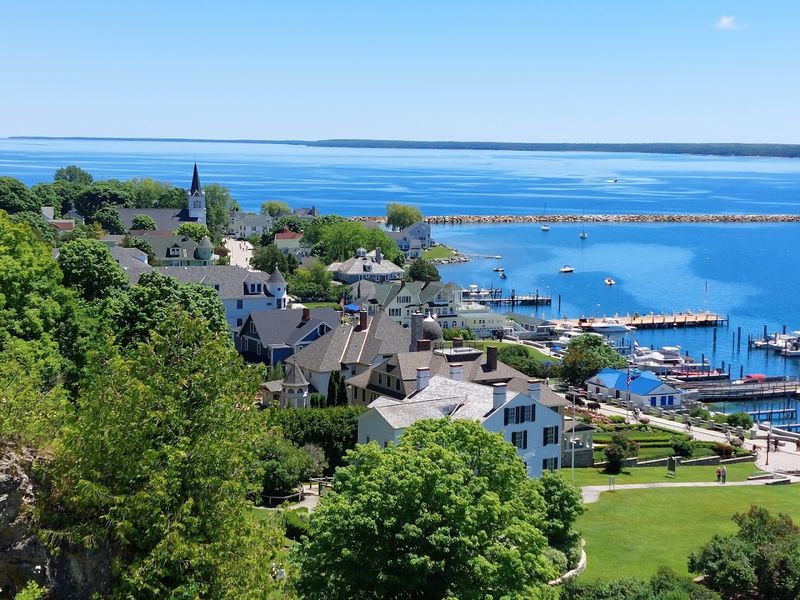
Stepping off the ferry onto Mackinac Island feels like traveling back in time — and that’s not a cliche when you consider there are literally no cars allowed on the island. Horse-drawn carriages, bicycles, and foot traffic are the only ways to get around, which creates an atmosphere that’s genuinely unlike anything else in Michigan.
The absence of engine noise alone transforms the entire experience.
Mackinac Island State Park covers roughly 80 percent of the island, making it one of the most park-dense destinations in the state. The park includes Fort Mackinac, a British-built fortification perched dramatically above the harbor that offers costumed historical reenactments, cannon firings, and sweeping views of the Straits of Mackinac.
History fans will want to budget extra time here.
The interior trails of the island are perfect for cycling, and renting a bike from one of the island’s many outfitters is both easy and affordable. The 8.2-mile paved road circling the island’s perimeter is a classic ride with lake views the entire way.
Heading into the island’s wooded interior reveals natural arches, hidden coves, and quiet forest paths that most day-trippers never discover.
Fudge is practically a religion on Mackinac Island, and the Main Street shops produce it in varieties you won’t find anywhere else. It’s one of those genuine local traditions that has endured for generations, and sampling a few pieces from different shops is practically required.
Don’t skip it out of some misguided attempt at restraint.
Ferry tickets from Mackinaw City or St. Ignace are the main expense, and they’re reasonable for the experience delivered. Park entry itself is free once you’re on the island.
Mackinac Island is one of Michigan’s most iconic destinations for very good reason, and it rewards every single visit with something new to appreciate.
11. Leelanau Scenic Heritage Route
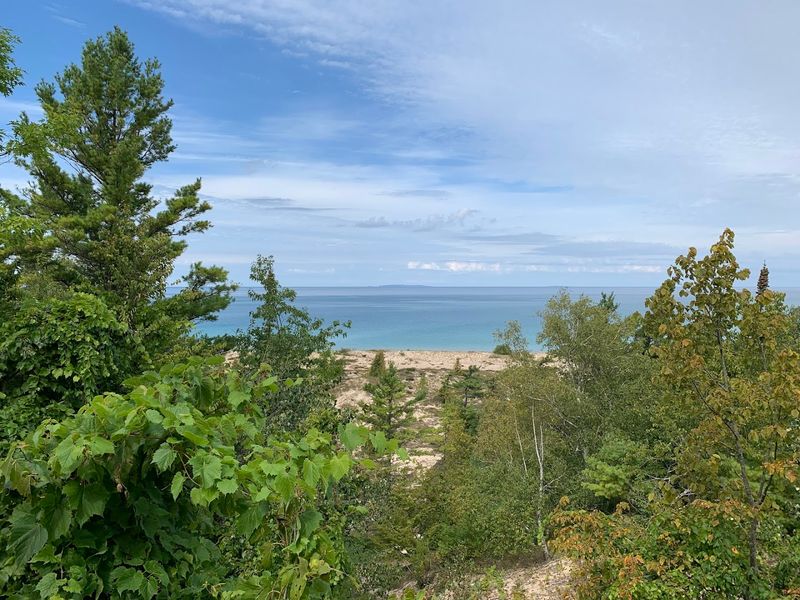
The Leelanau Peninsula is one of those places in Michigan that feels almost unfairly beautiful, as if the state decided to concentrate all of its best scenery into one narrow strip of land jutting into Lake Michigan. The Leelanau Scenic Heritage Route traces the edges and interior of this peninsula, connecting tiny villages, working farms, vineyards, and some of the most jaw-dropping lake views anywhere in the Midwest.
It’s a drive worth taking at any pace.
Starting near Traverse City and winding northward to the tip of the peninsula, the route passes through Suttons Bay, Leland, and Glen Arbor before reaching Northport. Each village has its own personality — Leland with its famous Fishtown shanties along the river, Glen Arbor with its boutique shops and proximity to Sleeping Bear Dunes, and Northport with its quiet harbor and indie bookstore that feels like a discovery even when it’s packed.
The peninsula is also Michigan wine country, and the Leelanau route passes numerous wineries and tasting rooms that welcome visitors year-round. The combination of sandy soils, lake breezes, and long summer days creates ideal growing conditions for cool-climate grapes.
Stopping for a tasting or two adds a leisurely, adult dimension to the drive that pairs well with a cheese board from a local market.
Cherry orchards line many stretches of the route, and if you visit in late summer, you can stop at farm stands for fresh cherries, jams, and dried fruit that taste nothing like what you find in a grocery store. It’s one of those simple pleasures that turns a scenic drive into something genuinely sensory and memorable.
The route is entirely free to drive and can be done in a day with selective stops or stretched into a weekend. Leelanau rewards slow travel and curious detours more than almost any other part of Michigan.
12. Miners Falls
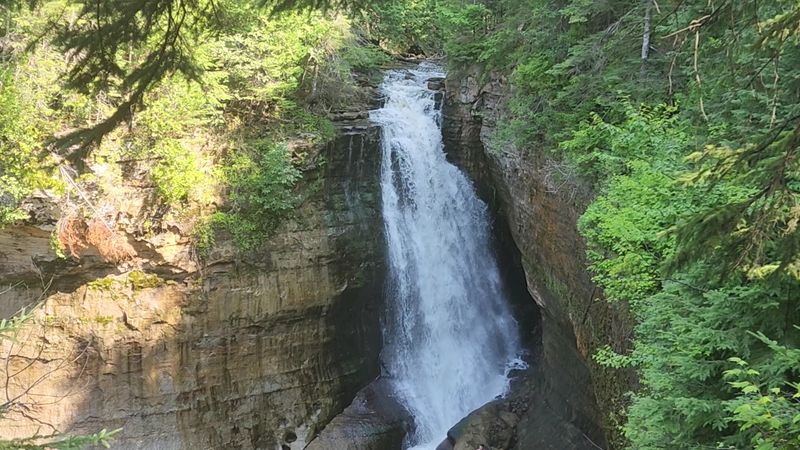
Hidden inside Pictured Rocks National Lakeshore, Miners Falls rewards the modest effort required to reach it with a waterfall that punches well above its weight. The hike to the falls is about 1.2 miles round trip on a well-marked trail through northern hardwood forest, making it one of the most accessible waterfall experiences in the Upper Peninsula.
Even on a busy summer weekend, the trail to Miners Falls tends to feel quieter than you’d expect given how spectacular the payoff is.
The falls themselves drop about 40 feet over a sandstone ledge into a rocky gorge below, creating a powerful, mist-producing cascade that’s especially dramatic after periods of heavy rain or spring snowmelt. Standing at the viewing platform and feeling the cool mist on your face while surrounded by old-growth forest is one of those experiences that resets something in you.
It’s the kind of quiet power that nature does better than anything else.
What makes Miners Falls particularly special is its setting within the broader Pictured Rocks landscape. The Miners Beach trailhead nearby offers access to one of the most beautiful stretches of Lake Superior shoreline in the park, with multicolored sandstone cliffs and clear, cold water that’s breathtaking even when you can’t swim in it.
Combining both stops makes for a deeply satisfying half-day in the park.
The trail is manageable for most fitness levels and is stroller-accessible for much of its length. Dogs are welcome on leash, making it a popular choice for visitors traveling with pets.
The combination of a short hike, a stunning waterfall, and optional beach access is a hard formula to beat in terms of effort-to-reward ratio.
Pictured Rocks is a fee-free national lakeshore, which means Miners Falls costs nothing beyond the gas to get there. Few Michigan day trip stops offer this much natural drama for zero dollars.
13. Holland State Park
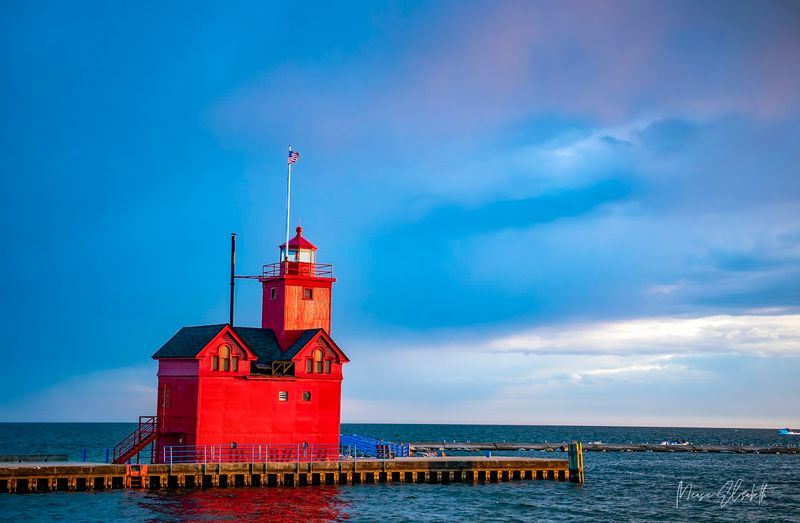
Some places become iconic because they photograph well. Holland State Park has earned its reputation the hard way — by being genuinely, consistently excellent in person.
Sitting at the mouth of Lake Macatawa where it meets Lake Michigan, the park features one of Michigan’s most recognizable landmarks: the Big Red lighthouse, a fire-engine red structure that has been drawing visitors and photographers for well over a century. Seeing it in person for the first time hits differently than any photo prepares you for.
The beach at Holland State Park is among the best in the state. Wide, clean, and backed by rolling dunes, it offers the full Lake Michigan experience — big waves when the wind picks up, calm swimmable water on still summer days, and sunsets that turn the entire sky shades of orange and pink that feel almost theatrical.
The beach can get crowded on summer weekends, but arriving early solves that problem entirely.
The channel between Lake Macatawa and Lake Michigan is a fascinating place to spend time even without swimming. Watching boats navigate the narrow passage while the lighthouse stands watch is endlessly entertaining, and the concrete pier extending into the lake gives you a front-row seat to the action.
Walking the pier to the lighthouse is a classic Holland experience that never gets old.
The park has full camping facilities for those who want to turn the day trip into an overnight, but it works just as well as a quick afternoon escape from Holland’s downtown area. The proximity to the city means you can combine a beach day with dinner at one of Holland’s excellent restaurants without any extra driving.
It’s a perfectly packaged Michigan experience.
A Recreation Passport handles park entry, keeping costs in check. Holland State Park is one of those places that belongs on every Michigan bucket list regardless of how many times you’ve already been.
14. Tahquamenon Falls State Park
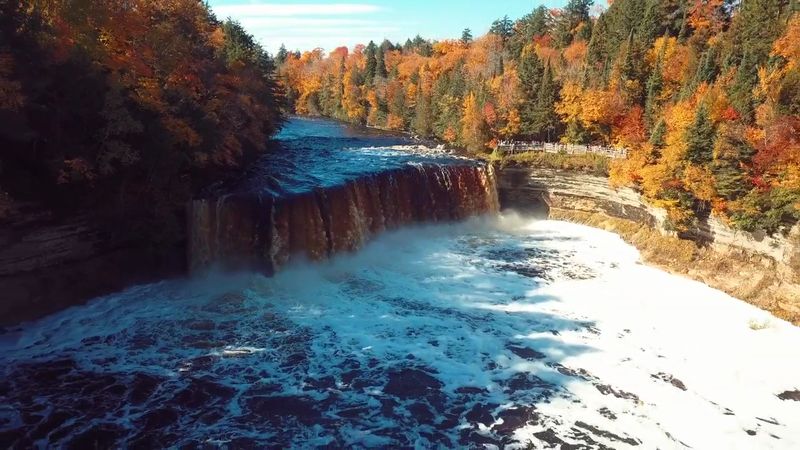
Tahquamenon Falls is one of those natural landmarks that makes you feel genuinely small in the best possible way. Located in the eastern Upper Peninsula near Paradise, Michigan, the Upper Falls is one of the largest waterfalls east of the Mississippi River — stretching nearly 200 feet wide and dropping roughly 50 feet into the river below.
The water runs a distinctive amber-brown color caused by tannins leaching from the cedar swamps upstream, giving the falls a wild, otherworldly appearance unlike any other waterfall in the state.
The park offers two main falls experiences — the Upper Falls and the Lower Falls — connected by a 4-mile trail through old-growth boreal forest that feels genuinely remote even on a busy summer day. At the Lower Falls, visitors can rent rowboats to paddle between two small islands and view the cascades from the water level, which is a unique experience that adds a hands-on element to the visit.
It’s one of those activities that sounds gimmicky but turns out to be genuinely memorable.
The surrounding forest is impressive on its own terms. Ancient hemlocks and white pines tower over the trail, and the sound of the river running through the woods creates a constant, calming backdrop.
Wildlife in the park includes black bears, bald eagles, and a variety of woodland birds, though sightings are never guaranteed and always feel like a bonus.
A small brewery and restaurant operates right inside the park near the Upper Falls, serving food and locally brewed beer with a view of the river. It’s the kind of unexpected amenity that makes a full day here feel well-rounded and celebratory.
Few state parks anywhere in the country offer that combination.
Entry requires a Recreation Passport, and rowboat rentals at the Lower Falls are modestly priced. Tahquamenon Falls State Park is a must-visit UP destination that delivers on every level.
15. Pictured Rocks National Lakeshore
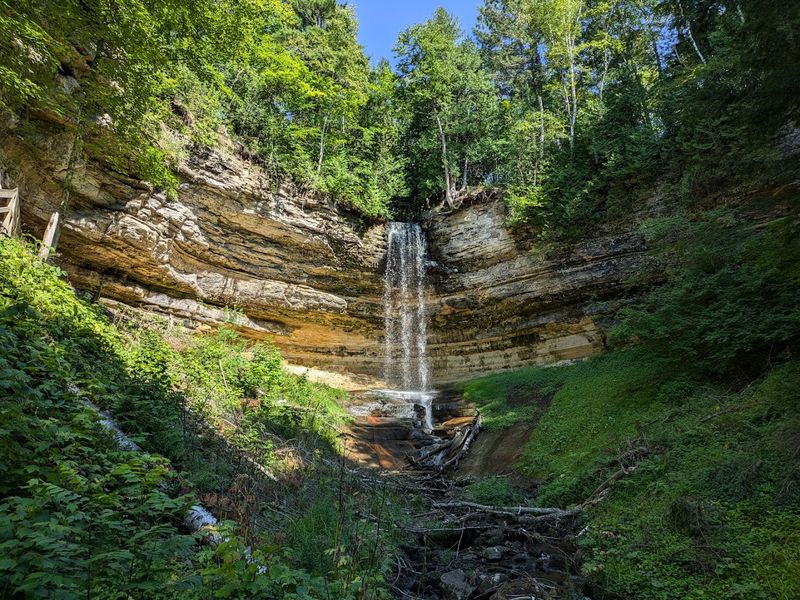
Pictured Rocks National Lakeshore stretches 42 miles along the southern shore of Lake Superior in Michigan’s Upper Peninsula, and it might represent the single most dramatic concentration of natural beauty in the entire state. Towering sandstone cliffs streaked with mineral deposits in shades of orange, green, red, and black rise directly from the lake, creating a geological gallery that took thousands of years to paint.
No filter needed, no hyperbole required — it’s just that good.
The most popular way to experience the cliffs is by boat tour departing from Munising, which puts you right alongside the formations for a perspective that hiking trails simply can’t replicate. Seeing Chapel Rock, Miners Castle, and Lover’s Leap from the water while a guide explains the geology is an experience that stays with you long after the trip ends.
Tours run seasonally and book up quickly, so planning ahead is strongly advised.
For hikers, the North Country Trail through the park offers some of the most spectacular backcountry scenery in the Midwest. Day hike options range from short, accessible walks to the Chapel Falls area to longer routes along the cliff tops with vertiginous views of Lake Superior far below.
The combination of forest, waterfall, and cliff scenery in a single day hike is almost unfair in its generosity.
Kayaking the lakeshore is another incredible option for those with paddling experience and appropriate gear. Getting into sea caves carved into the cliff base and exploring the coastline at water level reveals details and perspectives that no other mode of travel can match.
Several outfitters in Munising offer guided kayak tours for those who want expert navigation.
The park charges no entry fee, making it one of Michigan’s most accessible world-class destinations. Pictured Rocks is the kind of place that makes you proud to live in a state with natural resources this extraordinary.