Tennessee has more to offer than hot chicken and honky-tonks. Sure, Nashville and Memphis get most of the attention, but the really interesting stuff happens in the corners most people skip right past. From ghost-story caves and towering metal sculptures to freshwater pearl farms and dinosaur parks built in someone’s backyard, this state is packed with attractions that feel genuinely unusual.
If you want a Tennessee trip that doesn’t look like everyone else’s Instagram feed, these thirteen spots will give you stories worth telling.
1. Tour the Bell Witch Cave in Adams
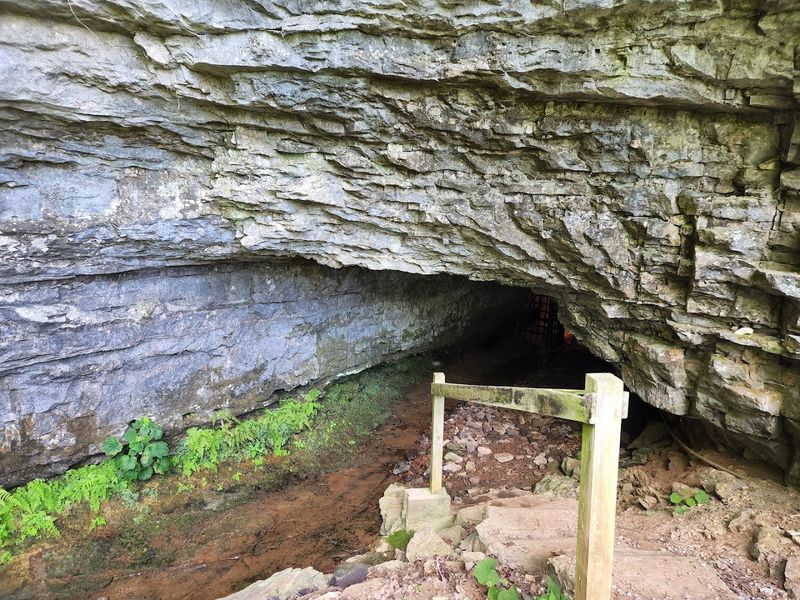
Ghost stories and cave tours don’t usually mix, but Bell Witch Cave manages to pull off both. This isn’t your standard underground geology lesson. The cave sits at the center of one of America’s most famous hauntings, tied to the Bell family and the spirit that supposedly tormented them in the early 1800s.
Guided tours take you through the limestone passages while guides share the folklore that made this place legendary. Lantern tours amp up the spooky factor if you’re visiting after dark. There’s also a haunted cabin on-site that adds another layer to the experience.
What makes this different from other Tennessee caves is the storytelling angle. You’re not just looking at rock formations. You’re walking through a place where locals genuinely believed something supernatural was happening.
The cave stays cool year-round, so bring a light jacket even in summer. Tours run seasonally, and the site is small enough that it never feels overcrowded. It’s the kind of stop that works whether you believe in ghosts or just enjoy a good creepy tale.
Adams is a tiny town, so don’t expect much else nearby. That isolation actually adds to the vibe. You drive out to the middle of nowhere, descend into a dark cave, and hear stories that have been passed down for two centuries.
It feels more like a local secret than a tourist trap, even though people have been visiting for decades.
2. Stand under Billy Tripp’s Mindfield in Brownsville
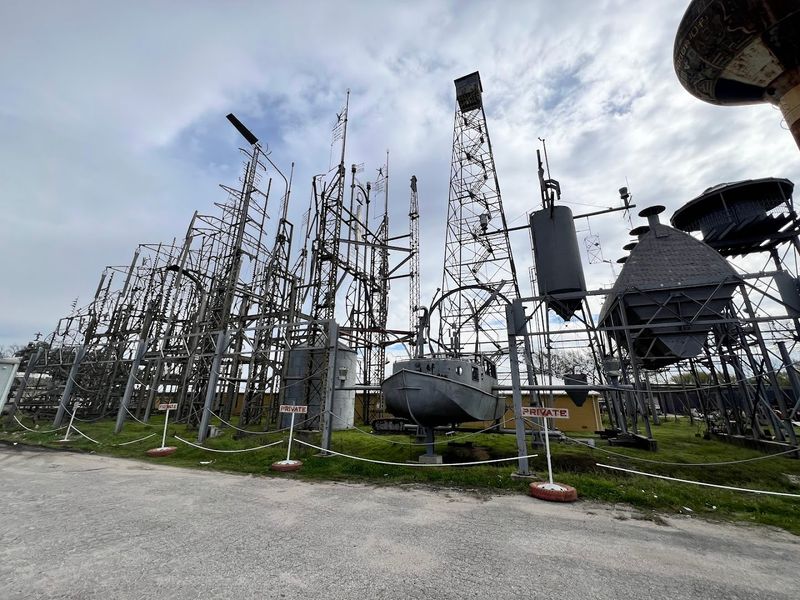
Brownsville has a giant metal sculpture that looks like it escaped from a fever dream. Billy Tripp started building Mindfield in 1989, and he’s still adding to it. The structure rises more than 130 feet into the air, all welded steel and salvaged materials, twisting and climbing in ways that defy easy explanation.
This is outsider art at its most ambitious. Tripp works without blueprints, letting the sculpture evolve as he goes. The result is something you can’t quite categorize—part monument, part autobiography, part architectural experiment.
Standing underneath it feels surreal. The sheer scale makes you tilt your head back and wonder how one person built this thing. Shadows shift as you walk around it, and every angle offers a new perspective on the tangle of beams and platforms above.
Mindfield sits right in downtown Brownsville, free to visit anytime. There’s no admission fee, no gift shop, no guided tour. You just park, get out, and stare.
Local businesses nearby are used to visitors stopping to gawk, so you’ll fit right in.
What makes this stop feel so Tennessee is the mix of ambition and DIY grit. This isn’t a commissioned public art piece funded by a committee. It’s one guy with a welder and a vision, building something massive in a small town because he felt like it.
3. Visit the Crystal Shrine Grotto in Memphis
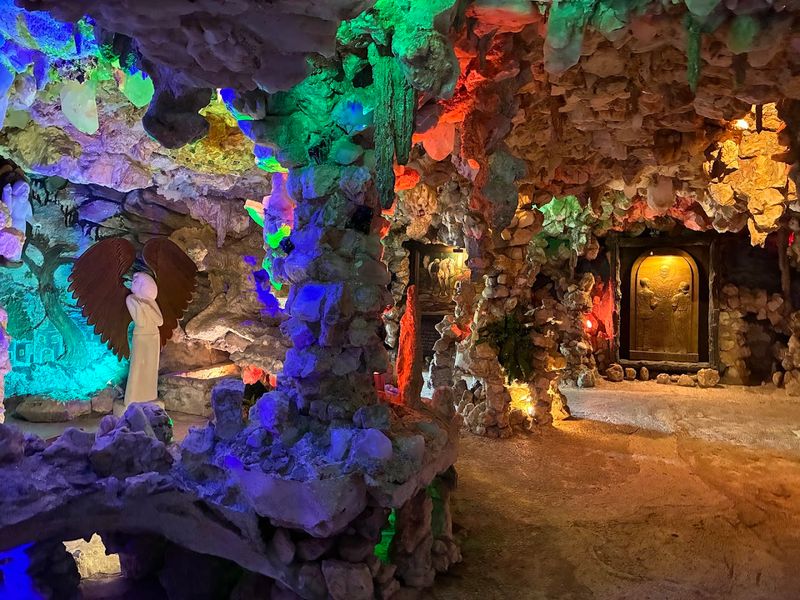
Memphis has a secret hiding inside Memorial Park Cemetery, and most visitors never know it’s there. The Crystal Shrine Grotto is a handmade cave filled with quartz, religious dioramas, stonework, and enough surreal details to make you feel like you’ve stepped into someone’s very specific dream.
Artist Dionicio Rodriguez built the grotto in the 1930s, crafting artificial rock formations and embedding thousands of pieces of crystal into the walls. The result is part folk art, part spiritual space, and entirely unlike anything else you’ll find in Memphis. Scenes from the Bible are recreated in miniature, surrounded by glittering stone and water features.
Walking through the grotto feels like discovering a hidden shrine in a fantasy novel. Light filters through the crystals, reflecting off the water and casting strange patterns on the walls. There’s a wishing pond, stone benches, and quiet corners that invite you to sit and take it all in.
Best of all, it’s completely free. The grotto is open during cemetery hours, and you can explore at your own pace. It’s peaceful, strange, and far removed from the usual Beale Street itinerary.
Most people who visit Memphis stick to downtown, so this spot stays wonderfully uncrowded.
If you want something that feels like a local secret, this is it. The grotto doesn’t advertise itself. You have to seek it out, wander the cemetery paths, and stumble upon this glittering cave tucked between the graves.
4. Tour Brushy Mountain State Penitentiary in Petros
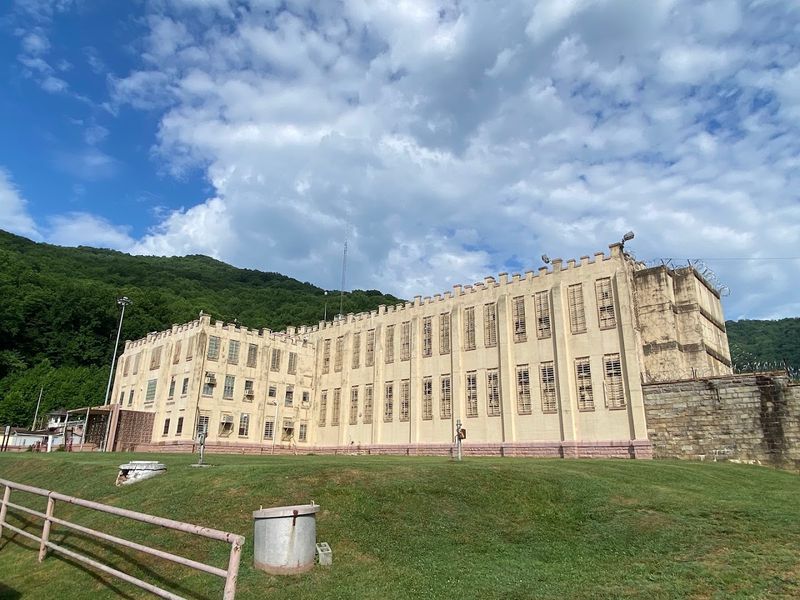
Prisons aren’t usually tourist destinations, but Brushy Mountain State Penitentiary earned its spot on the list. This former maximum-security prison operated for more than a century before closing in 2009. Now it’s open for tours, and the experience is equal parts history lesson and ghost story.
Self-guided tours let you wander through cell blocks, the cafeteria, death row, and the exercise yard at your own pace. Audio guides fill in the details—riots, escape attempts, famous inmates like James Earl Ray. The walls still feel heavy with the weight of all those years.
Group tours add more context, with guides sharing stories that didn’t make it into the official records. Paranormal tours lean into the eerie side, exploring the prison after dark with ghost-hunting equipment. Whether or not you believe in spirits, walking those halls at night hits differently.
The prison sits in the mountains near Wartburg, surrounded by the kind of isolation that made escape nearly impossible. The setting alone makes the visit feel more intense. You can see why inmates called it the hardest time in Tennessee.
There’s also a distillery on-site now, which feels like the most Tennessee solution to repurposing a prison. You can tour the cells and then grab a drink made in the old prison yard. It’s dark, it’s historic, and it’s way more interesting than another downtown museum stop.
5. Walk through Backyard Terrors Dinosaur Park in Bluff City
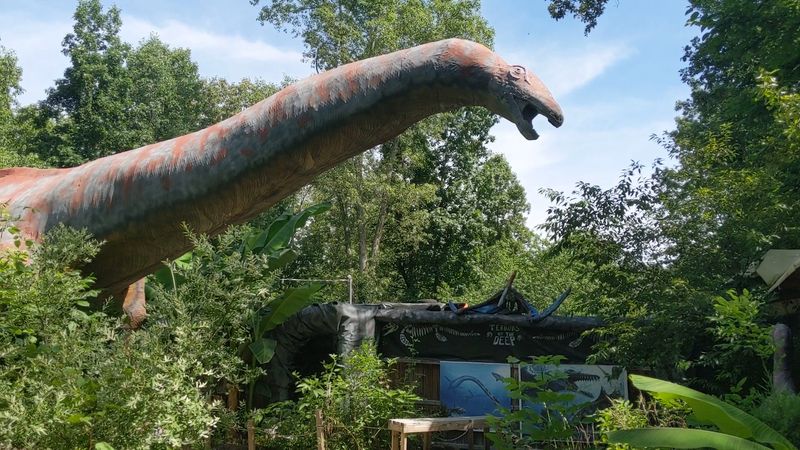
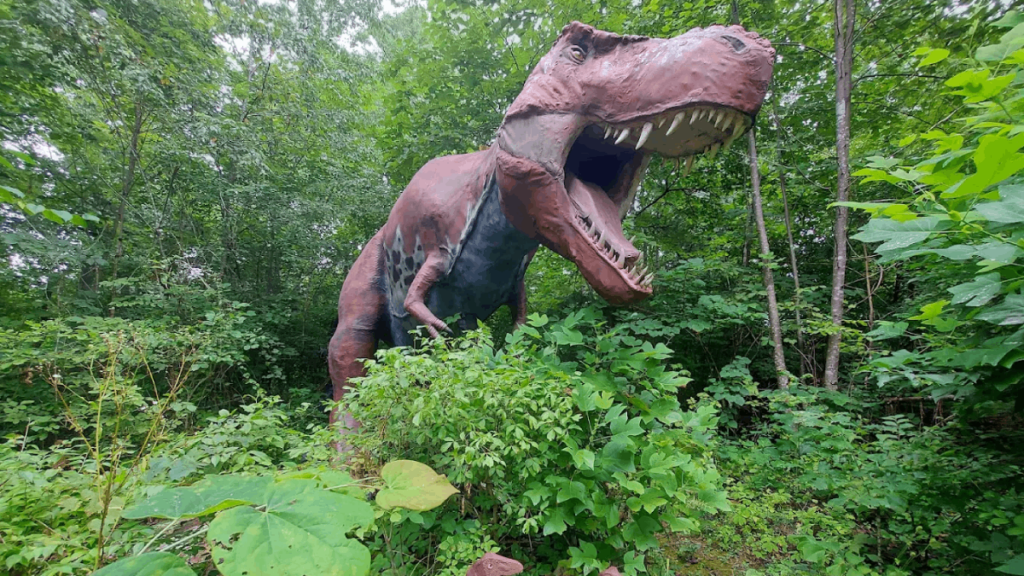
Someone in Bluff City decided to fill their property with more than 100 dinosaur sculptures, and the result is gloriously weird. Backyard Terrors isn’t a slick theme park with corporate sponsors. It’s a homemade dinosaur park that feels like one person’s obsession turned into a public attraction.
Walking trails wind through the property, past dinosaurs of all sizes and species. The centerpiece is a 67-foot Apatosaurus that towers over everything else. Some sculptures are painted in bright colors; others look more weathered and realistic.
Kids love it because dinosaurs are always a hit. Adults love it because it’s so wonderfully odd. You can tell this wasn’t built by a committee or designed to maximize ticket sales.
It’s just someone who really, really wanted to build a dinosaur park, so they did.
The park is family-friendly, affordable, and small enough that you can walk through in an hour or two. There’s no pressure to spend all day or buy overpriced souvenirs. You pay your admission, wander the trails, take photos with giant prehistoric creatures, and leave with a story about the dinosaur park you found in rural Tennessee.
Backyard Terrors captures the spirit of offbeat Tennessee perfectly. It’s not trying to be fancy or compete with Dollywood. It’s just doing its own thing, and that authenticity makes it way more memorable than anything mass-produced.
If you appreciate roadside attractions with personality, this one delivers.
6. Explore Tennessee’s freshwater pearl farm in Camden

Tennessee has a pearl farm, and yes, that’s as unexpected as it sounds. The Tennessee River Freshwater Pearl Museum, Farm, Tour and Jewelry Showroom sits at Birdsong Resort and Marina on Kentucky Lake. This is one of those niche attractions that makes you stop and wonder how you never knew this existed.
Tours explain the entire pearl culturing process, from inserting the nucleus into the mussel to harvesting the finished pearl years later. You’ll see the farm operation up close, learn about the different types of pearls produced, and probably leave with way more knowledge about freshwater mussels than you expected to have.
The jewelry showroom lets you see (and buy) pearls that were actually grown in Tennessee waters. The colors range from white and pink to purple and even peacock shades. Each pearl is unique, shaped by the river and the mussel that created it.
What makes this stop so interesting is how specific it is. This isn’t a general aquarium or a nature center trying to cover every topic. It’s entirely focused on one thing: pearls. That narrow focus means you get real depth and expertise instead of surface-level information.
The farm is located on Kentucky Lake, so the setting is scenic and peaceful. You can combine the pearl tour with time at the marina or a meal at the resort. It’s a low-key stop that fits nicely into a day of exploring western Tennessee.
7. Kayak or boat through Reelfoot Lake’s flooded cypress forest
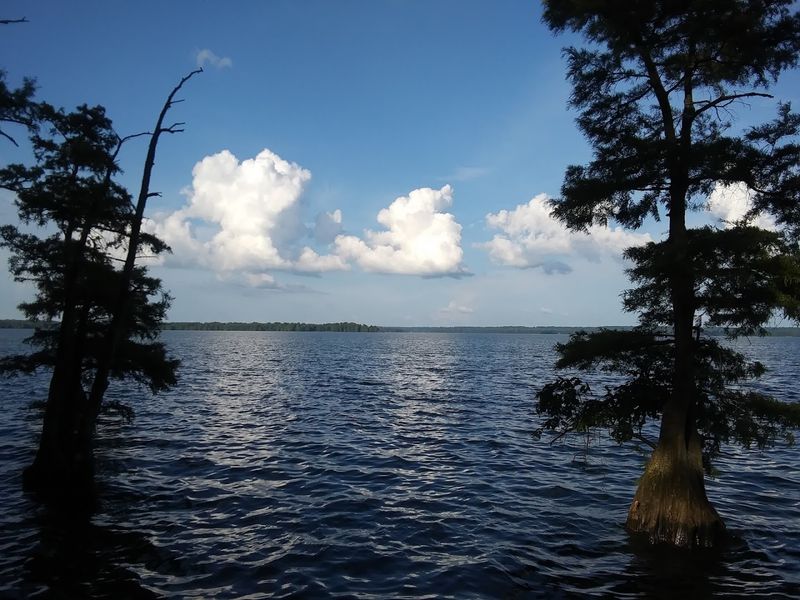
Reelfoot Lake doesn’t look like any other lake in Tennessee because it wasn’t supposed to exist. The New Madrid earthquakes of 1811-1812 shook the ground so hard that the Mississippi River flowed backward and flooded a massive area. The result is Tennessee’s only large natural lake, filled with cypress trees, submerged stumps, and eerie swamp scenery.
Kayaking through the flooded forest feels like paddling through a different world. Cypress trees rise out of the water, their roots tangled and exposed. Stumps jut up around you, creating a maze of channels to explore.
The water is shallow and dark, reflecting the trees and sky in ways that make distance hard to judge.
Birds flock to Reelfoot in massive numbers, especially during migration seasons. Bald eagles winter here, perched in the bare trees and hunting over the water. Great blue herons stalk the shallows, and ducks cover the lake in rafts.
If you’re into birdwatching, this place is legendary.
Boat tours are available if you’d rather have a guide handle the navigation. They’ll take you through the best channels, point out wildlife, and share the lake’s earthquake origin story. Kayak and canoe rentals let you explore at your own pace.
Reelfoot sits in the far northwest corner of Tennessee, close to the Kentucky border. It’s remote enough that you won’t stumble across it by accident. The lake’s isolation and strange beauty make it worth the drive, especially if you want water scenery that doesn’t look like a typical Tennessee reservoir.
8. See 20,000 salt and pepper shakers in Gatlinburg

Gatlinburg is packed with tourist traps, but this museum is so specific and strange that it transcends the usual kitschy nonsense. The Salt and Pepper Shaker Museum houses more than 20,000 sets of shakers from around the world, plus a collection of giant pepper mills that borders on absurd.
Walking through the museum is like stepping into someone’s very dedicated obsession. Shakers shaped like animals, buildings, cartoon characters, and objects you wouldn’t think could be turned into shakers line the walls. There are vintage sets from the 1940s, novelty sets from roadside diners, and international sets that show how different cultures approached the simple task of holding salt and pepper.
The pepper mill collection is equally impressive. Some are taller than a person, ornately carved and clearly never meant for actual use. Others are miniature works of art.
The sheer variety makes you realize how much creativity people have poured into such a mundane kitchen tool.
Admission is cheap, and the museum is small enough that you can see everything in under an hour. It’s air-conditioned, which makes it a nice break from Gatlinburg’s summer crowds. The gift shop sells—surprise—salt and pepper shakers, in case you want to start your own collection.
9. Take the “Behind the Fence” Oak Ridge bus tour
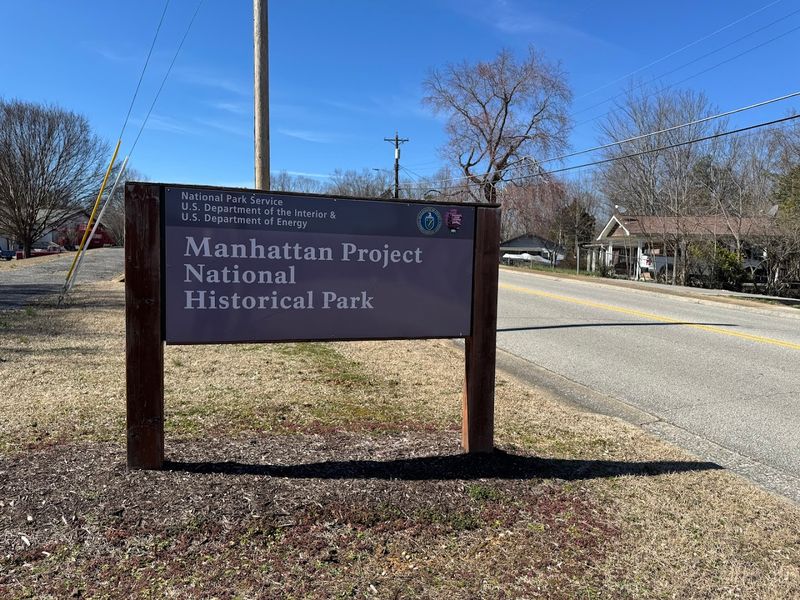
Oak Ridge isn’t your typical Tennessee town, and the “Behind the Fence” bus tour isn’t your typical history lesson. During World War II, Oak Ridge was built in secret as part of the Manhattan Project. Thousands of people lived and worked here, enriching uranium for the atomic bomb without knowing exactly what they were building.
The Department of Energy and the American Museum of Science and Energy offer guided bus tours that take you to sites most people never see. You’ll visit Oak Ridge National Laboratory, K-25 (the gaseous diffusion plant), and Y-12’s New Hope Visitor Center. Security clearance isn’t required, but you do need to book in advance and follow the rules.
What makes this tour so unusual is the access. These aren’t museums or reconstructions. They’re active or recently decommissioned facilities tied to one of the most significant scientific and military projects in history.
Walking through these spaces feels heavy with the weight of what happened here.
Guides explain the science, the secrecy, and the ethical questions that still surround the Manhattan Project. You’ll learn about the people who lived in Oak Ridge, working long hours on a project they couldn’t discuss even with their families. The town was erased from maps, and residents couldn’t tell anyone where they lived.
This isn’t a lighthearted tourist stop, but it’s fascinating if you’re interested in history, science, or the intersection of the two.
10. Step into the International Towing & Recovery Museum in Chattanooga
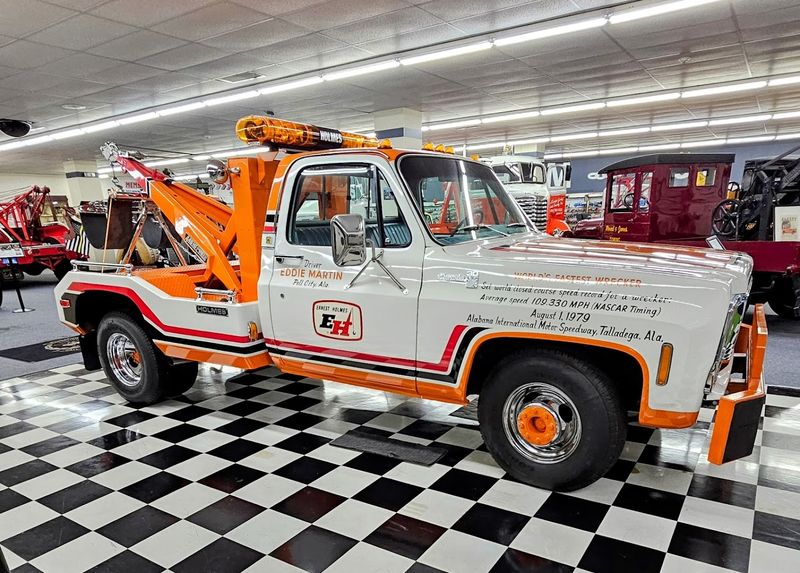
Chattanooga claims a surprising title: birthplace of the American towing industry. Ernest Holmes invented the first tow truck here in 1916, and the city has been celebrating that legacy ever since. The International Towing & Recovery Museum is wonderfully niche, dedicated entirely to the history and culture of towing.
The museum displays historic tow trucks from different eras, showing how the technology evolved from simple winches to the sophisticated recovery vehicles used today. Vintage gas pumps, pedal cars, and a massive toy tow truck collection round out the exhibits. There’s even a Wall of the Fallen honoring tow truck operators who died on the job.
What makes this museum work is the genuine enthusiasm behind it. The staff clearly love the subject, and that passion makes even a topic as specific as towing feel interesting. You’ll learn about the engineering challenges, the dangers of the job, and the culture that grew up around the industry.
The museum is small and affordable, making it an easy stop if you’re already exploring Chattanooga. It’s family-friendly, and kids tend to enjoy the trucks and toy collections. Adults appreciate the quirky focus and the chance to learn about something they’ve never thought about before.
Niche museums like this one capture a side of Tennessee that doesn’t make it into the glossy travel guides. It’s not trying to be the biggest or the flashiest. It’s just telling a story that matters to the people here, and doing it with enough care that visitors leave genuinely entertained.
11. Tour Historic Rugby, Tennessee
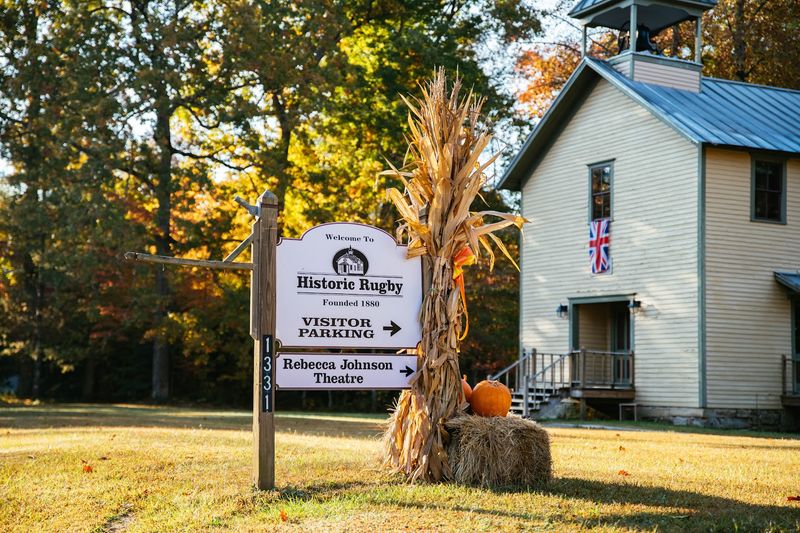
Historic Rugby feels like it shouldn’t exist in Tennessee. This Victorian village was founded in 1880 by British author Thomas Hughes as a utopian colony for younger sons of the English gentry. The experiment didn’t last long, but the village survived, and today it’s one of the most unusual historic sites in the state.
Touring the preserved buildings takes you back to a very specific moment in time. The architecture is distinctly British, with Gothic Revival details and gardens that feel more like the English countryside than the Cumberland Plateau. The Hughes Free Public Library was the first free public library in the South, and it still holds thousands of Victorian-era books.
Guides share the story of the colony’s rise and fall. The settlers struggled with the harsh terrain, disease, and the reality that most of them had no practical farming skills. Within a few years, the utopian dream collapsed, but a few families stayed, and their descendants helped preserve what remained.
The village hosts events throughout the year, including craft demonstrations, historical reenactments, and seasonal festivals. There are also hiking trails nearby if you want to explore the surrounding forest. The setting is remote and peaceful, far from any major highways or tourist crowds.
12. Go underground at Cumberland Caverns in McMinnville
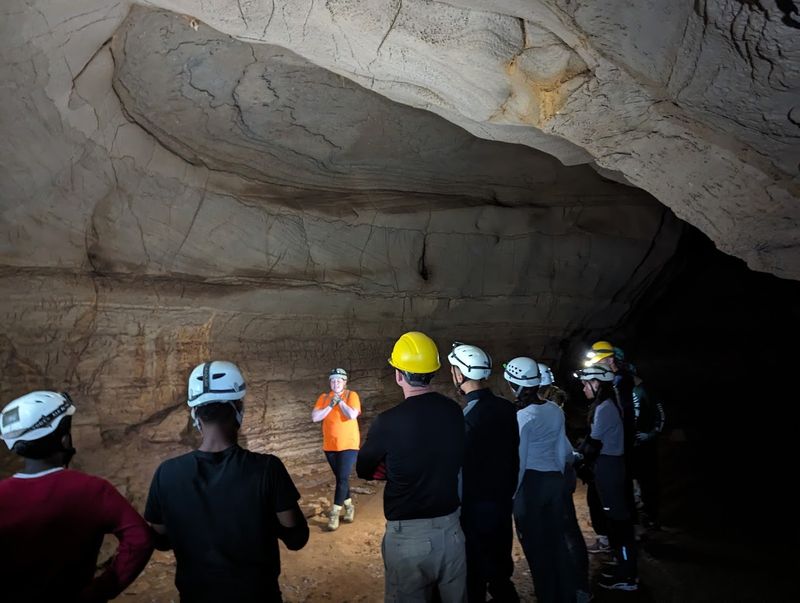
Cumberland Caverns offers more than the standard cave tour, though the basic geology is impressive enough on its own. This massive cave system stretches for miles underground, filled with stalactites, flowstone formations, and rooms large enough to host concerts. Yes, concerts—more on that in a moment.
Lantern tours let you explore the cave by candlelight, which adds atmosphere and makes you appreciate how early explorers navigated these passages. Adventure tours take you off the paved paths into more challenging sections, where you’ll crawl, climb, and squeeze through tight spaces. Overnight cave packages let you sleep underground, which is exactly as strange and cool as it sounds.
The Volcano Room is the cave’s most famous feature, a natural amphitheater with incredible acoustics. Public concerts are currently listed as postponed indefinitely, but the room is still part of the tour, and private events still happen. Standing in that space, even without music, gives you a sense of how unique it is.
Cumberland Caverns sits near McMinnville, far enough from major cities that it stays relatively uncrowded. The tours are well-run, with knowledgeable guides who mix geology with local history and folklore. The cave stays at a constant cool temperature year-round, so dress accordingly.
If you’ve done the usual Tennessee cave tours and want something more adventurous, Cumberland Caverns delivers. The variety of tour options means you can customize the experience to your comfort level. Whether you stick to the paved paths or venture into the wild sections, you’re exploring one of the state’s most impressive underground landscapes.
13. Visit the Museum of Appalachia in Clinton
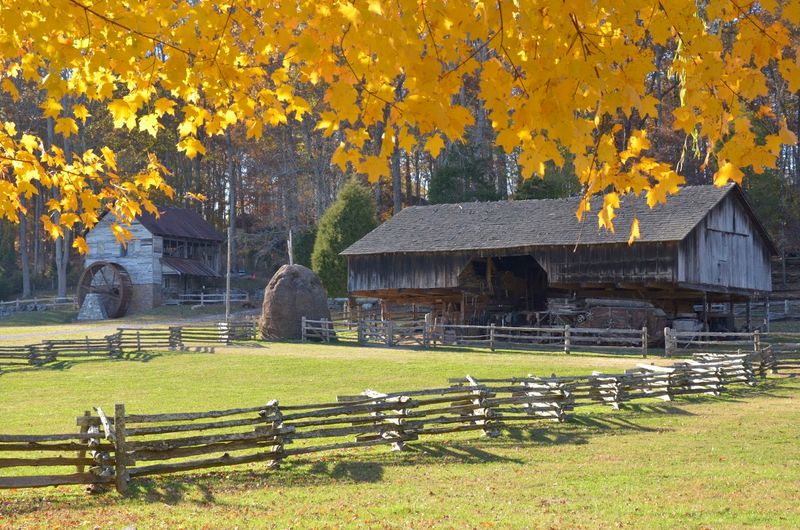
The Museum of Appalachia isn’t flashy, and that’s exactly the point. This living-history-style village preserves everyday Appalachian mountain life through cabins, tools, folk art, and thousands of artifacts that most museums would overlook. It’s deeply specific, rooted in regional culture, and genuinely unusual if you want something authentic.
Walking through the village feels like stepping into a different era. Log cabins furnished with handmade quilts, cast-iron cookware, and simple furniture show how mountain families lived. Barns hold collections of farming tools, blacksmithing equipment, and the kind of everyday objects that tell more about daily life than any grand historical narrative.
The folk art collection is extensive, featuring whittled figures, painted signs, handmade instruments, and other examples of mountain creativity. Music is a big part of Appalachian culture, and the museum honors that with displays of dulcimers, banjos, fiddles, and other traditional instruments. Seasonal festivals bring musicians to the village for live performances.
What makes this museum stand out is the attention to detail. Founder John Rice Irwin spent decades collecting these artifacts, often traveling deep into the mountains to find pieces that represented authentic mountain life. The result is a collection that feels personal and respectful, not sanitized or romanticized.
The museum sits near Clinton, just off I-75, making it an easy stop if you’re traveling through East Tennessee. It’s not the kind of place that demands hours, but it rewards slow exploration and genuine curiosity about how people lived before modern conveniences.