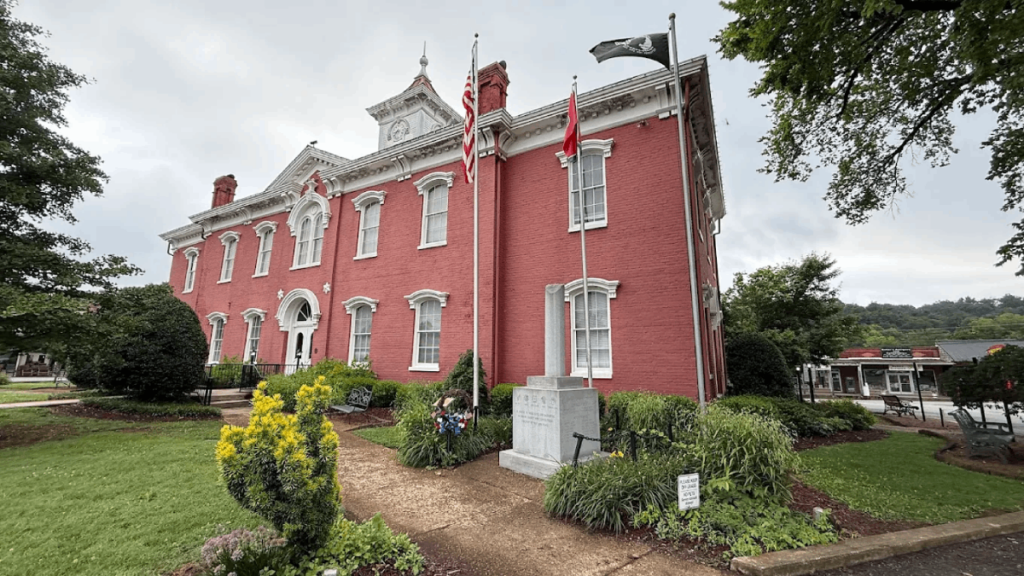
Tennessee is filled with charming small towns that feel like they’ve been frozen in time, offering a welcome escape from the rush of modern life. These communities preserve the best of Southern hospitality, historic architecture, and natural beauty while maintaining their unique character and traditions.
Whether you’re drawn to mountain views, riverside calm, or brick-lined Main Streets filled with local shops, these ten towns offer unforgettable experiences. Get ready to discover places where life moves a little slower and every corner tells a story worth hearing.
1. Jonesborough
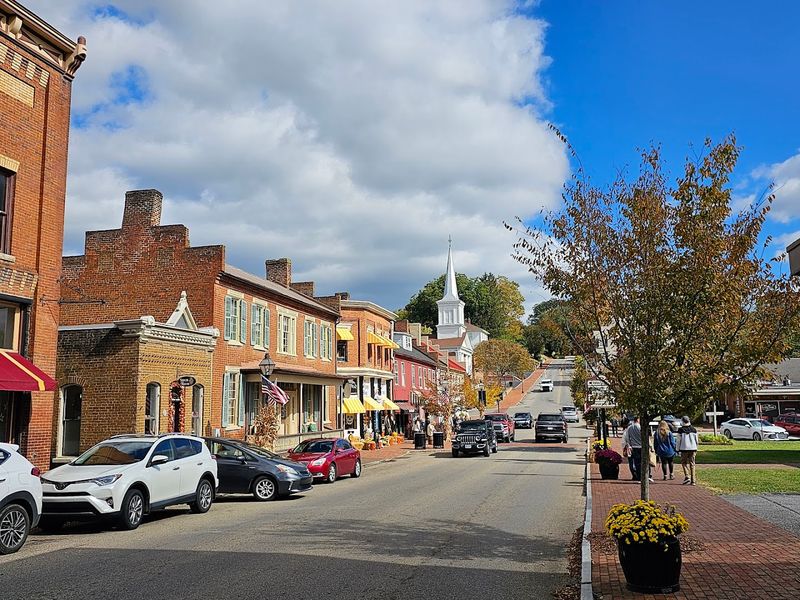
Walking through Jonesborough feels like stepping onto a movie set designed to capture small-town America at its finest. Tennessee’s oldest town wears its age proudly, with beautifully preserved buildings lining streets that have witnessed centuries of history. The brick sidewalks and vintage storefronts create an atmosphere that’s both nostalgic and inviting.
What really sets this town apart is its deep connection to storytelling. Every October, thousands gather here for the National Storytelling Festival, transforming the entire downtown into a celebration of oral tradition. Even outside festival season, you’ll find storytelling woven into the fabric of daily life, from the tales shared in local shops to the historical markers that bring the past to life.
The downtown area is compact enough to explore on foot but packed with enough character to keep you entertained for hours. Antique stores, art galleries, and locally-owned restaurants occupy buildings that date back to the 1700s and 1800s. You can grab lunch at a café where Andrew Jackson once stopped or browse books in a shop housed in a former general store.
Jonesborough doesn’t try to be anything other than what it is—a genuine Tennessee treasure that values heritage without feeling stuck in the past. The community maintains its historic buildings with care while supporting local businesses that give the town continued vitality.
Whether you’re a history buff, a lover of the arts, or simply someone who appreciates authentic small-town charm, Jonesborough delivers an experience that feels both timeless and refreshingly real.
2. Bell Buckle
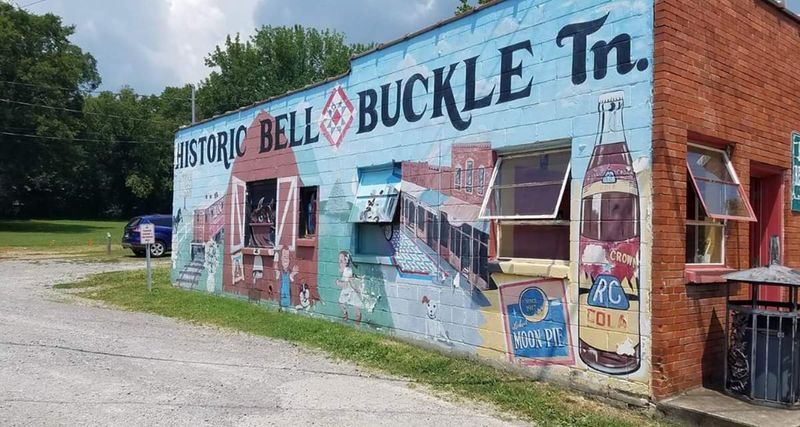
Bell Buckle proves that great things come in small packages—this tiny town packs more personality per square foot than places ten times its size. With a population that barely breaks 500, Bell Buckle has become a destination for people seeking authentic Southern charm and creative energy. The downtown strip might only span a few blocks, but those blocks are filled with treasures.
Antique hunters consider Bell Buckle something of a pilgrimage site. Shop after shop offers carefully curated collections of vintage furniture, retro signs, old books, and quirky collectibles that tell stories of Tennessee’s past. The owners typically know the history behind their wares and love sharing those details with curious visitors.
The artistic spirit runs deep here, with galleries showcasing local painters, potters, and craftspeople alongside the antique stores. Several festivals throughout the year bring even more creative energy to town, including the RC Cola and Moon Pie Festival that celebrates Southern snack culture with genuine affection and zero irony. It’s exactly the kind of quirky tradition that makes Bell Buckle special.
Don’t let the small size fool you into thinking there’s nothing to do. The town’s cafés and restaurants serve up genuine Southern cooking, from plate lunches to homemade pies that taste like they came from your grandmother’s kitchen. The old storefronts have been lovingly maintained, creating a streetscape that photographers adore.
Bell Buckle manages to feel both discovered and undiscovered at the same time—popular enough to support thriving businesses but still intimate enough that locals greet you like neighbors. It’s the kind of place that makes you want to slow down and savor every moment.
3. Leiper’s Fork
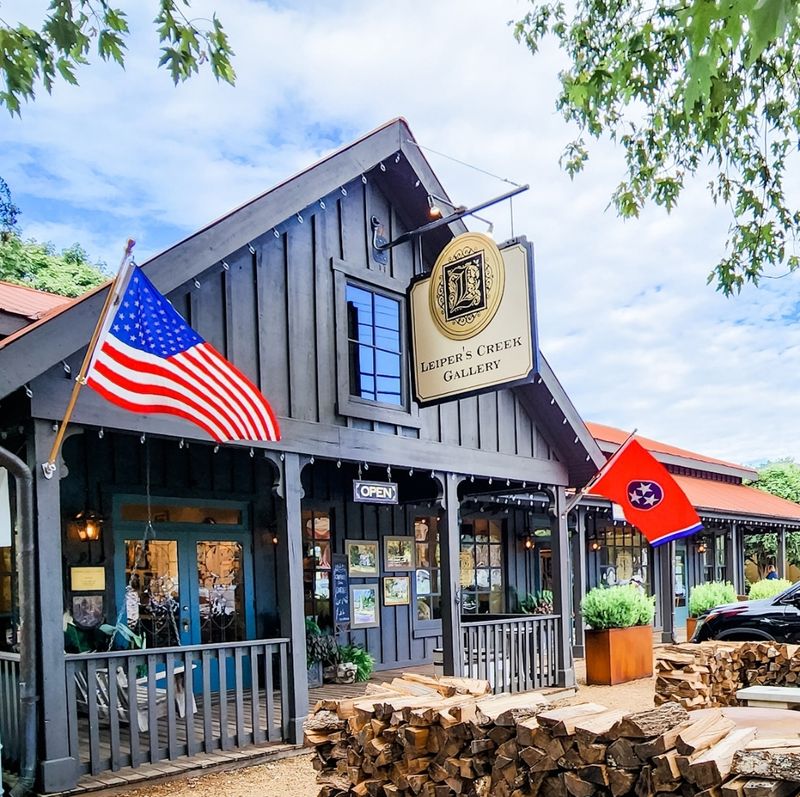
Tucked into the rolling hills south of Nashville, Leiper’s Fork has mastered the art of staying true to itself while welcoming visitors with open arms. This unincorporated community maintains a village atmosphere that feels worlds away from the suburban sprawl creeping through Williamson County. Country roads wind past historic homes, horse farms, and woodlands that have changed little over the decades.
The compact village center pulses with creative energy. Art galleries showcase everything from traditional landscapes to contemporary pieces by Tennessee artists. Live music spills out from Puckett’s Grocery, where locals and visitors gather for Southern comfort food and impromptu performances by Nashville songwriters testing new material.
Shopping in Leiper’s Fork means discovering one-of-a-kind items rather than mass-produced souvenirs. Boutiques offer handmade jewelry, custom leather goods, and home décor pieces you won’t find anywhere else. The owners often work in their shops, creating pieces while chatting with customers about their process and inspiration.
What makes Leiper’s Fork particularly special is how it balances preservation with progress. The community fiercely protects its rural character and historic buildings while supporting businesses that bring vitality to the area. You’ll see preserved log cabins next to working studios, historic churches alongside modern galleries.
Weekend visits can get busy, especially during special events, but even then the town never feels overcrowded or commercialized. Leiper’s Fork proves you don’t need to sacrifice authenticity to create a thriving community—you just need people who care enough to get the balance right.
4. Dandridge
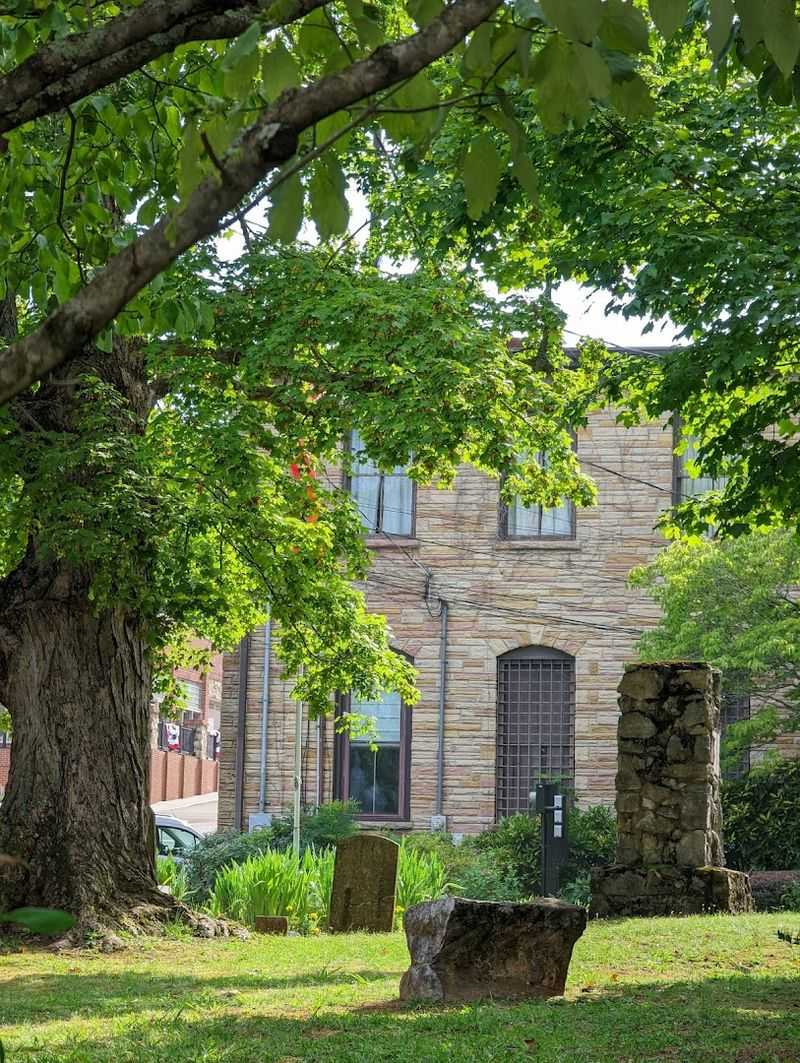
Perched on the shores of Douglas Lake in East Tennessee, Dandridge combines historical significance with natural beauty in ways that few small towns manage. As Tennessee’s second-oldest town, Dandridge has stories that stretch back to the late 1700s, when it was named after Martha Dandridge Washington.
The historic downtown survived even when the Tennessee Valley Authority flooded surrounding areas to create Douglas Lake, thanks to community efforts that literally moved buildings to higher ground.
The courthouse square serves as the town’s heart, surrounded by buildings that showcase various architectural styles from different eras of Tennessee history. Walking these streets feels like flipping through a history book, except the chapters are still being written by the families and businesses that call Dandridge home. Several buildings house antique shops where you can find everything from Civil War memorabilia to mid-century modern furniture.
Douglas Lake adds a recreational dimension that sets Dandridge apart from purely historic towns. The massive reservoir offers fishing, boating, and waterfront dining with mountain views that remind you why East Tennessee attracts nature lovers. You can spend the morning exploring historic sites and the afternoon on the water without driving more than a few minutes.
Dandridge hasn’t been discovered by mass tourism yet, which means you’ll encounter genuine small-town hospitality rather than rehearsed tourist-industry friendliness. Local restaurants serve regional specialties, shops close when owners need to run errands, and conversations happen naturally. The town celebrates its heritage through festivals and preservation efforts while remaining a real community where people live and work.
5. Granville
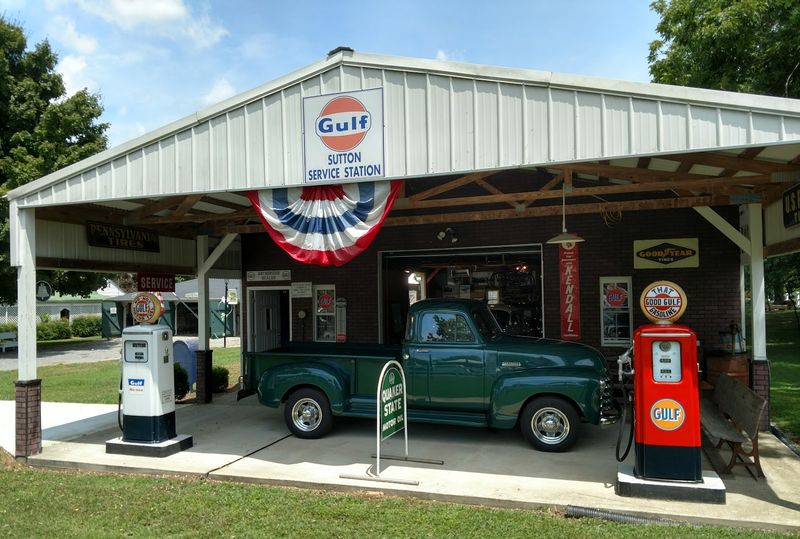
Granville sits quietly along the Cumberland River, seemingly content to let busier towns grab the spotlight while it preserves a way of life that’s rapidly disappearing elsewhere. This Jackson County community moves at a pace that encourages you to exhale and remember what matters. The river flows past like it has for centuries, and the town’s handful of streets feel more like a neighborhood than a commercial district.
The museums here punch well above their weight for such a small town. Local historians have assembled collections that document rural Tennessee life with genuine care and attention to detail. You’ll find farm equipment, household items, photographs, and artifacts that tell the story of generations who worked this land and built their lives along the Cumberland.
These aren’t fancy, high-tech exhibits—they’re honest presentations of real history by people who lived it or heard the stories directly from those who did.
The general store maintains traditions that have vanished from most of America. It’s not a theme-park recreation but an actual functioning store where locals shop and visitors can experience what commerce looked like before big-box retailers. The building itself tells stories through its worn floors, vintage signs, and shelves stocked with both practical goods and nostalgic treats.
Granville doesn’t offer luxury accommodations or trendy restaurants, and that’s entirely the point. People come here specifically because it hasn’t been polished and packaged for tourists. The town represents Tennessee as it was—and in some ways still is—in rural communities where neighbors know each other and life follows rhythms set by seasons rather than social media trends.
6. Townsend
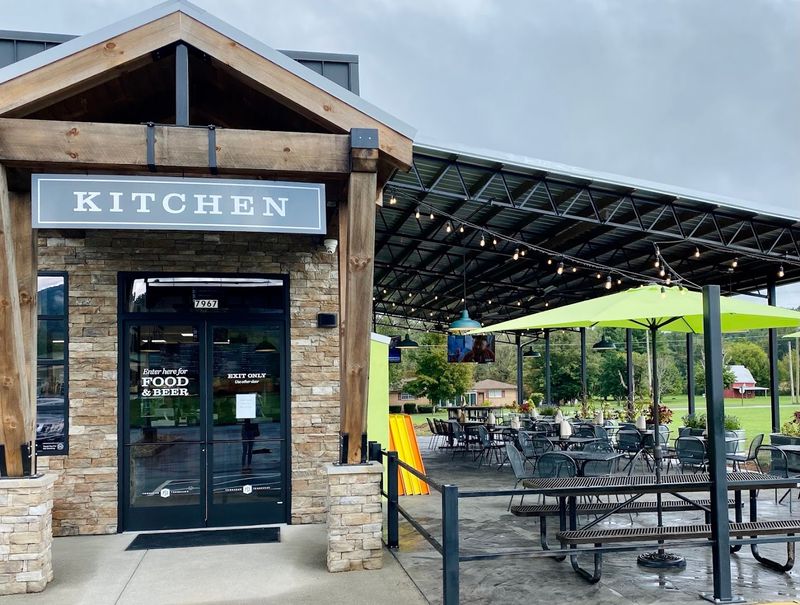
Townsend calls itself the “peaceful side of the Smokies,” and that’s not marketing spin—it’s an accurate description of what makes this town special. While Gatlinburg and Pigeon Forge embrace neon lights and tourist attractions, Townsend offers a completely different way to experience the Great Smoky Mountains. Here, you can actually hear the streams, see the stars, and feel like you’re in the wilderness rather than an amusement park.
The town serves as a gateway to the less-traveled western entrance of Great Smoky Mountains National Park. Cades Cove, one of the park’s most beloved destinations, sits just minutes away, offering wildlife viewing, historic buildings, and scenic drives without the bumper-to-bumper traffic that plagues other park entrances.
You can hike trails that lead to waterfalls, old-growth forests, and mountain views that will make you understand why people fall in love with Tennessee.
Townsend itself maintains a low-key atmosphere that appeals to people seeking mountain experiences without commercial chaos. Local lodges, cabins, and bed-and-breakfasts provide comfortable accommodations without the mega-resort vibe. Restaurants focus on good food rather than gimmicks, and shops sell outdoor gear and local crafts instead of mass-produced souvenirs emblazoned with cartoon characters.
The Little River runs right through town, providing a constant soundtrack of flowing water and opportunities for tubing, fishing, and simply sitting by the banks with your thoughts. Families discover that kids can safely explore here, riding bikes on quiet roads and playing in streams without constant supervision. Townsend proves that you don’t need artificial entertainment when you’re surrounded by natural beauty.
It’s the perfect base for people who want Smoky Mountain experiences with solitude and authenticity rather than crowds and commercialization.
7. Lynchburg
Lynchburg’s fame rests largely on a certain whiskey distillery, but reducing this Moore County seat to just Jack Daniel’s would miss the bigger picture. Yes, the distillery tours draw visitors from around the world, and yes, the irony of a world-famous whiskey being made in a dry county adds to the mystique. But Lynchburg itself deserves attention as a remarkably well-preserved example of small-town Tennessee life.
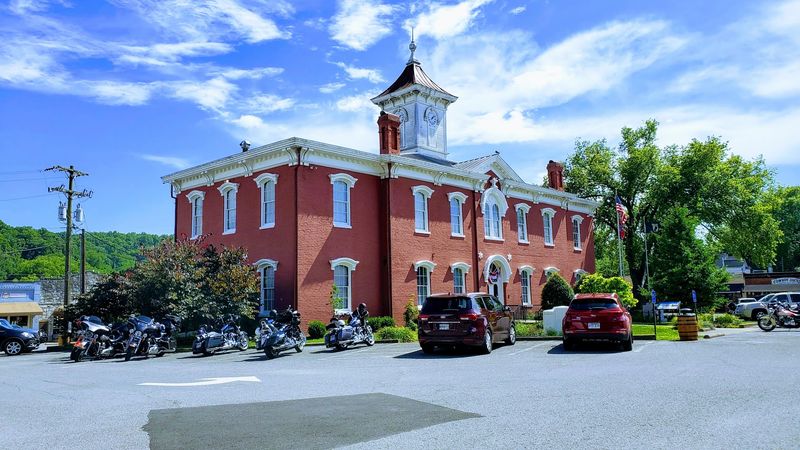
The town square looks like it was designed by someone who truly understood what makes Southern towns special. The red brick courthouse anchors the center, surrounded by buildings housing hardware stores, cafés, and shops that have served locals for generations. Miss Mary Bobo’s Boarding House continues a tradition of communal Southern dining that dates back to the 1800s, serving family-style meals that bring strangers together around shared tables.
Walking Lynchburg’s streets, you’ll notice the pace is genuinely slower here. People stop to chat, store owners remember regular customers, and life follows patterns that feel comfortingly predictable. The town hasn’t been frozen in amber—businesses adapt and change—but the underlying character remains consistent.
This is still a place where community matters and traditions are honored.
Beyond the distillery, Lynchburg offers antique shopping, local crafts, and the kind of Southern hospitality that’s become rare in more touristed areas. The surrounding countryside features rolling hills, horse farms, and winding roads perfect for scenic drives. You can easily spend a full day here, starting with a distillery tour, enjoying a traditional Southern lunch, browsing shops, and finishing with a drive through the beautiful Moore County landscape.
Lynchburg manages to welcome thousands of visitors while maintaining its small-town soul—a balancing act that many communities attempt but few achieve as successfully.
8. Sweetwater
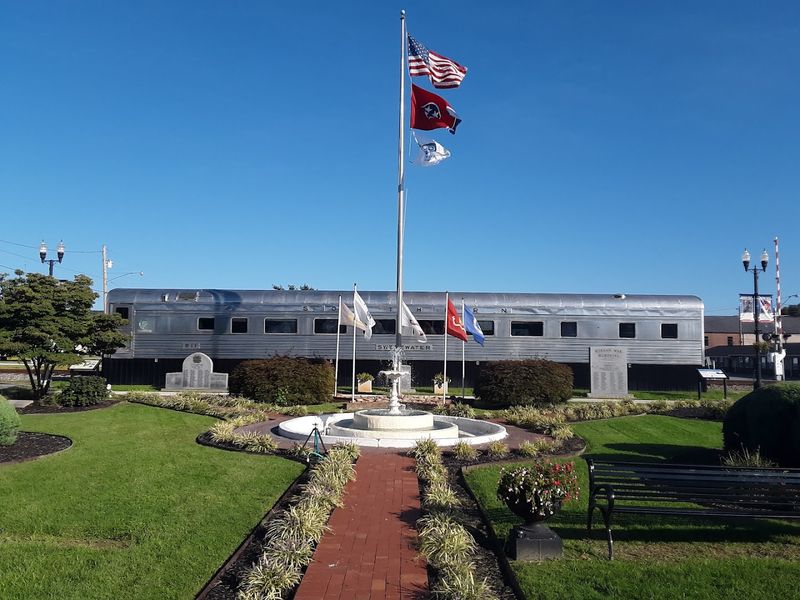
Sweetwater sits in the Tennessee Valley between Knoxville and Chattanooga, offering a genuine small-town experience that hasn’t been overly polished for tourists. The historic downtown maintains the kind of walkable, human-scaled streetscape that urban planners now try to recreate but rarely achieve as authentically. Local shops occupy buildings that have served the community for decades, creating a shopping experience that feels personal rather than corporate.
The town’s proximity to the Lost Sea Adventure adds an element of natural wonder to any visit. Just a short drive from downtown, this underground lake offers tours through Craighead Caverns that reveal one of Tennessee’s most unusual geological features. It’s the kind of attraction that genuinely impresses visitors without relying on artificial enhancements or manufactured excitement—just pure natural wonder preserved underground.
Downtown Sweetwater rewards slow exploration. You’ll find locally-owned restaurants serving regional favorites, shops offering everything from antiques to contemporary goods, and public spaces that encourage lingering rather than rushing. The architecture reflects various periods of the town’s development, creating visual interest without feeling like a theme park recreation of the past.
What makes Sweetwater particularly appealing is its authenticity. This is a real working town where tourism supplements rather than dominates the local economy. You’ll shop alongside residents running errands, eat at restaurants where locals gather for lunch, and experience Tennessee as people actually live it rather than as a curated tourist experience.
The town celebrates its heritage through preservation and community events while remaining firmly rooted in the present. For travelers tired of over-commercialized destinations, Sweetwater offers a refreshing alternative—a place where you can experience genuine Tennessee hospitality and small-town charm without feeling like you’re part of a tourism machine.
It’s simply a nice town that welcomes visitors while remaining true to itself.
9. Greeneville
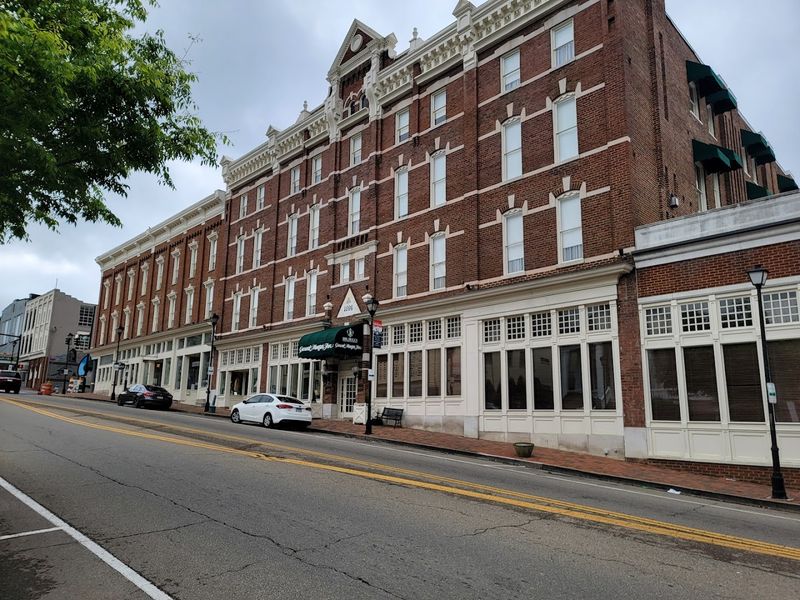
Greeneville carries presidential history with quiet pride—this is where Andrew Johnson lived, worked as a tailor, and eventually rose to become the nation’s 17th president. The Andrew Johnson National Historic Site preserves his tailor shop, homes, and final resting place, offering insights into a complex figure who shaped American history during Reconstruction. But Greeneville offers much more than presidential connections.
The downtown area showcases the kind of architectural variety you find in towns that have thrived across multiple centuries. Victorian homes, Art Deco commercial buildings, and traditional Southern storefronts create a streetscape that architecture enthusiasts genuinely appreciate. Many buildings have been carefully restored, housing businesses that serve both locals and visitors while maintaining historical integrity.
Mountains surround Greeneville, providing a scenic backdrop that changes with seasons and weather. The Cherokee National Forest lies nearby, offering hiking, fishing, and outdoor recreation for people who want to combine small-town exploration with natural beauty. You can spend mornings wandering historic sites and afternoons on mountain trails without extensive driving.
Local businesses give Greeneville continued vitality. Restaurants range from traditional Southern cooking to more contemporary options, shops offer both antiques and new goods, and cultural events bring the community together throughout the year. The town maintains a genuine small-town feel—people are friendly without being performative, businesses operate at a human scale, and life follows rhythms that encourage connection rather than constant rushing.
Greeneville doesn’t get the attention that some Tennessee towns receive, which means you can explore without fighting crowds or dealing with over-tourism issues. The presidential history provides depth and context, the mountain setting offers beauty, and the community itself remains welcoming and authentic.
10. Paris
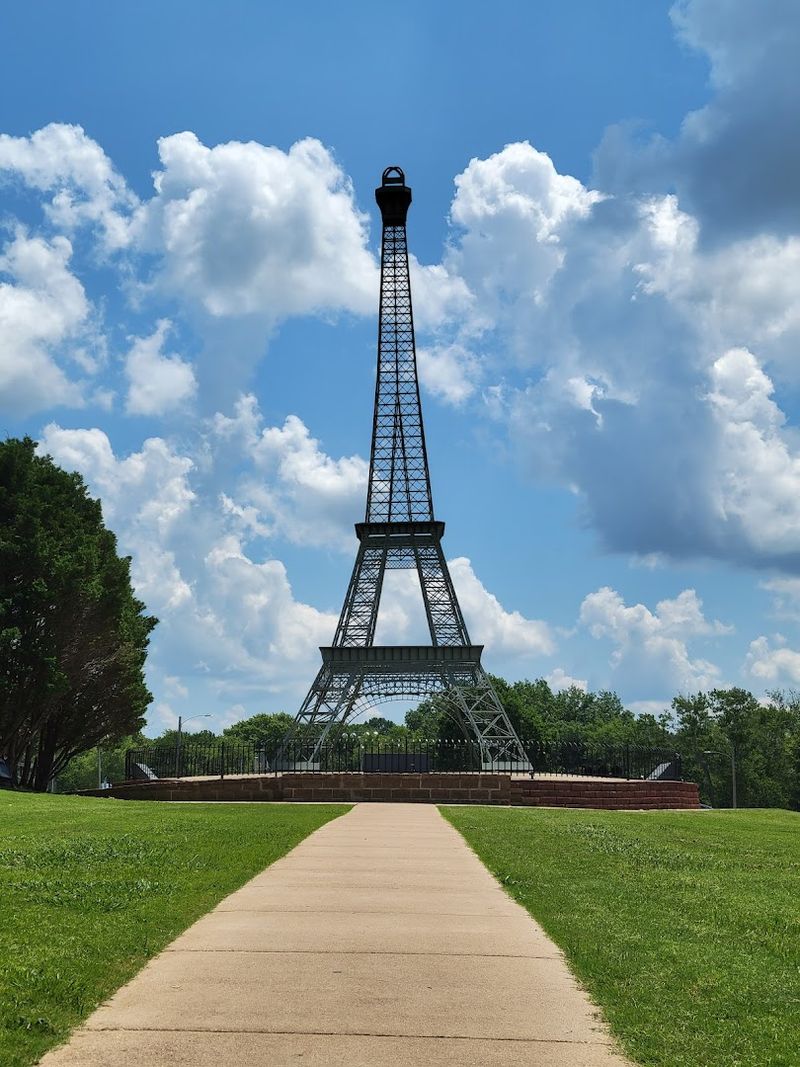
Paris brings a touch of whimsy to West Tennessee with its Eiffel Tower replica—a 60-foot structure topped with a red cowboy hat because, well, this is Tennessee after all. The tower represents the town’s playful spirit and willingness to embrace its unique identity rather than taking itself too seriously. It’s become a beloved landmark that perfectly captures Paris’s blend of small-town charm and quirky character.
The town square follows the classic Tennessee pattern, with a historic courthouse anchoring a downtown area filled with local businesses. Unlike some county seats that have lost their commercial vitality to suburban sprawl, Paris maintains an active downtown where people actually shop, eat, and conduct business. The square hosts community events throughout the year, from farmers markets to festivals that bring residents together.
Kentucky Lake’s proximity adds recreational opportunities that set Paris apart from landlocked small towns. The massive reservoir offers fishing, boating, and waterfront dining, attracting outdoor enthusiasts who appreciate having both small-town amenities and big-water recreation within easy reach. You can spend mornings exploring downtown and afternoons on the lake without feeling rushed or driving long distances.
West Tennessee has a different feel than the state’s eastern and middle regions—flatter terrain, closer cultural connections to the Deep South, and a distinct regional identity. Paris embodies this West Tennessee character while maintaining its own personality. The pace is relaxed, people are genuinely friendly, and the town offers enough to see and do without overwhelming visitors with options.
Paris works well for people seeking authentic small-town Tennessee experiences off the typical tourist circuits. You won’t find crowds of visitors or Instagram influencers staging photos, just a real community going about its business while welcoming travelers who take time to stop.
The Eiffel Tower provides a fun photo opportunity, the square offers pleasant exploring, and Kentucky Lake delivers natural beauty—together, they create a visit that’s both enjoyable and memorable.