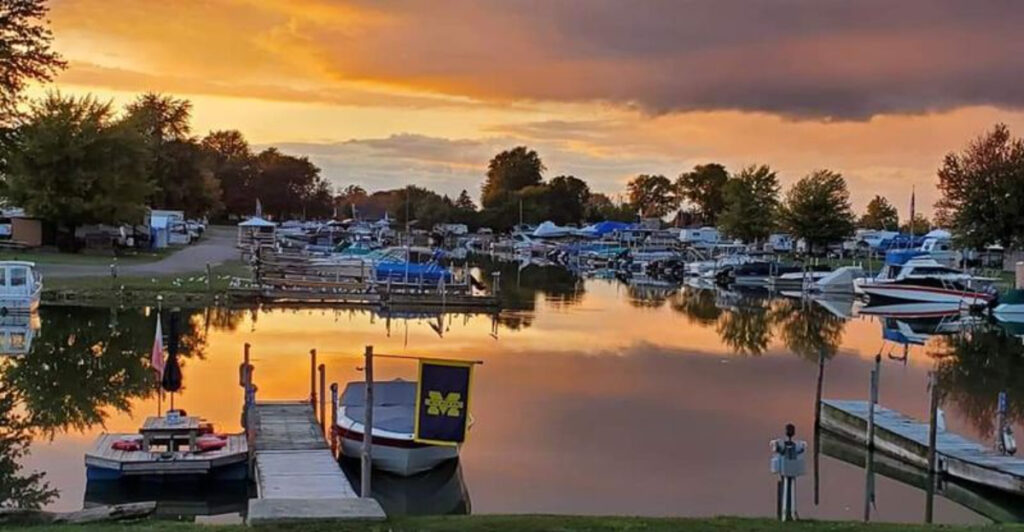
Tucked into the far southeastern corner of Michigan, Lost Peninsula is exactly what its name suggests — a small slice of land that seems to have slipped through the cracks of maps, history books, and modern attention. It sits near Toledo, Ohio, yet technically belongs to Michigan, which already makes it one of the strangest geographic quirks in the Great Lakes region.
The story of how this community ended up where it did involves border disputes, legal oddities, and a community that has quietly held its ground for generations. Once you start pulling at the threads of Lost Peninsula’s past, it gets stranger and more fascinating than most people expect.
The Border Dispute That Created a Geographic Oddity
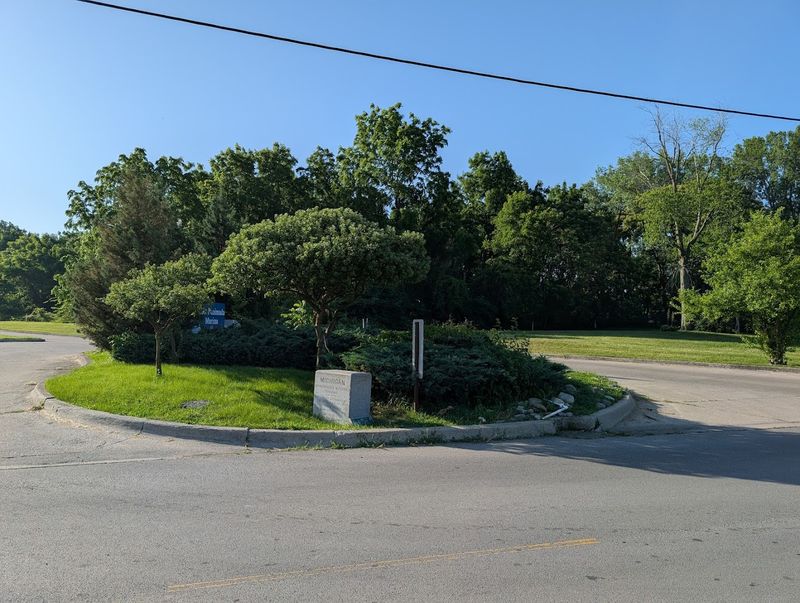
Few places in the United States exist because of a border fight that nearly turned into a war. Lost Peninsula is one of them.
The land sits so close to Ohio that you can practically wave at Toledo from the shoreline, yet it belongs entirely to Michigan — and that fact alone is the result of one of the messiest boundary disagreements in early American history.
The Toledo War, as it came to be called, was a dispute between Michigan Territory and Ohio over a narrow strip of land that included what would eventually become the Toledo area. Michigan wanted it badly.
Ohio wanted it more. Congress ultimately sided with Ohio, granting the strip — including Toledo — to the Buckeye State.
Michigan received the Upper Peninsula as consolation, which turned out to be a remarkable deal in the long run.
But Lost Peninsula slipped through the resolution in a way that left it geographically isolated. The way the final boundary line was drawn, this small pocket of land ended up cut off from the rest of Michigan by water and Ohio territory.
There is no direct land route connecting it to the rest of the state it belongs to. To reach Lost Peninsula from Michigan proper, you have to drive through Ohio first.
That detail alone stops most people cold when they hear it for the first time. A piece of Michigan that you can only reach by leaving Michigan.
It sounds like a riddle, but it is simply geography doing something deeply strange. The community that lives there has adapted to this reality in practical ways, shopping in Toledo, sending kids to Ohio schools at times, and existing in a kind of dual-state limbo that most Americans never think about.
What It Actually Looks and Feels Like Out There
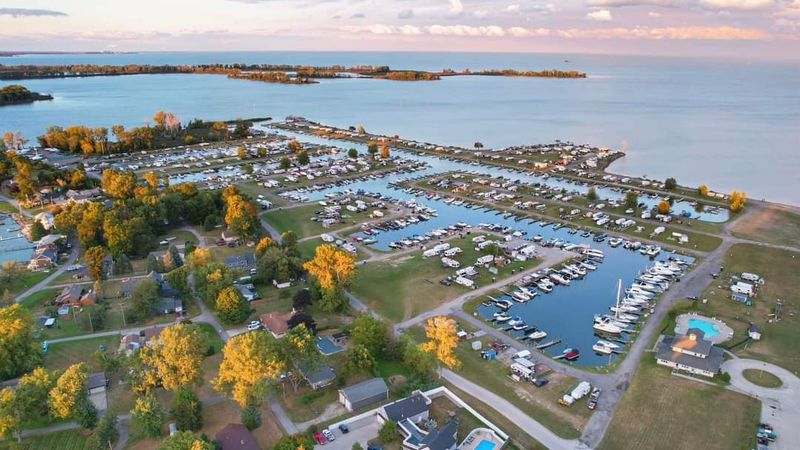
Pull up satellite images of Lost Peninsula and your first impression is probably water. Lots of it.
The land sits along Maumee Bay and the Lake Erie shoreline, surrounded by wetlands, inlets, and the kind of flat, open sky that feels enormous once you are standing under it. It is not dramatic terrain.
There are no rolling hills or towering bluffs. What you get instead is something quieter and harder to describe.
The roads are narrow. The houses are modest, many of them older cottages that started as seasonal fishing retreats and slowly became year-round homes over the decades.
There is a lived-in quality to the place that has nothing to do with tourism infrastructure. Nobody is trying to sell you anything out here.
That alone makes it feel different from most waterfront communities in Michigan.
Standing near the water on a gray afternoon, you notice the light doing something interesting across the bay. Lake Erie has a way of making the horizon look closer than it is, and the flatness of the surrounding land amplifies that effect.
You can see Ohio from here without any effort. The industrial silhouette of Toledo sits right there on the edge of your view, a reminder that you are standing in one of the most densely developed corners of the Midwest, yet somehow in a pocket that feels bypassed.
Birds move through in serious numbers, especially during migration season. The wetlands surrounding the peninsula act as a natural staging area for waterfowl, and the quiet makes it easy to notice them.
A great blue heron standing in the shallows barely registers as unusual out here. It is just part of the scenery, unhurried and indifferent to the fact that this patch of ground belongs to a state it cannot touch without crossing another.
The Community That Refuses to Make a Big Deal of Any of This
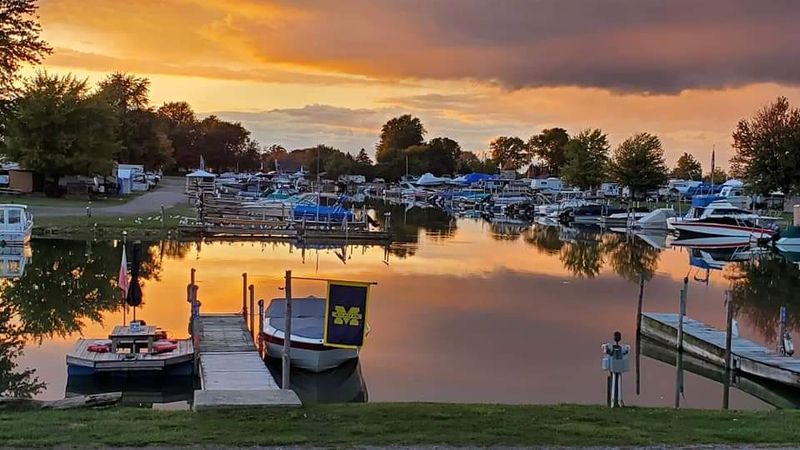
Here is something that catches outsiders off guard: the people who live on Lost Peninsula are remarkably unbothered by how strange their situation is. Ask a longtime resident about the whole Michigan-accessible-only-through-Ohio thing and you will likely get a shrug, maybe a short story, and then a pivot to something more pressing — like whether the walleye are running or how the road conditions have been lately.
The community has a population small enough that neighbors genuinely know each other. It is the kind of place where someone notices if a porch light has been off for too many nights in a row.
That closeness is partly a product of isolation. When you are geographically cut off from the broader state you belong to, you tend to rely on the people immediately around you more than most communities do.
Practically speaking, residents have long oriented their daily lives toward Toledo rather than any Michigan city. Grocery runs, medical appointments, school activities — Ohio handles all of it by default.
Michigan technically governs the land, but Ohio is the neighbor you actually interact with. It creates a cultural blending that is subtle but real.
People out here do not think of themselves as particularly Ohioan or particularly Michiganian. They think of themselves as being from Lost Peninsula, which is its own thing entirely.
There is something almost stubborn about the way the community persists. Flooding has been a recurring issue given the low elevation and proximity to Lake Erie.
Development pressure from the surrounding region has come and gone. Yet the community endures, quietly and without ceremony.
No one is writing dramatic essays about resilience. People are just living their lives on a strip of Michigan that the rest of Michigan mostly forgot about, and they seem perfectly fine with that arrangement.
The Flooding Problem Nobody Talks About Enough
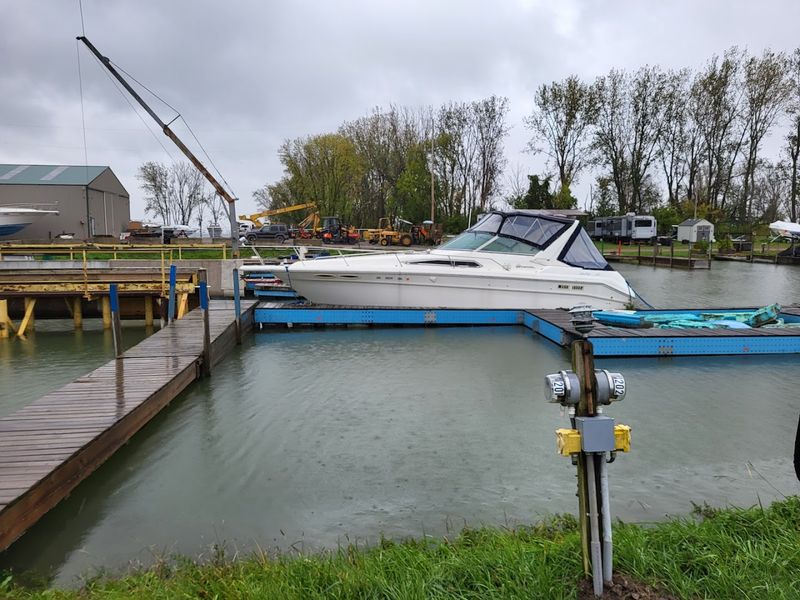
Water is the defining fact of life on Lost Peninsula, and not always in the picturesque sense. The land sits at an elevation that makes it genuinely vulnerable to flooding, and Lake Erie’s water levels have swung dramatically over the years.
When the lake rises, the peninsula feels it quickly and directly. Some roads become impassable.
Some properties take on water that has no easy place to go.
This is not a hypothetical concern for residents. It is a recurring reality that shapes decisions about property, infrastructure, and how people prepare for each season.
Homes that have been on the peninsula for decades carry a certain waterproofing wisdom built into them — elevated foundations, sump pumps that get tested regularly, a general awareness of what the sky and the wind are doing.
Lake Erie is the shallowest of the Great Lakes, which makes it the most responsive to weather systems. A sustained period of strong winds can push water toward the western end of the lake faster than people expect.
Combined with heavy rain events, those conditions can turn quiet streets into shallow channels with very little warning. Residents who have been there long enough have seen it happen multiple times.
What is interesting is how matter-of-factly people discuss it. Flooding is treated as a feature of the place rather than a reason to leave.
There is a pragmatic acceptance of what living on low-lying lakefront land actually means, without romanticizing it or catastrophizing it. You manage what you can, you watch the weather, and you know which neighbors have a boat that works when the roads do not.
The flooding also shapes the surrounding ecology in ways that are genuinely worth noticing. Wetlands thrive in these conditions, and the biodiversity around the peninsula reflects that.
Why Walleye and Wildlife Make This Place Worth Knowing About
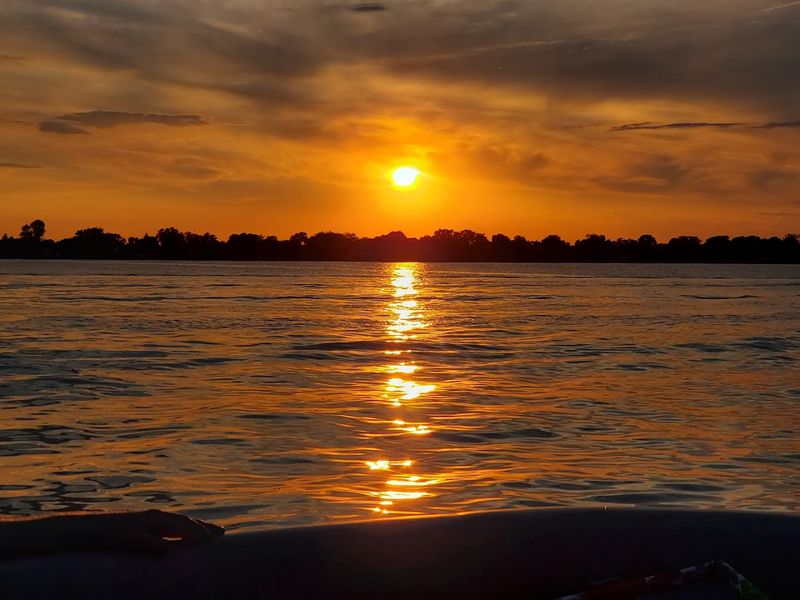
Fishing is serious business on Lost Peninsula. The western basin of Lake Erie is one of the most productive walleye fisheries in North America, and the waters around this little peninsula put anglers right in the middle of it.
People who fish here regularly talk about it the way golfers talk about a course they keep coming back to — with a specific kind of reverence that outsiders might not immediately understand.
Early mornings out on the water have a particular quality in this part of the lake. The mist sits low, the light comes up slowly over the Ohio side, and the surface is often glassy before the wind picks up.
It is the kind of setting that makes people wake up at four in the morning without complaining about it. Walleye tend to be most active in lower light conditions, which means the best fishing often happens before most people have finished their first cup of coffee.
Beyond walleye, the surrounding wetlands attract an impressive variety of wildlife. Migratory birds use this corner of Lake Erie as a significant stopover point during spring and fall movements.
Birdwatchers who know about the area show up quietly and leave satisfied. White-tailed deer move through the marshy edges.
Muskrats and great blue herons share the shallows with barely any acknowledgment of each other.
The ecology here is tied directly to the geography. Because development has been limited by the peninsula’s isolation and flooding history, the natural environment has retained more of its original character than you might expect given how close Toledo is.
It is not wilderness by any stretch, but it holds enough wild in it to feel meaningful.
For anyone who pays attention to that kind of thing, this corner of Michigan delivers quietly and consistently.
Getting There Is Half the Story
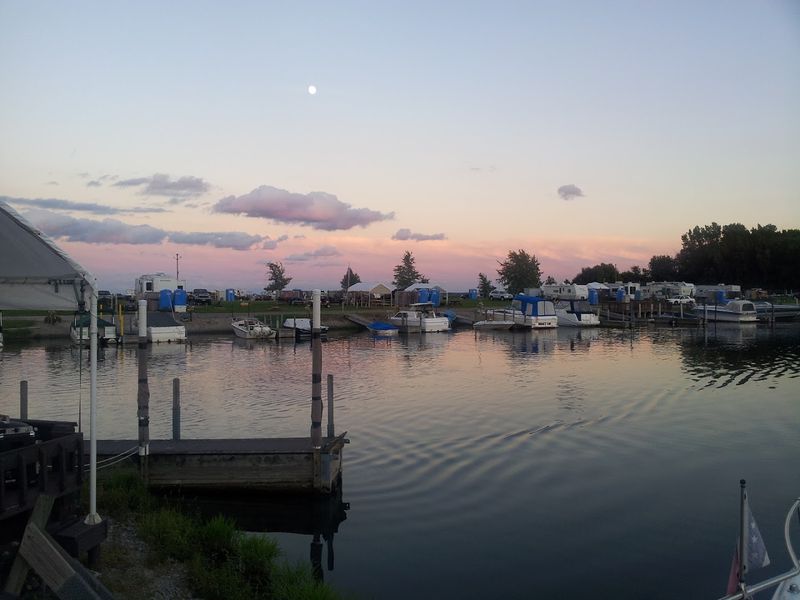
Most places in Michigan you can reach by simply driving north, east, or west from another part of the state. Lost Peninsula does not work that way.
To get there from anywhere else in Michigan, you drive south into Ohio, navigate through the Toledo area, and then cross back into Michigan from the Ohio side. It is the only way in by land, and it creates a trip that feels slightly absurd the first time you make it.
The route is not long in terms of distance. Toledo is not far.
But the conceptual strangeness of leaving your state to reach another part of your state never fully wears off. GPS systems handle it without comment, routing you through Ohio with the same calm voice they use everywhere else.
The border crossing is unmarked in the way most state lines are — a sign, a change in road condition, and then you are somewhere that technically belongs to Lansing even though Columbus is much closer.
Once you arrive, the sense of having traveled somewhere genuinely off the beaten path sets in. There is no welcome center, no tourist kiosk, no indication that the place considers itself a destination.
The roads are quiet. The lots are modest.
The overall vibe is one of ordinary life happening in an extraordinary geographic situation.
For people who enjoy finding places that feel genuinely unscripted, the drive itself becomes part of the appeal. You are not following a well-worn tourist route.
You are navigating a quirk in the American map that most people have never heard of, arriving somewhere that requires a small amount of effort and curiosity to find.
That friction is actually part of what makes Lost Peninsula interesting. Easy access tends to change places.
This one has stayed largely itself.
What Makes This Place Stick in Your Memory
Places that are hard to categorize tend to stay with you longer than the ones that fit neatly into a description. Lost Peninsula is firmly in that first group.
It is not a resort town, not a nature preserve, not a historic landmark. It is a community living inside a geographic anomaly, and that combination produces something that is genuinely difficult to file away and forget.
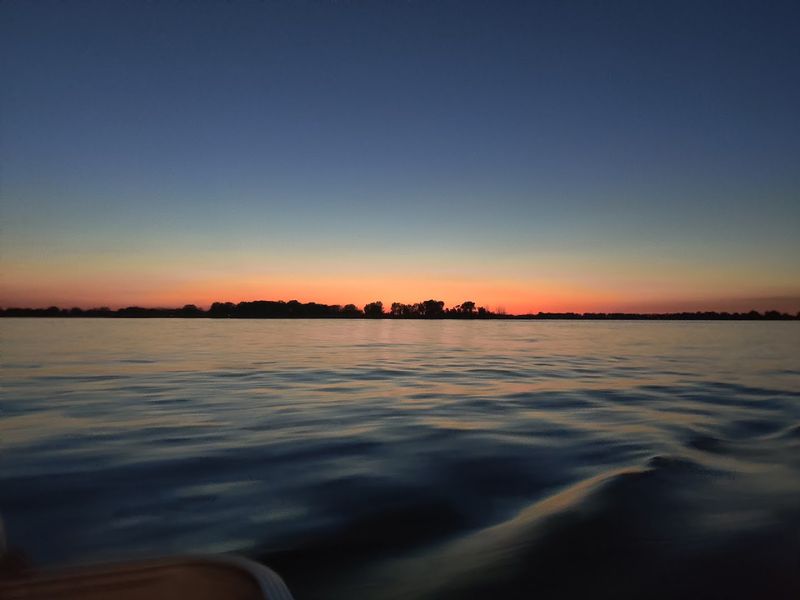
The sunsets help. Facing west across Maumee Bay, the light in the evening can be remarkable in a completely understated way.
No mountains to frame it, no dramatic cliffs. Just open water, open sky, and color spreading across both of them in a way that feels proportional to the quietness of the place.
You notice it more because nothing else is competing for your attention.
There is also something about the in-between quality of Lost Peninsula that lingers. It belongs to Michigan but leans on Ohio.
It is surrounded by one of the most developed metropolitan corridors in the Midwest, yet it feels removed from all of that. It is technically accessible but practically overlooked.
Those contradictions do not resolve neatly, and that is probably why the place stays interesting.
Most people who stumble across the story of Lost Peninsula go through a predictable sequence: disbelief, then curiosity, then a genuine desire to see it for themselves. The reality of the place does not disappoint, but it also does not perform.
It simply exists, doing its own quiet thing on a strip of Michigan that the rest of the country has largely overlooked.
Sometimes that is exactly what makes a place worth remembering. Not because it dazzled you, but because it made you think — and kept doing it long after you left.