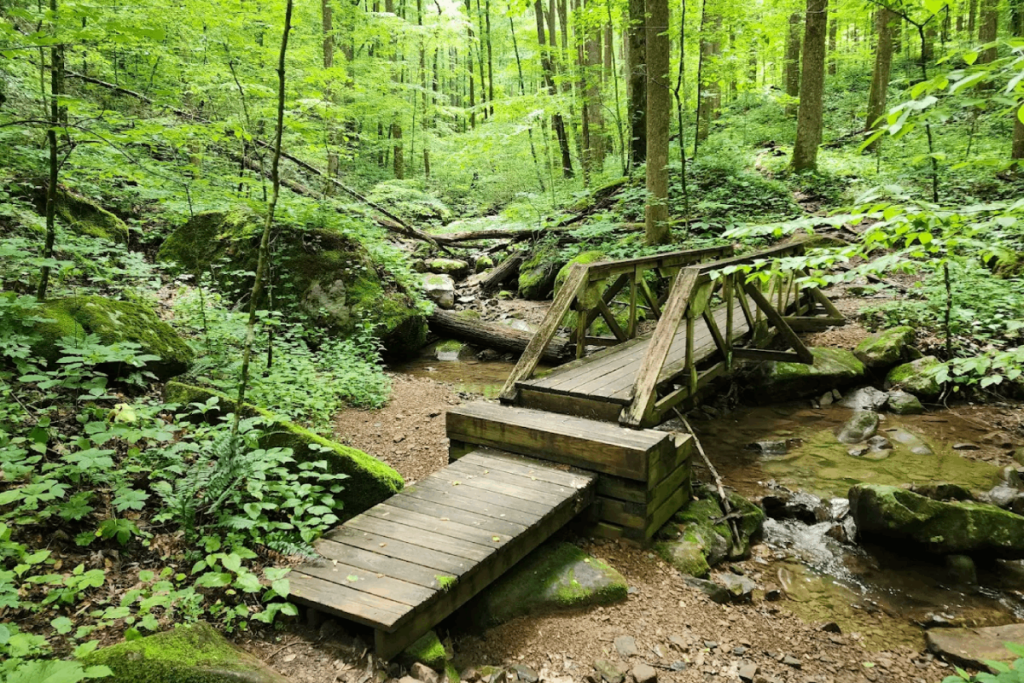
Tucked into the Cumberland Mountains near Wartburg, Frozen Head State Park doesn’t exactly sound like your typical Tennessee outdoor escape.
The name alone makes you pause and wonder what kind of place earns such a memorable title. But once you hit the trails and see what this 24,000-acre park has to offer, you’ll understand why it’s one of the state’s best-kept secrets worth sharing with anyone who loves a good adventure.
Frozen Head State Park: The Tennessee Escape With A Name That Stops You Mid-Scroll
Most parks have names that sound predictable or generic, but Frozen Head grabs your attention before you even step foot on the property. Located about an hour northwest of Knoxville, this 24,000-acre wonderland sits in Morgan County and offers something refreshingly different from the crowded tourist spots.
Getting to the park means winding through rural Tennessee roads until you reach 964 Flat Fork Road in Wartburg. You’ll pass through some unexpected scenery, including a state prison, but don’t let that throw you off. Once you arrive at the visitor center, friendly rangers are ready to help you plan your day and answer questions about trail conditions or camping availability.
The park operates from 8 AM to 4 PM daily, giving you plenty of daylight hours to explore during most of the year. Cell service gets spotty once you’re deep in the woods, which many visitors actually appreciate as a chance to disconnect. The dense forest creates a canopy that keeps temperatures noticeably cooler in summer, sometimes dropping 20 degrees compared to the valley below.
Parking fills up on weekends, especially during spring wildflower season, so arriving early gives you the best shot at snagging a spot near popular trailheads. The park offers tent camping at sites tucked into wooded areas, plus exceptionally clean bathrooms with showers that campers rave about.
Whether you’re planning a day trip or a weekend camping adventure, Frozen Head delivers an experience that feels more wild and untamed than many other Tennessee state parks, without requiring you to battle massive crowds for a slice of nature.
Why This Wartburg Park Is One Of Tennessee’s Most Underrated Mountain Getaways
When people think of the Tennessee mountains, their minds usually jump straight to the Smokies and all the tourist chaos that comes with them. Frozen Head offers the same dramatic elevation changes and stunning forest scenery but with a fraction of the visitors.
Hikers regularly report seeing only 10 to 15 people during entire trail outings, which feels like winning the lottery compared to elbow-to-elbow hiking elsewhere.
The Cumberland Mountain location gives you serious elevation gain without the overwhelming crowds. Trails here range from easy walks suitable for families with young kids to challenging climbs that’ll test your endurance.
Spring transforms the park into a wildflower paradise that draws nature photographers and botany enthusiasts from across the region. The Panther Branch Trail becomes especially popular during bloom season, with its wide, flat first section making it accessible for most hikers. Tennessee Citizens for Wilderness Planning even leads special wildflower hikes here because the diversity and density of blooms are that impressive.
The park’s relative anonymity works in your favor. While places like Cades Cove turn into parking nightmares on nice weekends, Frozen Head maintains a peaceful atmosphere even when campsites fill up. Rangers patrol regularly and keep things quiet after hours, creating an environment where you can actually hear the forest instead of generators and loud neighbors.
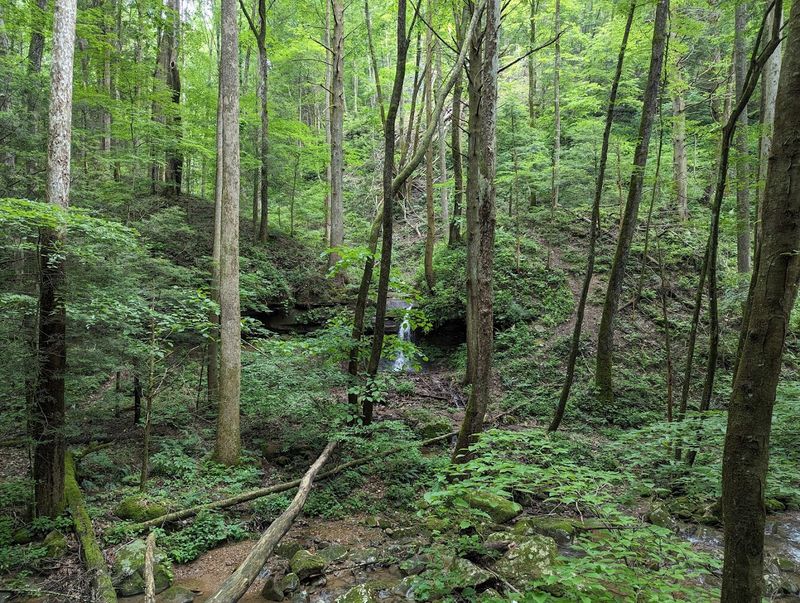
What really sets this park apart is the sense of wilderness it maintains. The dense forest creates an immersive experience where you feel genuinely removed from civilization. Creek beds offer rock hunting opportunities for kids, playgrounds provide entertainment between hikes, and the whole setup feels designed for people who want authentic outdoor experiences without manufactured attractions or gift shop overload.
The Story Behind The Unforgettable Name “Frozen Head”
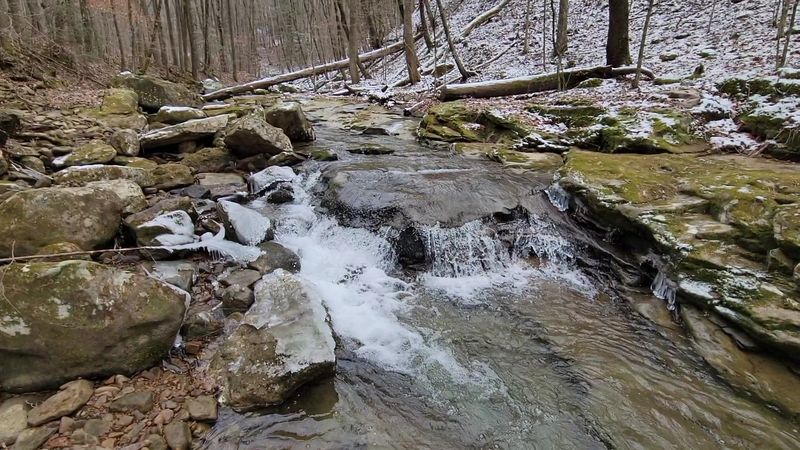
The name Frozen Head sounds like something from a ghost story or winter legend, and honestly, that’s part of what makes this park so intriguing. Local lore connects the name to the mountain’s peak, which supposedly gets covered in ice and frost during winter months, creating a frozen appearance when viewed from below. The white, icy cap gives the mountaintop a distinctive look that early settlers couldn’t ignore.
Winter hikers have documented bizarre and beautiful ice formations along the streams, particularly on Emory Gap Branch and Panther Branch. These frozen features create hazardous but stunning conditions that showcase why the name fits so perfectly.
The park’s elevation contributes significantly to the frozen phenomenon. As you climb toward the summit, temperatures drop noticeably, and moisture in the air creates conditions perfect for ice formation.
Some visitors arrive expecting year-round frozen conditions based on the name alone, only to discover the park is actually most famous for its spring wildflowers and summer hiking. The frozen aspect really shines during winter months when few people brave the cold. Those who do get treated to a completely different park experience with ice-covered waterfalls and frost-covered trails that feel magical.
Rangers maintain trails even during winter, though some sections become impassable when ice sheets form across steep grades. The name serves as both a literal description of winter conditions and a memorable brand that helps this underrated park stand out. It’s the kind of name that sticks in your head and makes you curious enough to actually visit, which is exactly what Tennessee needs people to do more often with its lesser-known state parks.
Trails That Lead To Waterfalls, Wildflowers, And Cumberland Mountain Views
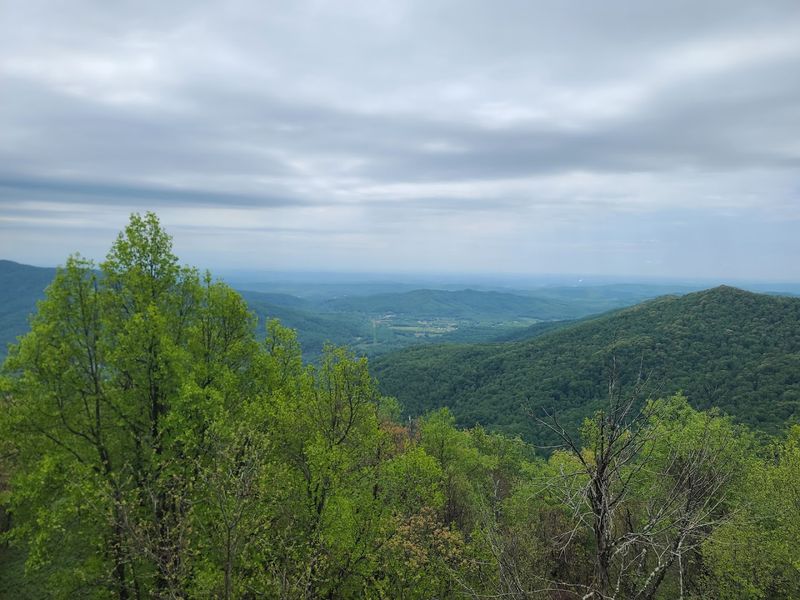
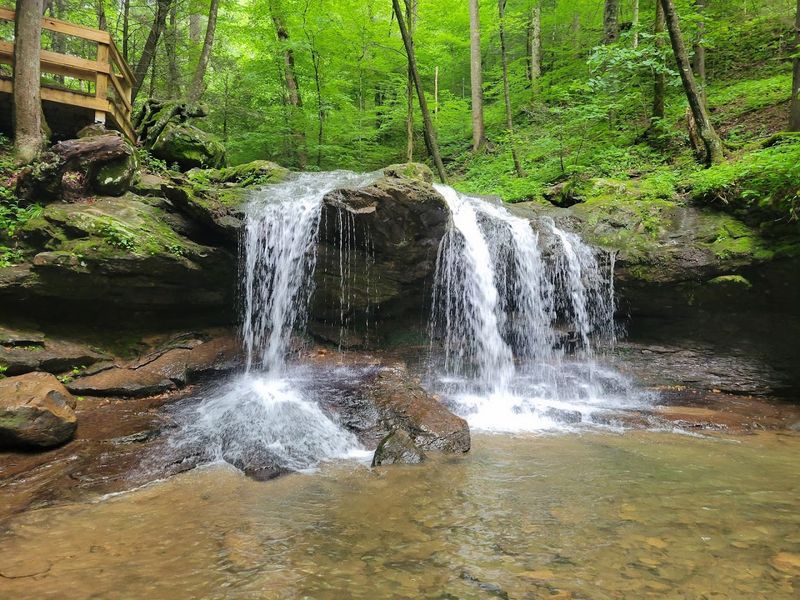
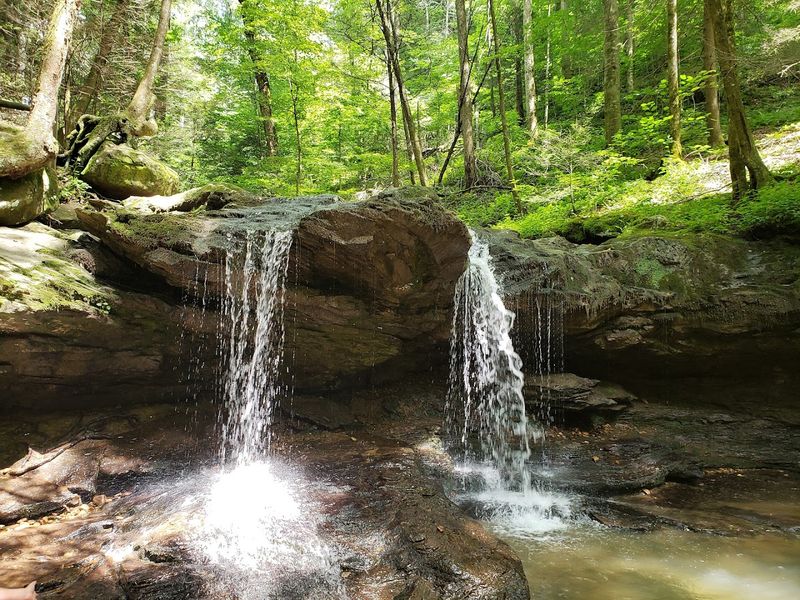
About ten marked trails crisscross the park, each offering something different depending on what you’re after. The Emory Gap Falls trail ranks as a visitor favorite because it delivers waterfalls without requiring expert-level hiking skills. Families with kids as young as elementary age regularly tackle this trail and have a blast exploring the pools below the falls.
What makes the waterfall hikes special is that you’ll encounter multiple cascades along the way, not just one destination fall. Smaller waterfalls appear as pleasant surprises before you reach the main attraction. When you do arrive at Emory Gap Falls, the trail officially ends, but adventurous hikers can carefully scramble closer to the base if they want a more intimate experience with the water.
Spring wildflower season transforms these trails into botanical showcases that rival anything you’ll find in more famous parks. The variety and density of blooms create photo opportunities at every turn. Hikers describe the experience as phenomenal, with colors and species that change as you gain elevation and move through different forest zones.
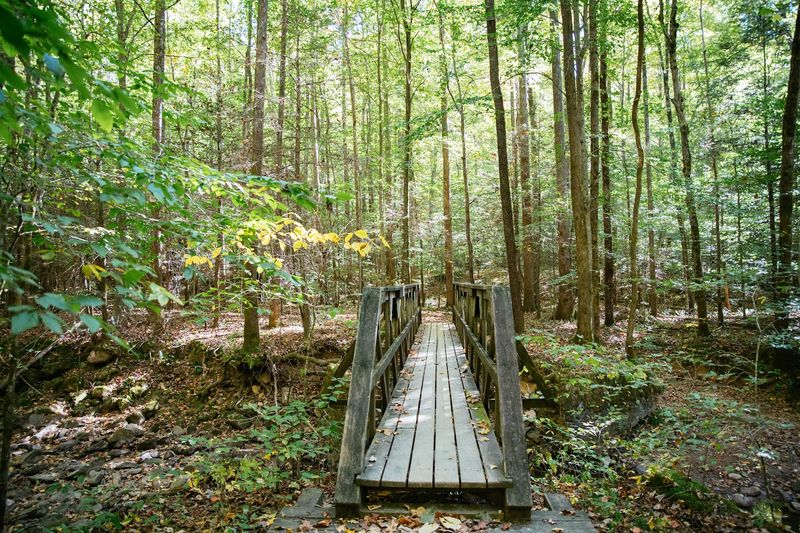
Trail maintenance stays consistently good, with clear markings that help prevent getting lost in the extensive trail system. Rangers take their job seriously here, and it shows in the condition of the paths. Occasional storm damage creates rough patches, but nothing that requires technical skills to navigate around.
The trails offer varying difficulty levels, from the gentle Storybook Trail that families with young children adore to challenging routes that connect to the fire tower summit. Creek crossings add interest without becoming dangerous obstacles.
During dry periods, water levels drop significantly, which affects waterfall flow but doesn’t diminish the overall hiking experience since the forest itself provides plenty of visual interest year-round with its dense canopy and diverse terrain.
The Lookout Tower Hike Rewards You With A 360-Degree Payoff
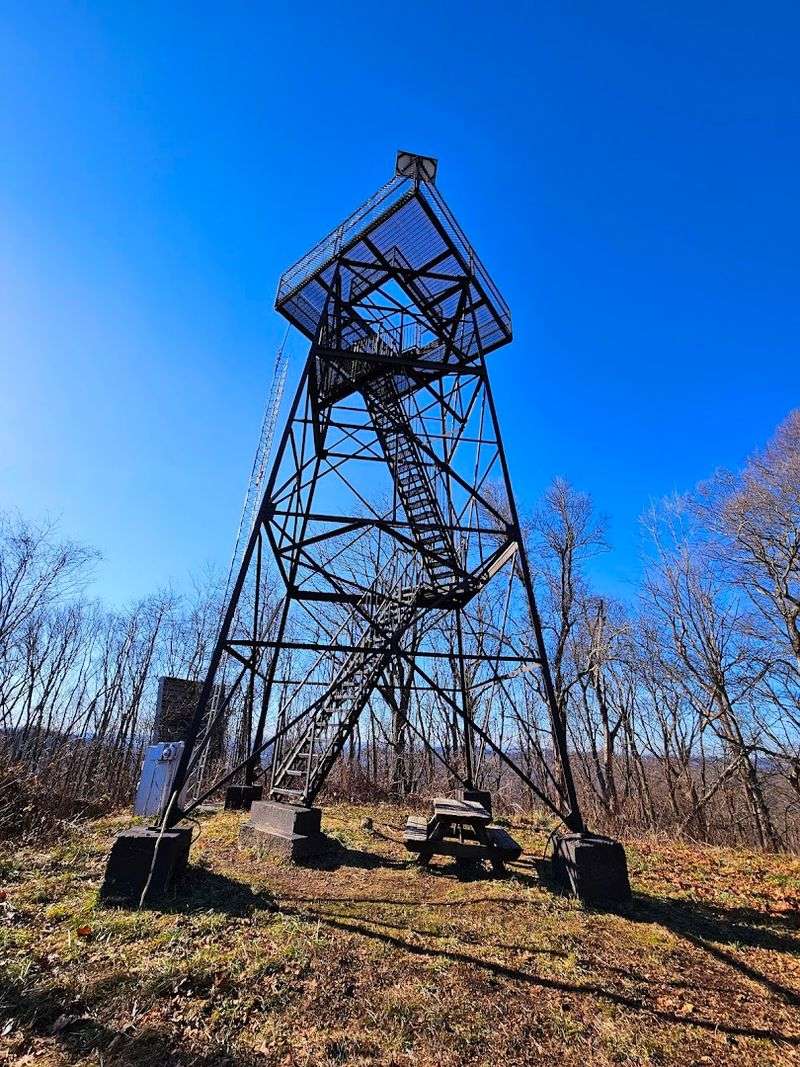
Reaching the fire tower at Frozen Head’s summit represents the park’s signature achievement hike. Multiple routes lead to the top, giving you options for shorter or longer approaches depending on your fitness level and how much time you want to spend climbing. Some hikers take the most direct path up and then loop back on a longer route to extend the adventure.
The tower itself stands as a semi-observation structure that offers genuinely spectacular 360-degree views once you climb to the top platform. This is the one spot in the park where you can actually see beyond the dense forest that surrounds you everywhere else.
Photographers find the tower irresistible during golden hour when the Cumberland Mountains create layered silhouettes stretching to the horizon. The elevation gain required to reach this spot makes the payoff feel earned rather than handed to you. You’ll feel accomplished standing up there knowing you climbed through serious terrain to get the view.
The hike challenges you with consistent elevation gain, though well-maintained trails keep it from becoming treacherous. Hikers describe feeling pretty good at the top, with enough energy left to extend their route on the way down. The trails stay clearly marked, which matters when you’re tired and just want to get back to your car without getting lost.
Reaching the tower requires planning since the park enforces trail closure times based on Eastern Time, which can be well before actual sunset during much of the year. Rangers take these closure times seriously, and for good reason since the woods are extensive and easy to get lost in if darkness catches you unprepared.
The tower hike represents the kind of goal-oriented adventure that makes you feel like you really accomplished something worth bragging about back home.
Rugged Beauty, Quiet Campsites, And A More Untamed Side Of Tennessee
Camping at Frozen Head feels distinctly different from the manicured campground experience you’ll find at more developed parks. Sites sit close together, so you won’t get tons of privacy from your neighbors, but the surrounding forest beauty more than compensates for the cozy spacing. The campground handles tent camping primarily, with limited space for anything beyond a mini camper.
What campers consistently praise are the exceptionally clean bathroom facilities with showers that exceed expectations for a rustic mountain park. The park staff clearly takes pride in maintaining these facilities to a standard that makes camping comfortable even for people who normally prefer hotels. Families report fitting multiple large tents on single sites, which works well for group camping trips.
The quiet hours policy gets enforced, creating a peaceful atmosphere once the sun goes down. Rangers patrol regularly and maintain a friendly presence that makes campers feel safe without being intrusive. The combination of strict quiet enforcement and the remote location means you’ll actually sleep well instead of listening to generators and loud conversations until midnight.
Backcountry camping options exist for hikers who want an even more primitive experience deeper in the park’s 24,000 acres. The extensive trail system connects to remote areas where you can set up camp away from the main campground. These backcountry sites appeal to experienced campers looking for solitude and a genuine wilderness experience.
The park’s location means you’re surrounded by nature sounds instead of highway noise. Creeks provide natural white noise, and wildlife sightings happen regularly with deer, including does with fawns, appearing near campsites. The cooler temperatures under the forest canopy make summer camping more bearable than in exposed locations.
Fire rings and grills at each site let you cook meals outdoors, and picnic tables scattered throughout the area give you plenty of spots to relax between hiking adventures.
What To Know Before Exploring Frozen Head State Park
Starting your visit at the visitor center saves time and prevents frustration later. The staff here genuinely knows the park and can provide current trail conditions, suggest routes based on your abilities, and warn you about any closures or hazards. They also offer maps and information about the park’s natural features that enhance your understanding of what you’re seeing on the trails.
Cell service becomes unreliable once you leave the main facilities, which many visitors actually appreciate as a forced digital detox. If you need to stay connected for emergencies, plan accordingly and let someone know your hiking plans before heading out. The lack of signal means you can’t rely on GPS apps, making paper maps and trail markers your primary navigation tools.
The park operates on Eastern Time, which matters because trail closures happen based on that schedule rather than actual sunset times. During much of the year, trails close well before the sun goes down, and rangers enforce these rules strictly. Getting caught after hours in the extensive trail system isn’t just inconvenient; it’s genuinely dangerous since the dense forest gets dark quickly and navigation becomes difficult.
Water levels fluctuate significantly based on recent rainfall, affecting both waterfall flow and creek crossings. During drought conditions, some waterfalls reduce to trickles, though the trails remain worth hiking for the forest scenery alone. Spring offers the most reliable water flow plus the bonus of wildflower blooms, making it the peak season for visits.
Don’t speed through the park roads because rangers watch carefully and ticket violations. The speed limits exist to protect both visitors and wildlife that cross the roads regularly. Pack out everything you bring in since the park maintains its pristine condition through visitor cooperation.
Bring plenty of water and snacks since no facilities exist once you leave the main area. The park’s dog-friendly policy welcomes pets on trails, though keeping them leashed protects both your pet and the park’s wildlife.