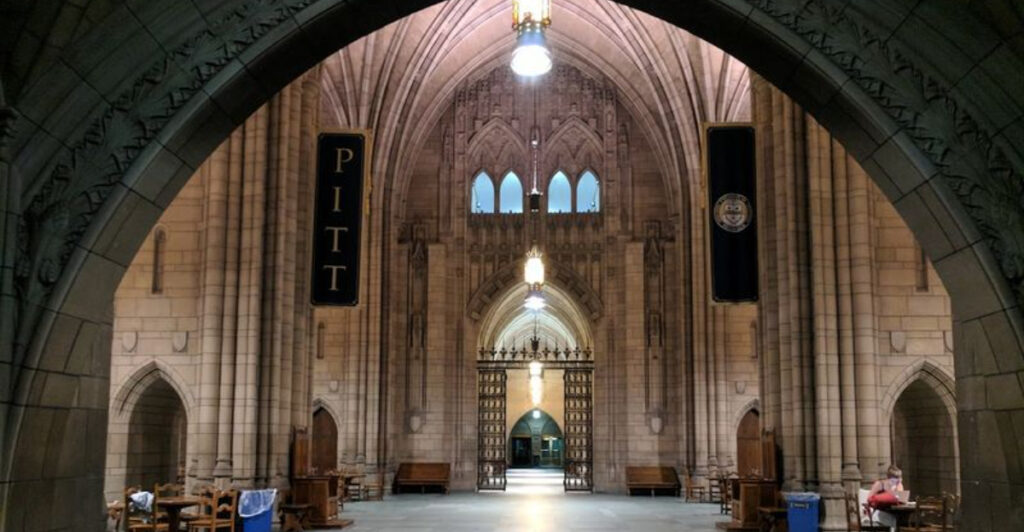
Some buildings make you stop and stare, but the Cathedral of Learning makes you wonder how a university ever pulled off something this bold. Rising above Pittsburgh’s Oakland neighborhood, this Gothic giant is equal parts campus landmark, cultural time capsule, and unforgettable city icon. Step inside, and you are not just visiting a classroom building—you are entering one of the most dramatic interiors in Pennsylvania, filled with soaring halls and intricately designed Nationality Rooms that reflect cultures from around the world.
The scale alone is impressive, but it is the details that leave a lasting impression, from carved stonework to vaulted ceilings that feel almost cathedral-like in spirit. If you want the story behind the world’s tallest educational building and what makes it worth your time, this is where architecture, history, and academic ambition come together in a way few places can match.
1. A Skyline Icon With Serious Presence
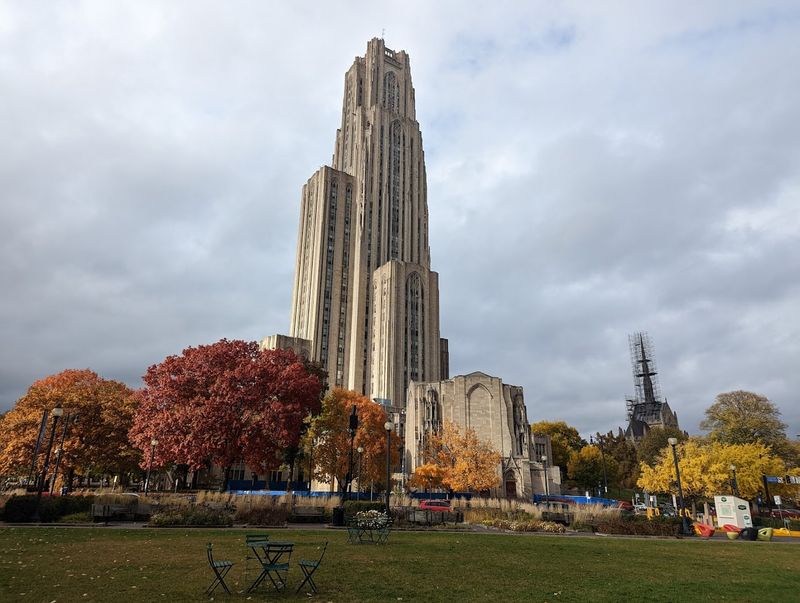
The first thing that hits you about the Cathedral of Learning is its sheer vertical drama.
At 42 stories and roughly 535 feet tall, it rises like a Gothic landmark from another century, yet it was built for modern education.
Standing on Fifth Avenue, you instantly understand why people call it the world’s tallest schoolhouse.
What makes it even more impressive is how naturally it anchors Oakland’s skyline.
The structure was commissioned in 1921 and designed to symbolize ambition, scholarship, and permanence for the University of Pittsburgh.
If you love architecture that feels both grand and purposeful, this building gives you that rare combination without trying too hard.
It is not just tall for Pennsylvania or even North America.
The Cathedral of Learning is widely recognized as the tallest educational building in the Western Hemisphere, and once you see it in person, that title feels completely deserved.
2. Why It Is Called A Cathedral
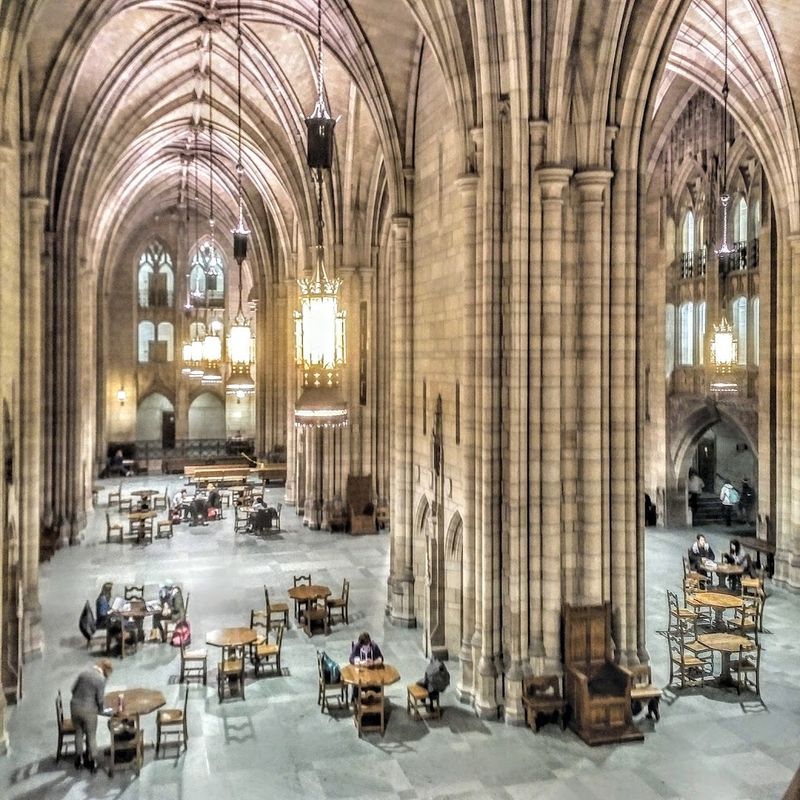
The name Cathedral of Learning can sound religious at first, but the building was never intended as a church.
Instead, the name reflects the soaring Gothic style, the towering height, and the almost spiritual feeling you get when education is treated with this much grandeur.
It turns studying into something that feels ceremonial in the best possible way.
Walk inside, and the reason becomes obvious immediately.
The arches rise overhead, the stonework feels ancient, and the scale encourages you to look up without even thinking about it.
Even if you have seen plenty of university buildings before, this one feels entirely different from the usual lecture-hall routine.
That blend of symbolism and practicality is part of its charm.
It is a functioning academic building, but it also makes learning feel monumental, which is exactly why the name still works so well today.
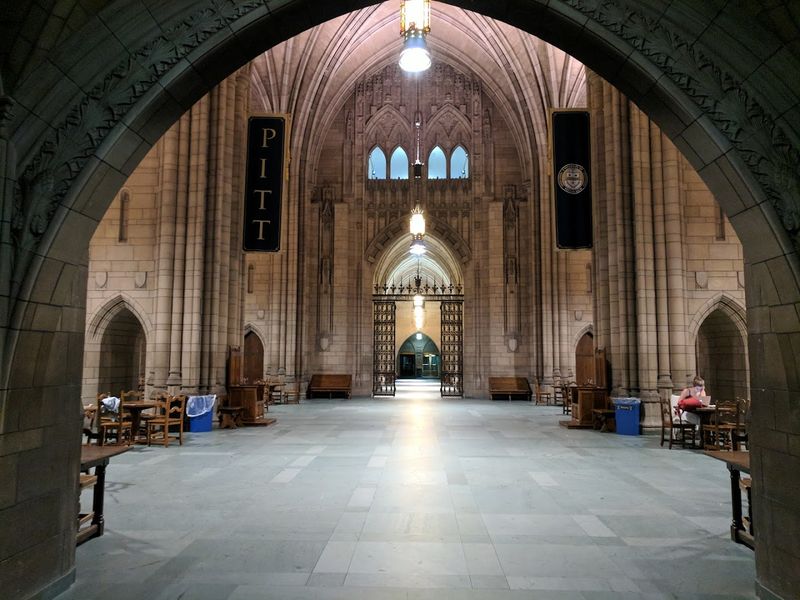
3. The Commons Room Feels Like A Movie Set
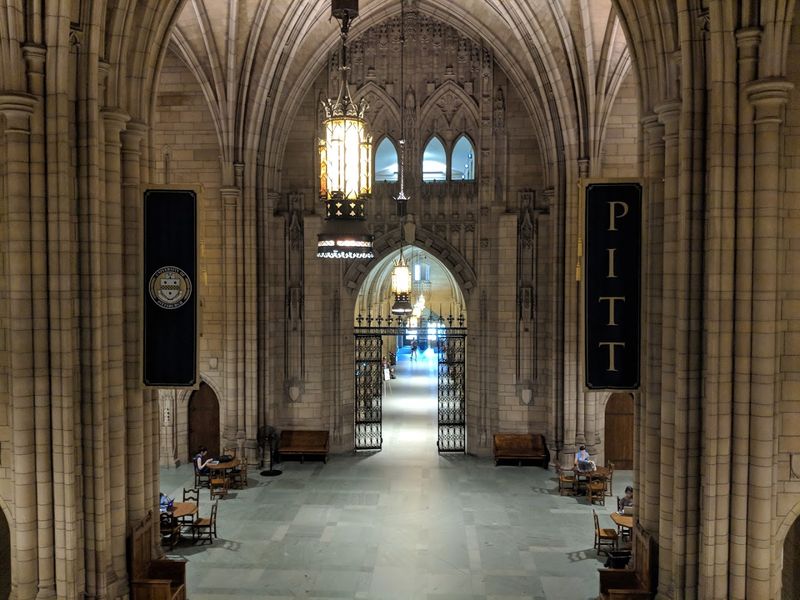
If there is one space that makes visitors blurt out comparisons to fantasy films, it is the Commons Room.
This vast central hall is lined with arches, stone details, and long study tables that make everyday student life look unusually cinematic.
You do not need much imagination to see why so many people mention Hogwarts when they step inside.
Still, the room is more than just photogenic.
Students actually use it, which gives the grandeur a lived-in quality that keeps it from feeling staged or museum-like.
You can sit, look around, and appreciate how the building balances monumental design with practical campus energy.
That combination is what makes the room memorable.
It feels solemn without being stiff, impressive without being inaccessible, and historic without feeling frozen in time.
For many visitors, this is the exact moment the Cathedral of Learning becomes unforgettable.
4. The Nationality Rooms Are The Real Surprise
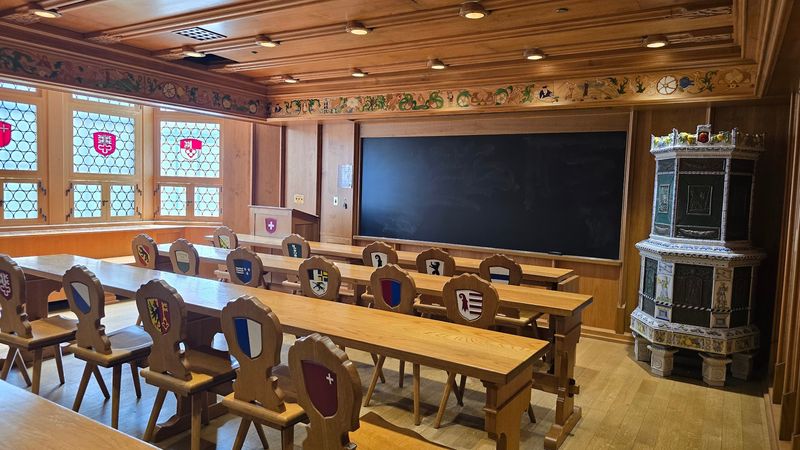
The Cathedral of Learning is famous for its height, but the Nationality Rooms are what usually turn a visit into a real experience.
These classrooms celebrate different cultures through architecture, craftsmanship, and decorative detail, transforming ordinary academic spaces into immersive tributes.
Instead of generic rooms, you get spaces inspired by places like Greece, Ukraine, China, and many others.
What I find especially compelling is that these are not just display pieces.
Many of them function as actual classrooms, which means the building keeps its cultural storytelling connected to everyday education.
That practical use gives the rooms a living purpose and makes them feel more meaningful than a standard historic exhibit.
Visitors regularly mention spending hours exploring these floors, and that makes complete sense.
Each room has its own mood, materials, and history, so moving from one to another feels like taking a compact trip across the world.
5. Guided Tours Add Context You Might Miss
You can absolutely appreciate the Cathedral of Learning on your own, but guided tours add a layer that makes the visit richer.
Reviews repeatedly praise the tours for explaining the rooms, architectural details, and cultural background in ways casual wandering cannot match.
If you like knowing the why behind what you are seeing, the guided option is worth serious consideration.
Tour guides help connect the craftsmanship to the bigger story of Pittsburgh, immigration, and the university’s mission.
That context turns beautiful rooms into something more personal and historically grounded.
You stop seeing just carved wood, stained glass, or stone details and start understanding the communities and ideals they represent.
Even the price has been described by visitors as one of the best values in the city.
For a place this layered and visually rich, a little interpretation goes a long way toward making the whole building feel more alive.
6. The View From Above Is Worth Seeking Out
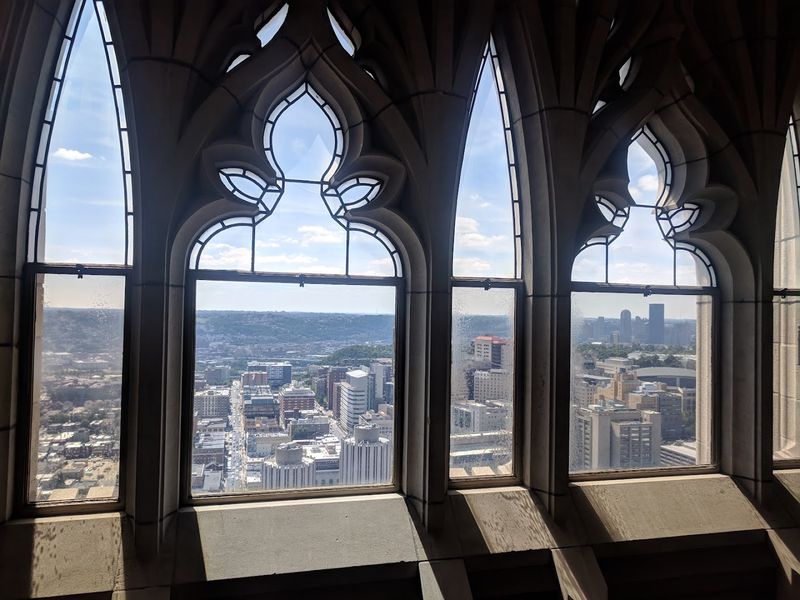
For all the attention given to the interiors, the upper-floor views deserve their own spotlight.
Visitors often point to the 36th floor as a must-see stop, and it is easy to understand why once the city opens up beneath you.
From that height, Pittsburgh looks layered, green, and unexpectedly dramatic.
The view also helps you appreciate the building’s place in the city.
From the windows, you can see how the Cathedral of Learning dominates Oakland while still feeling connected to the broader landscape of neighborhoods, bridges, and hills.
It is a reminder that this is not just a campus building but a major urban landmark.
If you are planning a visit, this is one of those simple experiences that leaves a lasting impression.
After exploring stone halls and themed classrooms, stepping up to a sweeping skyline view gives the building one more memorable dimension.
7. A Building That Still Works Hard Every Day
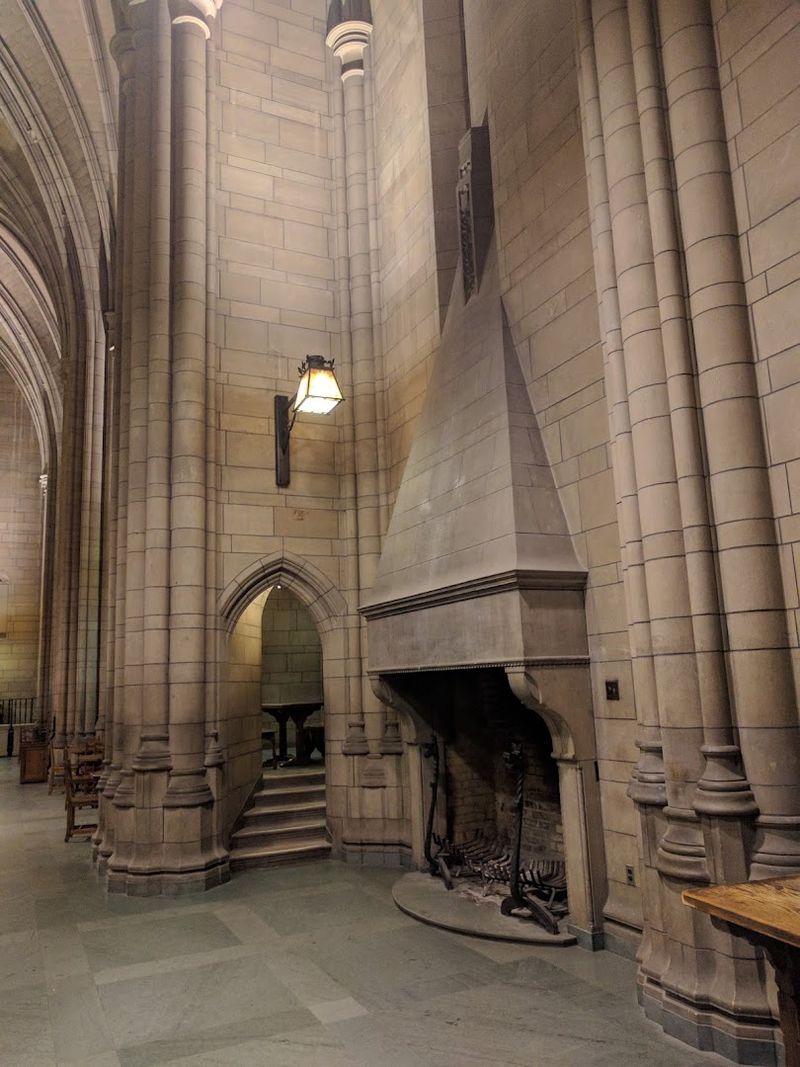
One of the best things about the Cathedral of Learning is that it is not preserved behind velvet ropes.
This landmark is still an active academic building, which means your visit unfolds alongside real campus life rather than a carefully staged attraction.
That ongoing use gives the place energy, purpose, and a sense of continuity that many historic sites cannot match.
Classrooms open and close around actual schedules, students study in the Commons Room, and professors move through spaces that tourists are admiring for their design.
That overlap between daily routine and architectural spectacle is part of what makes the building feel so authentic.
You are not looking at a shell of the past, but at a living institution still doing its job.
Because of that, timing matters when planning which rooms to see.
Yet that small unpredictability is also part of the appeal, since it reminds you the Cathedral of Learning remains deeply rooted in education.
8. Holiday Visits Bring Extra Character
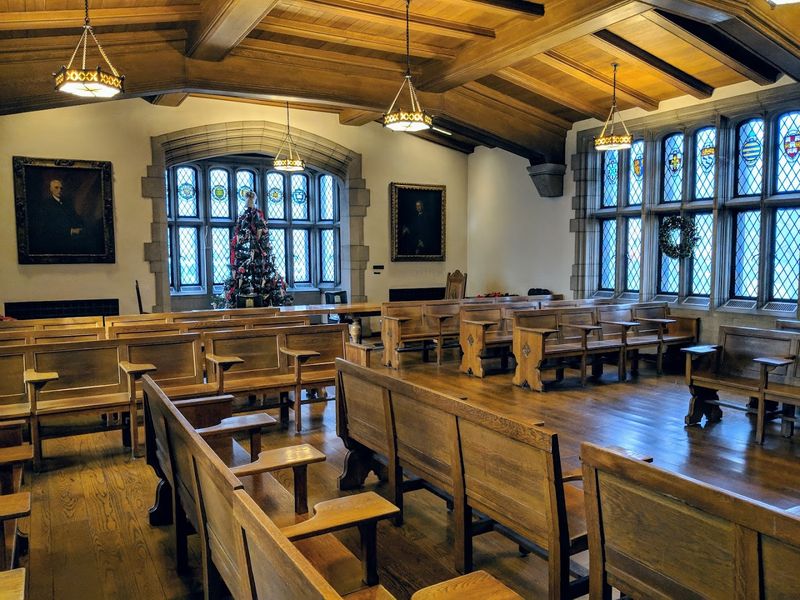
If you happen to visit during the holiday season, the Cathedral of Learning takes on even more personality.
Several visitors mention how special the Nationality Rooms feel when decorated according to different customs and traditions.
That seasonal layer adds warmth to spaces that are already rich with cultural identity and handcrafted detail.
What makes the experience stand out is that the decorations are not random or generic.
They connect directly to the heritage each room represents, so the festive atmosphere also becomes a lesson in international traditions.
You are not just seeing pretty displays, but getting a glimpse of how celebration and history intersect across cultures.
Even without a holiday visit, the rooms are memorable, but this time of year seems to make them especially vivid.
If your schedule allows it, planning around the seasonal displays can make an already impressive attraction feel even more personal and immersive.
9. Planning Your Visit The Smart Way
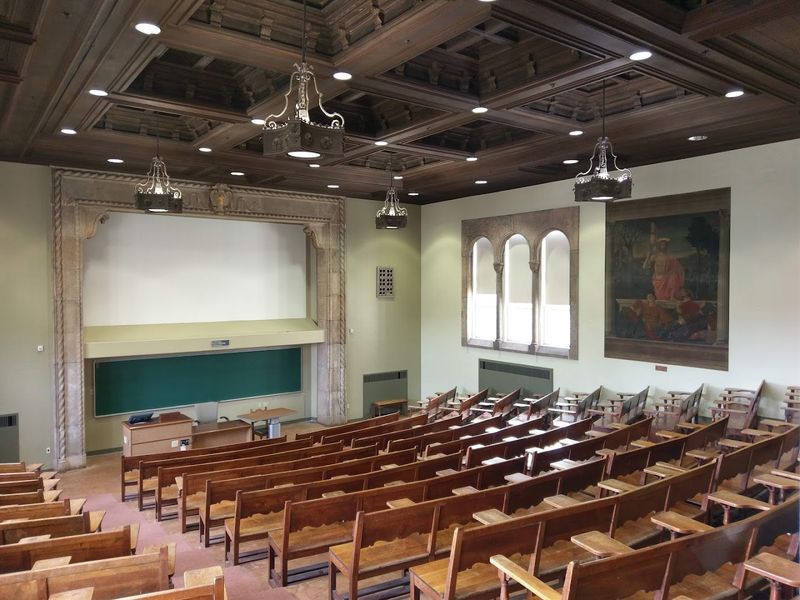
Because the Cathedral of Learning is open around the clock as a building, people sometimes assume everything inside is always available.
In reality, key attractions like the Nationality Rooms have visitor-friendly windows that can vary depending on classes, weekends, and university operations.
A little planning will save you from showing up at the wrong moment.
Reviews suggest weekends can be especially good for touring, since classroom use is lighter and guided or self-guided experiences are easier to enjoy.
It is also smart to check current details through the University of Pittsburgh visitor resources before you go.
That way, you can prioritize the rooms you most want to see and leave time for the upper-floor views.
Set aside more time than you think you need.
Many visitors mention underestimating how long they would want to explore, and this is definitely one of those places where lingering pays off.
10. Why It Remains A Pittsburgh Must-See
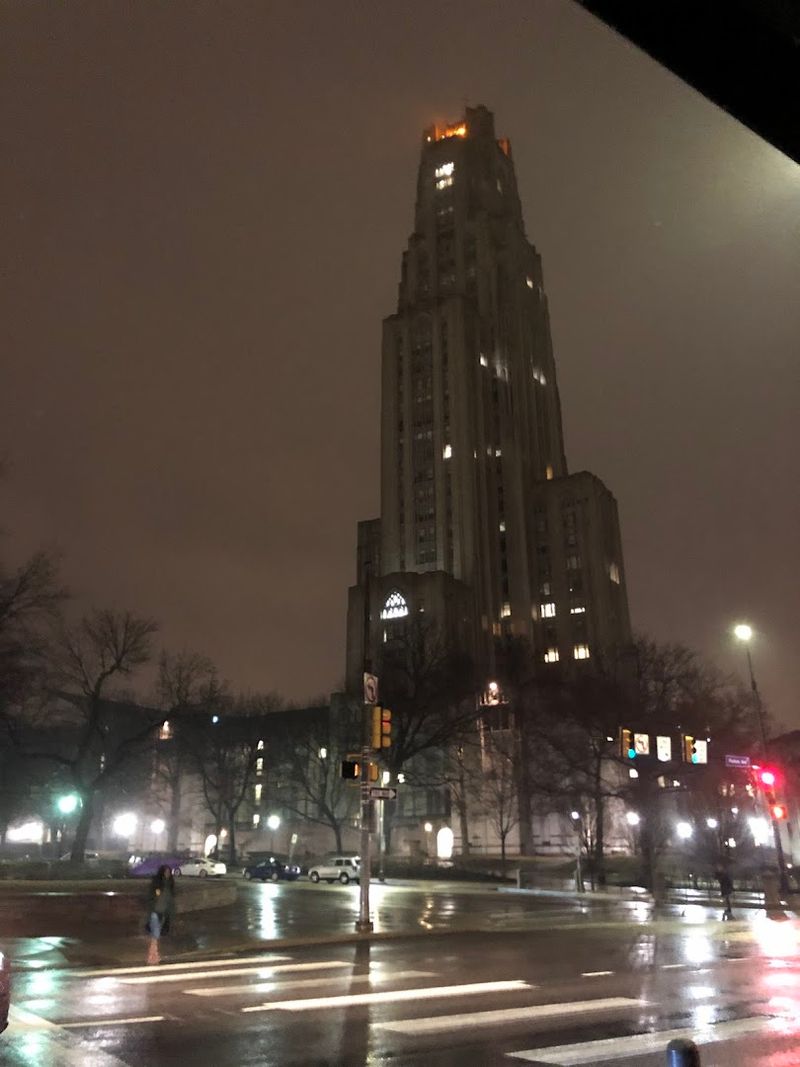
Plenty of cities have tall buildings, and plenty of campuses have historic halls, but the Cathedral of Learning merges those ideas into something much rarer.
It is an academic skyscraper, a cultural showcase, a panoramic lookout, and one of Pittsburgh’s most recognizable landmarks all at once.
That mix is exactly why it continues to impress first-time visitors and returning locals alike.
There is also something refreshingly sincere about it.
The building was created to honor education on a grand scale, and nearly every detail still communicates that mission today.
From the Commons Room to the Nationality Rooms to the views above Oakland, you can feel that ambition in a way that never seems hollow.
If you are deciding whether it deserves a place on your Pittsburgh itinerary, the answer is yes.
Few places deliver this much architectural spectacle, historical depth, and cultural richness within a single building.