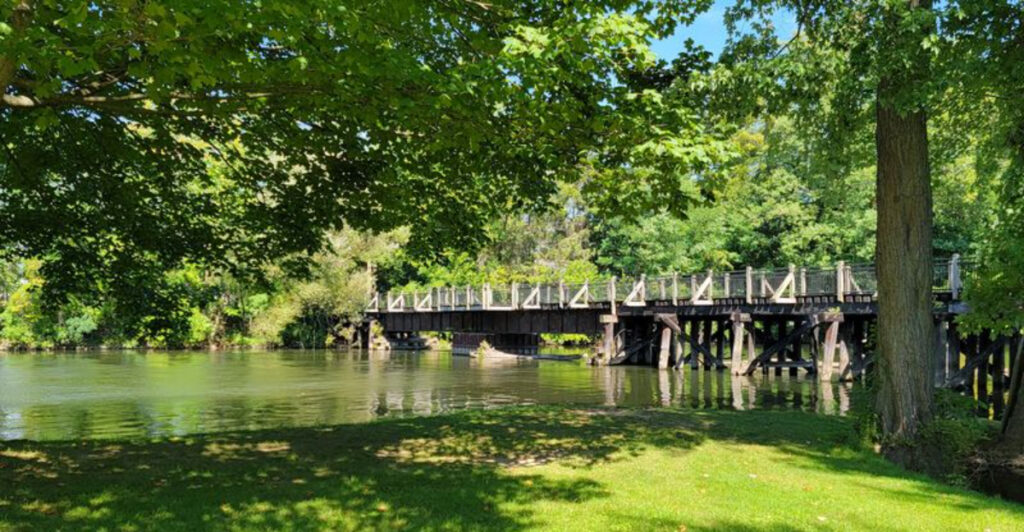
Michigan is packed with beautiful small towns that feel like hidden treasures — places where life moves a little slower, neighbors wave hello, and the cost of living won’t drain your retirement savings. Many people assume that charming lakeside living or historic downtown vibes come with a hefty price tag, but that’s simply not true in the Great Lakes State.
From the Upper Peninsula to the Lower Peninsula, Michigan has affordable gems that offer real quality of life without the resort-town markup. These 11 towns prove that you can retire well, live comfortably, and still have money left over for the good stuff.
1. Menominee
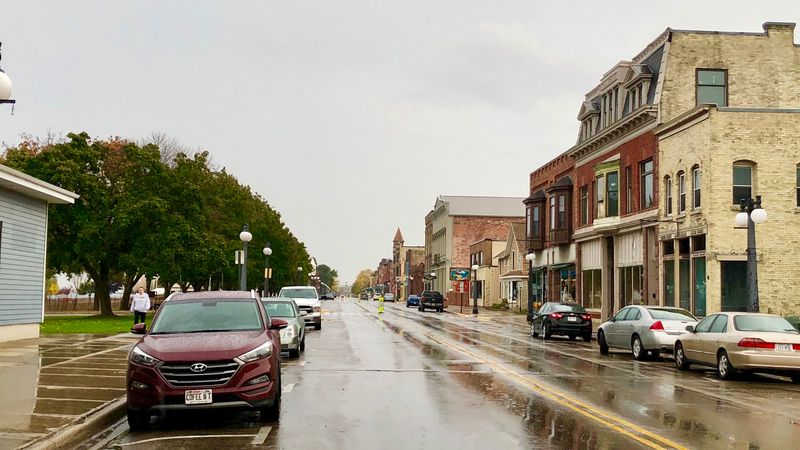
Sitting right on the border of Michigan and Wisconsin along the shores of Green Bay, Menominee is the kind of town that makes you wonder why more people haven’t discovered it yet. The waterfront is genuinely stunning, and the historic downtown district has a walkable, unhurried energy that retirees tend to love.
Housing costs here are well below the state average, which means your retirement dollar stretches further than you might expect.
Menominee’s marina district is a favorite gathering spot, especially in warmer months when the bay glitters and locals gather for outdoor concerts and farmers markets. The town has a strong sense of community identity — people here are proud of where they live, and that pride shows in how well the parks and public spaces are maintained.
For retirees who want outdoor access without fighting tourist crowds, this place delivers.
Fishing, kayaking, and trail walking are practically built into the daily routine here. The nearby Menominee River adds even more recreational variety for those who enjoy spending time in nature.
Healthcare access has improved in recent years, which is always a practical consideration for anyone planning long-term retirement living.
The cost of groceries, utilities, and local services tends to run lean compared to more popular Michigan destinations. Restaurants are casual and genuinely good, and the local diner scene has a nostalgic warmth that feels increasingly rare.
If you want a waterfront retirement without waterfront price tags, Menominee deserves a serious look.
2. Holland
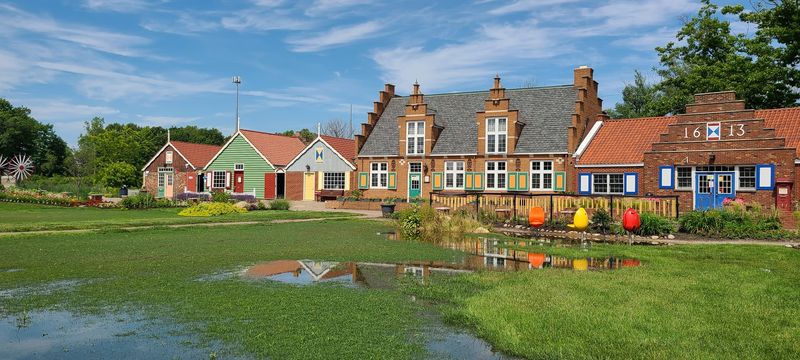
Holland, Michigan wears its Dutch heritage proudly, and it does so without feeling like a theme park. The tulip fields that bloom every May are genuinely breathtaking, and the annual Tulip Time Festival draws visitors from across the Midwest.
But beyond the festival season, Holland is a fully functioning, deeply livable community with real neighborhoods, good healthcare, and a downtown that hums with independent shops and restaurants year-round.
Hope College gives the town a youthful intellectual energy without overwhelming it. Retirees benefit from the cultural programming, lecture series, and performing arts events that a college town naturally generates.
Lake Macatawa sits just west of downtown, offering beautiful sunset views and boating opportunities that feel like a luxury but don’t cost like one.
Housing in Holland is more affordable than you might assume given how attractive the town is. While some neighborhoods near the lake command higher prices, there are plenty of comfortable, well-maintained homes available at reasonable price points throughout the city.
The community has invested heavily in its trail system, making it easy to get around by bike or on foot.
Healthcare infrastructure is solid, with Corewell Health operating a major facility in the area. The local food scene has grown noticeably in recent years, with craft breweries, bakeries, and farm-to-table restaurants adding real depth to the dining options.
Holland manages to feel both charming and genuinely functional — a combination that’s harder to find than people realize when planning retirement.
3. Norway
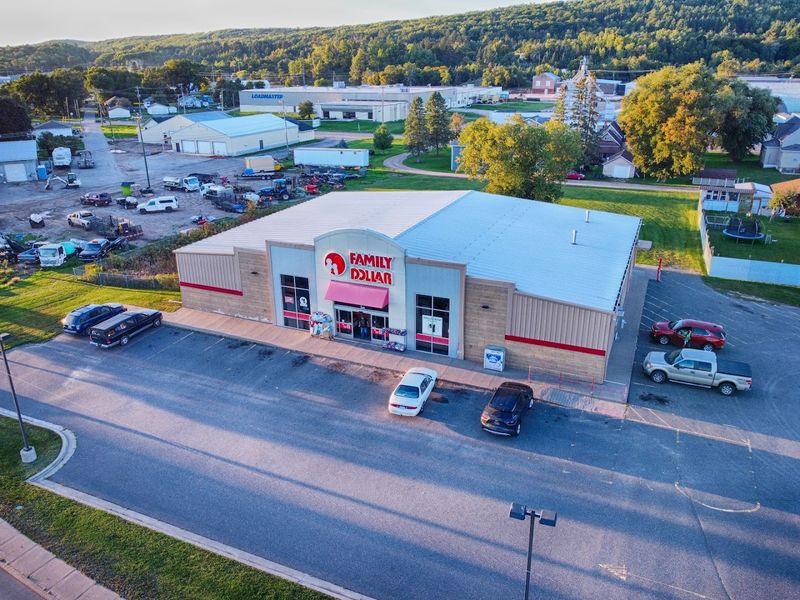
Norway, Michigan sits in the heart of the Upper Peninsula’s Dickinson County, and it carries that UP grit and warmth in equal measure. The town is small — comfortably small — which means you actually get to know your neighbors rather than just wave at strangers.
The surrounding landscape is classic UP beauty: rolling hills, dense forest, and the kind of clean air that makes you feel healthier just by stepping outside.
Housing costs in Norway are among the lowest you’ll find anywhere in Michigan, which is a genuine draw for retirees working with a fixed income. The town has a quiet, unpretentious character that suits people who are done with the hustle and ready for something more grounded.
Local services cover the essentials, and larger shopping options are accessible in nearby Iron Mountain without being too far to make the trip inconvenient.
Winter here is real — don’t let anyone tell you otherwise. But for retirees who appreciate snowshoeing, cross-country skiing, or simply watching the snow fall from a warm living room, the UP winter has a particular kind of magic.
Lake Antoine is just a short drive away and offers swimming, fishing, and picnicking during the warmer months.
The community hosts local events throughout the year that bring residents together in an authentic way. There’s no performative small-town charm here — it’s just people who genuinely like living where they live.
If affordable, quiet, and surrounded by natural beauty sounds like your retirement blueprint, Norway checks every single box without pretense.
4. Petoskey
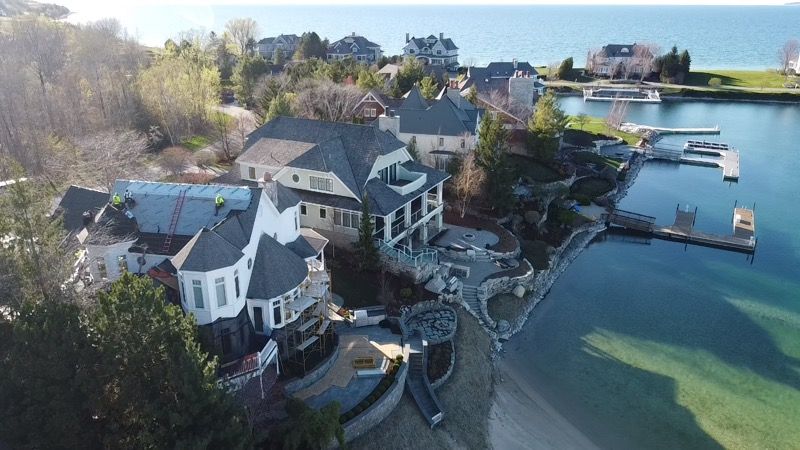
Petoskey often gets lumped in with the pricier northern Michigan resort crowd, but the full picture is more nuanced than that. Yes, there are upscale shops and lakefront properties that command serious money — but there are also comfortable, affordable neighborhoods a short distance from the tourist corridor where retirees live very well without the resort-town price tag.
The key is knowing where to look, and Petoskey rewards people who do their homework.
The Gaslight District downtown is one of the most walkable and genuinely pleasant shopping districts in the entire state. Independent bookstores, coffee shops, galleries, and restaurants fill the brick-lined streets with real character.
Ernest Hemingway spent summers here as a boy, and the town has held onto that literary legacy with pride rather than turning it into a tired gimmick.
Petoskey sits at the southern end of Little Traverse Bay, and the views across the water are legitimately spectacular. The North Central Michigan College campus adds educational programming and community events that enrich retirement life in ways that go beyond just scenery.
For retirees who want mental stimulation alongside natural beauty, that combination is genuinely valuable.
Healthcare access is strong, with McLaren Northern Michigan serving the region from a full-service hospital right in town. Housing prices vary widely, and buyers willing to look beyond the lakefront premium will find solid options in established residential neighborhoods.
Petoskey has a way of getting under your skin — the kind of place people visit once and start planning how to move there permanently.
5. Tawas City
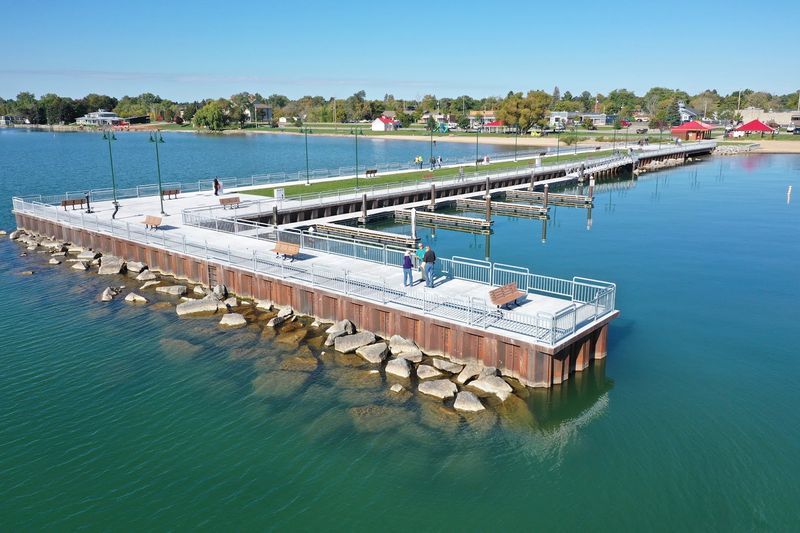
Tawas City doesn’t show up on most retirement shortlists, and that’s honestly part of its appeal. Tucked along the shores of Tawas Bay on Lake Huron’s western edge, this small town has a relaxed, unpretentious energy that feels like what northern Michigan used to be before it got expensive.
The waterfront is genuinely lovely, and the pace of life here is the kind of slow that actually feels like a reward rather than a compromise.
Housing costs are refreshingly low for a lakeside community. You can find well-maintained homes with reasonable square footage at prices that would make retirees in more popular towns genuinely jealous.
The town’s proximity to Tawas Point State Park is a major quality-of-life asset — one of the prettiest stretches of Lake Huron shoreline in the Lower Peninsula is essentially in your backyard.
Birdwatching is serious business around Tawas Point, which sits along a major migratory flyway and draws enthusiasts from across the Midwest each spring. Even if birding isn’t your thing, the park’s trails and beach access are wonderful for daily walks and quiet reflection.
The local fishing scene is equally strong, with Tawas Bay known for producing excellent perch and walleye catches.
The downtown area is small but functional, with local diners, a library, and community events that keep residents connected throughout the year. The nearby twin city of East Tawas adds a few more dining and shopping options without changing the overall small-town character of the area.
Tawas City is a place where retirement life can be genuinely simple, affordable, and beautiful all at once.
6. Allegan
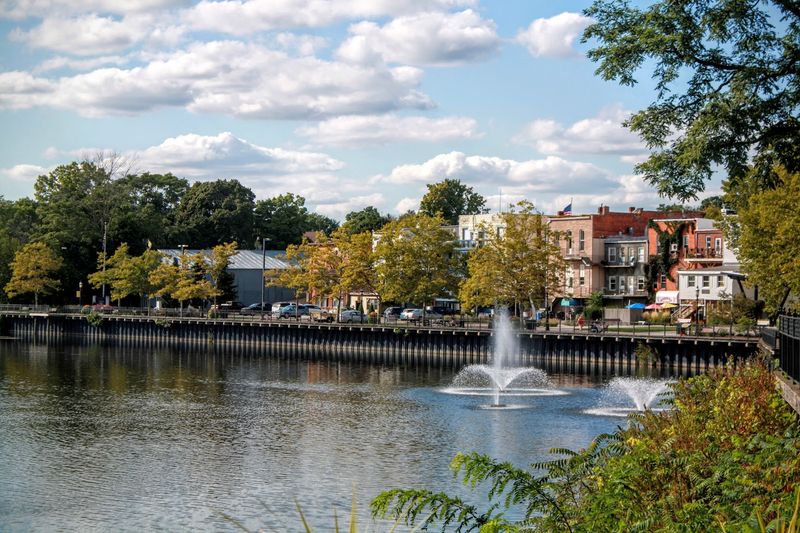
Allegan sits along the Kalamazoo River in southwest Michigan, and it has the kind of old-fashioned downtown that people spend weekends driving around the state trying to find. The historic courthouse anchors the town square, and the surrounding blocks are filled with antique shops, local eateries, and the sort of architecture that tells you this town has been quietly doing its thing for well over a century.
It’s the real deal, not a reconstructed version of small-town life.
What makes Allegan particularly smart for retirees is its location. You’re close enough to Kalamazoo and Grand Rapids to access major medical centers, cultural institutions, and big-box shopping without actually having to live in a city.
That combination of rural peace with urban accessibility is genuinely rare and genuinely valuable for people thinking long-term about retirement needs.
The Kalamazoo River runs right through town and opens up a surprising amount of outdoor recreation. Canoeing, kayaking, and fishing are all accessible without any special gear or planning — you can literally walk to the water from the downtown area.
Allegan State Game Area stretches for miles to the west, offering hunting, hiking, and wildlife viewing in a landscape that feels worlds away from suburban Michigan.
Housing in Allegan is affordable in a way that still surprises people who visit. Older homes with genuine character — wide porches, hardwood floors, mature trees in the yard — are available at prices that feel almost too good.
The community has a tight-knit personality with annual festivals and local events that make it easy for newcomers to feel like they belong relatively quickly.
7. Charlevoix
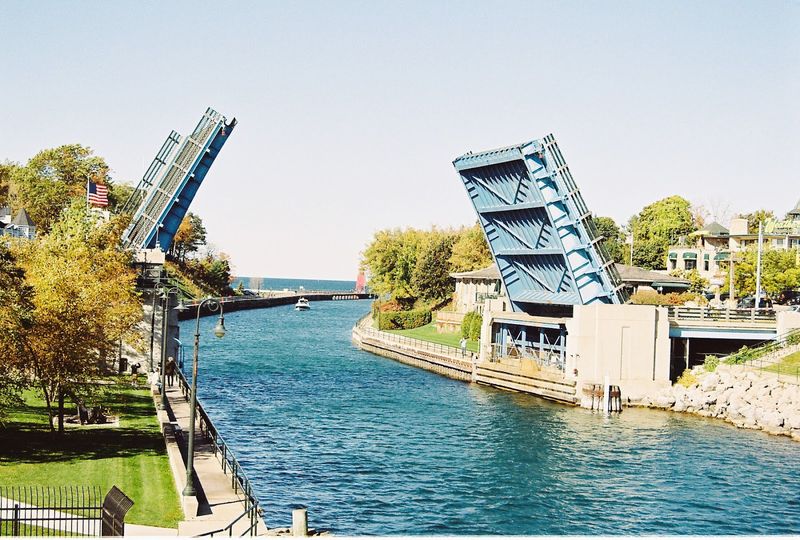
Charlevoix has a reputation as a ritzy summer destination, and while that reputation isn’t entirely wrong, it tells only part of the story. Year-round residents — and there are plenty of them — experience a very different version of this town.
Once the summer crowds thin out after Labor Day, Charlevoix settles into a quieter, more intimate rhythm that many retirees find deeply appealing. The bones of the town are exceptional, and the off-season lifestyle is genuinely underrated.
The famous “Mushroom Houses” designed by architect Earl Young are a local landmark unlike anything else in Michigan. These organic, hobbit-like stone structures scattered through residential neighborhoods give Charlevoix a whimsical personality that sets it apart from every other small town in the state.
Just living near them feels like a daily reminder that you chose somewhere special.
Lake Charlevoix is one of the most beautiful inland lakes in Michigan, and access to it is part of everyday life here rather than a seasonal luxury. Boating, swimming, and shoreline walks are woven into the local routine in a way that feels effortlessly natural.
The connection to Lake Michigan via the Pine River Channel means serious boaters have access to open water as well.
Yes, some real estate in Charlevoix is expensive — but the range is wider than outsiders assume. Neighborhoods away from the immediate waterfront offer livable, comfortable options at prices that reasonable retirement budgets can accommodate.
Healthcare access through McLaren Northern Michigan in nearby Petoskey keeps practical concerns covered. Charlevoix rewards the retiree who wants beauty, character, and community without surrendering financial sanity.
8. White Cloud
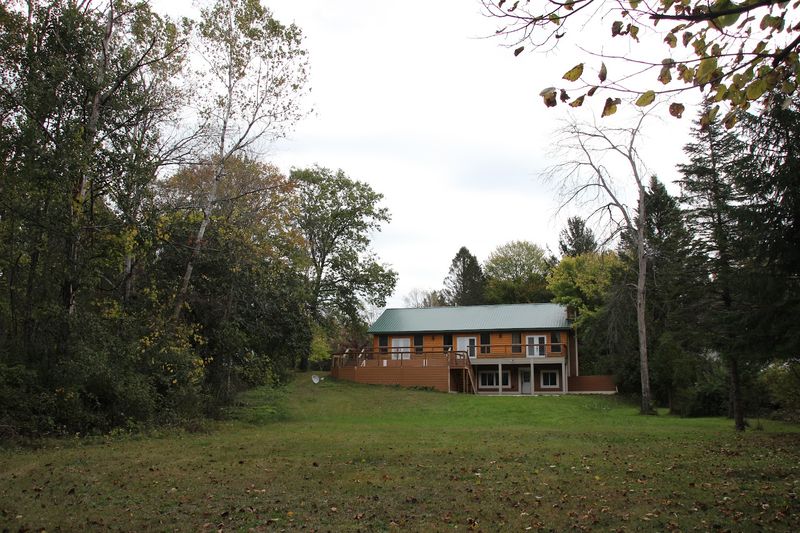
Not many people outside of west-central Michigan have heard of White Cloud, and that anonymity is basically its superpower. The county seat of Newaygo County, White Cloud is surrounded by state forest, river systems, and the kind of quiet that urban retirees spend years dreaming about.
Life here moves at a pace that feels deliberately human-scaled, and the cost of living reflects a town that hasn’t been discovered by the vacation-home crowd yet.
The White River runs nearby, and it’s one of the better trout streams in the Lower Peninsula. Fly fishing enthusiasts who retire here will find themselves in a very happy situation.
Beyond fishing, the Manistee National Forest is practically on the doorstep, offering hundreds of miles of hiking and mountain biking trails for retirees who like to stay active without paying resort prices for the privilege.
Housing in White Cloud is among the most affordable in the region. You can find comfortable single-family homes with decent land at prices that would be laughable in Traverse City or Petoskey.
That financial breathing room matters enormously over a 20- or 30-year retirement, and it’s the kind of advantage that compounds quietly over time in ways that make a real difference.
The community itself is warm and welcoming in a no-nonsense way. Local events, the county fair, and the natural gathering spots along the river create a social fabric that keeps residents connected without requiring much effort.
For retirees who want simplicity, outdoor beauty, and financial peace of mind wrapped into one package, White Cloud is the kind of find that makes people feel genuinely clever for choosing it.
9. Houghton
Houghton sits at the tip of the Keweenaw Peninsula in Michigan’s Upper Peninsula, and it might be the most intellectually stimulating small town in the entire state. Michigan Technological University anchors the community, bringing research energy, cultural programming, and a steady stream of interesting events to a town of fewer than eight thousand people.
For retirees who want mental engagement alongside natural splendor, Houghton is genuinely hard to beat.
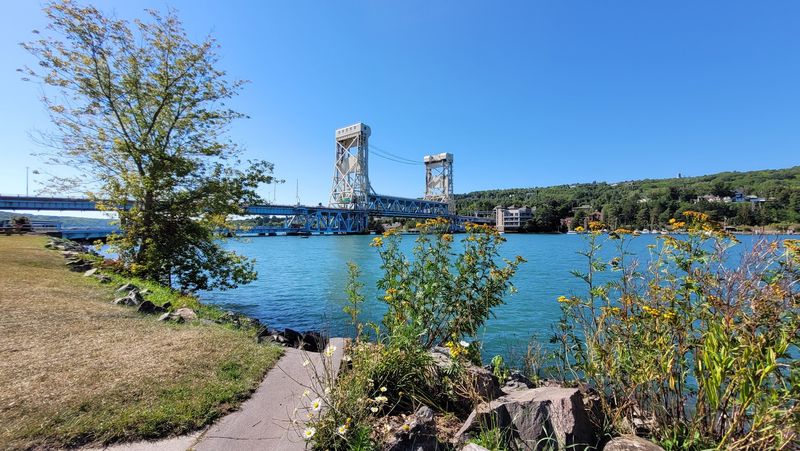
The Portage Lake Lift Bridge connecting Houghton to Hancock is one of the most photographed pieces of infrastructure in the UP — and for good reason. The view from either side of the canal is spectacular in every season, but fall and winter take it to another level entirely.
Copper Country history runs deep here, and the nearby Keweenaw National Historical Park does an excellent job of bringing that mining heritage to life.
Winter in Houghton is not for the faint of heart — the town regularly leads the nation in annual snowfall. But for retirees who embrace winter rather than flee from it, that snowfall translates into world-class cross-country skiing, snowshoeing, and snowmobiling right outside the front door.
The local culture has adapted beautifully to the climate, and there’s a festive, community-oriented energy to the winter months that outsiders rarely expect.
Housing costs are very reasonable given the quality of life on offer. The university hospital and local clinics provide healthcare access that matters for long-term planning.
Houghton has a loyal, passionate community of year-round residents who chose it deliberately — and that intentionality creates a social environment that retirees tend to find refreshingly genuine and easy to connect with.
10. Frankenmuth
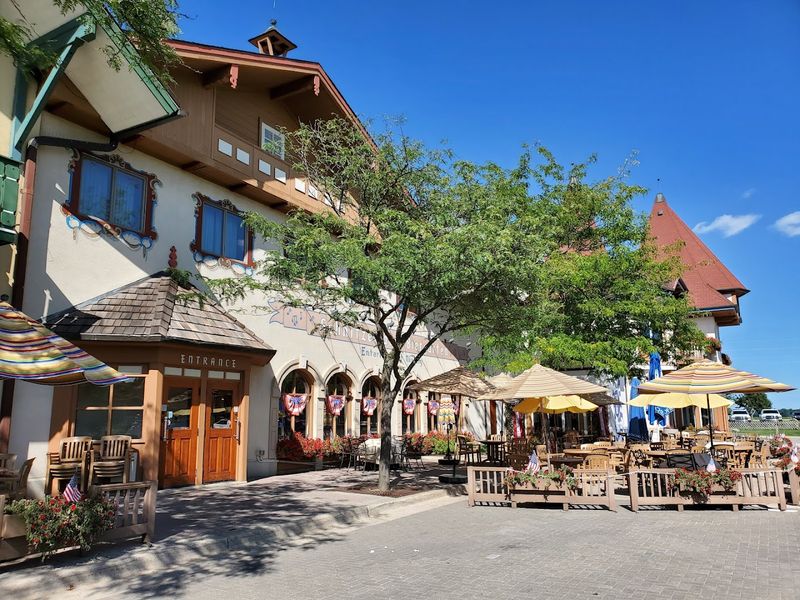
Frankenmuth calls itself “Michigan’s Little Bavaria,” and unlike a lot of self-applied nicknames, this one actually holds up. The Bavarian architecture, the covered wooden bridge over the Chetola River, the flower boxes overflowing from every windowsill — it all creates a visual identity that’s genuinely distinctive and consistently charming rather than cheesy.
Year-round residents here live inside what tourists drive hours to visit, and that’s a pretty remarkable quality-of-life advantage.
The town is famous for its chicken dinners — Zehnder’s and Bavarian Inn have been feeding enormous, happy crowds for generations. But Frankenmuth’s food scene extends well beyond those iconic restaurants.
Local bakeries, specialty shops, and seasonal markets add real variety for residents who live there full time and want more than just the tourist-trail options.
Bronner’s Christmas Wonderland operates year-round and draws visitors from around the world, which means Frankenmuth has a healthy local economy that supports good services and well-maintained infrastructure. That economic stability is actually a meaningful retirement consideration — towns with consistent tourism revenue tend to maintain their amenities and public spaces better than economically struggling communities.
Housing in Frankenmuth is more affordable than the town’s popularity might suggest. The residential neighborhoods away from the main tourist corridor are quiet, well-kept, and priced within reach of most retirement budgets.
The Cass River runs through town and provides a peaceful natural counterpoint to the busy commercial district. Frankenmuth sits within easy driving distance of Saginaw and Flint, giving residents access to larger medical centers and urban amenities whenever they’re needed.
It’s a town that manages to be both a destination and a genuinely livable community at the same time.
11. Gladstone
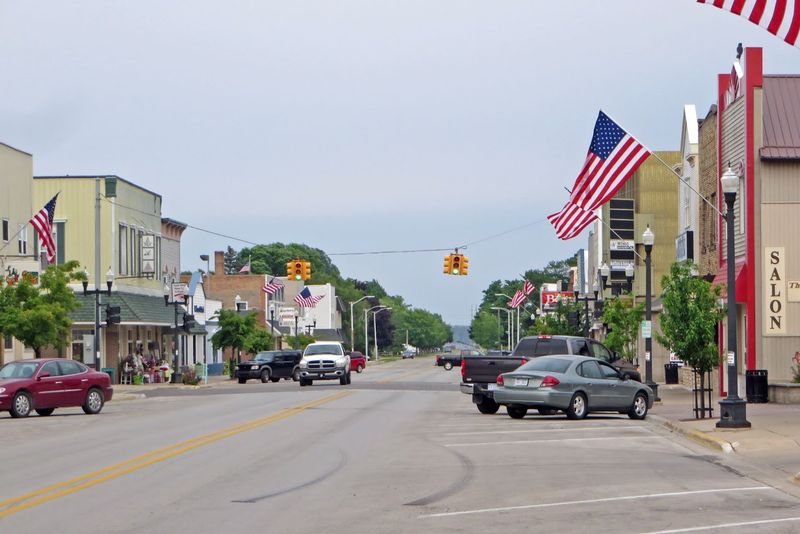
Gladstone is one of those UP towns that locals tend to keep close to the chest, partly because they don’t want to ruin a good thing. Sitting along the shores of Little Bay de Noc in Delta County, Gladstone has waterfront access, a livable downtown, and housing prices that make southern Michigan retirees do a double-take when they check the listings.
The town has a calm, self-sufficient character that suits people who are genuinely done with noise and complexity.
The Van Cleve Park waterfront is a community anchor — a well-maintained green space with Lake Michigan views that residents use for picnics, morning walks, and evening wind-downs throughout the warmer months. The bay itself is excellent for fishing, particularly for walleye and perch, which draws a dedicated local angling community that newcomers are generally welcomed into without much ceremony.
Gladstone is close enough to Escanaba to access a broader range of services and shopping without losing its distinct small-town identity. That proximity matters practically — Escanaba has a hospital, a wider variety of restaurants, and enough retail to handle most everyday needs.
Gladstone residents get the benefit of that nearby infrastructure while still coming home to a quieter, more residential community feel.
The school system here has a solid reputation, which matters to retirees who may have grandchildren visiting or who simply value living in a community that invests in its future. Winter in Gladstone is genuine UP winter — snowy and cold — but the community handles it with characteristic UP resilience and a sense of humor.
For retirees seeking waterfront beauty, real affordability, and a community that doesn’t take itself too seriously, Gladstone is a genuinely compelling answer.
Share this story