Tennessee Safari Park offers an adventure that puts you face-to-face with incredible creatures from around the world. Unlike traditional zoos where you watch from a distance, this unique park allows visitors to feed, touch, and interact with animals in ways you never imagined possible.
From towering giraffes eating right out of your hand to friendly kangaroos hopping alongside you, every moment feels like stepping into the wild. Get ready to discover seven amazing animals you can get remarkably close to during your visit.
Giraffe Feeding Stations
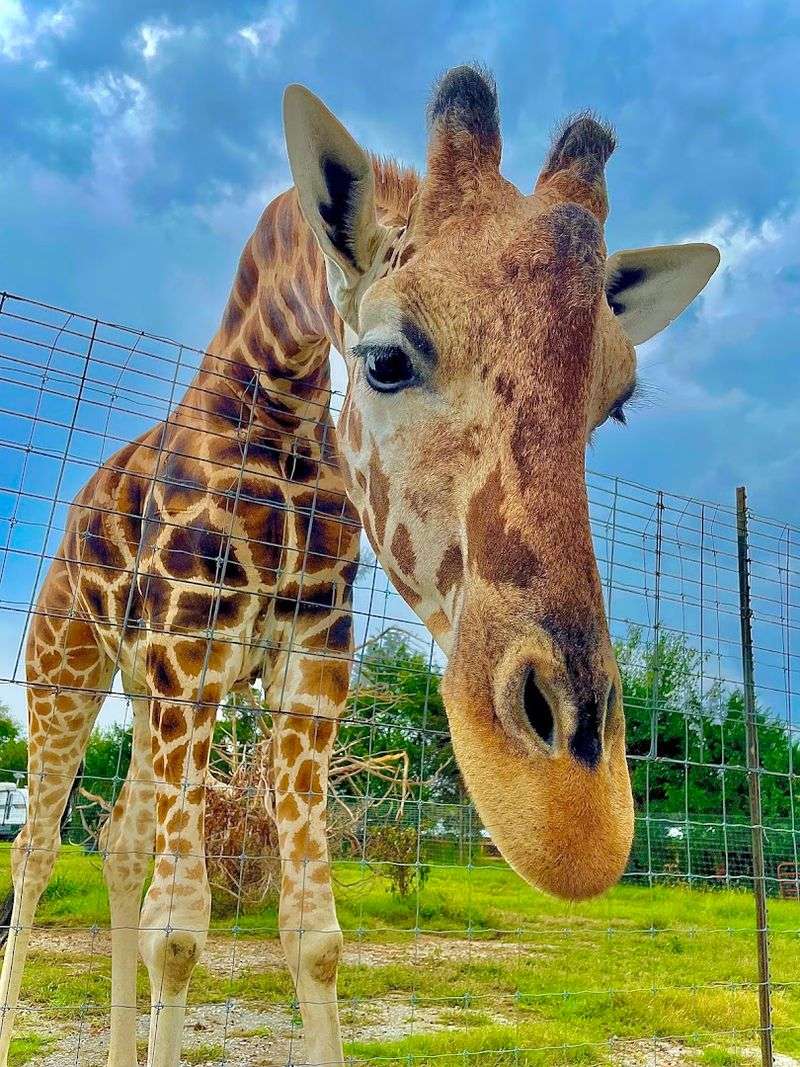
Standing on elevated platforms with lettuce in your outstretched hand, you watch as a giraffe’s long neck gracefully curves toward you. Their enormous dark eyes meet yours, and that famous purple tongue wraps around the greens you’re offering.
This moment, happening just inches from your face, creates memories that last forever.
Tennessee Safari Park’s giraffe feeding experience lets visitors get closer than they ever dreamed possible. These magnificent creatures, standing up to 18 feet tall in the wild, lower themselves to human level for tasty treats.
Their curious and surprisingly gentle nature makes the encounter comfortable even for nervous first-timers.
The feeding platforms position guests at the perfect height to see giraffes up close without straining. You’ll notice their impossibly long eyelashes, spot patterns unique as fingerprints, and maybe even feel their warm breath.
Park staff members stay nearby to answer questions and ensure both visitors and animals stay safe during interactions.
Many families return specifically for this experience because kids absolutely love it. Watching a child’s face light up when a giraffe accepts their offering never gets old.
The photos you’ll snap during these moments become treasured keepsakes that capture genuine wonder and excitement.
Each giraffe has its own personality that keepers know well. Some approach eagerly while others take their time deciding if they want a snack.
Learning these individual quirks adds extra depth to your visit and helps you appreciate these animals as unique beings rather than just attractions.
The park provides all necessary food for feeding, so you don’t need to bring anything special. Staff explain proper feeding techniques before you start, making sure everyone understands how to hold treats safely.
This preparation ensures smooth, enjoyable interactions that respect the animals’ needs while giving visitors incredible experiences they’ll talk about for years to come.
Zebra Petting Encounters
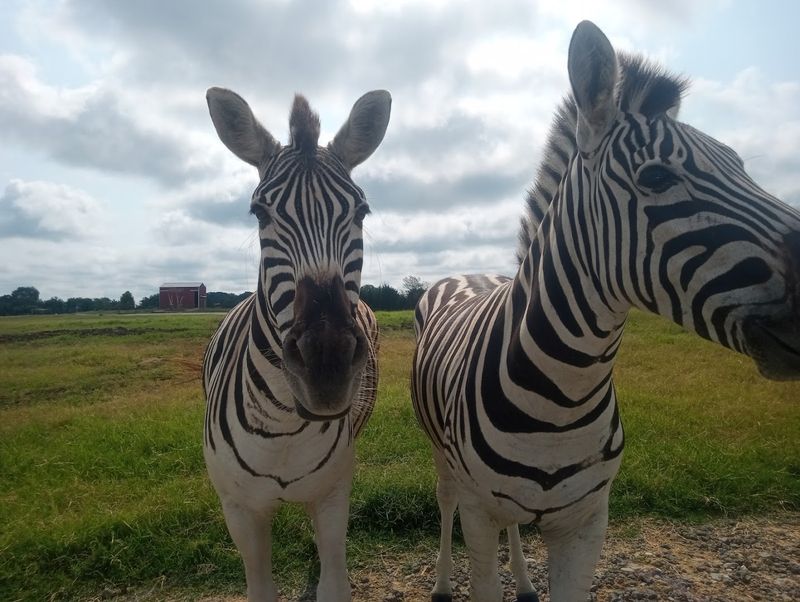
Most people think zebras are too wild to touch, but Tennessee Safari Park proves otherwise. Several zebras here have grown comfortable around humans and actually seem to enjoy the attention they receive.
Running your fingers across their striped coat reveals surprisingly coarse hair, nothing like the soft texture you might expect from looking at them.
These African equines belong to the horse family but possess vastly different temperaments from their domestic cousins. Wild zebras maintain fierce independence and wariness around people.
The park’s zebras, raised with regular human contact, show relaxed behavior that allows for safe petting sessions under staff supervision.
Walking up to a zebra feels surreal at first because we’re so used to seeing them only in photos or behind barriers. Their muscular build and alert ears remind you these animals possess serious strength.
Yet they stand calmly, letting visitors stroke their necks and shoulders while munching on provided treats.
Did you know each zebra’s stripe pattern is completely unique? Scientists can identify individual zebras by their markings, similar to how we use fingerprints for humans.
During your encounter, take time to examine the intricate patterns up close and notice how no two zebras look exactly alike.
Children especially benefit from these hands-on learning opportunities that make wildlife education tangible. Reading about zebras in books doesn’t compare to actually touching one and observing their behavior firsthand.
Teachers often bring school groups specifically for these educational animal encounters that bring textbook lessons to life.
The park staff teaches proper approaching techniques to avoid startling the animals. Moving slowly and speaking softly helps keep zebras comfortable throughout the interaction.
These guidelines exist not from danger concerns but from respect for the animals’ space and ensuring they continue enjoying visitor engagement rather than finding it stressful or overwhelming.
American Bison Up-Close Viewing
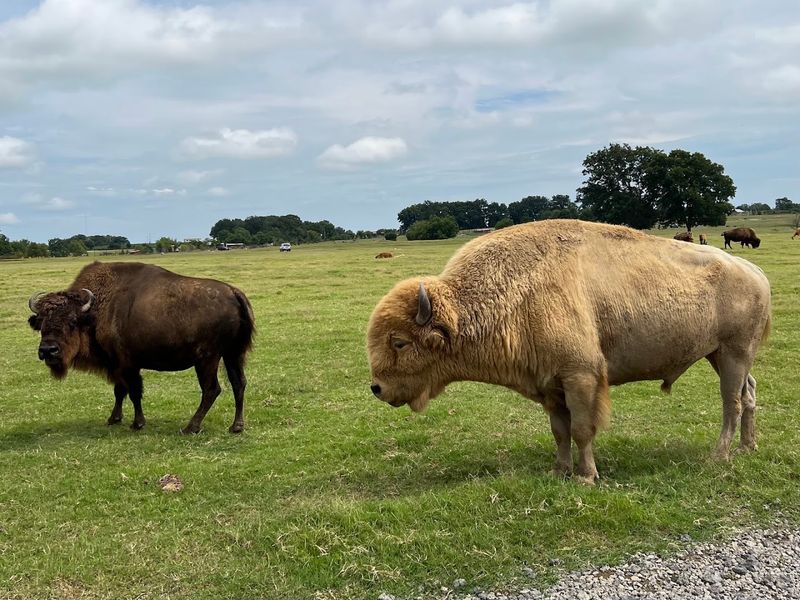
Nothing quite prepares you for the sheer size of an American bison until one walks right up to your vehicle window. These massive animals, weighing up to 2,000 pounds, once roamed North America in millions before nearly going extinct.
Seeing them this close feels like traveling back in time to when these giants dominated the prairies.
The drive-through section of Tennessee Safari Park brings you within feet of these powerful creatures. They wander freely across the landscape, sometimes stopping traffic by simply standing in the road.
Visitors must stay inside vehicles during this portion, but that doesn’t diminish the incredible experience of watching bison graze just arm’s length away through open car windows.
Their thick, shaggy coats look almost prehistoric, especially on bulls with those massive shoulder humps. During spring, bison shed their winter fur in patches, creating a scraggly appearance that somehow adds to their rugged charm.
You might spot them rubbing against fence posts or rolling in dust to help remove loose hair.
Many guests don’t realize bison and buffalo are the same animal despite different common names. European settlers called them buffalo because they resembled African and Asian buffalo species.
However, American bison are actually more closely related to cattle than true buffalo, though the name buffalo stuck in popular culture.
Watching calves play near protective mothers offers touching glimpses into bison family dynamics. These reddish-brown youngsters, born in spring, stay close to mom while developing the darker coloring they’ll wear as adults.
Their playful antics contrast sharply with the stoic demeanor of full-grown bulls who seem unbothered by anything.
Photography enthusiasts love this section because patient waiting usually rewards them with spectacular shots. Bison often approach vehicles out of curiosity, creating perfect opportunities for frame-filling portraits.
Just remember to respect their space and never attempt to touch them through windows, as these animals remain wild despite their comfortable behavior around cars.
Ostrich Interactive Areas
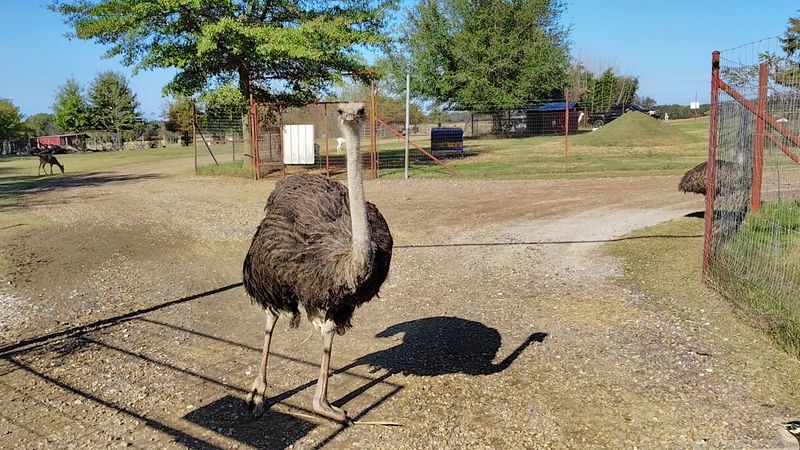
With necks stretching skyward and eyes bigger than their brains, ostriches create quite an impression at Tennessee Safari Park. These flightless birds from Africa hold the record as the world’s largest living birds, standing up to nine feet tall.
Getting close to one makes you realize just how accurate those measurements are when you’re looking up at their curious faces.
The park’s ostrich area allows supervised feeding that turns into quite an adventure. Ostriches aren’t shy about showing interest when they see food, and their pecking accuracy is surprisingly impressive.
They extend those long necks forward rapidly, snatching treats from your palm with their hard beaks before you barely register the movement.
Many visitors find ostrich behavior simultaneously funny and slightly intimidating. They strut around with exaggerated leg movements, showing off powerful limbs that could deliver dangerous kicks if threatened.
Fortunately, the park’s birds are accustomed to people and focus more on finding snacks than causing trouble for anyone.
Popular myth claims ostriches bury their heads in sand when scared, but that’s completely false. They actually lower their heads to ground level when checking on eggs in their nests, creating an illusion from distance that their heads disappeared.
Seeing them up close lets you appreciate how alert and aware they actually are of their surroundings.
Their feathers feel surprisingly soft when you get the chance to touch them during encounters. Males sport dramatic black and white plumage while females wear more subdued brownish tones.
This difference helps females blend into African grasslands when sitting on nests while males use their bold coloring for courtship displays.
Kids often giggle watching ostriches run because their gait looks so awkward despite incredible speed. These birds can sprint up to 45 miles per hour, making them the fastest birds on land.
At the park, you’ll see them trotting around rather than racing, but their athletic build hints at the impressive capabilities they possess when motivated to move quickly.
Camel Rides and Feeding
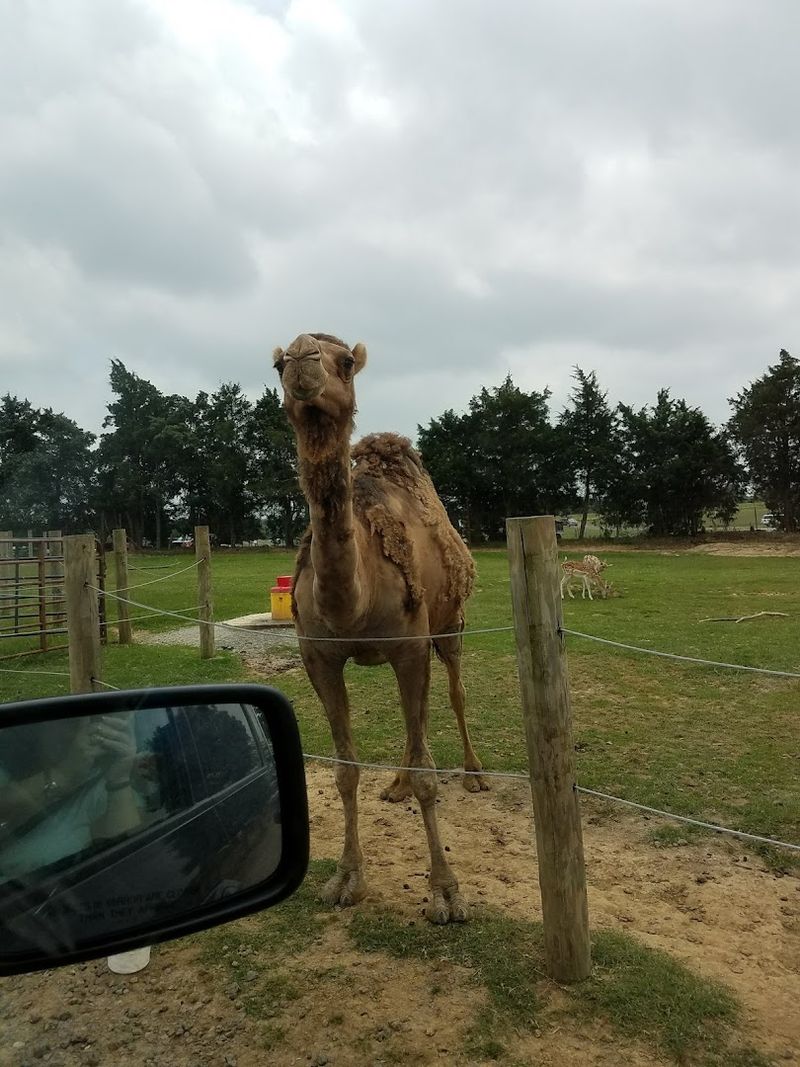
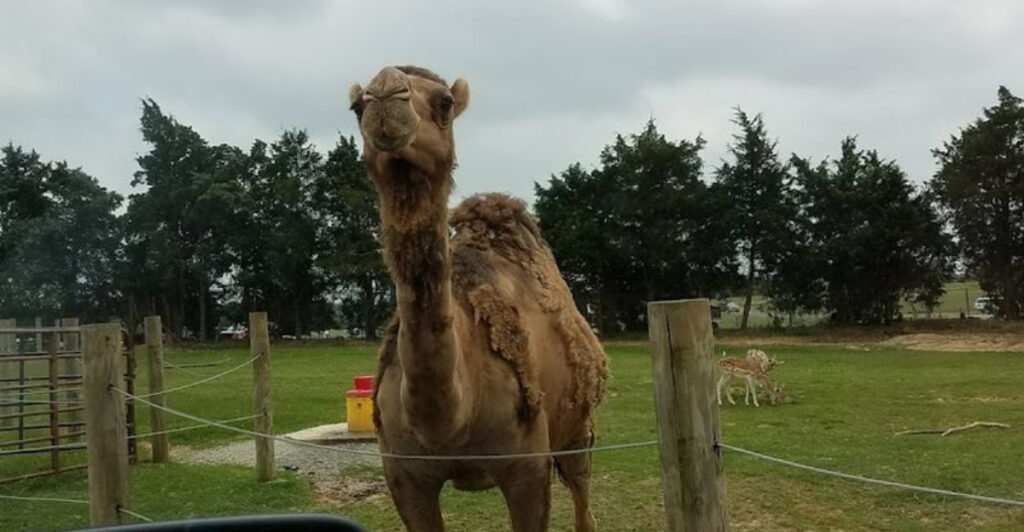
Climbing onto a camel’s back feels like mounting a small moving mountain that sways beneath you. Tennessee Safari Park offers camel rides that give visitors a unique perspective and connection with these desert-adapted animals.
The initial lurch forward as camels stand up catches everyone off guard, prompting surprised laughter and tight grips on the saddle.
These remarkable creatures carry you around a designated area while you experience how people have traveled for thousands of years. Camels served as primary transportation across Middle Eastern and North African deserts long before vehicles existed.
Feeling their rolling gait helps you understand both why they’re called ships of the desert and why long journeys on camelback require serious stamina.
Before or after your ride, feeding sessions let you interact with camels at ground level. They accept treats eagerly, though their large lips feel strange brushing against your hand during the exchange.
Camels make various sounds from grunts to what seems like complaining grumbles, adding entertainment value to every interaction.
Their humps contain fat reserves rather than water, contrary to common belief. This stored energy allows camels to survive extended periods without food in harsh desert environments.
At the park, well-fed camels sport plump humps that demonstrate their healthy condition and proper care.
Staff members share fascinating facts about camel adaptations while helping visitors mount and dismount safely. You’ll learn about their three eyelids, including one that’s transparent for protecting eyes during sandstorms while still seeing.
Their thick lips can handle thorny desert plants that would injure other animals, showcasing remarkable evolutionary specialization.
Photographers love capturing the amusing expressions camels make, from seeming smiles to looks of complete disdain. These animals possess distinct personalities ranging from friendly and eager to aloof and dignified.
Spending time with them reveals intelligence and awareness that makes you respect their capabilities beyond just being rideable attractions at parks.
Kangaroo Walkabout Experience
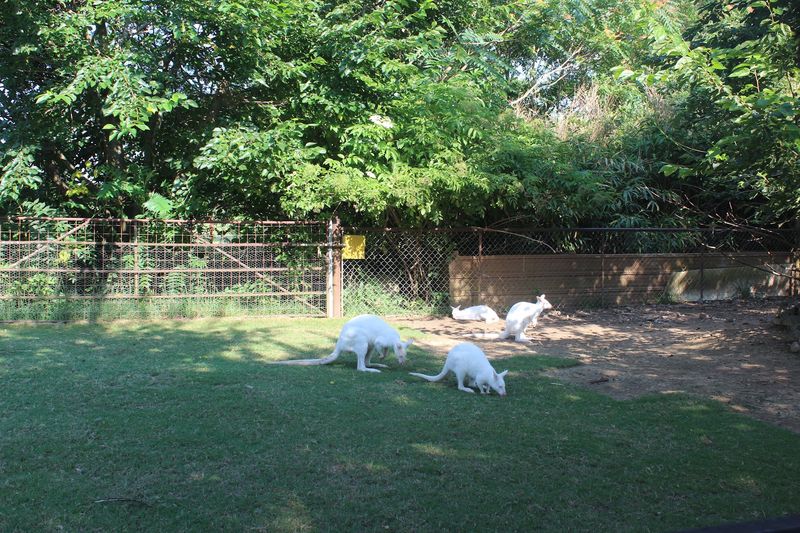
Stepping into the kangaroo walkabout area feels like entering a different continent altogether. These Australian marsupials lounge casually on the grass, seemingly unconcerned by human visitors strolling through their space.
Some hop lazily from spot to spot while others recline in relaxed poses that make them look surprisingly laid-back for wild animals.
The walkthrough design means no barriers separate you from kangaroos as you explore their habitat. Staff provide feeding cups filled with appropriate food that attracts curious kangaroos to approach you directly.
Watching them hop over on powerful hind legs creates genuine excitement, especially when they get close enough to eat from your outstretched hand.
Their soft fur surprises most people expecting something coarser or rougher textured. Running your hand along a kangaroo’s back reveals dense, velvety fur that feels pleasant to touch.
Their ears swivel independently, tracking sounds from all directions while they munch on treats you’re offering.
Baby joeys sometimes peek out from mother’s pouches during your visit, offering adorable glimpses of kangaroo parenting. These tiny youngsters grow inside the pouch until developed enough to venture out independently.
Seeing a joey’s face emerge from the pouch ranks among the cutest sights at any animal park anywhere.
Tennessee Safari Park provides detailed information about kangaroo behavior and biology throughout the walkabout area. You’ll discover that kangaroos can’t walk backwards, making them symbols of progress in Australian culture.
Their powerful tail acts as a fifth limb for balance when sitting or moving slowly, though they tuck it out of the way during fast hopping.
Different kangaroo species share the space, from larger reds to smaller wallabies. Comparing their sizes and features up close teaches you identification skills that photos or videos never could.
The relaxed atmosphere encourages spending as much time as you want observing these fascinating marsupials in a setting that mimics their natural comfort while allowing unprecedented human access.
Lemur Walk-Through Habitat
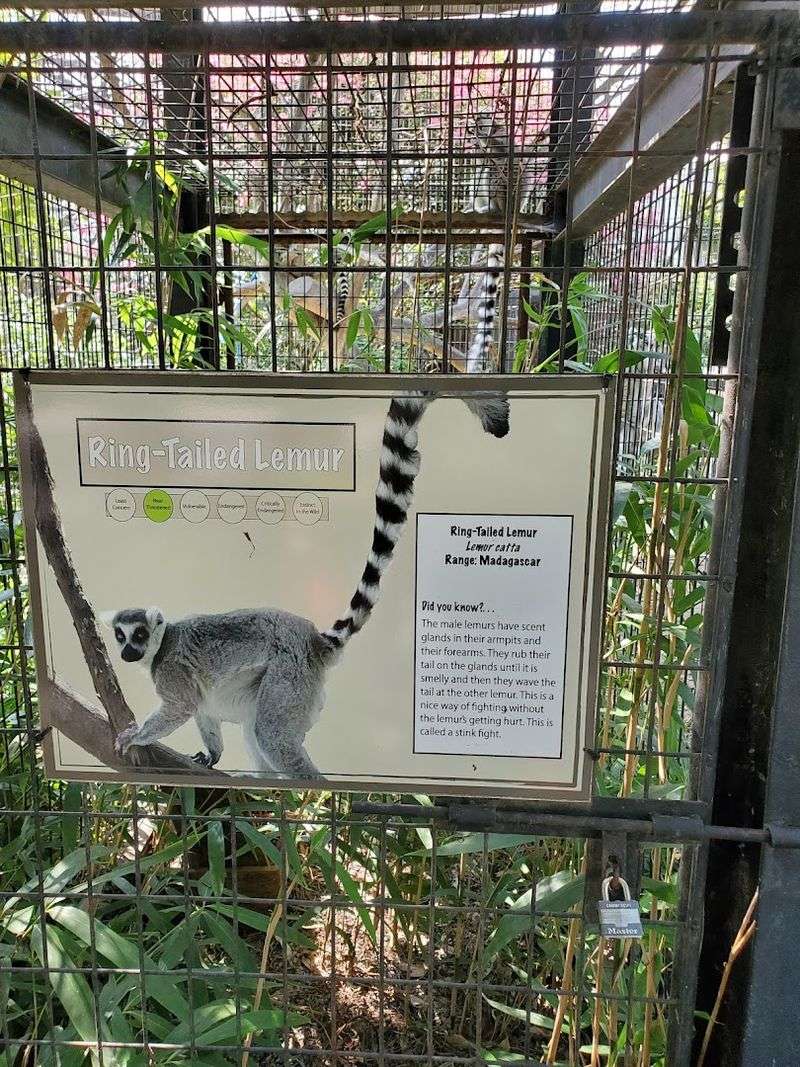
Ring-tailed lemurs leap gracefully overhead as you walk through their special habitat at Tennessee Safari Park. These primates from Madagascar possess incredible agility, bouncing between branches and platforms with seemingly effortless precision.
Their famous black-and-white striped tails, held high like flags, make them instantly recognizable even to visitors who’ve never seen lemurs before.
The walk-through setup allows lemurs complete freedom to move around, over, and sometimes even on visitors who stand very still. They might land on a nearby railing or scamper across the path right in front of you.
This immersive experience creates magical moments where you’re literally surrounded by these entertaining primates going about their daily activities.
Lemurs are highly social animals that live in female-led groups called troops. Watching their interactions teaches you about primate social structures and communication methods.
They make various vocalizations from purrs to alarm calls, and you’ll likely hear several different sounds during your visit as they chat with each other.
Madagascar remains the only place where lemurs live naturally in the wild, making them incredibly special ambassadors for that unique island ecosystem. Sadly, many lemur species face extinction threats from habitat loss.
Seeing them up close at the park helps people understand why conservation efforts matter for protecting these remarkable animals and their homeland.
Their large, reflective eyes give lemurs an expressive appearance that seems almost human at times. Combined with their curious nature and playful behavior, it’s easy to see why visitors fall in love with these primates.
They’ll often pause to study you as intently as you’re studying them, creating amusing staredown moments.
Staff members conduct feeding times when lemurs become especially active and approachable. Watching them grasp food with dexterous hands demonstrates the evolutionary advantages primates possess.
Their diet includes fruits, leaves, and special primate treats that keepers use to ensure proper nutrition. The habitat includes enrichment features that encourage natural behaviors, from climbing structures to hiding spots, making this exhibit both entertaining and educational for everyone who visits.