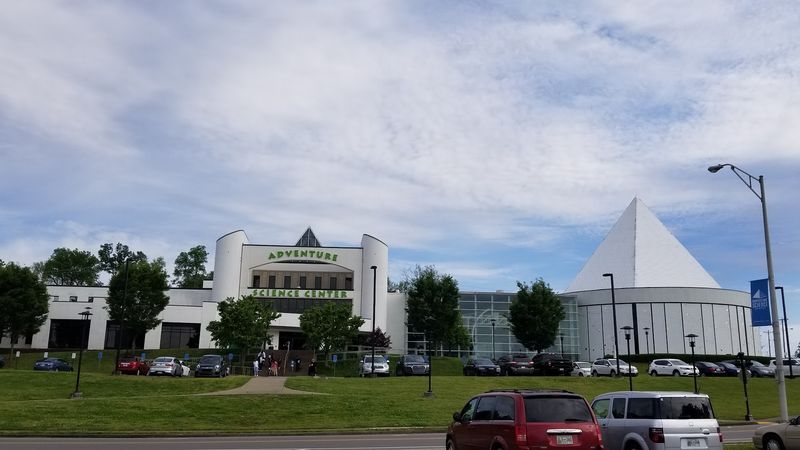
The Adventure Science Center in Nashville has earned its reputation as one of Tennessee’s most beloved family destinations. Kids of all ages can touch, experiment, and explore through hundreds of hands-on exhibits that make learning feel like play.
From climbing a multi-story tower to gazing at distant galaxies in the planetarium, every corner offers a new discovery. Families keep coming back because the museum turns science into an unforgettable adventure that sparks curiosity and imagination.
Interactive Exhibits That Spark Curiosity
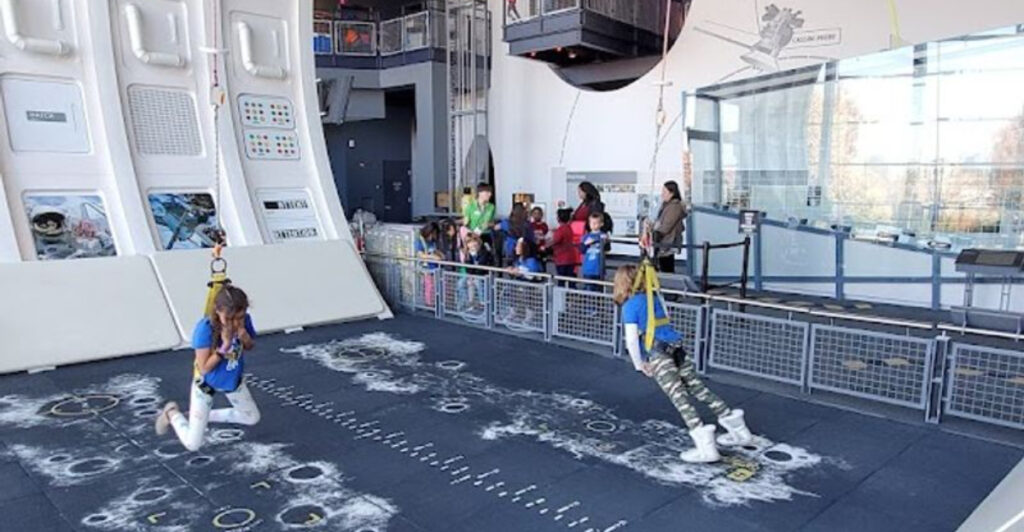
Walking through the Adventure Science Center feels less like visiting a museum and more like stepping into a giant playground where everything teaches you something amazing. Kids don’t just look at displays behind glass; they push buttons, pull levers, and watch what happens when they make choices.
Each exhibit encourages children to ask questions and find answers through their own exploration.
The museum houses over 175 hands-on exhibits spread across multiple floors. Young visitors can create tornadoes, build structures, and experiment with light and sound.
Parents love watching their children’s faces light up when they discover how things work through trial and error.
One of the most popular sections features interactive stations where kids test their physical abilities and learn about forces and motion. They can measure their jumping height, test their reaction time, and compare their strength to different animals.
These exhibits make abstract science concepts concrete and understandable for young minds.
Families appreciate that the exhibits cater to different age groups and learning styles. Preschoolers find age-appropriate activities in designated areas, while older kids tackle more complex challenges.
This thoughtful design means siblings of various ages can all find something engaging at their level.
The museum staff regularly rotates temporary exhibits to keep the experience fresh for repeat visitors. Seasonal displays often tie into current events or trending scientific topics.
This commitment to updating content gives families reasons to return throughout the year.
Many parents report spending three to four hours exploring without their children losing interest. The interactive nature of everything keeps kids moving, thinking, and engaged.
Unlike passive entertainment, these exhibits require active participation, which helps children retain what they learn.
Teachers often bring school groups to the Adventure Science Center because it aligns perfectly with educational standards while feeling like pure fun. Students remember lessons learned through hands-on experience far longer than information from textbooks.
The museum proves that education doesn’t need to feel like work when curiosity leads the way.
Planetarium Shows Under the Stars
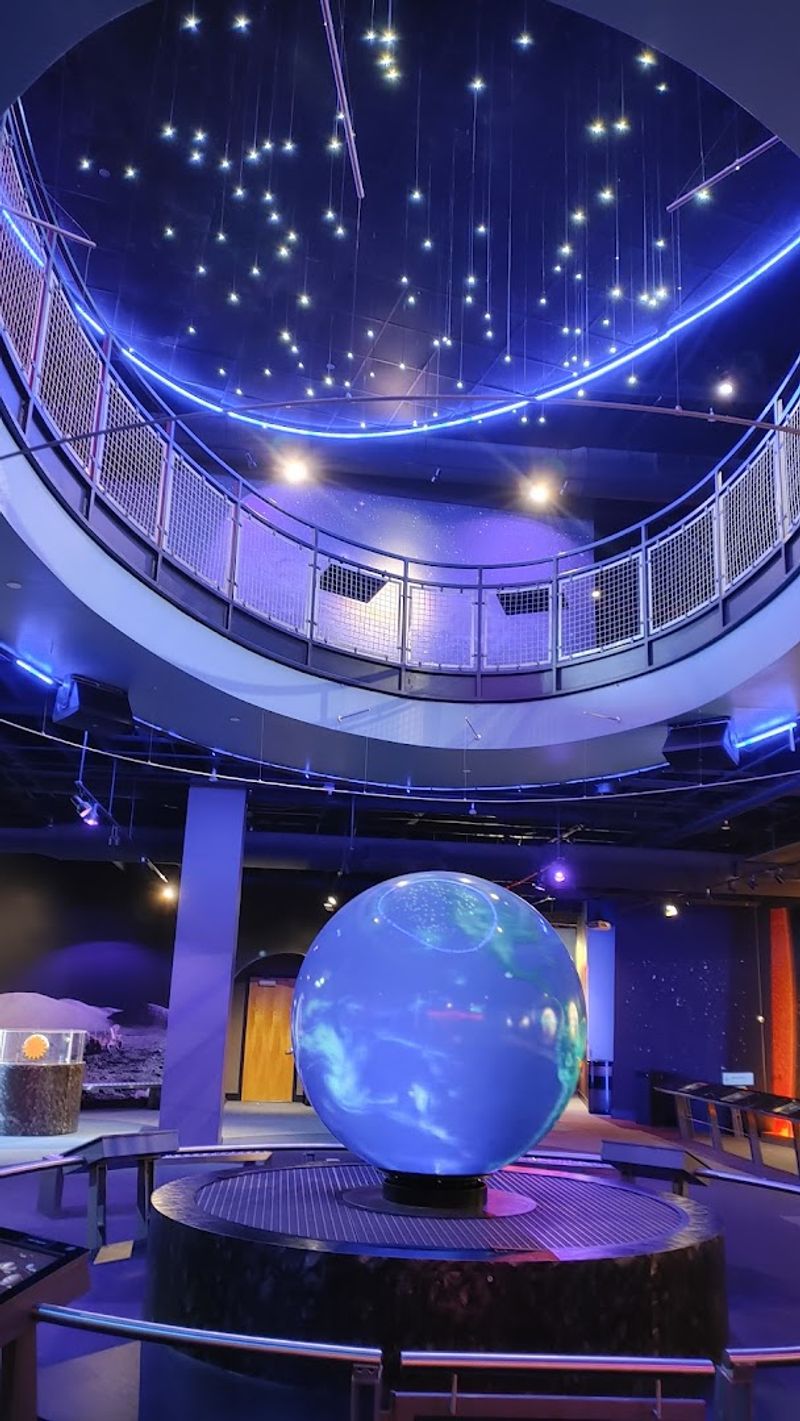
You recline in a comfortable seat, the lights dim, and suddenly you’re floating through space. The Sudekum Planetarium at the Adventure Science Center offers exactly that kind of magic.
With one of the largest projection domes in the region, it transforms science into spectacular visual journeys.
The planetarium presents multiple shows throughout each day, ranging from beginner astronomy for young children to more detailed explorations for curious older kids. Each presentation combines stunning visuals with clear explanations that make complex topics accessible.
Families can choose shows based on their children’s ages and interests.
Young astronomy fans especially love the full-dome technology that surrounds them with images in every direction. The sensation of traveling through the solar system or witnessing a supernova feels incredibly real.
Many kids leave talking excitedly about becoming astronauts or scientists when they grow up.
The planetarium doesn’t just show distant galaxies; it also helps visitors understand Tennessee’s own night sky. Programs teach families how to identify constellations, planets, and other celestial objects they can spot from their own backyards.
This practical knowledge turns stargazing into a hobby families can enjoy together long after leaving the museum.
Special themed shows run during holidays and seasonal events, offering fresh content even for regular visitors. Some presentations focus on specific topics like black holes, Mars exploration, or the search for alien life.
The variety means there’s always something new to discover.
Parents appreciate that planetarium shows provide a calm break from the energetic exploration happening in other museum areas. Kids can rest while still learning and experiencing wonder.
The comfortable seating and climate-controlled environment make it perfect for recharging before tackling more exhibits.
The planetarium staff includes knowledgeable educators who can answer questions after shows. Many families stick around to chat about what they’ve seen and learn more.
This personal interaction adds depth to the experience and helps children connect what they’ve learned to bigger scientific concepts.
Hands-On Learning Stations Throughout
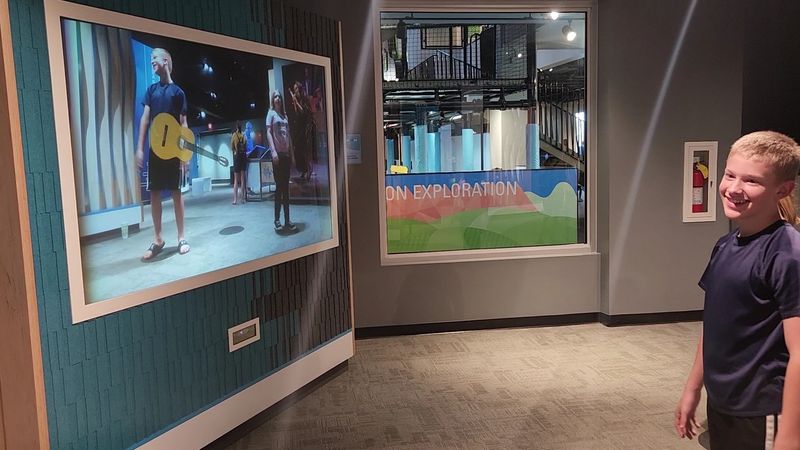
Ever wonder why some kids who claim to hate science suddenly can’t stop talking about it after one museum visit? The secret lies in how the Adventure Science Center approaches learning.
Instead of telling children facts, the museum lets them discover truth through their own experiments and observations.
Scattered throughout the facility, learning stations invite kids to become scientists themselves. They can mix substances to create reactions, use microscopes to examine tiny organisms, and build simple machines.
Each station provides materials and basic instructions, then steps back to let curiosity take over.
Children learn best when they control their own exploration pace and direction. Some kids spend fifteen minutes at one station, testing different variables and recording results.
Others quickly sample multiple activities before finding one that captures their imagination completely.
The learning stations cover every major science discipline, from biology and chemistry to physics and earth science. Kids might dissect owl pellets to learn about food chains, then move to a station where they build electrical circuits.
This variety helps children discover which scientific fields excite them most.
Parents often express amazement at how long their children concentrate at these stations. The hands-on nature keeps minds engaged far better than screens or lectures.
Kids don’t realize they’re absorbing complex concepts because they’re too busy having fun.
Many stations incorporate technology in smart ways that enhance rather than replace physical interaction. Touch screens might show molecular structures, but kids still handle real materials and observe actual reactions.
This blend of digital and physical learning feels natural to modern children while maintaining educational value.
The museum provides lab coats and safety goggles at certain stations, making kids feel like real scientists. This simple touch transforms the experience from playing to conducting serious research.
Children take their experiments more seriously when they look the part.
Volunteer educators circulate among the learning stations, offering hints without giving away answers. They know when to encourage struggling kids and when to challenge those ready for more complexity.
This personalized guidance helps each child get maximum value from their visit.
Science Demonstrations and Live Shows
Nothing quite compares to watching a science educator create a massive foam explosion or demonstrate the power of liquid nitrogen. The Adventure Science Center schedules live demonstrations throughout the day, turning scientific principles into unforgettable performances.
These shows prove that science can be as entertaining as any magic act.
Experienced educators present demonstrations with enthusiasm that’s genuinely contagious. They explain complex concepts in simple terms while performing experiments that look impossible.
Kids watch with wide eyes as ordinary materials produce extraordinary results.
The demonstrations often invite audience participation, letting brave volunteers assist with experiments. Children selected to help become instant celebrities among their peers.
This interaction transforms passive watching into active involvement, making the lessons stick.
Shows cover diverse topics ranging from chemistry and physics to biology and earth science. One demonstration might explore the properties of air pressure using everyday objects.
Another could reveal how different materials conduct electricity through surprising experiments.
What makes these presentations special is how they connect abstract theories to real-world applications. Educators explain how the same principles powering their demonstrations affect daily life.
Kids start recognizing science everywhere once they understand these connections.
The timing of demonstrations works perfectly for families planning their visits. Shows run at scheduled intervals, allowing visitors to explore exhibits between performances.
Many families build their entire day around catching multiple demonstrations.
Parents value how the educators encourage questions and discussion after each show. No question gets dismissed as silly or simple.
This respectful approach teaches children that curiosity and inquiry form the foundation of scientific discovery.
Some demonstrations create such impressive visual effects that kids talk about them for weeks afterward. The combination of education and entertainment leaves lasting impressions.
Former visitors often mention specific demonstrations as highlights that inspired their continued interest in science.
The museum regularly introduces new demonstrations to keep content fresh for returning families. Seasonal themes tie into holidays or current scientific events.
This constant innovation ensures that even frequent visitors encounter something they haven’t seen before.
Safety remains paramount during all demonstrations, with educators explaining proper precautions and why certain experiments require expert supervision. Kids learn that science can be exciting and fun while also understanding the importance of following safety protocols.
Space Exploration Gallery Adventures
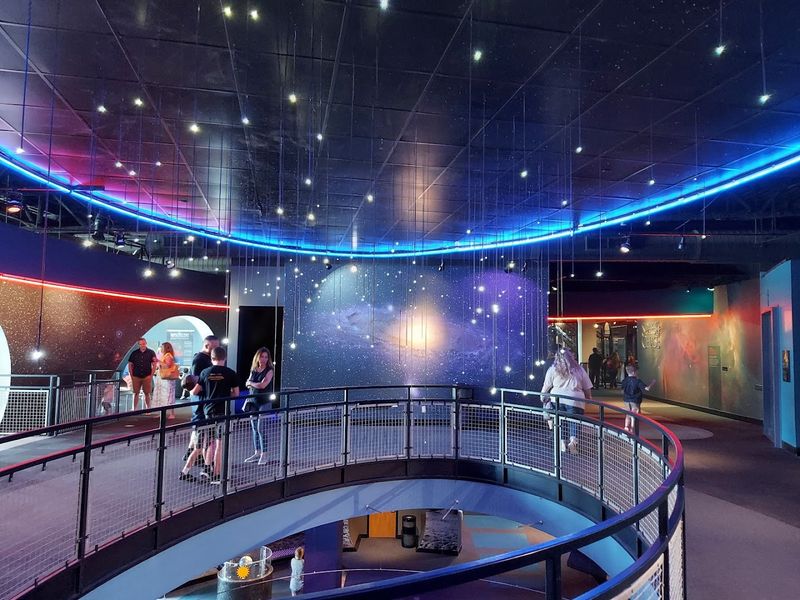
Blast off into a world where kids can explore the mysteries of space without leaving Tennessee. The Space Exploration Gallery captivates young astronauts with authentic artifacts, detailed models, and interactive simulations.
Children who dream of touching the stars find this section absolutely mesmerizing.
The gallery showcases the history of space exploration from early rockets to modern missions. Kids see actual space suits, moon rock samples, and equipment used by real astronauts.
These tangible connections to space travel make the impossible feel achievable.
Interactive mission simulators let children experience what astronauts face during space travel. They can dock a spacecraft, navigate through asteroid fields, or land on distant planets.
These challenges teach problem-solving while delivering pure excitement.
Many exhibits explain the science behind space travel in accessible ways. Children learn about gravity, orbits, and propulsion through hands-on activities.
Complex physics becomes understandable when kids can manipulate variables and observe results themselves.
The gallery doesn’t ignore current space exploration; it highlights ongoing missions and future possibilities. Kids discover that space exploration continues actively today, not just in history books.
This contemporary focus helps children see themselves as potential future scientists and astronauts.
One particularly popular exhibit lets visitors experience their weight on different planets and moons. Kids jump on scales that calculate what they’d weigh on Mars, Jupiter, or Earth’s moon.
This simple comparison makes planetary differences concrete and memorable.
Parents appreciate how the space gallery inspires children to think beyond Earth. Conversations about colonizing Mars or discovering alien life spark imagination while grounding discussions in real science.
These big questions encourage kids to consider careers in science, technology, engineering, and mathematics.
The gallery also addresses practical aspects of space living, showing how astronauts eat, sleep, and exercise in zero gravity. Kids giggle at freeze-dried ice cream samples while learning about the challenges of long-duration space missions.
These details humanize space exploration and make it relatable.
Regular updates to exhibits reflect new discoveries and missions, keeping the content current. When rovers land on Mars or telescopes photograph distant galaxies, the museum incorporates these achievements.
This relevance helps children connect classroom learning to real-world scientific advancement happening right now.
BodyQuest Health and Wellness Center
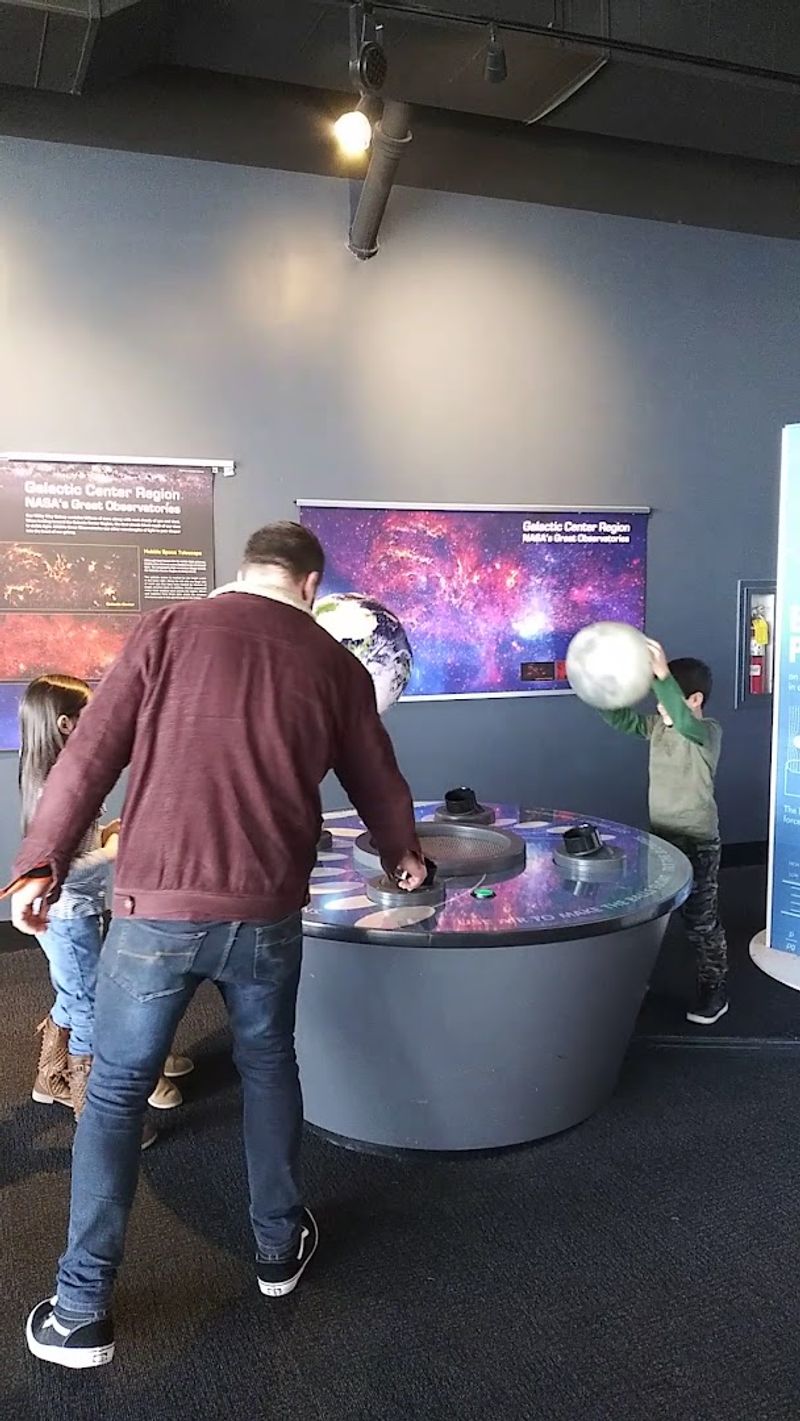
How does your heart pump blood? What makes bones strong?
Why do you need to eat vegetables? BodyQuest answers these questions and hundreds more through exhibits that make human biology fascinating.
Kids explore life-sized displays showing organs, systems, and the amazing ways bodies function.
The centerpiece features a giant climb-through model of the human body. Children literally walk through different systems, seeing how organs connect and work together.
This immersive experience beats any textbook diagram for helping kids understand anatomy.
Interactive stations let children test their own physical abilities and vital signs. They can measure heart rate before and after exercise, test lung capacity, or examine their reflexes.
Seeing their own bodies in action makes the science personal and relevant.
BodyQuest doesn’t just teach anatomy; it emphasizes healthy living choices. Exhibits show how exercise strengthens muscles, nutritious food fuels growth, and sleep helps brains function.
These lessons arrive through engaging activities rather than lectures, making health education actually enjoyable.
Many families report that visiting BodyQuest changes eating habits at home. Kids who resist vegetables suddenly understand why their bodies need them.
The exhibits present nutrition science in terms children grasp, empowering them to make informed choices.
The section includes age-appropriate information about how bodies change during growth and development. Younger children learn basics about staying healthy, while older kids explore more complex topics.
This tiered approach ensures every visitor gains valuable knowledge at their comprehension level.
Parents value how BodyQuest normalizes conversations about health and bodies. The exhibits present information factually and positively, removing awkwardness from topics that sometimes feel difficult to discuss.
Families leave with shared knowledge and vocabulary for continued conversations.
Interactive challenges throughout BodyQuest make learning competitive and fun. Kids might race to assemble a skeleton correctly or compete to identify organ functions fastest.
This gamification maintains engagement while reinforcing educational content.
The exhibit collaborates with local health professionals to ensure accuracy and relevance. Medical professionals occasionally visit to answer questions and discuss their careers.
These interactions expose children to healthcare paths they might not have considered previously.
Technology enhances many displays without overwhelming the hands-on focus. Augmented reality might show blood flowing through vessels, while physical models let kids feel bone density.
This combination of digital and tactile learning addresses different learning preferences effectively.
Adventure Tower Climbing Challenge
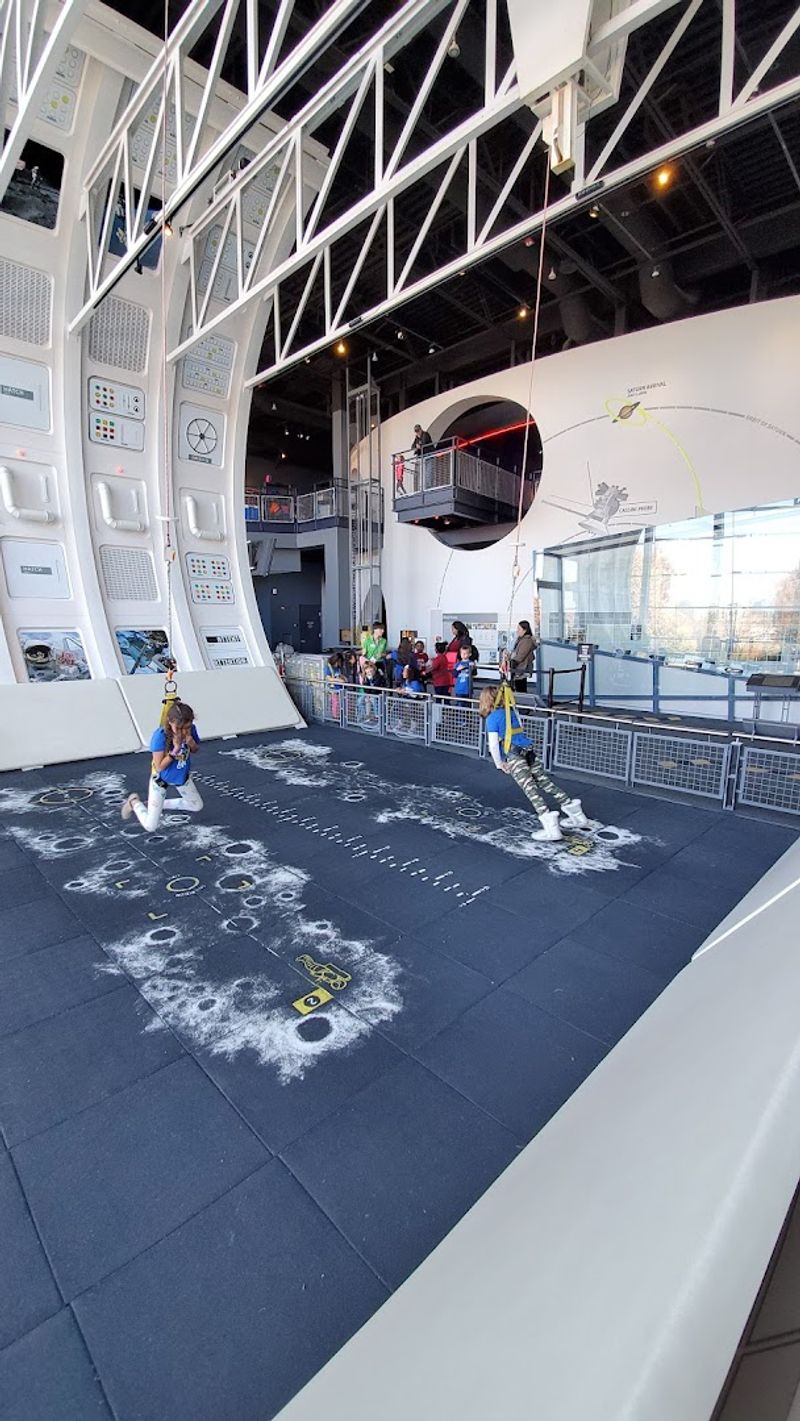
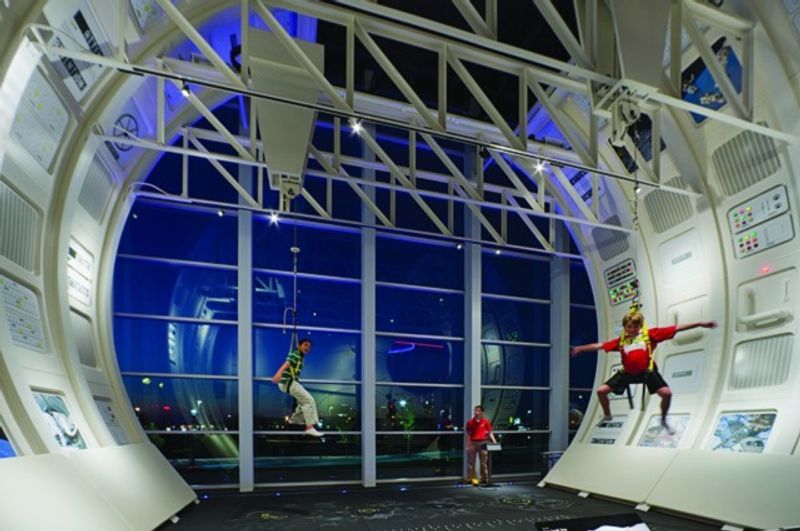
Towering 75 feet above the museum floor stands an attraction that makes even nervous parents smile. The Adventure Tower challenges kids physically while teaching lessons about perseverance, problem-solving, and overcoming fears.
Climbing this indoor structure becomes a metaphor for tackling difficult challenges with determination.
The tower features four different climbing paths, each presenting unique obstacles and difficulty levels. Kids choose routes matching their comfort and ability, ensuring everyone finds appropriate challenges.
This flexibility means timid climbers and confident adventurers both enjoy the experience.
Safety harnesses and trained staff ensure climbing remains secure while still feeling adventurous. Children clip into systems that prevent falls, allowing them to push boundaries without real danger.
Parents can relax knowing their kids explore safely.
Climbing the tower teaches practical physics lessons about balance, leverage, and center of gravity. Kids instinctively adjust their movements based on these principles even if they don’t consciously recognize the science.
Physical challenges reinforce concepts that might seem abstract in traditional learning environments.
Many children discover unexpected strengths while climbing. A quiet bookworm might excel at planning routes strategically.
An energetic athlete might learn patience when navigating tricky sections. The tower reveals that everyone possesses valuable abilities when given opportunities to demonstrate them.
The multi-level design means climbers experience different perspectives as they ascend. Views of museum exhibits from above provide fresh appreciation for the facility’s scope.
Reaching each new platform delivers a sense of accomplishment that builds confidence.
Parents often mention how the tower helps children overcome fears. A child terrified of heights might start at the lowest level, gradually working up to higher platforms over multiple visits.
This self-paced progression teaches that bravery means facing fears step by step, not eliminating them instantly.
The physical activity provides a perfect energy outlet between more cerebral exhibits. Kids who need movement to focus can burn energy climbing before returning to learning stations.
This balance between mental and physical engagement helps the whole museum visit succeed.
Staff members encourage climbers without pressuring them beyond their limits. They celebrate every achievement, whether reaching the top or simply attempting a challenging section.
This positive reinforcement helps children develop healthy attitudes toward trying difficult things.
The Adventure Tower frequently appears in families’ favorite memories from their visits. The combination of physical challenge, achievement, and fun creates powerful positive associations with the museum.
Many kids beg to return specifically to climb again.
Tinkering Garage for Creative Minds
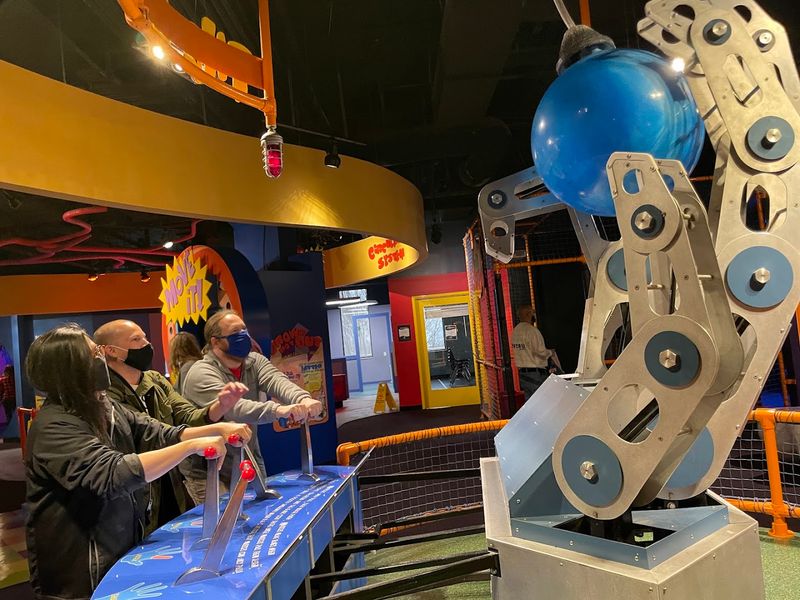
Forget pristine museum exhibits that shout ‘don’t touch.’ The Tinkering Garage embraces glorious mess and creative chaos. Here, kids grab real tools, repurposed materials, and open-ended challenges that have no single correct answer.
This maker space celebrates the kind of learning that happens when children invent, build, and sometimes fail before succeeding.
Unlike structured exhibits with predetermined outcomes, tinkering stations encourage experimentation without specific goals. Kids might build moving vehicles from recycled parts, construct towers from unusual materials, or design machines that solve silly problems.
The process matters more than perfect results.
Real tools like hammers, screwdrivers, and saws sit available for use under supervision. Children learn proper tool handling while building confidence in their abilities.
Many kids have never used actual tools before, making these skills both practical and empowering.
The Garage rotates challenges regularly to maintain interest for frequent visitors. One month might focus on designing bridge structures; another could emphasize creating art machines.
These changing themes introduce kids to engineering principles through creative play.
Parents initially worry about safety with real tools and loose parts everywhere. However, the careful supervision and age-appropriate tool selection ensure security without eliminating authentic experiences.
Kids learn that capable hands can use dangerous tools safely with proper knowledge and respect.
The open-ended nature of tinkering reveals children’s unique thinking styles and strengths. Some kids methodically plan before building; others jump in and adjust as they go.
The Garage validates both approaches, teaching that different problem-solving methods can succeed.
Staff members function as facilitators rather than teachers, asking guiding questions instead of providing answers. When a structure collapses, they might ask,
Special Programs and Educational Camps
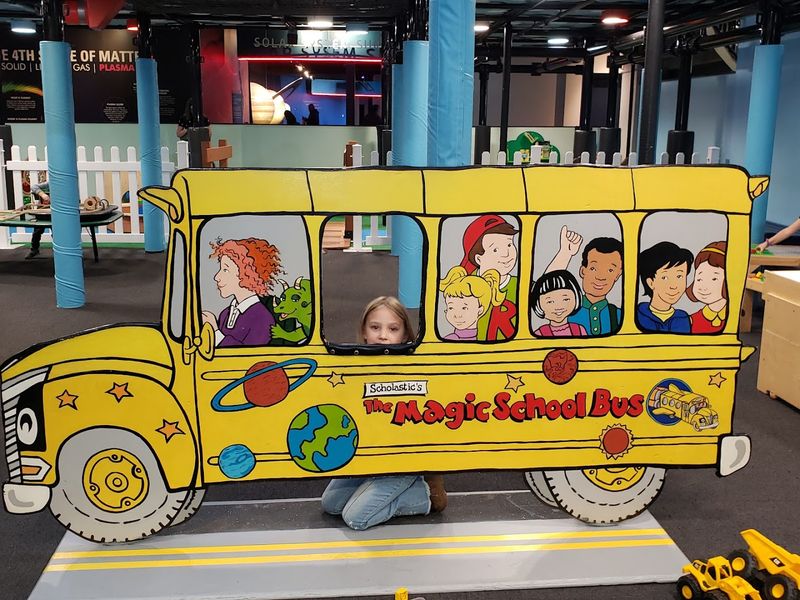
Beyond daily exhibits, the Adventure Science Center offers programs that transform casual visitors into dedicated science enthusiasts. Summer camps, after-school clubs, and special workshops provide deeper exploration of topics that spark particular interests.
These extended experiences build knowledge and skills that single visits can’t achieve.
Summer camps run throughout breaks, covering themes from robotics and coding to ecology and space science. Each week-long program combines hands-on projects with field trips and experiments.
Kids return home excited about science and armed with new knowledge and abilities.
The camps maintain small group sizes, ensuring personalized attention from experienced educators. Instructors adapt activities to match participants’ interests and abilities.
This flexibility means every child feels challenged appropriately without becoming frustrated or bored.
After-school programs let local families engage with science regularly throughout the year. Weekly sessions explore different topics, building comprehensive understanding over time.
Many children who attend these programs develop lasting friendships with peers who share their curiosity.
Special workshops address specific interests like astronomy, chemistry, or marine biology. Families can select programs matching their children’s passions or use workshops to introduce new subjects.
These focused sessions go deeper than general exhibits allow.
Birthday party packages transform celebrations into educational adventures that kids actually prefer over traditional parties. Groups enjoy private access to exhibits plus special activities led by staff.
Friends leave having learned something while having tremendous fun.
Homeschool programs provide curriculum-aligned experiences that supplement home education. Parents appreciate professionally designed lessons that reinforce concepts they’re teaching.
The social aspect also helps homeschooled children connect with peers sharing similar educational paths.
The museum partners with schools to offer field trip programs tailored to specific grade levels and subjects. Teachers receive materials connecting museum visits to classroom curriculum.
These structured educational experiences help students see how classroom lessons apply in real-world contexts.
Scout troops use the museum for badge work, with programs designed around achievement requirements. Groups can earn badges while exploring exhibits and completing guided activities.
This practical application makes badge work more engaging than traditional approaches.
Financial assistance ensures programs remain accessible regardless of family income. Scholarships and reduced rates help all children access quality science education.
The museum’s commitment to equity means inspiration isn’t limited to those who can easily afford participation.
Share this story