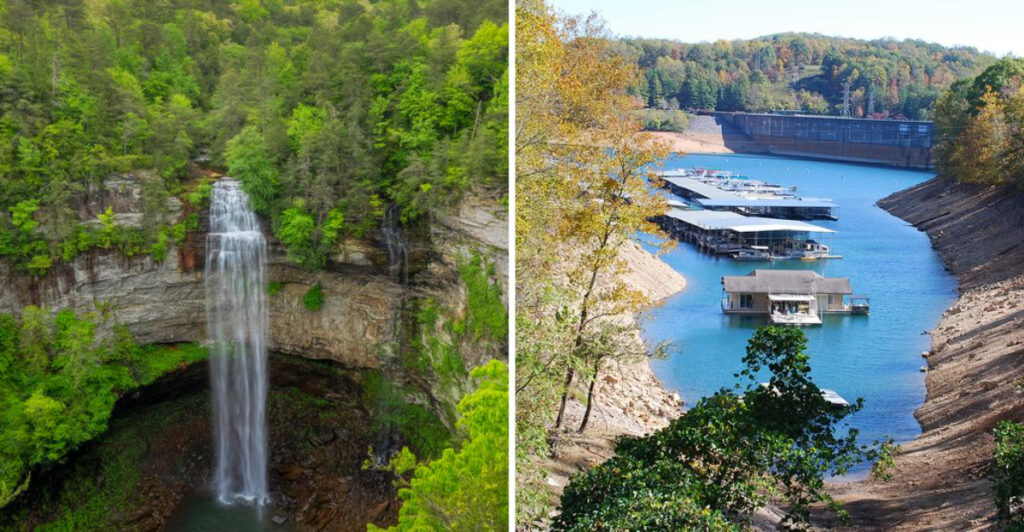
Tennessee offers something magical for every traveler, from misty mountain peaks to electrifying music venues that shaped American culture. Summer brings the perfect weather to explore cascading waterfalls, historic landmarks, and natural wonders that make this state truly unforgettable.
Whether you crave outdoor adventures or want to experience the birthplace of blues and country music, Tennessee delivers experiences you’ll treasure forever. Get ready to discover fourteen spectacular destinations that showcase the very best of the Volunteer State this summer.
1. Great Smoky Mountains National Park
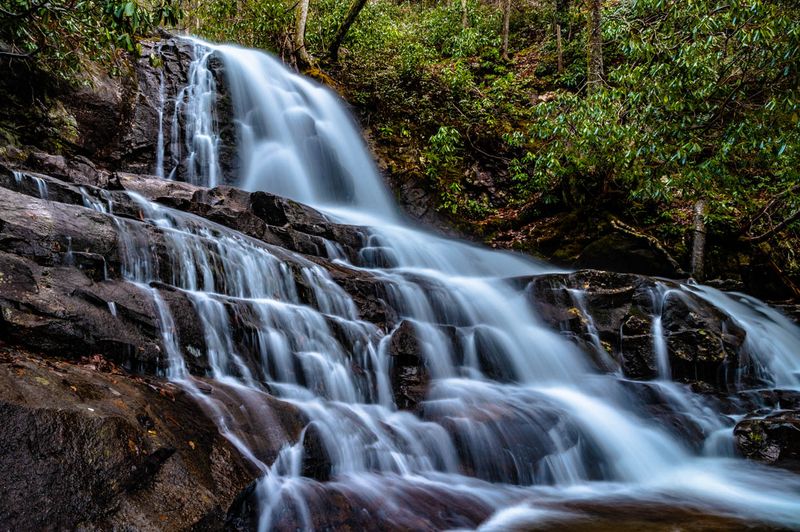
America’s most visited national park sits right on Tennessee’s eastern border, welcoming over 12 million visitors annually. The Smokies earned their name from the bluish mist that hangs over the ancient peaks, creating an almost magical atmosphere.
This UNESCO World Heritage Site protects some of the oldest mountains on Earth.
Summer transforms the park into a vibrant wonderland bursting with life and color. Over 800 miles of trails wind through old-growth forests where black bears roam and synchronous fireflies put on spectacular light shows.
You can hike to thundering waterfalls, spot white-tailed deer grazing in mountain meadows, or simply enjoy a scenic drive along Newfound Gap Road.
Cades Cove remains the park’s most popular destination, offering a loop road through a historic valley dotted with preserved homesteads and churches. Early morning visits reward you with frequent wildlife sightings, including deer, turkeys, and sometimes even bears.
The valley looks much like it did 150 years ago when settlers first arrived.
Pack layers regardless of summer heat because mountain temperatures can drop significantly at higher elevations. Arrive early to popular trailheads as parking fills quickly, especially on weekends.
The park charges no entrance fee, making it an incredible bargain for families seeking adventure without breaking the bank.
2. Graceland

Elvis Presley purchased this colonial-style mansion in 1957 for just over $100,000, transforming it into the most famous home in America. Walking through Graceland feels like stepping back into the 1970s, when the King of Rock and Roll was at the height of his fame.
Every room tells a story about the man who changed music forever.
The mansion tour showcases Elvis’s personal tastes, from the famous Jungle Room with its green shag carpet to the billiard room decorated with hundreds of yards of fabric. You’ll see his collection of gold records, stage costumes covered in rhinestones, and even his private racquetball court.
The audio guide includes commentary from Lisa Marie Presley herself, sharing intimate memories of growing up in this extraordinary home.
Outside the mansion, you can explore Elvis’s collection of planes, cars, and motorcycles. His custom jets feature luxurious interiors with gold-plated seatbelts and suede walls.
The Meditation Garden serves as Elvis’s final resting place, where fans from around the world come to pay respects.
Summer brings the most visitors, so booking tickets online ahead of time saves considerable wait time. Plan at least three hours to fully experience everything Graceland offers.
The VIP tour grants access to additional areas including Elvis’s personal archives and the racquetball building’s museum exhibits.
3. Downtown Nashville and Broadway
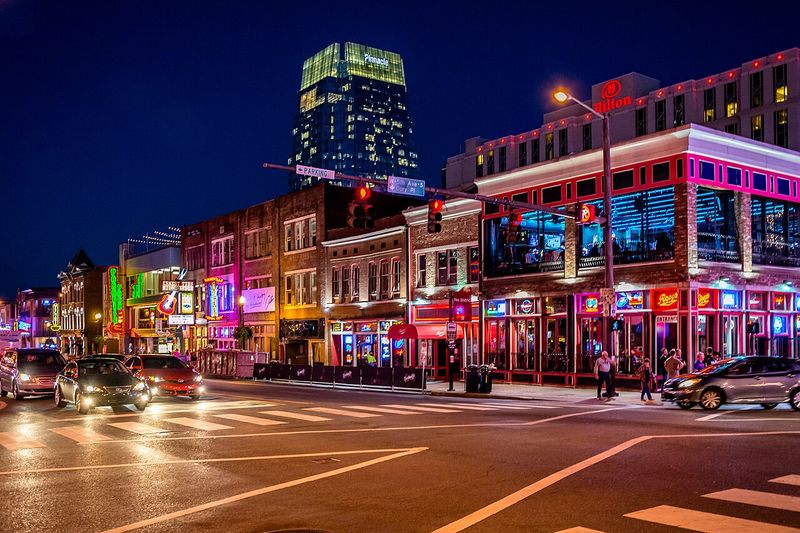
Neon lights flash from every direction as live music pours out of countless honky-tonks lining this legendary street. Broadway represents the beating heart of Music City, where aspiring singers perform for tips while hoping to catch their big break.
You can bar-hop for hours without paying a cover charge at most venues.
Each establishment has its own personality and musical flavor. Tootsie’s Orchid Lounge has launched the careers of countless country stars since 1960, while Robert’s Western World serves up traditional honky-tonk alongside their famous fried bologna sandwiches.
The bands start playing as early as 10 AM and continue until 3 AM, creating an endless soundtrack for your visit.
Beyond the music venues, Broadway offers boutique shops selling custom cowboy boots, vintage record stores, and rooftop bars with stunning skyline views. Street performers entertain crowds with everything from guitar solos to bucket drumming.
The energy becomes electric after sunset when thousands of visitors pack the sidewalks.
Comfortable walking shoes are essential because you’ll cover serious ground exploring different venues. Many bars offer authentic Southern cooking alongside their musical entertainment, so arrive hungry.
Weekdays tend to be less crowded than weekends if you prefer a more relaxed atmosphere while still enjoying phenomenal live performances.
4. Ruby Falls
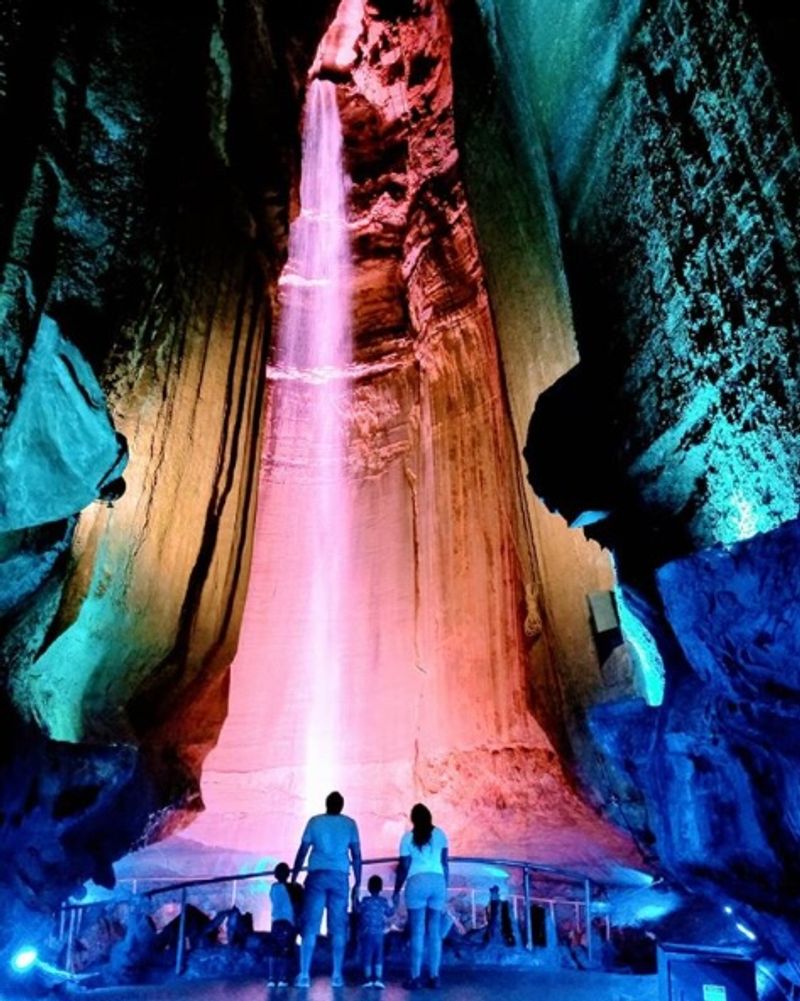
Deep inside Lookout Mountain lies a geological wonder that defies imagination. Ruby Falls plunges 145 feet underground, making it the tallest and deepest waterfall open to the public in America.
The thundering cascade occurs within a massive limestone cave formed over 30 million years ago.
Your journey begins with an elevator ride taking you 260 feet beneath the mountain’s surface. Guided tours lead you through narrow passageways adorned with incredible rock formations including stalactites, stalagmites, and flowstone curtains.
The cave maintains a constant 60-degree temperature year-round, offering welcome relief from Tennessee’s summer heat and humidity.
The moment you enter the waterfall chamber takes your breath away. Colorful lights illuminate the falling water, creating a mesmerizing display against ancient rock walls.
The roar of the waterfall echoes through the cavern, and you can feel the mist on your face even from viewing platforms.
After the underground tour, head to the observation deck on Lookout Mountain for panoramic views stretching across seven states. The Zip Stream adventure course and soaring eagle zip line provide additional thrills for adventure seekers.
Reservations are strongly recommended during summer months when tours sell out quickly, especially on rainy days when outdoor activities become less appealing.
5. Beale Street
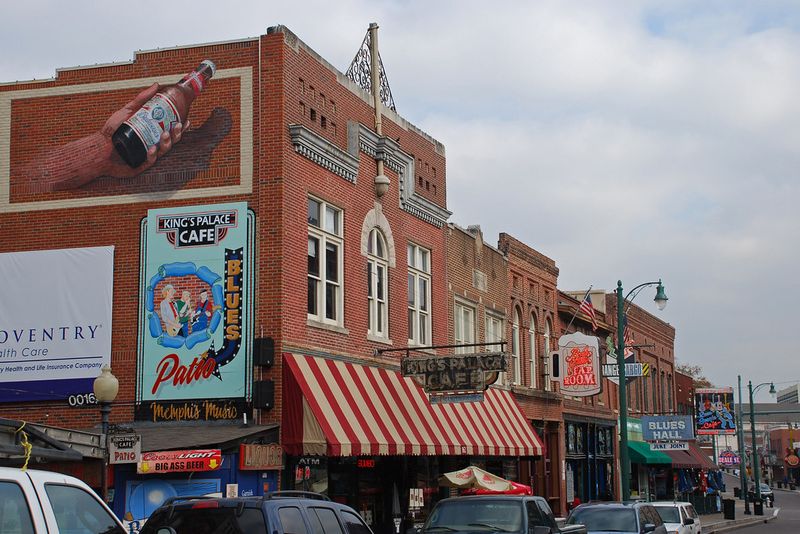
Blues music was born on these three blocks in downtown Memphis, where legendary musicians like B.B. King and Muddy Waters once performed in smoky clubs.
Today Beale Street pulses with the same raw energy that made it famous over a century ago. Walking these historic sidewalks connects you to the roots of American music.
Live blues, jazz, and rock performances spill from every doorway along the pedestrian-friendly street. Each club maintains its own distinct vibe, from intimate rooms with barely space for fifty people to larger venues hosting national touring acts.
You’ll hear guitar riffs that make your soul sing and vocals that give you goosebumps.
During daylight hours, explore the street’s rich history through museums and historic markers. The Memphis Rock ‘n’ Soul Museum chronicles how economic hardship and racial mixing created entirely new musical genres.
Street vendors sell everything from handmade jewelry to authentic Memphis barbecue, creating a festival atmosphere throughout summer months.
A.C. Wharton Jr. Beale Street Landing offers riverside parks perfect for watching Mississippi River barges drift past.
Special events happen frequently, including music festivals and street parties that draw massive crowds. Come hungry because Beale Street restaurants serve some of Memphis’s finest soul food, barbecue, and catfish alongside the incredible musical entertainment that makes this place truly special.
6. Cades Cove
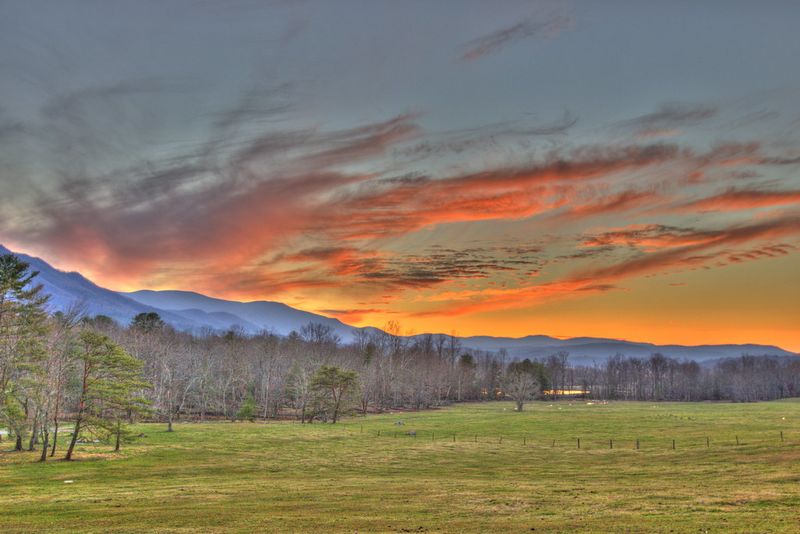
Before dawn, photographers gather at pullouts along the eleven-mile loop road hoping to capture deer emerging from morning fog. Cades Cove preserves a mountain valley that looks remarkably similar to how it appeared when European settlers arrived in the early 1800s.
Historic buildings scattered throughout the cove tell stories of hardy families who carved out lives in this remote wilderness.
The one-way loop road circles the entire valley, offering countless opportunities to spot wildlife. Black bears frequently appear in open fields, especially during early morning and evening hours.
Turkeys strut across meadows while groundhogs pop up from burrows along roadside.
Three historic churches and numerous cabins, barns, and mills dot the landscape. The Methodist Church features original wooden pews where families gathered for worship and community events.
Cable Mill still operates, demonstrating how settlers ground corn into meal using water-powered machinery. You can walk through furnished cabins imagining daily life without modern conveniences.
Hiking trails branch off from the loop road, leading to waterfalls and mountain peaks. Abrams Falls trail rewards hikers with a beautiful twenty-foot waterfall after a moderate five-mile round trip.
Wednesday and Saturday mornings before 10 AM, the loop road closes to vehicles, creating a paradise for cyclists and allowing wildlife to roam freely across pavement.
7. Dollywood
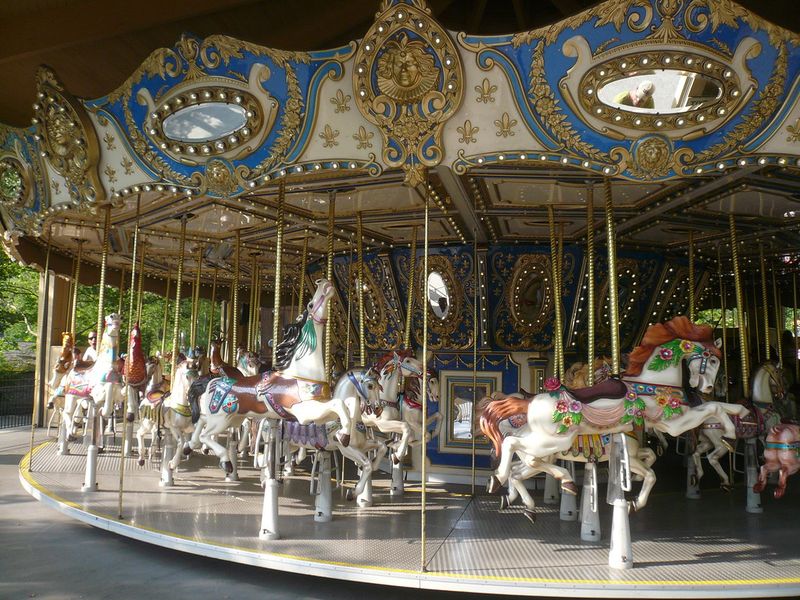
Dolly Parton’s theme park combines thrilling roller coasters with authentic Appalachian culture in the foothills of the Smokies. Since opening in 1986, Dollywood has grown into one of America’s most beloved family destinations.
The park celebrates mountain heritage through crafts, music, and food that honor Dolly’s East Tennessee roots.
Adrenaline junkies flock to rides like Lightning Rod, the world’s fastest wooden coaster, and Wild Eagle, a wing coaster soaring over the treetops. Families with younger children enjoy gentler attractions in Wildwood Grove, a new eleven-acre expansion featuring interactive play areas and kid-friendly rides.
Live shows throughout the park showcase award-winning gospel, country, and bluegrass performances.
Craftsmen demonstrate traditional Appalachian skills including blacksmithing, glass blowing, and woodcarving in shops throughout the park. You can watch artists create beautiful pieces right before your eyes, then purchase authentic handmade souvenirs.
The park takes Southern cooking seriously, serving everything from fresh cinnamon bread to award-winning barbecue.
Summer brings the Festival of Nations, featuring international performers and cultural demonstrations. Splash Country water park next door provides additional cooling relief on hot days with your combination ticket.
Staying at Dollywood’s DreamMore Resort allows early park entry, giving you first access to popular attractions before general crowds arrive each morning.
8. Fall Creek Falls State Park
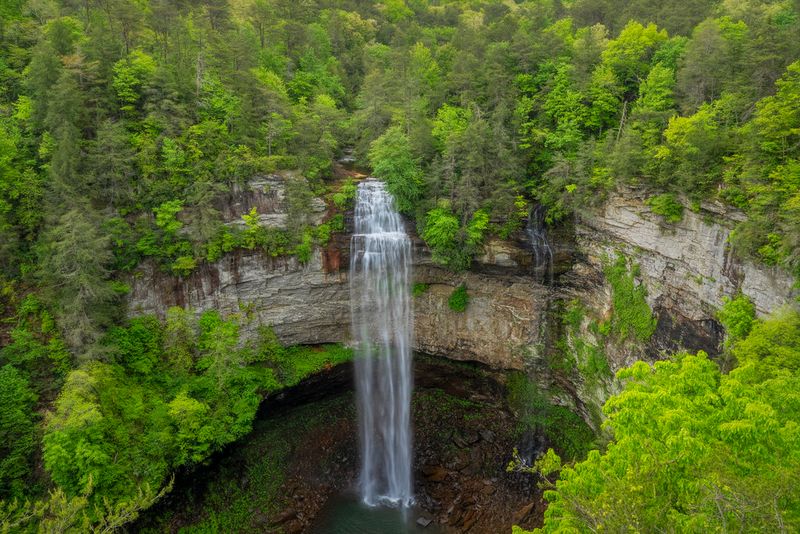
Tennessee’s highest waterfall plunges 256 feet into a shaded gorge, creating one of the most photographed natural wonders in the eastern United States. The thundering cascade generates mist that rises like smoke, keeping surrounding vegetation perpetually green even during dry summer months.
Standing at the overlook platform, you feel the power of millions of gallons of water dropping into the plunge pool below.
The park encompasses over 26,000 acres of Cumberland Plateau wilderness crisscrossed with hiking trails. Four additional waterfalls await discovery, each with unique characteristics and beauty.
Cane Creek Falls drops in stages creating beautiful swimming holes, while Piney Falls tumbles through a narrow gorge accessible via a moderately challenging trail.
Beyond waterfalls, the park offers exceptional recreational opportunities including mountain biking, horseback riding, and fishing in two lakes stocked with bass and catfish. Suspension bridges span gorges, providing thrilling crossings and spectacular views.
Families enjoy swimming at the Olympic-sized pool complex when temperatures soar.
The park operates a full-service inn, restaurant, and cabins for overnight visitors wanting to maximize exploration time. Backcountry camping allows adventurous souls to experience true wilderness solitude.
Spring wildflowers carpet the forest floor, but summer offers easier trail conditions and longer daylight hours for extended adventures through this natural playground.
9. The Parthenon
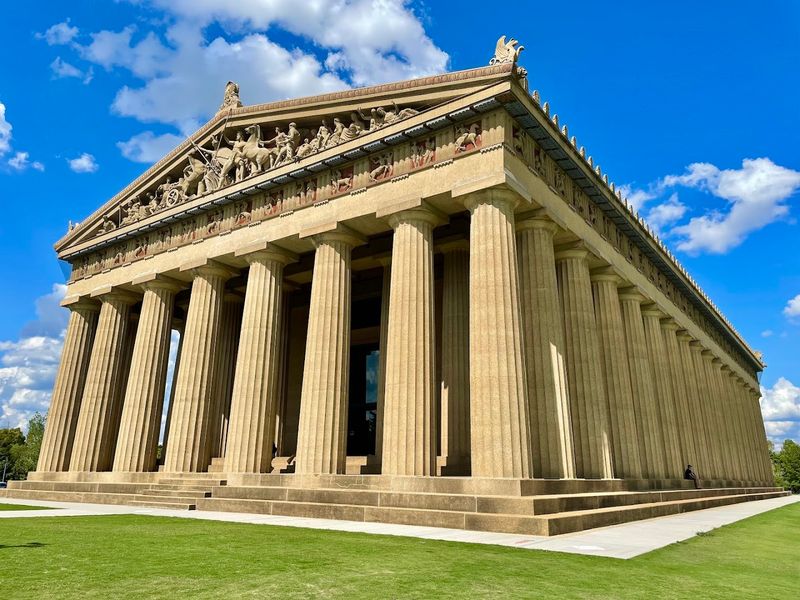
Nashville earned its nickname “Athens of the South” partly due to this jaw-dropping full-scale replica of the ancient Greek temple. Built for Tennessee’s 1897 Centennial Exposition, the structure was meant to be temporary but became so beloved that citizens demanded it be made permanent.
Today it stands as the world’s only complete reproduction of the original Parthenon.
Step inside to discover the tallest indoor sculpture in the Western world – a 42-foot statue of Athena Parthenos covered in gold leaf. The goddess holds Nike, the winged goddess of victory, in her right hand while her left rests on a shield.
Ancient Athenians would have seen a similar statue when entering their Parthenon over 2,400 years ago.
The building houses an excellent art museum featuring 63 paintings by 19th and 20th-century American artists. Rotating exhibitions showcase works from across the United States, providing cultural enrichment alongside architectural wonder.
Educational programs help visitors understand both Greek history and the statue’s significance to Nashville’s identity.
Surrounding Centennial Park offers walking trails, a lake with seasonal pedal boats, and wide lawns perfect for picnicking. Summer weekends bring outdoor concerts, fitness classes, and cultural festivals to the park grounds.
The Parthenon stays open until 4:30 PM most days, with evening hours on Thursdays allowing you to see the building illuminated against twilight skies.
10. Gatlinburg
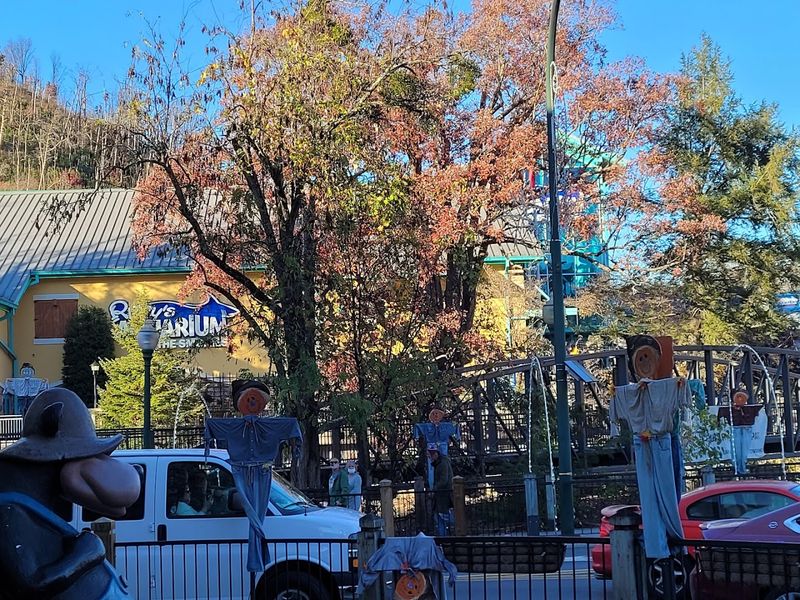
Nestled at the entrance to Great Smoky Mountains National Park, this mountain town transforms into a bustling resort destination each summer. Gatlinburg’s main parkway stretches for miles, lined with attractions ranging from quirky museums to outdoor adventures.
Despite growing crowds, the town maintains charm rooted in Appalachian traditions and mountain hospitality.
The Gatlinburg SkyBridge spans 680 feet across a valley, making it North America’s longest pedestrian suspension bridge. Glass floor panels in the middle section provide heart-pounding views straight down to the valley 140 feet below.
SkyLift Park also features mountain-top walking trails, gardens, and observation decks offering 360-degree mountain views.
Downtown offers endless entertainment options including Ripley’s Aquarium of the Smokies, mini-golf courses, and the Hollywood Star Cars Museum featuring vehicles from famous movies. Ober Gatlinburg aerial tramway whisks visitors 2,000 feet up to an amusement park featuring alpine slides, ice skating, and wildlife encounters.
Artists demonstrate traditional crafts at the Great Smoky Arts and Crafts Community, an eight-mile loop of galleries and studios.
The town serves as an excellent base camp for exploring the national park while providing creature comforts and dining options. Pancake houses compete for breakfast crowds, while dinner options range from authentic Southern cooking to international cuisine.
Book accommodations well ahead during summer peak season when hotels fill quickly.
11. Clingmans Dome
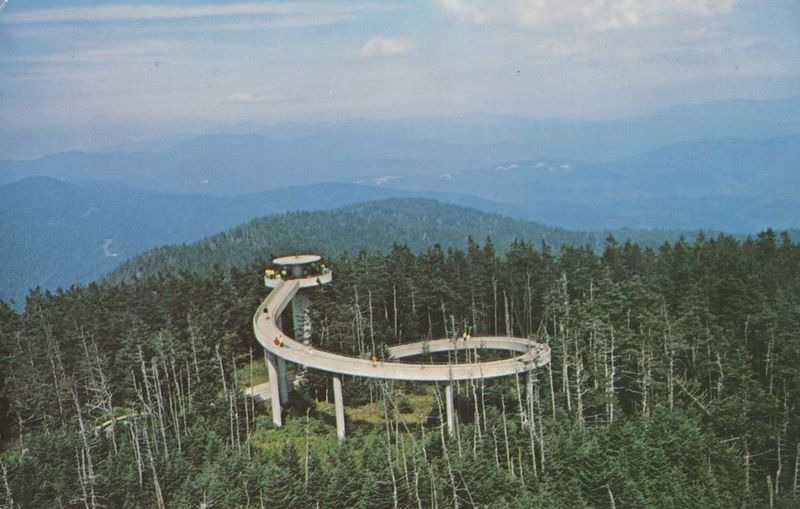
At 6,643 feet, Clingmans Dome towers as Tennessee’s highest peak and the third-highest mountain east of the Mississippi River. A steep half-mile paved trail leads to an observation tower offering 360-degree views that can extend over 100 miles on clear days.
The unique flying saucer-shaped tower has become an iconic symbol of the Smokies.
Temperatures at the summit average 20 degrees cooler than surrounding lowlands, providing welcome relief during summer heat waves. The high elevation supports a Canadian-type spruce-fir forest found nowhere else in Tennessee.
Unfortunately, many Fraser firs have succumbed to invasive insects, creating ghostly forests of silver snags mixed with living trees.
The parking area sits along the crest of the mountain range forming the Tennessee-North Carolina border. From here, the Appalachian Trail passes within yards of the observation tower, and you might encounter thru-hikers taking a break from their Georgia-to-Maine journey.
Early morning visits often find the mountain shrouded in fog, creating an ethereal atmosphere as clouds drift through trees.
The access road closes during winter but reopens by April, allowing summer visitors easy automobile access. Afternoon thunderstorms develop frequently in the mountains, so plan morning visits for the clearest skies.
Bring a jacket even during July because wind and temperature at the exposed summit can surprise unprepared visitors.
12. Ryman Auditorium
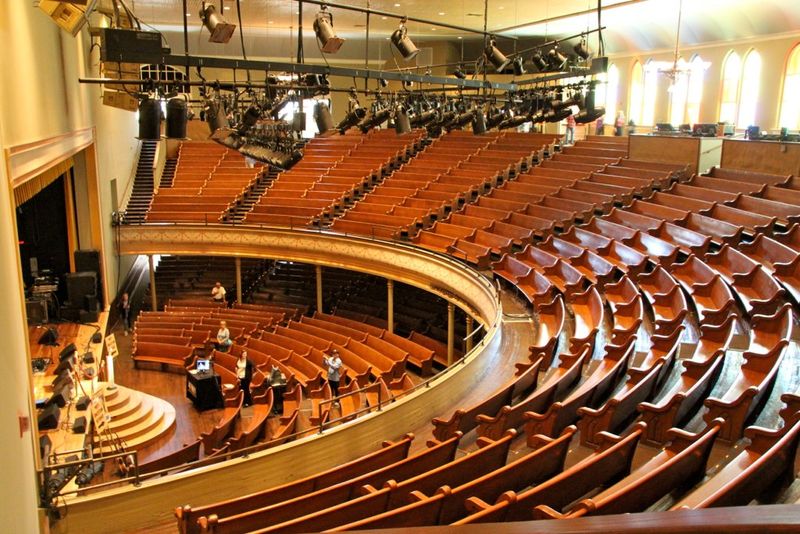
Gospel music first echoed through this red-brick building in 1892 when riverboat captain Thomas Ryman built it as a tabernacle. For over thirty years, the Ryman hosted the Grand Ole Opry, earning its reputation as the Mother Church of Country Music.
Standing on that historic stage where legends performed gives you goosebumps regardless of musical preferences.
Self-guided tours allow you to explore at your own pace, sitting in original church pews and stepping onto the stage where countless stars made history. Interactive exhibits showcase memorabilia from Johnny Cash, Patsy Cline, Hank Williams, and many others who shaped American music.
You can even record yourself singing in a backstage studio, experiencing firsthand the venue’s legendary acoustics.
Summer brings diverse concert programming beyond country music, featuring rock, pop, gospel, and comedy performances. Artists consistently praise the Ryman’s superior sound quality, created by the building’s original design and wooden construction.
Attending a live show here ranks among Nashville’s most authentic musical experiences.
The venue sits in downtown Nashville’s entertainment district, surrounded by restaurants and bars within walking distance. Daytime tours run throughout the week, providing flexibility for scheduling around other activities.
Evening performances often sell out weeks in advance, so purchasing tickets early ensures you won’t miss experiencing this National Historic Landmark that continues influencing music after 130 years.
13. Cherokee National Forest
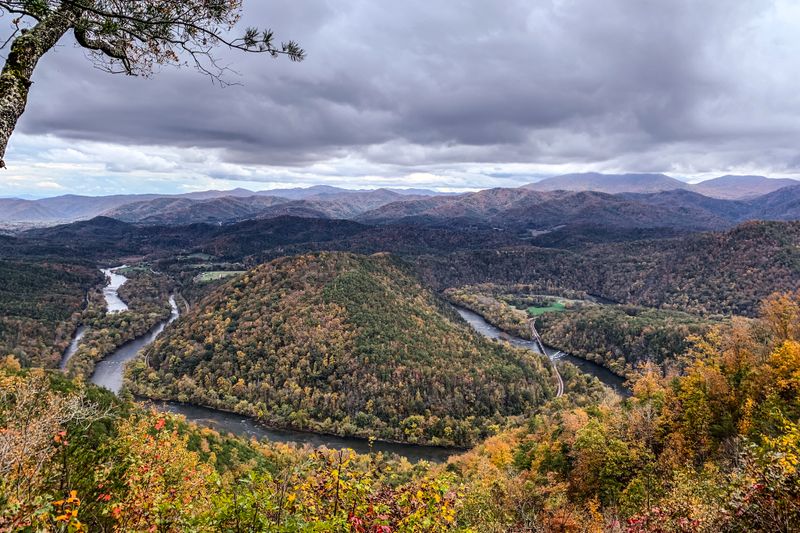
Spreading across 650,000 acres of eastern Tennessee mountains, this vast wilderness offers unlimited opportunities for outdoor adventure. Cherokee National Forest encompasses two separate sections divided by Great Smoky Mountains National Park, each featuring distinct landscapes and recreational possibilities.
Summer transforms the forest into a playground for hikers, campers, fishermen, and nature enthusiasts.
The Bald River Falls area features one of Tennessee’s most beautiful waterfalls accessible via a short wheelchair-accessible trail. Water cascades 90 feet over rocky ledges creating perfect photo opportunities and peaceful picnic settings.
Nearby Tellico River provides excellent trout fishing through mountain laurel-lined gorges.
Over 600 miles of trails wind through the forest, ranging from easy nature walks to challenging backpacking routes. The Appalachian Trail traverses the forest for 150 miles, offering everything from day hikes to multi-day wilderness expeditions.
Mountain bikers enjoy miles of forest roads and dedicated trail systems through varying terrain.
Developed campgrounds provide modern amenities while backcountry sites allow true wilderness camping experiences. Ocoee River, site of the 1996 Olympic whitewater events, challenges rafters with Class III and IV rapids.
Rock climbing opportunities abound on sandstone bluffs and granite faces. The forest maintains cooler temperatures than nearby cities, making it ideal for escaping summer heat while exploring Southern Appalachian biodiversity.
14. Norris Dam State Park
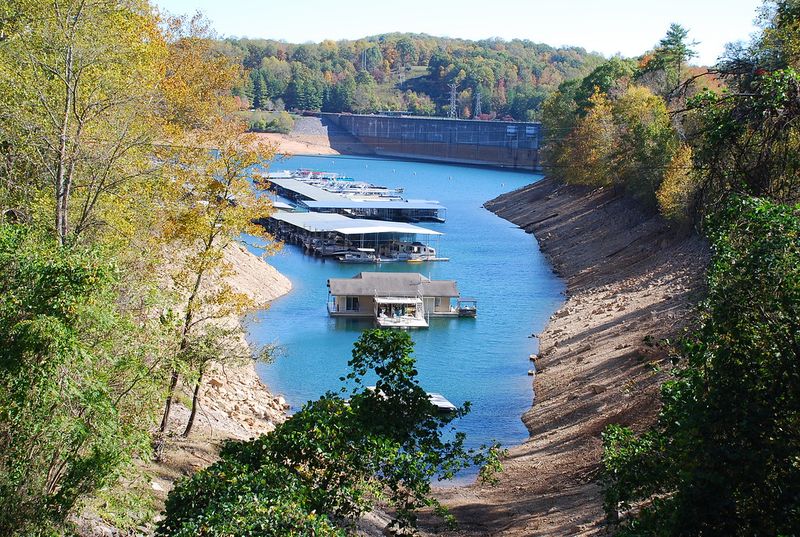
This park surrounds the first dam built by the Tennessee Valley Authority in 1936, representing a pivotal moment in American history. The massive concrete structure transformed a wild river into a recreational paradise while bringing electricity to rural Appalachia for the first time.
Walking across the dam provides perspective on the engineering achievement that changed life for millions of Southerners.
Norris Lake stretches 73 miles behind the dam, creating over 800 miles of shoreline perfect for boating, fishing, and swimming. Crystal-clear water maintains comfortable temperatures throughout summer, inviting families to splash and play in designated swimming areas.
Marinas rent pontoon boats, kayaks, and paddleboards for exploring quiet coves and inlets.
The park features over 15 miles of hiking trails winding through hardwood forests and along the lakeshore. Andrews Ridge trail offers moderate difficulty with rewarding overlooks of the lake and surrounding mountains.
Mountain bikers enjoy challenging single-track through varied terrain, while equestrians access designated horse trails.
Historical exhibits at the Lenoir Museum showcase pioneer life before the dam’s construction, displaying original cabins, tools, and household items. The adjacent grist mill still grinds corn using water power, demonstrating traditional techniques.
Campgrounds, cabins, and group facilities accommodate overnight visitors wanting to maximize time exploring this unique blend of natural beauty and historical significance.