Tennessee has a reputation for music, mountains, and Southern hospitality, but tucked into its valleys and hillsides are places that feel completely out of place. Some spots look borrowed from Louisiana swamps, others from Scottish highlands or Pacific Northwest gorges.
These hidden corners surprise visitors who thought they knew what Tennessee looked like, proving the state holds far more variety than its postcards suggest.
1. The Lost Sea — Sweetwater
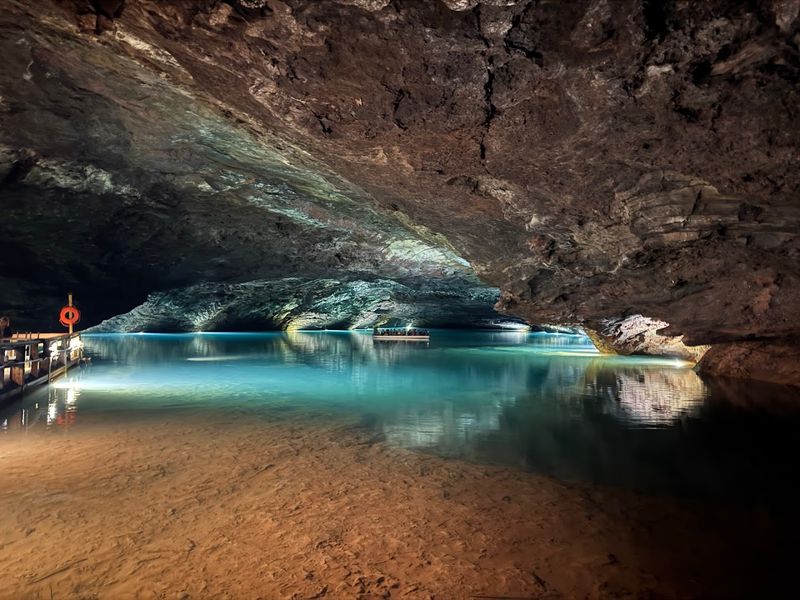
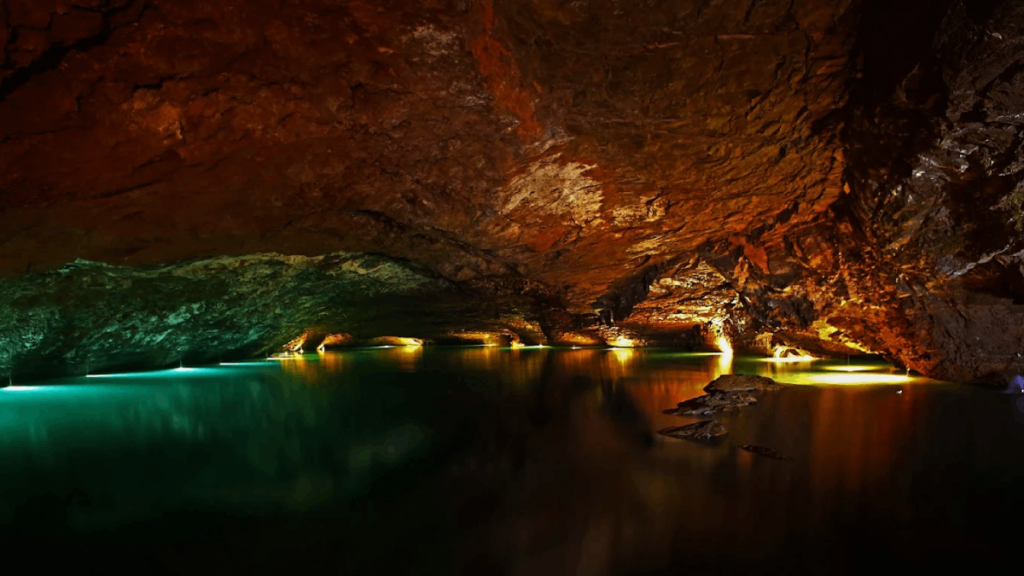
Walking into Craighead Caverns feels like descending into another planet. The air cools, the light dims, and suddenly you’re standing at the edge of America’s largest underground lake. It’s not a small puddle either—this thing sprawls across 4.5 acres of hidden water that nobody even knew existed until the 1900s.
The guided tour winds through narrow passages and opens into massive chambers before reaching the lake itself. That’s when things get surreal. You board a glass-bottom boat and glide across water so still it mirrors the ceiling above.
Fish swim below—rainbow trout, stocked decades ago and still thriving in total darkness.
The Lost Sea wasn’t always a tourist attraction. During the Civil War, Confederate soldiers mined the caverns for saltpeter to make gunpowder. Later, moonshiners allegedly used it as a hideout. Now it’s a registered National Natural Landmark, but it still feels like a secret.
The temperature stays around 58 degrees year-round, so bring a jacket even in July. The tour lasts about an hour and includes plenty of history and geology without feeling like a classroom lecture. Guides keep it light and entertaining, especially when pointing out the Pleistocene jaguar tracks preserved in the mud—yes, jaguars once roamed Tennessee.
Kids love the boat ride, and adults appreciate the sheer oddness of floating through a mountain. There’s also a separate wild cave tour for adventurous types willing to crawl and climb. Either way, the Lost Sea delivers an experience that feels more fantasy novel than East Tennessee.
2. Reelfoot Lake State Park — Tiptonville
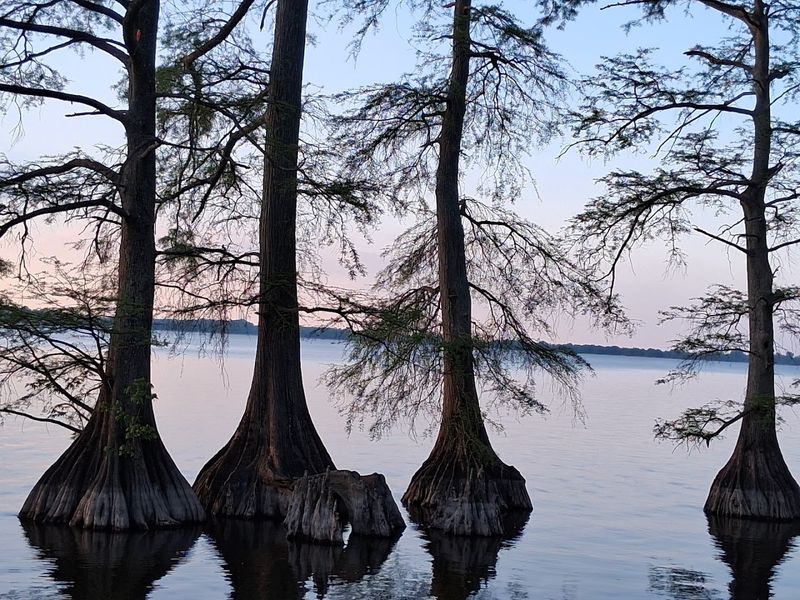
Reelfoot Lake doesn’t look like it belongs in Tennessee. With its tangled cypress trees, shallow swampy water, and Spanish moss hanging like curtains, it feels lifted straight from the Louisiana bayou. The lake formed during the New Madrid earthquakes of 1811-1812, when the ground literally sank and the Mississippi River flowed backward to fill the depression.
That violent origin story created one of the most unique ecosystems in the state. The lake averages only five feet deep, making it perfect for wading birds, fish, and the bald eagles that flock here every winter. It’s one of the best eagle-watching spots in the country, with hundreds arriving between December and March.
Paddling through the cypress forest feels like entering a different world. The trees grow right out of the water, their knobby knees poking up like sculptures. Herons stalk the shallows, turtles sun themselves on logs, and if you’re quiet, you might spot an alligator snapping turtle—some weigh over 100 pounds.
The park offers boat tours, hiking trails, and a boardwalk that winds through the wetlands. Fishing is popular too, especially for crappie and catfish. Locals know the lake’s reputation for producing trophy-sized catches, and spring brings serious anglers from across the region.
Sunrise and sunset are the magic hours here. Mist rises off the water, golden light filters through the trees, and the whole place takes on an otherworldly glow. It’s quiet, eerie, and beautiful all at once.
3. Ancient Lore Village — Knoxville
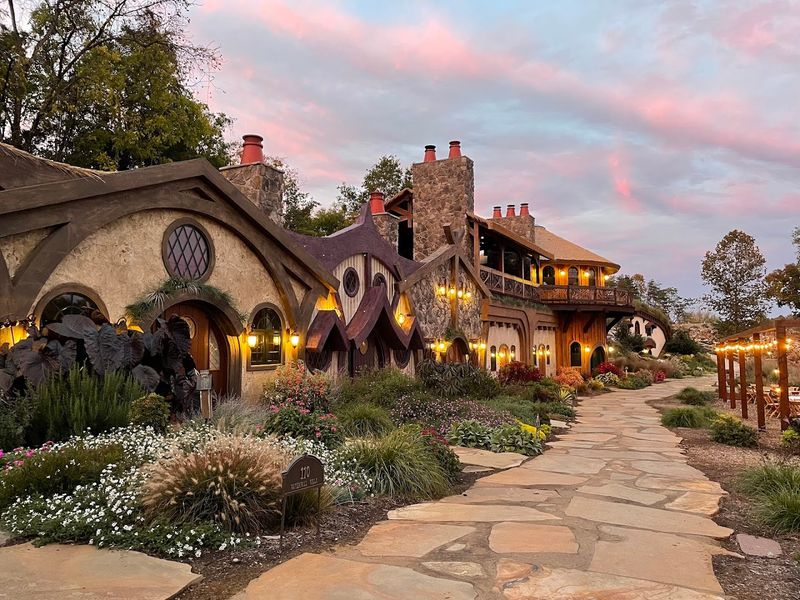
Ancient Lore Village looks like someone pulled a page from Tolkien and planted it in the Tennessee woods. Hobbit homes with round doors, elven treehouses perched among the branches, and stone cottages surrounded by gardens—it’s a full-on fantasy retreat that feels completely unreal. The village started as a creative project and evolved into an immersive experience where guests can actually stay overnight.
Each structure has its own personality. The hobbit homes are cozy and earth-sheltered, built into hillsides with grass-covered roofs. The treehouses soar above the forest floor, offering views through the canopy.
Cottages blend rustic charm with modern comforts, and everywhere you look, there are details—hand-carved doors, lanterns, winding pathways, and hidden nooks.
The property includes trails that meander through the woods, leading to a waterfall and quiet spots perfect for reading or daydreaming. Gardens overflow with flowers and herbs, and the whole place feels intentionally enchanted. It’s designed for people who want to escape reality for a weekend and pretend they live in Middle-earth.
The village hosts workshops, events, and themed weekends, but even on quiet days, the magic holds.
Ancient Lore Village isn’t trying to be subtle. It’s unapologetically whimsical, fully committed to the fantasy aesthetic, and surprisingly well-executed. Whether you’re a fan of fantasy fiction or just looking for something completely different, this spot delivers an experience unlike anything else in Tennessee.
It’s proof that imagination can take physical form if you’re willing to build it.
4. Savage Gulf State Park — Beersheba Springs
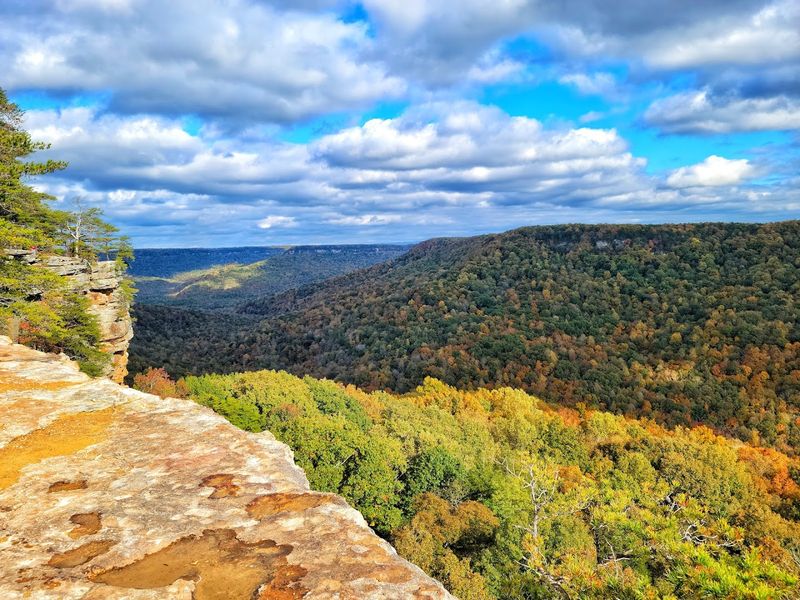
Savage Gulf doesn’t mess around. Its name warns you upfront—this place is wild, rugged, and dramatic in ways that feel more like Utah or Colorado than Middle Tennessee. Deep canyons carved by streams, sheer sandstone cliffs rising hundreds of feet, and waterfalls tumbling into gorges create scenery that surprises anyone expecting gentle Appalachian hills.
The park covers over 15,000 acres of the Cumberland Plateau, with miles of backcountry trails that range from moderate to genuinely challenging. The Stone Door Trail is the most famous, leading to a massive rock crevice that opens onto a stunning overlook. Standing at the edge, you can see the gulf stretching out below, forested and remote.
Waterfalls are everywhere if you’re willing to hike for them. Greeter Falls, technically just outside the park boundary, is a local favorite—a double cascade that’s worth the trek. Inside the park, trails wind past smaller falls, swimming holes, and rock shelters that ancient peoples once used.
Backpackers love Savage Gulf because it offers true solitude. The trail system connects multiple gorges, and you can spend days exploring without seeing many other people. Campsites are primitive, water sources require filtering, and navigation takes attention.
It’s not a casual day trip spot—it demands respect and preparation.
The geology here tells a story millions of years old. Layers of sandstone, shale, and limestone stack up in the cliffs, each representing a different ancient sea or riverbed. Erosion continues to shape the landscape, slowly deepening the canyons and exposing new rock.
5. Window Cliffs State Natural Area — Baxter
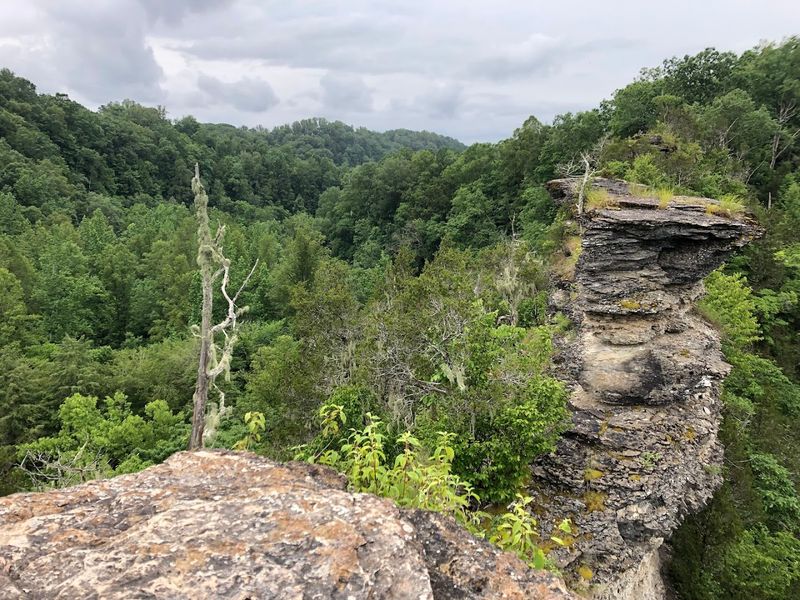
Window Cliffs sits quietly in Middle Tennessee, not advertising itself much, which is exactly how locals like it. The trail is short—only about a mile—but it packs in enough drama to feel like something from the desert Southwest. A narrow ridge walk, clifftop views, and multiple creek crossings create an adventure that feels far bigger than its modest length suggests.
The hike starts innocuously enough, winding through woods before reaching Cane Creek. This is where things get interesting. You’ll cross the creek several times, hopping rocks or wading depending on water levels.
After rain, the crossings can be tricky, and the creek runs fast enough to demand attention.
Once you reach the cliffs, the landscape shifts completely. Sandstone bluffs rise up, creating a narrow passage that feels almost slot-canyon-like. The rock formations include natural windows—hence the name—and overhangs that offer shelter and shade.
The trail is rated strenuous, and that’s fair. Between the creek crossings, uneven terrain, and steep sections, it requires decent fitness and sure footing. It’s not a great choice for young kids or anyone uncomfortable with water crossings. But for hikers looking for something different, Window Cliffs delivers.
The natural area is small and undeveloped—no facilities, no signage beyond the basics, just raw trail and rock. That’s part of the appeal. It feels wild and a little off the beaten path, even though it’s not far from civilization.
6. Rock Island State Park — Rock Island
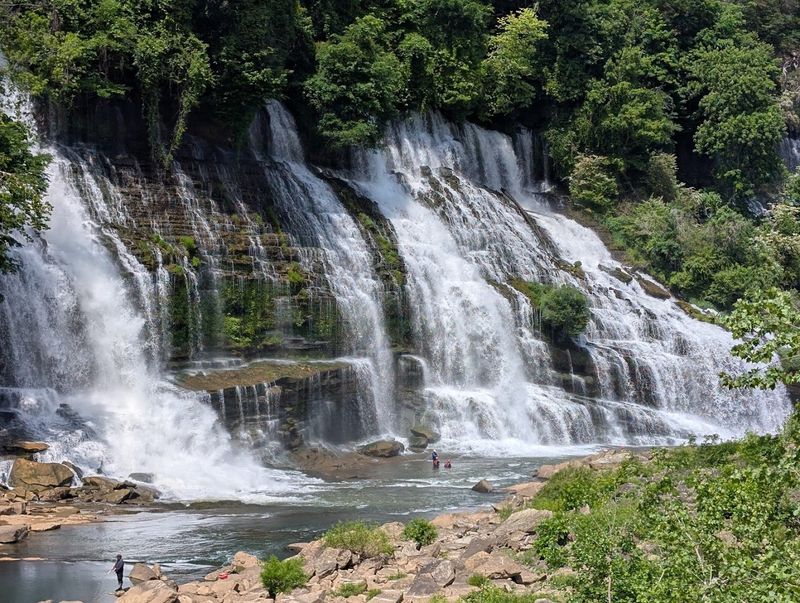
Rock Island State Park hides one of Tennessee’s most dramatic water features, and most people driving through Middle Tennessee have no idea it’s there. The park sits where three rivers converge—the Caney Fork, Collins, and Rocky—and the result is a series of gorges, cascades, and waterfalls that feel more Pacific Northwest than Tennessee.
Great Falls is the centerpiece, a powerful cascade that drops into a rocky gorge. The overlook gives you a front-row seat to the raw force of water cutting through rock. Twin Falls, just downstream, adds to the spectacle.
During high water, the whole area roars with energy.
The park’s history adds another layer of interest. It was once the site of a cotton mill, and later a power-generating facility. Stone ruins still dot the landscape, including an old dam and mill foundations.
You can hike past these remnants while following trails that wind along the river and through the gorge.
Swimming is allowed in designated areas during summer, and locals know the best spots—deep pools carved into the bedrock where the water runs clear and cold. The park also offers camping, kayaking, and rock climbing for those wanting more than a quick visit.
The gorge itself is the real star. Cliffs rise on both sides, draped with vegetation, and the river churns below. Mist hangs in the air near the falls, and the sound of rushing water drowns out everything else.
7. Roan Mountain — Northeast Tennessee
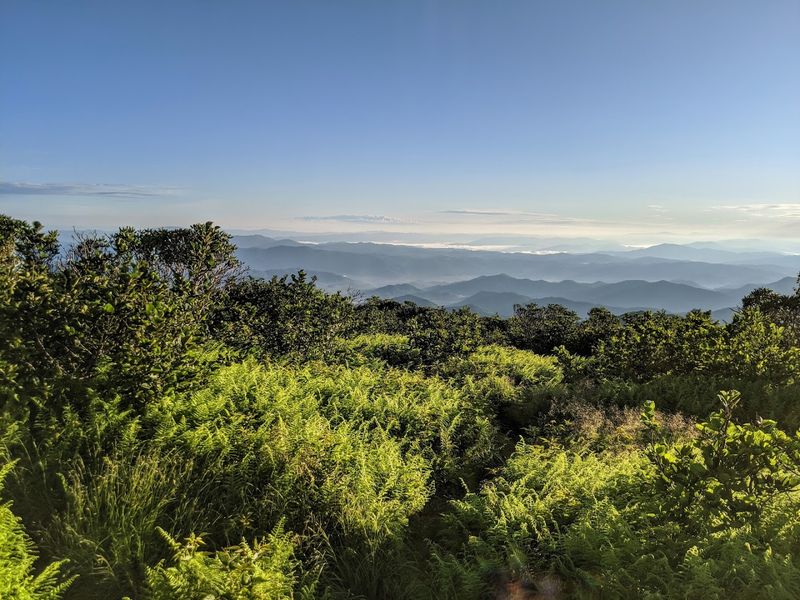
Roan Mountain feels like you’ve crossed an ocean without leaving Tennessee. The high-elevation balds—grassy meadows that cap the ridgeline—look more like Scottish highlands than Southern Appalachia. Add in the cool mountain air, sweeping views, and rhododendron gardens that explode with color in June, and the whole place takes on an almost otherworldly quality.
The balds are the main attraction. These natural clearings sit above 6,000 feet, where trees give way to open grassland. Scientists still debate why the balds exist—some theories point to grazing, others to climate or soil conditions.
Whatever the cause, the result is stunning. You can stand on the ridgeline and see for miles in every direction, with nothing but sky and mountains.
In mid-June, the Catawba rhododendron blooms transform the landscape into a purple wonderland. The Rhododendron Gardens on Roan Mountain are considered some of the finest in the world, and during peak bloom, thousands of visitors make the pilgrimage. The display is so famous that the timing gets reported like a weather forecast.
Hiking options range from easy walks to challenging backcountry treks. The Appalachian Trail crosses Roan Mountain, and thru-hikers often list this section as a favorite. The Cloudland Trail offers a gentler option, looping through the balds with interpretive signs explaining the ecology and history.
Weather up here is unpredictable. Even in summer, temperatures can drop quickly, and fog rolls in without warning. That moodiness adds to the atmosphere—one minute you’re in sunshine, the next you’re wrapped in mist that makes everything feel mysterious and remote.
Roan Mountain doesn’t try to be like the rest of Tennessee. It stands apart, high and cool and beautiful, offering a mountain experience that feels imported from somewhere far away.
8. Jonesborough Historic District — Jonesborough
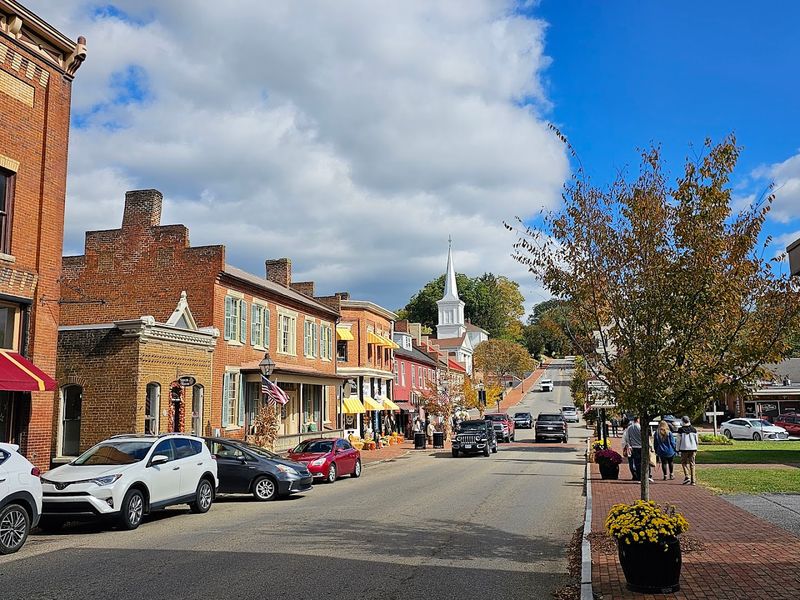
Jonesborough is Tennessee’s oldest town, established in 1779, and walking its historic district feels like stepping into a time machine. The preserved Main Street, brick buildings, and old-fashioned storefronts create an atmosphere more typical of New England than East Tennessee. It’s small, walkable, and impossibly charming—the kind of place where you expect to see horse-drawn carriages and people in period dress.
The town’s architecture tells its age. Buildings date back to the late 1700s and early 1800s, with details that modern construction can’t replicate. Wide porches, tall windows, hand-laid brick, and craftsmanship that’s become rare.
The town has worked hard to preserve its character, and it shows. No chain stores, no modern eyesores—just a main street that looks almost exactly as it did generations ago.
Jonesborough is known as the storytelling capital of the world, hosting the National Storytelling Festival every October. The tradition fits the town’s personality—intimate, old-fashioned, and centered on human connection rather than technology. Even outside festival time, the town embraces its storytelling identity with events, workshops, and a storytelling center.
Shops and galleries line Main Street, offering antiques, books, crafts, and local art. The restaurants serve Southern comfort food in historic buildings, and several bed-and-breakfasts let you stay overnight in renovated period homes. It’s a popular day trip from nearby cities, but it never feels overcrowded or touristy.
The surrounding area is just as historic. The Chester Inn, built in 1797, hosted three U.S. presidents. The old courthouse still stands, and walking tours point out significant sites and share stories from the Revolutionary War era.
Jonesborough takes its history seriously but wears it lightly, making the past feel accessible rather than stuffy. It’s proof that Tennessee’s story started long before Nashville’s neon lights.
9. Burgess Falls State Park — Sparta
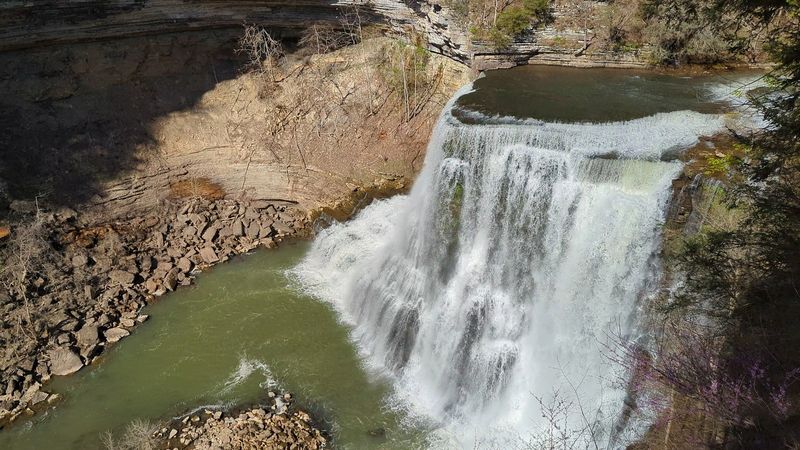
Burgess Falls delivers drama. The trail winds through lush forest along the Falling Water River, passing a series of cascades before reaching the main event—a 136-foot waterfall that plunges into a rocky gorge. The mist, the roar, the sheer power of the water—it all feels more cinematic than a typical Middle Tennessee hike.
The trail is just over a mile, mostly easy, with a paved section and a boardwalk that makes it accessible for most visitors. The final descent to the base of the falls is steeper, with stairs and switchbacks, but the payoff is worth the effort. Standing at the bottom, you’re surrounded by rock walls, ferns, and the constant thunder of falling water.
After rain, the falls swell and the whole trail takes on a rainforest feel. Water drips from every surface, moss glows green, and smaller cascades appear along the trail. Even the air feels different—cool, damp, and heavy with moisture.
The park also includes a fishing area, picnic sites, and an overlook at the top of the falls. The overlook is fenced and safe, offering a bird’s-eye view of the drop. Some visitors prefer this perspective, while others want to get down into the gorge where the scale and power of the falls become visceral.
Burgess Falls isn’t a secret—it’s well-loved by locals and shows up on plenty of Tennessee waterfall lists. But it still surprises people who expect something smaller or less impressive. The combination of easy access and genuine natural beauty makes it a favorite for families, photographers, and anyone wanting a quick escape into nature.
The falls don’t disappoint, especially if you catch them during high water when they’re at their most powerful and dramatic.
10. Cumberland Gap
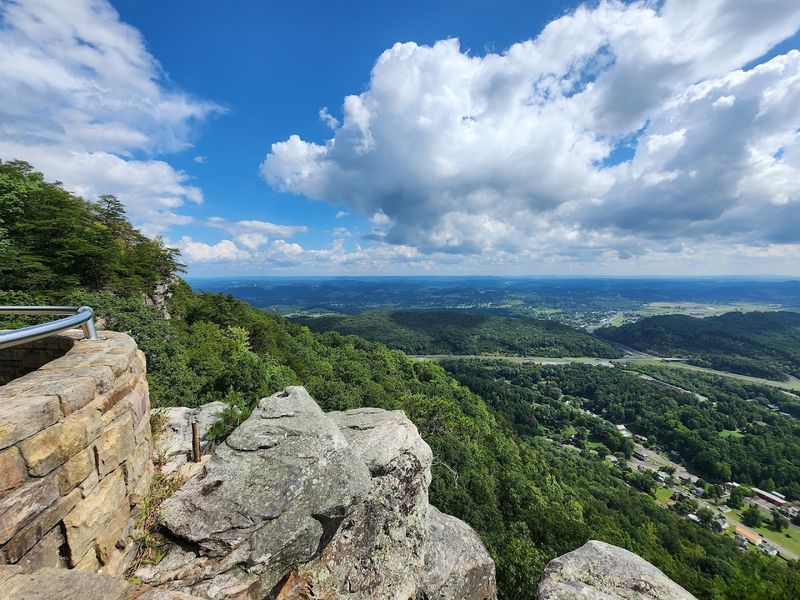
Cumberland Gap is where three states meet and history runs deep. This natural pass through the Appalachian Mountains served as a gateway for pioneers heading west, and standing at the overlook, you can almost see them—wagons, families, livestock—streaming through the gap into new territory. The views stretch across mountains and valleys, and the sense of place is powerful.
Daniel Boone helped establish the Wilderness Road through the gap in 1775, and over the next few decades, an estimated 300,000 settlers used the route. It was the primary pathway west until railroads and better roads opened up. During the Civil War, both Union and Confederate forces fought for control of the gap, recognizing its strategic importance.
Today, Cumberland Gap National Historical Park preserves the area and offers hiking trails, historic sites, and the famous Pinnacle Overlook. The drive up to the overlook is scenic, winding through forest before opening onto a vista that spans three states. On clear days, you can see for miles, and the sense of standing at a historic crossroads is palpable.
Trails range from easy walks to challenging backcountry routes. Hensley Settlement, a restored mountain community accessible only by hiking or shuttle, shows how people lived in these mountains in the early 1900s. The settlement includes log cabins, barns, and fields, all preserved to tell the story of subsistence farming in isolated Appalachia.
Cumberland Gap doesn’t feel like modern Tennessee. It feels older, more rugged, and tied to stories that predate highways and cities. The landscape hasn’t changed much since Boone’s time, and that continuity is part of the appeal.
11. Bell Buckle
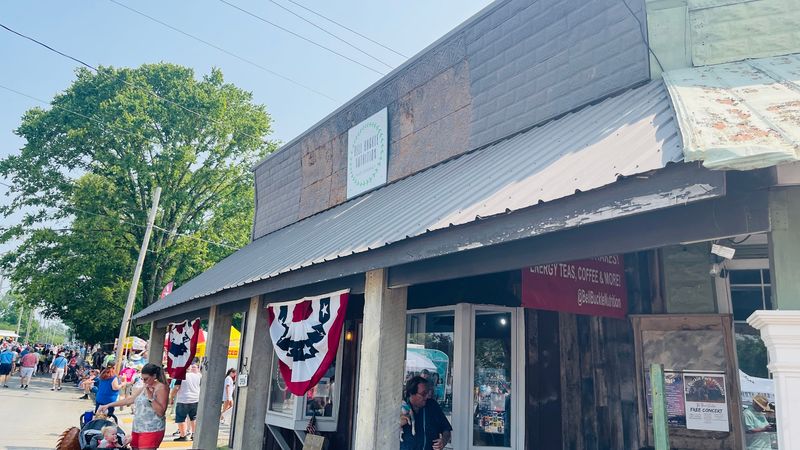
Bell Buckle is tiny—population around 500—but it punches above its weight in charm. The downtown looks like a movie set from the 1950s, with old storefronts, antique shops, and a pace of life that feels deliberately slow. It’s the kind of place where people still sit on benches and chat, where shopkeepers know your name, and where nothing much has changed in decades.
The town’s name comes from a large brass bell with an ornate buckle that hung in a tavern here in the 1800s. That quirky origin story fits the town’s personality—unique, a little eccentric, and rooted in history. Today, Bell Buckle embraces its small-town identity with festivals, craft fairs, and a thriving arts scene that draws visitors from Nashville and beyond.
Main Street is the heart of everything. Antique stores overflow with vintage finds, from furniture to jewelry to old signs and collectibles. The Bell Buckle Cafe serves Southern comfort food that locals swear by, and the Moon Pie General Store celebrates the iconic Southern snack with merchandise and nostalgia.
There’s also a bookstore, art galleries, and craft shops that showcase local artists.
The annual RC Cola and Moon Pie Festival, held every June, turns the town into a carnival of quirky Southern culture. Thousands of people show up for the parade, live music, Moon Pie eating contests, and general celebration of small-town life. It’s ridiculous and delightful in equal measure.
What makes Bell Buckle special isn’t any single attraction—it’s the overall feeling. The town has resisted the pressure to modernize or franchise itself. It remains stubbornly small, determinedly old-fashioned, and unapologetically charming.
Visiting feels like stepping into a gentler era, one where life moved slower and neighbors actually knew each other. It’s a reminder that not every place needs to grow or change to stay relevant.
12. Colditz Cove State Natural Area — Jamestown
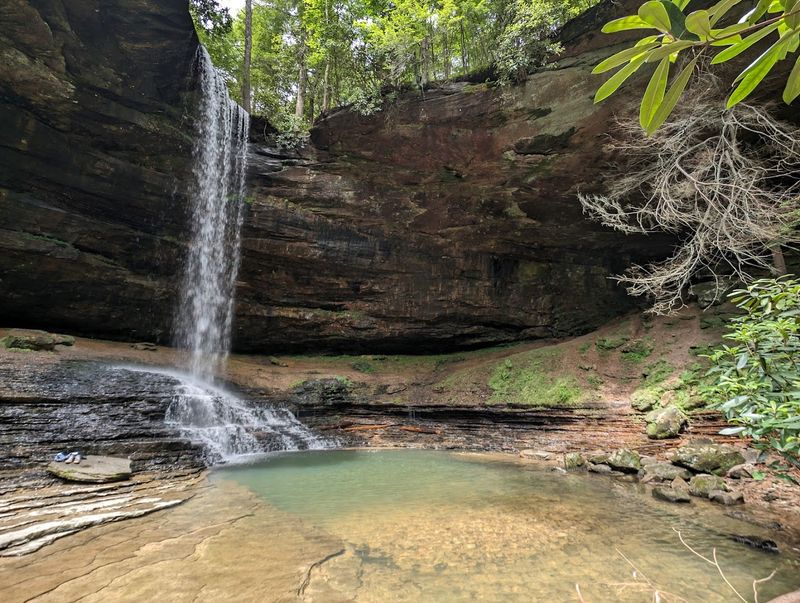
Colditz Cove doesn’t announce itself. Tucked away near Jamestown, this state natural area protects a waterfall and cove that feel almost enchanted. The setting is quiet, secluded, and lush—the kind of place that makes you lower your voice and move carefully, like you’re entering somewhere sacred.
The waterfall is the main attraction, a graceful cascade that drops into a clear pool surrounded by rock walls and thick vegetation. Moss covers everything, ferns drape the cliffs, and the air stays cool even in summer. The cove creates a microclimate that keeps moisture high and temperatures moderate, supporting plant life that wouldn’t survive elsewhere in the area.
The hike in is short but steep, descending into the cove through dense forest. The trail isn’t heavily trafficked, so it can be muddy and overgrown depending on the season. That lack of development is part of the appeal—Colditz Cove feels wild and untouched, more like stumbling onto a secret than visiting a tourist spot.
The natural area is small, just 198 acres, and the waterfall is seasonal. After dry spells, the flow diminishes to a trickle, so timing matters. Spring and early summer offer the best conditions, with full flow and maximum greenery.
Even when the water’s low, the cove remains beautiful, with its rock formations and forest creating a peaceful retreat.
Colditz Cove isn’t on most tourists’ radar, and that’s probably for the best. It’s the kind of place that rewards locals and adventurous visitors willing to seek out something off the beaten path. There are no facilities, no signage beyond the basics, and no crowds.
Just a waterfall, a cove, and a forest that feels far removed from everyday Tennessee. It’s proof that some of the state’s best spots hide in plain sight, waiting for those curious enough to go looking.
13. Harpeth River State Park — Kingston Springs
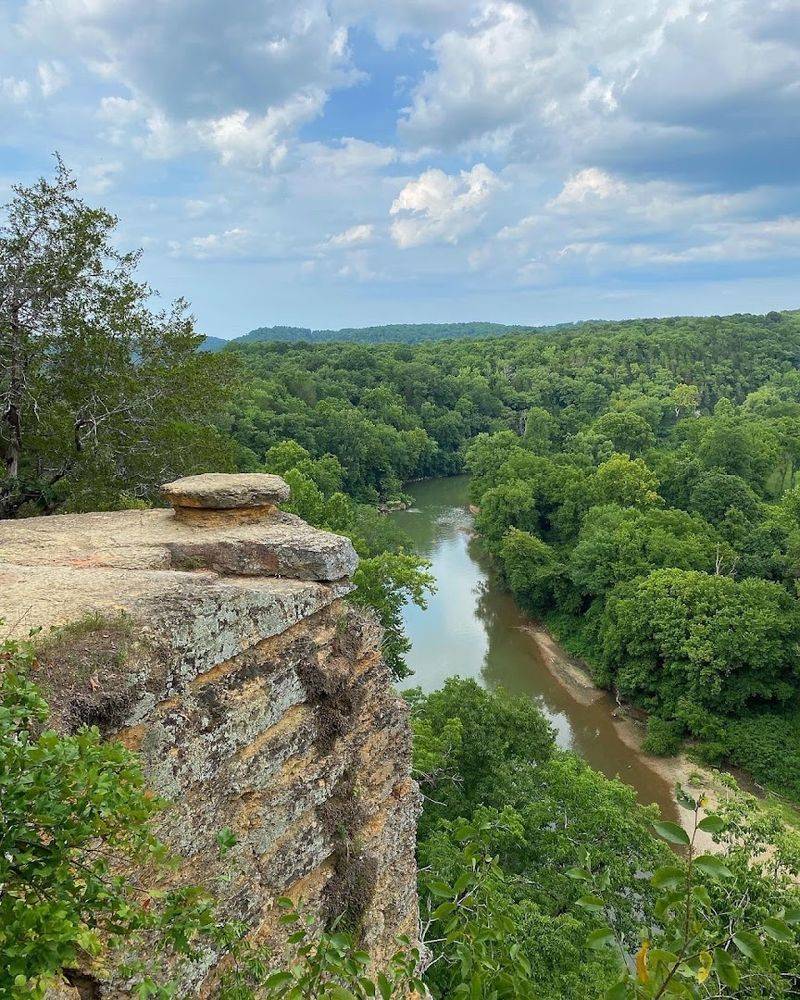
Harpeth River State Park sits just 20 miles from Nashville, but it feels worlds away. The river winds quietly through forest and farmland, offering paddling, hiking, and overlooks that transport you to a slower, simpler time. It’s a favorite escape for city dwellers wanting nature without a long drive.
The Harpeth River itself is gentle and scenic, perfect for kayaking or canoeing. The water moves at a relaxed pace, with occasional riffles but nothing too technical. Paddlers can put in at several access points and float past bluffs, fields, and wooded banks.
Wildlife is common—herons, turtles, and the occasional beaver.
The Narrows of the Harpeth is the park’s most famous feature. Here, the river makes a dramatic bend around a limestone bluff, nearly forming a complete loop. In the 1800s, Montgomery Bell dug a tunnel through the bluff to power an iron forge, and you can still see the tunnel entrance today.
Hiking trails wind along the river and up onto the bluffs, offering views of the water below. The trails aren’t long or difficult, making them accessible for families and casual hikers. The scenery is classic Middle Tennessee—hardwood forest, limestone outcrops, and the ever-present river.
The park also includes historic sites beyond the tunnel. Old mill ruins, a Confederate cemetery, and remnants of early settlements dot the landscape, adding layers of history to the natural beauty. Interpretive signs explain the area’s past, connecting visitors to the people who lived and worked along the river.
Harpeth River State Park proves you don’t need to travel far to find peace. The river’s quiet flow, the forest’s shade, and the sense of stepping back in time create an atmosphere that feels completely removed from nearby Nashville’s hustle. It’s a reminder that sometimes the best escapes hide just outside the city limits.
Share this story