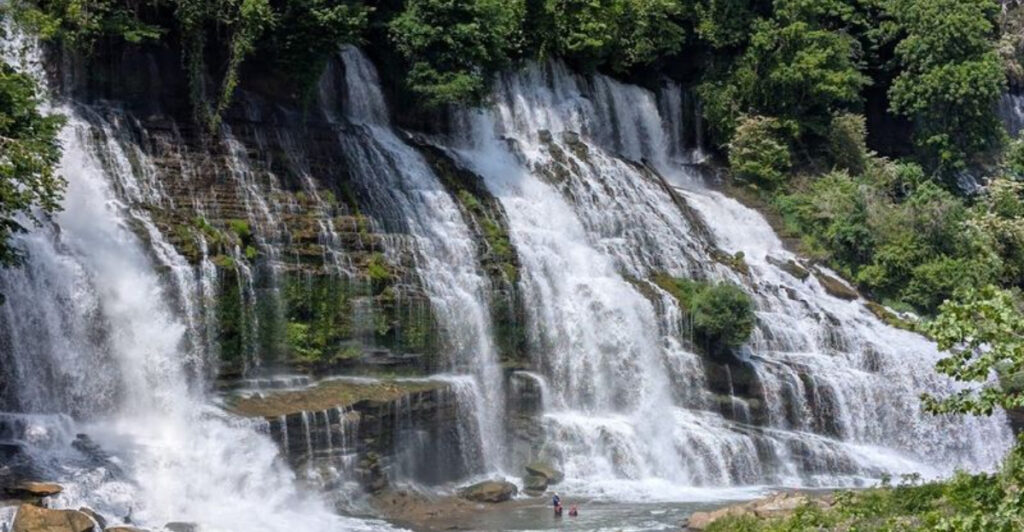
Tucked away in the heart of White County, Sparta serves as your gateway to some of Tennessee’s most stunning waterfall destinations. While this charming city might seem like a typical small Southern town at first glance, nature lovers quickly discover it sits surrounded by cascading waters that tumble down the nearby Cumberland Plateau.
Most visitors arrive expecting one or two scenic spots, but they leave amazed by the sheer number of breathtaking falls within a short drive. Whether you’re planning a family adventure or seeking peaceful hiking trails, Sparta’s waterfall-rich surroundings offer unforgettable experiences for everyone.
Burgess Falls State Park
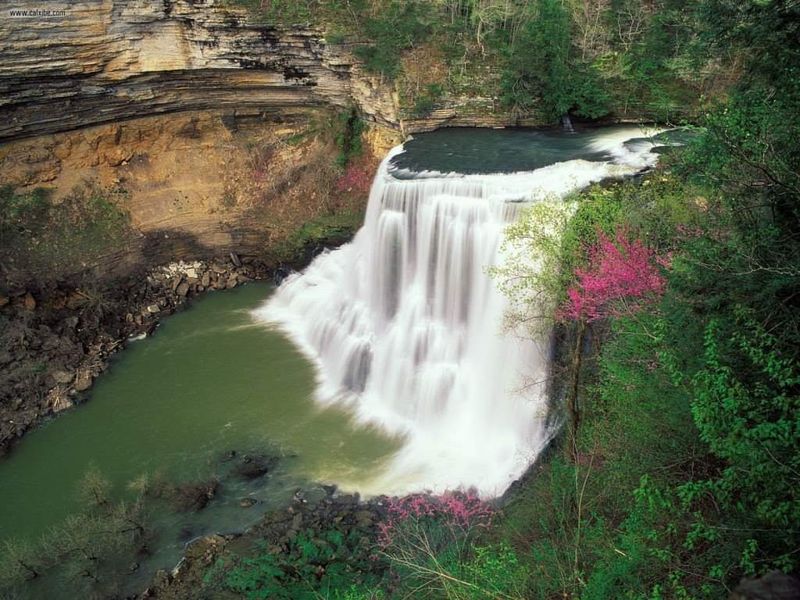
About halfway between Sparta and Cookeville, Burgess Falls draws waterfall hunters from across the region. The park protects a series of four cascades along Falling Water River, with the main attraction plunging an impressive 136 feet into a stunning gorge.
Many families make this their first stop when exploring the area around Sparta.
Your journey begins at the parking area where an easy-to-moderate trail stretches roughly 1.5 miles along the river. Along the way, you’ll encounter three smaller falls before reaching the grand finale.
The upper cascades offer pleasant photo opportunities, though most hikers save their energy for the spectacular main event downstream.
When you round that final bend and the towering waterfall comes into view, prepare for your breath to catch. The observation platform sits perched above the gorge, giving you front-row seats to watch millions of gallons thunder over the rock face every day.
During spring, when water levels run high, the roar becomes nearly deafening.
Photographers love visiting during different seasons because each brings unique beauty. Autumn paints the surrounding forest in brilliant reds and golds, while winter occasionally freezes portions of the cascade into glittering ice sculptures.
Summer brings lush greenery but also crowds, so arriving early helps you beat the rush.
The trail back requires climbing some stairs, but park benches along the route let you rest while enjoying river views. Rangers recommend sturdy shoes since rocks can become slippery, especially after rain.
Families with young children should watch them carefully near overlooks, though railings protect most viewing areas.
Picnic tables near the visitor center make this perfect for spending several hours. You can pack lunch, explore the trails at your own pace, and soak up the natural beauty without feeling rushed.
Free parking and admission mean you’re only investing time and energy into experiencing one of Tennessee’s most photogenic waterfalls.
Wildlife sightings add extra excitement to your visit. Deer often graze near the trail during quieter morning hours, while various bird species nest in the gorge walls.
Spring wildflowers carpet the forest floor, creating a colorful corridor toward the thundering waters. The combination of accessibility and natural grandeur explains why Burgess Falls remains one of the Sparta area’s most beloved attractions.
Virgin Falls State Natural Area
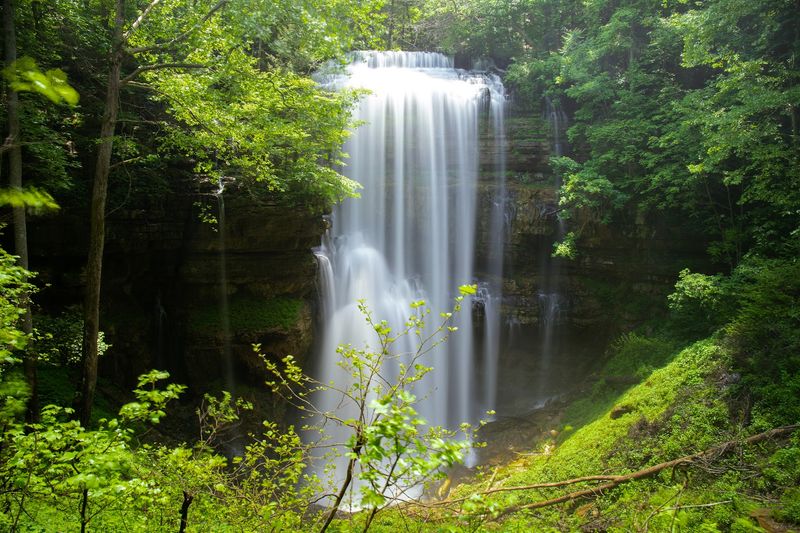
Few waterfall adventures match the uniqueness of Virgin Falls, where water mysteriously emerges from one cave and vanishes into another below. Located within the Bridgestone Firestone Centennial Wilderness southeast of Sparta, this natural wonder requires commitment but rewards intrepid hikers with something truly extraordinary.
The 8-mile round-trip trek ranks among the more challenging waterfall hikes near Sparta.
Getting there means navigating rocky terrain, crossing streams, and climbing over roots along narrow paths. Most hikers allocate six to eight hours for the complete journey, including time to rest and explore once they arrive.
The trail doesn’t suit beginners or young children, but experienced outdoor enthusiasts consider it absolutely worth the effort.
What makes Virgin Falls so special goes beyond its 110-foot drop. Underground streams feed this cascade, meaning the water literally pours out of a cave mouth before plummeting down the rock face.
Even more remarkably, instead of flowing away in a surface stream, the water disappears into another cave at the base, continuing its underground journey.
The surrounding wilderness feels genuinely remote and untouched. Massive trees tower overhead, their roots gripping ancient rocks worn smooth by centuries of weather.
Birdsong fills the air, and you might spot salamanders near the various creek crossings along the route. This isolation creates an almost magical atmosphere that modern life rarely provides.
Spring transforms the area into a wonderland when multiple seasonal waterfalls appear along the trail. Big Laurel Falls and Sheep Cave offer bonus destinations during wet periods, though they might dry up completely during summer droughts.
Virgin Falls itself flows year-round thanks to its underground sources, maintaining consistent beauty regardless of season.
Proper preparation becomes essential for this adventure. Hikers need plenty of water, energy-rich snacks, and appropriate footwear with good ankle support.
The trail can become muddy and treacherous after rain, so checking conditions beforehand saves frustration. Cell phone service disappears quickly once you enter the wilderness, making a detailed map and compass valuable companions.
Camping enthusiasts can extend their visit by spending the night at designated backcountry sites near the falls. Watching sunset paint the gorge walls orange and pink, then waking to morning mist rising from the caves, creates memories that last forever.
Just remember to pack out everything you bring in, preserving this special place for future adventurers discovering Sparta’s hidden waterfall treasures.
Cane Creek Falls
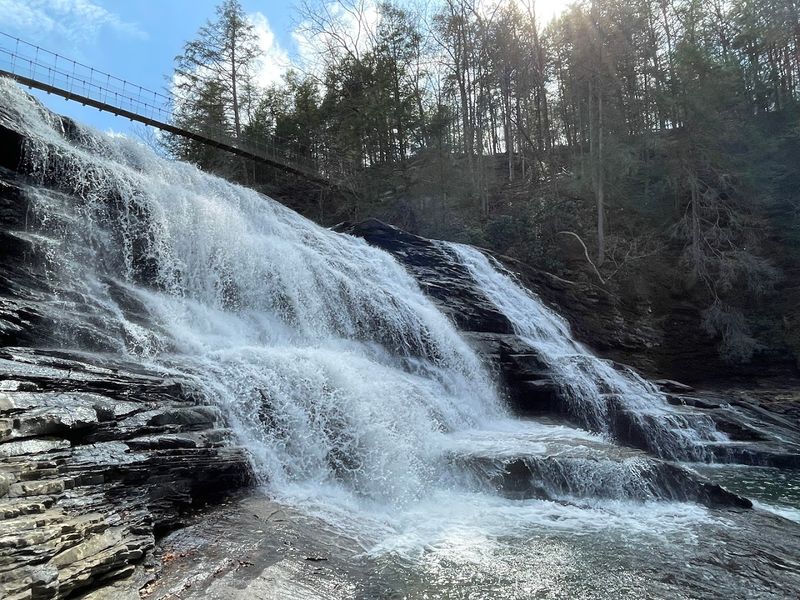
When summer heat blankets Sparta, locals know exactly where to find relief. Cane Creek Falls offers not just scenic beauty but also swimming opportunities that make it a favorite warm-weather destination.
The falls drop roughly 30 feet into a clear pool deep enough for swimming, creating a natural water park that costs nothing to enjoy.
Reaching this hidden gem requires some navigation since it sits on private property where public access exists through community tradition. Visitors should respect the land, pack out trash, and follow posted guidelines to maintain good relationships with property owners.
The short hike from the parking area takes about ten minutes, making it accessible for families who want waterfall beauty without marathon treks.
The pool beneath the falls stays refreshingly cold even during August’s hottest days. Kids love jumping from lower rocks into the deeper sections while parents relax on sunny boulders nearby.
A rope swing hangs from a sturdy tree branch, providing entertainment that never gets old no matter how many times you take a turn.
Weekends can get crowded with Sparta residents and visitors from neighboring towns, so arriving early secures the best parking and swimming spots. Weekday visits often feel more private, letting you enjoy the sounds of falling water without competing for space.
The peaceful setting makes it perfect for reading, picnicking, or simply daydreaming while sunshine filters through the canopy.
Photography enthusiasts appreciate how the surrounding rock formations and lush vegetation frame the waterfall. Morning light creates the best conditions for capturing that perfect shot, though afternoon sun warms the rocks nicely for lounging after a swim.
The changing seasons bring different moods to the scene, from spring’s rushing water to autumn’s colorful foliage reflected in the pool.
Safety requires constant attention, especially with children present. Rocks around the falls become extremely slippery, and the current above the drop-off can surprise the unprepared.
Strong swimmers should stay aware of their limits, while non-swimmers can enjoy wading in shallower areas away from the main plunge pool. Life jackets add extra security for younger kids wanting to venture deeper.
The combination of easy access, swimming options, and natural beauty explains why Cane Creek Falls remains beloved by Sparta residents. Unlike more touristy destinations, this spot retains an authentic, locals-only vibe that makes visitors feel like they’ve discovered something special.
Bring your swimsuit, towel, and sense of adventure for a memorable afternoon playing in one of the area’s most refreshing waterfall pools.
Rock Island State Park
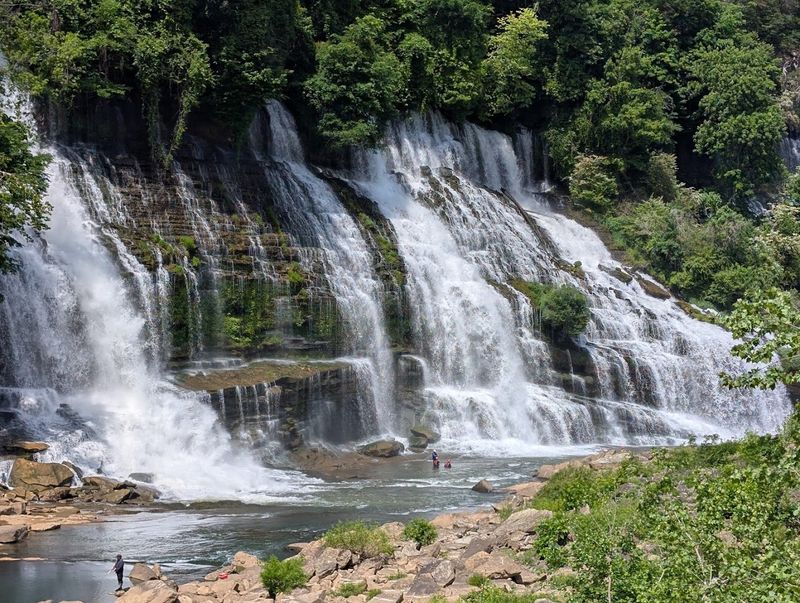
Just a scenic drive west of Sparta, Rock Island State Park combines waterfall viewing with river recreation in a package that satisfies diverse interests. The Great Falls of the Caney Fork River dominates the landscape, crashing through a narrow gorge with impressive power.
Historic dam structures from the area’s industrial past add fascinating context to the natural beauty surrounding you.
The park sprawls across more than 880 acres, offering multiple waterfalls and cascades to explore. Twin Falls drops 80 feet in two separate streams before joining below, creating photogenic scenes that grace countless Tennessee travel guides.
The overlook platform provides safe viewing positions where you can feel the mist on your face during high water periods.
Summer brings kayakers and rafters who challenge the rapids below the falls. Watching their colorful boats dance through whitewater adds excitement to your visit, even if you prefer staying dry on shore.
A sandy beach area upstream lets families swim and wade in calmer sections of the river, providing refreshment after hiking the park’s various trails.
History buffs enjoy learning about the hydroelectric plant that once powered the Tennessee Electric Power Company’s operations. The preserved powerhouse and dam ruins tell stories of early twentieth-century industrial development along Tennessee’s rivers.
Interpretive signs help visitors understand how people harnessed these powerful waters before modern electricity grids existed.
Multiple trails wind through the park, ranging from easy riverside strolls to more challenging climbs offering elevated views. The loop trail around the main falls provides workout enough for casual hikers while rewarding them with constantly changing perspectives on the cascading water.
Spring wildflowers and fall foliage make shoulder seasons especially beautiful for trail exploration.
Picnic facilities near the main parking area make Rock Island ideal for day trips. Covered pavilions offer shade during hot months, while grills let you cook burgers or hot dogs for a complete outdoor feast.
Playgrounds keep younger children entertained when they need a break from waterfall viewing.
The park’s popularity means weekends draw considerable crowds during peak season. However, the extensive grounds absorb visitors well, so you rarely feel cramped even on busy days.
Early morning arrivals guarantee parking close to the falls and offer the best wildlife viewing opportunities as deer and wild turkeys venture near the river.
Rock Island’s combination of spectacular waterfalls, recreational activities, and historical interest creates a well-rounded destination. Whether you’re passionate about photography, history, water sports, or simply enjoying Tennessee’s natural beauty, this park delivers memorable experiences that keep visitors returning year after year.
Fall Creek Falls State Park
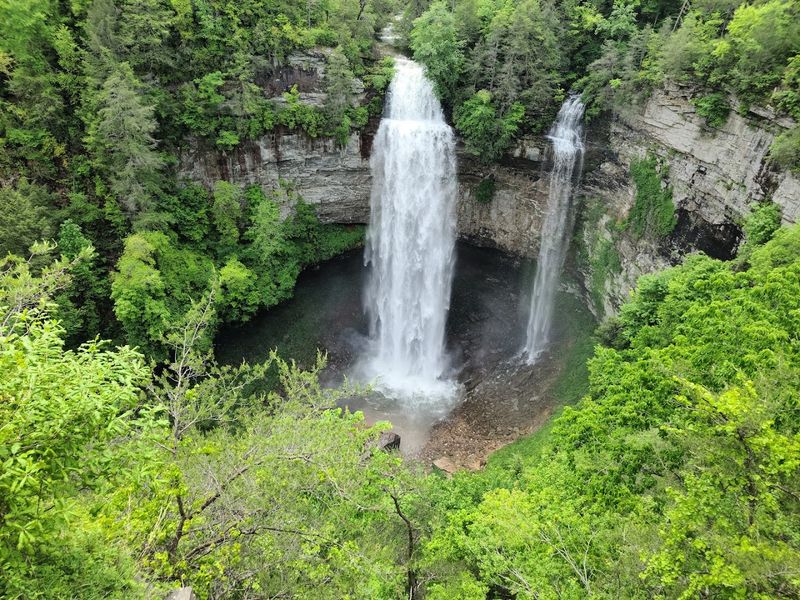
Roughly an hour’s drive from Sparta brings you to Tennessee’s crown jewel of waterfall parks. Fall Creek Falls State Park protects the highest waterfall east of the Mississippi River, plunging an astounding 256 feet into a boulder-strewn gorge below.
This single destination actually features multiple major waterfalls, making it worth dedicating an entire day to exploration.
The namesake Fall Creek Falls steals the show with its sheer height and dramatic setting. An observation deck extends out over the gorge, giving you heart-pounding views straight down to where water crashes into the pool below.
The constant mist nourishes rare plants clinging to the gorge walls, creating hanging gardens visible to sharp-eyed observers.
Don’t stop at just the main attraction though. Cane Creek Falls drops 85 feet in a different section of the park, accessible via a suspension bridge that adds adventure to your hike.
Piney Falls, though requiring a steeper trail, rewards hikers with a 95-foot cascade tumbling into a picturesque pool where swimming is permitted during appropriate seasons.
Cane Creek Cascades offers a fourth major waterfall, flowing in broad sheets over layered rock formations. Each of these falls possesses distinct character and beauty, preventing any sense of repetition as you explore.
The park maintains 26 miles of trails connecting these natural wonders, ranging from easy paved paths to challenging backcountry routes.
Facilities at Fall Creek Falls go beyond typical state parks. An overnight lodge provides comfortable accommodations for visitors wanting to experience the park across multiple days.
Cabins scattered through the forest offer more private lodging, while campgrounds serve those preferring tents under the stars. A swimming pool, golf course, and nature center round out amenities that keep families entertained beyond waterfall chasing.
Each season transforms the park’s personality. Spring brings dogwoods and redbuds blooming along the trails while water levels run highest.
Summer’s lush canopy provides shade for hikers exploring during warmer months. Autumn sets the gorges ablaze with color as maples and oaks turn brilliant shades.
Even winter has its charm when ice formations decorate the falls and crowds thin to almost nothing.
Photography opportunities abound everywhere you look. Professional landscape photographers often spend weeks here capturing the perfect conditions at each waterfall.
Amateur shutterbugs find success too since the natural beauty practically photographs itself, especially during golden hour when sunlight filters through the gorges.
The park’s size means you could visit repeatedly and still discover new trails, overlooks, and natural features. Rangers lead guided hikes sharing geological and ecological knowledge that deepens appreciation for these magnificent waterfalls carved over millions of years.
Foster Falls
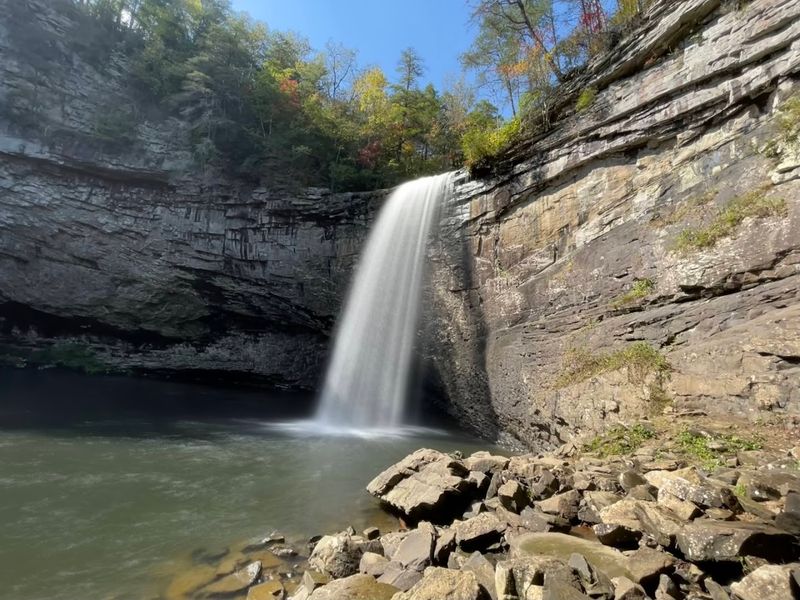
Adventure seekers gravitate toward Foster Falls where waterfalls meet rock climbing in one exciting package. The 60-foot cascade drops over sandstone cliffs into a popular swimming hole, while the surrounding rock faces attract climbers testing their skills on established routes.
This unique combination makes Foster Falls unlike other waterfall destinations near Sparta.
Reaching the falls requires descending stairs and navigating a moderately challenging trail, but the effort pays off immediately. The pool at the base stays cold and refreshing year-round, fed by the constant flow tumbling from above.
During summer weekends, you’ll find locals and visitors splashing around, lounging on rocks, and enjoying the natural beauty.
Rock climbers come from across the Southeast to tackle the various routes bolted into the cliff faces. Even if you don’t climb yourself, watching these athletes scale vertical rock makes for fascinating entertainment while you relax beside the water.
The rhythmic sound of falling water provides a peaceful soundtrack to both swimming and climbing activities happening simultaneously.
Foster Falls serves as a popular access point for the Fiery Gizzard Trail, considered one of Tennessee’s most scenic and challenging day hikes. This rugged path winds through gorges, past additional waterfalls, and over dramatic bluff overlooks for those seeking extended adventure.
Most hikers rate it difficult due to the rocky terrain and steep sections, but experienced trail runners and backpackers praise it enthusiastically.
The Small Wild Areas Program manages the Foster Falls site, maintaining its wild character while providing basic amenities like parking and restrooms. This management approach preserves the area’s natural feel without over-developing it into a manicured park.
Visitors appreciate the balance between accessibility and wilderness experience that results from this philosophy.
Safety deserves serious consideration here since the climbing areas, swimming hole, and trails all present hazards for the unprepared. Climbers should understand proper techniques and equipment use before attempting routes.
Swimmers must respect the cold water and avoid areas near the falls where currents run strong. Hikers need appropriate footwear since wet rocks become dangerously slippery.
Photography at Foster Falls captures both the natural waterfall beauty and the human element of climbers ascending colorful routes. The combination creates dynamic images that tell stories beyond typical landscape shots.
Morning light illuminates the falls beautifully while avoiding the harsh shadows that appear during midday hours.
Despite requiring more effort to reach than some roadside attractions, Foster Falls rewards visitors with authentic outdoor experiences. The mixing of different activities in one location means couples or families with varied interests can all find something appealing, making it a versatile destination for your Sparta-area waterfall exploration.
Calfkiller River Cascades
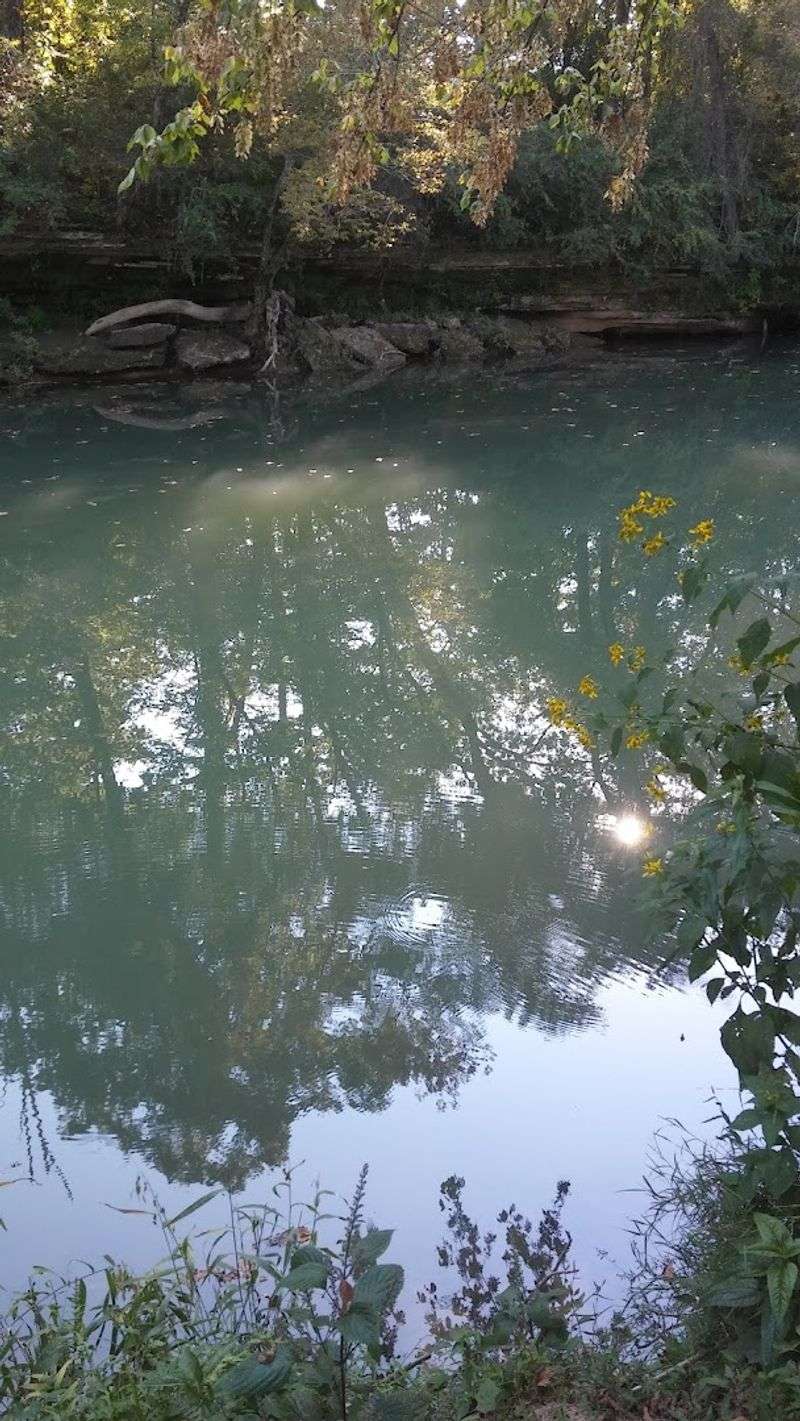
Sometimes the best waterfall experiences hide right under your nose. The Calfkiller River flows directly through Sparta itself, creating multiple small cascades and pools that locals have enjoyed for generations.
While not as dramatic as the towering falls found in state parks, these cascades offer charm, convenience, and a genuine connection to Sparta’s character.
The unusual name comes from historical accounts of a harsh winter when cattle perished along the river’s banks. Today, the Calfkiller provides life and recreation rather than hardship, flowing clean and clear through town.
Various access points let residents reach the water easily for fishing, wading, or simply sitting on the banks watching the current slide over smooth rocks.
Local families know the best spots where small waterfalls create natural slides and play areas perfect for children. These informal swimming holes see constant use during summer months as neighbors gather to cool off and socialize.
The casual, friendly atmosphere reflects small-town Tennessee life at its finest, where everyone knows each other and visitors receive warm welcomes.
Kayakers and canoeists use the Calfkiller for lazy float trips through scenic countryside surrounding Sparta. The river meanders through farmland and forest, passing under historic bridges and beside properties where horses graze in pastures.
Occasional small rapids add excitement without requiring advanced paddling skills, making it ideal for families introducing children to river sports.
The river corridor supports diverse wildlife despite flowing through town. Great blue herons stalk fish in shallow areas while kingfishers dive from overhanging branches.
Turtles sun themselves on partially submerged logs, and if you visit quietly during dawn or dusk, deer often come down to drink at the water’s edge.
Anglers cast lines for smallmouth bass, rock bass, and various sunfish species that thrive in the Calfkiller’s clean waters. The Tennessee Wildlife Resources Agency stocks certain sections, helping maintain healthy fish populations despite fishing pressure.
Local bait shops can point visitors toward productive spots and recommend effective techniques for the season.
Walking trails along portions of the riverbank provide exercise and nature observation opportunities without leaving Sparta’s city limits. These paths connect parks and neighborhoods while offering peaceful green corridors where birds sing and wildflowers bloom.
During spring, dogwoods and redbuds create tunnels of white and pink blossoms over the water.
The Calfkiller’s cascades might not make postcards like more famous Tennessee waterfalls, but they represent something equally valuable – nature integrated seamlessly into daily community life. Visitors staying in Sparta can easily spend a relaxing hour beside the river, experiencing the same simple pleasures generations of residents have enjoyed along these familiar banks.