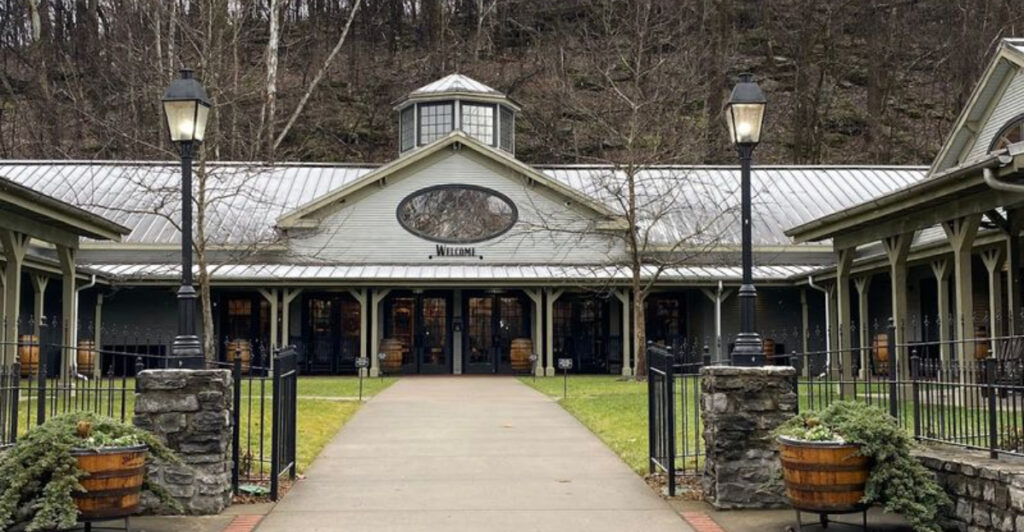
Tucked away in the rolling hills of Moore County sits Lynchburg, a charming town that feels more like a European village than a Tennessee community. With its brick-lined square, historic architecture, and walkable downtown that centers around a classic courthouse, this tiny city of just over 600 residents captures an old-world charm rarely found in the American South.
Whether you’re drawn to its famous distillery, quaint shops, or timeless atmosphere, Lynchburg offers a unique escape that transports visitors to another era entirely.
The Perfectly Preserved Town Square
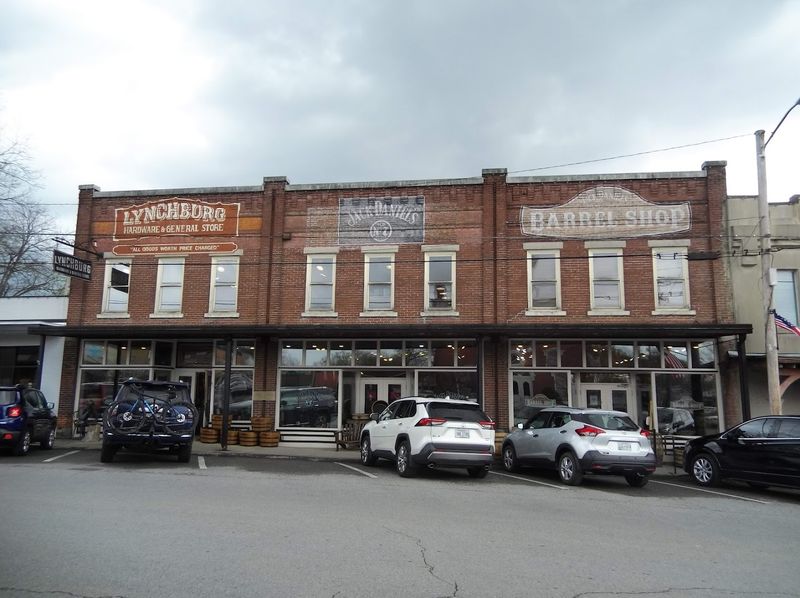
Walking into Lynchburg’s town square feels like stepping through a portal into a carefully preserved European hamlet. The red brick Moore County Courthouse anchors the center, surrounded by two-story buildings with iron balconies and hand-painted signs that haven’t changed in decades.
Unlike sprawling American towns built for cars, everything here clusters tightly around the square, creating that intimate village feel you’d find in rural France or England.
The layout itself mirrors European market towns where community life revolves around a central gathering place. Local shops, restaurants, and businesses face inward toward the courthouse lawn, encouraging people to park once and explore on foot.
You won’t find chain stores or modern glass facades disrupting the visual harmony—just authentic storefronts with wooden doors and large display windows showcasing handmade goods and local crafts.
Early mornings bring a special magic when mist rolls through the surrounding hills and the square sits quiet except for shopkeepers sweeping their stoops. The scale remains refreshingly human, with buildings rarely exceeding two stories and sidewalks wide enough for leisurely strolls and friendly conversations.
This isn’t a recreated theme park version of history—it’s the real deal, maintained by residents who understand the treasure they’re protecting.
Seasonal decorations enhance the European atmosphere, from flower baskets hanging from lampposts in spring to twinkling lights during winter months. The courthouse lawn hosts occasional concerts and gatherings, functioning exactly as European town squares have for centuries.
Benches under shade trees invite visitors to sit and watch daily life unfold at a pace that modern America forgot long ago.
Photography enthusiasts find endless angles here, with each corner offering postcard-worthy compositions. The consistency of architectural styles creates visual cohesion that makes the entire square feel like a single, carefully designed artwork.
Whether you’re seeking a peaceful retreat or simply appreciating well-preserved history, this town square delivers an experience that transcends typical American tourism.
Walkable Streets With No Traffic Lights
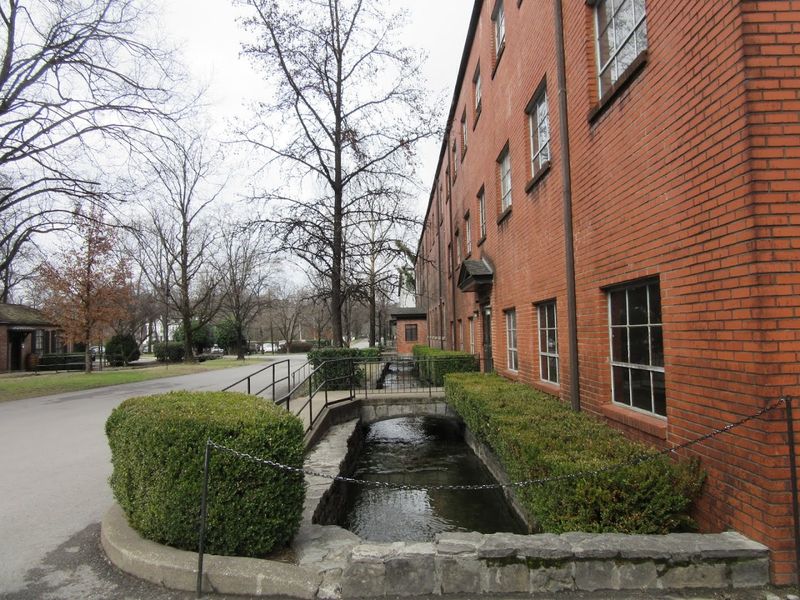
Here’s something wild: Lynchburg doesn’t have a single traffic light. Not one.
The entire town operates on courtesy, eye contact, and the kind of trust between drivers and pedestrians that disappeared from most American communities generations ago. This absence of automated traffic control creates a rhythm more common in small European villages where human interaction governs movement rather than mechanical signals.
The streets themselves invite walking in ways modern towns simply don’t. Sidewalks connect seamlessly from one block to the next, with crosswalks appearing at logical intervals rather than being dictated by traffic engineering formulas.
Drivers expect pedestrians and actually slow down, often waving people across with genuine smiles. This creates a relaxed atmosphere where exploring on foot feels natural and safe, even for families with young children.
Narrow lanes wind between buildings, occasionally opening into small courtyards or alleyways that reward curious explorers. These passages feel distinctly European, offering shortcuts and discoveries that grid-pattern American towns can’t replicate.
You might stumble upon a hidden garden, a vintage truck parked beside weathered brick, or a cat sunning itself on a windowsill—small moments that make wandering feel like an adventure.
The lack of traffic noise changes everything. Conversations carry across streets, birds provide the dominant soundtrack, and your footsteps on brick sidewalks create their own percussion.
Without the constant hum of engines idling at red lights, the town maintains an almost meditative quality. Even during busy tourist seasons, the pace never accelerates to typical American frenzy.
Local businesses benefit from this walkability, as visitors naturally flow from one shop to another rather than driving between destinations. The compact geography means you can experience the entire downtown in a leisurely afternoon stroll, yet still discover new details on repeat visits.
This pedestrian-first design philosophy, whether intentional or simply preserved from earlier eras, creates an accessibility and charm that car-dependent communities spend millions trying to recreate.
Historic Buildings With Timeless Architecture
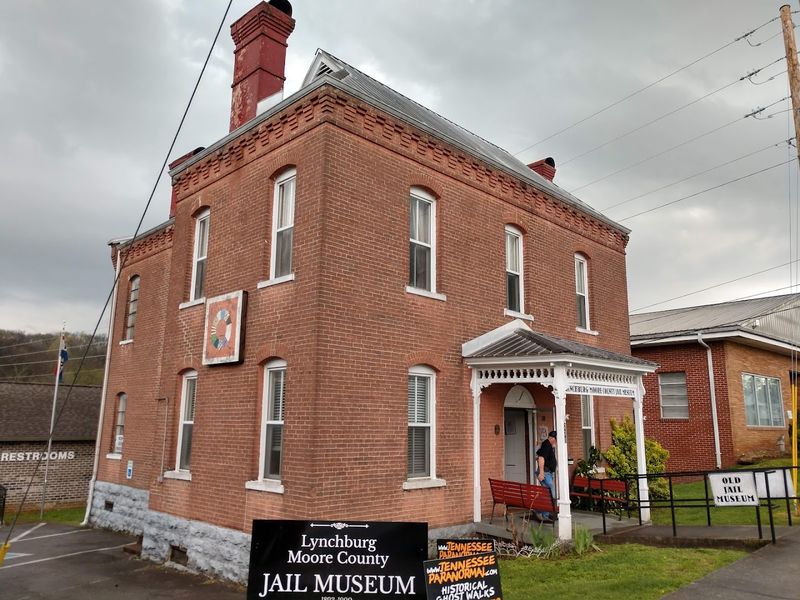
Architectural purists get goosebumps walking through Lynchburg because the buildings haven’t been sanitized or modernized into generic replicas. Original brick walls show their age with weathered patina and slight irregularities that machine-made materials can’t duplicate.
Windows feature wavy antique glass that distorts reflections in ways perfectly flat modern panes never could. These aren’t reconstructions—they’re survivors from an era when craftsmanship meant something deeper than efficiency.
Many structures date back to the 1800s, featuring construction techniques and materials common in European building traditions of that period. Thick load-bearing walls, high ceilings with exposed beams, and hand-forged hardware demonstrate the quality standards that allowed these buildings to function for over a century.
Walking inside feels like entering a time capsule, with original wooden floors that creak and groan, telling stories through every sound.
The architectural consistency creates visual harmony rarely achieved in American towns where each era added conflicting styles. Here, buildings share similar proportions, materials, and decorative elements—creating that cohesive village aesthetic characteristic of European settlements that evolved organically over centuries.
Even additions and modifications generally respected the original character rather than imposing contemporary trends.
Details matter in ways that modern construction ignores. Hand-carved cornices, decorative brickwork patterns, and thoughtfully proportioned facades show the care builders invested in creating beauty alongside function.
Doorways feature transoms and sidelights that maximize natural lighting while maintaining security. Porches and overhangs provide practical weather protection while adding architectural interest and creating comfortable transition spaces between indoors and out.
Preservation efforts have prioritized authenticity over convenience, meaning visitors experience genuine historical spaces rather than sanitized interpretations. Some floors slope slightly, doors don’t hang perfectly square, and walls bear the marks of generations—imperfections that prove authenticity.
This commitment to maintaining rather than replacing creates an atmosphere that transports visitors backward through time, offering glimpses into how communities once built environments designed to last centuries rather than decades.
The World-Famous Jack Daniel’s Distillery
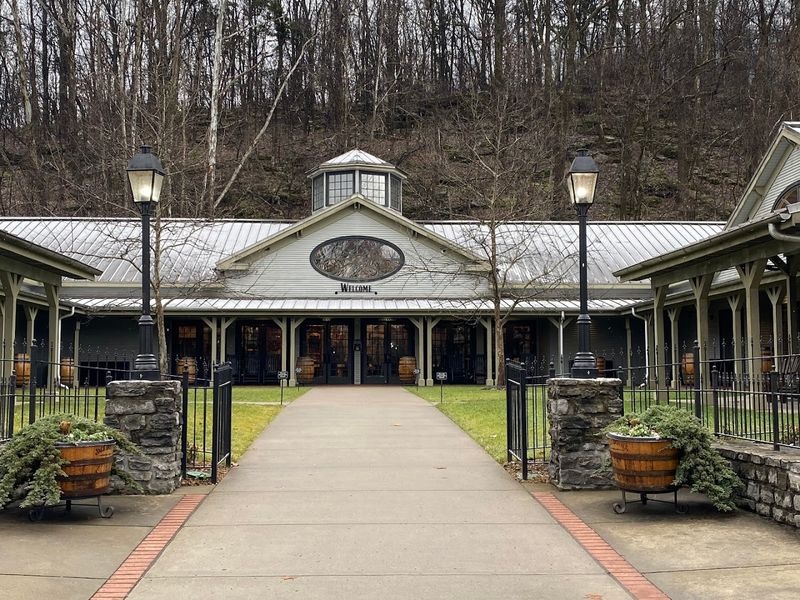
Ironically, the world’s most famous Tennessee whiskey comes from a dry county where you can’t buy liquor by the glass. Jack Daniel’s Distillery has operated on the same Lynchburg site since 1866, with buildings and processes that feel transported from Scottish or Irish whiskey country.
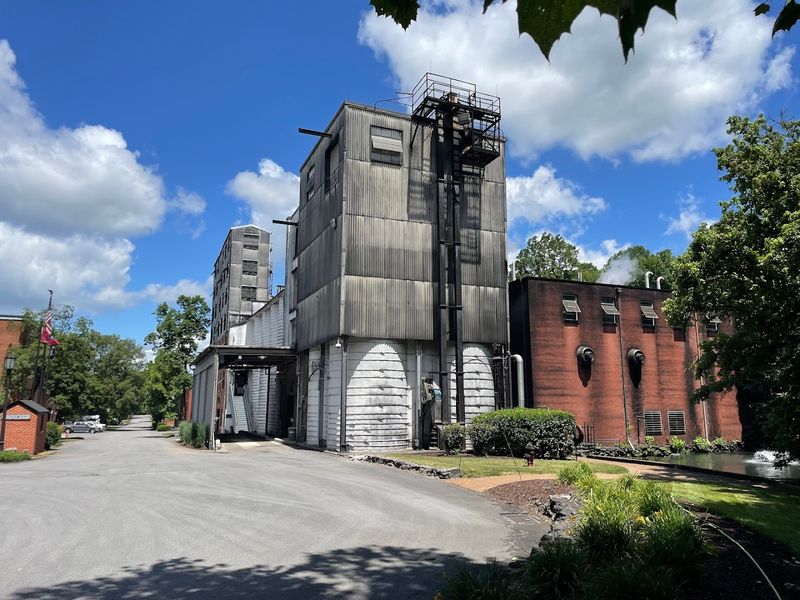
The campus sprawls across hollow and hillside like a European industrial village, with brick warehouses, copper stills, and rickhouses creating an atmospheric complex that blends function and history.
Tours reveal production methods that haven’t changed fundamentally in over 150 years. Workers still use the Lincoln County Process, filtering whiskey through sugar maple charcoal in a technique unique to Tennessee.
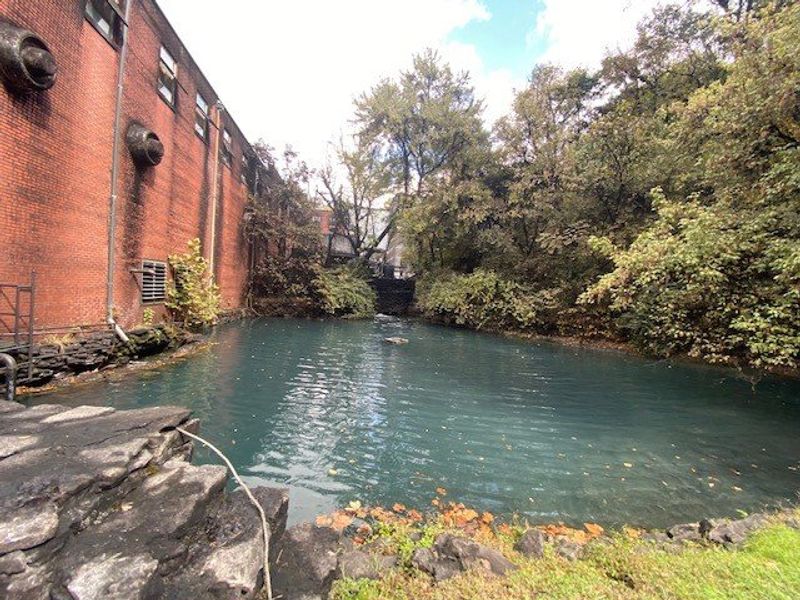
The Cave Spring provides the iron-free water that makes Jack Daniel’s possible, bubbling from limestone at a constant 56 degrees year-round. These natural advantages, combined with traditional craftsmanship, create a sense of place as specific and unreplicable as French wine regions.
The distillery’s architecture mirrors European industrial heritage sites where form follows function but beauty emerges naturally from honest materials and thoughtful proportions. Massive rickhouses constructed from native poplar and tin roofs age thousands of barrels in temperature-controlled environments that rely on Tennessee’s seasonal swings rather than mechanical systems.
Walking between these structures feels like exploring a whiskey-making village where every building serves a specific purpose in the carefully orchestrated production process.
Guides share stories connecting Jasper Newton “Jack” Daniel to local history, creating personal narratives that humanize industrial-scale production. You’ll hear about his diminutive stature (he stood just five-foot-two), his mentorship under a local preacher and enslaved distiller, and the fatal injury from kicking a safe that eventually took his life.
These tales add depth and character, transforming a factory tour into something closer to visiting a historical estate.
The distillery employs hundreds of locals, functioning as Lynchburg’s economic heart while maintaining traditions that prioritize quality over maximum efficiency. Visitors leave understanding why this operation couldn’t exist anywhere else—the combination of water, climate, tradition, and community creates something irreplaceable.
The tasting room offers samples (despite the dry county status), letting guests experience the finished product where it’s made, completing a journey from spring water to aged whiskey.
Local Shops Selling Handmade Goods
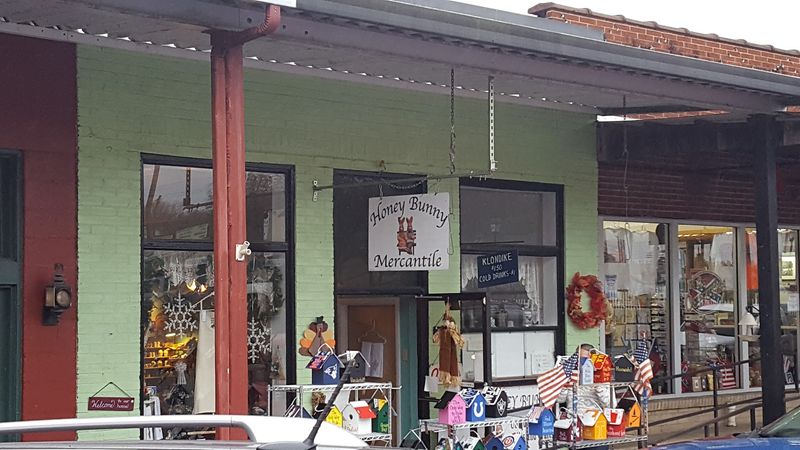
Forget outlet malls and franchise stores—Lynchburg’s shops specialize in one-of-a-kind items you won’t find anywhere else. Artisans sell hand-stitched quilts, custom leather goods, and woodwork crafted in local workshops using techniques passed down through generations.
These aren’t imported trinkets with “Tennessee” slapped on them; they’re genuine creations made by people who live here and take pride in their craft.
The Lynchburg Hardware and General Store operates in a building that’s served the community since the 1800s, with creaky wooden floors and shelves stocked with everything from practical tools to quirky souvenirs. Walking inside feels like entering a European mercantile where shopkeepers know customers by name and can tell you the story behind every product.
The mix of genuine hardware alongside gifts and specialty foods creates an authentic general store experience increasingly rare in modern America.
Several shops specialize in Jack Daniel’s memorabilia and Tennessee-made products, but even these avoid feeling touristy. Local honey, handmade soaps, and preserves share shelf space with vintage advertising signs and collectible bottles.
Owners often work the counters themselves, ready to chat about products, offer recommendations, or share local history. This personal touch transforms shopping from a transaction into a social experience.
Antique stores scattered around the square offer treasures ranging from Depression-era glassware to vintage farm implements, each item carrying stories from Tennessee’s past. Serious collectors hunt for specific pieces while casual browsers enjoy the visual journey through decades of material culture.
Prices remain reasonable compared to city antique markets, making actual purchases possible rather than just window shopping.
Seasonal offerings keep the shopping experience fresh for repeat visitors. Holiday decorations, spring garden supplies, and summer picnic goods rotate through displays with the calendar.
Several shops feature local artists’ work on consignment, providing platforms for emerging talent while giving visitors access to original paintings, pottery, and photography. The emphasis on handmade and locally sourced creates a shopping experience focused on quality and authenticity rather than mass-produced convenience, mirroring the artisan markets still common in European villages.
Rolling Hills and Pastoral Countryside
Drive five minutes in any direction from Lynchburg’s square and you’ll understand why visitors make European comparisons. The landscape rolls in gentle waves, with pastures divided by stone walls and wooden fences that follow the natural topography rather than forcing rigid property lines.
Morning fog settles in hollows, creating atmospheric scenes that could easily pass for the English countryside or rural France.
Working farms still dominate the surrounding acreage, with cattle grazing on hillsides and crops planted in fields that have fed families for generations. This isn’t hobby farming or agritourism—it’s genuine agricultural land where people make livings from the soil.
The absence of suburban sprawl, strip malls, and housing developments preserves viewsheds that feel increasingly rare in Tennessee and across America.
Winding two-lane roads connect Lynchburg to neighboring communities, curving through the landscape rather than bulldozing straight paths. Driving these routes becomes its own pleasure, with unexpected vistas appearing around bends and over ridges.
Old barns weathered silver-gray lean slightly but stand firm, their hand-hewn timbers still supporting roofs after a century of Tennessee weather. These structures add character and history to the landscape in ways new construction never could.
The Tennessee River watershed creates the rolling topography, with creeks and streams carving valleys between ridges. Native hardwoods cover hillsides too steep for farming, providing autumn color displays that rival New England’s famous foliage.
Spring brings wildflowers to roadside meadows and pastures, painting the landscape in shifting palettes that change week by week.
This pastoral setting provides more than pretty views—it shapes Lynchburg’s character and pace of life. Residents maintain connections to land and seasons that urban communities have lost.
Visitors escaping city stress find genuine respite in these quiet hills, where the biggest sounds come from wind through trees and distant cattle lowing. The landscape reminds us that some places still resist the homogenizing forces of modern development, preserving instead the timeless beauty of working countryside that Europeans have protected for centuries.
Small-Town Hospitality and Slower Pace
Strangers make eye contact in Lynchburg. They nod, smile, and often strike up conversations about nothing in particular—just friendly human interaction that feels shockingly rare if you’re coming from anywhere with traffic jams.
This isn’t performed hospitality for tourists; it’s genuine small-town culture where people still treat neighbors and visitors with warmth and curiosity. The pace allows for these interactions because nobody’s rushing between appointments or staring at phones while walking.
Restaurant servers remember repeat customers and their preferences, asking about family members by name. Shop owners take time to explain products, share stories, and offer recommendations without watching the clock.
This unhurried approach to business mirrors European cafes and shops where relationships matter more than transaction speed. You might intend a quick stop but find yourself in a twenty-minute conversation about local history, fishing spots, or the best time to visit for fall colors.
The town operates on what locals jokingly call “Lynchburg time,” where schedules serve as suggestions rather than rigid commitments. Restaurants might close early on slow days or stay open late if customers are enjoying themselves.
Tours run when groups gather rather than on mechanical schedules. This flexibility frustrates some Type-A visitors but delights those ready to surrender to a more organic rhythm.
Community events bring residents together in ways that strengthen social bonds and welcome outsiders. You might stumble upon a courthouse lawn concert, a church fundraiser, or simply locals gathering to chat on benches.
These informal gatherings create the public life that makes small towns feel alive and connected, contrasting sharply with suburban isolation where people drive from garage to garage without encountering neighbors.
Evenings in Lynchburg slow to near stillness, with most businesses closing by six and streets emptying as families gather for dinner. This quietness, almost eerie for city dwellers, creates space for reflection and genuine rest.
The absence of late-night entertainment options, rather than being a limitation, becomes a feature—encouraging visitors to actually relax, enjoy conversation, and experience the restorative power of doing less. This European-style approach to work-life balance, where commerce serves life rather than consuming it, offers lessons increasingly relevant in our hyperconnected, always-on world.