Tennessee has more to offer than Nashville honky-tonks and Smoky Mountain traffic jams. Tucked between the hills, valleys, and backroads are small towns that feel like they were frozen in time—the good kind of frozen, where life moves slower and every storefront has a story.
These places don’t scream for attention, but once you visit, you’ll wonder why more people aren’t talking about them.
1. Bell Buckle
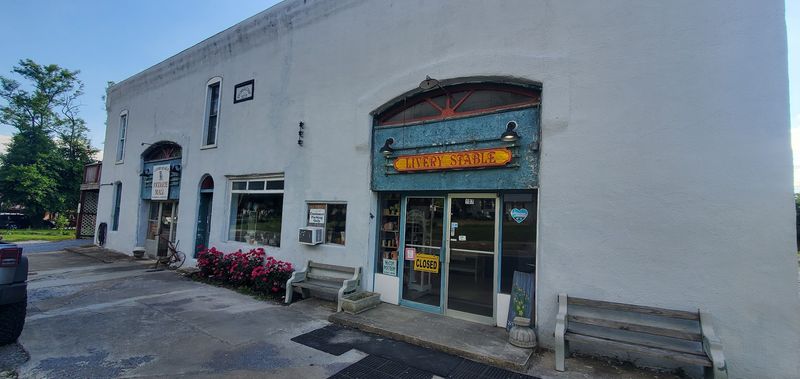
Picture a town so small you could walk the whole main drag in ten minutes, yet somehow it packs in more personality than cities ten times its size. Bell Buckle earned its quirky name from a creek shaped like a bell, and the vibe here matches that offbeat origin story perfectly.
The railroad tracks still run through the middle of town, a reminder of Bell Buckle’s past as a train stop where travelers would stretch their legs. These days, those tracks divide a street lined with antique stores, local craft shops, and murals that pop with color against old brick walls. There’s no corporate chain in sight—just family-run spots that feel like stepping into someone’s living room.
Every June, the town throws the RC Cola & MoonPie Festival, which sounds ridiculous until you realize it draws thousands of people who want to celebrate Southern snack culture with pie-eating contests and live music. It’s the kind of event that shouldn’t work but absolutely does.
Bell Buckle also has a surprising literary side. The town hosts an annual book festival, and you’ll find more bookstores than you’d expect in a place this size. Walking around, you get the sense that people here actually care about preserving character over chasing trends.
What makes Bell Buckle special isn’t one big attraction—it’s the accumulation of small details. The hand-painted signs, the porch rockers outside the general store, the way locals greet you like you’re supposed to be there. It’s the kind of town that reminds you what “charming” actually means before the word became marketing speak.
2. Granville
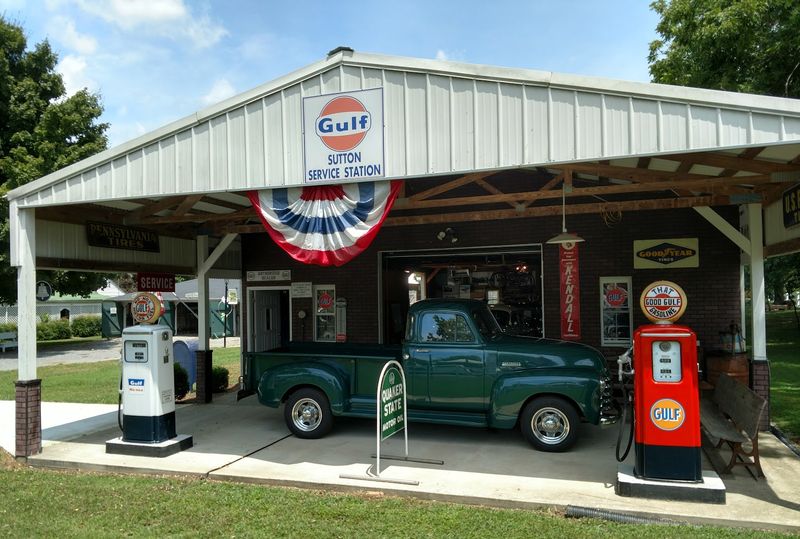
Granville doesn’t just look old—it commits to the bit. This Jackson County gem sits near Cordell Hull Lake and has leaned into its heritage so fully that walking down the main street feels like wandering onto a movie set designed to capture 1950s small-town America.
The storefronts here aren’t renovated into trendy boutiques. They’re preserved as working museums, antique shops, and local businesses that maintain their original facades. You’ll see vintage signage, wooden benches out front, and architecture that hasn’t been “updated” into blandness.
Southern Living recently featured Granville as a day-trip destination, and it’s easy to see why—the town delivers on atmosphere without feeling manufactured.
Cordell Hull Lake adds another layer to the experience. After exploring downtown, you can head to the water for fishing, boating, or just sitting by the shore. The combination of historic charm and natural beauty gives Granville more variety than your typical one-street town.
There’s also something refreshing about how unhurried everything feels here. No one’s rushing you through a visit or trying to sell you branded merchandise. The pace matches the setting—slow, steady, and genuinely welcoming.
Granville works because it doesn’t try to be anything other than what it is: a well-preserved slice of Tennessee history that happens to sit in a beautiful part of the state. You won’t find crowds or lines, but you will find the kind of authenticity that’s becoming harder to locate.
It’s the sort of place that makes you want to grab lunch at a local diner and spend the afternoon just wandering without a plan.
3. Rugby
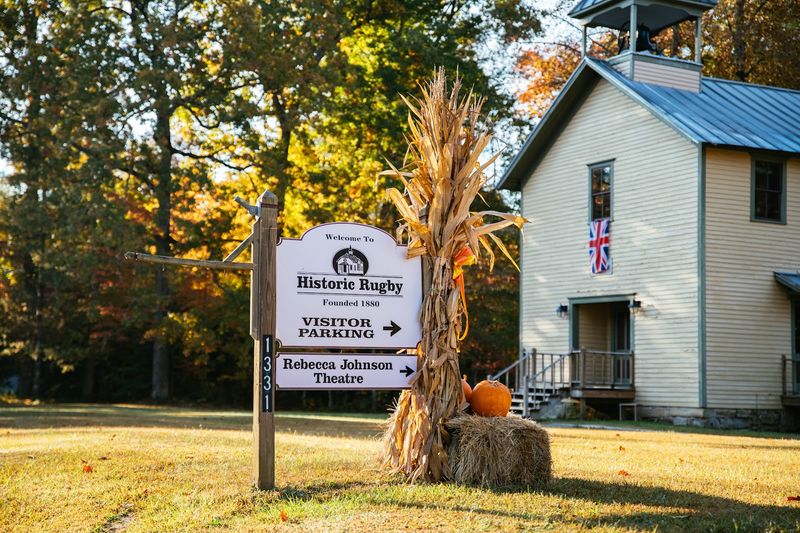
Most Tennessee towns grew around railroads or rivers. Rugby started as a social experiment—a utopian colony founded by British author Thomas Hughes in 1880 to give younger sons of the English gentry a fresh start in America. That unusual origin story explains why this place feels so different from everywhere else in the state.
The Victorian buildings here aren’t replicas or reconstructions. They’re the real deal, preserved from the 1800s and clustered together like a miniature English village dropped into the Tennessee wilderness. You can tour the original library, still stocked with Victorian-era books, or walk past cottages with gingerbread trim and wraparound porches that look lifted from a fairy tale.
Rugby sits near Big South Fork, which means you get both historic architecture and access to some seriously beautiful outdoor scenery. After exploring the village, you can hike to waterfalls, explore gorges, or just enjoy the forested surroundings that make this area feel remote even though it’s not that far from major roads.
What strikes most visitors is how quiet Rugby stays. There’s no main highway running through it, no strip malls on the outskirts, and no crowds even during peak tourist season. The town has avoided the kind of development that turns historic sites into theme parks.
Rugby also hosts events throughout the year—ghost tours, Victorian teas, and craft fairs—that lean into the town’s unique history without feeling corny. The whole place manages to be educational without being stuffy, charming without being precious. It’s genuinely one of Tennessee’s most unusual destinations, and the fact that it remains relatively unknown makes it even more appealing for anyone tired of fighting tourist traffic.
4. Lynnville
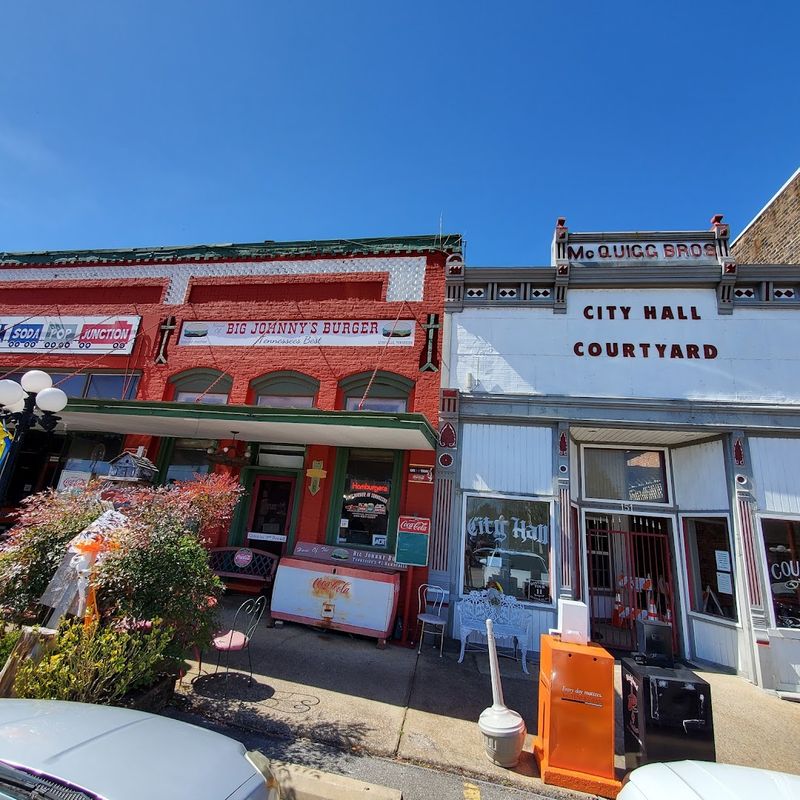
Lynnville is the kind of town you pass through on the way to somewhere else, then kick yourself for not stopping sooner. It sits along Highway 31, small enough that you could literally blink and miss it, but packed with enough old-school charm to make you pull a U-turn.
The railroad history here isn’t just a footnote—it shaped the whole town. The tracks still run through, and the buildings along the main drag date back to when trains were the primary way people and goods moved through Middle Tennessee. Today, those old structures house antique shops where you can spend hours digging through vintage finds without feeling rushed by impatient owners.
Then there’s Soda Pop Junction, the town’s claim to fame. This retro diner serves up classic American comfort food in a setting that’s pure 1950s nostalgia—chrome stools, checkered floors, and a soda fountain that actually works. It’s not trying to be ironic or trendy; it just is what it is, and that authenticity is exactly why people make special trips here.
Lynnville doesn’t have a long list of attractions, and that’s precisely the point. You come here to slow down, poke around a few shops, grab a burger and a float, and remember what it felt like when small towns were the main event rather than pit stops. The whole experience takes maybe two hours, but those two hours feel more valuable than a rushed day at a crowded tourist trap.
What makes Lynnville work is that it hasn’t been polished into something it’s not. The paint might be a little worn, the sidewalks a bit cracked, but that lived-in quality makes it feel real. It’s the perfect example of a town that’s charming precisely because it’s not trying to be.
5. Wartrace
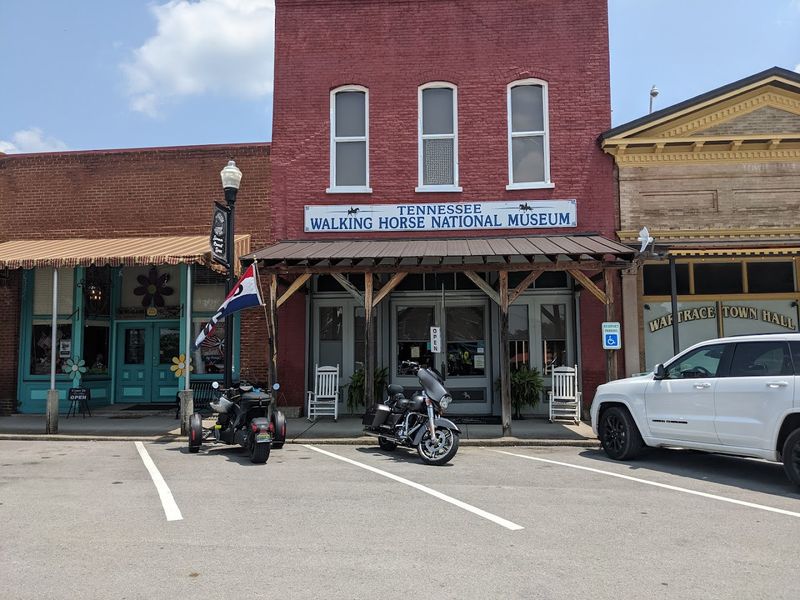
Wartrace got its name from a Creek Indian trail, but these days it’s better known as the kind of place where nothing much happens—and that’s exactly the appeal. This tiny railroad town in Bedford County has managed to stay under the radar while other small Tennessee towns get discovered and developed.
The main street here is short, lined with old buildings that haven’t been turned into cutesy boutiques or chain stores. You’ll find a handful of local shops, a cafe or two, and plenty of empty storefronts that give the place an honest, unpolished feel. Some might see that as sad; others recognize it as authenticity in a state where too many small towns are getting gentrified into sameness.
Wartrace also has a legitimate horse-breeding history. The Tennessee Walking Horse was developed here, and while the big breeding farms are outside town, that heritage still shapes the local identity. You might see horses in nearby pastures or catch conversations about bloodlines at the local diner.
What Wartrace offers that’s harder to find elsewhere is genuine peace and quiet. There’s no festival every weekend, no tour buses unloading visitors, no Instagram hotspot drawing crowds. It’s just a small town going about its business, and if you happen to stop by, you’re welcome to enjoy it without anyone trying to sell you something.
The lack of polish is actually Wartrace’s strongest selling point. You’re not visiting a carefully curated experience—you’re seeing a real Tennessee town that hasn’t changed much in decades.
For some travelers, that’s boring. For others, it’s exactly what they’re looking for: a place where you can walk down an empty sidewalk, peek into old buildings, and feel like you’ve stepped off the tourist trail entirely.
6. Tellico Plains
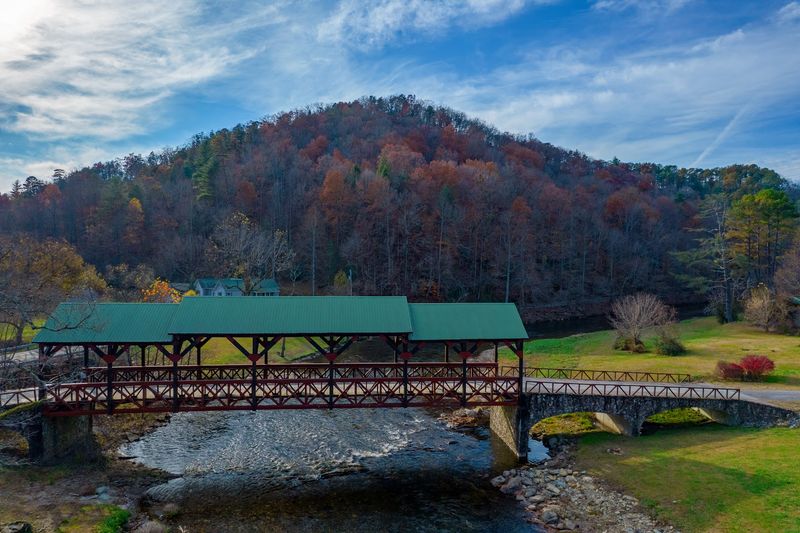
Tellico Plains sits at the edge of the Cherokee National Forest, serving as the gateway to the Cherohala Skyway—one of the most beautiful mountain drives in the Southeast. But while most people blow through town on their way to the scenic overlooks, the town itself deserves more than a quick gas-station stop.
This is mountain-town Tennessee done right: local cafes where the coffee’s hot and the biscuits are homemade, a walkable downtown with a few antique shops and outfitters, and a river running nearby that adds to the whole peaceful mountain vibe. There’s nothing flashy here, but if you’re looking for a base camp to explore the surrounding wilderness, Tellico Plains hits the sweet spot between functional and charming.
The Cherohala Skyway is the main draw, and for good reason—it’s a 43-mile ribbon of road that climbs into the mountains with pull-offs for views that rival anything in the Smokies. But Tellico Plains also puts you close to waterfalls, hiking trails, and backroads that see far fewer visitors than the national park crowds. You get the mountain experience without the traffic jams and overpriced tourist traps.
The town itself has a laid-back, no-nonsense feel. People here are friendly without being overly chatty, and the businesses cater to locals first, visitors second. That means you’re not walking into places designed to extract maximum dollars from tourists—you’re just getting solid food, decent coffee, and helpful directions to the good trails.
Tellico Plains proves you don’t need resort amenities or branded attractions to make a mountain town worth visiting. Sometimes all you need is natural beauty, a few good local spots, and the sense that you’re somewhere real rather than somewhere manufactured for tourism.
7. Spencer
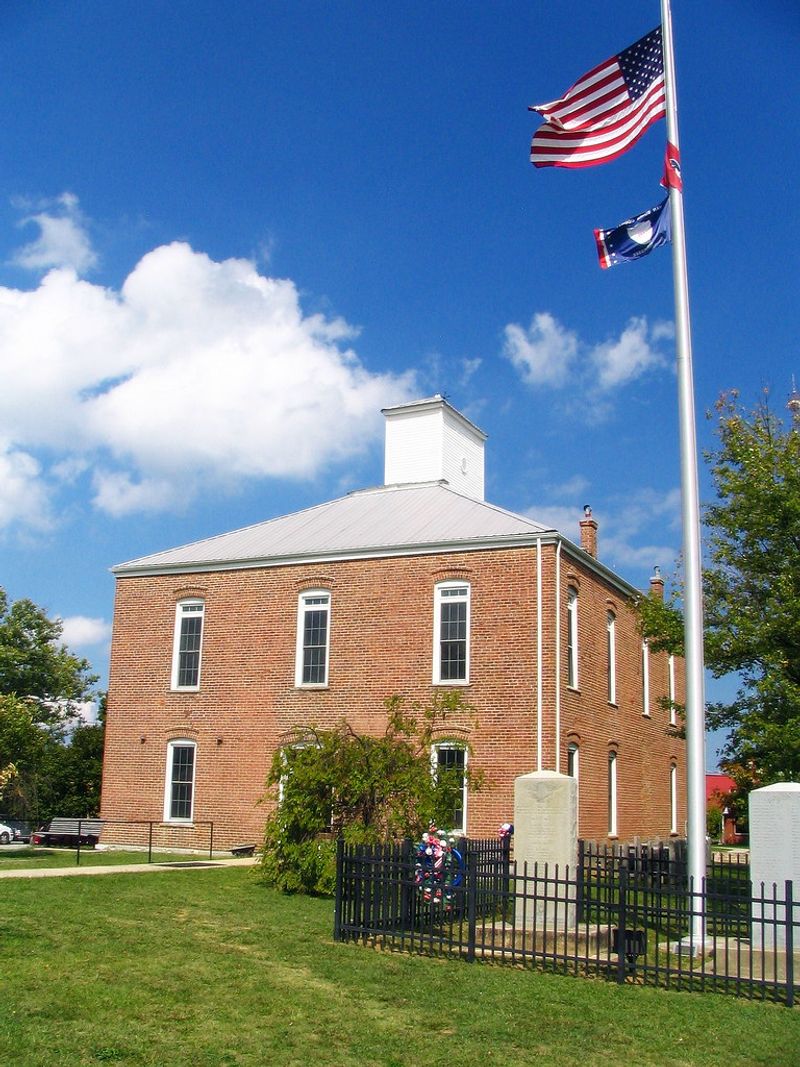
Spencer earns its spot on this list not because it’s packed with attractions, but because it’s the quiet little town that sits next to one of Tennessee’s most spectacular natural areas: Fall Creek Falls State Park. While everyone flocks to the waterfalls, Spencer itself remains refreshingly overlooked.
This is rural Tennessee at its most unassuming. The town has a few local businesses, a post office, and not much else—but that simplicity is exactly what makes it work as a home base. You can stay somewhere affordable, grab breakfast at a local spot, then spend your day exploring waterfalls, gorges, and hiking trails without dealing with the crowds and prices of more touristy gateway towns.
Fall Creek Falls State Park is the real star here, featuring a 256-foot waterfall that’s among the tallest in the eastern United States. The park also has multiple other waterfalls, miles of trails, and enough natural beauty to fill several days of exploration. Spencer gives you easy access to all of it without the commercialization that often comes with proximity to major attractions.
What’s nice about Spencer is that it hasn’t tried to capitalize on its location by building a bunch of tourist infrastructure. There are no souvenir shops hawking T-shirts, no chain restaurants, no manufactured “charm.” It’s just a small town that happens to sit near something beautiful, and if you need a place to sleep or a meal between hikes, it’s there for you.
For travelers who prioritize natural scenery over downtown strolls, Spencer is a smart pick. You get the best of both worlds: access to one of Tennessee’s premier outdoor destinations and the peace of staying somewhere that hasn’t been overrun by tourism.
8. Monteagle
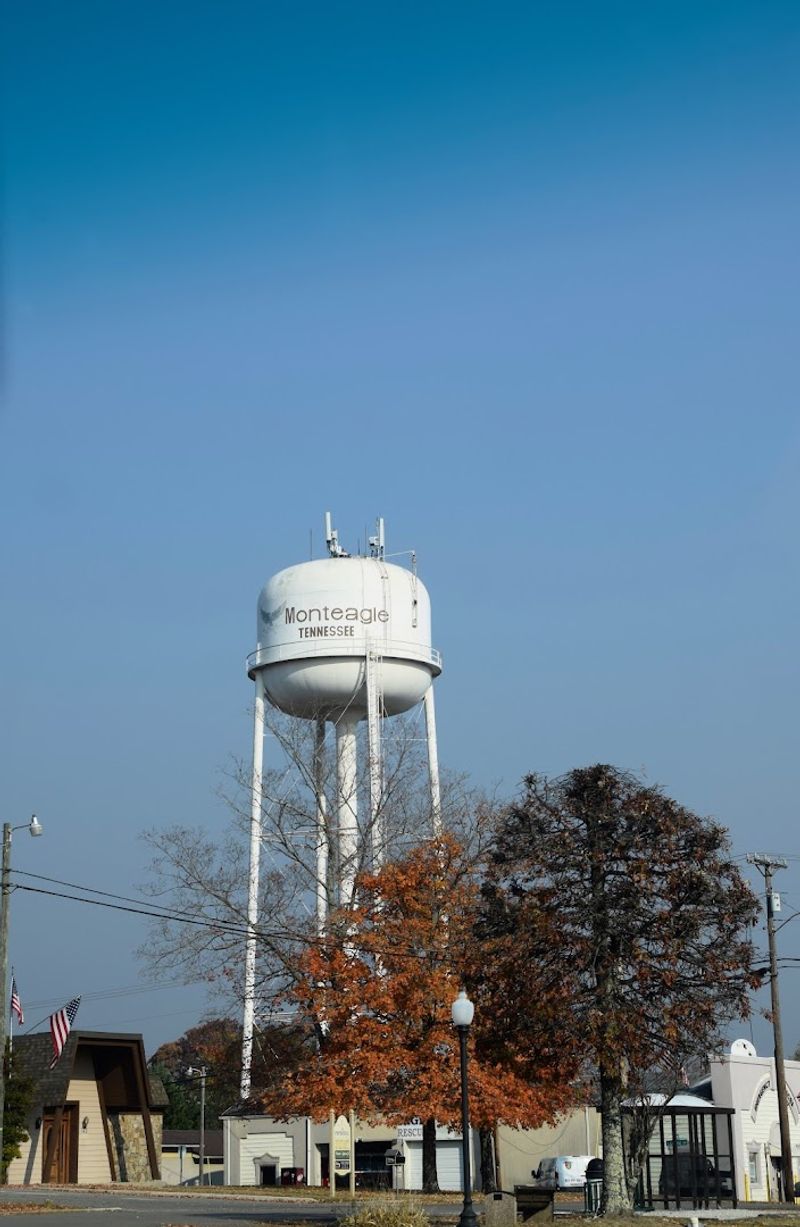
Monteagle sits on top of the Cumberland Plateau, which means you get mountain air, cooler temperatures, and a different vibe from the lowland towns. This is a place that grew up around the old highway, back when road trips meant stopping in small towns rather than blowing past them on interstates.
That roadside heritage is still visible today. You’ll find vintage motels, old diners, and the kind of mom-and-pop businesses that have somehow survived the chain-store era. Monteagle hasn’t been gentrified or turned into a boutique destination—it’s still got that working-class, practical feel, which makes it more interesting than towns that have been polished for tourists.
The surrounding area is what really elevates Monteagle. South Cumberland State Park is nearby, offering trails, waterfalls, and overlooks that showcase the plateau’s rugged beauty. The Caverns, a music venue built inside an actual cave, hosts concerts in one of the most unique settings you’ll find anywhere.
Between the natural scenery and the quirky attractions, there’s more to do here than you’d expect from a town this size.
Monteagle also benefits from its location on the plateau, which gives it a cooler climate than much of Tennessee. In summer, when the rest of the state is sweltering, Monteagle feels almost refreshing. That climate difference helped make it a historic retreat destination, and you can still see remnants of that past in the older homes and lodges scattered around town.
What makes Monteagle charming isn’t one standout feature—it’s the combination of mountain scenery, old-school road-trip vibes, and proximity to natural attractions. It’s the kind of town that works best for travelers who appreciate authenticity over polish, and who’d rather explore a cave venue or hike to a waterfall than shop for souvenirs.
9. Hohenwald
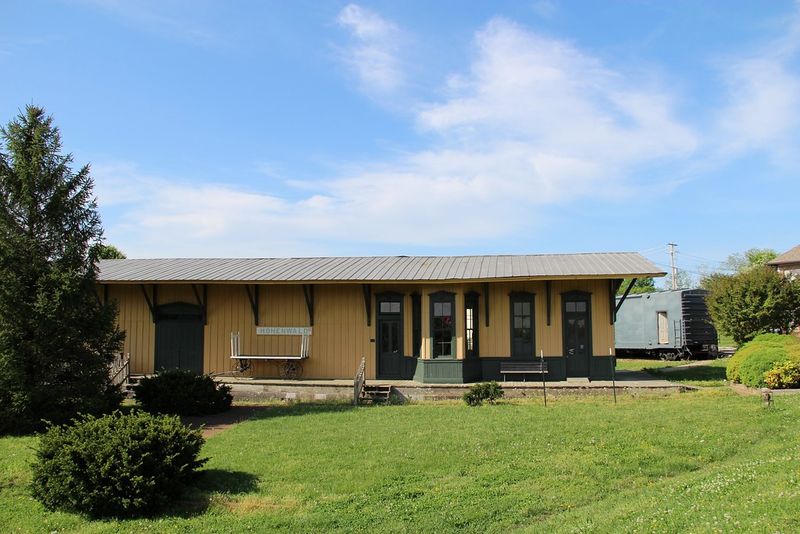
Hohenwald has a claim to fame that most Tennessee towns can’t match: it’s home to the Elephant Sanctuary, a refuge for retired circus and zoo elephants. That unusual anchor gives the town a quirky identity that sets it apart from the typical courthouse-square communities scattered across Middle Tennessee.
But Hohenwald is more than just elephants (which, to be clear, you can’t actually visit—the sanctuary is not open to the public, though you can support it from town). The downtown has a small but growing artsy vibe, with local shops, cafes, and businesses that reflect a creative spirit. It’s not trying to be Asheville, but there’s definitely an independent streak here that makes it more interesting than you’d expect.
The surrounding area offers scenic drives, including routes through the rolling hills and farmland that define this part of Tennessee. Lewis County, where Hohenwald sits, is rural and peaceful, perfect for anyone looking to escape urban noise and spend time in genuine countryside. The Natchez Trace Parkway is also nearby, offering a beautiful, traffic-free drive through forests and historic sites.
What makes Hohenwald work is that it’s managed to develop its own identity rather than copying what other small towns are doing. The elephant connection gives it a story to tell, the local businesses add character, and the location provides access to natural beauty without the crowds that plague more famous destinations.
Hohenwald isn’t going to wow you with a picture-perfect main street or a packed events calendar. But if you’re looking for a town that’s a little different, a little artsy, and a lot more laid-back than the tourist hotspots, this Lewis County gem delivers.
10. Huntingdon
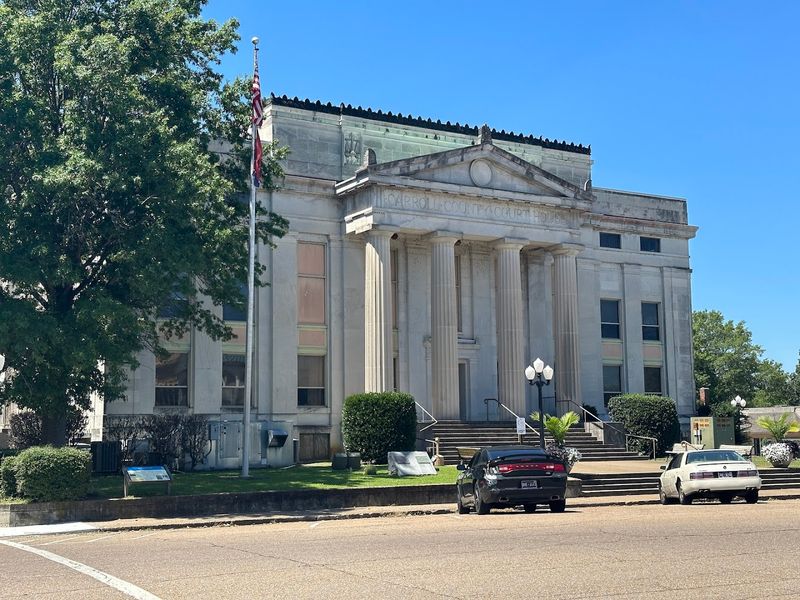
West Tennessee doesn’t get as much attention as the eastern mountains or the Nashville metro area, and Huntingdon is proof that the western part of the state has its own quiet charm. This Carroll County seat has a classic town square, complete with a historic courthouse that anchors the downtown area.
Huntingdon’s square isn’t trying to be trendy or Instagram-famous. It’s just a functional, lived-in town center where locals go about their business and visitors can enjoy the slower pace. There are local shops, a few places to eat, and the kind of architecture that tells you this town has been here a while and plans to stick around.
One of Huntingdon’s standout features is its local theater culture. The town has a community theater that puts on regular productions, adding a cultural dimension you don’t always find in small towns. It’s the kind of detail that shows a community actively invested in more than just survival—they’re creating experiences worth sticking around for.
The pace here is relaxed in a way that feels authentic rather than forced. People aren’t rushing, businesses aren’t pushing hard sells, and there’s a genuine sense of community that’s harder to find in bigger cities or more tourist-focused towns. Huntingdon is a place where life happens at a human scale.
What makes Huntingdon charming is exactly what makes it easy to overlook: it’s not flashy. There’s no major attraction pulling in tour buses, no viral Instagram spot driving traffic. It’s just a well-preserved West Tennessee town with a pretty square, friendly people, and the kind of atmosphere that reminds you why small towns matter.
For travelers tired of crowds and hype, that’s more than enough.
Share this story