
Tucked away in Ingham County, Mason, Michigan is the kind of town that antique lovers dream about finding. With its charming historic downtown, locally owned shops, and a community that genuinely celebrates the past, this small city punches well above its weight.
Named after Michigan’s first governor, Stevens T. Mason, this town of around 8,000 residents has quietly built a reputation as a hidden gem for treasure hunters.
If you haven’t added Mason to your weekend road trip list yet, now is the perfect time to change that.
The Historic Downtown District
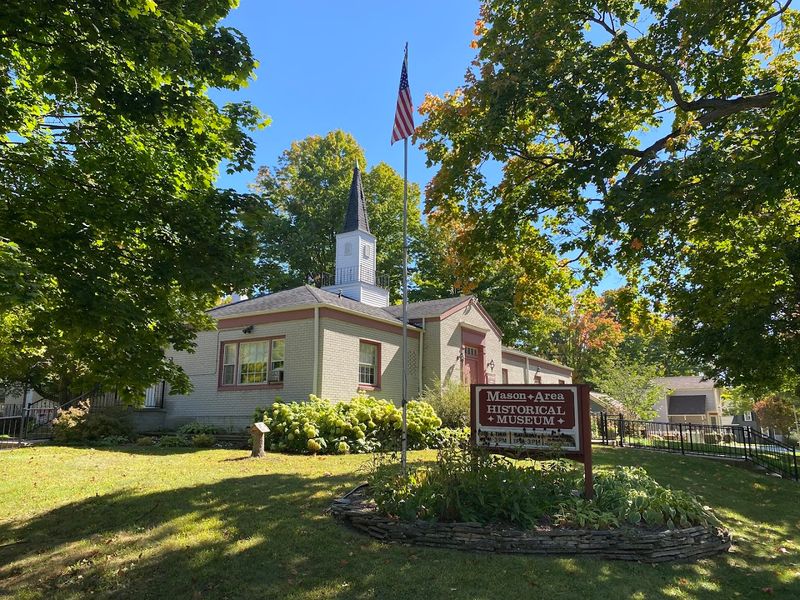
Walking through Mason’s downtown feels like stepping into a postcard from another era. The brick-lined streets and well-preserved storefronts create an atmosphere that practically begs you to slow down and look around.
It’s the kind of place where history isn’t locked behind museum glass — it’s alive in every building facade and hand-painted sign.
The downtown area serves as the beating heart of Mason’s antique scene. Small shop owners here tend to be passionate collectors themselves, which means the inventory in any given store reflects genuine taste rather than bulk flea market finds.
You’re likely to strike up a real conversation about the origin of a piece rather than just a transaction at the register.
What makes this district especially appealing is how walkable everything is. You can park once and spend several hours browsing without ever needing to move your car.
Vintage furniture, Depression-era glassware, old farm tools, and mid-century collectibles are all within a short stroll of each other.
The architecture itself is part of the draw. Many of the buildings date back to the late 1800s, giving the whole district an authenticity that newer shopping areas simply can’t replicate.
Restoration efforts have kept the original character intact while still making the spaces functional and inviting for modern visitors.
Even if you walk away without buying a single thing, the experience of wandering Mason’s historic downtown is genuinely enjoyable. The pace is relaxed, the locals are friendly, and the visual charm is everywhere you look.
For antique lovers, this district is reason enough to make the drive.
Ingham County Courthouse Square

Few things anchor a small town’s identity quite like its courthouse square, and Mason does this better than most. The Ingham County Courthouse sits at the center of town like a proud landmark, reminding visitors that this city has been the county seat since the mid-1800s.
That long institutional history has shaped the character of the surrounding area in ways that antique enthusiasts will immediately appreciate.
The square functions as a natural gathering point, and on weekends it often draws vendors, local artisans, and yes — people selling vintage goods. The energy around the courthouse area is relaxed and community-driven, making it an easy place to spend an hour or two without any particular agenda.
You never quite know what you’ll find, and that unpredictability is half the fun.
History buffs will also enjoy the architectural details of the courthouse building itself. The craftsmanship reflects a time when public buildings were constructed to impress and endure.
Standing in front of it, you get a real sense of how seriously early Michigan communities took their civic identity.
The surrounding blocks include some of Mason’s most established local businesses, many of which have been operating for decades. That kind of longevity is rare and worth supporting.
Shops near the square often carry estate sale finds and locally sourced vintage items that feel more curated than what you’d find at a chain resale store.
Visiting the courthouse square also gives you a solid geographic anchor for exploring the rest of downtown Mason. From here, you can fan out in any direction and discover something new.
It’s a great starting point for any antique-focused visit to the city.
Local Antique Shops and Dealers
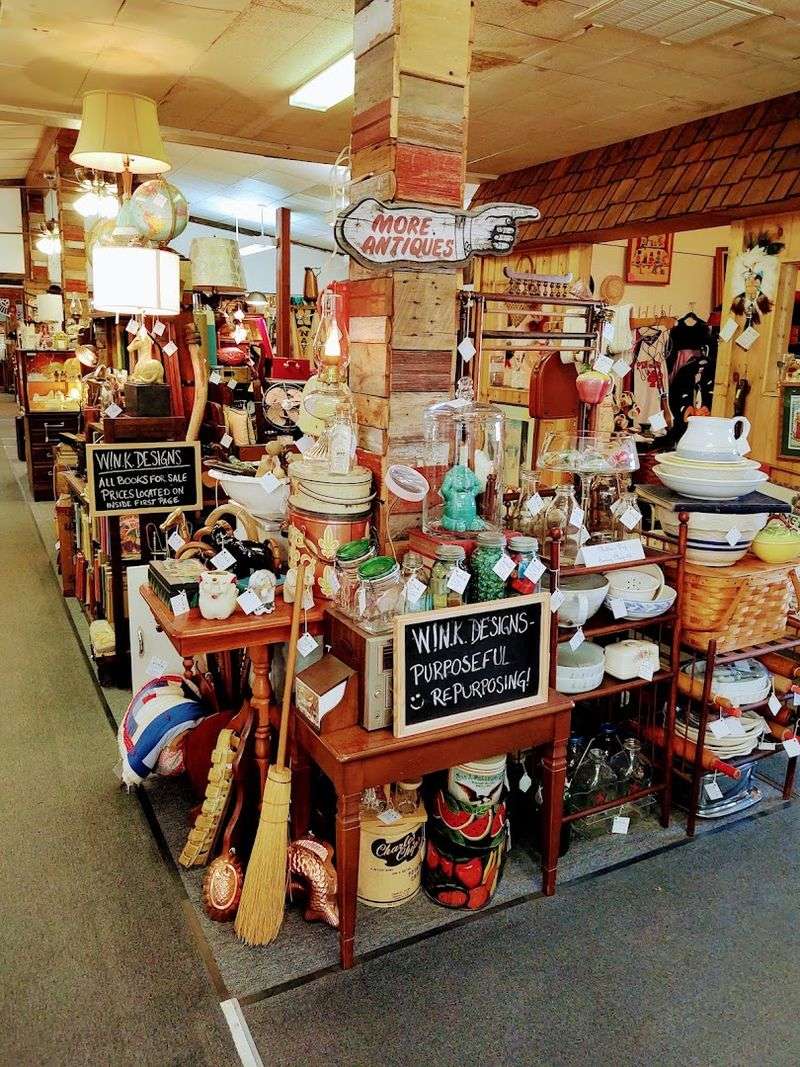
Mason’s antique shops have a personality you won’t find in big-box resale chains. Each store reflects the individual taste and expertise of its owner, which means every visit feels like a fresh discovery.
One shop might specialize in Victorian-era furniture while another focuses on vintage toys, farm primitives, or mid-century modern pieces.
The dealers in Mason tend to know their stuff. Ask about a piece of pottery or an old tool and you’re likely to get a real answer grounded in knowledge rather than a shrug.
That level of expertise adds genuine value to the shopping experience and helps buyers feel confident about what they’re purchasing.
Pricing in smaller towns like Mason is often more reasonable than what you’d encounter in a larger city antique market. That doesn’t mean everything is a steal, but it does mean the markup for “urban cool factor” typically isn’t baked into the price tag.
Savvy shoppers who know their values can occasionally find exceptional deals here.
Many of the shops also operate on a multi-dealer booth model, meaning a single storefront might house the collections of a dozen different sellers. This format maximizes variety and gives shoppers an enormous range of items to browse in one location.
It’s the kind of setup that rewards patience and a good eye.
Weekend visits tend to offer the best selection, as dealers often restock after attending estate sales and auctions during the week. Arriving early on a Saturday morning is a smart strategy if you’re hunting for something specific.
Mason’s antique dealers have quietly built a loyal following, and once you visit, it’s easy to understand why.
Estate Sales and Auction Culture
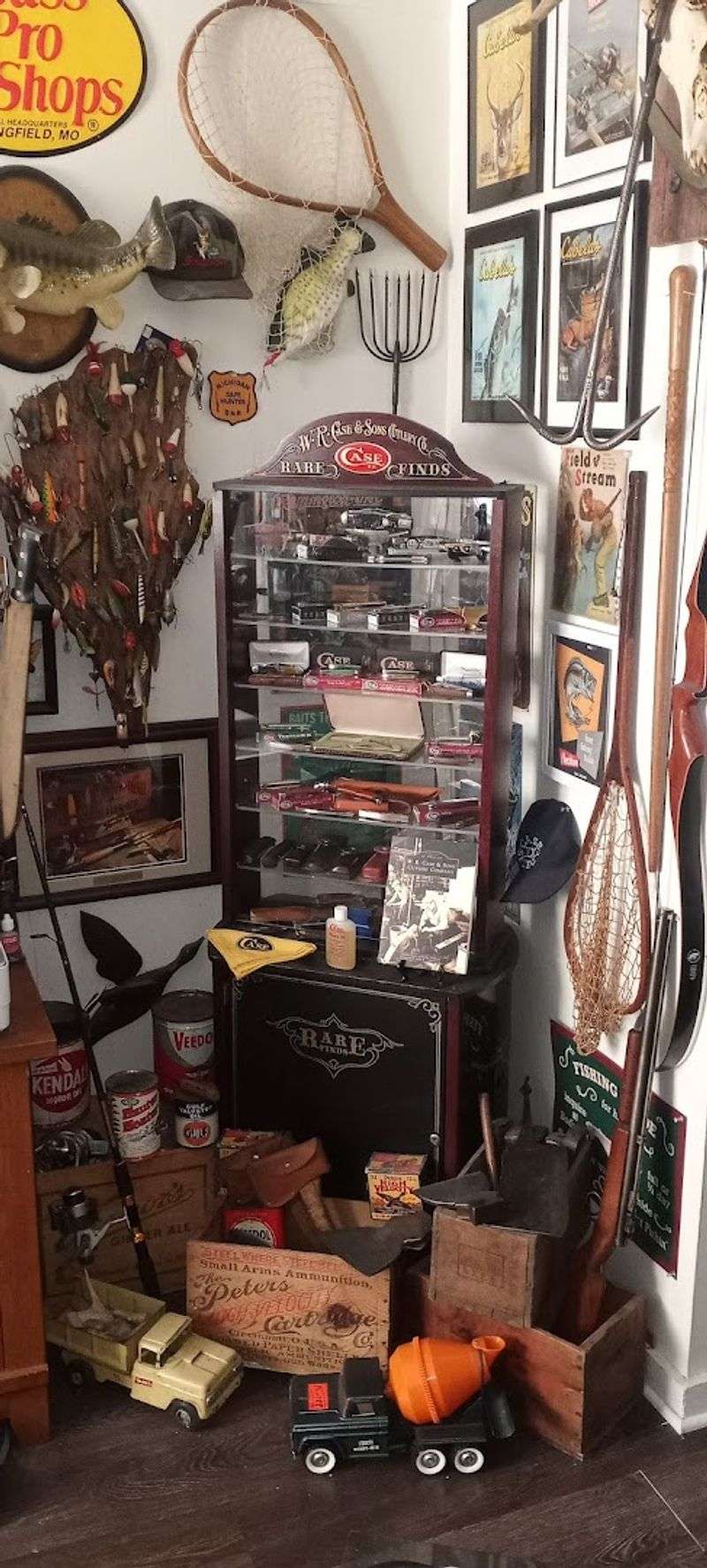
There’s a certain thrill that comes with showing up to an estate sale and not knowing what you’ll find. Mason and the surrounding Ingham County area have a strong culture around estate sales and auctions that draws serious collectors from across the region.
The mix of rural farmsteads and longtime family homes means these sales often surface genuinely interesting items with real history behind them.
Local auction houses and estate sale companies operate regularly throughout the year, with activity picking up in spring and fall. Keeping an eye on community boards and local listing sites is a smart move for anyone planning a trip around a specific sale.
Some of the best finds in Mason’s broader antique ecosystem come directly from these events rather than from retail shops.
What sets this area apart from busier markets is the relatively low competition at many sales. In larger metro areas, seasoned pickers and resellers arrive before dawn and clear out the best items quickly.
In Mason, the pace is a bit more measured, giving casual shoppers a fair shot at finding something worthwhile.
Furniture from mid-century Michigan homes, vintage farm equipment, old kitchenware, and locally made crafts all show up regularly at these sales. The diversity of items reflects the varied history of the region, from its agricultural roots to its more recent suburban growth.
Every sale tells a different story about who lived there and how they spent their lives.
Even attending an estate sale without buying anything can be a fascinating experience. The glimpse into another family’s accumulated life is oddly moving and always interesting.
For antique lovers, Mason’s estate sale circuit is a rewarding rabbit hole worth exploring.
The Small-Town Charm Factor
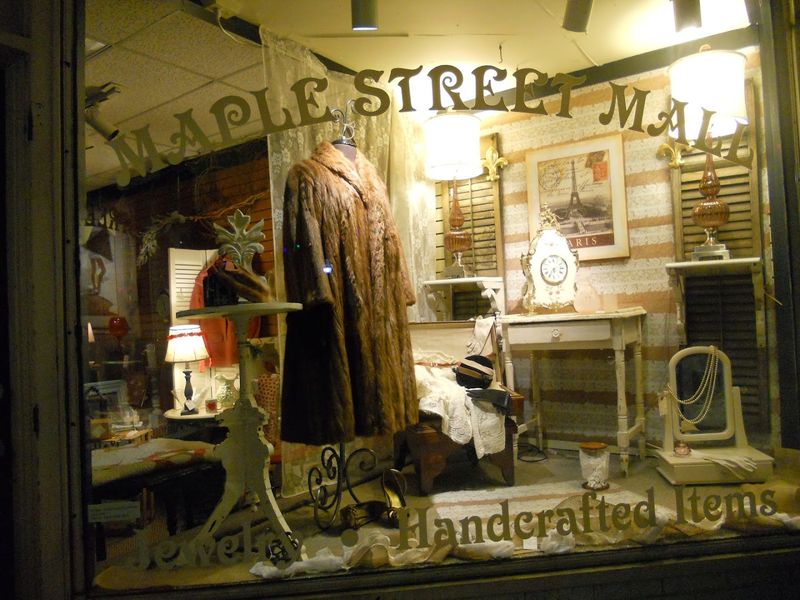
Some towns feel like they’re performing charm for tourists. Mason isn’t one of them.
The warmth here is genuine, rooted in a community that actually knows its neighbors and takes pride in where it lives. That authenticity comes through the moment you park your car and start walking around.
For antique lovers, the atmosphere of a place matters just as much as the inventory. Shopping for vintage goods in a town that feels historically grounded and unhurried makes the experience more enjoyable and meaningful.
Mason delivers that vibe without trying too hard, which is exactly what makes it so appealing.
The residential neighborhoods surrounding downtown are filled with older homes that reflect the town’s 19th-century roots. Craftsman bungalows, Victorian-era houses, and well-maintained mid-century properties line the streets, giving the whole city a layered visual history.
Walking through these neighborhoods after a morning of antiquing is a genuinely pleasant way to spend an afternoon.
Local diners and coffee spots add to the small-town appeal. Grabbing lunch at a family-owned restaurant between shop visits is a simple pleasure that rounds out the experience nicely.
Mason has enough dining options to keep you fueled without feeling like a tourist trap.
The pace of life here is slower in the best possible way. Nobody is rushing you out of a shop or pushing a hard sell.
Conversations happen naturally, recommendations flow freely, and you leave feeling like you’ve actually connected with a place rather than just passed through it. That intangible quality is what keeps visitors coming back to Mason year after year.
Proximity to Lansing and Regional Accessibility

One of Mason’s most underrated advantages is how easy it is to get to. Sitting just south of Lansing, Michigan’s state capital, Mason is accessible from multiple directions via well-maintained state highways.
Whether you’re coming from Detroit, Grand Rapids, or Ann Arbor, a day trip to Mason is entirely doable without an overnight stay — though the town is charming enough to make you want one.
Its position as the Ingham County seat means Mason has always been a regional hub, and that connectivity has shaped the local economy in positive ways. Goods, people, and ideas have flowed through here for generations, contributing to the eclectic mix of items that turn up in local antique stores and estate sales.
The town’s location makes it a natural stop on any Michigan antiquing road trip.
Visitors coming from Lansing can reach Mason in under 20 minutes, making it an appealing option for a spontaneous weekend outing. The short drive passes through a pleasant mix of suburban and rural Michigan scenery, setting the mood for a relaxed day of browsing.
It’s the kind of destination that rewards low expectations and delivers genuine surprises.
For those planning a longer antiquing circuit through mid-Michigan, Mason pairs naturally with other nearby towns worth exploring. Building a route that includes multiple stops across Ingham and surrounding counties can turn a single day into a full weekend of discovery.
The region as a whole has a strong vintage and antique culture that Mason sits comfortably within.
Accessibility matters when choosing a day trip destination, and Mason checks that box easily. The drive is pleasant, the parking is free, and the welcome is warm.
Getting there is never the hard part — leaving is.
Seasonal Events and Community Markets

Mason comes alive in a special way during its seasonal events and community markets. Throughout the year, the city hosts gatherings that attract vendors from across the region, many of whom bring vintage goods, antiques, handmade crafts, and repurposed finds.
These events transform the downtown area into an open-air treasure hunt that appeals to shoppers of all ages.
Warm-weather markets are especially popular, drawing crowds that combine longtime locals with visitors from Lansing and beyond. The festive atmosphere makes browsing feel like a social event rather than just a shopping errand.
You might spend as much time chatting with vendors and fellow shoppers as you do actually looking at merchandise, and that’s perfectly fine.
Fall is arguably the best season to visit Mason for antique hunters. As the weather cools and the trees change color, the town takes on an extra layer of visual charm.
Fall markets and harvest-themed events often feature particularly interesting vintage finds, as many families sort through stored items before winter and bring them out to sell.
Holiday-season events also bring out a festive energy that makes Mason feel like a storybook version of small-town Michigan. Vintage ornaments, old toys, and retro holiday decor are common finds at winter markets, making them a favorite destination for shoppers looking for unique gift options with genuine character.
Checking Mason’s community calendar before planning a visit is always a smart move. Timing your trip around a market or festival significantly enhances the experience and gives you more to explore.
The town’s event culture reflects a community that genuinely enjoys gathering together, and that spirit is infectious in the best possible way.