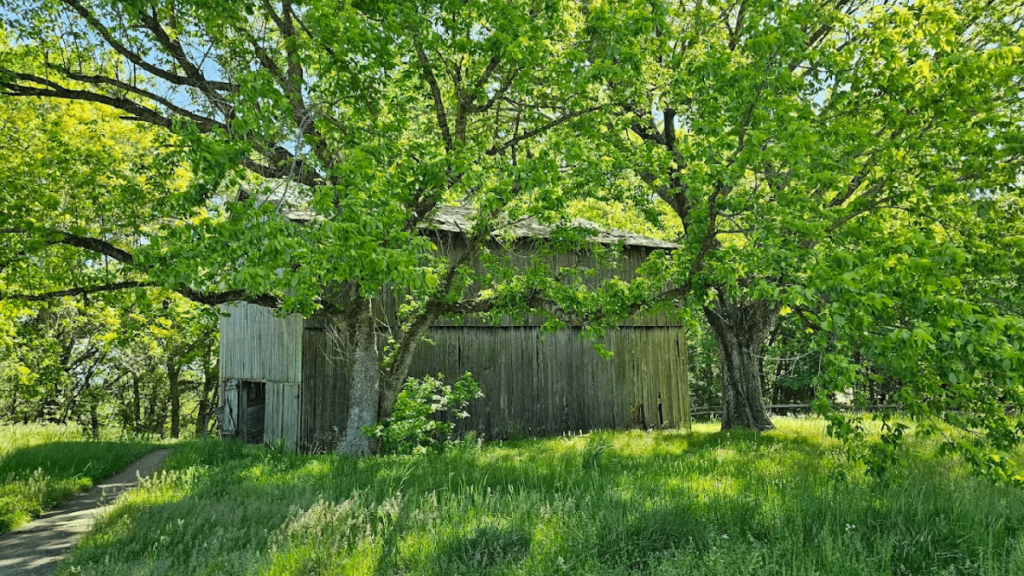
The Natchez Trace Parkway cuts through Tennessee like a ribbon of history and natural beauty, connecting travelers to centuries-old stories and stunning landscapes. This historic route follows paths once walked by Native Americans, explorers, and frontier settlers, and today it offers some of the most peaceful and picturesque stops in the state.
From hidden waterfalls to sweeping valley views, the Tennessee stretch of the Trace rewards those who take time to pull over and explore the gems tucked along its winding miles.
1. Meriwether Lewis Monument — Hohenwald
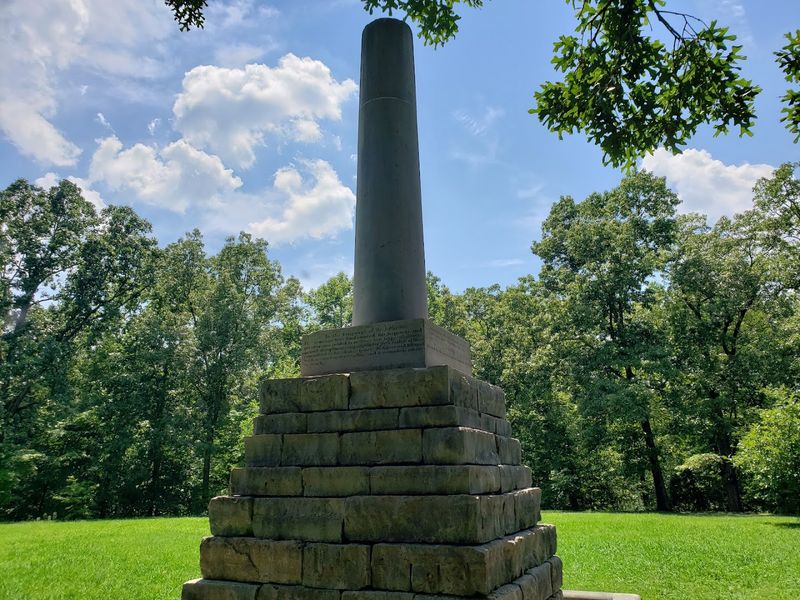
Standing among tall oaks and quiet trails, the Meriwether Lewis Monument marks the final resting place of one of America’s most famous explorers. Lewis, of Lewis and Clark fame, died mysteriously in 1809 at a nearby inn along the old Natchez Trace. The monument itself is a striking stone structure that rises from the hillside, offering a somber yet beautiful tribute to his legacy.
Beyond the gravesite, this stop provides plenty of reasons to linger. A network of short trails winds through the woods, perfect for stretching your legs after a long drive. Picnic tables sit tucked beneath shade trees, and a small campground makes this a great overnight base for exploring the area.
The whole site feels peaceful and reflective, a world away from highway noise.
Interpretive signs scattered around the grounds tell the story of Lewis’s journey and his tragic end. Some historians believe he took his own life, while others suspect foul play. The mystery adds an intriguing layer to the visit, sparking conversation and curiosity.
Kids enjoy the open spaces for running around, and the trails are easy enough for all ages. The campground is primitive but well-maintained, with vault toilets and a sense of solitude that’s hard to find elsewhere. Whether you’re a history buff, a nature lover, or just someone who appreciates a quiet moment, this stop delivers on all fronts.
Plan to spend at least thirty minutes here, though many visitors find themselves staying longer. The monument is located near milepost 385.9, and it’s one of the most significant historical sites on the entire parkway. Bring a camera, pack a snack, and prepare to step back in time.
2. Fall Hollow Waterfall — Hohenwald
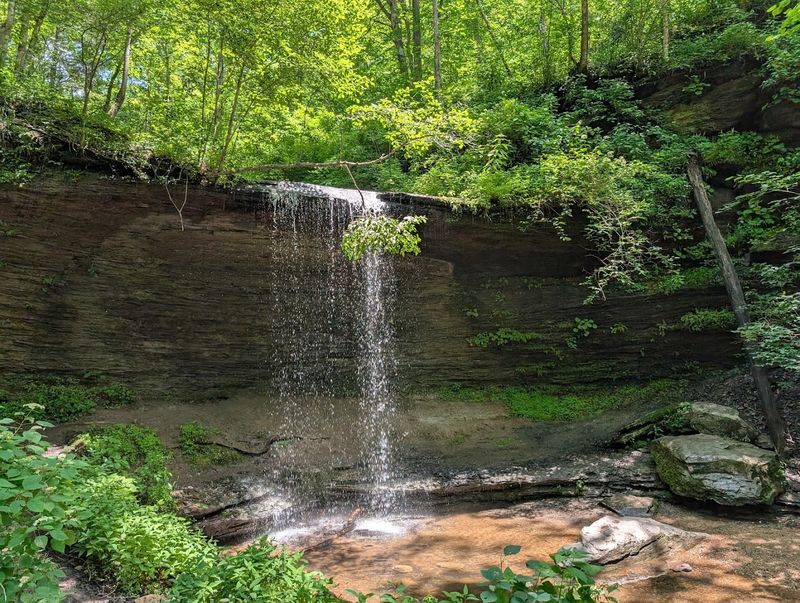
Waterfalls in Tennessee always draw a crowd, but Fall Hollow manages to feel like a secret even on busy weekends. A short, paved trail leads from the parking area down to a wooden viewing platform where the falls tumble over mossy rocks into a shallow pool below. The sound of rushing water fills the air, and the thick canopy overhead keeps everything cool and green, even in summer.
The walk itself is gentle and accessible, making it ideal for families with young children or anyone who prefers an easy stroll. Interpretive signs along the path point out native plants and explain the geology of the area. The whole experience takes less than twenty minutes round-trip, but the payoff is worth every step.
What makes Fall Hollow special is its intimate scale. These aren’t towering falls that roar and crash; instead, they flow gracefully over layers of limestone, creating a series of smaller cascades. The setting feels almost enchanted, with ferns and wildflowers framing the scene.
The National Park Service highlights this as one of only two waterfall stops in the Tennessee section of the Trace, so it’s definitely worth a visit. The viewing platform provides a safe and stable spot for photos, and benches nearby offer a place to sit and soak in the atmosphere. Morning visits tend to be quieter, with softer light filtering through the trees.
Located near milepost 391.9, Fall Hollow pairs perfectly with other nearby stops. Bring water, wear sturdy shoes, and don’t rush. This is the kind of place that rewards those who take a moment to simply be present and enjoy the natural beauty Tennessee has to offer.
3. Swan View Overlook — Hohenwald
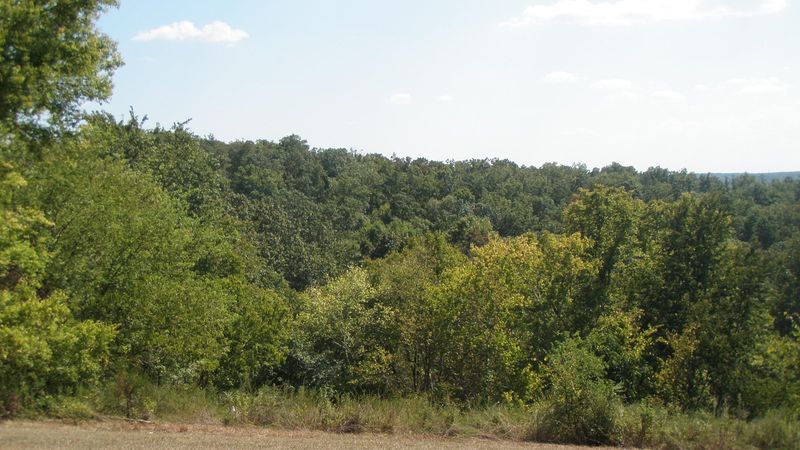
Some stops along the Trace are all about action and adventure, but Swan View Overlook is pure tranquility. Pull off the parkway, step out of your car, and you’re immediately greeted by sweeping views across Big Swan Valley. The landscape rolls out in gentle waves of farmland, forest, and sky, with no buildings or power lines to interrupt the scene.
This overlook is small and simple, with just a pull-off area and a low stone wall marking the edge. There’s no trail to hike or waterfall to chase. It’s just you, the view, and the quiet hum of nature.
On clear days, the horizon stretches for miles, and the colors shift with the seasons—brilliant greens in spring, golden yellows in fall.
Locals know this spot as one of the best places on the Trace to catch a sunrise or sunset. Early morning fog often settles in the valley, creating a dreamy, layered effect that’s almost surreal. Evening light bathes the hills in warm tones, making everything glow.
Photographers and nature lovers appreciate the simplicity and beauty of this place.
Because it’s a quick stop, many travelers pass it by without noticing. That’s a mistake. Taking even five minutes to pause and absorb the view can reset your mood and remind you why road trips like this are so special.
The overlook is also a great spot for a picnic if you’ve packed snacks or lunch.
Swan View sits near milepost 392.5, just a short drive from other Hohenwald-area attractions. It’s easy to miss if you’re focused on the road, so keep an eye out for the small sign. This is the kind of place that doesn’t demand your attention but rewards it generously when you give it.
4. Devil’s Backbone State Natural Area — Hohenwald
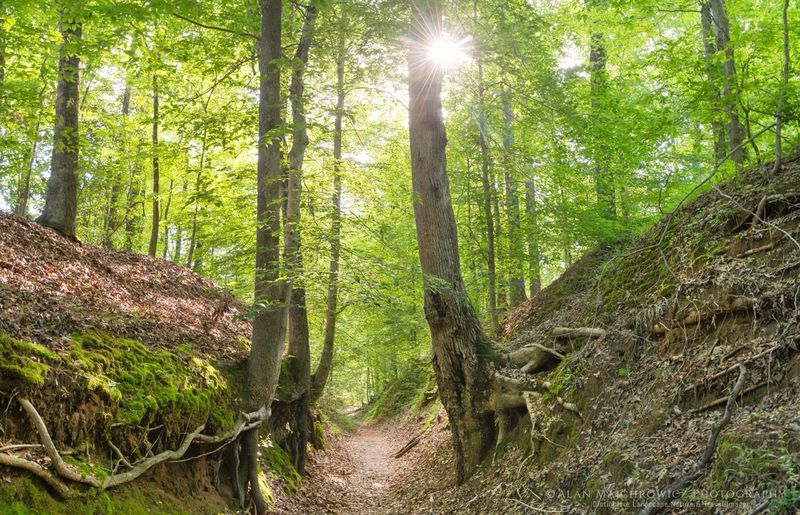
For those who crave a little adventure beyond roadside pull-offs, Devil’s Backbone State Natural Area delivers. Adjacent to the parkway, this rugged natural area offers a moderate hike through some of the most distinctive terrain in the region. The Highland Rim ridges here are sharp and dramatic, with rocky outcrops, dense woodland, and creekside trails that feel miles away from civilization.
The main trail winds through mixed hardwood forest, crossing small streams and climbing over ridges that give the area its name. The backbone reference comes from the narrow, spine-like ridges that run through the landscape, creating a sense of wildness and isolation. It’s not an easy walk, but it’s not brutal either—just enough challenge to feel rewarding.
Wildlife is abundant here. Deer, wild turkey, and a variety of songbirds call this area home, and keen-eyed hikers might spot signs of raccoons and foxes. The forest canopy is thick, providing shade and a sense of enclosure that makes the hike feel intimate and immersive.
In spring, wildflowers dot the forest floor, adding splashes of color to the green backdrop.
Unlike some of the more manicured parkway stops, Devil’s Backbone feels raw and untamed. There are no paved paths or viewing platforms, just dirt trails and natural beauty. That’s part of its appeal.
This is a place for hikers who want to connect with nature on its own terms, without the polish of a tourist attraction.
The trailhead is well-marked and located near milepost 391, making it easy to find. Plan for at least an hour if you want to explore the main loop, and bring water and sturdy footwear. The terrain can be uneven and muddy after rain, so check conditions before heading out.
This stop is perfect for anyone looking to trade scenic views for a genuine wilderness experience.
5. Sheboss Place — Hampshire
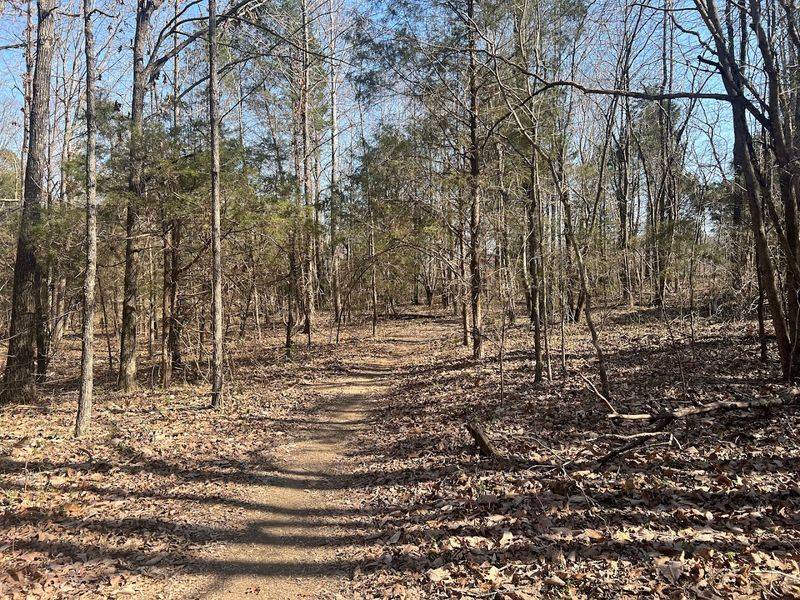
History comes alive at Sheboss Place, a small but fascinating stop tied to the old Natchez Trace stands. These stands were early inns or rest stops where weary travelers could find food, supplies, and a place to sleep. Sheboss Place was one such location, and today it serves as a window into the harsh realities of frontier travel in the early 1800s.
The name itself is intriguing. Some historians believe it refers to a strong-willed woman who ran the stand, though records are scarce and details remain murky. What’s clear is that this spot saw countless travelers pass through, including Native Americans, settlers, and traders moving goods between Nashville and Natchez.
The land still holds traces of those journeys, with interpretive signs explaining the stand’s role in regional history.
Adding to the site’s significance is its proximity to a Trail of Tears route crossing. Thousands of Cherokee people were forcibly removed from their lands in the 1830s, and many passed through this area on their devastating journey westward. Standing here, it’s impossible not to feel the weight of that history.
The landscape itself seems to hold stories, both triumphant and tragic.
Sheboss Place is quieter than some of the more popular Trace stops, which makes it ideal for reflection. There’s no waterfall or sweeping vista, just a cleared area with markers and a sense of place. It’s the kind of stop that rewards those who take time to read the signs and imagine what life was like centuries ago.
Located near milepost 375.8, this site is easy to reach and pairs well with other Hampshire-area attractions. Bring curiosity and an open mind, and prepare to connect with a lesser-known chapter of Tennessee history. It’s a brief stop, but a meaningful one.
6. Tobacco Farm and Old Trace Drive — Hampshire
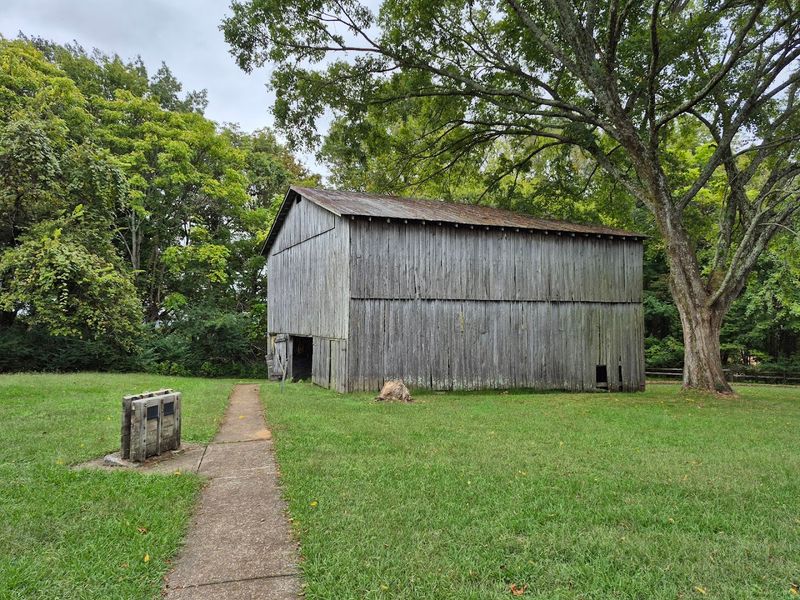
Few stops on the Natchez Trace Parkway blend history and scenery quite like the Tobacco Farm and Old Trace Drive. This site preserves an old farm setting that gives visitors a glimpse of rural life as it existed generations ago. Weathered buildings, split-rail fences, and open fields create a pastoral scene that feels timeless and authentic.
The real highlight here is the chance to drive a section of the original Old Trace. Unlike the smooth, modern parkway, the Old Trace is a narrow, unpaved road that follows the path early travelers once walked and rode. Driving it feels like stepping into the past, with trees arching overhead and ruts still visible in the dirt.
It’s a short drive, but it’s one of the most immersive historical experiences on the entire route.
Interpretive markers explain how tobacco farming shaped the local economy and how the Trace itself served as a vital transportation corridor. The farm buildings, though no longer in use, are preserved and give a sense of the hard work and self-sufficiency required to survive in this region.
This stop is marked on the official Tennessee parkway map and listed as a scenic and historic site, making it one of the more recognized attractions in the Hampshire area. It’s also a great spot for photography, especially in the golden hours of early morning or late afternoon when the light hits the fields just right.
Located near milepost 375, the Tobacco Farm and Old Trace Drive are easy to find and well worth a visit. Plan to spend at least twenty minutes here, longer if you want to walk around and soak in the atmosphere. It’s a peaceful, educational stop that adds depth to any Trace journey.
7. Jackson Falls — Duck River
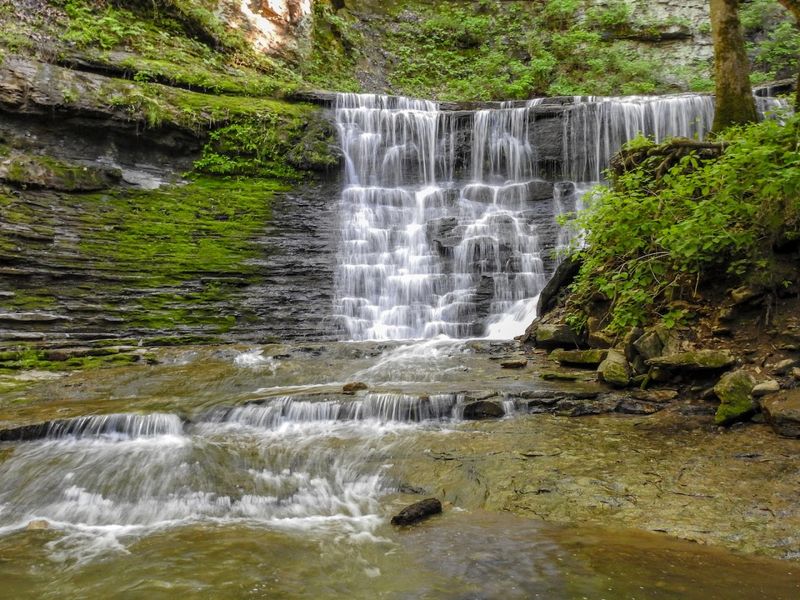
Jackson Falls is hands-down one of the most popular stops on the Tennessee section of the Natchez Trace, and for good reason. A short but steep paved trail leads down to a stunning waterfall that tumbles over layered rock formations into a clear pool below. The setting is postcard-perfect, with ferns, moss, and wildflowers adding splashes of color to the natural stone canvas.
The walk down is quick, maybe five minutes, but the descent is steep enough to get your heart pumping. Handrails and a well-maintained path make it manageable for most visitors, though the climb back up is a bit of a workout. The effort is absolutely worth it.
Once you reach the viewing area, the sound of rushing water and the cool mist in the air create an instant sense of calm.
Jackson Falls is especially impressive after heavy rain, when water levels rise and the falls roar with power. In drier months, the flow slows but the beauty remains. The rock formations themselves are worth studying—layers of limestone and shale tell a story millions of years in the making.
Geologists and casual visitors alike find something to appreciate here.
Because of its popularity, Jackson Falls can get crowded on weekends and holidays. Arriving early in the morning or on a weekday gives you the best chance of having the falls to yourself. The parking area is small, so plan accordingly.
Located near milepost 404.7, Jackson Falls is easy to find and well-marked. It’s also close to Baker Bluff Overlook, making it easy to hit both stops in one visit. Whether you’re a waterfall chaser or just looking for a memorable stop, this one delivers every time.
8. Baker Bluff Overlook — Duck River
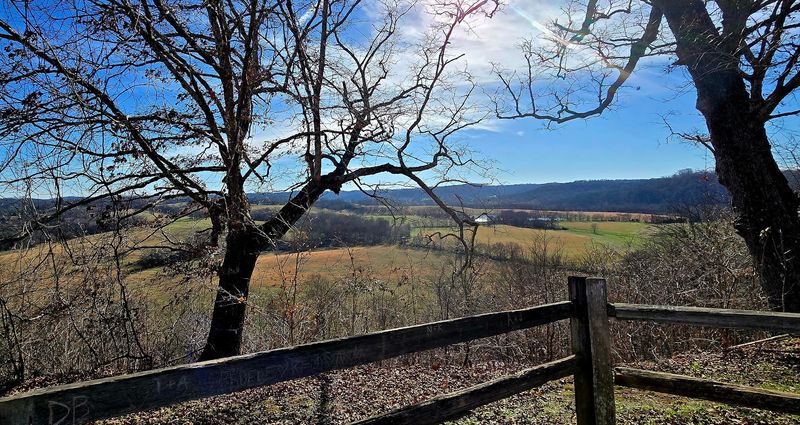
After the excitement of Jackson Falls, Baker Bluff Overlook offers a completely different kind of beauty. Perched on a high bluff, this overlook provides sweeping views of the surrounding countryside, with farmland, forests, and distant hills stretching out in all directions. It’s a quieter, more contemplative stop, perfect for those who want to pause and take in the big picture.
The overlook itself is simple—a pull-off area with a low wall and a few benches. There’s no trail to hike or waterfall to chase, just a wide-open vista and the kind of silence that’s rare in our busy world. On clear days, you can see for miles, and the view changes with the seasons.
Spring brings vibrant greens, summer adds golden fields, fall explodes with color, and winter reveals the bare bones of the landscape.
Many visitors hit Jackson Falls for the waterfall and then drive a few minutes up the road to Baker Bluff for the view. Together, they offer a perfect balance of natural features—water and rock at one, open sky and rolling land at the other.
Photographers love this spot, especially during sunrise and sunset when the light transforms the landscape. The overlook faces west, so evening visits are particularly rewarding. Bring a picnic, settle onto a bench, and watch the sky shift through shades of pink, orange, and purple as the sun dips below the horizon.
Located near milepost 405.1, Baker Bluff is easy to find and well worth the short detour. It’s the kind of place that reminds you why road trips are special—not just for the destinations, but for the quiet moments in between.
9. Gordon House and Duck River Ferry Site — Duck River
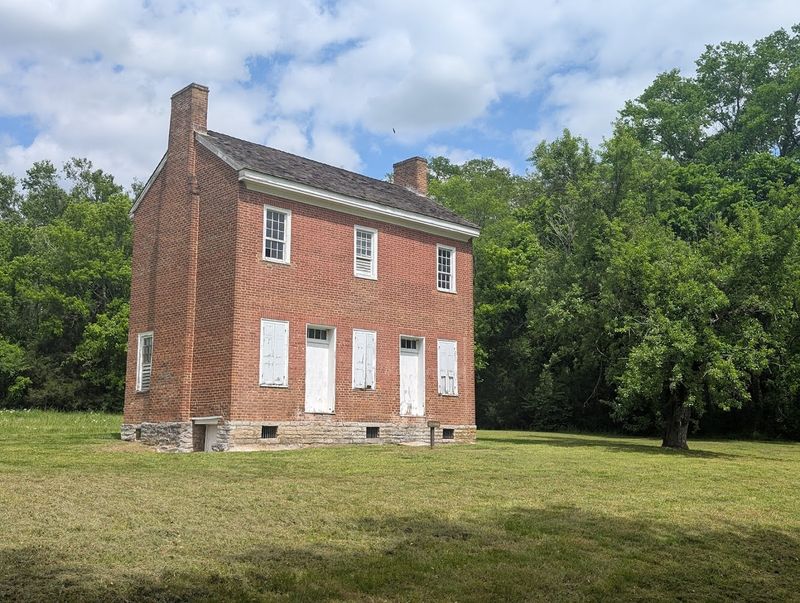
Step into the past at Gordon House, one of the few remaining buildings directly tied to the original Natchez Trace. Built in the early 1800s, this modest white clapboard house once served as a home and way station for travelers passing through the area. Today, it stands as a preserved piece of history, offering a tangible connection to the people who lived and worked along the Trace two centuries ago.
The house itself is charming and simple, with clean lines and a sturdy construction that has weathered the years remarkably well. Interpretive signs around the property explain the role of the Gordon family and how they served travelers on the Trace. Inside, the rooms are furnished with period-appropriate pieces, giving visitors a sense of daily life in frontier Tennessee.
A short trail leads from the house down to the Duck River ferry site, where travelers once crossed the river on flatboats. The trail also connects to a preserved section of the Old Trace, allowing you to walk the same path that thousands of people traveled in the 1800s. The combination of house, trail, and river makes this one of the most complete historical experiences on the parkway.
The setting is peaceful, with tall trees shading the grounds and the sound of the river in the background. It’s a great spot for families, as kids can explore the house and trail while learning about history in a hands-on way. The site is well-maintained, with clear signage and informative displays that bring the past to life.
Located near milepost 407.7, Gordon House is easy to find and well worth a stop. Plan for at least thirty minutes to explore the house and walk the trail. It’s a quieter, more educational stop than some of the natural attractions, but it offers a depth of history that’s hard to match anywhere else on the Trace.
10. Birdsong Hollow and the Natchez Trace Parkway Bridge
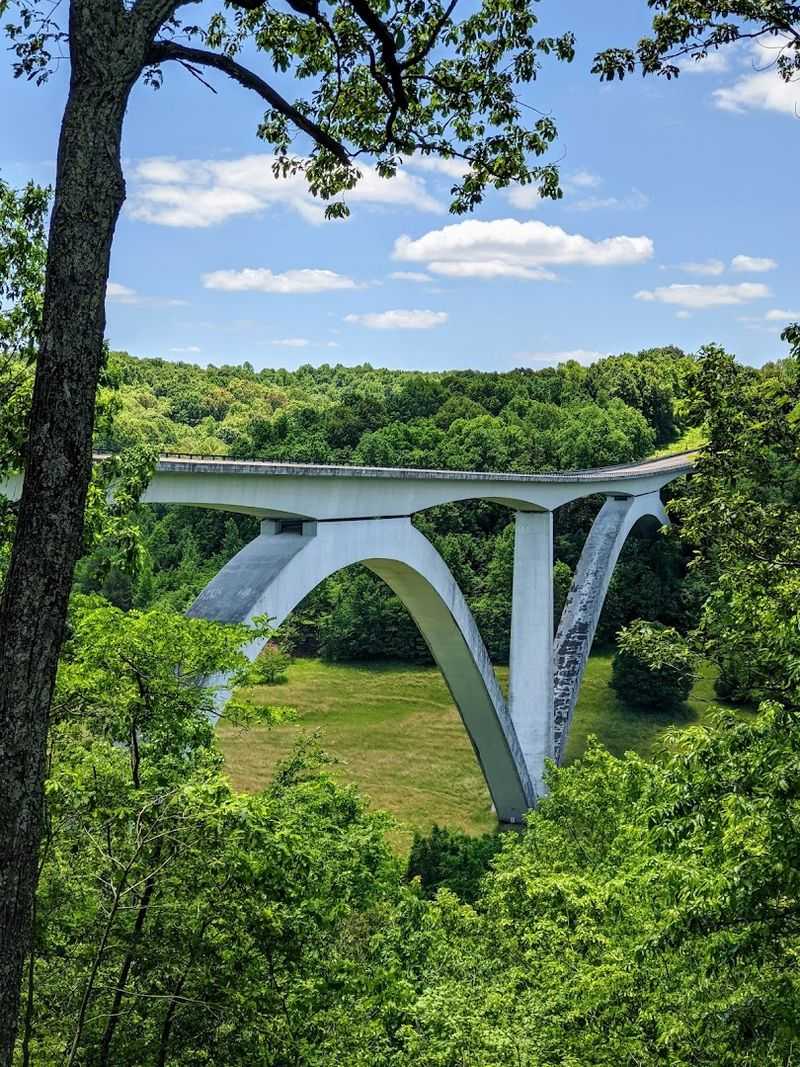
The Natchez Trace Parkway Bridge near Franklin is nothing short of iconic. Soaring 155 feet above Highway 96 and the surrounding valley, this double-arch concrete bridge is an engineering marvel and one of the most photographed spots on the entire parkway. Its graceful curves and sheer scale make it a favorite among architecture enthusiasts, photographers, and anyone who appreciates a stunning piece of infrastructure.
Built in the 1990s, the bridge was designed to blend seamlessly with the natural landscape while providing a safe crossing for parkway traffic. The two massive arches seem to float above the valley, creating a sense of lightness despite the bridge’s considerable weight. From below, the structure is even more impressive, with the arches framing the sky and trees in a way that feels almost artistic.
Birdsong Hollow, the area beneath and around the bridge, is equally beautiful. Trails wind through the hollow, offering different vantage points for viewing the bridge and exploring the surrounding forest. The combination of natural beauty and human-made elegance creates a unique experience that’s hard to find elsewhere.
It’s no wonder this spot draws visitors from across the state and beyond.
Currently, the bridge is closed for construction, which limits access but doesn’t diminish its visual appeal. Even from a distance or from the trails below, the bridge remains a striking feature of the landscape. The closure is temporary, and once it reopens, it will undoubtedly reclaim its place as one of the top stops on the Tennessee Trace.
Located near milepost 438, the bridge is easy to spot and hard to miss. Whether you’re driving over it or viewing it from below, take a moment to appreciate the blend of engineering and artistry. It’s a fitting symbol of the parkway itself—a modern path that honors history and celebrates the natural beauty of Tennessee.