Texas is full of incredible places where you can cool off, explore nature, and make memories that last a lifetime. From hidden swimming holes tucked away in the Hill Country to dramatic canyons that stretch for miles, the Lone Star State offers adventures for everyone. Whether you’re looking to float down a lazy river, hike to a stunning waterfall, or simply splash around in crystal-clear water, these twelve spots will show you the best of what Texas has to offer under its famous big sky.
1. Barton Springs Pool (Austin)
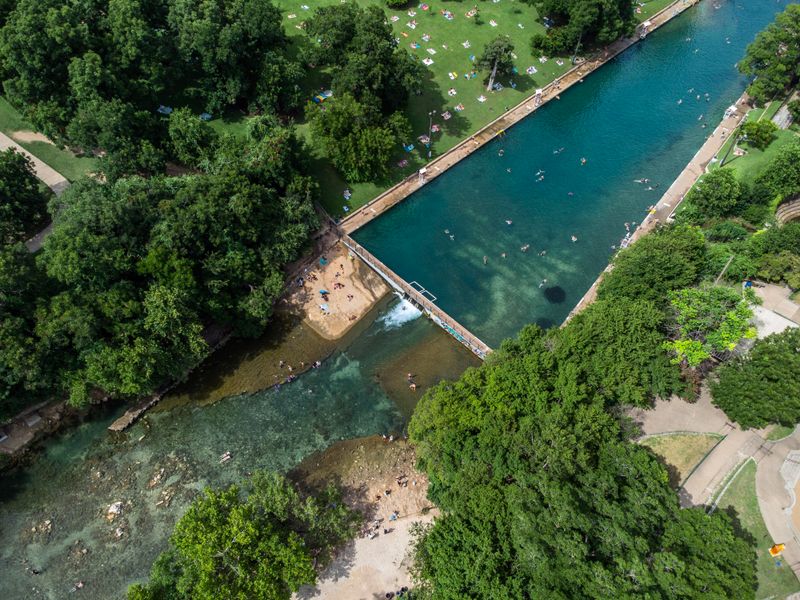
Right in the middle of Austin sits a three-acre pool fed by underground springs that stay around 68-70 degrees year-round. That might sound chilly, but on a scorching Texas summer day, it’s absolutely perfect. Barton Springs Pool has been a local favorite for over a century, and once you visit, you’ll understand why people keep coming back.
The pool stretches about 900 feet long, giving you plenty of room to swim laps or just float around. The water comes from the Edwards Aquifer and is so clear you can see straight to the bottom. Families spread out on the grassy hillsides surrounding the pool, and there’s plenty of shade under the pecan and oak trees if you need a break from the sun.
What makes Barton Springs special is that it’s not just a swimming spot—it’s also home to the endangered Barton Springs salamander. These little creatures live nowhere else on Earth, which makes the pool a protected habitat. Don’t worry, though; they’re tiny and stay out of the way while you swim.
The pool is open almost every day of the year, and lifeguards are on duty during operating hours. There’s a small admission fee, but it’s worth every penny for access to this natural wonder. Locals often come early in the morning or late in the evening when the crowds are smaller and the experience feels even more peaceful.
You’ll find changing rooms, showers, and a small snack bar on-site. Many people pack picnics and make a whole day of it, especially on weekends. The surrounding Zilker Park offers hiking trails, volleyball courts, and wide-open spaces for games or relaxation.
Whether you’re a visitor or a longtime Austinite, Barton Springs Pool offers a refreshing escape from the heat and a chance to experience one of Texas’s most beloved natural treasures. It’s the kind of place that reminds you why people love living in this state—where nature and city life blend together perfectly.
2. Gorman Falls (Lometa)
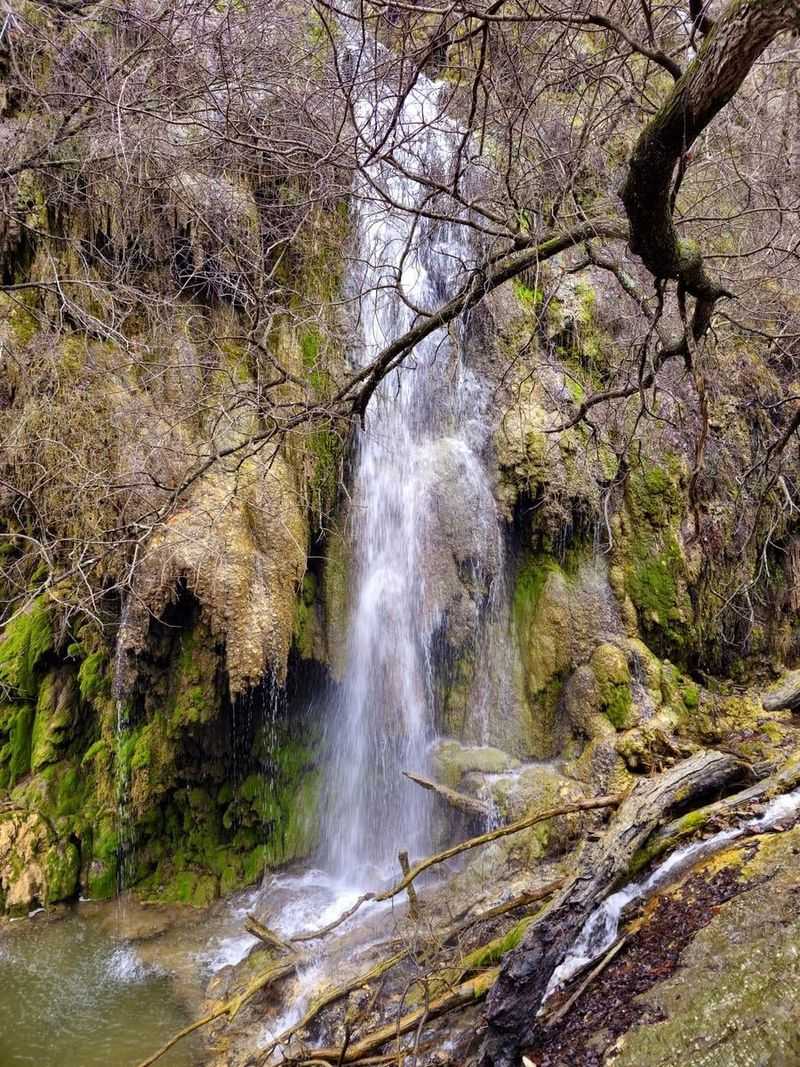
Hidden away in Colorado Bend State Park, Gorman Falls is one of those places that makes you stop and stare. Water tumbles 70 feet down a limestone cliff covered in bright green moss, ferns, and other plants that thrive in the constant mist. It’s like stumbling onto a secret jungle in the middle of Texas, and it’s absolutely worth the hike to get there.
Getting to the falls requires a 3-mile round-trip hike that’s moderately challenging but manageable for most people. The trail winds through typical Hill Country terrain with rocky sections and some steep spots, so wear sturdy shoes. Along the way, you’ll pass through areas with juniper trees, prickly pear cactus, and wildflowers if you visit in spring.
The best time to see Gorman Falls is after a good rain when the water flow is strongest. During drier periods, the falls might be reduced to a trickle, but the moss-covered cliff remains beautiful regardless. The park recommends visiting in the morning or late afternoon to avoid the midday heat, especially during summer months.
Once you reach the viewing area, you’ll understand why photographers love this spot. The contrast between the vivid green vegetation and the white limestone creates a stunning visual that doesn’t look quite like anywhere else in Texas. You can’t swim at the falls themselves, but there are other swimming areas in the park if you want to cool off afterward.
Colorado Bend State Park requires reservations for day use, and they limit the number of visitors to protect the natural environment. This means you won’t be fighting huge crowds, which makes the experience even better. The park also offers camping, fishing, and cave tours if you want to extend your adventure.
Bring plenty of water, snacks, and sun protection for the hike. There’s not much shade on parts of the trail, and Texas sun can be intense. A camera is essential because you’ll want to capture the beauty of these falls.
This is one of those rare Texas gems that feels like you’ve traveled somewhere far more tropical.
3. River Tubing in New Braunfels (New Braunfels)
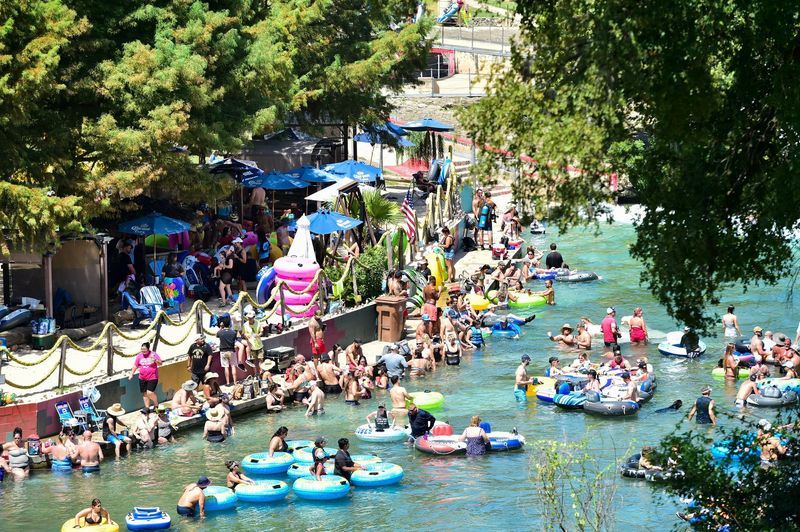
Few things say “Texas summer” quite like floating down a river with friends, a cooler tied to your tube, and absolutely nowhere you need to be. New Braunfels has turned river tubing into an art form, with the Guadalupe and Comal Rivers offering some of the best floating in the entire state. Both rivers are spring-fed, which keeps the water cool and clear even when the air temperature climbs past 100 degrees.
The Comal River is shorter but perfect for a relaxed float that takes about two to three hours. It flows right through town, making it super convenient to access. The Guadalupe offers longer trips with some gentle rapids thrown in for excitement, and you can choose routes that last anywhere from two to six hours depending on how much time you have.
Dozens of outfitters line the streets of New Braunfels, ready to rent you tubes and provide shuttle service back to your starting point. Most places offer tube packages that include a regular tube for sitting and a smaller one for your cooler. Some outfitters even rent tubes with built-in coolers, which is pretty genius if you ask any regular tuber.
The river culture here is all about relaxation and fun. You’ll see families with kids, college students, and everyone in between bobbing along together. There are spots where you can get out and explore, rope swings for the adventurous, and shallow areas perfect for younger children.
Just remember to bring sunscreen and apply it often—river sunburns are no joke.
Weekends during summer get crowded, so consider going on a weekday if your schedule allows. The experience is much more peaceful, and you’ll have more room to spread out. Local authorities do enforce rules about glass containers and littering, so stick to cans and be respectful of the environment.
These rivers are natural treasures that need protection.
Most people make a whole day or weekend out of their New Braunfels trip. The town offers great German food, historic sites, and Schlitterbahn water park if you want even more water fun. But honestly, the rivers are the main attraction, and they deliver an experience that’s purely, perfectly Texan.
4. Burger’s Lake (Fort Worth)
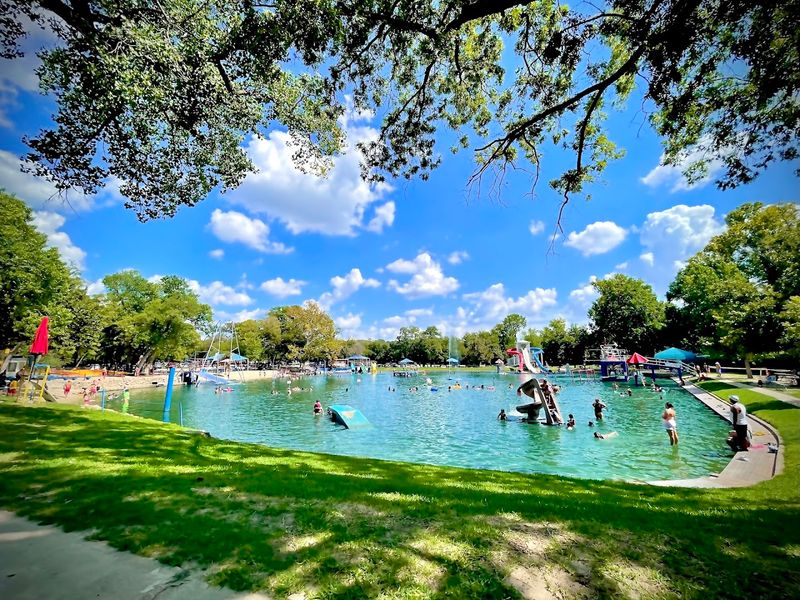
Tucked away in Fort Worth, Burger’s Lake has been a family-owned swimming spot since 1934. This spring-fed lake covers about five acres and reaches depths of up to 30 feet in some areas, making it a favorite for both casual swimmers and serious divers. The water stays refreshingly cool even during the hottest Texas summers, thanks to the underground springs that feed it.
What sets Burger’s Lake apart from other swimming holes is its combination of natural beauty and added amenities. The sandy beach area is perfect for sunbathing or building sandcastles with kids. Three diving boards of varying heights challenge the brave, while roped-off shallow sections keep younger swimmers safe.
Lifeguards are always on duty during operating hours, giving parents extra peace of mind.
The property includes picnic areas with tables and grills, so many families pack lunch and spend the entire day. Tall trees provide plenty of shade around the lake’s perimeter, creating cool spots to rest between swims. There’s also a snack bar selling the usual favorites—burgers, hot dogs, ice cream, and cold drinks.
Burger’s Lake operates on a seasonal schedule, typically opening in late spring and closing in early fall. They charge a daily admission fee, and the lake is only open to the public (no private parties during public hours). The owners have worked hard to maintain the lake’s natural character while ensuring it remains clean and safe for visitors.
One unique aspect is the lake’s clarity. You can actually see fish swimming around, and the water quality is consistently excellent. The springs keep the water circulating, which helps maintain its pristine condition.
This isn’t some murky pond—it’s genuine spring water that feels amazing on a hot day.
Weekends bring bigger crowds, especially during peak summer months, but the lake is large enough that it rarely feels overcrowded. Parking is plentiful, and the staff keeps everything running smoothly. For Fort Worth residents and visitors alike, Burger’s Lake offers a slice of old-school Texas fun that hasn’t changed much in decades, and that’s exactly what makes it special.
5. Palo Duro Canyon (Canyon)
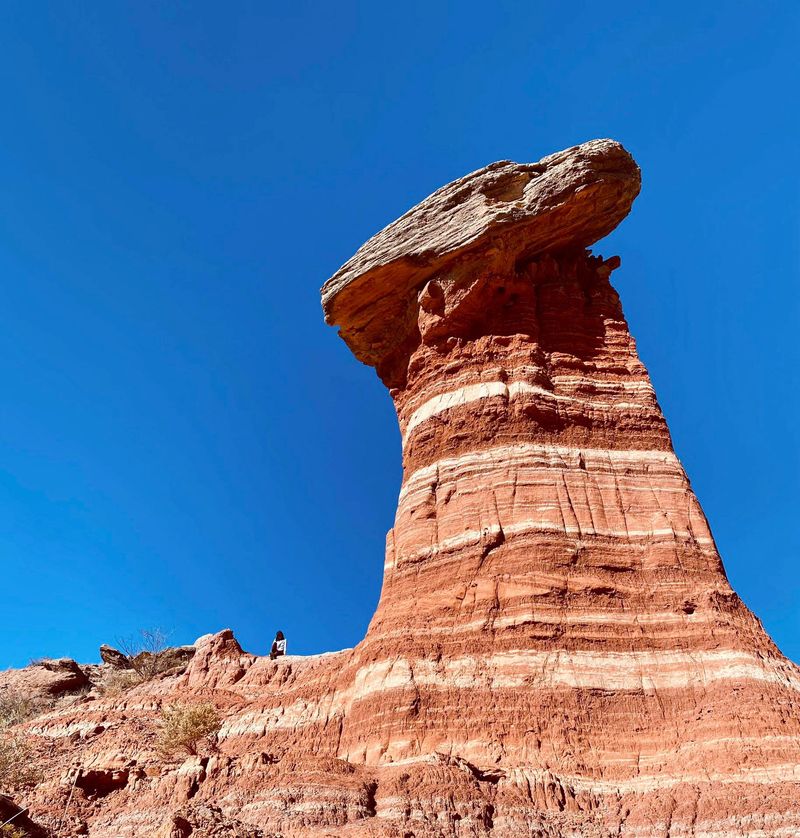
Often called the “Grand Canyon of Texas,” Palo Duro Canyon stretches 120 miles long and reaches depths of 800 feet in places. It’s the second-largest canyon in the United States, yet somehow it remains less crowded than many smaller parks. The canyon walls display layers of red, orange, yellow, and white rock that tell the story of 250 million years of geological history.
Located just south of Amarillo in the Panhandle, Palo Duro offers a completely different landscape than most people associate with Texas. Instead of flat plains or rolling hills, you’ll find dramatic cliffs, rugged terrain, and stunning vistas that seem to go on forever. The Spanish name means “hard wood,” referring to the juniper trees that grow throughout the canyon.
The park has over 30 miles of hiking, biking, and equestrian trails ranging from easy to challenging. The Lighthouse Trail is the most popular, a 6-mile round-trip hike that leads to a distinctive rock formation that looks like—you guessed it—a lighthouse. It’s a moderate hike with some elevation gain, but the views from the top are absolutely worth the effort.
For those who prefer wheels to walking, a scenic drive winds through the canyon floor, offering pullouts where you can stop and take photos. You can also rent bikes at the visitor center if you want to cover more ground without hiking. Horseback riding is available through the park’s equestrian concession, giving you a chance to explore like the early settlers did.
Camping is popular here, with both RV sites and tent camping available. Imagine waking up surrounded by those colorful canyon walls with the sunrise painting everything in even more vivid colors. The park also offers cabins if you want a roof over your head but still want the camping experience.
Summer temperatures can soar above 100 degrees, so spring and fall are ideal times to visit. Winter brings its own beauty, with occasional snow dusting the canyon rims. No matter when you go, bring plenty of water and sun protection.
This is wide-open Texas at its most spectacular, and it’s a reminder that the Lone Star State holds surprises around every corner.
6. Devil’s River (Del Rio)
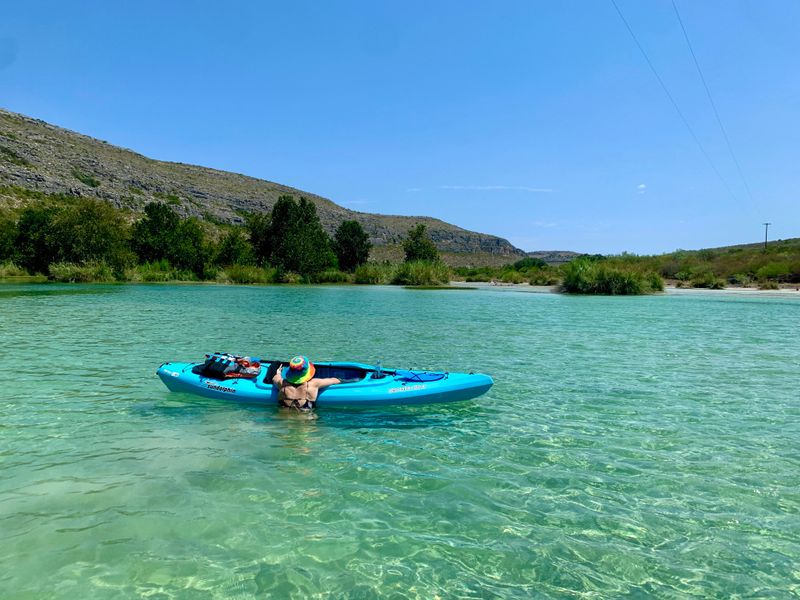
Some people claim Devil’s River has the clearest water in all of Texas, and after seeing it, you’ll have a hard time arguing. This remote river in Southwest Texas flows through rugged, mostly undeveloped country, creating one of the state’s most pristine waterways. The water is so transparent that you can see every rock, fish, and plant on the bottom, even in areas that are 10 or 15 feet deep.
Getting to Devil’s River requires some planning because it’s not exactly roadside. Most people access it through Devil’s River State Natural Area, which requires reservations and a bit of a drive on unpaved roads. The remoteness is part of what keeps the river so clean and uncrowded.
You won’t find tube rental shops or snack bars here—just raw, beautiful Texas wilderness.
Kayaking and canoeing are the main activities, with trips ranging from a few hours to multi-day expeditions. The river flows at a gentle pace most of the time, making it suitable for paddlers with moderate experience. You’ll float past limestone cliffs, ancient Native American rock art sites, and scenery that hasn’t changed much in thousands of years.
Swimming is fantastic anywhere you can safely access the water. The springs that feed the river keep it cool year-round, which feels incredible during hot Texas summers. Some areas have small rapids that add a bit of excitement, while other sections are calm and perfect for just floating and soaking in the surroundings.
Because of its protected status, Devil’s River has strict rules about visitor numbers and activities. This helps preserve the ecosystem and ensures the water stays clean. You’ll need to pack in everything you need and pack out all your trash.
There are no facilities beyond basic camping areas, so come prepared with supplies, food, and plenty of water.
Wildlife is abundant here. You might spot white-tailed deer, javelinas, various bird species, and if you’re lucky, even a bobcat or two. The fish population includes bass, catfish, and several native species that thrive in the clean water.
Fishing is allowed with proper licenses.
This isn’t a place for casual day-trippers, but for those willing to make the effort, Devil’s River rewards you with one of the most unspoiled natural experiences in Texas.
7. Waco Surf (Waco)
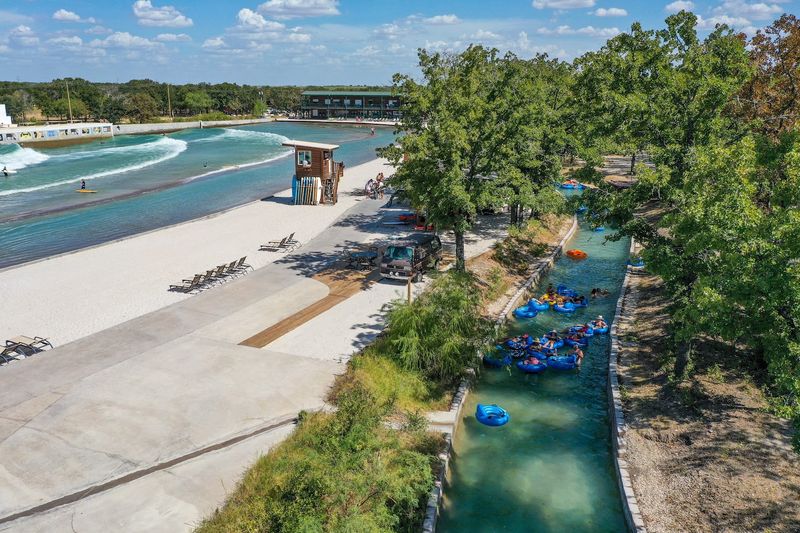
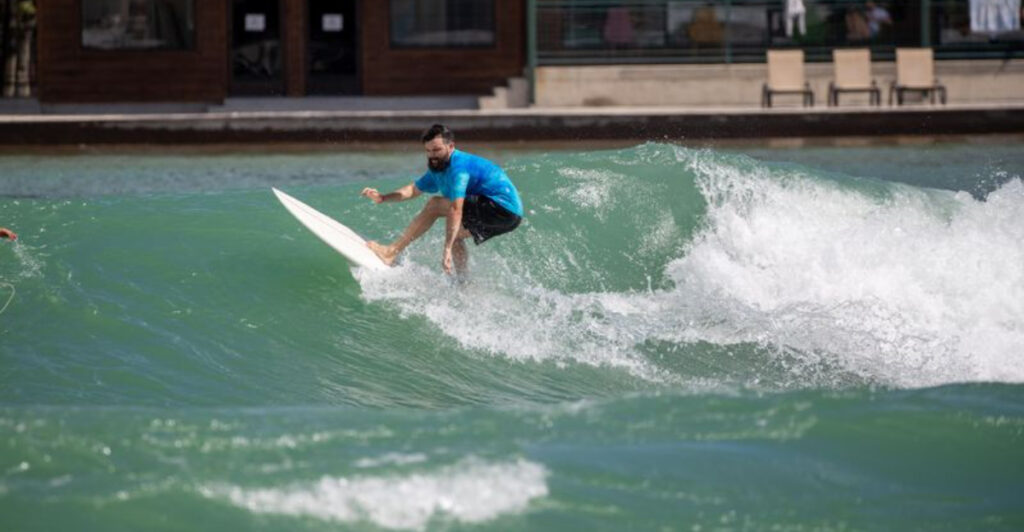
In the middle of Texas, hundreds of miles from any ocean, you’ll find some of the best surfing in the country. Waco Surf opened in 2018 and completely changed the game for inland surfing. Using technology that creates perfect, consistent waves, this facility lets you surf year-round without worrying about tides, weather, or sharks.
It sounds almost too good to be true, but it’s very real and incredibly fun.
The surf pool generates waves that peel in both directions, offering rides that can last up to 20 seconds. That might not sound like much, but for surfers, it’s actually a pretty long ride. The waves are customizable, so beginners can start with smaller, gentler swells while advanced surfers can challenge themselves with bigger, faster waves.
This makes it perfect for families where everyone has different skill levels.
Even if you’ve never surfed before, Waco Surf offers lessons that will have you standing up on a board within your first session. The instructors are patient and experienced, and because the waves are predictable, learning happens faster than it would in the ocean. You’ll wipe out plenty of times (everyone does), but the controlled environment makes it less intimidating than ocean surfing.
The facility isn’t just about surfing. There’s a restaurant, bar, and plenty of viewing areas where non-surfers can watch and cheer on their friends. The whole place has a laid-back, beachy vibe that somehow works perfectly even though you’re in Central Texas.
Many people make a day of it, taking breaks between surf sessions to eat, relax, and enjoy the atmosphere.
Reservations are required, and sessions do fill up, especially on weekends and during summer. Prices vary depending on whether you’re doing a group lesson, private lesson, or just renting time if you’re already an experienced surfer. They provide all the equipment you need, though you’re welcome to bring your own board if you prefer.
What’s really cool is that professional surfers from around the world come to Waco Surf to train because the consistent waves let them practice specific maneuvers over and over. You might find yourself surfing alongside someone who competes internationally, which is a pretty unique experience. For Texas landlocked wave riders, this place is nothing short of a dream come true.
8. Blue Hole (Wimberley)
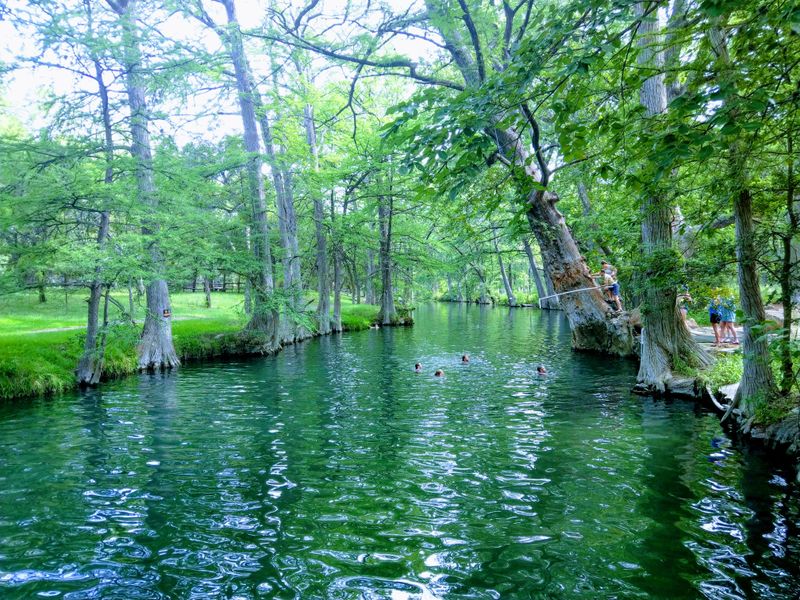
Wimberley’s Blue Hole Regional Park protects one of the Hill Country’s most beautiful swimming spots. Fed by Cypress Creek, this natural pool gets its name from the deep blue-green color of the water, which comes from the limestone bottom and the way sunlight filters through the cypress trees overhead. It’s the kind of place that shows up in Texas Instagram feeds constantly, and for good reason.
The swimming area is relatively small, making it feel intimate and peaceful. Massive bald cypress trees line the creek, their roots creating interesting formations and providing plenty of shade. The water depth varies from shallow areas perfect for kids to deeper sections where you can actually swim rather than just wade.
During summer, the cool water provides sweet relief from the heat.
One of Blue Hole’s best features is how well-maintained and protected it is. The park limits daily visitors through a reservation system, which means you’ll never find it ridiculously overcrowded. This helps preserve the natural environment and ensures everyone has space to enjoy themselves.
Reservations are required, and they often book up quickly for weekends, so plan ahead.
The park has picnic areas, restrooms, and changing facilities. There are also hiking trails if you want to explore beyond the swimming hole. The trails wind through typical Hill Country terrain with native plants, wildflowers in season, and occasional wildlife sightings.
It’s a small park, so the trails aren’t extensive, but they’re pleasant for a short walk.
Photography enthusiasts love Blue Hole because it’s genuinely photogenic from almost any angle. The combination of clear water, ancient trees, and natural rock formations creates scenes that look almost magical. Early morning visits offer the best light and the smallest crowds if you’re trying to capture that perfect shot.
Swimming is only allowed during designated hours, and there are rules about food, glass containers, and behavior. These rules exist to protect the creek and ensure everyone has a positive experience. Lifeguards are not on duty, so parents need to watch their children carefully, especially in the deeper areas.
Wimberley itself is worth exploring while you’re in the area. The town has art galleries, antique shops, and good restaurants. Many people combine a morning swim at Blue Hole with an afternoon exploring the town, making it a perfect day trip from Austin or San Antonio.
9. San Marcos River (San Marcos)
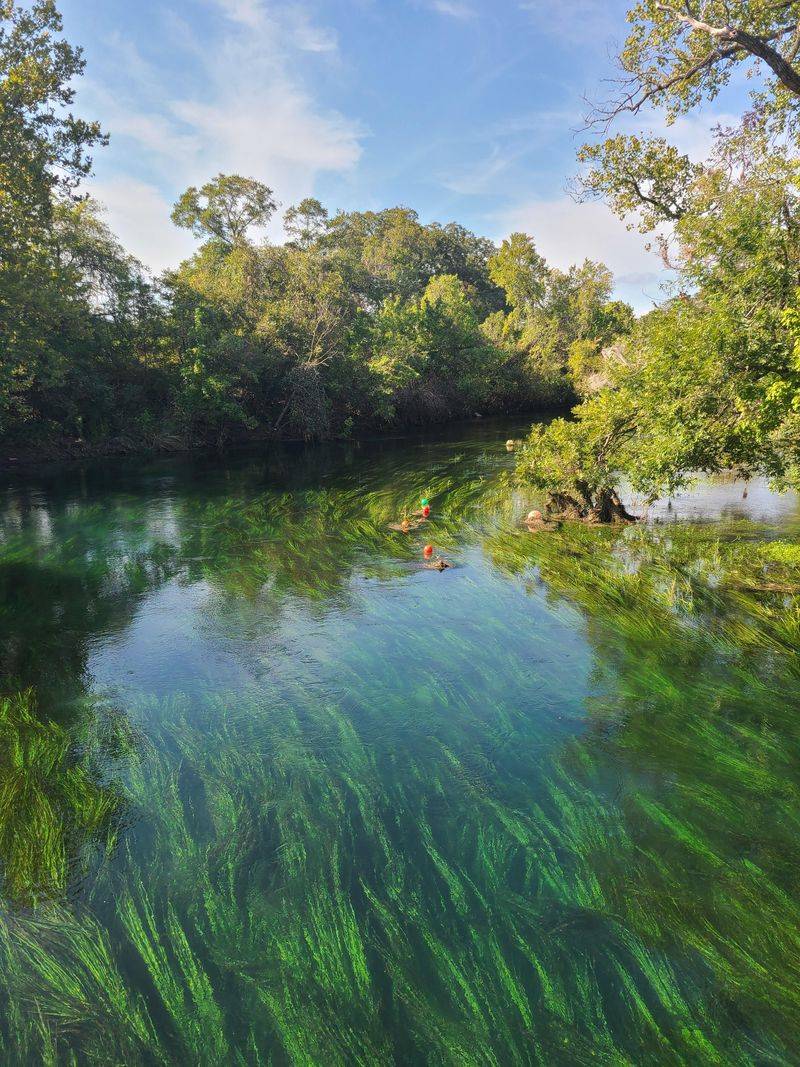
The San Marcos River flows from some of the largest springs in Texas, creating a waterway that stays around 72 degrees year-round. This consistent temperature means you can enjoy the river in any season, though summer obviously draws the biggest crowds. The springs pump out about 150 million gallons of water daily, keeping the river clear, clean, and full of life.
Rio Vista Park in downtown San Marcos is one of the most popular access points. From there, you can rent tubes, kayaks, or paddleboards and float downstream. The current is gentle enough for beginners but strong enough to keep you moving without much effort.
Most tubing trips take two to three hours, depending on how often you stop to swim or explore along the way.
What makes the San Marcos River special is its incredible biodiversity. It’s home to several endangered species, including the fountain darter, a tiny fish found nowhere else on Earth. You’ll see lots of aquatic vegetation swaying in the current, and the water is so clear you can watch fish swimming all around you.
It’s like floating through a natural aquarium.
Several outfitters in town offer tube rentals and shuttle services. They’ll drop you off upriver and pick you up at the end point, making the logistics super easy. Some places also offer cooler tubes, though many people just bring a small waterproof bag for essentials.
The river has a party reputation on summer weekends, but weekday floats tend to be much more relaxed.
Texas State University sits right on the river, and their Meadows Center offers glass-bottom boat tours and educational programs about the river’s ecology. It’s fascinating to learn about the springs and the creatures that depend on them. The center also has an underwater viewing area where you can watch fish and turtles without getting wet.
Beyond tubing, the river offers great opportunities for snorkeling, scuba diving, and fishing. The consistent water temperature and clarity make it one of the best freshwater diving spots in Texas. Anglers can catch bass, catfish, and sunfish, though catch-and-release is encouraged for many species.
The city of San Marcos has worked hard to balance recreation with conservation, implementing rules to protect the river while still allowing people to enjoy it. Respect those rules, and this incredible resource will be around for generations to come.
10. Son’s Island (Seguin)
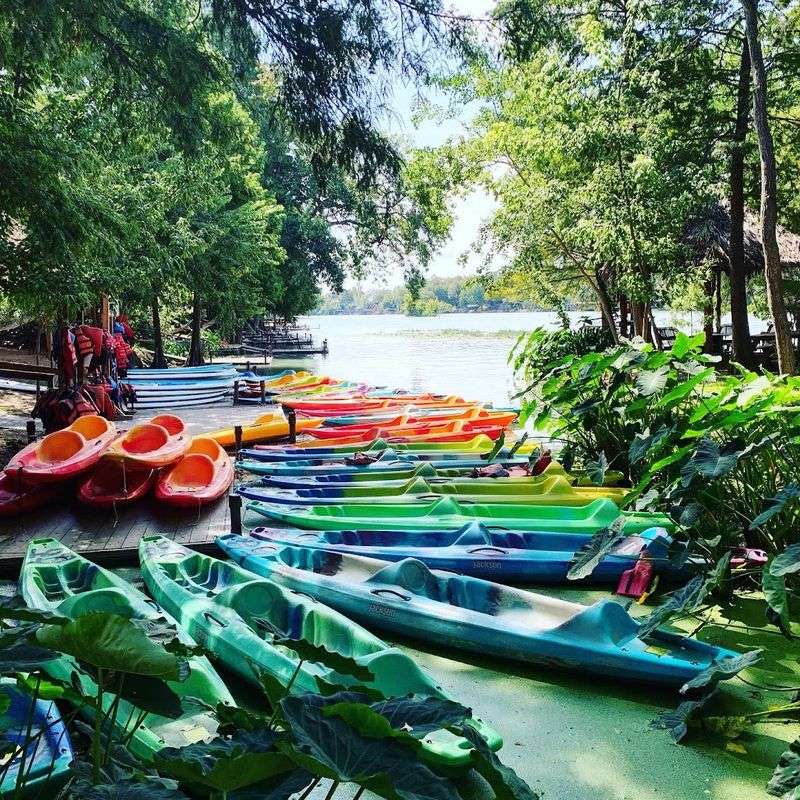
Son’s Island sits along the Guadalupe River in Seguin, offering a more laid-back alternative to the party scene that sometimes dominates river spots closer to New Braunfels. This locally-loved access point gives you all the fun of river floating with a slightly more relaxed, family-friendly vibe. The water here is cool, clear, and perfect for escaping Texas heat.
The island itself is actually a piece of land between two sections of the river, creating multiple channels to explore. During lower water levels, you can walk across and check out different areas. When the river is running higher, the floating is faster and more exciting.
Either way, you’ll find spots to swim, relax, and enjoy the natural beauty of the Guadalupe.
Access to Son’s Island is through a private park that charges a day-use fee. This fee helps maintain the property and keep it clean, which is worth it for the convenience and amenities. There’s parking, picnic areas, restrooms, and a camp store where you can buy drinks, snacks, and river supplies if you forgot anything.
Tube rentals are available if you don’t have your own.
The atmosphere here skews more toward families and groups of friends just wanting to have a good time without the massive crowds. You’ll still see plenty of people, especially on summer weekends, but it doesn’t have quite the same spring-break energy as some other spots. That makes it perfect if you want to actually relax rather than party.
The river section near Son’s Island has a nice mix of shallow areas and deeper pools. There are spots where kids can safely play while adults float nearby, and other areas where you can dive in and swim. Cypress trees line the banks, providing shade and adding to the scenic beauty.
The river bottom is mostly rock and gravel, so water shoes are a good idea.
Many people combine a morning float with an afternoon exploring Seguin. The town has a charming historic downtown with antique shops, local restaurants, and the famous Guadalupe River. There’s also a drive-in movie theater if you’re staying overnight, which adds a nostalgic touch to your river adventure.
If you’re looking for a Guadalupe River experience that’s fun but not overwhelming, Son’s Island hits the sweet spot. It’s got enough action to keep things interesting but enough space and calm to let you actually unwind.
11. Westcave Preserve (Round Mountain)
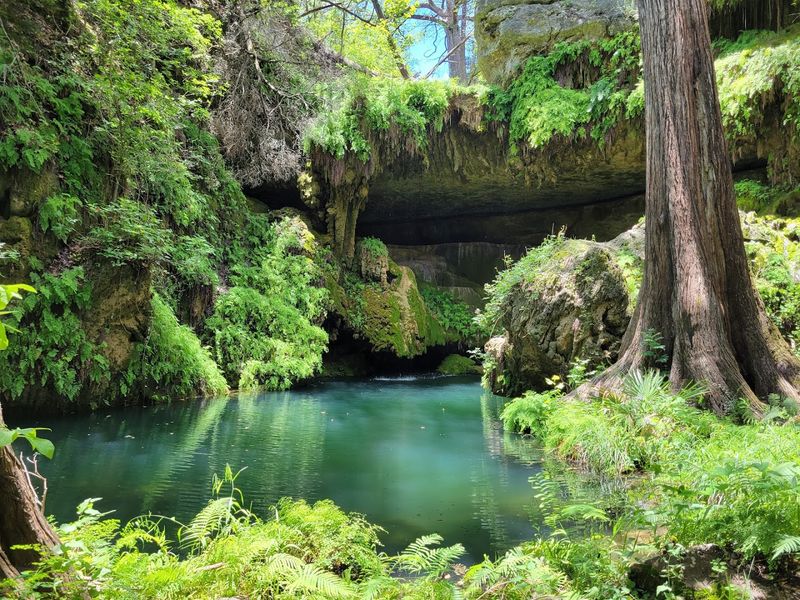
Westcave Preserve protects one of the most unique ecosystems in the Texas Hill Country. A collapsed grotto creates a hidden canyon where a 40-foot waterfall cascades over limestone cliffs into a pool below. The constant moisture from the falls and seeping springs creates an environment where ferns, moss, and other plants thrive—species you’d normally expect to find much farther east in wetter climates.
The preserve is small, covering only about 76 acres, but what it lacks in size it makes up for in beauty and ecological significance. Access to the grotto is only allowed on guided tours, which run several times daily on weekends and by appointment during the week. This might seem restrictive, but it’s necessary to protect the delicate environment and ensure visitor safety on the steep, sometimes slippery trail.
The tour takes about 90 minutes and includes a walk through upland Hill Country habitat before descending into the canyon. Your guide will point out native plants, explain the geology that created the grotto, and share information about the preserve’s conservation efforts. The contrast between the dry uplands and the humid canyon is dramatic and happens within just a few hundred yards.
Once you reach the grotto, you’ll understand why the preserve is so protective of it. The space feels almost primordial, with water dripping from the limestone ceiling, ferns covering every surface, and the waterfall creating a constant, soothing sound. The temperature drops noticeably, and the air feels thick with moisture.
It’s like stepping into a different world entirely.
Swimming isn’t allowed in the grotto pool, as the ecosystem is too fragile to handle that kind of impact. But just being in the space is special enough. Photographers love the challenge of capturing the grotto’s beauty in the filtered light that makes it down into the canyon.
It’s tricky to photograph but incredibly rewarding when you get it right.
The preserve also has upland trails you can explore on your own after the guided tour. These trails show off typical Hill Country scenery with wildflowers in spring, interesting rock formations, and nice views of the Pedernales River valley. Bird watching is excellent here, with many species using the preserve as habitat.
Westcave Preserve is a nonprofit organization run by dedicated staff and volunteers who truly care about protecting this special place. Your tour fee supports their conservation and education work, making your visit meaningful beyond just the personal experience.
12. Enchanted Rock State Natural Area (Fredericksburg)
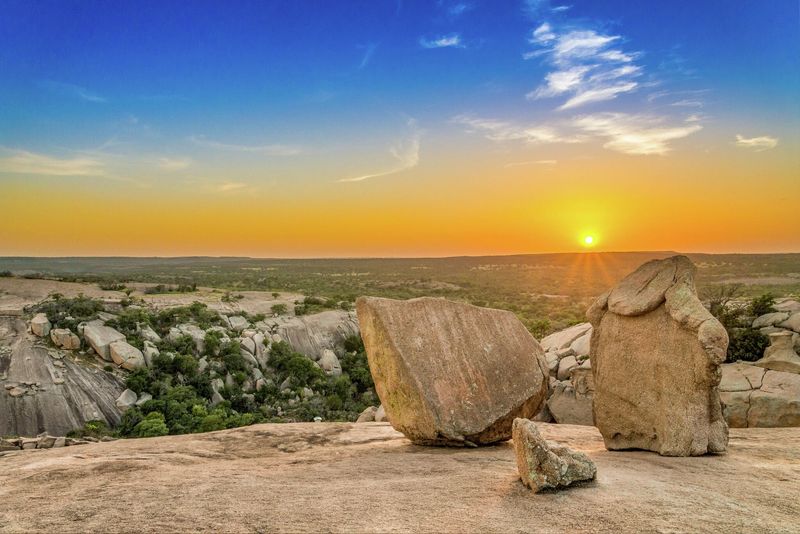
A massive pink granite dome rises 425 feet above the surrounding Hill Country, visible for miles in every direction. Enchanted Rock has drawn people to it for thousands of years, from Native Americans who considered it sacred to modern hikers seeking spectacular views and a solid workout. The dome covers 640 acres, making it one of the largest granite formations in the United States.
Hiking to the summit is the main attraction, and it’s more challenging than it looks from the parking lot. The trail is only about a mile to the top, but it’s steep and crosses bare granite that can be slippery and exhausting, especially in hot weather. Still, people of all ages make it to the summit every day, and the views are absolutely worth the effort.
On clear days, you can see for miles across the Hill Country.
The rock itself is fascinating from a geological standpoint. It’s part of a massive underground formation called a batholith that formed over a billion years ago. Weathering and erosion eventually exposed this portion, creating the dome we see today.
On quiet nights, the rock makes creaking and groaning sounds as it cools and contracts, which Native Americans believed were the voices of spirits—hence the name “Enchanted Rock.”
Besides the Summit Trail, the park has several other hiking options ranging from easy to strenuous. The Loop Trail circles the base of the dome and takes you through different ecosystems, from open grassland to oak woodlands. Rock climbing is popular here, with routes ranging from beginner to expert.
If you’re into climbing, this is one of the best spots in Texas to practice your skills.
The park also offers primitive camping in designated areas. Imagine camping under the stars with that massive dome looming nearby—it’s an experience that feels both humbling and inspiring. The park is far enough from city lights that stargazing is excellent, and the Milky Way is clearly visible on moonless nights.
Because of its popularity, Enchanted Rock often reaches capacity on nice-weather weekends and has to close the gates. Arriving early is crucial if you’re visiting on a Saturday or Sunday during peak season. Weekdays are much less crowded and offer a more peaceful experience.
The park requires reservations for camping and day use during busy periods.
Bring plenty of water—more than you think you’ll need. The exposed granite offers no shade, and Texas sun reflecting off pink rock can be brutal. Wear good hiking shoes with grip, and start early to avoid the worst heat.
This is Texas nature at its most dramatic and memorable.
Share this story