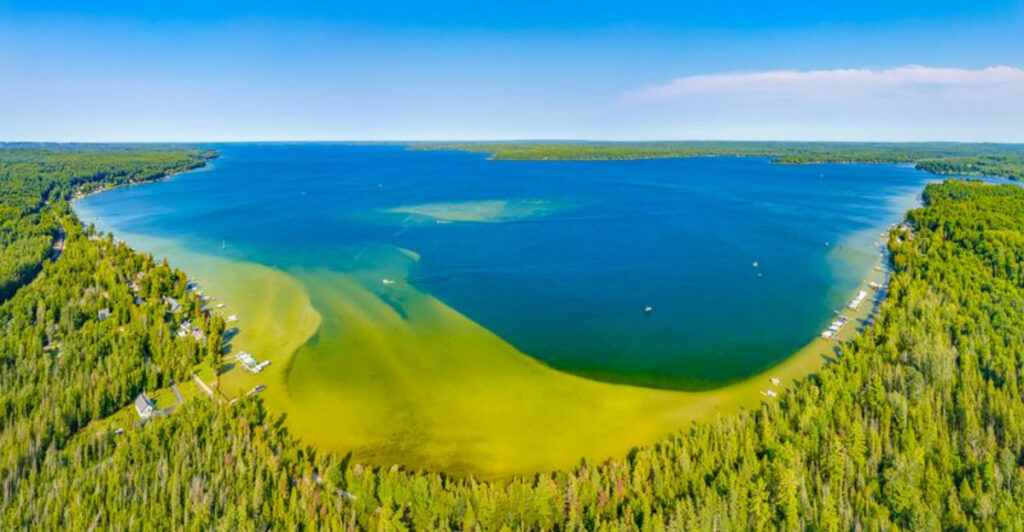
Michigan is packed with rivers, lakes, and waterways that seem made for days when you want to slow down and just enjoy being outside. Father’s Day is the perfect excuse to skip the crowded restaurants and head somewhere your dad can actually breathe.
Whether he loves fishing, paddling, or simply watching the water move, the Great Lakes State has a spot with his name on it. Here are 13 Michigan waterways worth celebrating beside this Father’s Day.
1. Pere Marquette River
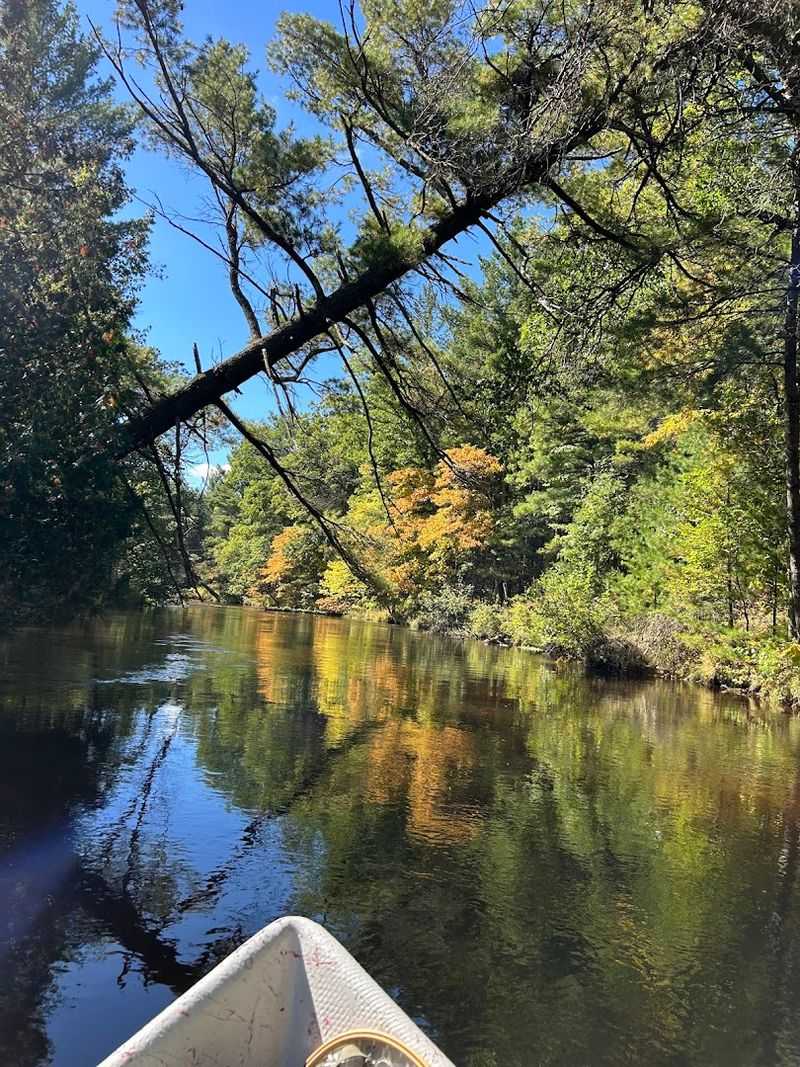
Some rivers just have a reputation, and the Pere Marquette River in western Michigan has earned every bit of its legendary status among anglers and paddlers alike. Running through Mason and Lake counties, this federally designated Wild and Scenic River draws visitors who want to experience Michigan water at its most untouched.
Your dad will feel like he stepped into a classic outdoor magazine spread the moment he wades in.
The PM, as locals call it, is especially famous for its steelhead and brown trout fishing. The cold, spring-fed water stays clear enough to spot fish from the bank, which makes it equally enjoyable whether you are casting a line or just watching the current.
Bring a pair of polarized sunglasses and a snack, and you have got yourself a solid afternoon.
Canoe and kayak rentals are available through several local outfitters in the Baldwin and Walhalla areas, making it easy to plan a float trip without hauling your own gear. The river moves at a relaxed pace through most stretches, so even beginners can handle it without stress.
A few sections do pick up speed, adding just enough excitement to keep things interesting.
The surrounding Pere Marquette State Forest adds a layer of scenery that feels almost cinematic. Towering hardwoods and pines line the banks, and wildlife sightings are common.
Deer, herons, and the occasional bald eagle have all been spotted along this corridor.
If your dad appreciates places that feel genuinely wild without requiring a passport or a long drive, this river checks every box. Pack a cooler, rent a canoe, and let the Pere Marquette do the rest of the heavy lifting this Father’s Day.
2. Houghton Lake
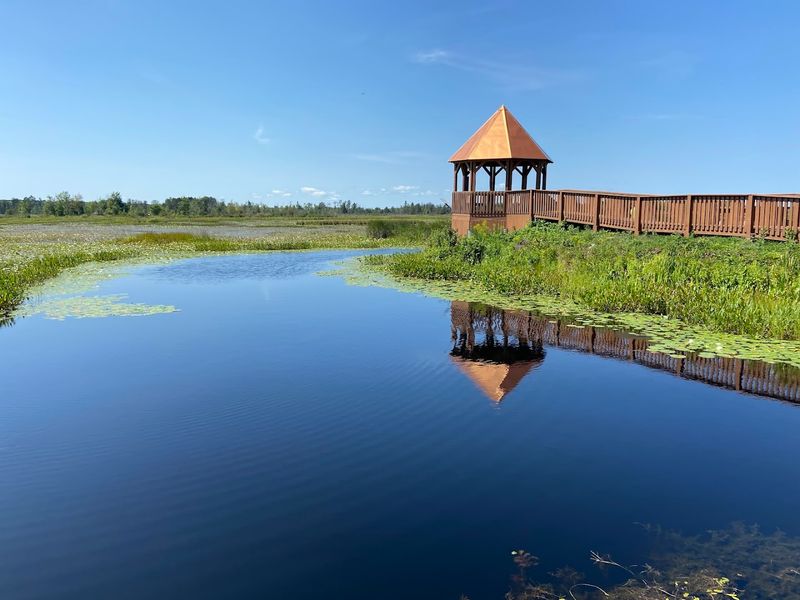
Houghton Lake holds a special kind of bragging rights in Michigan — it is the largest inland lake in the entire state. Covering roughly 20,000 acres, this Roscommon County gem gives your dad plenty of room to spread out and actually feel like he has the water to himself, even on a busy holiday weekend.
That kind of space is rare and genuinely refreshing.
Fishing is the main event here, and the lake does not disappoint. Walleye, perch, bass, and northern pike are all part of the regular catch, which means even a slow fishing day still has potential.
Charter services and guide boats are available for dads who want local expertise on their side, and several bait shops near the shoreline are well-stocked and staffed by people who actually know the lake.
Beyond fishing, the lake offers excellent opportunities for pontoon rides, jet skiing, and casual swimming in the calmer coves along the shoreline. Houghton Lake village sits right on the water and has a handful of restaurants and ice cream spots that work perfectly for a post-fishing lunch stop.
The vibe is laid-back small-town Michigan, and that is a compliment.
Sunrise on Houghton Lake is something worth setting an alarm for. The flat, still water in the early morning hours reflects the sky in a way that feels almost surreal.
Bring a thermos of coffee and stake out a spot on the public access pier before the rest of the world wakes up.
Camping options are plentiful around the lake, so if you want to turn Father’s Day into a full weekend adventure, this is an easy and rewarding place to make that happen.
3. Black River
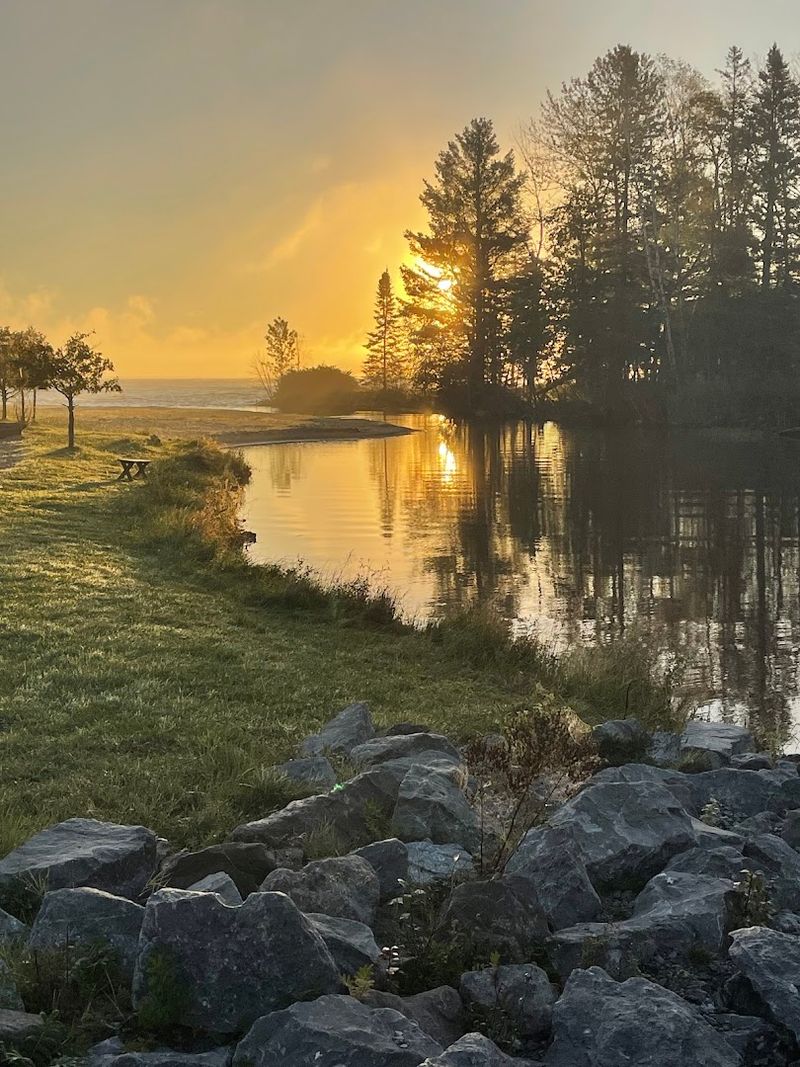
Up in the western Upper Peninsula, the Black River is the kind of place that makes people forget what day it is — in the best possible way. Running through Gogebic County before emptying into Lake Superior, this river is famous for a string of waterfalls that you can hike between on a single trail.
For a dad who loves both water and a good walk, this is a rare combination that delivers on both fronts.
The Black River National Forest Scenic Byway follows the river for several miles, and the waterfalls along the way each have their own personality. Algonquin Falls, Potawatomi Falls, and Gorge Falls are among the most visited, and each one is accessible via well-maintained trails that range from easy to moderately challenging.
The dark, tannin-rich water gives the river its name and creates a dramatic contrast against the white foam of the falls.
At the mouth of the river, Black River Harbor offers a beautiful spot to relax after a waterfall hike. There is a sandy beach area near Lake Superior, picnic tables, and a boat launch that sees regular use from anglers heading out on the big lake.
The harbor area is maintained by the Ottawa National Forest and stays well-kept throughout the summer season.
Fishing in the Black River is productive for brook trout and steelhead depending on the season. The river is not heavily pressured compared to some Lower Peninsula destinations, which means more elbow room and a better chance at a quiet experience.
Pack good hiking shoes, a waterproof jacket just in case, and a fully charged camera. The Black River is one of those places that earns repeat visits every single time.
4. Burt Lake
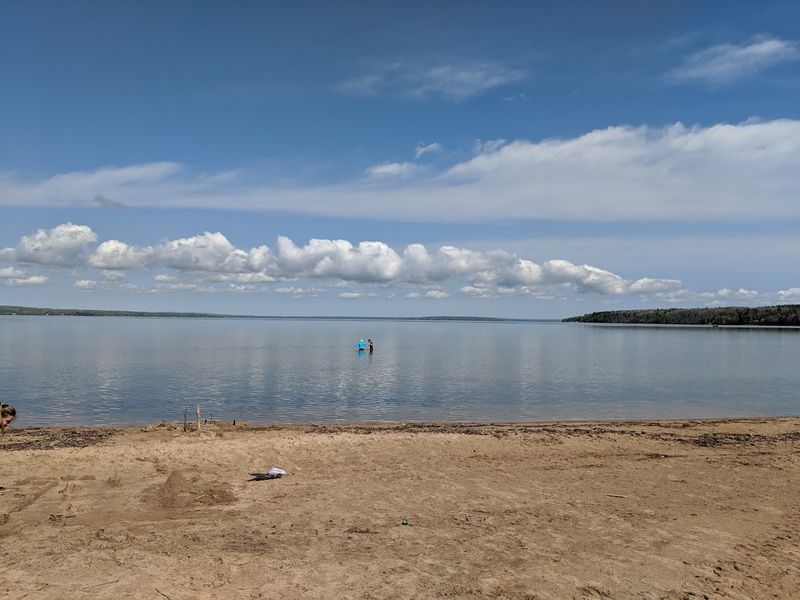
Burt Lake sits quietly in Cheboygan County, and if you ask the people who grew up going there, they will tell you it is one of northern Michigan’s best-kept secrets — though the word is getting out. Part of the Inland Waterway, Burt Lake is the third-largest inland lake in Michigan and offers a relaxed pace that feels a world away from the busier tourist destinations nearby.
The lake covers about 17,000 acres and reaches depths that keep the water cool even during peak summer heat. That cold, clear water is what makes it such a productive fishing lake.
Walleye, smallmouth bass, and perch are common catches, and the lake has enough structure to keep experienced anglers guessing. Even a simple afternoon of casting from a rented rowboat can turn into something memorable out here.
Burt Lake State Park on the southern shore offers one of the best campsites in the region, with direct water access and a sandy beach that works well for families with younger kids. The park is a solid base of operations if you want to turn Father’s Day into a multi-day trip without spending a fortune on accommodations.
Reservations fill up, so book ahead.
The Inland Waterway connection means you can actually boat from Burt Lake through a series of rivers and lakes all the way to Mullett Lake and beyond. For a dad who loves the idea of exploring by boat, this kind of connected waterway system is genuinely exciting and hard to find elsewhere in the Midwest.
Indian River, the small town at the southern end of the lake, has good food options and a friendly atmosphere that rounds out any visit nicely.
5. Cass River
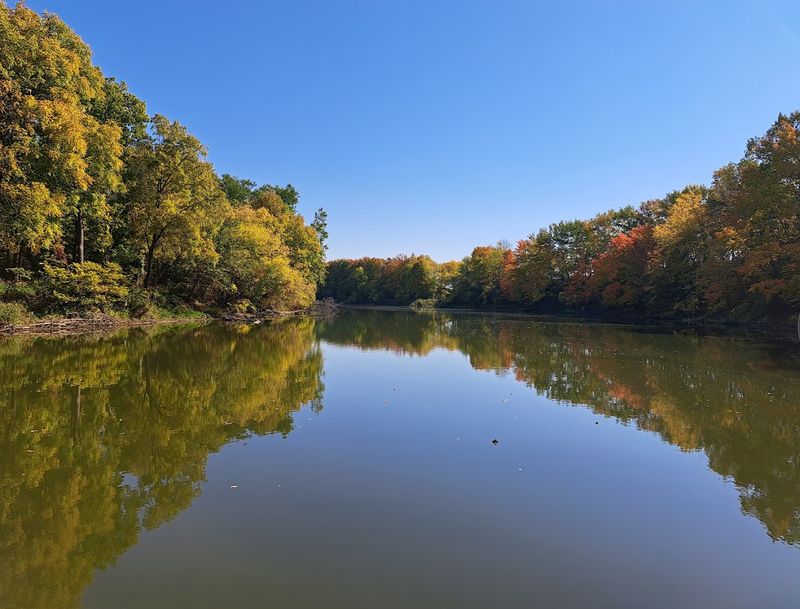
Not every great Michigan river is in the northern part of the state. The Cass River winds through the Thumb region in the Lower Peninsula, offering a canoe and kayak experience that is accessible, affordable, and genuinely enjoyable for all skill levels.
For dads who do not want to drive four hours north just to get on the water, the Cass River is a solid local answer.
The river flows through Tuscola, Saginaw, and surrounding counties before joining the Saginaw River near the city of Saginaw. The most popular paddling sections run through forested corridors where the outside world disappears and the only sounds are birds, water, and the occasional splash of a paddle.
Outfitters in the Frankenmuth and Vassar areas offer rentals and shuttle services that make planning a float trip straightforward.
Frankenmuth, one of Michigan’s most visited small towns, sits right along the Cass River. Combining a paddle with a visit to the town gives you a full day with variety — time on the water followed by a meal at one of the famous chicken dinner restaurants.
That is a Father’s Day itinerary that is hard to argue with, especially for a dad who likes good food as much as outdoor time.
Fishing along the Cass River is productive for bass, catfish, and northern pike. The slower-moving sections near Saginaw County have more options for bank fishing, while the upper stretches are better suited to wading and fly fishing.
The river has been the focus of ongoing water quality improvement efforts, and the results are noticeable.
The Cass River rewards those who give it a chance. It may not have the name recognition of Michigan’s northern rivers, but it more than holds its own as a day-trip destination worth repeating.
6. Higgins Lake
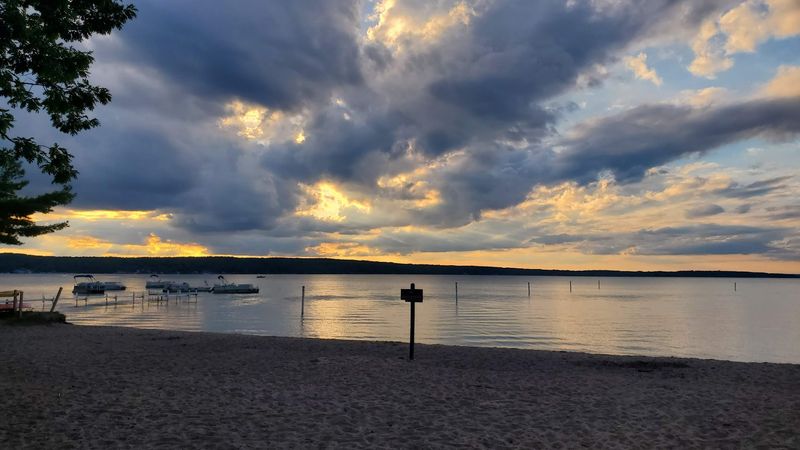
There is a reason Higgins Lake gets compared to Caribbean water — the clarity and color are genuinely that striking. Located in Roscommon County, this lake has been called one of the most beautiful lakes in the world, and while that claim gets tossed around a lot in Michigan, Higgins Lake actually backs it up.
The water is so clear you can see the sandy bottom in depths that would be murky in most other lakes.
The lake covers about 9,600 acres and is spring-fed, which keeps the water cold and pristine throughout the summer. Swimming is exceptional here, and the sandy shoreline at both the North and South Higgins Lake State Parks makes it easy to set up a comfortable base for the day.
Bring an umbrella, some good snacks, and let the afternoon take care of itself.
Fishing on Higgins Lake is solid, with lake trout being the standout species that draws serious anglers from across the state. The deep, cold water is ideal habitat for lake trout, and trolling is a popular technique in the warmer months.
Boat rentals are available nearby for those who want to explore the lake without trailering their own vessel.
The surrounding state forest land adds to the appeal, with hiking trails and picnic areas that fill in the gaps between water activities. North Higgins Lake State Park has a campground that books up quickly in summer, so planning ahead is essential if you want to stay overnight.
Sunsets over Higgins Lake are the kind that make people stop mid-sentence and just stare. For a Father’s Day that combines natural beauty with genuine relaxation, this lake sets a standard that is hard to beat anywhere in the Midwest.
7. Torch River
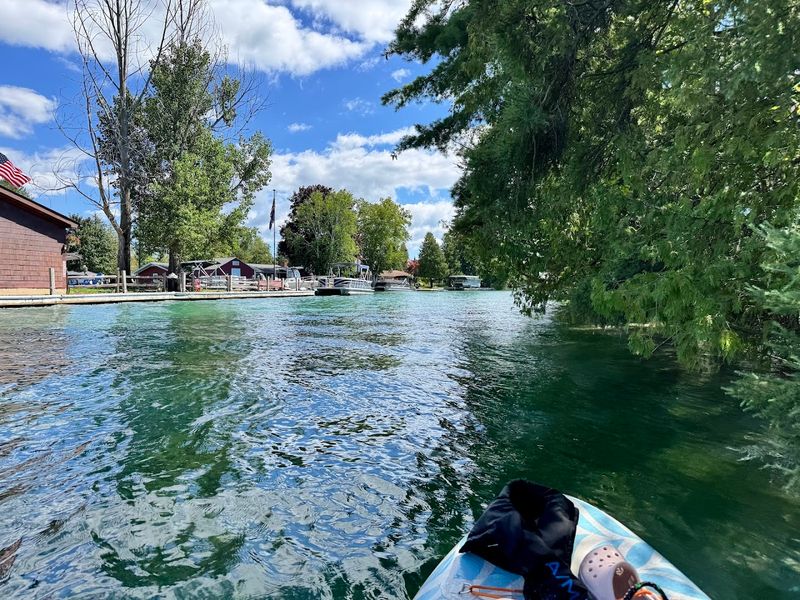
Short in length but long on character, the Torch River connects Torch Lake to Elk Lake in Antrim County and has quietly built a reputation as one of the most scenic waterway connections in all of northern Michigan. The river itself is only a few miles long, but the experience of floating through it feels like traveling between two worlds — and both worlds happen to be stunning.
Torch Lake, which the river flows from, is widely regarded as one of the most beautiful lakes in the country. The water runs in shades of teal and turquoise that feel almost artificially vivid until you realize that is just what the lake actually looks like.
Boating from Torch Lake through the Torch River and into Elk Lake gives you a connected water experience that is hard to replicate elsewhere in the state.
The river corridor is flanked by upscale cottages and wooded properties, and the shoreline is well-maintained and picturesque throughout. Pontoon boats and kayaks both work well on the Torch River, and the calm current makes navigation easy even for those with limited boating experience.
Speed limits are enforced on the river to protect the shoreline and other users, so the pace stays pleasant.
Fishing near the river mouth and along the connecting lake edges can be productive for smallmouth bass and pike during the summer months. Early morning is the best time to be on the water before the recreational boat traffic picks up.
For Father’s Day, renting a pontoon and spending the day moving between Torch Lake and Elk Lake through the river is the kind of experience that creates lasting memories. Pack a good lunch and let the water lead the way.
8. Lake Gogebic
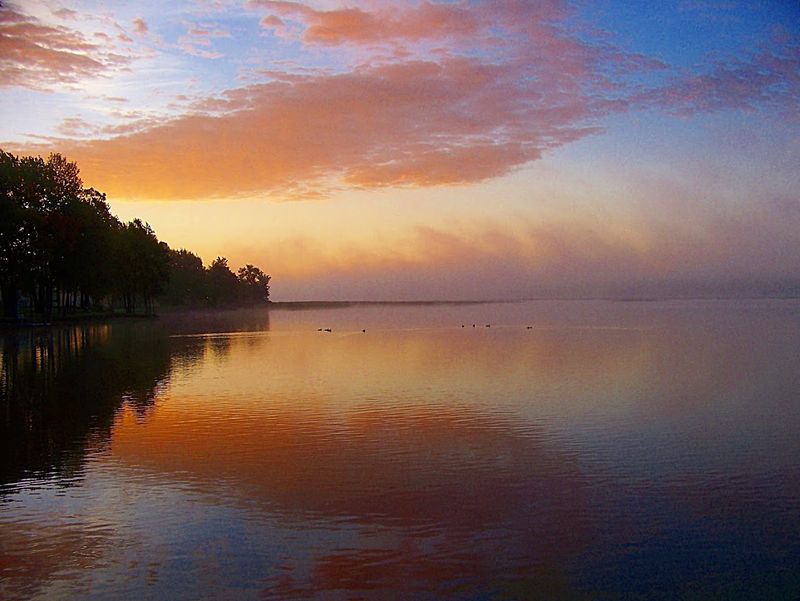
Lake Gogebic is the largest lake in the Upper Peninsula, and it carries itself with the quiet confidence of a place that does not need to advertise. Tucked into Gogebic and Ontonagon counties, this lake offers a genuinely remote experience without requiring a rugged backcountry expedition to get there.
The drive up is half the adventure, especially if you take the scenic routes through the Ottawa National Forest.
The lake covers around 13,000 acres and is best known among anglers for its walleye fishing, which draws serious fishermen from across the Midwest every season. The Gogebic walleye population is well-established, and the lake’s structure — with its mix of shallow flats, drop-offs, and weed edges — gives the fish plenty of places to hide and anglers plenty of water to explore.
Guide services are available for those who want local knowledge on their side.
Beyond fishing, the lake has a peaceful energy that is increasingly rare in popular vacation destinations. Lake Gogebic State Park on the eastern shore provides camping, a boat launch, and direct water access in a setting that feels genuinely wild.
Loons are a common sight and sound on the lake, and their calls at dusk add something to the atmosphere that no playlist can replicate.
The surrounding region has additional appeal for outdoor-minded families. Waterfalls, hiking trails, and small UP towns are all within easy reach, making a Lake Gogebic base camp a smart choice for a longer Father’s Day weekend.
Cell service is limited out here, which might actually be the biggest selling point for a dad who needs a real break from screens. Lake Gogebic has a way of reminding people what quiet actually sounds like.
9. Boardman River
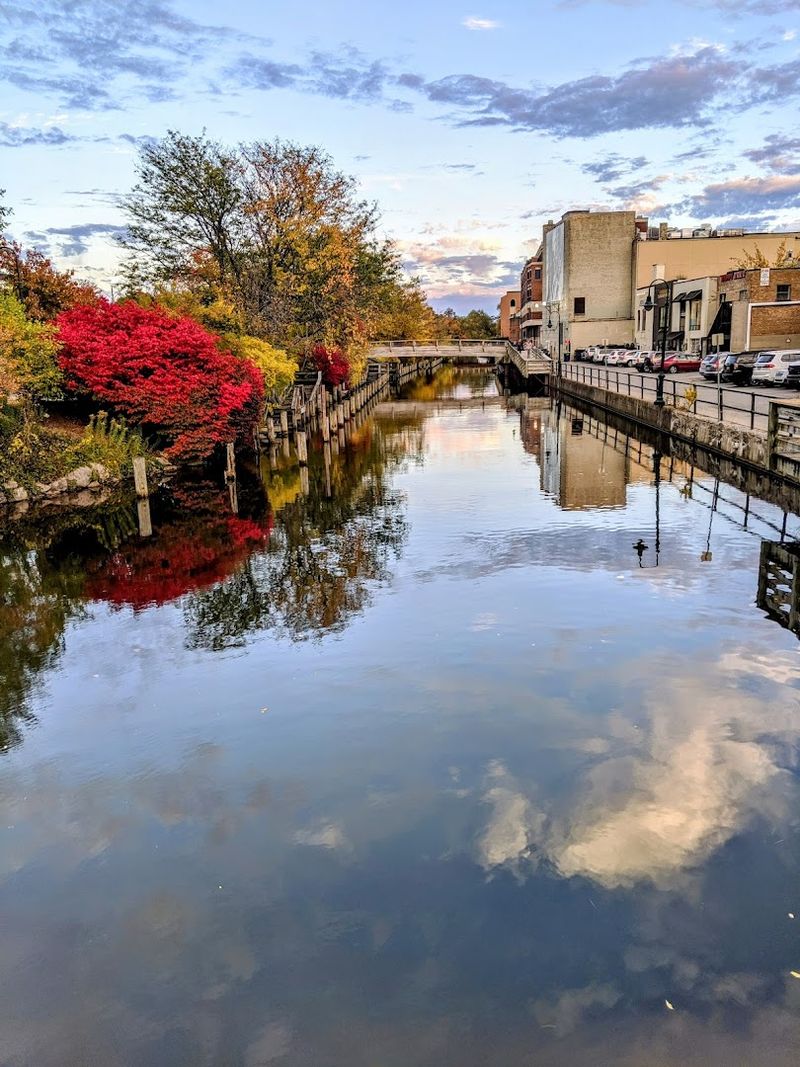
Running right through the heart of Traverse City before emptying into West Grand Traverse Bay, the Boardman River is one of those rare waterways that manages to feel wild even as it passes through an urban area. The river has undergone a remarkable restoration effort over the past decade, with the removal of several dams returning it to a more natural flow.
The results have been dramatic and genuinely impressive.
Trout fishing on the Boardman is excellent, especially in the upper reaches above Traverse City where the river narrows and the current quickens through forested stretches. Brown trout and brook trout are the primary targets, and the river’s clear water makes sight fishing possible during the right conditions.
Fly fishing is particularly popular here, and the river sees a passionate community of local anglers who know its every bend.
The Boardman River Nature Area in Traverse City offers a well-maintained trail system that follows the river through a surprisingly wild corridor right inside city limits. It is an easy place to spend a morning walking with your dad, spotting wildlife, and getting a feel for the river’s character before deciding whether to rent gear and get in the water.
Kayaking the Boardman through the city and out toward the bay is a unique experience that combines urban scenery with natural beauty in a way that works surprisingly well. Several outfitters in the area offer rentals and can point you toward the best launch spots depending on the time of year and water levels.
Traverse City’s vibrant restaurant and brewery scene means that post-river celebrations are well-covered. A great day on the Boardman deserves a great meal, and the city delivers on that front without any trouble.
10. Au Sable River
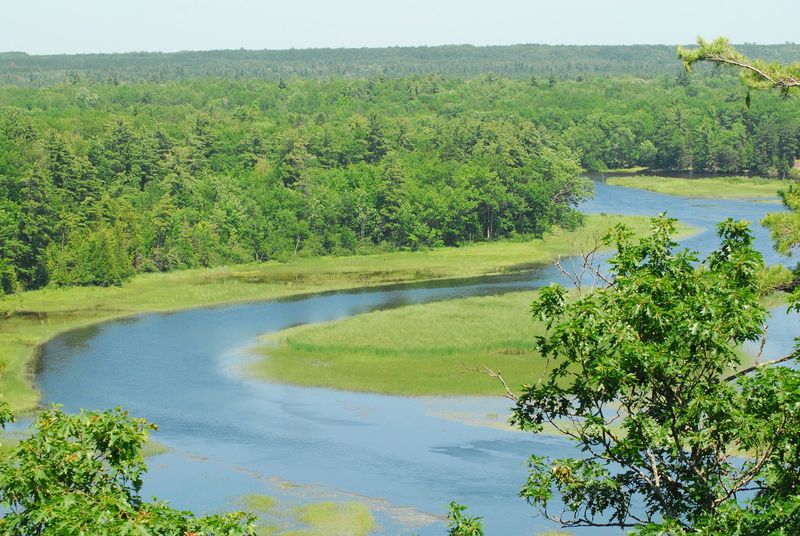
If Michigan rivers had a hall of fame, the Au Sable River would have its own wing. This iconic waterway stretches across the northern Lower Peninsula through Oscoda, Crawford, and Roscommon counties, and its name carries real weight among anglers, paddlers, and outdoor enthusiasts who know their Michigan geography.
The Au Sable River Canoe Marathon, held every summer, is one of the longest and most challenging canoe races in the world — and it finishes in the town of Oscoda after a grueling overnight race from Grayling.
The trout fishing on the Au Sable is legendary. The Holy Waters stretch between Grayling and Mio is considered one of the premier fly fishing destinations in the entire country, drawing anglers who treat it with the same reverence others reserve for national parks.
Brown trout, brook trout, and rainbow trout all thrive in the cold, spring-fed current that defines this river’s character.
Canoeing the Au Sable is a bucket-list Michigan experience, and outfitters in the Grayling area have been making it easy for generations. The river winds through the Au Sable State Forest in long, sweeping bends that feel perfectly designed for a half-day float.
Paddling past forested banks with no roads or buildings in sight is a level of peace that is genuinely hard to find in the modern world.
The town of Grayling serves as the main gateway to the upper Au Sable and has everything you need for a well-supplied trip — gear shops, restaurants, and local expertise in abundance. It is a town that takes its river seriously, and that attitude is contagious.
For Father’s Day, the Au Sable is not just a good choice. It is the kind of choice that dads talk about for years afterward.
11. Mullett Lake
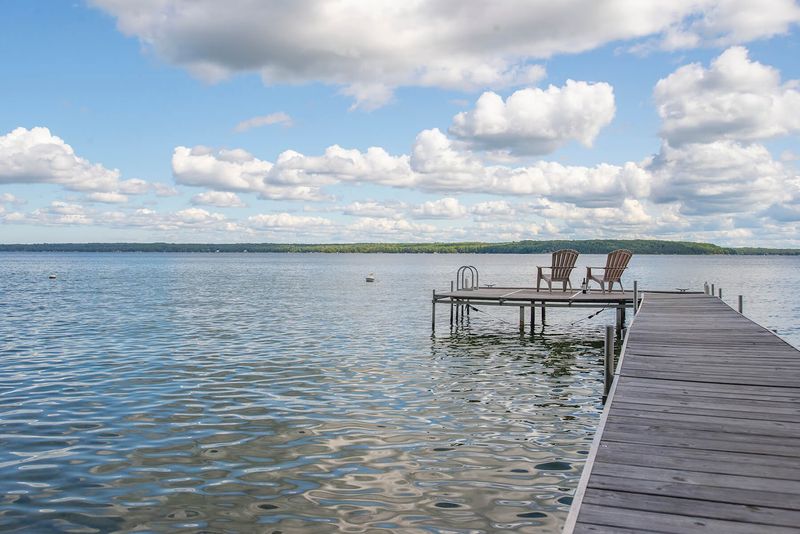
Mullett Lake is one of those northern Michigan lakes that rewards the people who find it without making a big fuss about being found. Located in Cheboygan County and connected to the Inland Waterway, this lake covers nearly 17,000 acres and offers a mix of deep, cold water and productive shallows that make it appealing to a wide range of outdoor interests.
The lake’s depth — reaching over 140 feet in some spots — keeps it cold and clear throughout the summer.
Lake trout fishing on Mullett Lake is some of the best in the Lower Peninsula. The deep, cold structure is ideal habitat, and trolling with downriggers is a common and effective technique during the summer months.
Walleye and smallmouth bass round out the fishing options for those who prefer shallower presentations. Boat launches are available at several points around the lake, and a few local marinas offer rentals for visitors without their own vessel.
The Inland Waterway connection gives Mullett Lake a special dimension that most lakes simply do not have. From here, you can boat through the Indian River to Burt Lake, then continue through a series of connected waterways that eventually reach Lake Huron.
For a dad who loves the idea of exploring by boat with no fixed destination, this network of connected lakes and rivers is about as good as it gets in the Midwest.
The shoreline around Mullett Lake is relatively undeveloped compared to some of the more heavily marketed northern Michigan lakes. That means more natural scenery, less noise, and a calmer experience overall.
Osprey and loon sightings are common, especially in the quieter coves on the northern end.
Mullett Lake does not need a marketing campaign. The experience speaks clearly enough on its own.
12. Platte River
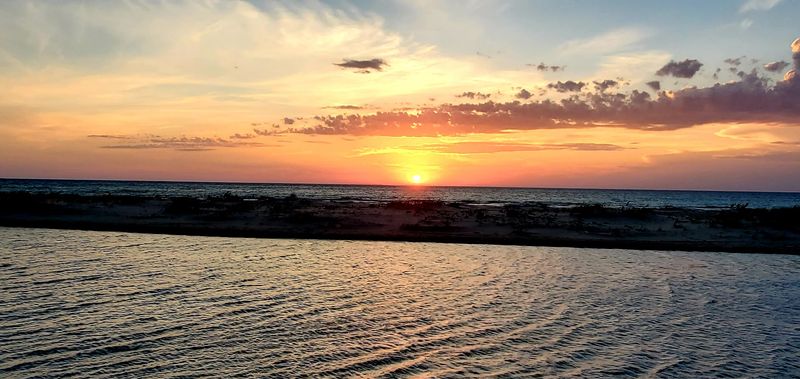
The Platte River in Benzie County has a reputation for being one of the most fun rivers in Michigan, and it earns that title every summer without breaking a sweat. Short, clear, and warm enough for swimming, this river is the go-to destination for tubing and casual kayaking in the northwestern Lower Peninsula.
The vibe is unambiguously festive, and that energy makes it a natural fit for a Father’s Day celebration with the whole family along for the ride.
The tubing scene on the Platte is well-organized and easy to access. Several outfitters near Honor and Beulah offer tube rentals and shuttle service, so the logistics are simple.
The river runs through Sleeping Bear Dunes National Lakeshore before emptying into Lake Michigan at Platte Bay, which means you get a National Park experience as part of the float. That combination of a river trip ending at one of the Great Lakes is genuinely special.
For anglers, the Platte River is a serious destination during the fall salmon run, but summer fishing for trout in the upper reaches is worth the effort. The water is cold and clear in the headwaters area, which keeps the fish active and makes the setting especially beautiful.
Wading is comfortable and the river bottom is sandy and stable.
Platte Bay itself, where the river meets Lake Michigan, is one of the most scenic river mouths in the state. The sand dunes of Sleeping Bear rise dramatically from the shoreline, and the view from the beach looking back toward the dunes is the kind of scene that ends up as someone’s phone wallpaper for a year.
The Platte River is short on length but long on personality. It fits a full day of fun into a very manageable package.
13. Manistee River

The Manistee River runs for over 190 miles through the northern Lower Peninsula, making it one of the longest rivers in Michigan and one of the most varied in terms of character. From its headwaters near Frederic to its mouth at Manistee on Lake Michigan, the river changes personality several times — shifting from a narrow, trout-friendly stream in the upper reaches to a wide, slower-moving waterway in the lower sections.
That range of environments makes it endlessly interesting.
Trout fishing on the upper Manistee is exceptional. The river is a tributary of the same cold-water system that feeds the Au Sable, and the brown trout population in the upper stretches is healthy and well-regarded among serious fly fishers.
The Tippy Dam area in the lower river is a major destination during steelhead and salmon runs in fall, drawing anglers from across the region to fish the tailwaters below the dam.
Paddling the Manistee is a multi-day adventure if you want it to be. The river corridor passes through the Manistee National Forest for long stretches, and riverside campsites allow paddlers to make the trip into a full overnight or weekend experience.
The scenery shifts from pine forest to hardwood ridges to sandy bluffs as you move downstream, keeping the views consistently fresh.
The lower Manistee near the city of Manistee opens into a broad, navigable stretch that is popular with powerboats and pontoons during summer. The river mouth and adjacent Manistee Lake offer excellent options for walleye and bass fishing in a setting that feels more like a small coastal town than a typical river destination.
Few rivers in Michigan can match the Manistee’s combination of length, variety, and consistent natural beauty across every season.