Some grocery stores are just places you grab milk and leave. But in Michigan, a handful of them have become something much bigger — beloved gathering spots woven into the fabric of their towns.
These stores carry history, heart, and a sense of place that big-box chains simply can’t replicate. Whether you grew up shopping at one or just discovered it on a road trip, these nine Michigan grocery stores are worth knowing about.
1. Sawall Health Foods
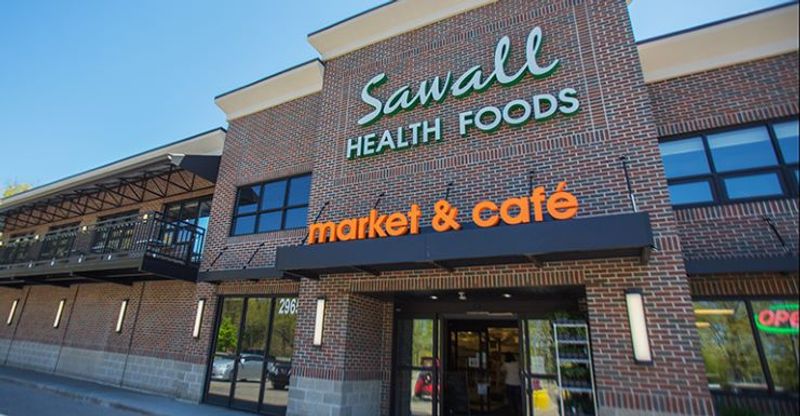
Walk into Sawall Health Foods in Kalamazoo and you immediately feel like you stepped into a store that actually cares about what it sells. Founded in 1936, this family-run shop has been helping Michiganders eat better for nearly nine decades, which makes it one of the oldest health food stores in the entire state.
That kind of staying power doesn’t happen by accident.
The store is known for its impressive bulk food section, where you can scoop out exactly what you need — no waste, no excess packaging. Alongside staples like nuts, grains, and dried fruits, you’ll find a carefully curated selection of vitamins, supplements, and natural remedies.
The staff genuinely know their products, and that’s refreshingly rare these days.
Sawall’s doesn’t try to be trendy. It just quietly does what it has always done — connect people with wholesome food and honest guidance.
Locals treat it less like an errand stop and more like a trusted resource. Shopping here feels personal in a way that a national chain could never manufacture.
For anyone exploring Kalamazoo’s food scene, skipping Sawall’s would be a real miss. It sits in a neighborhood that feels lived-in and real, surrounded by the kind of community energy that makes a city worth visiting.
Generations of families have turned to this store during health journeys, dietary changes, and everyday grocery runs.
The prices are fair for what you’re getting, and the selection punches well above the store’s modest size. Sawall Health Foods is proof that longevity in retail isn’t about flashy remodels — it’s about earning trust one customer at a time.
2. Meijer
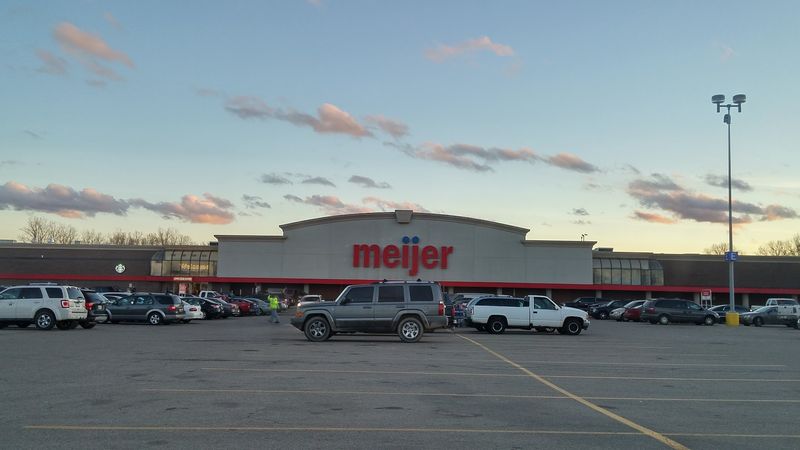
Before Walmart, before Target, before the word “supercenter” was even a thing, there was Meijer. Founded in 1934 in Greenville, Michigan, by Hendrik Meijer, this homegrown giant basically invented the one-stop shopping concept.
Calling it just a grocery store almost feels like an insult — Meijer is a Michigan institution, full stop.
You can buy a rotisserie chicken, a flat-screen TV, a birthday cake, and a garden hose all in one trip. That kind of convenience is baked into Michigan life in a way that feels almost cultural.
Ask any Michigander where they’re headed on a Saturday afternoon, and “Meijer run” is a perfectly complete answer that needs no further explanation.
The grocery section alone is massive, stocked with everything from international foods to local Michigan products. Meijer has made consistent efforts to support Michigan farmers and producers, which gives the store a regional pride that goes beyond just selling groceries.
Their store-brand products have earned a loyal following for delivering solid quality without the premium price tag.
What really makes Meijer feel like a landmark is its 24-hour history. For decades, many locations stayed open around the clock, making it the go-to spot for late-night snack runs, holiday prep panic, and everything in between.
That always-open reliability became part of its identity.
Meijer now operates over 250 stores across the Midwest, but it still feels distinctly Michigan at its core. The headquarters remain in Grand Rapids, and the company continues to invest in local communities through food bank partnerships and charitable giving.
It grew from a small-town butcher shop into a regional powerhouse, and Michigan has never stopped claiming it as its own.
3. Kingma’s Market
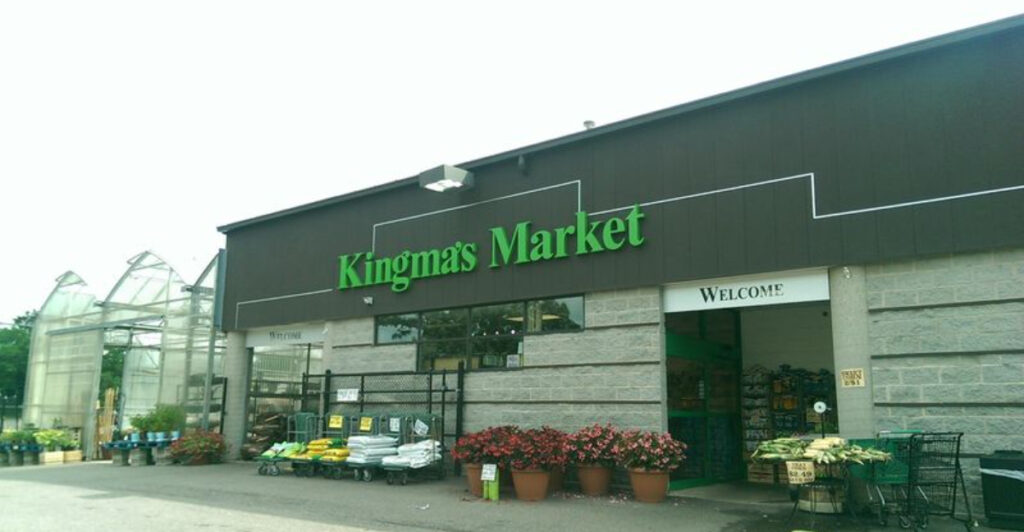
Tucked into the East Hills neighborhood of Grand Rapids, Kingma’s Market has been a quiet anchor of the community since 1949. It’s the kind of store where the person behind the butcher counter knows your name, and the produce section feels like it was stocked by someone who actually cooks.
In a city that’s grown rapidly over the decades, Kingma’s has held its ground without losing its soul.
The meat department is genuinely one of the best reasons to visit. Kingma’s butchers cut to order and offer selections you simply won’t find at a big grocery chain — specialty cuts, house-made sausages, and freshly ground beef that reminds you what ground beef is actually supposed to taste like.
It’s the kind of counter you linger at because you’re learning something just by watching.
Beyond the butcher, the store carries a thoughtful mix of everyday staples and harder-to-find items. Local Michigan products share shelf space with international ingredients, making it a useful stop for home cooks who like to experiment.
The layout is small and navigable, a pleasant contrast to the overwhelming maze of a modern superstore.
Regulars talk about Kingma’s with a warmth that borders on affection. It’s not just convenience — it’s connection.
Generations of East Hills families have done their weekly shopping here, and new residents quickly discover why the store has such a devoted following. That loyalty isn’t bought with loyalty cards or app discounts; it’s earned through consistency and genuine care.
Grand Rapids has no shortage of food options today, but Kingma’s Market remains irreplaceable. Some things just can’t be scaled up or replicated, and this neighborhood gem is living proof of that.
4. Doud’s Market
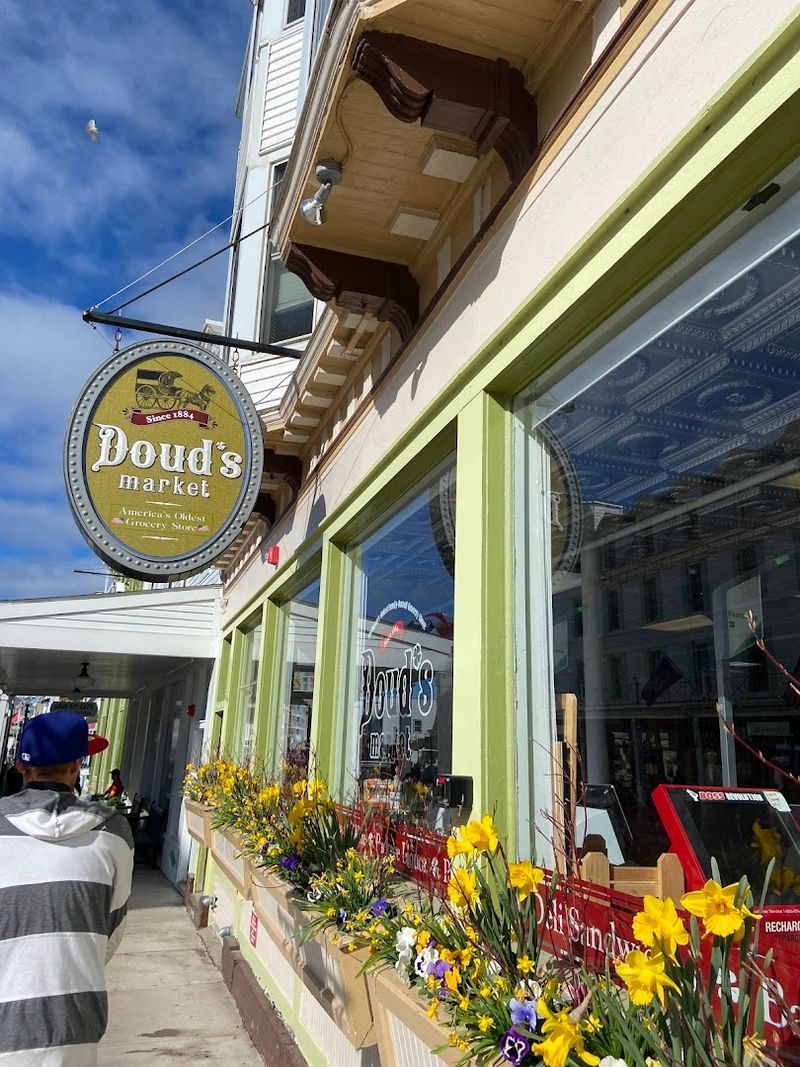
On an island where cars are banned and horses still clip-clop down the main street, Doud’s Market holds a record that sounds almost too good to be true. Located on Mackinac Island, it’s widely recognized as the oldest family-owned grocery store in the United States, with roots stretching back to 1884.
That’s not a marketing tagline — that’s genuine American retail history sitting on a beautiful Great Lakes island.
Getting groceries to Mackinac Island isn’t simple. Everything arrives by boat or small plane, which makes running a full-service market a logistical feat.
Doud’s has navigated that challenge for well over a century, keeping islanders and visitors stocked with essentials through every season, including the long, quiet winters when the tourist crowds are long gone.
The store is small by modern standards, but it carries a surprisingly solid range of products. Fresh produce, deli items, wine, snacks, and pantry staples are all accounted for.
Visiting in the summer means sharing the aisles with tourists who’ve just discovered the place, but locals treat it like the neighborhood cornerstone it truly is.
Stepping inside Doud’s feels like a gentle time warp. The atmosphere is unhurried and friendly, matching the pace of island life perfectly.
Staff members are helpful without being performative about it, which fits the authentic character of the whole operation.
If you ever make the ferry trip to Mackinac Island — and you absolutely should — stop into Doud’s even if you don’t need anything. Just being inside a store that has served its community since the 1880s is its own kind of experience.
History doesn’t always live in museums; sometimes it lives in grocery stores.
5. Argus Farm Stop
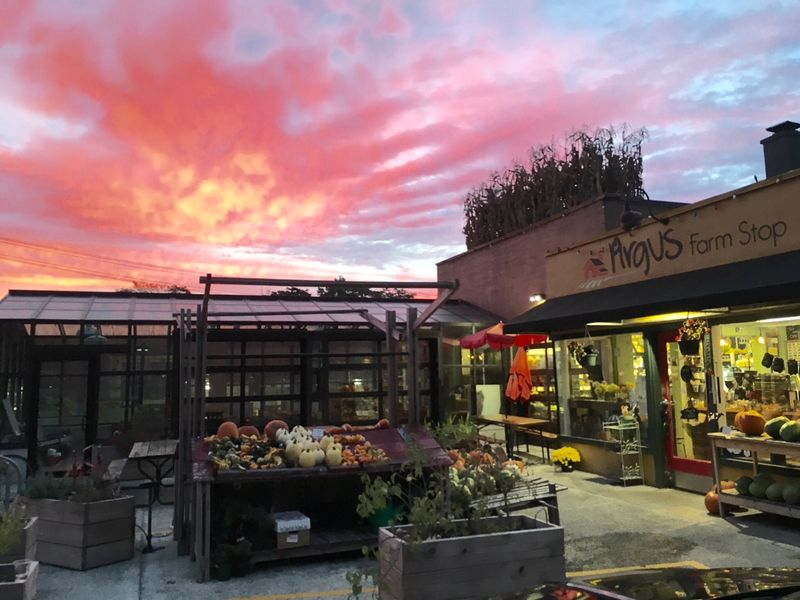
Argus Farm Stop in Ann Arbor operates on a simple but powerful idea: connect local farmers directly with local eaters. Opened in 2014, it functions as a year-round farm stand where nearly everything on the shelves comes from Michigan farms, often within a 100-mile radius.
The model is straightforward, and the results speak for themselves — the store has become one of Ann Arbor’s most talked-about food destinations.
Farmers set their own prices and receive the majority of each sale, which flips the typical grocery supply chain on its head. That means the person who grew your tomatoes actually benefits fairly from your purchase.
For shoppers who care about where their food comes from and who profits from it, Argus isn’t just a store — it’s a values statement made tangible.
The selection rotates with the seasons, which keeps things genuinely fresh and interesting. Summer brings an explosion of produce, local honey, and fresh-cut flowers.
Winter shelves hold root vegetables, preserved goods, Michigan cheeses, and pantry items that sustain you through the cold months. Nothing is flown in from across the country to fake a season that hasn’t arrived yet.
Argus also carries locally made prepared foods, baked goods, and beverages, making it easy to build an entire meal around Michigan-made ingredients. The staff are knowledgeable and passionate, happy to tell you which farm grew your greens or how a particular product was made.
That transparency is a big part of what keeps shoppers coming back.
Ann Arbor has always had a strong food culture, and Argus Farm Stop fits right into that tradition while pushing it forward. Supporting it feels less like a shopping trip and more like participating in something genuinely good.
6. Benton Harbor Fruit Market
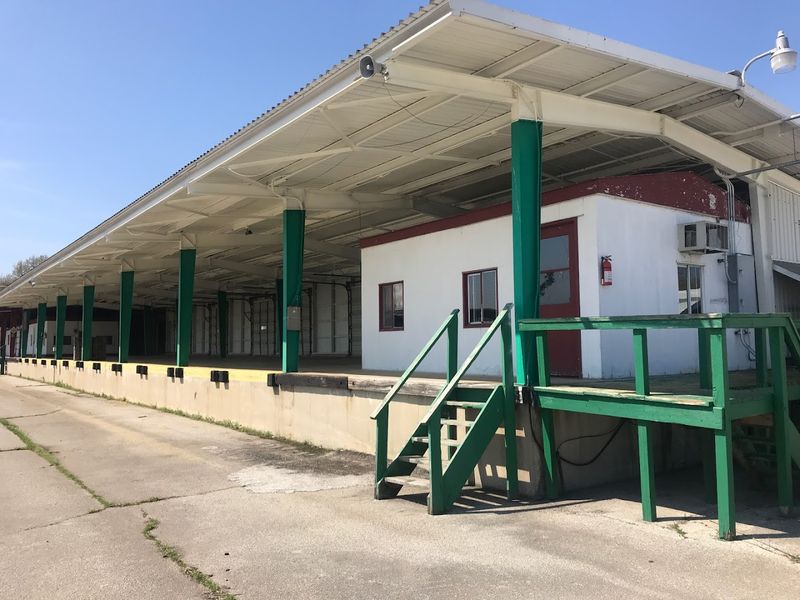
Southwest Michigan is fruit country — peaches, blueberries, cherries, apples, and strawberries grow in abundance thanks to the moderating effect of Lake Michigan. The Benton Harbor Fruit Market sits right in the heart of that agricultural richness, serving as a direct pipeline between area growers and hungry shoppers.
For anyone who has ever bitten into a peach so ripe it drips down their wrist, this is the place to find that experience.
The market has operated as a wholesale and retail hub for the region’s fruit industry for generations. During peak season, the energy here is electric — farmers pulling in with loaded trucks, buyers negotiating prices, and everyday shoppers filling bags with the freshest produce available anywhere in the state.
It’s not a curated boutique experience; it’s real, working commerce at its most honest.
Beyond fruit, the market carries vegetables, bulk goods, and seasonal items that reflect what’s actually growing nearby. Prices tend to be lower than standard grocery stores because the supply chain is so short.
You’re often buying directly from the farmer or from someone who bought it from the farmer that same morning.
The Benton Harbor area has faced significant economic challenges over the years, and the fruit market represents one of the region’s enduring strengths — its agricultural heritage. Shopping here is a small but meaningful way to support that tradition and the farming families who keep it alive.
First-timers are sometimes surprised by the scale and the pace. This isn’t a leisurely browse — it’s a bustling, purposeful market that moves at the speed of harvest.
Come with a cooler, come hungry, and come ready to buy more than you planned. You will not regret it.
7. Ypsilanti Food Co-op
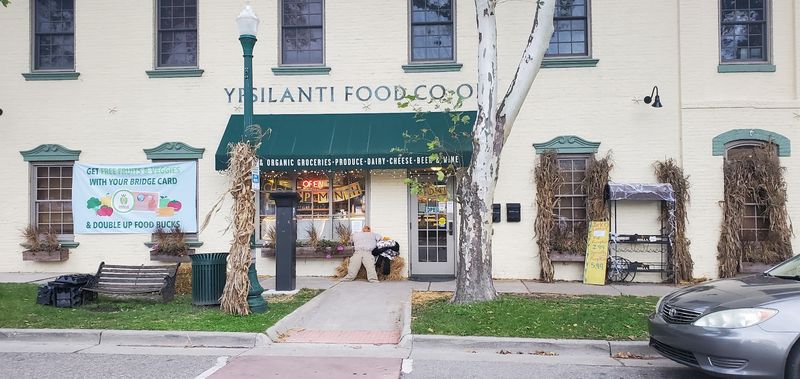
Community ownership changes everything about how a store operates. The Ypsilanti Food Co-op is owned by its members — real people from the Ypsilanti area who each have a stake in how the store runs, what it sells, and how it treats its workers.
That structure creates an accountability that no corporate grocery chain can match, and it shows in every aspect of the shopping experience.
The co-op prioritizes organic, locally sourced, and ethically produced food. You won’t find products here just because they’re cheap or popular — items earn shelf space by meeting standards that the membership actually cares about.
That means the selection is intentional rather than exhaustive, which sounds limiting but actually makes shopping easier and more satisfying.
Bulk bins are a highlight, letting shoppers buy exactly the amount they need of everything from quinoa to nutritional yeast to dried herbs. This reduces waste and keeps costs manageable, which matters in a community like Ypsilanti where economic diversity is real and access to quality food is a genuine concern.
The co-op takes food justice seriously, not just as a slogan but as a guiding principle.
Non-members are welcome to shop, though members receive discounts and voting rights on co-op decisions. Joining is affordable, and many shoppers find that the savings add up quickly enough to make membership worthwhile.
More than that, membership feels like belonging to something with actual meaning.
Ypsilanti doesn’t always get the food-scene attention that nearby Ann Arbor does, but the co-op is a strong argument for paying closer attention. It represents what a grocery store can be when profit isn’t the only thing driving decisions.
Shopping here feels like an act of community rather than just an errand.
8. Horrocks Farm Market
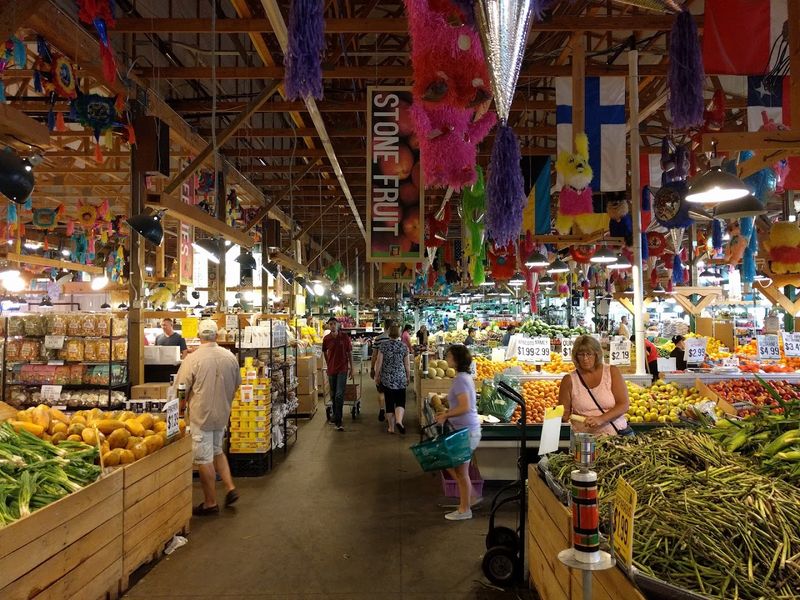
Horrocks Farm Market in Lansing is the kind of place that turns a grocery run into an actual event. The store is enormous, but it doesn’t feel cold or impersonal the way big-box stores often do.
Instead, the sheer abundance of fresh produce, flowers, specialty foods, and Michigan-made products creates an atmosphere that’s genuinely exciting to walk through. First-time visitors often spend twice as long as they planned, and nobody seems to mind.
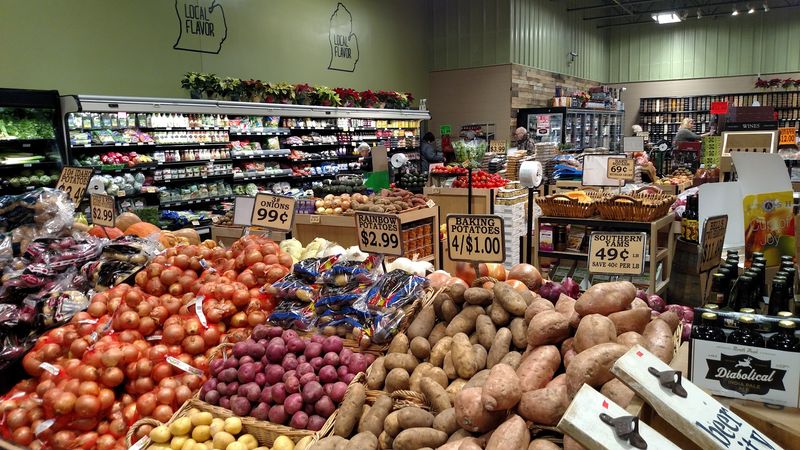
The produce section alone is a spectacle. Towers of seasonal fruits and vegetables, much of it sourced locally when Michigan’s growing season allows, fill the space with color and fragrance.
The floral department is equally impressive, drawing in shoppers who came for groceries and leave with a bouquet they didn’t plan on buying but absolutely needed.
Horrocks also carries a wide range of specialty and international foods, making it a destination for home cooks who want ingredients beyond the standard grocery store lineup. Hard-to-find cheeses, imported pantry staples, and artisan products share space with everyday essentials, so one trip can cover an enormous range of needs.
The prepared foods and deli sections are worth special attention. Hot foods, fresh-made salads, and grab-and-go items make Horrocks practical for busy weeknights, not just weekend cooking projects.
Lansing locals have built entire meal routines around what’s available here on any given day.
What keeps Horrocks in the landmark category isn’t just the selection — it’s the energy. There’s a buzz in that building that reflects how much the community values it.
Lansing has changed a lot over the decades, but Horrocks has remained a constant source of pride for the city and a genuine pleasure to visit.
9. Super One Foods, Iron River
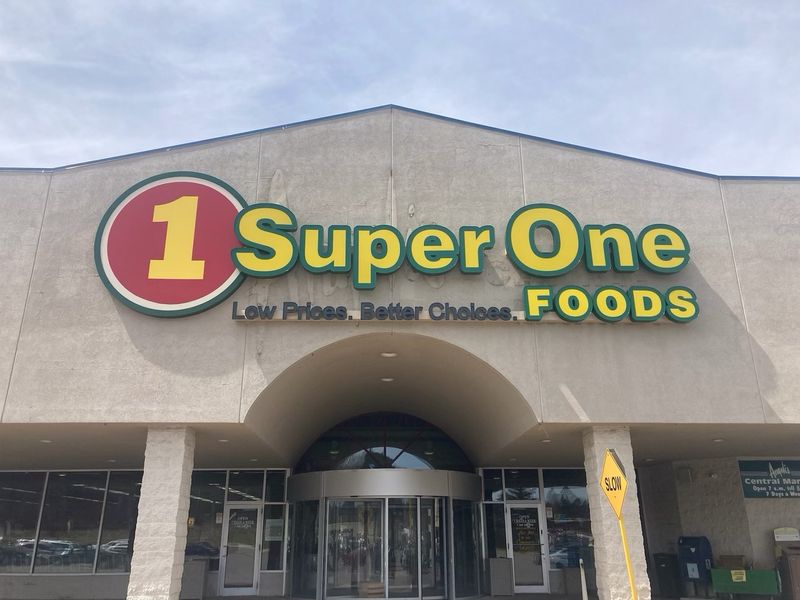
Iron River sits deep in Michigan’s Upper Peninsula, where winters are brutal, the nearest big city feels impossibly far away, and community bonds run exceptionally tight. In a town like this, a well-stocked, reliable grocery store isn’t a convenience — it’s a lifeline.
Super One Foods fills that role with a dedication that earns it a place in the daily lives of nearly everyone in the area.
The store carries a full range of groceries, fresh meat, produce, deli items, and household goods that would be expected at any regional supermarket. But in the context of the U.P., where driving 60 or 70 miles for specialty items is not unusual, having all of that available locally is genuinely significant.
Super One doesn’t just serve Iron River — it anchors the surrounding rural communities that depend on it.
The staff tend to reflect the character of the region: hardworking, unpretentious, and friendly in that specific U.P. way that feels earned rather than trained. Regulars are greeted by name, and new faces are welcomed without fanfare.
That kind of social warmth is part of what makes a rural grocery store feel like more than just a place to buy food.
Super One Foods operates across the Upper Midwest, but the Iron River location has taken on a personality shaped by its setting. The store stocks items that reflect local tastes and traditions — hunting and fishing season bring their own shifts in what’s featured and what flies off the shelves fastest.
In a region where isolation can be a real challenge, places that bring people together matter enormously. Super One Foods in Iron River does that every single day, making it far more than a grocery store in the eyes of the community it serves.
Share this story