Colorado has a habit of hiding its best surprises just beyond the places everyone already knows. Take a wrong turn on purpose, follow a lesser-known highway, or pull over at a spot that barely made the guidebooks, and the state starts showing a very different side of itself.
Strange castles rise from the forest, forgotten mining towns cling to mountain slopes, and odd roadside attractions appear where you would least expect them. These destinations are not chasing crowds or postcard fame. They earn their appeal through curiosity, character, and the feeling that you have discovered something for yourself. That alone makes them worth the detour.
1. Paint Mines Interpretive Park (Calhan)
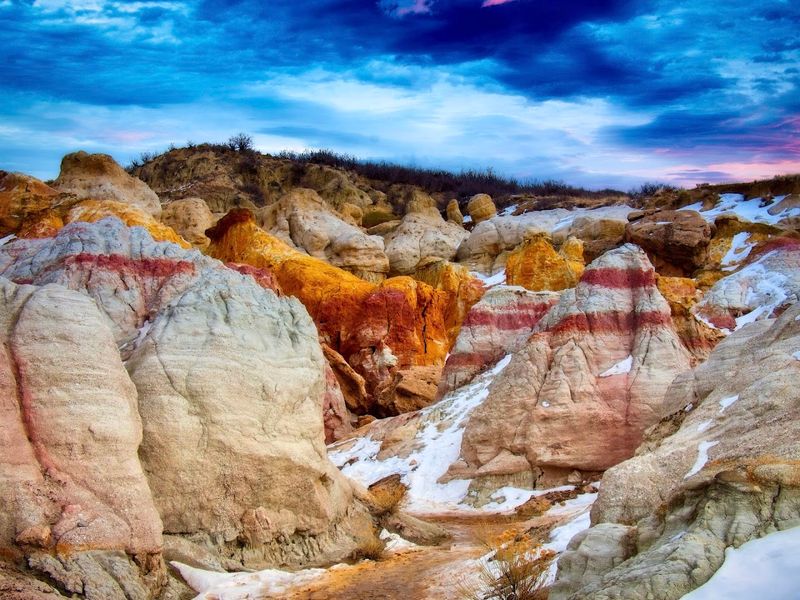
Out on the plains near Calhan, Paint Mines Interpretive Park scrambles expectations in the best way. Instead of alpine lakes or pine forests, you get rippling bands of pink, orange, white, and pale lavender earth curling through shallow gullies.
The color palette looks almost edited, especially when sunlight slides across the clay and sharpens every fold, spire, and rounded hoodoo.
The park is easy to underestimate on a map, which is part of its advantage. You arrive expecting a quick stop, then end up slowing down on the trails because every bend reveals a different pattern in the ground.
Some formations look smooth and sculpted, others look cracked and fragile, and the open prairie around them only makes the contrast more striking.
This is a place for lingering, not rushing. A short walk can turn into a long stretch of stopping for photos, scanning the layered walls, and noticing how the colors shift from bright to muted depending on clouds, season, and time of day.
Early and late light tend to add more depth, while midday brings out the chalky intensity of the pale clay. There is also a refreshing sense of scale here. The landscape does not overwhelm with huge peaks or dramatic drop offs, yet it keeps pulling your attention downward to textures, lines, and quiet details.
That makes it especially appealing if crowded overlooks and busy trailheads have lost their charm. Paint Mines works best as a reminder that Colorado is wider and weirder than its stereotypes.
You come for unusual geology, but the real reward is how completely the scenery breaks from the mountain-state script. For a destination that still slips past plenty of locals, this one leaves an outsized impression.
2. UFO Watchtower (Hooper)
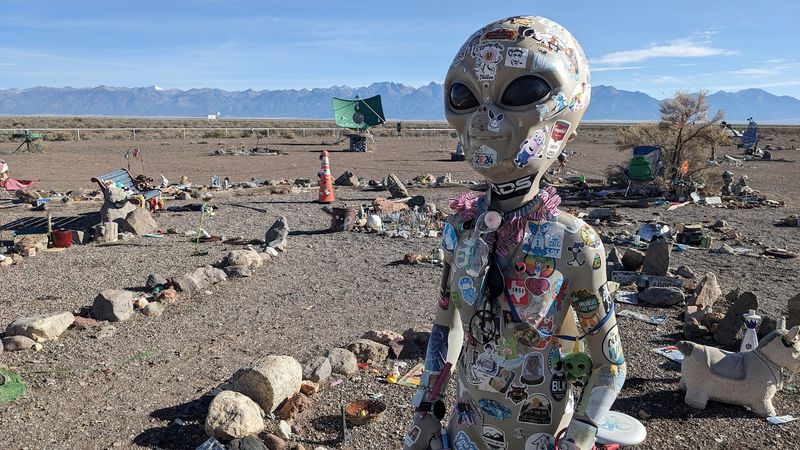
The UFO Watchtower in Hooper is one of those roadside stops that knows exactly how odd it is, and leans into that charm without apology. Set in the broad, open San Luis Valley, it pairs big-sky views with alien lore, handmade tributes, and a playful sense of mystery.
Whether you arrive as a believer, a skeptic, or just someone chasing unusual places, the setup is immediately entertaining.
The observation deck gives the whole experience a slightly theatrical edge. You climb up, look out across the huge valley, and understand why this landscape feeds stories about unexplained lights and strange encounters.
The openness matters here – distant mountains, long horizons, and dark night skies can make almost anything in the distance seem possible for a second.
Back on the ground, the details keep the stop from being just a novelty photo op. There is alien-themed memorabilia, curious objects, and a collection of messages and offerings that turns the property into part folk shrine, part conversation starter.
Even visitors who roll in laughing usually end up lingering longer than expected, reading signs, comparing theories, and taking in the wonderfully offbeat energy.
What lands best is the mix of sincerity and humor. Nothing about the place demands that you agree with its mythology, but it clearly invites you to enjoy the story.
That balance makes it accessible, especially for road trippers who want something memorable without needing a packed schedule or a long hike.
Colorado has plenty of scenic stops, but not many that combine valley panoramas with extraterrestrial flair. The UFO Watchtower earns its cult status because it is specific, unapologetic, and impossible to confuse with anywhere else. Even a brief visit can add exactly the right kind of weird to a San Luis Valley drive.
3. Bishop Castle (Rye)
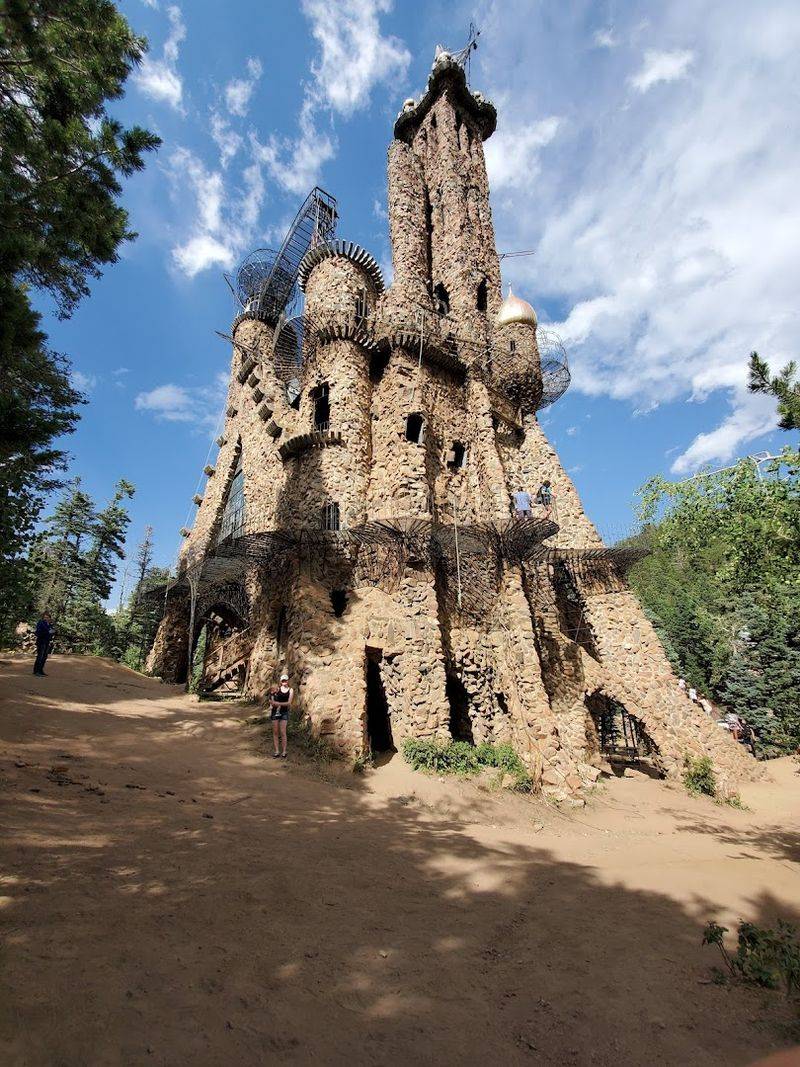
Bishop Castle does not ease you in. It rises above the trees near Rye in a tangle of stonework, iron, bridges, towers, and improbable ambition, looking less like a roadside attraction and more like a private fantasy that kept growing.
The fact that it was built almost entirely by one man gives every staircase and turret an extra layer of disbelief. Up close, the place is even more absorbing. You notice stained glass catching the light, narrow passages curling upward, and elevated walkways that reveal new angles with every turn.
The design does not read like a polished historic estate or a theme park replica – it reads like pure drive, where imagination kept outrunning the original plan.
That evolving quality is part of the appeal. Bishop Castle feels alive in a way many attractions do not, because it carries the visible marks of persistence, experimentation, and stubborn creativity.
One section looks medieval, another industrial, and then suddenly a fire-breathing dragon enters the picture and resets your expectations all over again.
There is also a thrill to simply moving through the structure. The winding stairs and high perches make you pay attention, while the surrounding mountain setting adds a dramatic backdrop without stealing focus.
Every level invites a different reaction – curiosity, amusement, admiration, or a brief pause to process how any of this became real.
Colorado has no shortage of scenic drives and old towns, but Bishop Castle delivers something rarer: a destination with a strong point of view. It is eccentric, handcrafted, and impossible to reduce to a single quick description.
For travelers tired of predictable stops, this place offers the kind of memorable strangeness that usually becomes the standout story from the whole trip.
4. Rifle Falls State Park (Rifle)
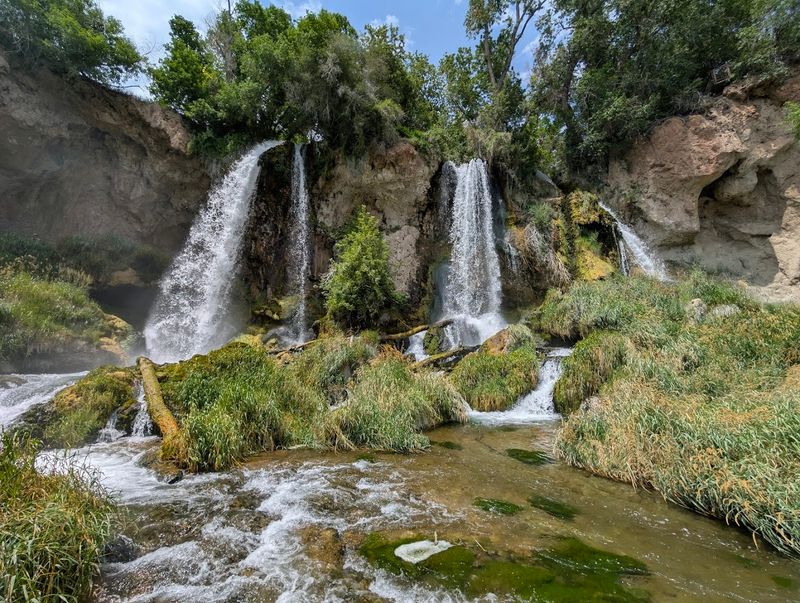
Rifle Falls State Park packs an unusual amount of scenery into a compact space, which is exactly why it catches people off guard. Tucked into a limestone canyon near Rifle, the park centers on a triple waterfall that drops in bright, silky ribbons into a surprisingly green pocket of shade and spray.
In a state full of grand vistas, this one wins with intimacy and texture. The setting changes the mood immediately. Moss clings to rock walls, moisture cools the air, and the sound of moving water folds through the canyon in a steady rush that drowns out road noise and everyday mental clutter.
It feels lush in a way many Colorado landscapes do not, especially if your recent stops have been dry trails, open overlooks, and sun-baked terrain.
One of the best parts is how much there is to notice beyond the main cascade. Small caves, layered rock, short trails, and pockets of vegetation give the park a slightly secretive character, encouraging slow wandering instead of a quick snap-and-go visit.
Wildlife sightings can add to that quiet sense of activity, with the whole area seeming busier than it first appears. Because the park is relatively small, it works well for travelers who want a high reward without committing to a huge outing.
You can settle in near the falls, wander the paths, and still leave with the sense that you found a place many people rush past. That makes it especially appealing on a road trip when time is limited but curiosity is not.
Rifle Falls stands apart by trading scale for density. Rather than one giant landmark surrounded by empty space, it offers layered detail in every direction – water, stone, greenery, caves, and canyon walls all compressed into a compact scene. For an underrated Colorado stop, that combination is hard to beat.
5. Strawberry Park Hot Springs (Steamboat Springs)
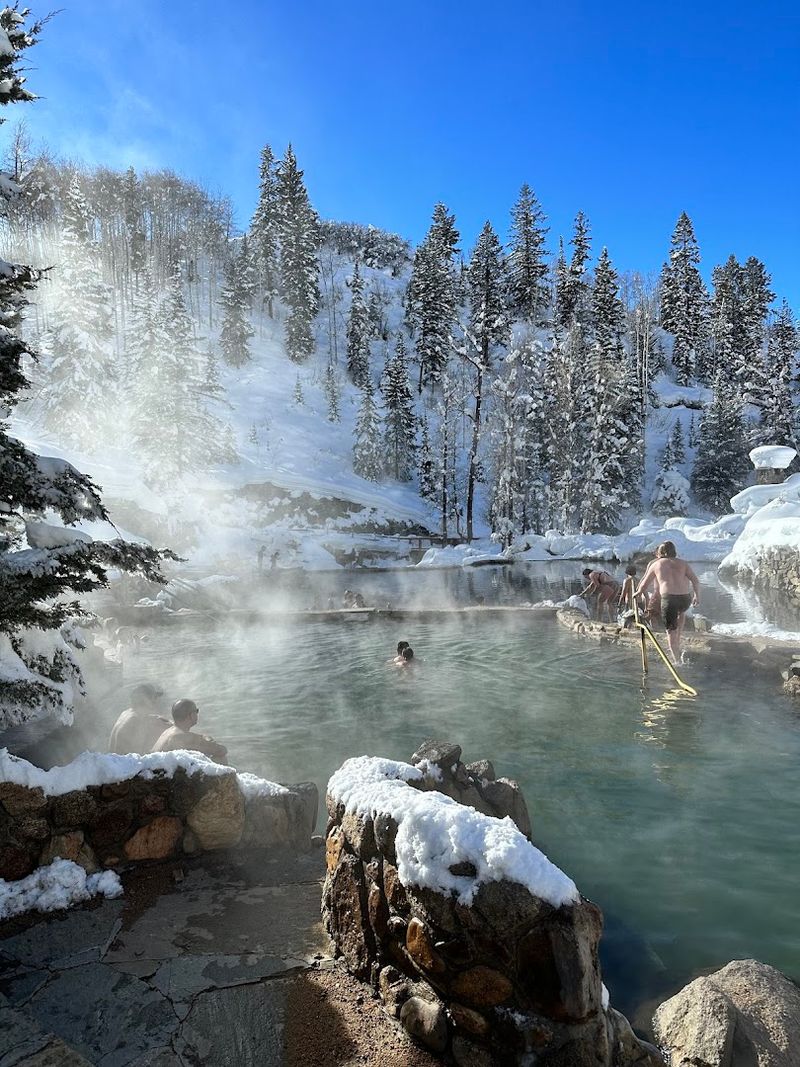
Strawberry Park Hot Springs sits outside Steamboat Springs with the kind of mountain setting that makes the trip out feel like part of the experience.
Forest, rock, steam, and mineral water come together in a way that reads rustic rather than polished. By the time you reach the pools, the pace has already shifted down a notch.
The layout adds to the appeal. Instead of one standard soaking area, you get a series of pools tucked among stone and trees, each with slightly different temperatures, views, and moods.
That variety makes wandering between them part of the ritual, especially when cool air hits your skin between soaks and the steam rolls upward around the surrounding cliffs.
Winter is the season that usually gets the most attention, and it is easy to see why. Snow on the ground, warm water underfoot, and vapor drifting through cold mountain air create a memorable contrast without needing any extra hype.
Even so, the place works beyond snowy postcards because the setting stays grounded, simple, and deeply tied to the landscape around it.
Another reason people remember Strawberry Park is that it does not try to feel overly refined. There is a rough-edged quality to the stonework and natural surroundings that keeps the experience connected to the outdoors instead of turning it into a generic spa day.
That character is exactly what many visitors want after a long drive, a ski day, or a packed weekend in town. Colorado has no shortage of hot springs, but this one earns extra loyalty because the environment does so much of the work.
The pools are relaxing, of course, yet the real draw is the way the entire place slows your attention and narrows it to water, weather, and mountain silence. That combination sticks with you long after the steam clears.
6. Colorado Gators Reptile Park (Mosca)
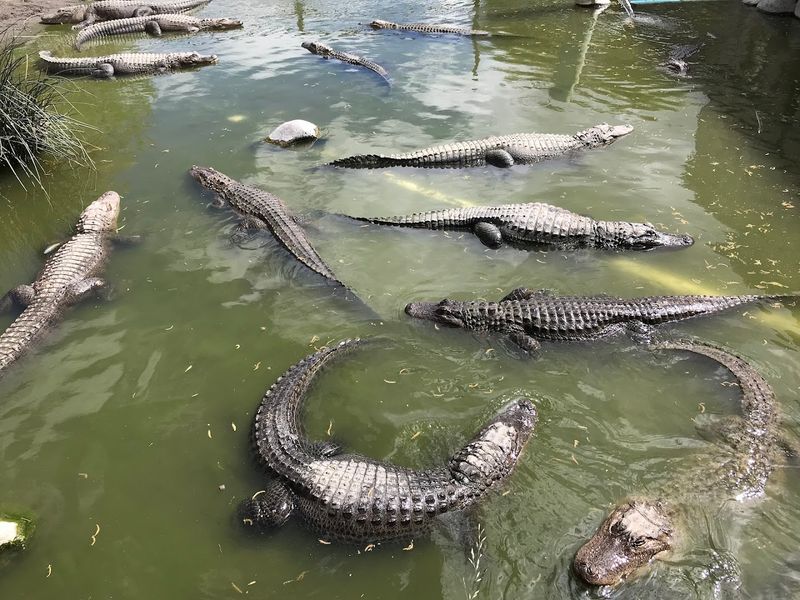
Colorado Gators Reptile Park sounds like a punchline until you pull in and realize the place is very real, very strange, and very entertaining. In the San Luis Valley, where many travelers expect dunes, farms, and open horizons, a reptile park packed with alligators and giant snakes lands as a genuine curveball.
That contrast alone makes it one of the state’s most unexpectedly memorable stops. The appeal starts with sheer improbability. Reptiles that seem more suited to swamps or tropical heat show up against a backdrop of big sky and mountain-ringed valley views, creating a setting that feels delightfully mismatched.
The park’s unusual origin story only adds to the intrigue, giving the visit a layer of practical weirdness instead of manufactured gimmick.
Once inside, the variety keeps the energy moving. You can expect plenty of alligators, crocodiles, and other exotic reptiles, along with the kind of close-up observation that makes scales, teeth, and slow, watchful movement more interesting than many people anticipate.
The experience lands somewhere between educational stop, roadside oddity, and conversation piece you keep bringing up later.
There is also an unpretentious quality here that works in its favor. This is not a sleek urban attraction trying to impress with glossy presentation; it is a quirky place with a very specific identity and enough unusual animals to hold attention across age groups.
Families, road trippers, and curiosity-driven adults all tend to find something to latch onto. In a state known for peaks and powder, Colorado Gators succeeds by being gloriously off-script.
It delivers the kind of surprise that makes travel feel fresh again, especially when you thought you already knew what Colorado was supposed to look like. For anyone building a list around unusual destinations, this one deserves a serious look.
7. Canyons of the Ancients Visitor Center and Museum (Dolores)
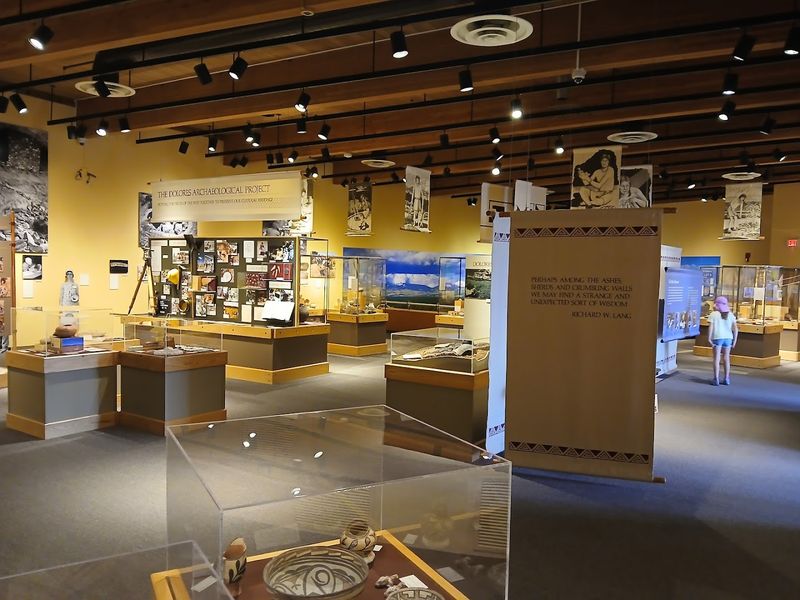
Near Dolores, the Canyons of the Ancients Visitor Center and Museum offers a different kind of Colorado outing – one built around context, culture, and a much longer timeline than the usual road trip checklist.
Instead of rushing toward a scenic overlook, you step into exhibits that frame the surrounding region as a place layered with human history. That shift in focus can be surprisingly grounding.
The museum works well because it gives visitors a starting point rather than trying to overwhelm them. Displays introduce the history and culture associated with the Ancestral Puebloans through artifacts, interpretation, and interactive elements that help connect objects to daily life, movement, and place.
The result is a visit that encourages attention and respect rather than passive browsing. What makes this stop especially useful is how well it pairs with the larger landscape outside.
After spending time in the museum, nearby ancient sites and the broader preserve tend to feel more legible, with details that might otherwise blur together becoming more meaningful. You leave with a stronger sense of why this region matters beyond its dry beauty and broad vistas.
That educational value never has to feel stiff. The best museums create momentum by sending you back into the world with sharper eyes, and this one does exactly that.
It can anchor a day of exploring, break up a longer Southwest Colorado drive, or serve as the main destination for travelers who prefer history and archaeology over crowded recreation hotspots.
Colorado often gets framed through mining towns, ski slopes, and mountain scenery, but this museum points toward a deeper and older story. It adds dimension to the state without asking for theatrics, only a bit of time and curiosity. For travelers who want substance with their sightseeing, this stop earns far more attention than it usually gets.
8. Black Canyon of the Gunnison National Park (Montrose Area)
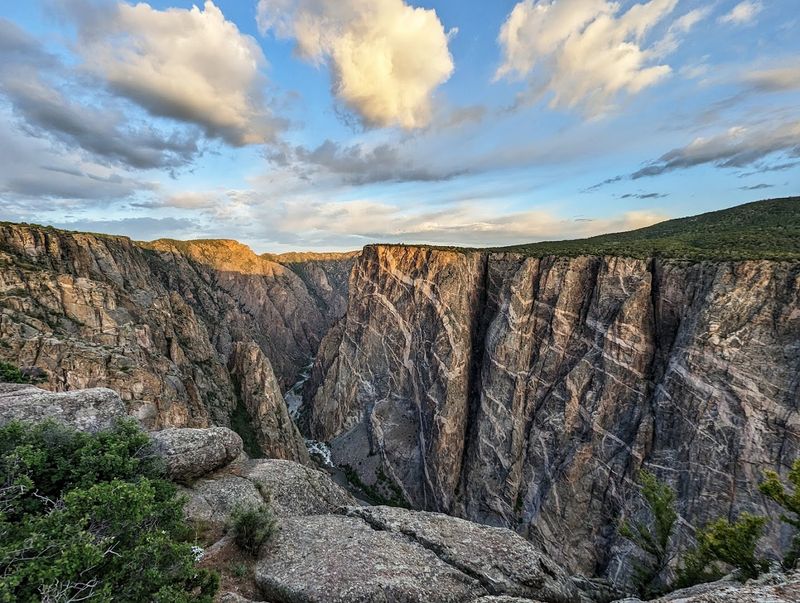
Black Canyon of the Gunnison has national park status, yet it still slips past plenty of Colorado itineraries in favor of louder names. That oversight makes the first overlook even more effective, because the canyon appears suddenly and with almost rude intensity.
The walls plunge steeply, the rock looks dark and severe, and the scale lands with more force than many visitors expect.
This is not a soft, rolling canyon landscape. The appeal comes from stark vertical depth, narrow views to the river below, and cliff faces that look carved for drama rather than comfort.
Light and shadow do a lot of work here, changing the color of the stone throughout the day and making different sections appear almost impossibly steep.
The park also rewards travelers who do not need a packed activity list to stay engaged. Scenic drives, overlooks, and short walks provide enough access to the main spectacle without demanding a huge physical commitment, though the terrain still commands respect.
You can spend a morning or an entire day here and keep finding new angles where the canyon shifts from monumental to almost abstract.
Another advantage is its mood. Compared with busier Colorado icons, Black Canyon often feels more austere and less performative, as if the landscape does not particularly care whether it gets photographed or praised.
That sense of severity gives the park a memorable identity and makes quieter moments at the rim especially powerful.
For travelers who think they have already seen Colorado’s best scenery, this park can be a useful correction. It swaps postcard prettiness for raw geometry, depth, and tension, creating views that stay in your head long after the drive back to Montrose. Underrated may sound strange for a national park, but here it fits better than it should.
9. Ouray Ice Park (Ouray)
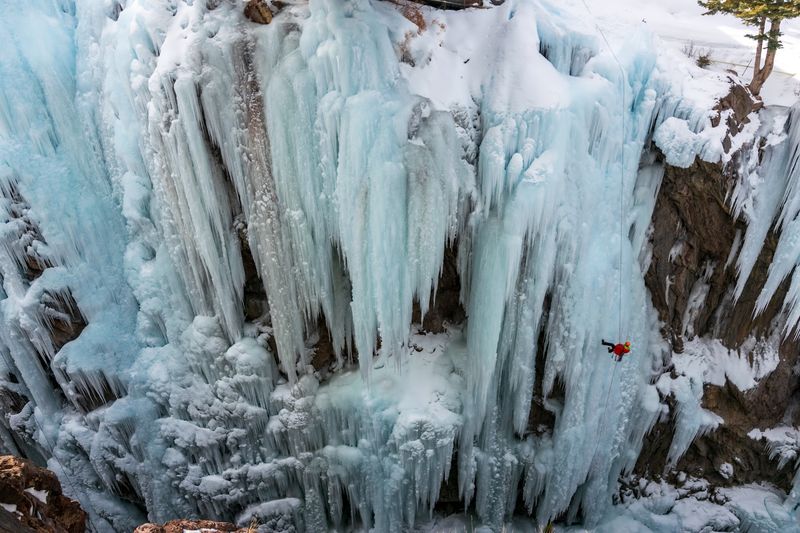
In winter, the narrow gorge outside Ouray turns into a scene so striking it almost seems staged for postcards and climbing films.
Ouray Ice Park fills with towering frozen waterfalls, blue-white walls, and columns of ice stacked along the canyon like a temporary cathedral built by weather. Even if climbing is nowhere on your agenda, the visual impact is immediate.
Part of the appeal is the contrast between the tiny scale of people and the size of the frozen formations. Looking into the gorge, you get a mix of motion and stillness – climbers inching upward while the ice itself appears suspended in a solid, sculpted pause.
The result is dramatic without needing any added narrative. You also do not need specialist knowledge to appreciate the place. The park works simply as a winter sightseeing stop because the canyon becomes so different from the surrounding town and roads.
One minute you are in Ouray’s compact mountain setting, and the next you are staring at walls of frozen water that transform the landscape into something sharper and more surreal.
The setting helps a lot. Ouray already has a reputation for mountain scenery, but the Ice Park adds a seasonal layer that feels more specific than general winter beauty.
Cold air, echoing voices, and the gleam of ice in changing light create an environment that is both athletic and theatrical, even for visitors who stay firmly on the observation side.
Colorado offers many winter attractions, but this one stands out because it is so focused and visually distinct. Rather than broad snowy vistas, you get a concentrated display of texture, scale, and frozen movement in a tight canyon corridor.
For anyone passing through Ouray in the colder months, skipping it would mean missing one of the state’s most unusual seasonal spectacles.
10. National Mining Hall of Fame and Museum (Leadville)
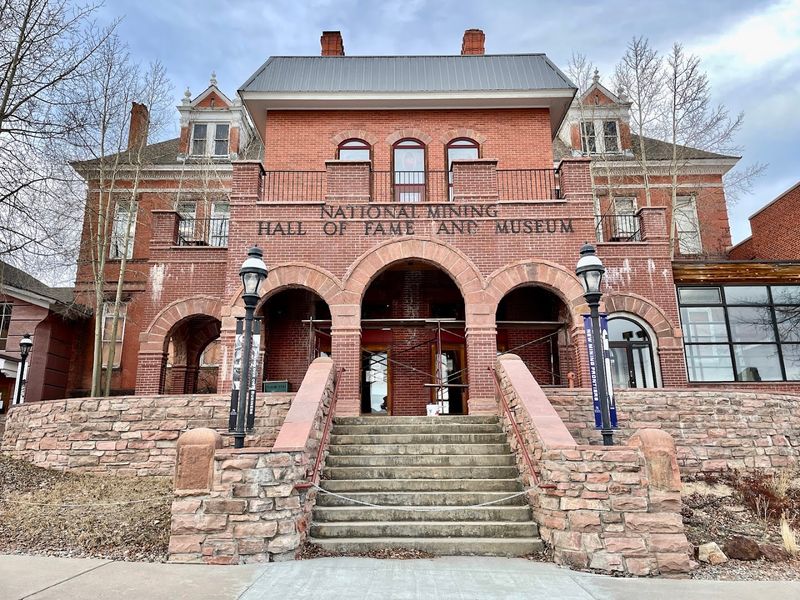
Leadville already has the kind of high-elevation, old-Colorado presence that draws curious travelers, but the National Mining Hall of Fame and Museum adds substance to the setting. This is not the sort of museum you duck into only because the weather changed.
It has enough machinery, history, and underground grit to turn a quick stop into one of the most engaging parts of town.
The subject matter sounds niche until you start moving through the exhibits. Mining shaped landscapes, economies, and entire communities across the West, and the museum makes that story tangible through artifacts, technology, and displays that connect the industry to real people and difficult work.
Once the scale of that influence clicks, the material becomes much easier to stay invested in. One strong advantage is variety. Instead of relying on text panels alone, the museum mixes objects, recreated spaces, and immersive touches that help visitors picture what extraction looked and sounded like below ground.
That practical dimension gives the experience momentum, especially for travelers who want history presented with concrete detail rather than vague nostalgia.
The Leadville location also deepens the visit. In Colorado’s highest incorporated city, mining history does not sit in isolation behind glass; it is tied to the streets, buildings, and broader landscape outside.
That makes the museum an excellent anchor before or after exploring town, because it helps place Leadville’s identity in a larger context.
Even visitors who are not naturally drawn to industrial history often leave surprised by how much they enjoyed it. The museum works because it treats mining as a human story full of risk, invention, ambition, and consequence, not just a parade of tools. Among Colorado’s overlooked attractions, this one delivers far more depth than its modest profile suggests.
11. Cano’s Castle (Antonito)
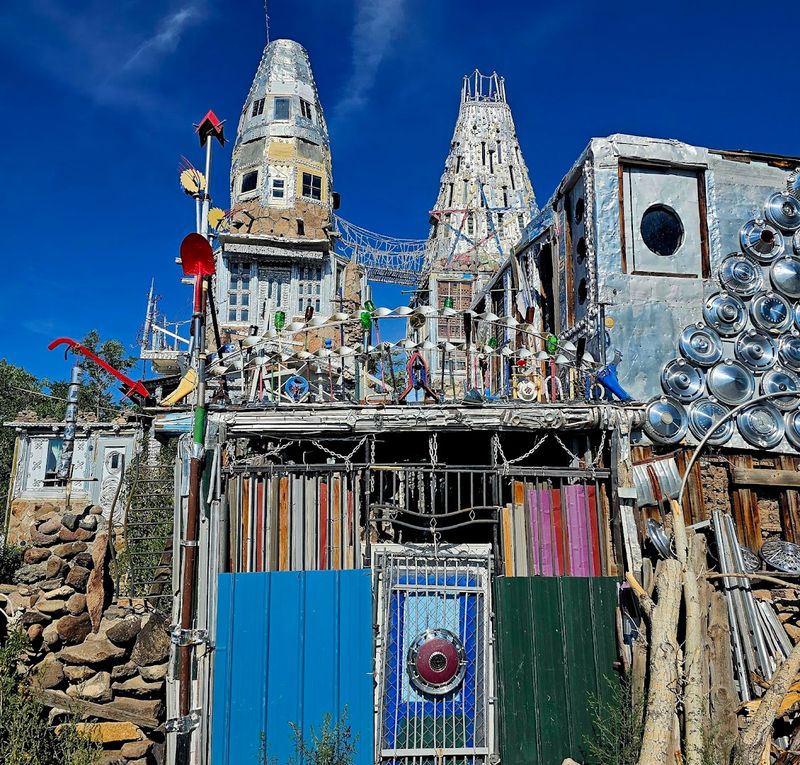
Cano’s Castle is the kind of roadside sight that instantly upgrades a drive. Rising above a quiet Antonito neighborhood, the structure glints with recycled metal, stacked forms, and handmade complexity that looks improvised from a distance and deeply intentional up close.
Beer cans, hubcaps, scrap pieces, and bold vertical shapes come together in a way that is impossible to ignore. The visual effect changes with light, which is part of the fun.
Sun catches the metallic surfaces and turns the whole place into a shimmering landmark, while shadows reveal the layers, attachments, and inventive problem-solving built into the design. It reads as folk art, personal vision, and neighborhood curiosity all at once.
Because the castle is viewable from the roadside, it has an easy, low-pressure appeal. You do not need to commit a whole day, buy special gear, or build a complicated itinerary around it to enjoy the stop.
That accessibility makes it especially good for travelers moving through the San Luis Valley who want a memorable detour without much friction.
There is also a compelling human dimension behind the structure. Created by Vietnam veteran Dominic “Cano” Espinoza, the castle reflects decades of dedication, creativity, and resourcefulness.
Rather than following a blueprint or seeking commercial attention, Espinoza transformed discarded materials into something uniquely his own. Knowing that history adds another layer of appreciation, turning the castle from a visual oddity into a deeply personal work of art.
Colorado has plenty of attractions built around dramatic scenery, but Cano’s Castle succeeds for a different reason. It celebrates imagination, individuality, and the idea that remarkable places do not always require grand budgets or famous designers.
For travelers seeking something unexpected, authentic, and unmistakably Colorado, this gleaming roadside landmark remains one of the state’s most memorable hidden gems.