Pennsylvania rewards the traveler who slows down, looks past the famous skyline views and battlefield stops, and follows the quieter roads into places packed with character. Across the state, you can step into preserved villages, ride historic transportation, wander through remarkable museums, and find natural wonders that somehow still feel like local secrets instead of standard tourist checklist stops.
What makes these destinations special is not just their history or beauty, but the way each one lets you feel close to the people, industries, inventions, and landscapes that shaped the Commonwealth in deeply personal ways. If you want a Pennsylvania trip that feels richer, more surprising, and a lot less predictable, these overlooked spots deserve a place on your list.
1. Old Economy Village, Ambridge, Pennsylvania
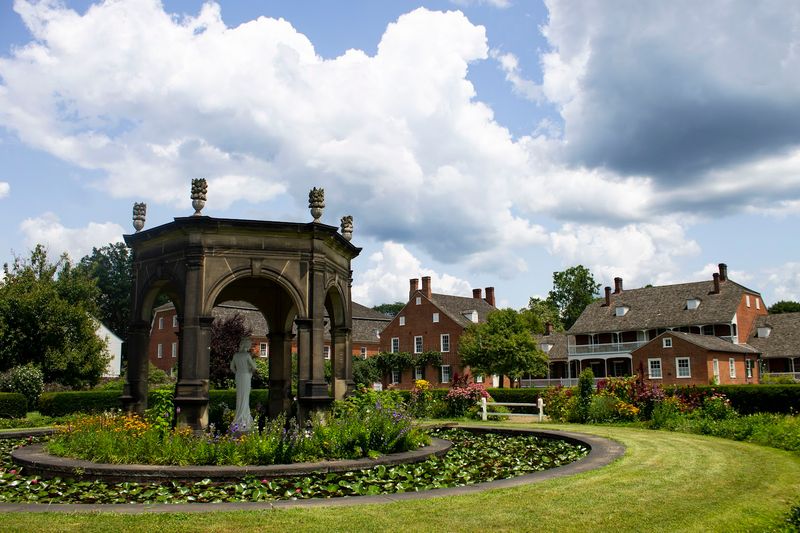
It is easy to drive past this corner of western Pennsylvania without realizing one of the state’s most unusual historic communities is waiting behind its gates.
Once you step inside, you are surrounded by the ordered world of a religious society that valued hard work, craftsmanship, and communal life in ways that still feel striking today.
The preserved buildings, quiet gardens, and workshops make the past feel arranged not as a display, but as a place where daily routines still echo.
You do not need to be deeply interested in theology or utopian movements to enjoy the experience, because Old Economy Village works on a human scale.
You can picture meals being prepared, tools being used, and neighbors moving through the settlement with a strong shared purpose.
That sense of lived history is what makes the site more memorable than many larger attractions that rely on spectacle instead of atmosphere.
What stayed with me most is how the village reveals Pennsylvania as a state built not only by coal, steel, and railroads, but also by idealists.
The Harmony Society left behind architecture, industry, and a social experiment that says a lot about immigration, faith, and ambition in the early United States.
The exhibits connect those ideas clearly, without making the visit feel overly academic or heavy.
If you like historic places that reward curiosity, this stop deserves much more attention than it gets.
Old Economy Village in Ambridge offers a calm, immersive experience that feels both intimate and quietly ambitious.
It is the kind of place where you leave with better questions about how people choose to live together, and that makes it far more than just another preserved property.
2. Railroad Museum of Pennsylvania, Strasburg, Pennsylvania
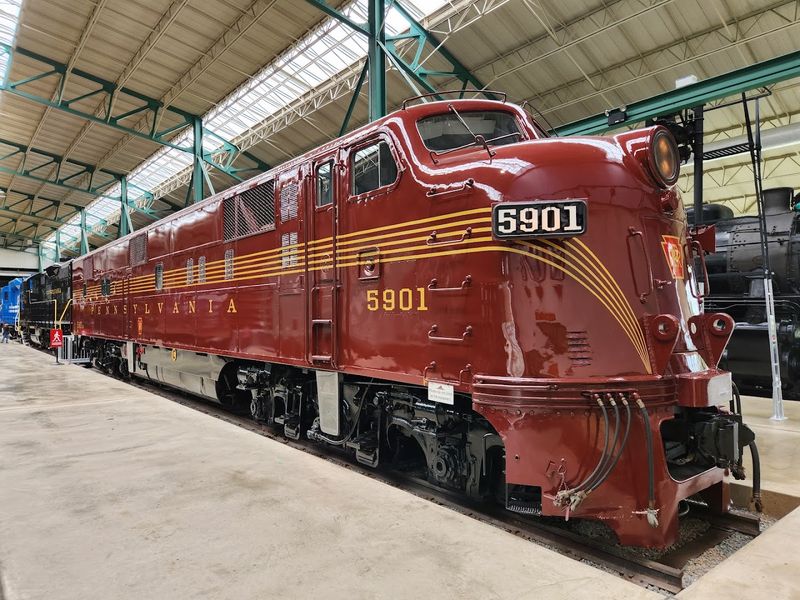
Few places capture the scale of Pennsylvania’s industrial story as immediately as a room filled with towering locomotives.
Standing near these engines, you feel how railroads once shaped distance, commerce, and everyday life across the state.
The sheer size of the collection makes the visit exciting even before you start reading a single interpretive panel.
What makes this museum stand out is the balance between drama and detail.
You can admire the polished metal, study the mechanics, and then connect each train to wider stories about freight, travel, labor, and technological change.
At the Railroad Museum of Pennsylvania, the exhibits make railroad history feel personal rather than abstract, especially if you imagine how many towns rose or faded according to the tracks.
Families tend to love it because there is something instantly understandable about a locomotive, but adults usually leave just as impressed.
You do not need specialist knowledge to appreciate the craftsmanship and power on display, and the museum does a strong job of explaining why Pennsylvania became such an important railroad state.
Located in Strasburg, it also fits beautifully into a day of exploring Lancaster County’s deeper transportation heritage.
This is one of those overlooked attractions that feels much bigger than people expect.
The setting is organized, accessible, and full of visual moments that stay with you long after the visit ends.
If you want a place that combines engineering, history, and a strong sense of Pennsylvania identity, the Railroad Museum of Pennsylvania is an easy recommendation and absolutely deserves more space on travelers’ itineraries.
3. Penn’s Cave and Wildlife Park, Centre Hall, Pennsylvania
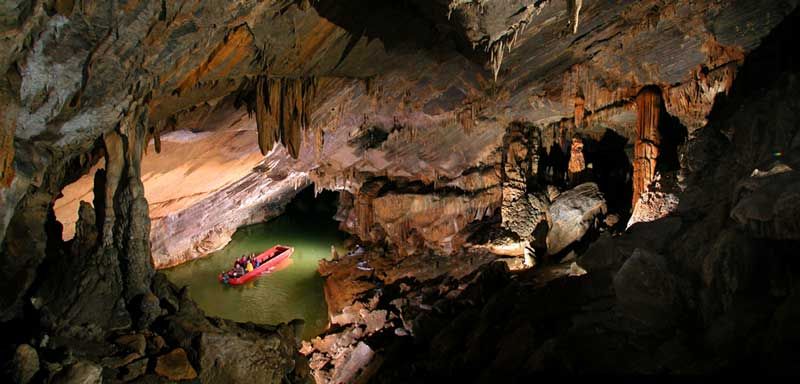
There are not many attractions where your tour begins with a boat gliding into a cave, and that alone makes this destination memorable.
The underground lake, shifting reflections, and cool air create a sense of discovery that feels refreshing in a world of overly polished tourist experiences.
Instead of rushing you past the scenery, the setting invites you to pay attention to the rock formations and the strange calm of the water.
The natural beauty is the headline, but the full experience offers more than a cave ride.
Penn’s Cave and Wildlife Park gives you a chance to pair geology with a broader appreciation for Pennsylvania landscapes and animals in a setting that feels approachable for many kinds of travelers.
Located near Centre Hall, it works especially well if you want a family stop that still feels distinctive and rooted in the state’s natural character.
What I appreciate most is that the attraction does not rely on artificial thrills to hold your attention.
The cave itself is enough, because the story of water shaping stone over long stretches of time never really loses its power when you are moving through that darkness firsthand.
It turns a simple outing into something closer to a reminder that Pennsylvania still has places capable of surprising you.
Too many visitors focus only on the state’s better-known parks or college towns and miss experiences like this entirely.
Penn’s Cave offers a mix of novelty, education, and genuine wonder that is hard to replicate anywhere else in Pennsylvania.
If you are looking for an overlooked stop that feels both scenic and unusual, this one easily earns its place on the list.
4. Glencairn Museum, Bryn Athyn, Pennsylvania
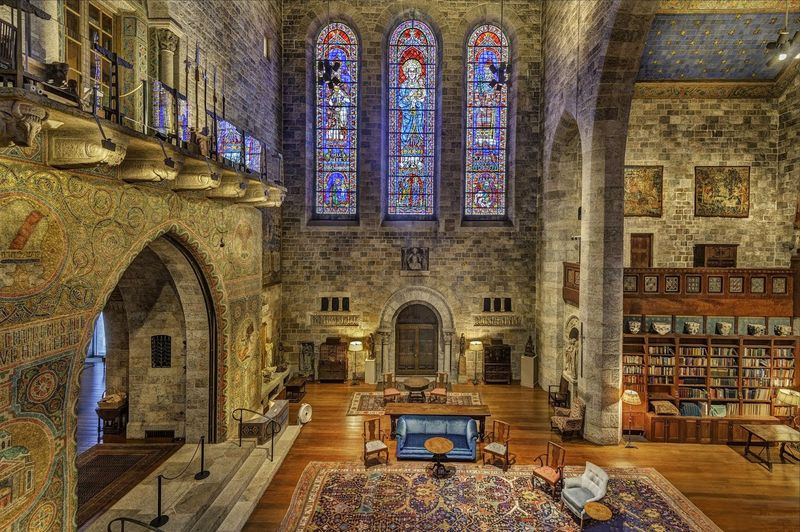
You might expect a small regional museum to offer a brief visit and a few pleasant surprises, but this place goes much further.
Housed in a dramatic stone building with an almost storybook presence, it immediately signals that you are stepping into something richer than a standard local collection.
The architecture sets the mood before the galleries even begin, and that mood carries through the entire experience.
Inside, the focus on religious art and history gives the museum an identity that feels distinctive in Pennsylvania.
Glencairn Museum brings together objects from different cultures and time periods in ways that encourage quiet observation rather than hurried browsing.
Even if you are not usually drawn to religious collections, the craftsmanship, symbolism, and setting make the visit feel layered and surprisingly intimate.
What makes it especially rewarding is its location in Bryn Athyn, a community already shaped by unusual architecture and a strong sense of vision.
That context deepens everything, because the museum becomes part of a broader cultural landscape instead of standing alone as an isolated attraction.
You start to notice how belief, design, and education intersect here in a way that is rare and memorable.
This is the kind of place I would recommend to travelers who want Pennsylvania to feel more textured and less predictable.
Glencairn Museum does not compete through crowds or hype, but through beauty, focus, and an atmosphere that invites you to slow down.
If overlooked destinations are supposed to reward curiosity with something special, this one absolutely delivers and deserves far more recognition than it usually gets.
5. Johnstown Inclined Plane, Johnstown, Pennsylvania
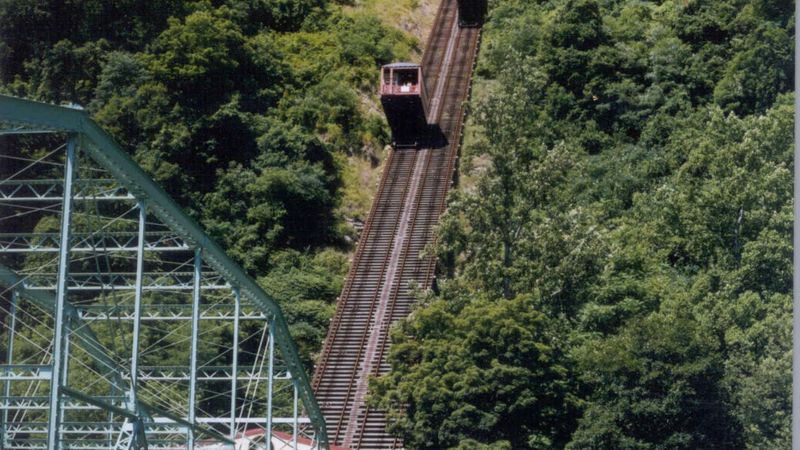
Some attractions become memorable because they tell a story the moment you see them, and this one does exactly that.
Climbing a steep hillside above the city, the structure looks both practical and improbable, like a machine built to solve a very specific problem with unusual confidence.
That first impression matters, because the ride is not just scenic – it is a direct link to Johnstown’s resilience and engineering ingenuity.
The views over the valley are worth the trip on their own, giving you a fuller sense of the city’s geography and why transportation solutions mattered here.
But the Johnstown Inclined Plane carries extra significance because it is tied to the region’s flood history and the daily life of residents who depended on it.
That combination of utility, history, and perspective turns a short ride into something much more meaningful.
You do not have to spend all day here to feel like you have experienced something truly local.
In a state filled with museums and monuments, this attraction stands out because it remains active and tangible rather than purely interpretive.
Located in Johnstown, it offers one of those rare travel moments where history is not behind glass – you actually move through it.
Plenty of tourists know Pennsylvania for its big urban institutions or famous historic districts, but smaller engineering landmarks often get ignored.
The Johnstown Inclined Plane deserves attention because it combines story, function, and unforgettable views in one compact stop.
If you enjoy places that reveal a city’s character quickly and powerfully, this is one of the easiest overlooked gems in the state to appreciate.
6. National Canal Museum, Easton, Pennsylvania
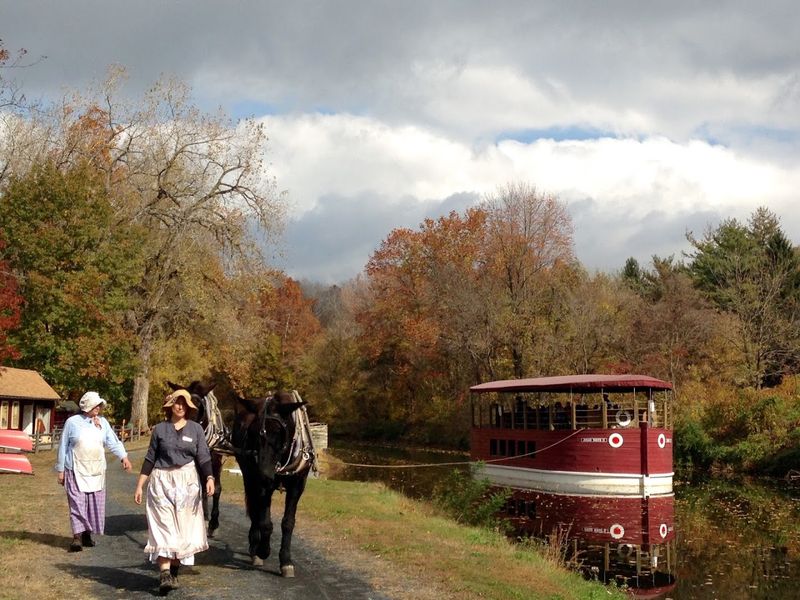
It is easy to forget how much canal systems once mattered until you visit a place that explains their impact clearly and vividly.
Here, transportation history becomes less about dates and more about movement – of goods, workers, ideas, and entire regional economies.
That framing helps you understand Pennsylvania not just as a state with rivers and routes, but as a place built by them.
The National Canal Museum in Easton does an excellent job turning what could be a niche subject into an engaging experience.
Exhibits connect engineering and commerce to ordinary lives, showing how canals changed communities long before highways took over.
If you pair the museum with the surrounding area, the visit becomes even richer because you can sense the physical landscape that made those waterways so important.
What I like about this stop is that it rewards curiosity without demanding expertise.
You can arrive knowing very little about mule-drawn boats, locks, or inland trade and leave with a strong grasp of why canal history still matters.
That kind of accessible storytelling is exactly what overlooked attractions need, because it invites both casual visitors and dedicated history lovers into the same conversation.
Easton already has charm, and this museum adds another layer that many travelers miss while heading elsewhere.
The National Canal Museum may not have the instant fame of larger institutions, but it offers a smart, grounded look at a major chapter in Pennsylvania’s development.
If you want to understand how infrastructure shaped the Commonwealth long before modern travel, this is a rewarding and surprisingly memorable place to start.
7. Eckley Miners’ Village, Eckley, Pennsylvania
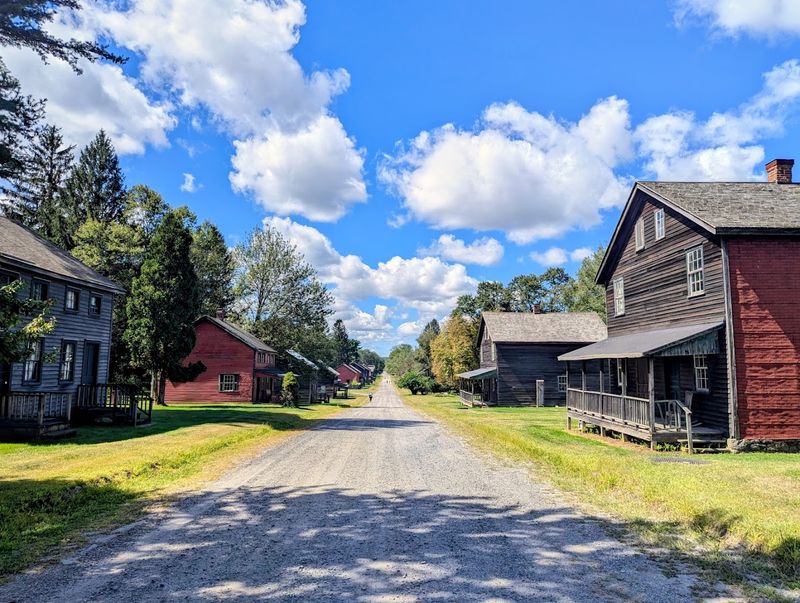
Walking through this village feels like entering a place where the ordinary realities of industrial life have been left visible instead of polished away.
The rows of homes, modest structures, and open layout remind you that coal history was not only about extraction and profit, but also about family life, hardship, and community.
That honesty is what gives the site so much power.
Unlike attractions that romanticize the past, Eckley Miners’ Village presents a more grounded version of Pennsylvania history.
You get a strong sense of how workers lived, how companies shaped daily routines, and how immigrant labor helped define the region.
Located in the northeastern part of the state, it helps connect broad economic history to specific spaces where real people cooked, rested, argued, and built their lives.
The experience works best when you let yourself slow down and notice details.
A doorway, a narrow room, or a stretch of road can say more than a large exhibit text ever could, because the environment itself carries the story.
That is especially true here, where the preserved village creates a quiet kind of immersion that stays with you long after the visit ends.
For travelers interested in understanding Pennsylvania beyond postcard imagery, this stop is essential.
Eckley Miners’ Village deserves more attention because it reveals the human scale of the coal industry with rare clarity and respect.
If you want an overlooked destination that offers atmosphere, social history, and a deeper appreciation for the people who powered the Commonwealth, this is one of the strongest choices on the list.
8. Zippo/Case Museum and Flagship Store, Bradford, Pennsylvania
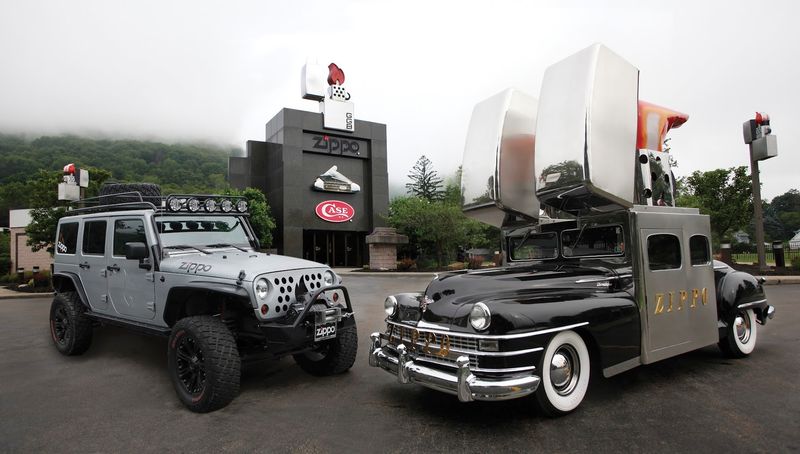
Some of the best overlooked stops are built around things you thought you already understood, then completely reframe them.
A lighter or pocketknife may seem too ordinary to anchor a memorable visit, yet this museum turns those familiar objects into a story about design, manufacturing, branding, and American durability.
By the time you leave, everyday items feel far more culturally interesting than they did when you arrived.
The Zippo/Case Museum and Flagship Store in Bradford succeeds because it mixes industrial history with a sense of personality.
You see how products become icons, how craftsmanship builds loyalty, and how a company can shape the identity of a town over time.
There is also a fun side to the visit, since the displays often tap into nostalgia without feeling shallow or overly commercial.
What I appreciate most is that the attraction feels specifically Pennsylvanian, even though the brands are recognized far beyond the state.
Bradford’s connection to manufacturing becomes tangible through the objects, the stories behind them, and the long continuity of production.
You come away with a better sense of how local industry can create something that reaches into national culture while still remaining rooted in place.
This is exactly the kind of destination many tourists skip because they assume it will be too narrow.
In reality, the Zippo/Case Museum offers a compact but engaging look at invention, craftsmanship, and regional pride that is easy to enjoy.
If you like Americana with substance behind it, this stop deserves a spot on your Pennsylvania itinerary and will likely surprise you more than expected.
9. Indian Echo Caverns, Hummelstown, Pennsylvania
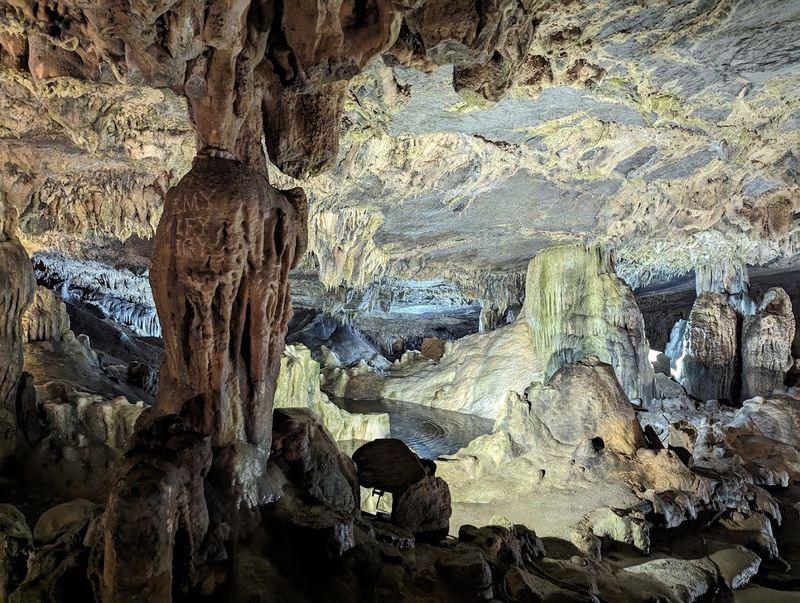
Descending underground changes your pace almost instantly, and that shift is part of the appeal here.
The temperature drops, the light softens, and the strange shapes of stone begin to feel like a separate world hidden beneath ordinary Pennsylvania roads.
It is the kind of experience that reminds you how much beauty can exist out of sight, even in places many travelers pass without a second thought.
Indian Echo Caverns near Hummelstown offers the kind of guided visit that works well for both first timers and returning cave fans.
The formations are dramatic enough to spark curiosity, while the explanations help you understand the long natural processes behind every chamber and surface.
Instead of relying on gimmicks, the attraction lets the cave itself do most of the work, which is exactly the right choice.
What makes this stop especially appealing is its accessibility.
You can fit it into a broader central Pennsylvania itinerary without needing a major detour, yet it still feels distinct from the region’s more famous attractions.
That balance between convenience and genuine wonder is hard to find, and it makes the caverns an easy recommendation for travelers who want something a little different.
Too often, natural attractions that are not massive state parks get pushed aside in travel planning.
Indian Echo Caverns deserves more attention because it offers a memorable underground experience with educational value and a strong sense of place.
If you want Pennsylvania to surprise you with something cool, literal, and visually striking, this overlooked destination is well worth stepping below the surface to explore.
10. Ricketts Glen State Park, Benton, Pennsylvania
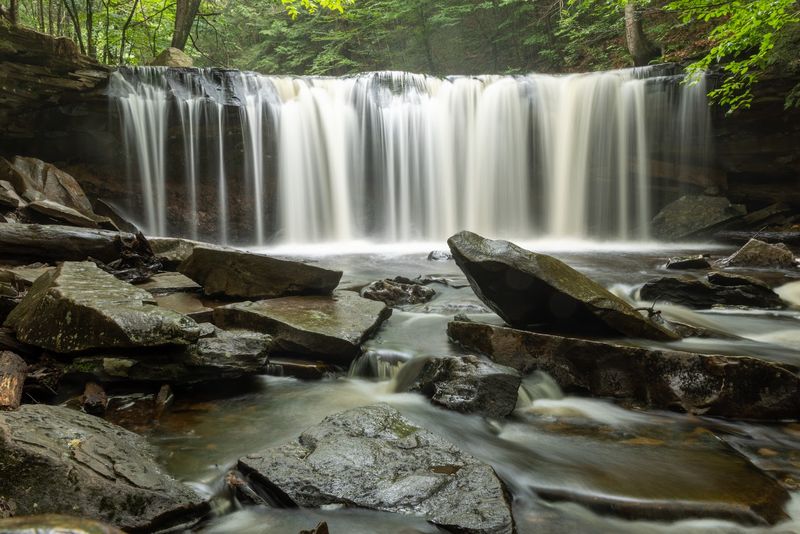
When people talk about Pennsylvania nature, the conversation often stays too broad, as if every scenic area offers the same kind of experience.
This park proves otherwise the moment you reach its waterfall trails and hear rushing water moving through deep forest.
The landscape feels textured, dramatic, and more cinematic than many first time visitors expect from the state.
Ricketts Glen State Park near Benton is best known for its remarkable concentration of waterfalls, and that reputation is fully deserved.
Hiking here gives you a sense of movement and reward, because each turn offers another cascade, another rocky overlook, or another shaded stretch that feels almost primeval.
Even if you are used to beautiful parks, this one stands apart for the sheer rhythm of the scenery.
The experience can be physically demanding, which is part of what makes it so satisfying.
You are not just viewing a landscape from a parking lot – you are moving through it, adjusting to the terrain, and earning those unforgettable views.
That active connection makes the park feel more immersive than many better known scenic stops, especially if you enjoy travel that engages both attention and energy.
It is surprising that a place this striking is still overlooked by so many out of state visitors.
Ricketts Glen deserves a bigger reputation because it showcases Pennsylvania as rugged, lush, and intensely beautiful in ways that challenge easy stereotypes about the Commonwealth.
If you want one natural destination on this list that leaves you genuinely awed, this is probably the strongest candidate.
11. Fonthill Castle, Doylestown, Pennsylvania
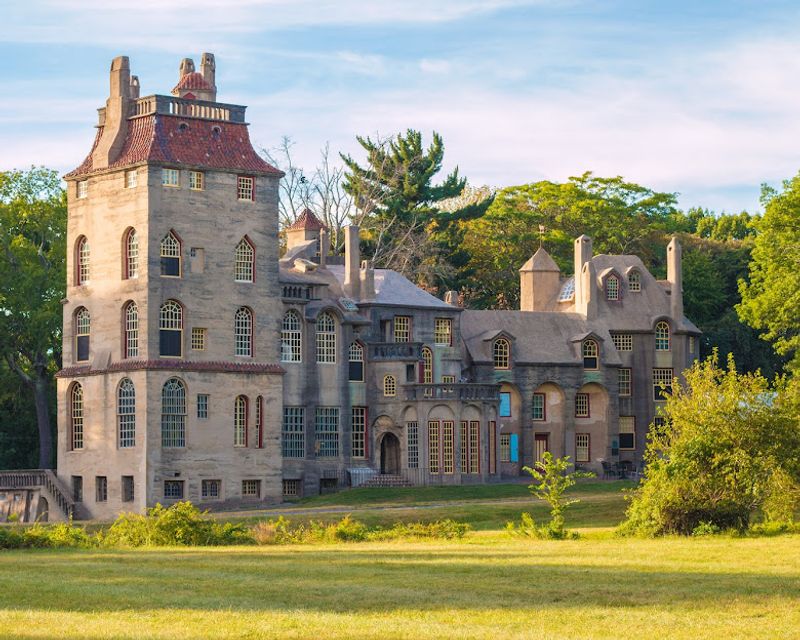
Not every castle needs battlements and medieval origins to feel unforgettable.
This one wins you over through personality, imagination, and a kind of creative eccentricity that is increasingly rare in preserved historic homes.
From the outside alone, you can tell the place was shaped by someone who wanted architecture to express ideas rather than simply follow fashion.
Inside, Fonthill Castle reveals the mind of Henry Mercer in especially vivid ways.
The rooms, decorative tiles, and unusual layout make the house feel more like a three dimensional journal than a conventional residence.
Located in Doylestown, it also connects nicely to the area’s broader cultural landscape, where Mercer’s influence helps give the region one of the most distinctive artistic identities in Pennsylvania.
What makes the experience so enjoyable is that it never feels generic.
You are not walking through another line of elegant parlors with polished furniture and predictable stories about wealth.
Instead, the castle invites you to notice quirks, materials, textures, and handcrafted choices that reflect one person’s intense curiosity and independent spirit.
That individuality is exactly why this site deserves more tourist attention.
Fonthill Castle offers history, architecture, and art in a package that feels playful, thoughtful, and unmistakably local all at once.
If you are drawn to places with strong character rather than broad fame, this stop stands out as one of Pennsylvania’s most rewarding overlooked attractions and will likely leave you thinking about creativity in a whole new way.
12. Pennsylvania Trolley Museum, Washington, Pennsylvania
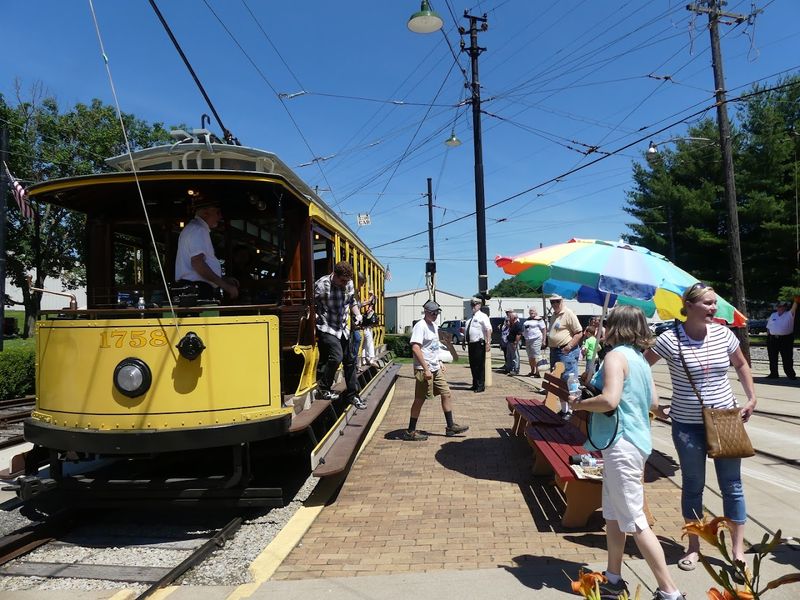
There is something instantly charming about historic streetcars, but this museum offers more than nostalgia.
It shows how everyday transit once shaped communities, routines, and the physical growth of towns in ways many people no longer consider.
That larger perspective gives the visit substance while still keeping it fun and visually engaging.
The Pennsylvania Trolley Museum in Washington lets you get close to beautifully restored trolleys that carry both design appeal and historical weight.
Seeing the craftsmanship, interiors, and signage up close makes public transportation history feel less abstract and much more human.
You start imagining commuters, workers, and families relying on these cars as part of ordinary life, which is exactly the kind of connection great museums encourage.
One of the strongest parts of the experience is how approachable it is.
Even if you have never thought much about transit systems, the museum makes the subject easy to appreciate through the vehicles themselves and the stories around them.
It also helps expand your understanding of Pennsylvania beyond the usual industrial giants by highlighting another form of movement that shaped the Commonwealth.
This is a stop that families, history fans, and transportation enthusiasts can all enjoy without much effort.
The Pennsylvania Trolley Museum deserves more attention because it preserves a piece of urban and suburban history that once touched millions of lives.
If you want an overlooked attraction that feels cheerful, educational, and genuinely connected to the rhythms of past daily life, this museum is a very strong addition to any Pennsylvania trip.
13. Landis Valley Village and Farm Museum, Lancaster, Pennsylvania
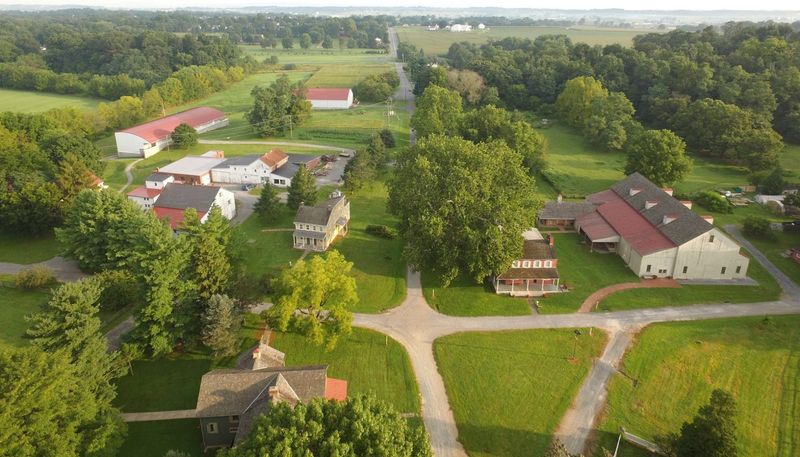
Some places teach history best by letting you wander through it at a natural pace, and this museum does exactly that.
The barns, workshops, fields, and village structures create a setting where rural Pennsylvania feels tangible rather than summarized.
Instead of offering a narrow snapshot, the site gives you a broader sense of how farming, domestic life, and craft traditions shaped the region.
Landis Valley Village and Farm Museum in Lancaster is especially rewarding because it highlights Pennsylvania German culture with care and depth.
You can see how work, foodways, tools, and community traditions fit together across generations.
That bigger cultural picture helps the museum feel alive, especially for visitors who want more than surface level scenery from Lancaster County.
What stays with me most is the rhythm of the place.
You notice how landscape and labor connect, how buildings reflect practical needs, and how local identity grows out of repeated daily habits rather than grand events alone.
The museum makes that connection clear without losing the warmth and accessibility that an open air historic site needs.
Travelers often reduce this part of Pennsylvania to roadside markets and quick scenic drives, which means they miss places with real interpretive value.
Landis Valley deserves more recognition because it offers a thoughtful, grounded look at the agricultural and cultural traditions that helped define the Commonwealth.
If you want a destination that feels peaceful but still rich with insight, this is one of the best overlooked stops in the state.
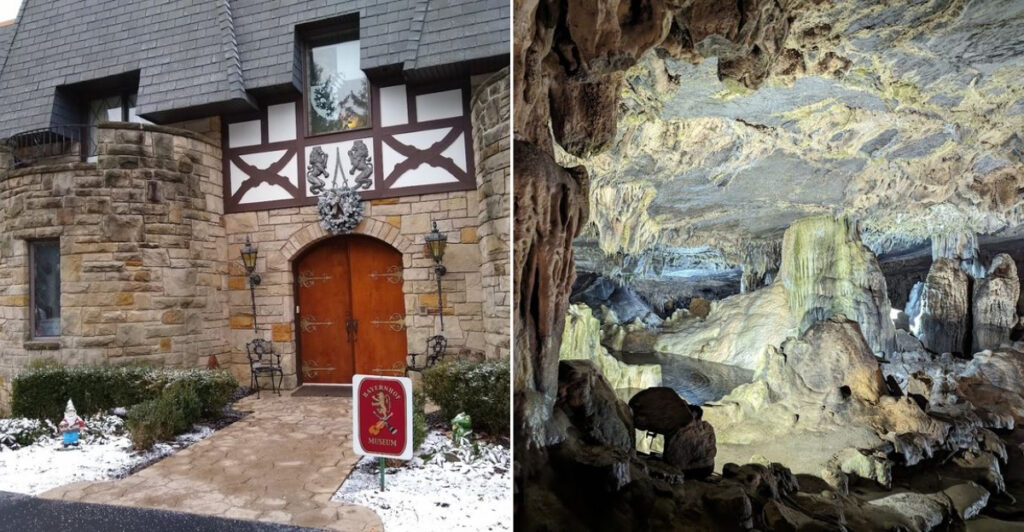
14. Bayernhof Museum, Pittsburgh, Pennsylvania
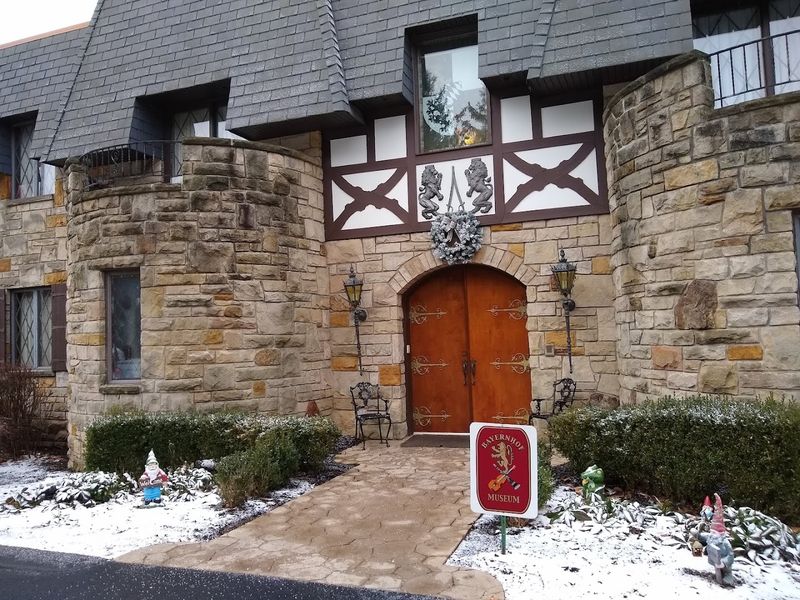
Unexpected places are often the ones you remember longest, and this museum is a perfect example.
Set inside an extraordinary home, it blends architectural drama, personal collecting, and mechanical music into an experience that feels part mansion tour and part cabinet of curiosities.
The result is unlike almost anything else you are likely to visit in Pennsylvania.
Bayernhof Museum in Pittsburgh is best known for its impressive collection of automated musical instruments, and those pieces alone make the visit worthwhile.
Hearing and seeing them in such an unusual setting adds a theatrical quality that standard galleries rarely achieve.
The house itself contributes just as much, with rooms and details that reflect a collector’s imagination in ways that feel delightfully excessive rather than random.
What makes the museum especially compelling is the way it mixes intimacy with surprise.
You are not moving through a huge institution where everything blends together after a while.
Instead, each space feels distinct, and the tour gradually reveals a personality driven by fascination, craftsmanship, and a love of spectacle.
Plenty of visitors to Pittsburgh focus on its major museums and sports culture, leaving room for smaller wonders to slip under the radar.
Bayernhof Museum deserves a bigger audience because it offers something rare: genuine eccentricity supported by historical substance and memorable presentation.
If you enjoy attractions that feel personal, unusual, and impossible to confuse with anywhere else, this overlooked stop should be high on your Pennsylvania list.
15. America On Wheels Museum, Allentown, Pennsylvania
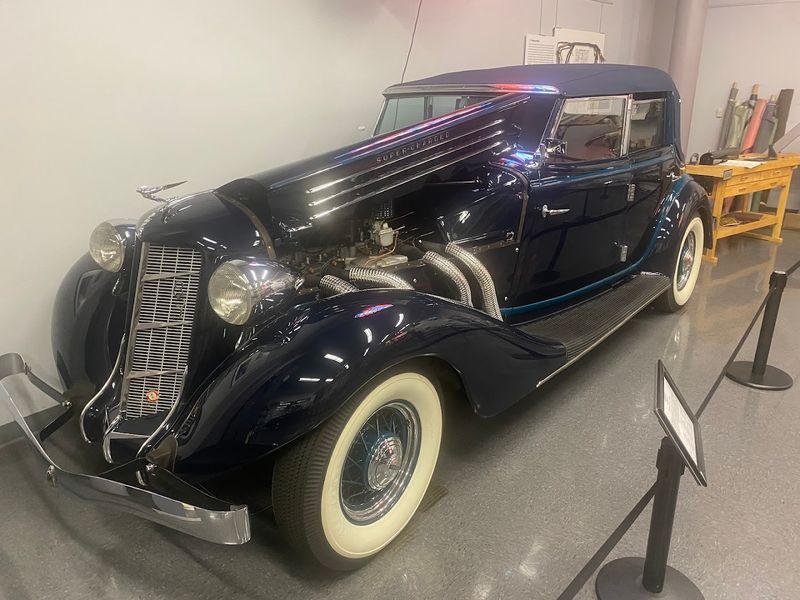
Transportation museums can sometimes blur together, but this one stands out by treating wheels as a gateway to bigger stories.
Cars, trucks, bicycles, and related artifacts become a way to understand mobility, industry, design, and everyday American life.
That broader perspective keeps the visit lively and gives it more depth than a simple lineup of vehicles would provide.
America On Wheels Museum in Allentown does a strong job balancing visual appeal with interpretation.
The polished vehicles draw you in immediately, but the supporting exhibits help explain how transportation changed work, leisure, and the physical shape of communities across Pennsylvania and beyond.
You can appreciate the craftsmanship while also understanding the social changes these machines made possible.
One reason the museum deserves more attention is that it feels welcoming to many different interests at once.
Enthusiasts can focus on technical details and historical models, while casual visitors can simply enjoy the style, scale, and evolution on display.
That flexibility makes it a great stop whether you are traveling with family, exploring the Lehigh Valley, or just looking for something more engaging than expected.
Too many travelers pass through Allentown without realizing it offers attractions with real substance.
America On Wheels is one of the best examples, because it turns motion and machinery into a story about how people lived, connected, and imagined progress.
If you want an overlooked Pennsylvania museum that is easy to enjoy and richer than it first appears, this one absolutely earns a place on your itinerary.