Michigan’s lakeside towns have long been the kind of places where people return summer after summer, drawn by familiar docks, friendly faces, and the smell of sunscreen mixed with fresh lake air. But lately, something has shifted.
Longtime residents and seasonal regulars are noticing changes that go beyond a fresh coat of paint on a storefront — new crowds, rising prices, and a vibe that feels less like home and more like a destination. Here’s a closer look at 11 Michigan lake towns that still hold plenty of charm, but have quietly become something different than what many locals remember.
1. Holland
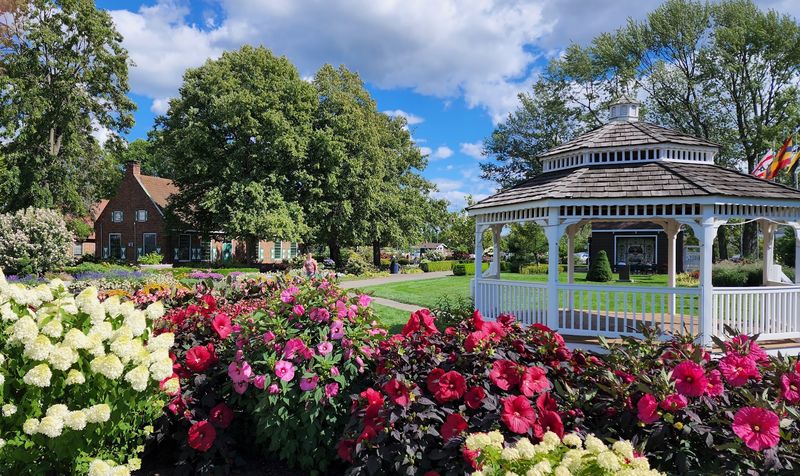
Holland used to be the kind of town where you could grab a fresh pastry from a local bakery, stroll to the lakeshore, and feel like you had the whole place to yourself. That version of Holland still exists in small pockets, but longtime residents will tell you it takes a little more searching to find it these days.
The town’s famous Tulip Time Festival alone draws hundreds of thousands of visitors every spring, and the ripple effects last well beyond the blooms.
Real estate prices have climbed sharply over the past few years, pushing out some of the working-class families who gave the community its grounded character. New restaurants and boutiques have replaced longtime local staples along Eighth Street, and while the options are arguably better on paper, something intangible has been lost in the trade.
Longtime shop owners have quietly packed up and moved on.
The beaches at Holland State Park remain genuinely stunning — the lighthouse, the dunes, the blue water — no amount of tourism can take that away. But parking on a July weekend now requires either an early alarm or serious patience.
Locals have started heading to lesser-known spots just to reclaim a little breathing room. Holland is still beautiful, still worth visiting, and still deeply tied to its Dutch heritage.
It just wears that identity differently now — more for the cameras than for the community that built it.
2. Port Austin
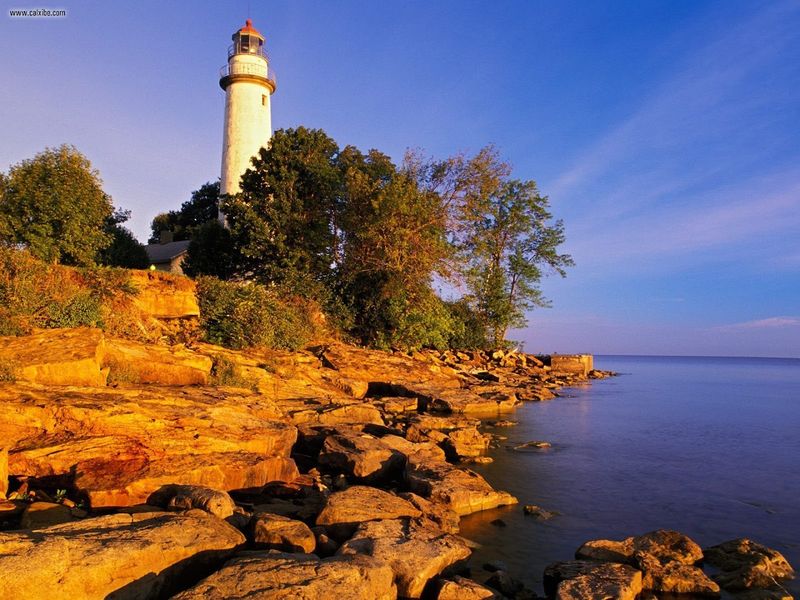
Perched at the very tip of Michigan’s Thumb, Port Austin used to be one of those gloriously under-the-radar spots — the kind of place you’d hear about from a coworker who acted like they were sharing a secret. Small bait shops, a handful of restaurants, and a harbor full of fishing boats defined the town’s laid-back personality for decades.
People came here to unplug, not to be seen.
That quiet reputation started shifting as remote work made small-town living more appealing to urban transplants. Weekend foot traffic picked up noticeably, and with it came new pressure on local housing and services.
Some longtime residents feel the town is caught in an awkward in-between stage — too discovered to feel hidden, but not developed enough to handle the new attention gracefully.
The natural scenery around Port Austin is still extraordinary. Turnip Rock, accessible by kayak, remains one of Michigan’s most photographed geological features, and the surrounding farmland and shoreline haven’t changed.
But the mood in town has. Conversations at local diners have shifted from familiar small talk to debates about short-term rentals and parking.
Some of the fishing families who defined this community for generations have quietly sold their properties at prices they never imagined. Port Austin is still worth the drive up M-25 — the sunsets over Saginaw Bay alone justify the trip.
Just know that the sleepy fishing village energy locals cherished is being renegotiated in real time, and the outcome is still very much up in the air.
3. St. Joseph
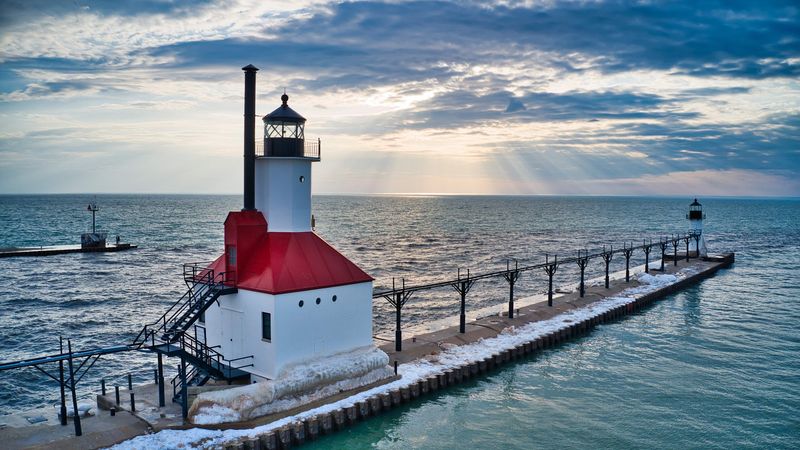
St. Joseph sits on a dramatic bluff above Lake Michigan, and for a long time, that elevated perch felt like a metaphor for the town itself — above the fray, refined without being pretentious, and genuinely proud of its roots. The twin lighthouses, the Silver Beach, the art galleries lining State Street — it all came together in a way that felt earned rather than manufactured.
Longtime visitors described it as Traverse City’s quieter, classier cousin.
Something started tilting in recent years, though. The town’s relative proximity to Chicago has made it an increasingly attractive weekend escape for Illinois day-trippers and second-home buyers, and the market responded accordingly.
Home prices surged, some longtime local businesses gave way to trendier concepts, and Silver Beach — once a leisurely place to spread out a blanket — now feels noticeably more crowded on peak summer weekends.
What St. Joseph has going for it, still, is a genuine sense of civic pride. The downtown is well-maintained, the arts community remains active, and the food scene has actually improved with the new energy.
But locals who remember quieter summers talk about the shift with a mix of pride and wistfulness. The town got noticed, which is what many small communities dream of — and then discovered that being noticed comes with its own complications.
Silver Beach Carousel still delights kids of all ages, and the sunsets over the lake are as dramatic as ever. St. Joseph hasn’t lost its soul, but it’s working harder to hold onto it than it used to, and the residents navigating that balancing act deserve a lot of credit.
4. Caseville
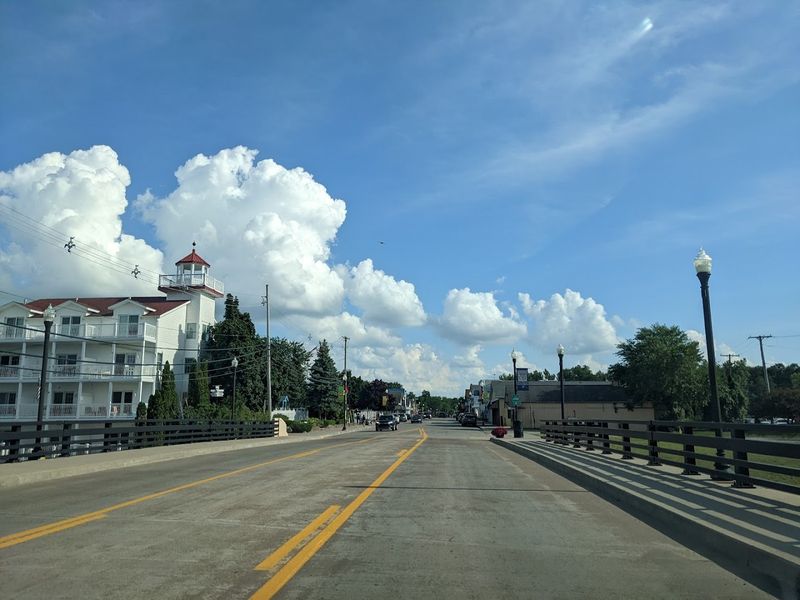
Every August, Caseville transforms into something completely unrecognizable to the locals who call it home the other eleven months of the year. The Cheeseburger in Caseville festival — a beloved, slightly absurd celebration inspired by a Jimmy Buffett song — draws tens of thousands of visitors to this small Thumb town, turning its normally sleepy streets into a sea of Hawaiian shirts and lawn chairs.
It is, by almost any measure, a ridiculous and wonderful event.
But the festival is just the most visible symptom of a broader shift. Caseville’s affordability made it a popular destination for working-class Michigan families for generations — a place where you didn’t need a big budget to enjoy a week on the water.
Increasingly, that affordability is eroding. Vacation rental platforms have reshaped the housing market, and properties that once sat modestly on the market now command prices that price out the families who built the town’s community fabric.
The beach at Caseville County Park is still one of the nicest stretches of sand on Saginaw Bay, and the sunsets here have a warm, amber quality that photographers love. The town retains a scrappy, unpretentious spirit that resists over-polishing, which is part of why people keep coming back.
Year-round residents, though, are increasingly vocal about feeling like supporting characters in their own town — present for the off-season maintenance but sidelined during the months when the real money moves through. Caseville hasn’t turned into a glossy resort town, not even close.
But the gap between what it was and what it’s becoming is wider than it looks from the outside, and the people who live it every day feel that gap keenly.
5. Petoskey / Bay Harbor
Petoskey has long carried a certain literary mystique — Ernest Hemingway spent formative summers in this part of northern Michigan, and the town has worn that connection with quiet confidence ever since. The gaslight district, the Petoskey stones along the beach, the proximity to Little Traverse Bay — it all added up to a town that felt cultured without being cold.
Then Bay Harbor arrived next door, and the dynamic of the entire area began to shift.
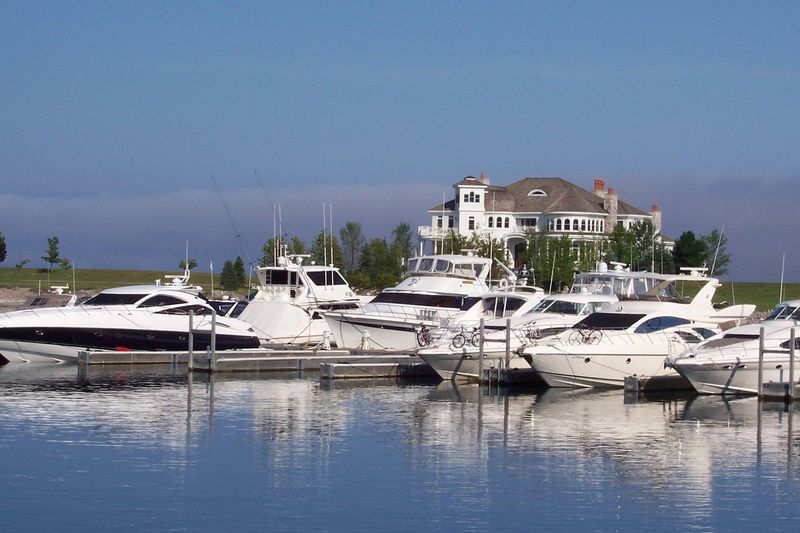
Bay Harbor, developed in the 1990s on a former industrial site along the lakeshore, brought a level of luxury to this stretch of northern Michigan that changed what the region signals to the outside world. Yacht clubs, high-end boutiques, and resort condominiums created a new gravitational center that pulled the area’s identity upmarket in ways that not everyone welcomed.
The gap between Bay Harbor’s polished waterfront and the more modest neighborhoods of Petoskey proper became increasingly hard to ignore.
Long-term Petoskey residents talk about the shift with complicated feelings. Property values have risen dramatically, which is good news on paper but creates real pressure for families who have lived here for generations.
The downtown still has genuine character — independent bookstores, locally owned restaurants, and a farmers market that draws a loyal crowd. But the overall direction of travel in this area is clearly toward a more exclusive version of northern Michigan life, and not everyone is along for the ride.
The natural beauty here — the bay, the sunsets, the rolling hills — remains unmatched. What’s changed is who feels welcome to enjoy it, and that question doesn’t have a comfortable answer.
6. Grand Haven
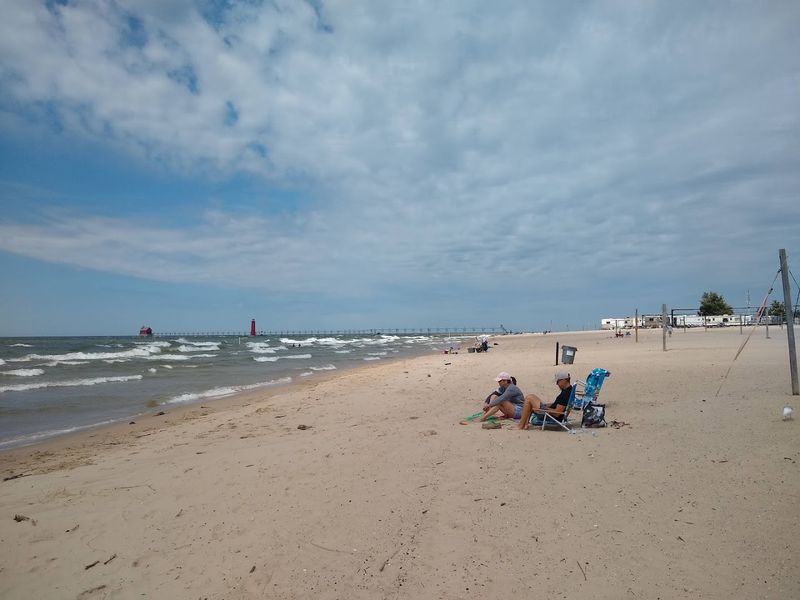
Ask anyone from West Michigan where they spent summer weekends as a kid, and there’s a good chance Grand Haven comes up within the first thirty seconds. The boardwalk, the musical fountain, the pier stretching out to that iconic red lighthouse — Grand Haven has been a beloved gathering place for generations of Michigan families.
It earned its nickname, Coast Guard City USA, with a combination of maritime history and genuine community pride.
What locals describe now is a town still beautiful but noticeably busier, pricier, and harder to navigate on peak weekends. The downtown has filled with upscale shops and restaurants that cater to a visitor demographic rather than the working families who historically anchored the community.
Weekend parking has become a genuine ordeal, and the beach scene in summer now rivals the organized chaos of a theme park entrance.
The musical fountain still plays every summer evening, drawing crowds to the waterfront for a show that’s equal parts kitschy and genuinely moving — it’s one of those Michigan experiences that somehow stays magical no matter how many times you’ve seen it. But the town around that fountain has changed its character.
Housing costs have surged, pushing younger families and service workers further from the lakeshore. Some longtime locals have relocated to neighboring communities like Spring Lake or Ferrysburg just to maintain the kind of quiet, affordable lifestyle Grand Haven used to offer by default.
The bones of this town are exceptional, and the community spirit hasn’t fully evaporated. But the Grand Haven that older residents describe — accessible, unpretentious, genuinely theirs — requires more effort to find than it once did.
7. Mackinaw City
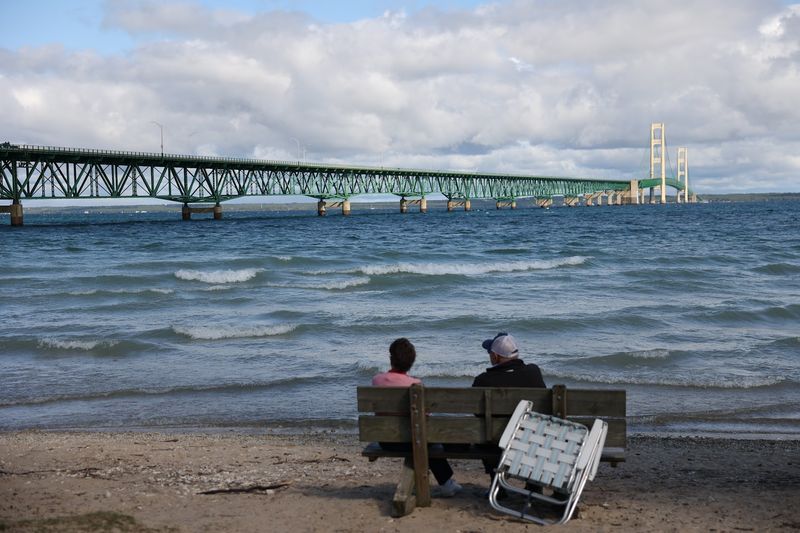
Mackinaw City occupies one of the most geographically dramatic spots in all of Michigan — the exact point where Lake Huron and Lake Michigan meet, with the Mackinac Bridge arching overhead and Mackinac Island visible just a few miles offshore. For most of its modern history, the town has functioned primarily as a staging area: a place you pass through on your way to somewhere more interesting.
That description sounds harsh, but longtime locals would probably agree with a knowing smile.
The town’s economy has always been tied almost entirely to tourism, which means it has never really had the kind of year-round community identity that other lake towns developed over generations. Fudge shops, souvenir stores, and motels dominate the commercial landscape, and while that formula has served the town economically, it created a place that feels more transactional than lived-in.
Residents who stay through the long, quiet winters describe a completely different town than the one summer visitors experience.
What’s changed recently is the intensity of the peak season. Social media has amplified Mackinaw City’s gateway status, and the summer months now bring a level of congestion that strains the town’s limited infrastructure.
Ferry lines for Mackinac Island stretch around the block, parking becomes a full-contact sport, and the fudge shops — there are many, and they are aggressively competitive — feel increasingly indistinguishable from one another. The bridge views are still genuinely breathtaking, and the sunsets over the straits belong on any Michigan bucket list.
But if you’re hoping to find a meaningful local culture beneath the tourist surface in Mackinaw City, you’ll need to look harder than most visitors have time for.
8. Saugatuck-Douglas
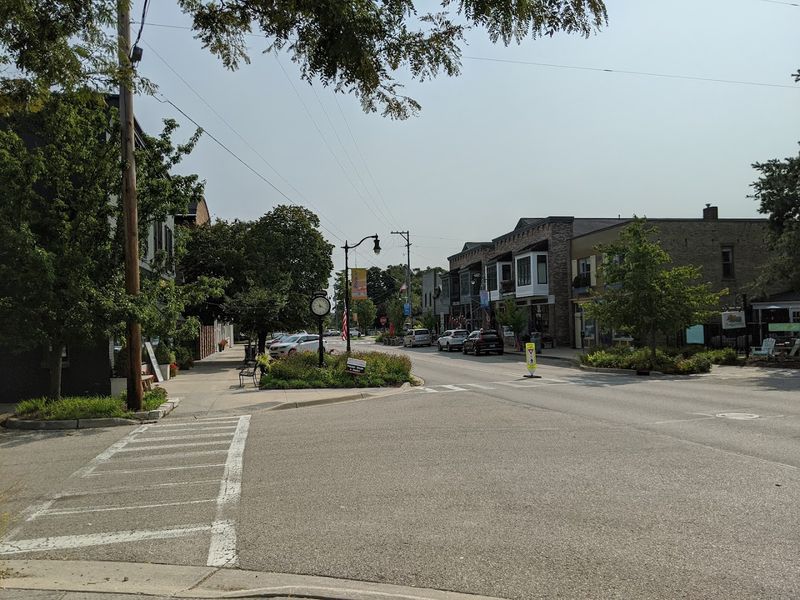
Saugatuck-Douglas earned its reputation as Michigan’s art coast honestly — generations of painters, sculptors, and gallery owners built a genuine creative community here, drawn by the light off Lake Michigan, the drama of the surrounding dunes, and a social atmosphere that was notably open-minded for a small Midwestern town. The twin communities developed a personality that felt both sophisticated and relaxed, like a weekend that never quite ends.
That identity has become something of a victim of its own success. Saugatuck in particular has seen a dramatic shift in who can afford to be here, with property values and short-term rental activity reshaping the housing landscape faster than the community can adapt.
The artists and creative types who built the town’s character are increasingly being priced out by the very visitors who came to experience that character. It’s a cruel irony that plays out in small creative communities across the country.
The physical beauty here remains extraordinary — Oval Beach consistently ranks among the best freshwater beaches in the country, the dunes are accessible and dramatic, and the Kalamazoo River provides a scenic backdrop for the downtown waterfront. The restaurant and bar scene has expanded significantly, offering options that would feel at home in a much larger city.
But longtime residents describe a social atmosphere that feels more transactional and less communal than it used to. The sense of knowing your neighbors, of running into friends at the farmers market, of belonging to something specific — that texture has thinned.
Saugatuck-Douglas is still one of Michigan’s most compelling destinations. It just takes a little more intention to experience it as a community rather than a backdrop.
9. South Haven
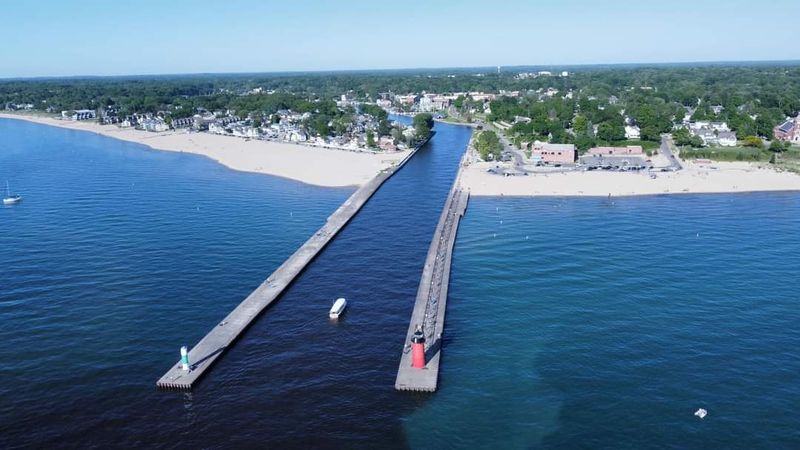
South Haven has a particular magic that’s hard to explain to someone who hasn’t experienced it firsthand. The red lighthouse at the end of the pier, the blueberry farms just inland, the wide sandy beach that catches afternoon light in a way that makes everything look slightly cinematic — it all comes together in a package that feels both humble and spectacular.
For decades, it was a favorite of Chicago-area families who wanted lake access without the full Traverse City price tag.
That affordability advantage has largely evaporated. South Haven’s proximity to the Indiana and Illinois state lines made it one of the first West Michigan lake towns to feel serious out-of-state buyer pressure, and the real estate market responded accordingly.
The community that once welcomed working-class families for affordable summer rentals now skews noticeably toward higher income brackets, and the commercial mix downtown has shifted to match.
What remains genuinely appealing is the town’s compact, walkable layout and its authentic maritime character. The marina is active, the fishing charter culture is alive, and the blueberry festival each August still draws a crowd that feels more hometown than tourist trap.
Local restaurants along the Black River have improved in quality without completely losing their casual lakeside energy. But the South Haven that longtime visitors describe — the one where you could rent a cottage for a week without breaking the bank, where the beach felt like a neighborhood gathering place — exists now mostly in memory and old photographs.
The lighthouse still draws visitors to the pier at golden hour, and the lake doesn’t care about any of it. That, at least, hasn’t changed.
10. Charlevoix
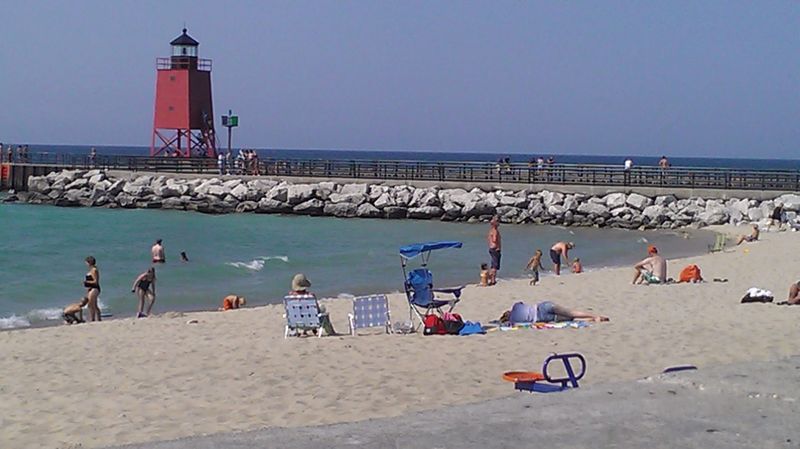
Charlevoix has always had the kind of good looks that inspire loyalty — a natural drawbridge channel connecting Lake Michigan to Round Lake and then to the inland Lake Charlevoix, a downtown compact enough to walk in twenty minutes but packed with enough personality to hold your attention for days. The Earl Young mushroom houses scattered around the residential streets add a storybook quality that genuinely has no equivalent anywhere else in Michigan.
This town was always a little bit magical.
But Charlevoix’s charms have not gone unnoticed by the broader world, and the past decade has brought the kind of attention that changes a place whether it wants to change or not. Real estate in the area has become some of the most expensive in northern Michigan, drawing buyers from Chicago, Detroit, and beyond who are looking for second homes in one of the Great Lakes region’s most scenic settings.
The effect on the year-round community has been significant and, by many accounts, not entirely welcome.
Service industry workers who keep the restaurants and shops running through the summer months increasingly cannot afford to live anywhere near the town they work in, commuting from further away each year. The downtown has maintained its visual charm — the flower-lined streets, the bridge tender’s booth, the boats queuing to pass through the channel — but the social dynamics underneath that pretty surface have shifted considerably.
Longtime residents describe a town that performs its own identity for visitors while quietly struggling to sustain the community that created that identity in the first place. Charlevoix is still one of northern Michigan’s crown jewels.
The question being asked in more honest conversations is: crown jewel for whom, exactly?
11. Traverse City
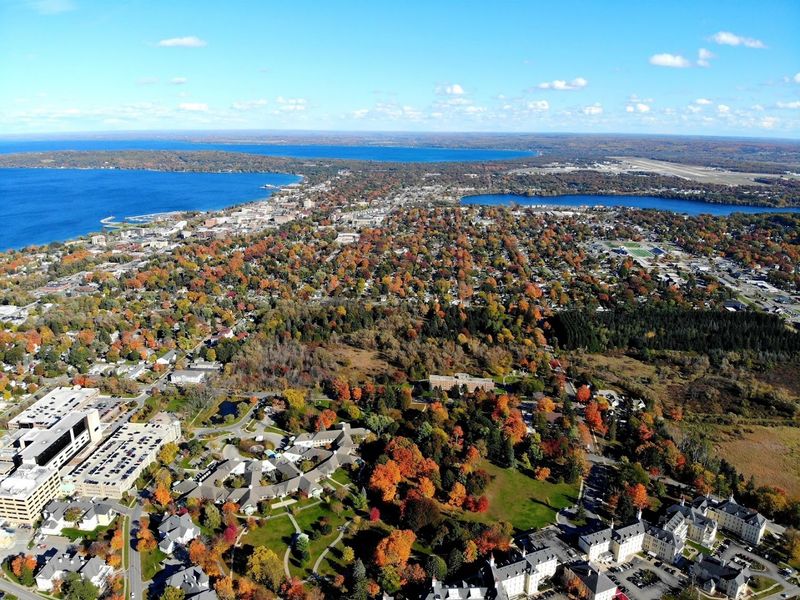
Traverse City is the one that started this whole conversation for a lot of Michigan locals. Twenty years ago, it was a genuinely special mid-sized northern Michigan city — big enough to have real restaurants and culture, small enough that you could still feel the agricultural roots in the cherry orchards draping the hills around the bay.
The Film Festival, the wineries, the beaches on both the East and West arms of Grand Traverse Bay — it all added up to something that felt authentic and earned.
What Traverse City has become is harder to summarize without sounding ungrateful for its success. The city has been named to virtually every national best-of list imaginable — best small city, best food scene, best place to retire, best place to raise a family — and each wave of recognition brought more people, more investment, and more pressure on the community fabric.
Housing costs have more than doubled in a decade, and the workforce shortage in tourism and hospitality has become a genuine crisis, with workers unable to afford living anywhere near the jobs that serve the visitors.
The downtown is undeniably impressive, with a depth of dining, retail, and cultural options that would be remarkable in a city three times its size. The bay views from the waterfront are as stunning as ever, and the Sleeping Bear Dunes just down the road remain one of the most spectacular natural landscapes in the Midwest.
But longtime residents — especially those who remember Traverse City before it became a brand — speak about it with a complicated mixture of pride and grief. They love what it is.
They miss what it was. And they’re not entirely sure those two feelings can coexist comfortably for much longer.
Share this story